26.4° N
Yomitan
Okinawa, Japan
A village on a peninsula in central Okinawa, facing the East China Sea, where the heat eases in autumn. Potters' climbing kilns at Yachimun no Sato, Ryukyu glass and Hanaui weaving, alongside Okinawa soba, bread and coffee from Zakimi to Toya port, as Rin's picks.
Yomitan, on film
4 sights and 16 places, each checked open in 2026, in 40 seconds.
Found somewhere you like? The map and the list below have the address, hours and official site.
Tap for sound
What to eat in Yomitan
No photo yet
Beni-imo tart (purple sweet potato tart)
紅いもタルト
A boat-shaped pastry tart piped with smooth paste made from purple beni-imo sweet potatoes grown in Okinawa. It was created in Yomitan in 1986 as part of a village revitalization effort using the town's signature crop and is baked on site at the originator's flagship.
Eaten freshly baked straight from the factory line at the shop's café corner or bought individually and in boxes.
No photo yet
Sobe popo (Okinawan brown-sugar rolled pancake)
楚辺ポーポー
A thick, spongy rolled pancake made from flour and Okinawan brown sugar, specific to Yomitan's Sobe district. Unlike standard Okinawan popo filled with sweet miso paste, Sobe popo omits the filling and was traditionally prepared at home for the lunar fourth-month Abushibare festival.
Sold rolled and wrapped at market stalls and specialty counters to eat at room temperature as a daytime snack.
No photo yet
Mozuku-don (simmered mozuku seaweed rice bowl)
もずく丼
A savory rice bowl topped with Okinawan mozuku seaweed cooked with minced pork and vegetables in a light thickened sauce. It was developed in Yomitan Village from a local school-lunch dish in collaboration with producer Okiham and is served at Toya Fishing Port.
Ordered at lunchtime at the fishing port canteen as a set with a small bowl of fish soup and vinegar-miso side dish.
Where to eat it
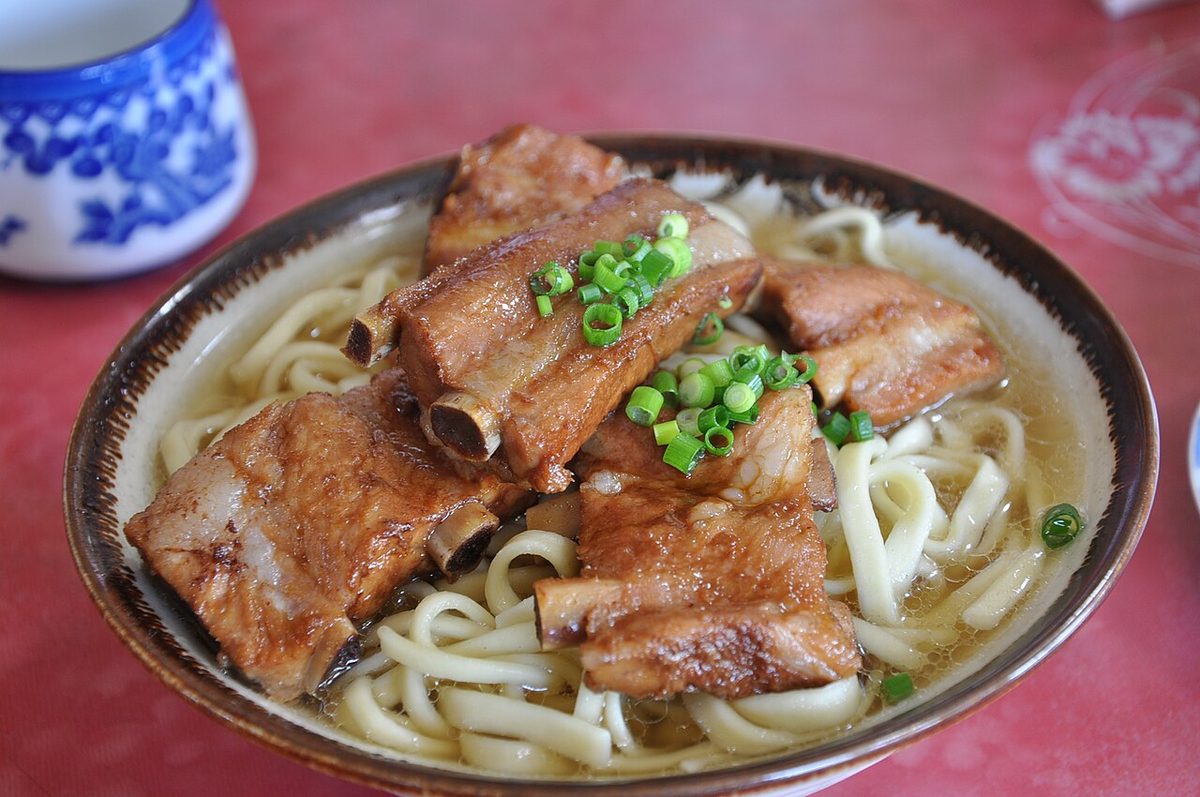
Photo: Banzai Hiroaki / CC BY 2.0 (Wikimedia Commons) Okinawa soba (wheat noodles in pork-bonito broth)
沖縄そば
Thick wheat noodles served in a clear pork-and-bonito broth topped with braised pork belly or spare ribs. Yomitan has many independent soba shops, from MSG-free bonito broths with raw aasa seaweed to homemade noodles kneaded with local beni-imo.
Ordered for lunch topped with pork belly or cartilage soki, often alongside jushi seasoned rice.
Where to eat it
Where Rin would go, on the map — or build your own route
Tap a mark to see the place; squares are museums and sights (landmarks). Use “Build your own route” to make a walk of your own.
Loading the map
Map data © OpenStreetMap contributors
Where Rin would go
Made in Yomitan: Yomitan Yachimun Pottery2
All yomitan yachimun pottery →1 / 3
Made in Yomitan
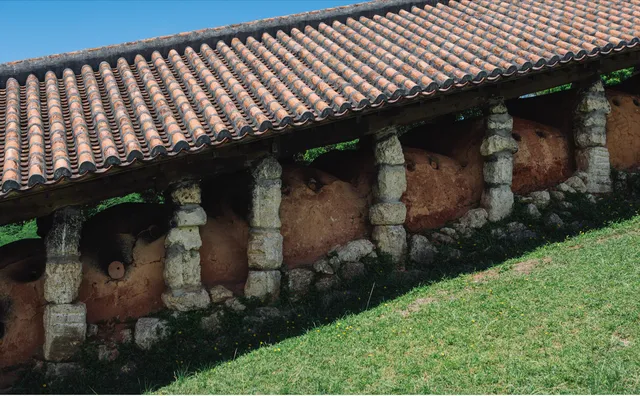
In the 1970s and 1980s, potters moved wood-fired climbing kilns from Naha's Tsuboya district to Yomitan, where residential growth had made firing hard in town. Around the shared climbing kiln built in 1980, Yachimun no Sato took shape, and today dozens of kilns work across the village.
Red-tiled wood-fired climbing kiln at Yamada Kobo in Yomitan·Photo: Yamada Kobo (official site)
Zakimi
Yomitanzan-yaki Kitagama Baiten
読谷山焼 北窯売店
The joint shop in Yachimun no Sato for the four Kitagama workshops—Masataka Miyagi, Masamori Yonahara, Yoneji Matsuda and Kyoji Matsuda—showing wood-fired vessels from the climbing kiln.
中頭郡読谷村字座喜味2653-1
RinI compared vessels from the four kilns. Each wood-fired glaze had its own charm.
Zakimi
Yamada Kobo
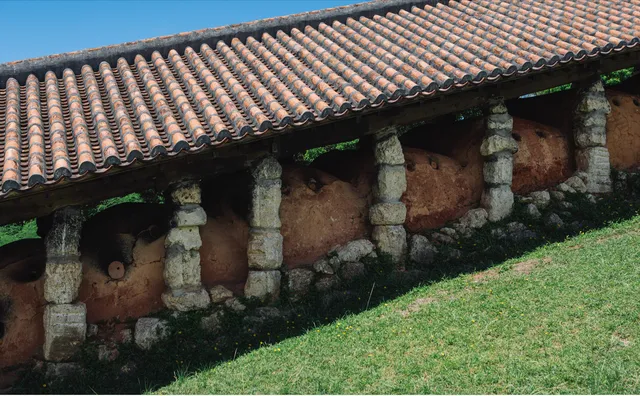
Photo: the shop’s official page 山田工房
The studio and gallery of potter Shinman Yamada in Yachimun no Sato, one of the founders of the Yomitanzan-gama climbing kiln in 1980. Open 10:00 to 17:00 (with a midday break); irregular holidays.
10:00–17:00 · Closed: Irregular holidays
中頭郡読谷村字座喜味2653-1
RinI picked up a vessel. The rounded base nestled comfortably in my palm.
Made in Yomitan: Yomitan Hanaui Weaving1
All yomitan hanaui weaving →1 / 2
Made in Yomitan
Said to have come from the south in the 14th to 15th centuries, Yomitan Hanaui died out after the Meiji era and was revived in the 1960s through the efforts of local weavers. It is a nationally designated traditional craft woven only in Yomitan.
Zakimi
Yomitan Hanaui Cooperative
読谷山花織事業協同組合
The Yomitan Hanaui weavers' cooperative inside the Yomitan Traditional Crafts Center in Zakimi, exhibiting and selling hanaui and minsa textiles, small exclusive goods, and reservation-only coaster weaving. Open 8:30 to 17:00; closed Sundays.
中頭郡読谷村字座喜味2974-2
RinI compared the small hanaui pieces. Drawn to the raised weave, I chose it.
Craft3
All craft →1 / 3
Zakimi
Tsunehide Kobo Gallery Utsuwaya
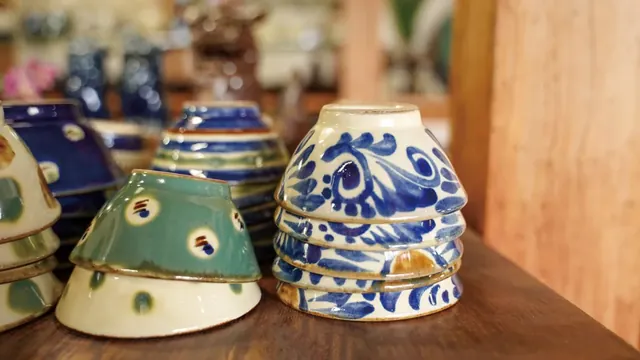
Photo: the shop’s official page 常秀工房 ギャラリーうつわ家
The pottery shop adjoining Tsunehide Kiln in Yomitan's Yachimun no Sato, showing everyday Tsuboya-style vessels made with sansai, dot, cobalt brushwork, tobikanna and icchin slip-trailing.
読谷村座喜味2748
RinI compared tobikanna and dotted vessels. Liked the carved rhythm and took a plate.
Zakimi
Genka Genkichi Ryukyu Glass Studio
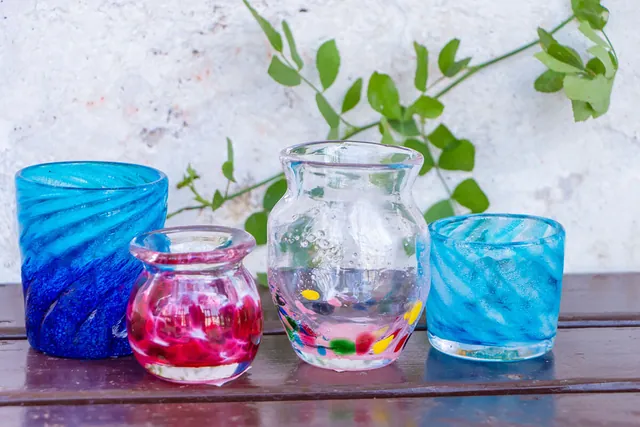
Photo: the shop’s official page 源河源吉琉球ガラス工房
A Ryukyu glass studio in Zakimi blowing ocean-themed glassware from a 1,400°C furnace for over fifty years, with a shop, an outlet corner and glassblowing sessions. Open 9:00 to 18:00; closed over New Year.
Daily 9:00–18:00 · Closed: Open daily (closed Year-End & New Year)
中頭郡読谷村字座喜味1369-1
RinI chose a sea-blue blown glass. The blue glowed coolly in the light.
Takashiho
RYUKYU GLASS WORKS Umikaze
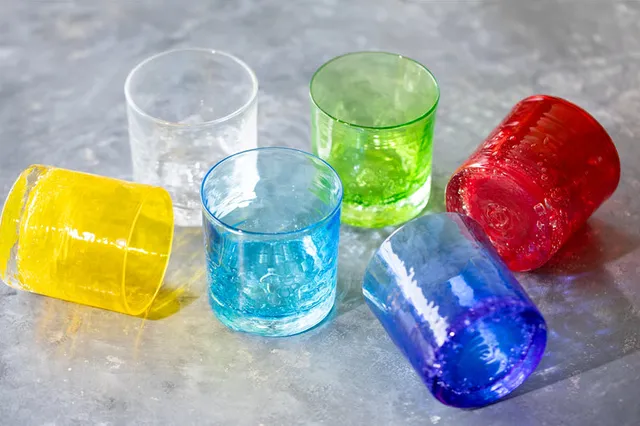
Photo: the shop’s official page RYUKYU GLASS WORKS 海風
A Ryukyu glass workshop and direct shop inside Gala Aoiumi in Takashiho, facing the East China Sea, making series such as Zanpa Sunset with extra rim-finishing work. Open 9:00 to 17:00 (irregular holidays); glassblowing sessions are closed Sundays.
9:00–17:00 · Closed: Irregular holidays
中頭郡読谷村字高志保915 Gala青い海内
RinI picked up a twice-finished glass. The rounded rim felt smooth and gentle.
Sweets3
All sweets →1 / 3
Zakimi
Bakery Suien
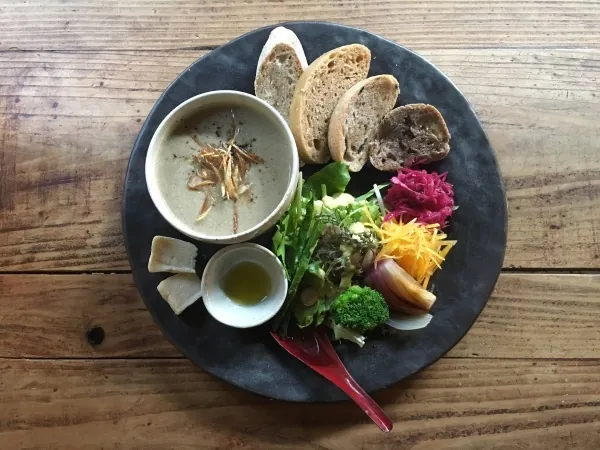
Photo: the shop’s official page パン屋 水円
A bakery in Zakimi making daily natural-yeast breads, baked sweets with seasonal fruit and drinks, as well as soup and sandwich lunches. Opening days are posted on Instagram.
中頭郡読谷村字座喜味367
RinI bought natural-yeast bread and a fruit bake. The crumb had a mild tang.
Zakimi
Tsurukamedo Zenzai
鶴亀堂ぜんざい
An Okinawan zenzai shop right outside the gate of Zakimi Castle Ruins, serving shaved ice over sweet cooked beans, including a beni-imo brown-sugar zenzai. Open 11:00 to 17:00 until sold out; closed Tuesdays and Wednesdays.
中頭郡読谷村字座喜味248-1
RinI ate the beni-imo brown-sugar zenzai. Cold beans under shaved ice cooled me off.
Sobe
JoieJoie326
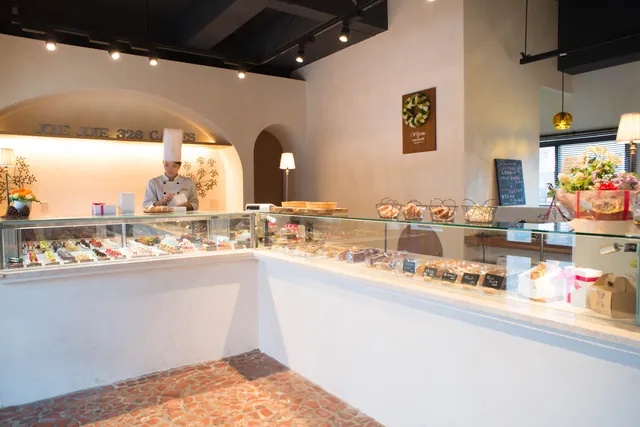
Photo: the shop’s official page A patisserie in Sobe making cakes, baked sweets and quiche with free-range Yomitan eggs, unrefined cane and Okinawan brown sugar, and organic local produce where possible. Open 11:00 to 19:00 (café until 18:00); closed Thursdays.
Fri–Wed 11:00–19:00 · Closed: Thursdays
中頭郡読谷村楚辺1094 比嘉アパート1F
RinI bought baked sweets made with cane and brown sugar. Soft, gentle sugar.
Food4
All food →1 / 4
Zakimi
Zakimi Soba
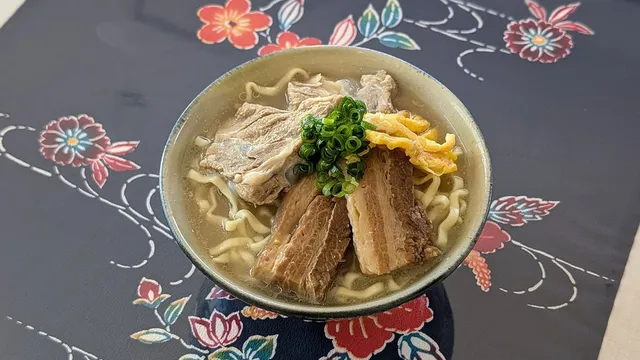
Photo: the shop’s official page 座喜味そば
An Okinawa soba shop in Zakimi serving Zakimi soba, sanmainiku and salt-simmered cartilage soba, along with jushi rice and zenzai. Open 11:00 to 16:00 until sold out; closed Thursdays and Fridays.
Sat–Wed 11:00–16:00 · Closed: Thursdays & Fridays
中頭郡読谷村字座喜味2958-8
RinI ate the salt-simmered cartilage soba. Soft enough to fall apart.
Toya
Asian Shokudo Shirokuma
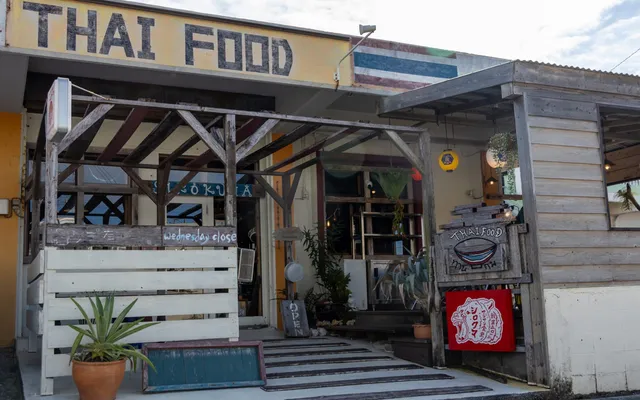
Photo: the shop’s official page アジアン食堂 シロクマ
A street-stall-style Thai diner in Toya serving dishes learned from a Thai chef with gentle heat, from tom yum kung and local coriander salad to pad thai. Closed Wednesdays.
Mon–Tue, Thu 11:00–15:00, 17:00–21:00; Fri–Sun 11:00–15:00, 17:00–22:00 · Closed: Wednesdays
中頭郡読谷村都屋304
RinI ordered tom yum kung. With gentle heat, the sourness stood out.
Toya
Uminchu Shokudo
海人食堂(読谷村漁業協同組合)
The Yomitan Fishery Cooperative's canteen on the second floor of the seafood hall at Toya Fishing Port, serving uminchu seafood bowls, mozuku bowls, fish soup and fresh-fried tempura. Hours are posted on Instagram.
読谷村都屋33 読谷村都屋漁港水産物展示販売等施設2F
RinI had the mozuku bowl, fish soup, and mozuku tempura. Crisp straight from the fryer.
Kina
Mainichi Shokudo
まいにち食堂
A small Okinawa soba shop in a quiet part of Kina, making MSG-free bonito-broth soba with raw aasa seaweed, cured pork and jushi rice. Open 11:30 to 15:00 until sold out; closed Sundays, Mondays and Thursdays.
読谷村喜名390
RinI ate the raw aasa seaweed soba. Sea aroma rose from the bonito soup.
Cafés3
All cafés →1 / 3
Kina
Yubanta Coffee
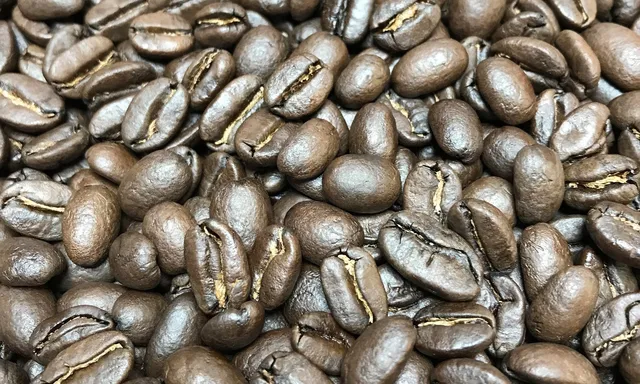
Photo: the shop’s official page 焙煎工房 ゆうばんた珈琲
A stand-style house-roasted coffee shop on the ground floor of the Yomitan Regional Promotion Center in Kina, brewing beans from its nearby Kina roastery and carrying Okinawa-grown coffee. Open 12:00 to 17:30; closed Tuesdays.
Wed–Mon 12:00–17:30 · Closed: Tuesdays
読谷村字喜名2346-11 読谷村地域振興センター1F C4
RinI drank the Okinawa-grown coffee. Mild acidity with a clean aftertaste.
Zakimi
CLAY Coffee & Gallery
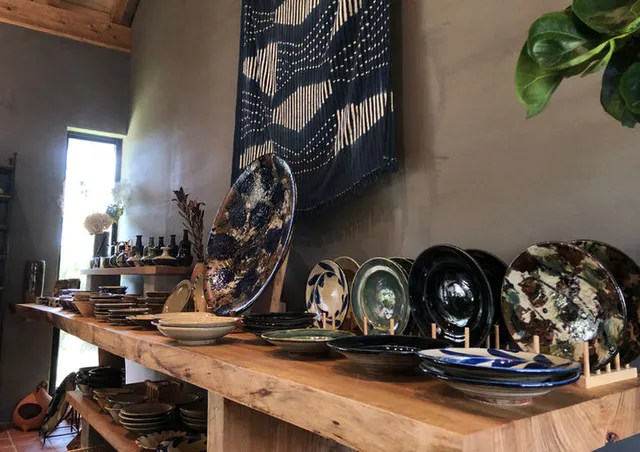
Photo: the shop’s official page A café and gallery at Kitagama in Yachimun no Sato, produced by potter Kyoji Matsuda. In a tiled-roof building, it serves house-roasted coffee and light meals on his vessels alongside pieces for sale. Closed Thursdays and Sundays.
Mon–Wed, Fri 11:00–17:00, Sat 9:00–16:00 · Closed: Thursdays & Sundays
中頭郡読谷村座喜味2648-7
RinI drank house-roasted coffee from the potter's cup. The glaze caught my eye.
Kina
Two Dots Cafe
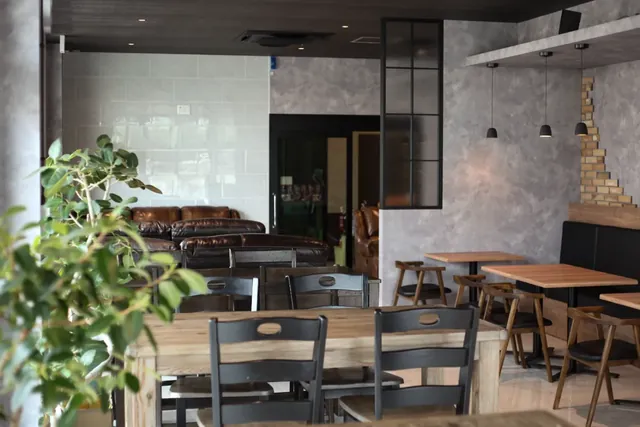
Photo: the shop’s official page A café on the ground floor of a hotel along Route 58 in Kina. Open from 7:30 to 18:00, serving brown-sugar lattes, French toast and taco rice.
中頭郡読谷村字喜名204-2 ミチ旅ホテル読谷1F
RinI ordered a brown-sugar latte in the morning. Rich and soothing with milk.
By area
Rin is a fictional traveller. Every place here was checked by the editors to exist and be open (checked 2026-11-14). Please confirm hours on the official site before you go. Paid listings are always marked. If you are the shop and would like a photo removed, write to editor@vual.jp and we will take it down at once.
To see — art and sights (landmarks)
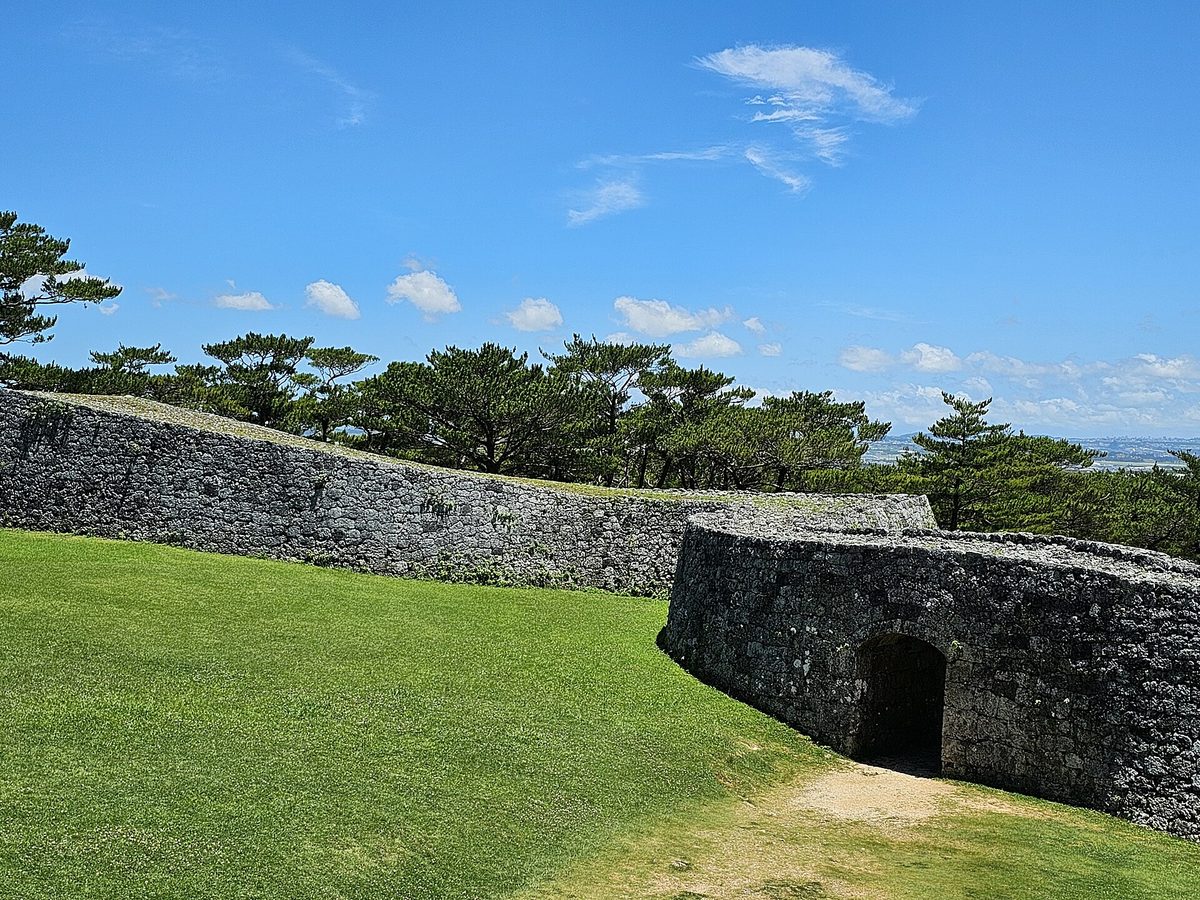
Photo: Renate Hano / CC BY-SA 4.0 (Wikimedia Commons) Sights · Zakimi
Zakimi Castle Ruins
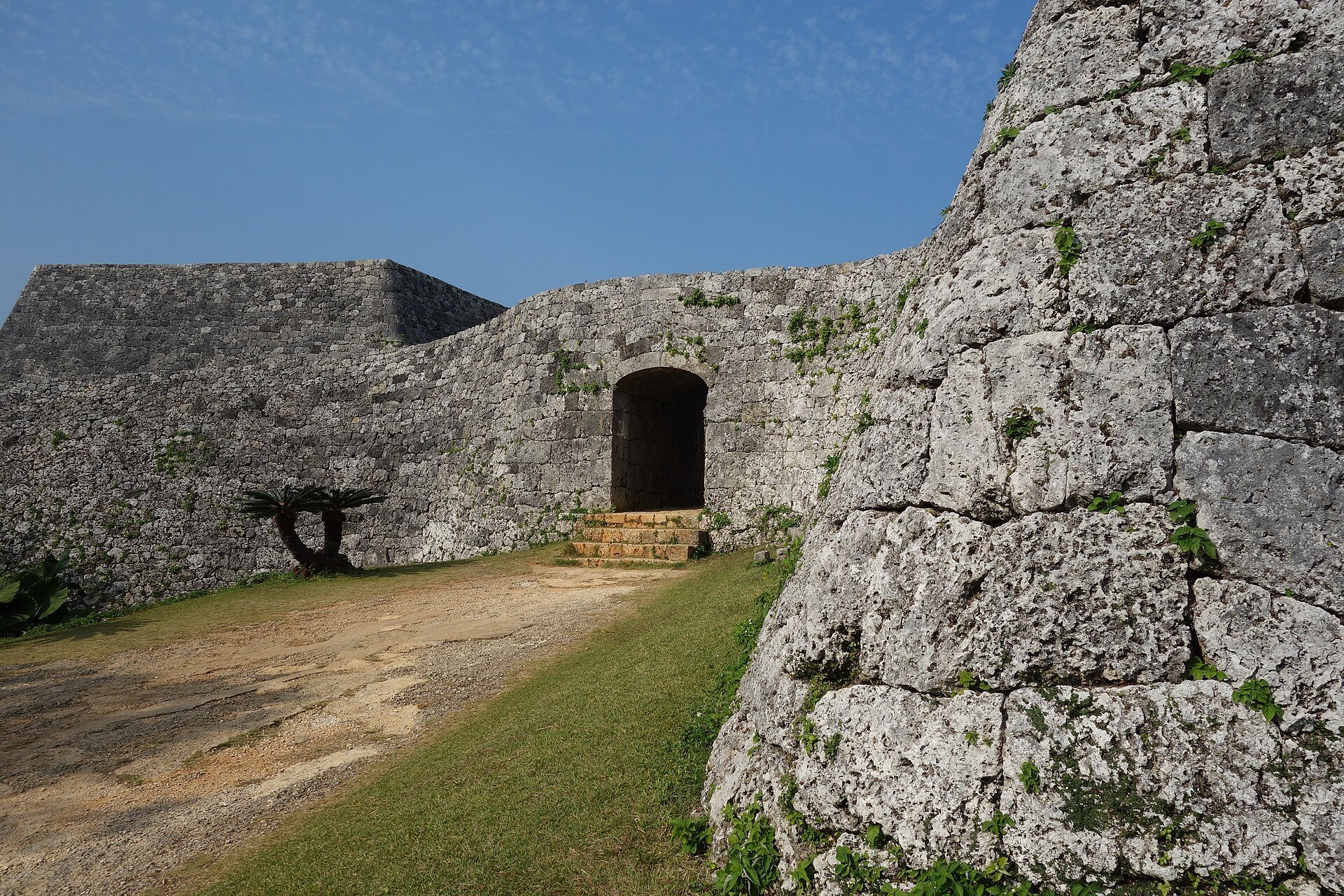
The ruins of a gusuku fortress built in the early fifteenth century by Gosamaru, known as a master castle builder. A national historic site and, since 2000, part of the World Heritage Gusuku Sites. Open to walk freely.
Art · Zakimi
Yuntanza Museum
The village museum renewed in 2018 by uniting the former history and folk museum (opened 1975) and art museum. Alongside guidance to Zakimi Castle, it exhibits Yomitan's archaeology, folk culture, nature and the Battle of Okinawa.
Closed Wednesdays (or the next day if Wednesday is a holiday) and Dec 28–Jan 4. Open 9:00 to 18:00 (last entry 17:30).
Sights · Zakimi
Yachimun no Sato
A pottery village that grew around the shared Yomitanzan-gama climbing kiln built by four potters in 1980. Nineteen independent workshops cluster here; hours and days off vary by workshop.
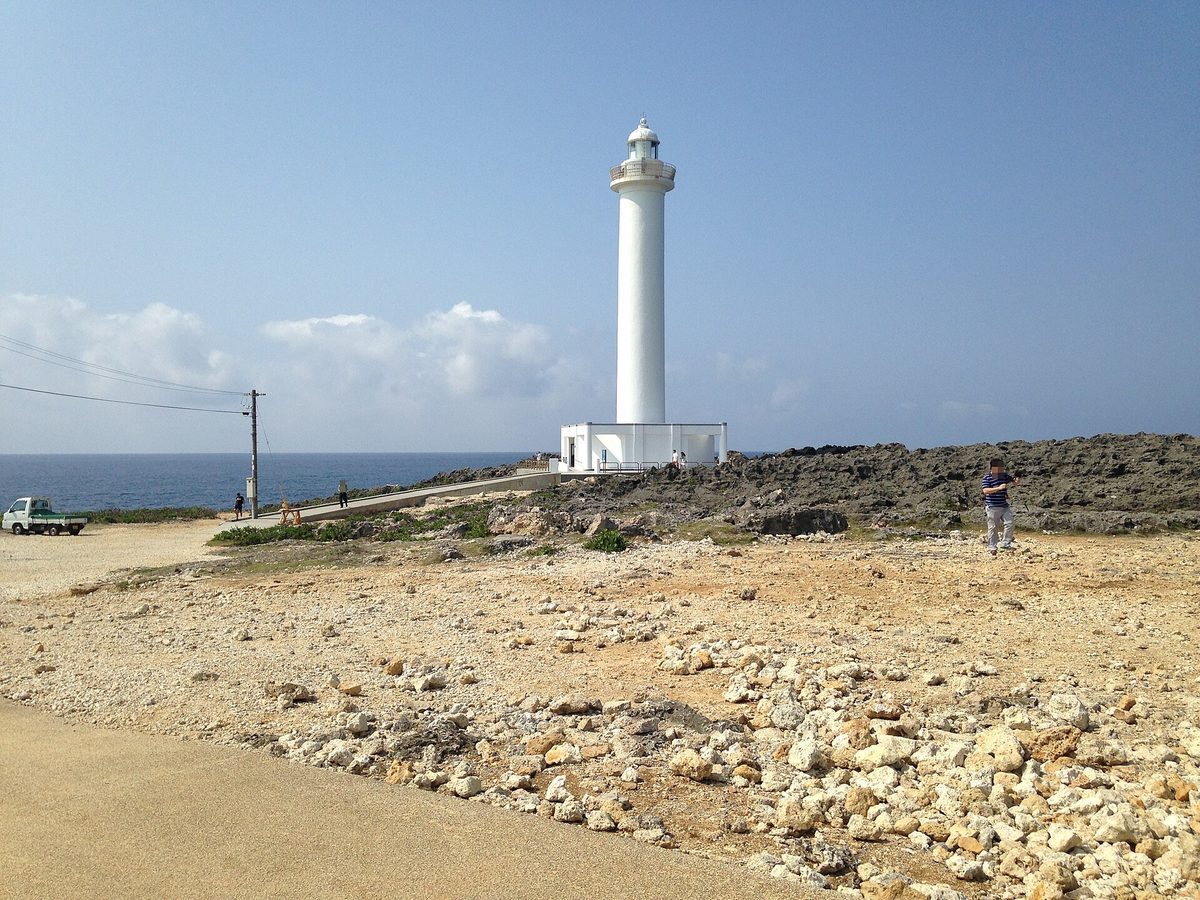
Photo: そらみみ (Soramimi) / CC BY-SA 4.0 (Wikimedia Commons) Sights · Uza
Cape Zanpa Lighthouse
A white concrete lighthouse standing on Cape Zanpa, where 30–40 m raised coral cliffs stretch for about 2 km into the East China Sea. First lit in March 1974, it stands 31 m tall.
Closed 12:00–13:00 for a midday break since March 1, 2026. Open 9:30–12:00, and 13:00–16:30 in the afternoon from October to February (last entry 20 minutes before closing).
These are landmarks, not Rin's picks. Each was checked to be open on its official site (checked 2026-11-12). Please confirm hours before you go.
Day trips from Yomitan
Classics
- Manzamoabout 16 km
Famous for its stunning views from the cliff shaped like an elephant's trunk. Sunset is particularly beautiful.
- Shurijo Castleabout 20 km
A World Heritage site symbolising the history and culture of the Ryukyu Kingdom. Morning and late afternoon are best to avoid crowds.
- Sefa-utakiabout 26 km
Located in Nanjo, Okinawa, this site is known as the most sacred place of prayer since the Ryukyu Kingdom, featuring majestic natural rock formations. Best to visit in mild weather; avoid the hot summer peak.
- Okinawa Churaumi Aquariumabout 36 km
Whale sharks and manta rays are kept in the Kuroshio Sea tank, one of the largest in the world. Weekdays are less crowded than weekends.
- Kouri Bridge and Kouri Islandabout 44 km
An island accessible by bridge from Okinawa main island, known for its stunning driving route. Best in clear, sunny weather for the Kouri Blue water.
Hidden spots
- Yachimun no Sato Pottery Village
A quiet craft hamlet in Yomitan centered around red-tiled workshops, shared climbing kilns, and 19 independent Okinawan pottery studios. From October through March—peaking in December—cool dry air and winter kiln firings make browsing the outdoor pottery lane ideal.
- Murasaki Mura
A recreated 14th–15th century Ryukyu Kingdom village in Yomitan that hosts the Ryukyu Lantern Festival with over 3,000 glowing lanterns from December through March. From December 1 to March 31, over 3,000 Chinese, Vietnamese, and washi lanterns illuminate the red-tiled Ryukyu streets every night.
- Bios Hillabout 6 km
A subtropical forest and lake garden in Uruma featuring wild orchids, jungle-cruise lake boats, water buffalo carts, and giant wooden swings. Spring (March–May) and autumn (September–November) bring thousands of blooming orchids and comfortable walking temperatures.
- Southeast Botanical Gardensabout 7 km
A 1,300-species subtropical botanical garden in Okinawa City that hosts an award-winning winter night illumination from late October through May. From late October through March, mild dry evenings make the 17:00–22:00 Tropical Illumination across palm avenues and lotus ponds ideal.
- Okinawa Zento Eisa Festivalabout 8 km
Okinawa's largest traditional Eisa drum-dance festival held in Okinawa City on the first weekend after Obon, uniting youth troupes from across the island. On the first post-Obon weekend (Sept 4–6, 2026), Gate Street hosts Friday Michijune street parades followed by two nights of stadium performances.
- Katsuren Castle Ruinsabout 15 km
A 15th-century UNESCO World Heritage gusuku fortress in Uruma whose curving limestone walls command 360-degree views of the Pacific and Yokatsu Peninsula. November–March offers ideal uphill walking temperatures and clear horizons, while July–August highlights the brightest turquoise reefs below.
- Ryukyu Onsen Ryujin no Yuabout 26 km
A natural hot spring facility on Senaga Island near Naha Airport with open-air ocean-view baths fed from 1,000 meters underground. November through March offers crisp ocean air that pairs perfectly with the steaming sodium-chloride baths, while rainy May makes an ideal all-weather soak.
- Valley of Gangalaabout 28 km
A subtropical forest valley formed by a collapsed ancient limestone cave, home to a 150-year-old giant banyan tree and prehistoric human excavation sites. Comfortable year-round under forest shade; March–April and October–December offer the mildest humidity for the 80-minute guided walk.
Distances are straight-line from the town centre. Each page has how to get there and a suggested day.