35.7° N
Yamanashi
Yamanashi, Japan
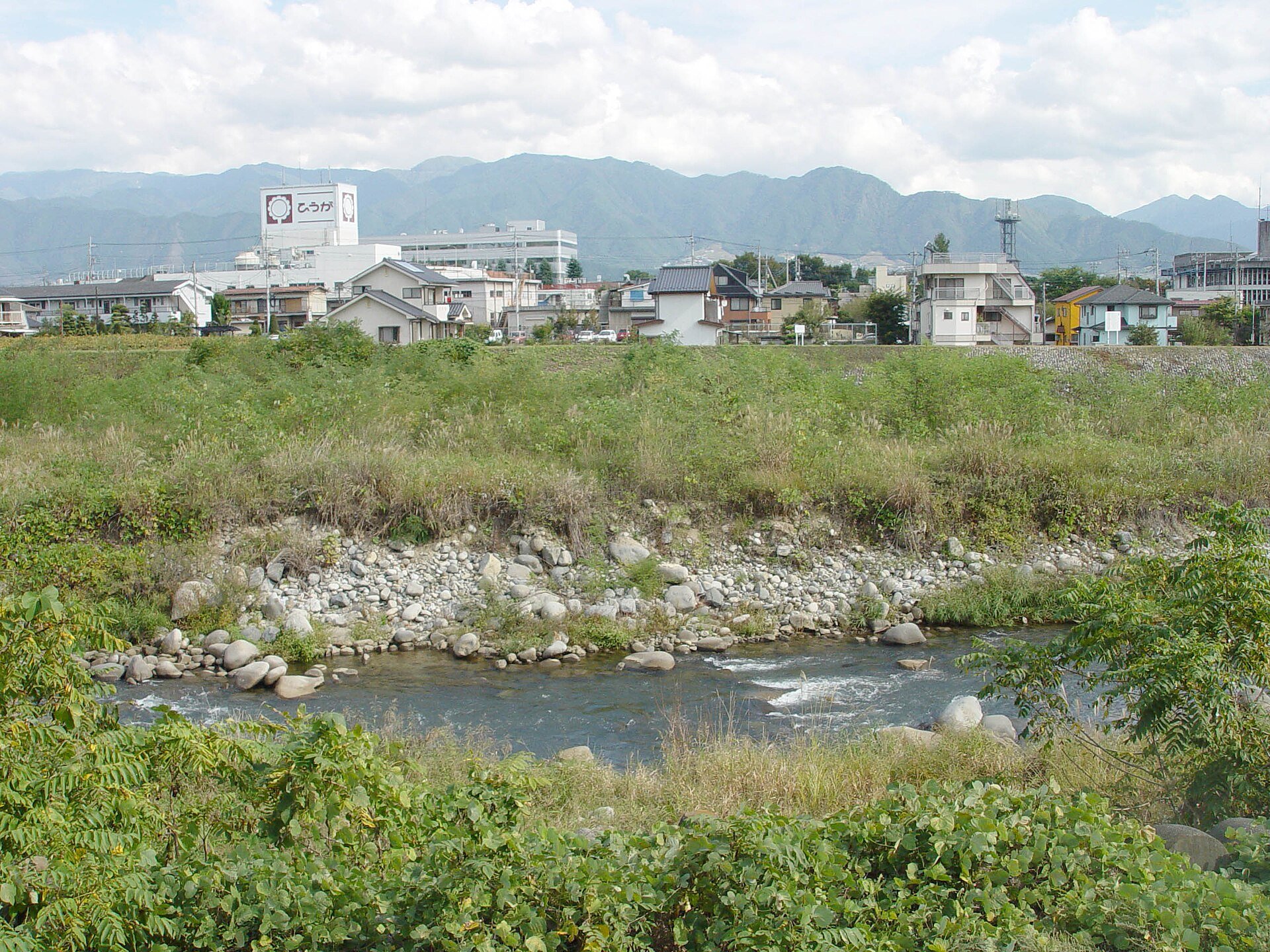
A fruit and wine town at the northern edge of the Kofu Basin, along the Fuefuki River. Family-run wineries in the hills of Makioka, peach-orchard sweets, bread, houtou and a pottery studio, as Rin's picks.
Yamanashi, on film
5 sights and 8 places, each checked open in 2026, in 36 seconds.
Found somewhere you like? The map and the list below have the address, hours and official site.
Tap for sound
What to eat in Yamanashi
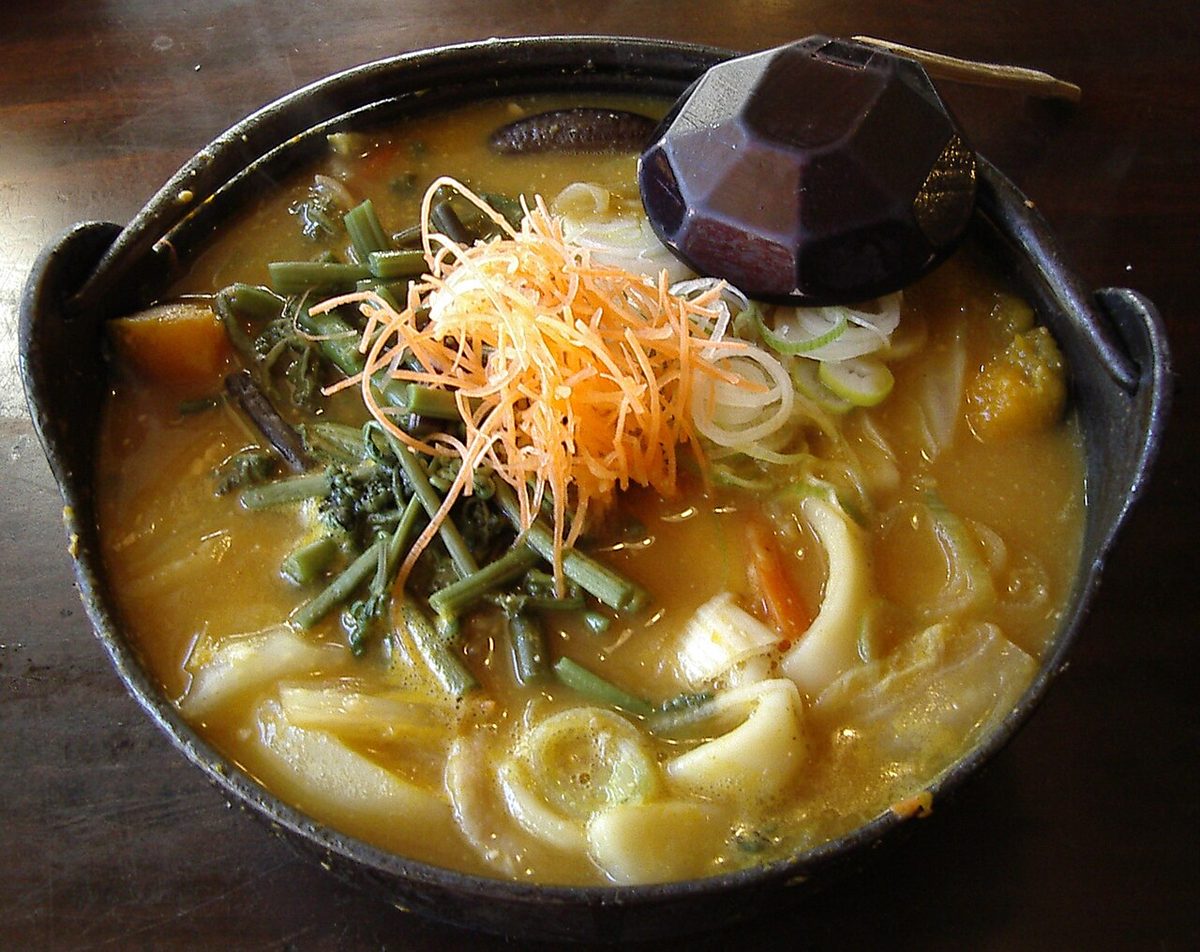
Photo: No machine-readable author provided. Jungle assumed (based o / CC BY-SA 3.0 (Wikimedia Commons) Hoto (miso-simmered flat noodles)
ほうとう
Wide, thick wheat noodles simmered raw with kabocha squash, mushrooms, and seasonal vegetables in a miso broth. A long-standing regional staple of the Kofu Basin, it is served across Yamanashi City at dedicated noodle houses and roadside stops.
Served boiling in an iron pot, often paired with side dishes such as tori motsu-ni or basashi.
Where to eat it
- Hoto Funari Fruit Line ↓
- Michi-no-Eki MitomiWebsiteMap
No photo yet
Momo Parfait (orchard peach parfait)
桃パフェ
A tall glass parfait layered with ripe orchard-picked peaches, peach gelato, and jelly. Yamanashi City sits in one of Japan's main peach-growing basins, where local orchards cultivate dozens of varieties that ripen sequentially through summer.
Eaten skin-on at orchard cafés during the June-to-early-October harvest, often with morning queue tickets on weekends.(Jun–Oct)
Where to eat it
No photo yet
Inobuta (wild boar-pig hybrid dishes)
いのぶた料理
Dishes made from inobuta, a crossbreed of wild boar and domestic pig with lighter fat than standard pork. It is a local specialty of the mountain district of Mitomi in northern Yamanashi City along the approach to Nishizawa Gorge.
Served year-round as inobuta ramen at Michi-no-Eki Mitomi, as well as in hot pots and houtou.
No photo yet
Koshu Wine (local grape wine)
甲州ワイン
Wines made from native Koshu grapes and other varieties grown on the sunlit slopes of Yamanashi City. The hillside district of Makioka is home to family-run wineries dating back to 1933 alongside newer estates.
Tasted in small-lot flights at winery tasting rooms in Makioka, sometimes by advance reservation.
Where to eat it
Where Rin would go, on the map — or build your own route
Tap a mark to see the place; squares are museums and sights (landmarks). Use “Build your own route” to make a walk of your own.
Loading the map
Map data © OpenStreetMap contributors
Where Rin would go
Made in Yamanashi: Boutique Winemaking2
All boutique winemaking →1 / 3
Made in Yamanashi
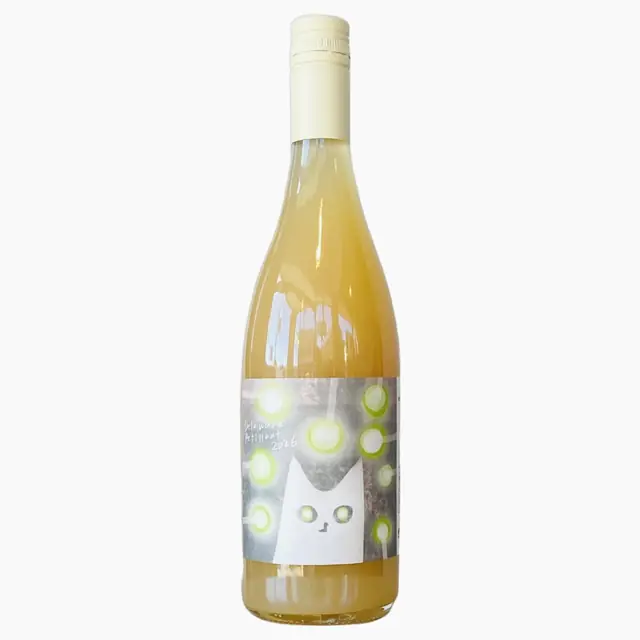
Yamanashi City's alluvial fans and the sunlit slopes of Makioka support small, family-run wineries. Using Koshu and European grape varieties, they make wine in small lots—from Sanyo Wine, founded in 1933, to hillside growers like Cantina Hiro.
Bottle of small-batch wine from Sanyo Wine·Photo: Sanyo Wine (official site)
Makioka
Sanyo Wine
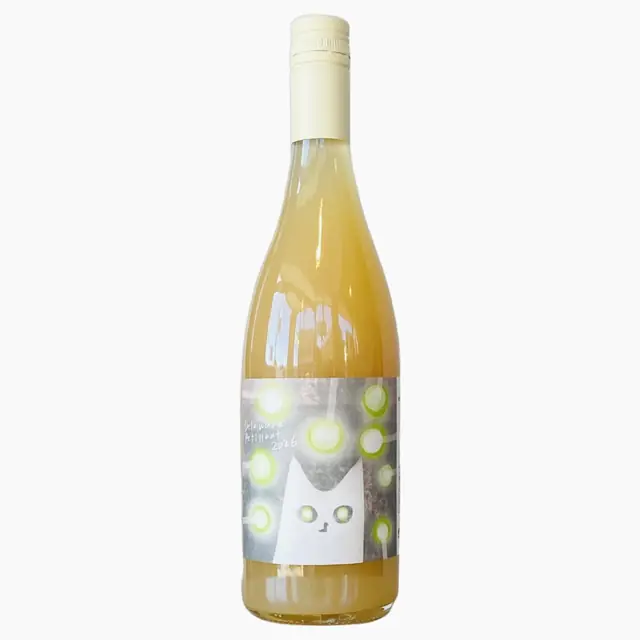
Photo: the shop’s official page 三養醸造
A family-run winery in Makioka founded in 1933. It makes small-lot wines from Koshu and European varieties grown on its own estate, with four tastings available at the shop. Open 9 am to 5 pm, irregular holidays.
Daily 9:00–17:00 (irregular holidays) · Closed: Irregular holidays
山梨市牧丘町窪平237-2
RinI tried the four tastings and bought a Koshu. Clean, bright fruit aroma.
Makioka
Cantina Hiro
カンティーナ・ヒロ
A small winery opened in 2018 in the hills of Kurashina, Makioka, growing Italian grape varieties alongside Koshu. Open 9 am to 5 pm in summer; closed January to March (by inquiry).
Summer 9:00–17:00 (winter Jan–Mar: inquire) · Closed: Winter (Jan–Mar, inquire)
山梨市牧丘町倉科7143-1
RinI picked a bottle of the Italian-variety wine. Richly aromatic and smooth.
Craft1
All craft →Yatsubo
Tou Gallery Roppo
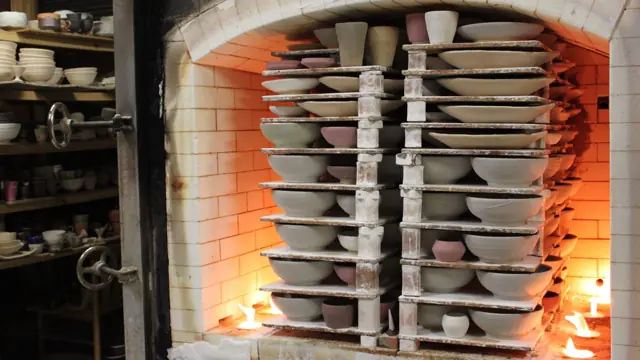
Photo: the shop’s official page 陶ギャラリーRoppo 六鵬窯
A pottery studio and gallery near Fuefukigawa Fruit Park and Hottarakashi Onsen, on a hillside overlooking the Kofu Basin and Mount Fuji. It offers electric-wheel and hand-building sessions; monthly opening days are posted on its blog.
9:00–18:00 · Closed: Thursdays (open on public holidays)checked Nov 2026
山梨市矢坪1669-79
RinI tried hand-building at the hillside studio. Cool clay felt good in the hands.
Sweets3
All sweets →1 / 3
Shotokuji
La Pesca
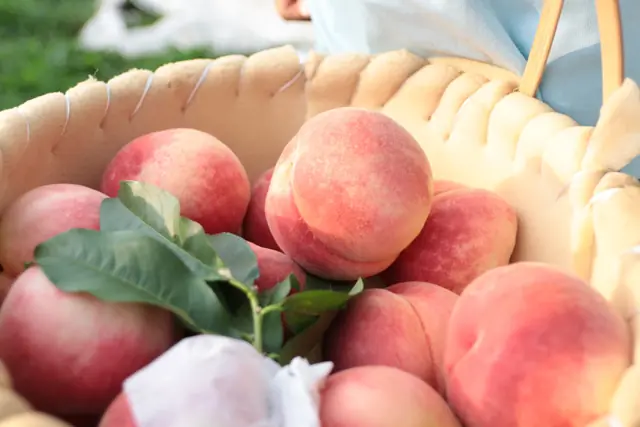
Photo: the shop’s official page 桃農家カフェ ラ・ペスカ
A café run directly by peach grower Peach Senka Yamashita in Shotokuji, serving parfaits and gelato made with their own freshly picked peaches—eaten skin-on—and grapes. Open seasonally from late June to early October in 2026, closed Mondays.
Tue–Sun 10:00–16:30 (LO 16:20, seasonal late Jun–early Oct) · Closed: Mondays (next day if holiday); closed outside late Jun–early Oct
山梨市正徳寺1131-1
RinI had the skin-on peach parfait. Juicy, with a bright, sweet scent.
Obara
Seipan Mugiharu
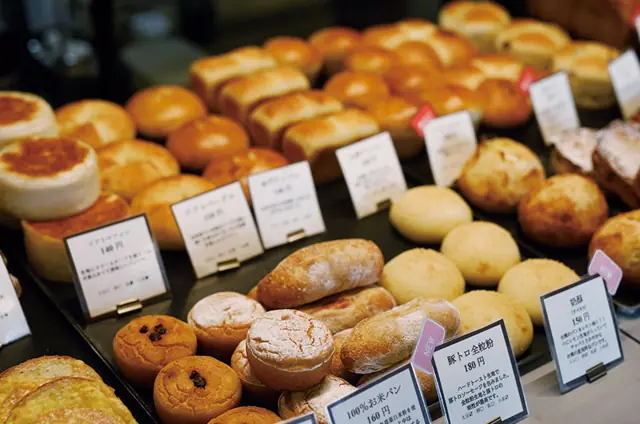
Photo: the shop’s official page 製パン 麦玄
A bakery ten minutes on foot from the north exit of Yamanashi-shi Station, baking around forty kinds of bread with homemade natural yeast, Yamanashi Kaihoka wheat and pesticide-free brown rice flour. Open Tuesday to Saturday, 9 am to 4 pm or until sold out.
Tue–Sat 9:00–16:00 (until sold out) · Closed: Sundays, Mondays, and 4th Tuesday of each month
山梨市小原西952
RinI bought a brown-rice-flour loaf. Chewy, with a lingering wheat sweetness.
Makioka
Wanoca Makioka
山梨果実菓子 和乃果 牧丘本店
A fruit confectionery in a renovated 200-year-old samurai residence on a Makioka hillside, making financiers and fruit chocolates with Shine Muscat, peaches and local wine. Open weekdays 10 am to 4 pm, closed weekends and holidays (call ahead).
10:00–16:00 · Closed: Saturdays, Sundays, and public holidays (inquire for weekday opening)
山梨市牧丘町西保下1126
RinI bought a box of wine fruit chocolates. Rich aroma with a sharp tang.
Food1
All food →Manriki
Hoto Funari Fruit Line
ほうとう蔵 歩成 フルーツライン店
A houtou restaurant on the Fruit Line near the entrance to Fuefukigawa Fruit Park and Hottarakashi Onsen. Its signature Ogon Houtou pairs miso with pumpkin and abalone-liver paste. Open daily from 11 am to 9:30 pm.
Daily 11:00–21:30 (LO 21:00, winter Dec–Jul); Aug–Nov: Mon–Fri 11:00–21:30 (LO 21:00), Sat–Sun/Hol 11:00–22:30 (LO 22:00) · Closed: Open daily (no regular closed days)
山梨市万力1091
RinI had the Ogon Houtou. Thick pumpkin-miso broth that warmed me right up.
Cafés1
All cafés →Minami
cafe tubu
A café near Manriki Park that opened in January 2026, growing out of a small sweets shop. It serves bolognese and Kai salmon poke plates alongside plated parfaits and craft cola. Open 11 am to 6 pm, closed Wednesdays.
山梨市南1400-1
RinI ordered a plated parfait and craft cola. The spiced finish was refreshing.
By area
Rin is a fictional traveller. Every place here was checked by the editors to exist and be open (checked 2026-11-14). Please confirm hours on the official site before you go. Paid listings are always marked. If you are the shop and would like a photo removed, write to editor@vual.jp and we will take it down at once.
To see — art and sights (landmarks)
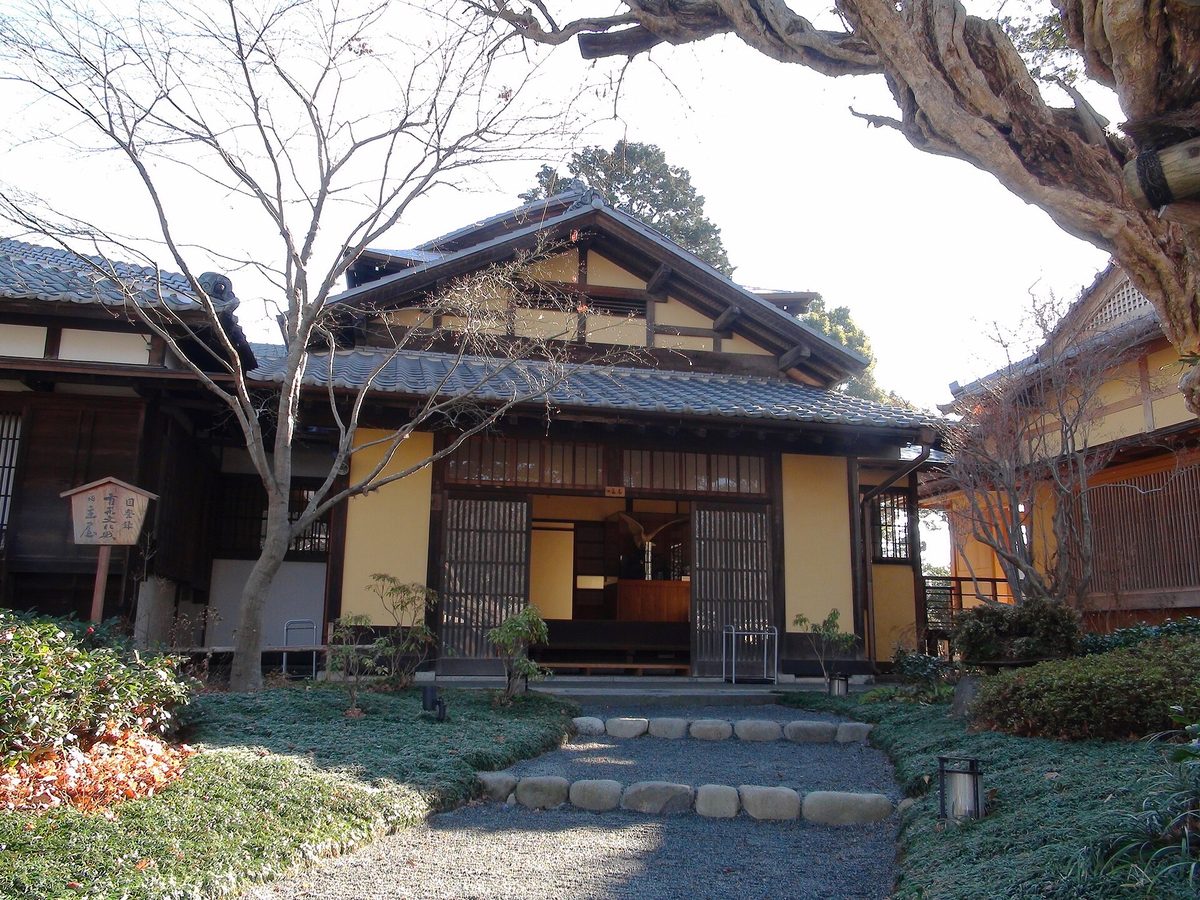
Photo: さかおり (talk / CC BY-SA 3.0 (Wikimedia Commons) Art · Shotokuji
Nezu Memorial Museum
A memorial museum preserving the family residence of Nezu Kaichiro, the railway magnate and founder of the Nezu Museum in Tokyo, with a garden, registered tangible cultural property main house, and exhibition hall.
Open 9:30 am to 4:30 pm (last entry 4 pm). Closed Mondays and Tuesdays (or Wednesday if a holiday) and year-end/New Year. Admission free.
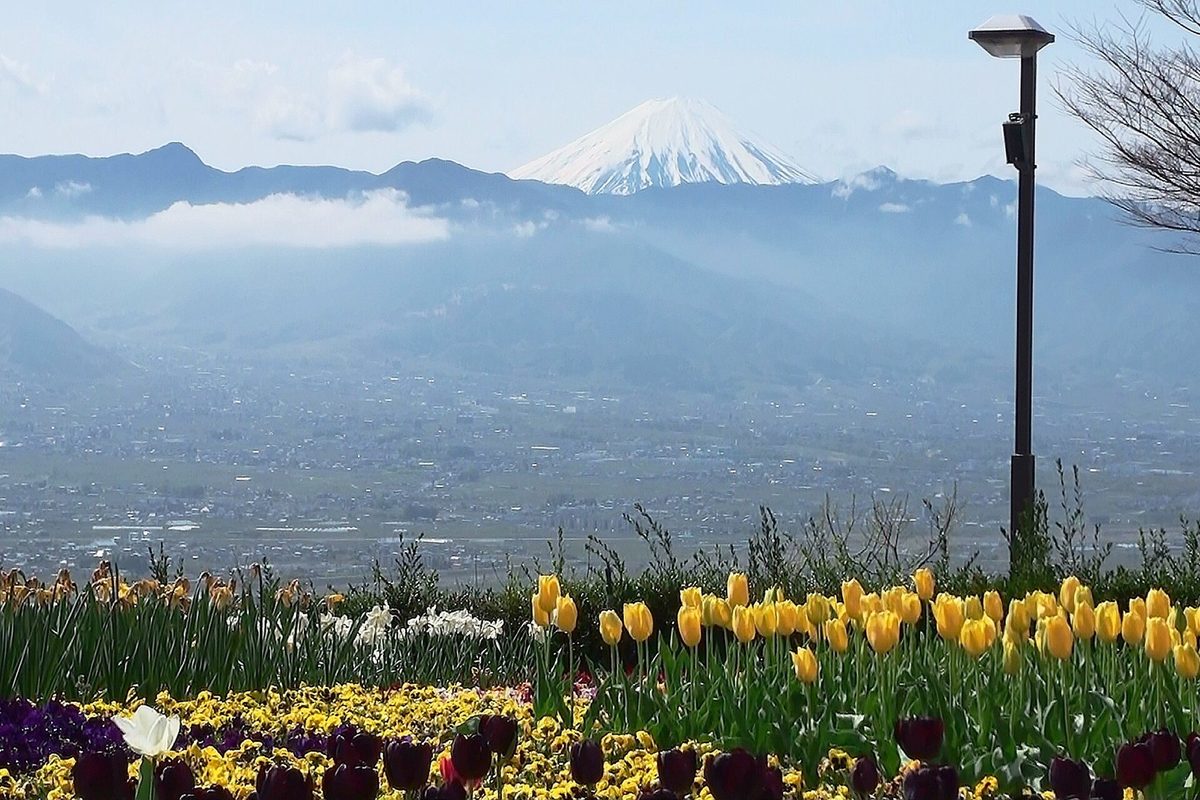
Photo: さかおり (talk) / CC BY-SA 3.0 (Wikimedia Commons) Sights · Esobara
Fuefukigawa Fruit Park
A hillside park themed around fruit, with glass domes, lawns and a footbath looking out over the Kofu Basin toward Mount Fuji.
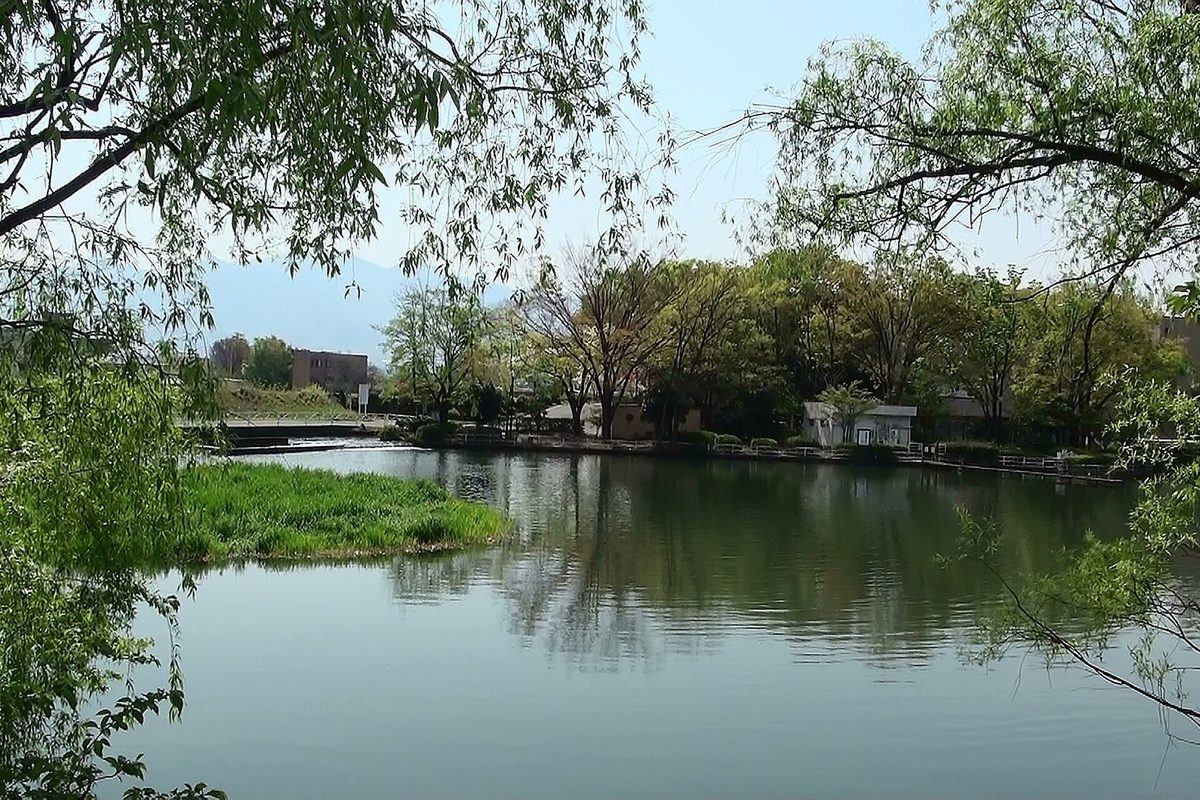
Photo: さかおり (talk) / CC BY-SA 3.0 (Wikimedia Commons) Sights · Manriki
Manriki Park
A wooded park along the Fuefuki River planted with over 110 species of trees and flowers mentioned in the Manyoshu, with poetry stone monuments and a small animal square.
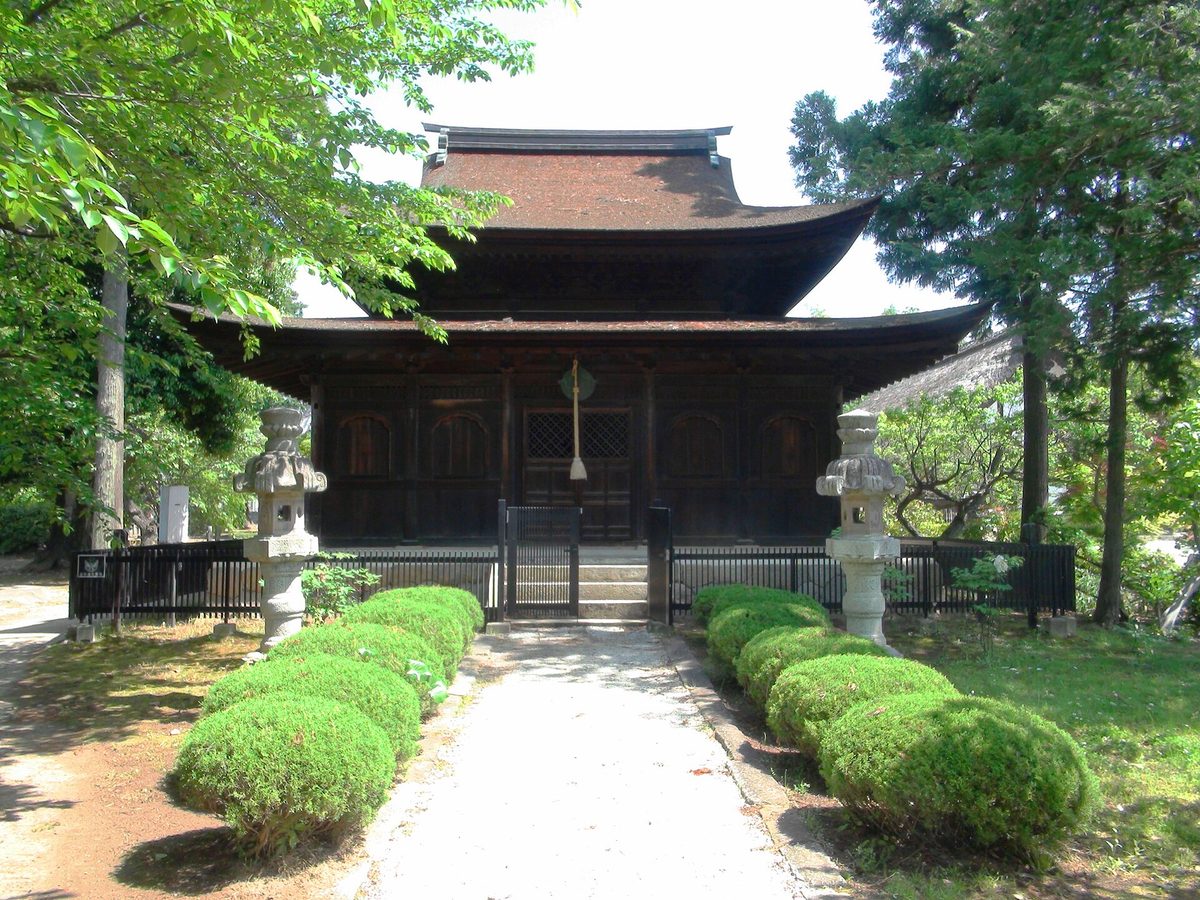
Photo: Sakaori (talk) / CC BY-SA 3.0 (Wikimedia Commons) Sights · Sangasho
Seihakuji Temple
A Zen temple holding a National Treasure Butsuden hall and an Important Cultural Property thatched-roof kuri kitchen hall. Plum and cherry trees bloom along the approach in spring.
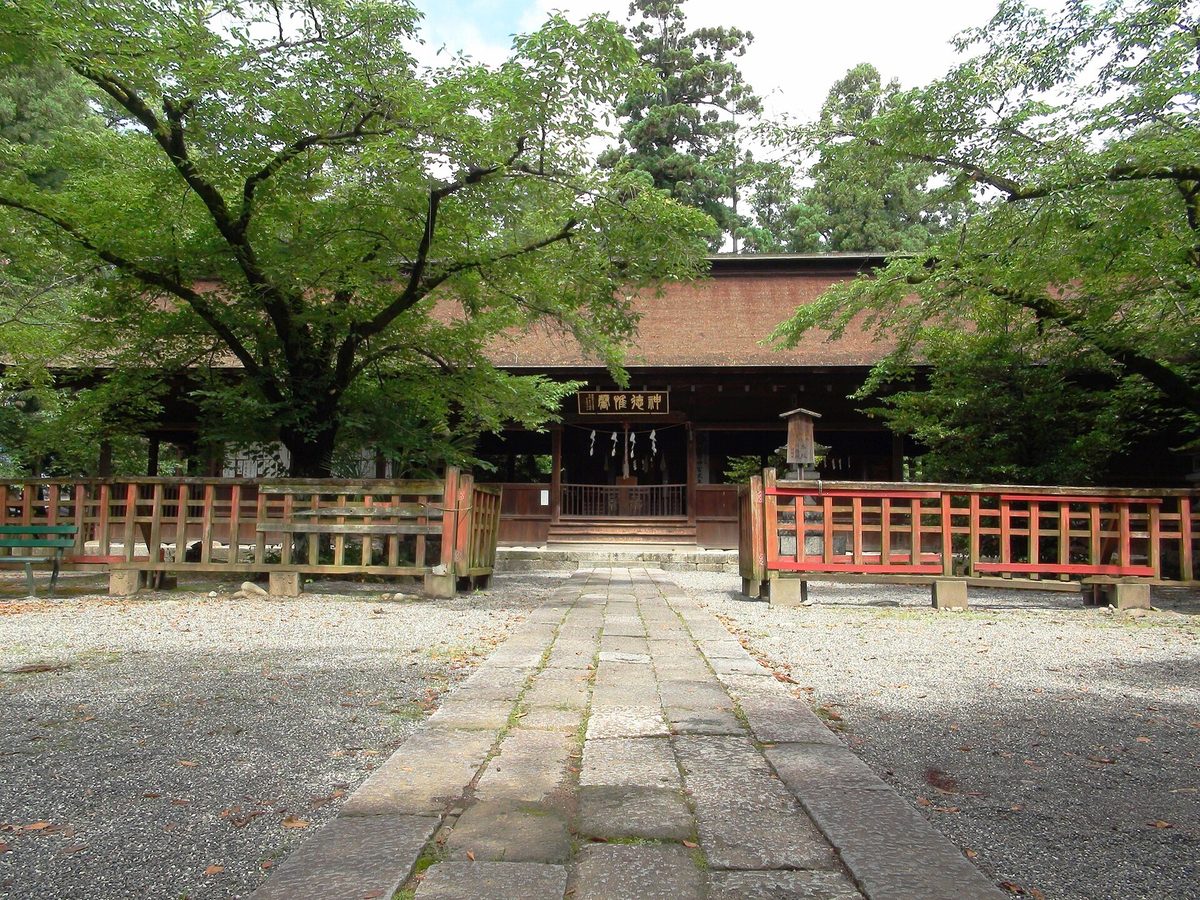
Photo: さかおり (talk) / CC BY-SA 3.0 (Wikimedia Commons) Sights · Kita
Oimata Kubo Hachiman Shrine
A shrine revered by Takeda Nobutora and Shingen, preserving numerous Muromachi-period structures designated as Important Cultural Properties, including Japan's longest surviving nagare-zukuri main hall and oldest wooden torii.
These are landmarks, not Rin's picks. Each was checked to be open on its official site (checked 2026-11-12). Please confirm hours before you go.
Day trips from Yamanashi
Classics
- Kawaguchikoabout 23 km
A lake located at the foot of Mt. Fuji, where you can enjoy beautiful views of Mt. Fuji along with seasonal nature and activities. 4月下旬の桜、11月の紅葉が特に見頃です。
- Arakurayama Sengen Parkabout 24 km
A park known for its breathtaking view of Mount Fuji and the five-storied pagoda. April for cherry blossoms, go early in the morning.
- Shiraito Fallsabout 43 km
Shiraito Falls, famous as a magnificent waterfall of the world, features spring water from Mt. Fuji emerging from the cliff between the New Fuji volcanic layer and the Old Fuji volcanic layer. Best in spring for greenery and November for autumn leaves.
Hidden spots
- Hottarakashi Onsenabout 3 km
A hilltop open-air hot spring overlooking the Kofu Basin and Mt. Fuji, famously opening one hour before sunrise. Arrive 30–60 minutes before sunrise on clear autumn or winter mornings for Mt. Fuji views; weekdays are quietest.
- Nishizawa Gorgeabout 20 km
A granite river gorge in Chichibu-Tama-Kai National Park famous for the five-tiered Nanatsugama Waterfall and emerald pools. Mid-October to early November brings peak autumn foliage; start the 4-hour one-way loop before 9:00 AM with hiking gear.
- Mitsumine Shrineabout 34 km
A mountaintop shrine at 1,100 meters in Chichibu featuring a rare triple torii gate and wolf guardian statues. Autumn foliage peaks late October to mid-November; arrive early morning to avoid mountain road and parking congestion on weekends.
- Hossawa Fallsabout 41 km
Tokyo Prefecture's only waterfall in Japan's Top 100 Waterfalls, a 60-meter four-tier cascade in Hinohara Village that freezes in midwinter. Visit mid-morning in January–February for the frozen waterfall or mid-November for peak autumn foliage.
Distances are straight-line from the town centre. Each page has how to get there and a suggested day.