38.3° N
Yamagata
Yamagata, Japan
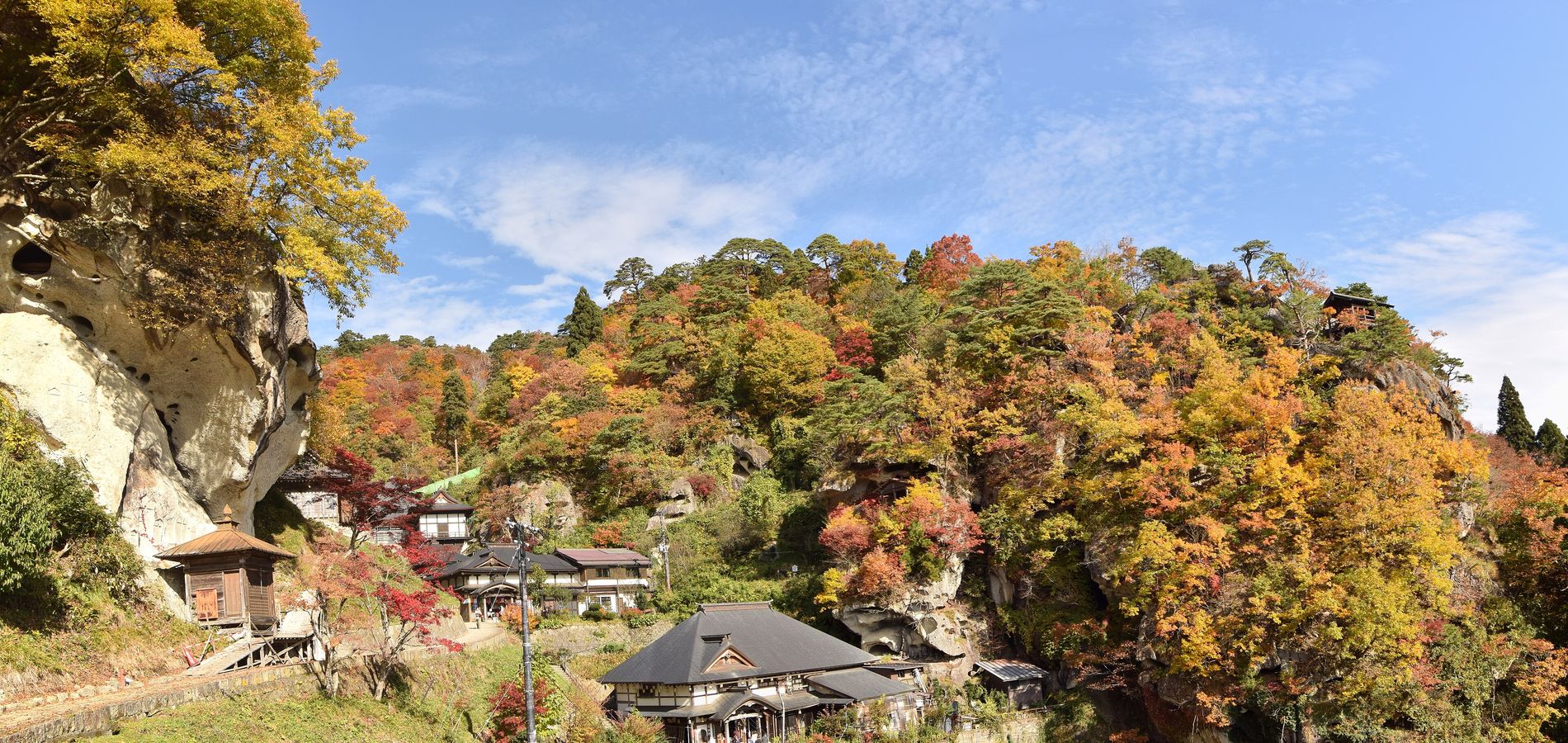
A former castle town in the Yamagata basin, with Hirashimizu pottery, soba and old confectioners. Autumn colour comes down from Zao to the city gardens; Rin’s picks take in kilns, tableware shops and coffee.
Yamagata, on film
3 sights and 15 places, each checked open in 2026, in 50 seconds.
Found somewhere you like? The map and the list below have the address, hours and official site.
Tap for sound
What to eat in Yamagata
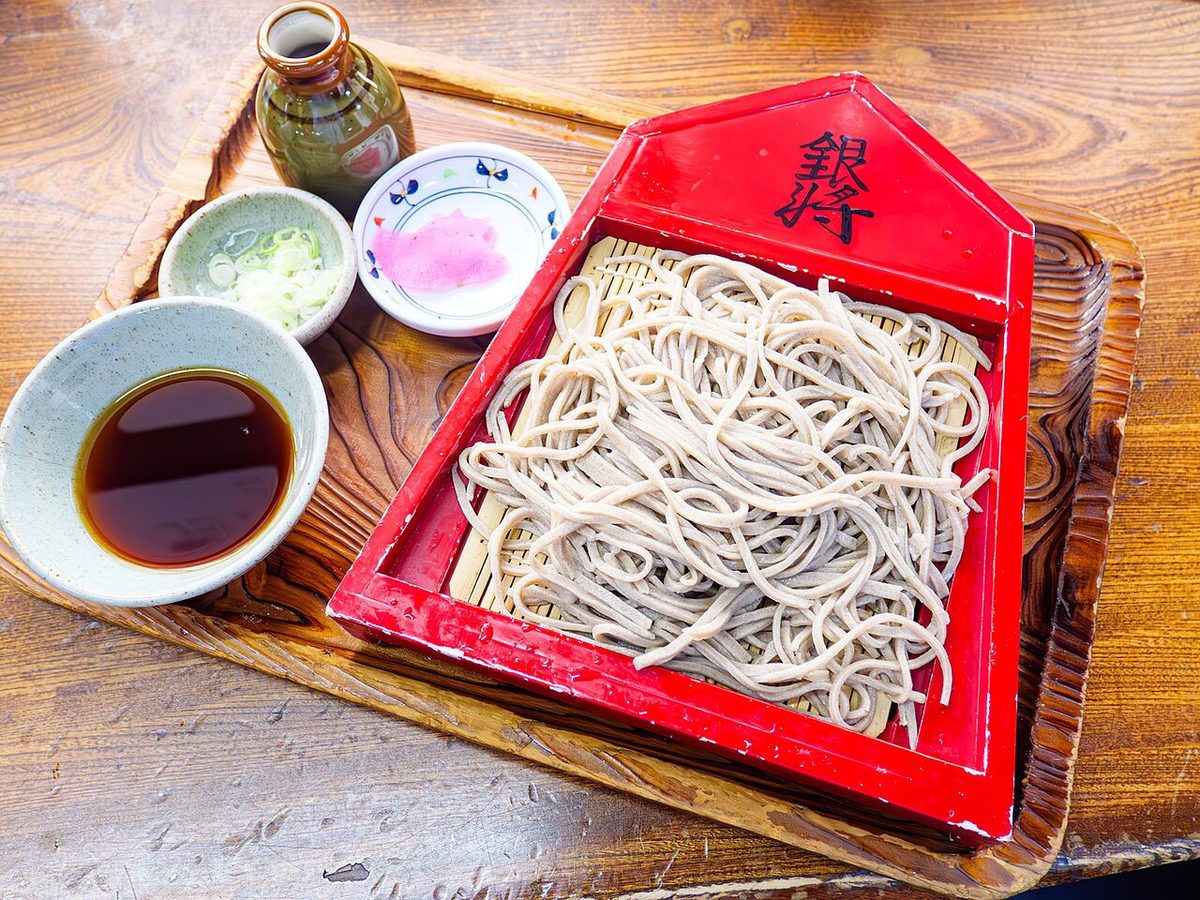
Photo: くろふね / CC BY 4.0 (Wikimedia Commons) Yamagata soba (buckwheat noodles)
山形そば
Yamagata soba consists of firm, aromatic buckwheat noodles often served chilled on shallow wooden boards (ita-soba) or as hand-cut toichi and pale sarashina noodles. The basin's sharp day-night temperature swings and mountain water made Yamagata a major buckwheat-growing area, where sharing large trays of soba grew out of communal post-harvest farm meals.
Eaten year-round at lunch or dinner, dipped in soy-based tsuyu and often paired with squid-tentacle tempura (gesoten).
Where to eat it
- Shojiya, Gotenzeki Nanokamachi ↓
- Shojiya HontenWebsiteMap
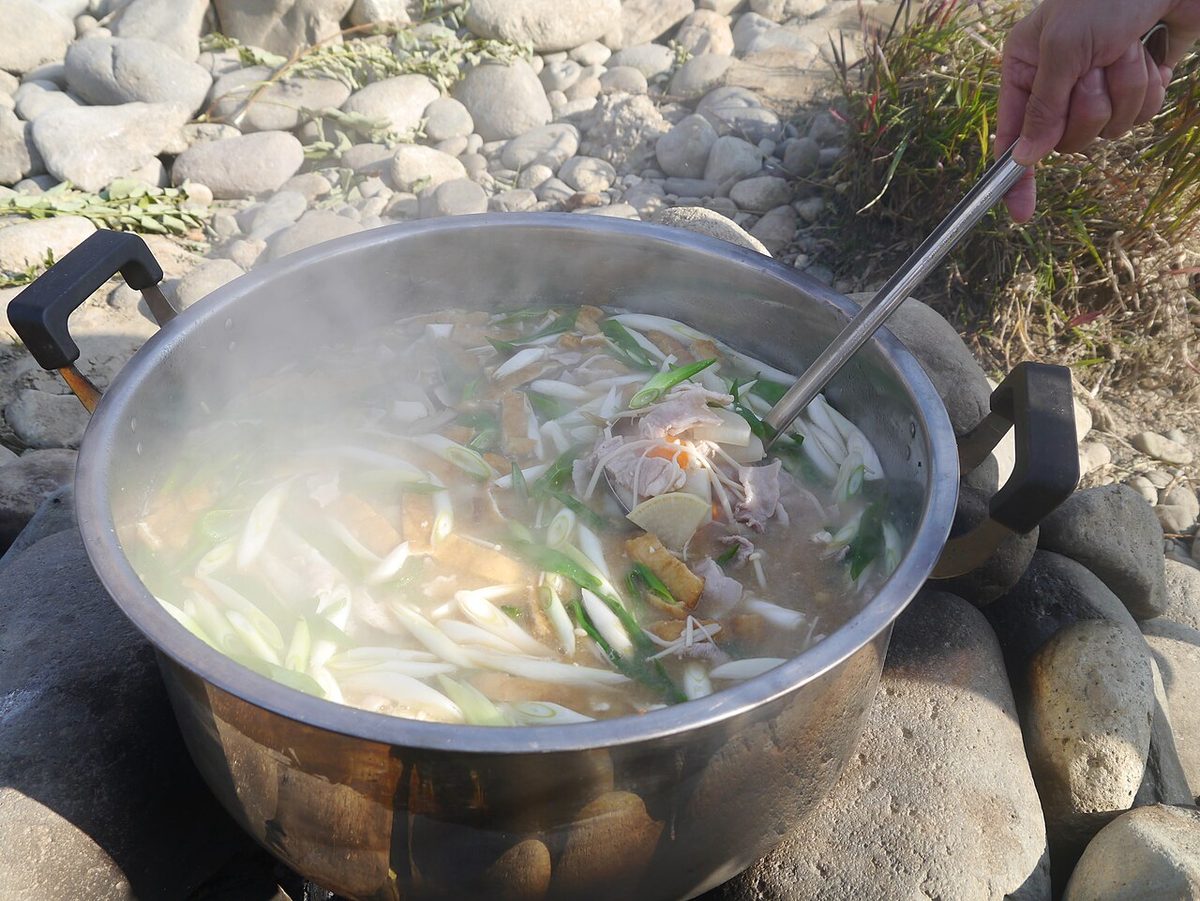
Photo: Mizu basyo / CC BY-SA 4.0 (Wikimedia Commons) Imoni (taro and beef stew)
芋煮
In Yamagata City and the inland Murayama region, imoni is a simmering stew of taro root, thinly sliced beef, hand-torn konnyaku, and scallions in a sweet-savory soy sauce broth. Its roots trace back to 17th-century riverboat crews along the Mogami River, and every autumn Yamagata residents gather along the Mamigasaki River for outdoor imonikai pot parties.
Traditionally cooked outdoors by rivers in September–October, and served year-round in iron pots at local izakaya and restaurants.(Sep–Nov)
No photo yet
Hiyashi ramen (chilled ramen)
冷やしラーメン
Hiyashi ramen is a full-broth ramen served cold—unlike dressing-style hiyashi chuka—featuring springy noodles in a chilled soy-based soup topped with chashu, bamboo shoots, cucumber, and ice cubes. It originated in Yamagata City in 1952 at Sakaeya Honten, whose founder spent roughly a year formulating a bonito, kelp, and stock broth whose fats stay liquid when cold.
Ordered as a single bowl in summer and year-round at the originator shop, with ice cubes keeping the broth cold.
Where to eat it
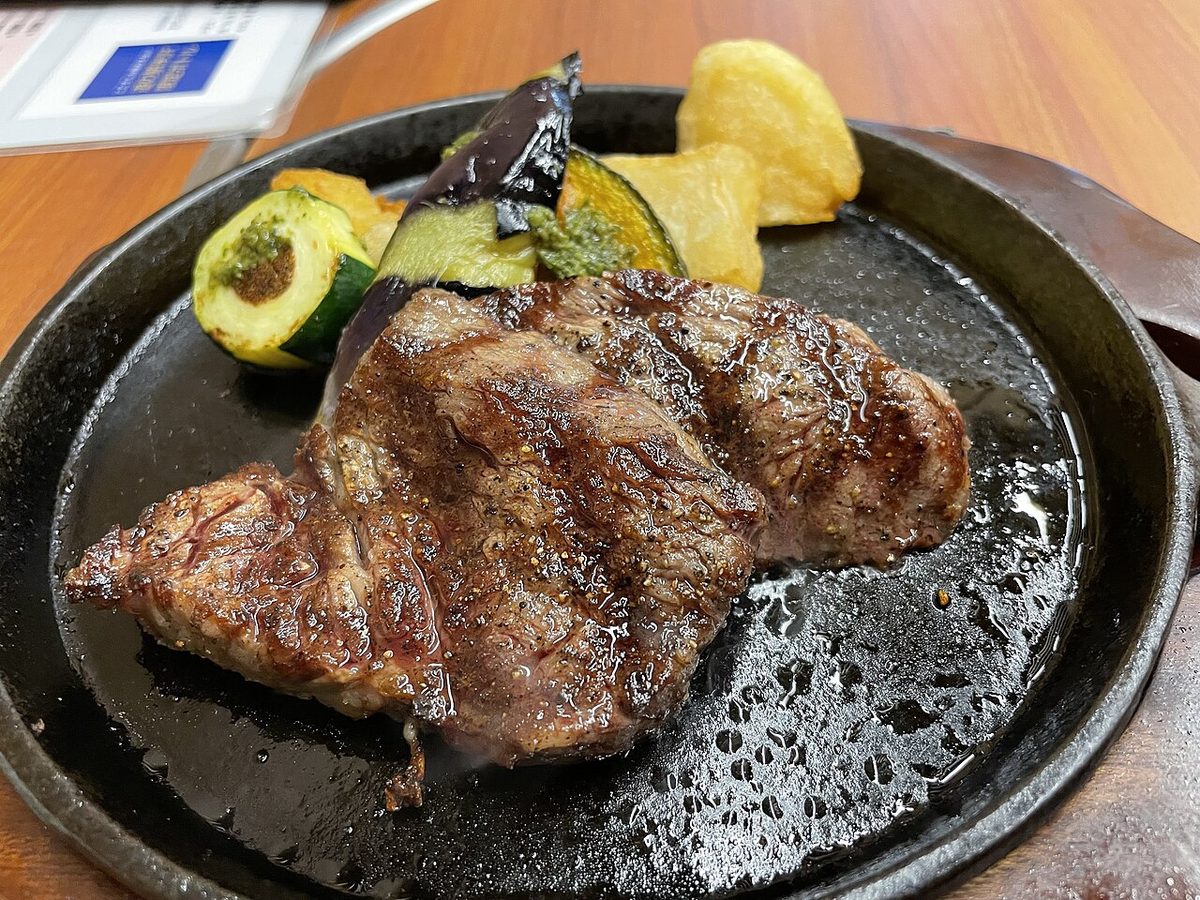
Photo: Totti / CC BY-SA 4.0 (Wikimedia Commons) Yamagata beef
山形牛
Yamagata beef is black-haired wagyu raised in Yamagata Prefecture, characterized by fine marbling and fat that melts at a low temperature. Unified as a regional brand in 1962 from cattle fattened across the prefecture's hot summers and snowy winters, it is served in central Yamagata City by century-old butcher-dining rooms such as Kanazawaya (founded 1893).
Served year-round for lunch or dinner as sukiyaki, shabu-shabu, individual gyunabe hot pots, or teppanyaki steak courses.
Where to eat it
- Kanazawaya Gyunikuten ↓
- Teppanyaki ChomusubiWebsiteMap
Where Rin would go, on the map — or build your own route
Tap a mark to see the place; squares are museums and sights (landmarks). Use “Build your own route” to make a walk of your own.
Loading the map
Map data © OpenStreetMap contributors
Where Rin would go
Made in Yamagata: Hirashimizu-yaki Pottery2
All hirashimizu-yaki pottery →1 / 3
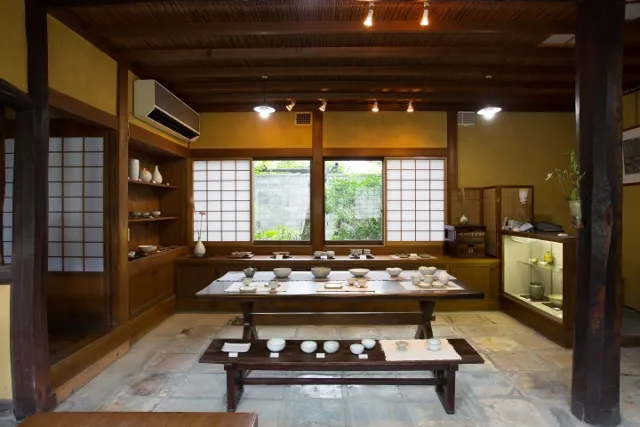
Made in Yamagata
Hirashimizu pottery began in the early nineteenth century at the foot of Mount Chitose. The kilns use local clay containing iron, each developing its own glazes and everyday tableware.
Hirashimizu-yaki pottery displayed in Seiryu Kiln's gallery·Photo: Seiryu Kiln (official site)
Hirashimizu
Shichiemon Kiln
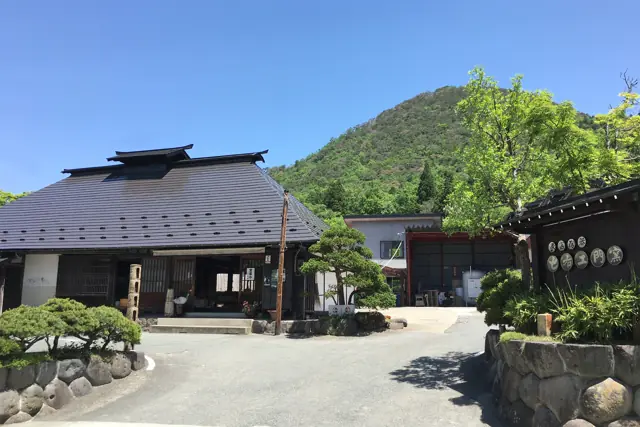
Photo: the shop’s official page 七右エ門窯
A Hirashimizu kiln using clay from Mount Chitose. Everyday tableware, with hand-building and pottery-painting workshops.
9:00–17:30 (pottery experience reception 9:00–15:00) · Closed: Mondays (open on public holidays spring–autumn, closed winter) and New Year
山形市平清水153
RinI looked at the everyday Hirashimizu ware. The grainy clay felt warm.
Hirashimizu
Seiryu Kiln
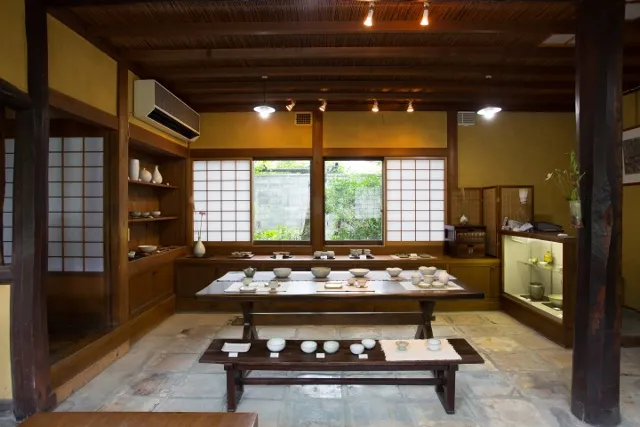
Photo: the shop’s official page 青龍窯
A Hirashimizu kiln founded in the Meiji era. Its white Zansetsu glaze brings out the iron in local clay; production of Nashi-seiji celadon is currently suspended.
9:00–18:00 · Closed: 2nd and 4th Tuesdays of each month
山形市平清水50-1
RinI held the Zansetsu pieces. The iron flecks in the white glaze felt quiet.
Craft3
All craft →1 / 3
Nanokamachi
Kono Yamamichi Wo Yukishi Hito Ari
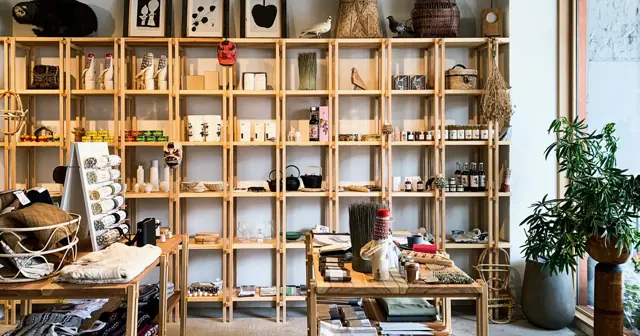
Photo: the shop’s official page この山道を行きし人あり
A shop on the second floor of the Tongari Building, with tableware, everyday goods, food and books, gathering handwork from Yamagata and elsewhere.
12:00–17:00
山形市七日町2-7-23 とんがりビル2F
RinI browsed the regional pottery and goods, and took home one tactile small bowl.
Honcho
ROOTS & Technique the REAL store
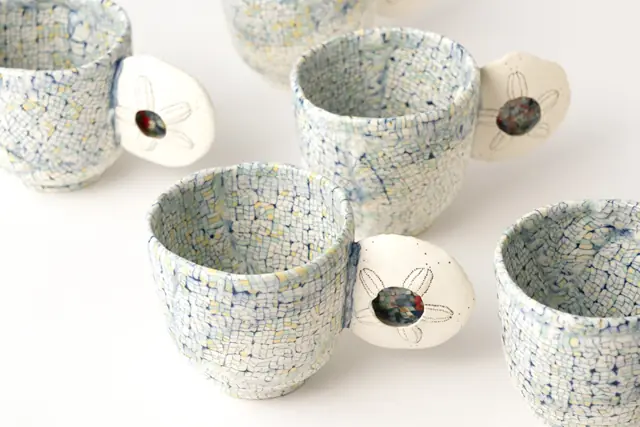
Photo: the shop’s official page A craft shop on the third floor of Q1, a converted 1927 school building. Craft pieces and regular exhibitions of individual makers.
11:00–18:00 · Closed: Mondays, Tuesdays, and Wednesdays (irregular holidays)checked Nov 2026
山形市本町1-5-19 やまがたクリエイティブシティセンターQ1 3F
RinI saw an exhibition on the third floor of the old school. Calm space for craft.
Suwamachi
Setofuji
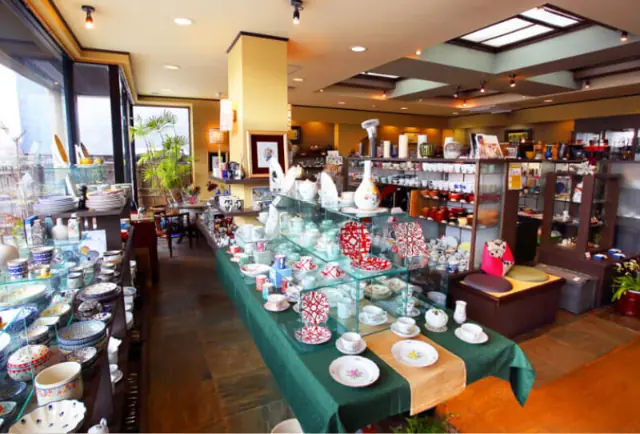
Photo: the shop’s official page せと藤
A tableware shop in Suwamachi, with pieces from Japan and abroad and BOND+, its own range by Yamagata makers.
Weekdays 10:00–17:00, weekends & holidays 10:00–18:00 · Closed: Tuesdayschecked Nov 2026
山形市諏訪町1-1-58
RinI chose a BOND+ piece by a Yamagata maker. Thin, light, and right in my hand.
Sweets2
All sweets →1 / 2
Honcho
Yamadaya
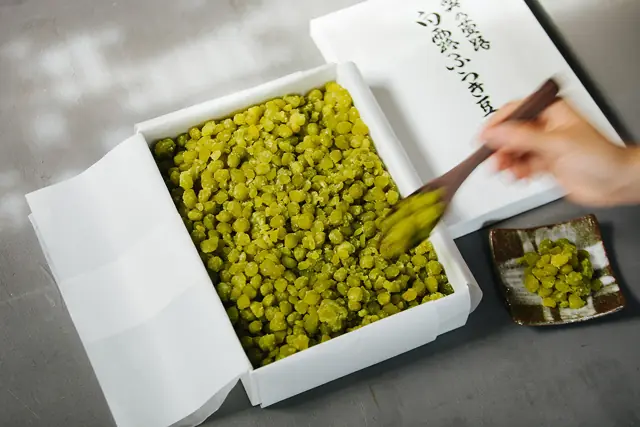
Photo: the shop’s official page 白露ふうき豆本舗 山田家
A confectioner in Honcho founded in 1931, making Shiratsuyu Fukimame, soft sweet beans.
Closed: Tuesdays
山形市本町1-7-30
RinI bought Shiratsuyu Fukimame. Soft, plump beans with a gentle sweetness.
Hatagomachi
Eigyokudo
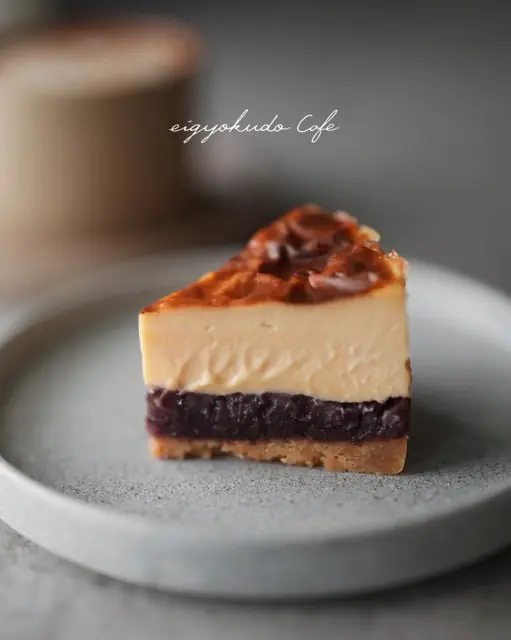
Photo: the shop’s official page 榮玉堂
A confectioner dating from the late Edo period, making dorayaki and cheesecakes including An Cheese with chunky bean paste.
山形市旅篭町2-1-45
RinI chose the An Cheese. Chunky sweet bean paste balanced the tart cheese.
Food5
All food →1 / 5
Nanokamachi
Shojiya, Gotenzeki Nanokamachi
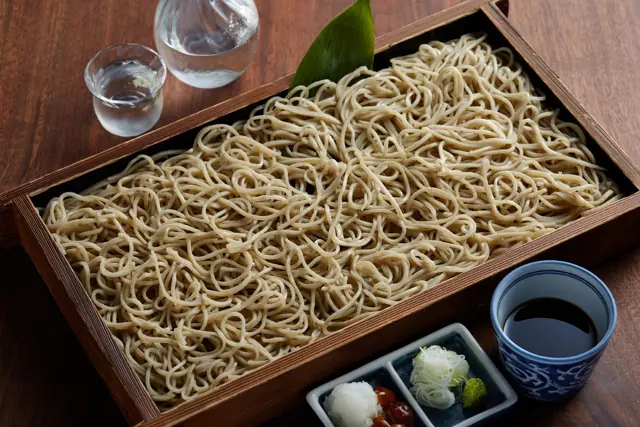
Photo: the shop’s official page そば処 庄司屋 御殿堰七日町店
Irregular closing days
A hand-cut soba shop at Nanokamachi Gotenzeki. House-milled Toichi soba and white sarashina soba, also served together on a wooden tray.
Weekdays 11:00–15:30 & 17:00–21:30, weekends & holidays 11:00–21:30 · Closed: Irregularchecked Nov 2026
山形市七日町2-7-6
RinI ordered the two-soba wooden tray. Smooth white sarashina and fragrant toichi.
Honcho
Sakaeya Honten
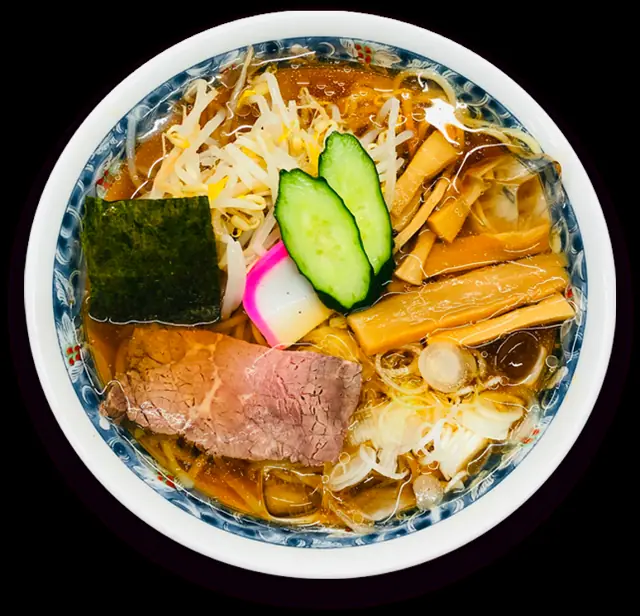
Photo: the shop’s official page 栄屋本店
A noodle shop founded in 1932, where chilled ramen was developed in 1952. Hot and cold noodles are both on the menu.
11:30–17:25 (last order) · Closed: Wednesdays (following day if public holiday; irregular in Jan & Aug)
山形市本町2-3-21
RinI had the chilled ramen. The cold broth was so clear I drank it to the end.
Nanokamachi
Kanazawaya Gyunikuten
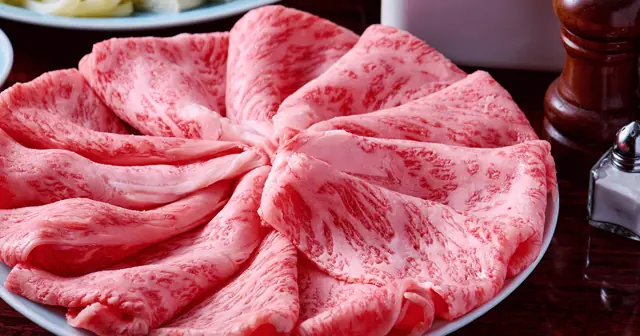
Photo: the shop’s official page 金澤屋牛肉店
A butcher and dining room founded in 1893. Yamagata beef sukiyaki and shabu-shabu, with individual gyunabe hot pots at weekday lunch.
11:30–14:00 (last order 13:30), 17:00–21:30 (last order 20:30) · Closed: Tuesdays (irregular holidays)checked Nov 2026
山形市七日町3-4-16
RinI had the single-pot gyunabe at lunch. Tender Yamagata beef in rich broth.
Nanokamachi
Restaurant Pas Mal
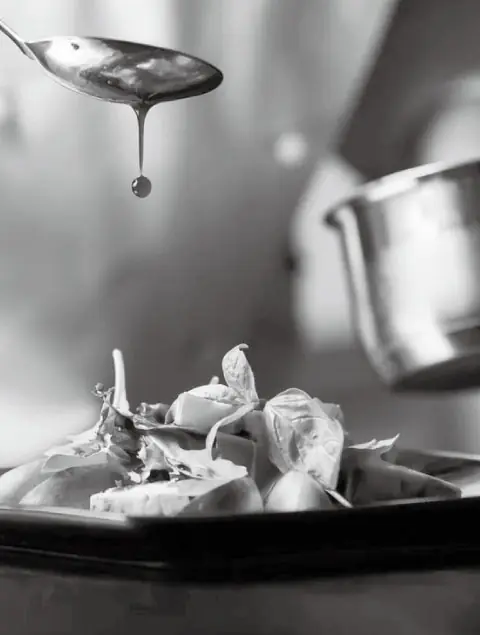
Photo: the shop’s official page RESTAURANT PAS MAL
A French restaurant using seasonal Yamagata ingredients. Lunch and dinner are courses, by reservation only.
12:00–15:00 (last order 13:00), 18:00–23:00 (last order 20:00) · Closed: Wednesdays and 2nd Tuesday of each month
山形市七日町2-3-16
RinI booked the lunch course. Seasonal Yamagata dishes arrived bright and fresh.
Hatagomachi
gu/ra
An Italian restaurant in Hatagomachi, serving lunch and dinner.
山形市旅篭町2-1-41
RinI stopped in Hatagomachi for lunch. Unfussy Italian food that warmed me up.
Cafés3
All cafés →1 / 3
Hatagomachi
Zao no Mori Baisen Kobo
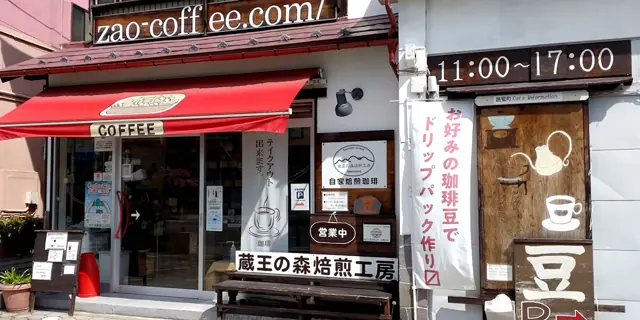
Photo: the shop’s official page 蔵王の森焙煎工房
A coffee roaster in Hatagomachi, selling house blends and single-origin beans, with a café.
Weekdays 11:00–17:00, weekends & holidays 10:00–17:00 · Closed: Mondays and Thursdayschecked Nov 2026
山形市旅篭町1-9-14
RinI had the house blend in the café. Clean bitterness and very easy to drink.
Honcho
Day & Coffee, Honcho Nanokamachi
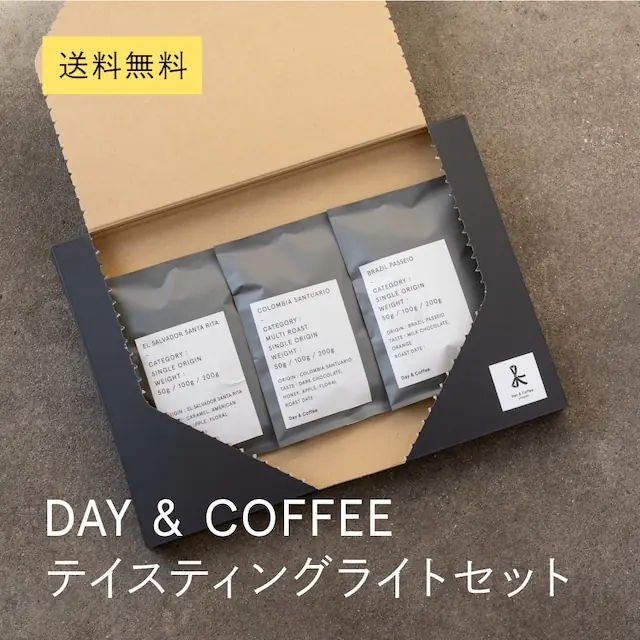
Photo: the shop’s official page Day & Coffee 本町七日町店
A specialty coffee shop in Honcho, serving house-roasted light to dark roasts, with waffles and other light food.
10:00–18:00 (last order 17:30) · Closed: Wednesdayschecked Nov 2026
山形市本町2-4-14 津多屋ビル1F
RinI ordered a light roast and a waffle. The edges were crisp off the iron.
Nanokamachi
JalanJalan Coffee & More
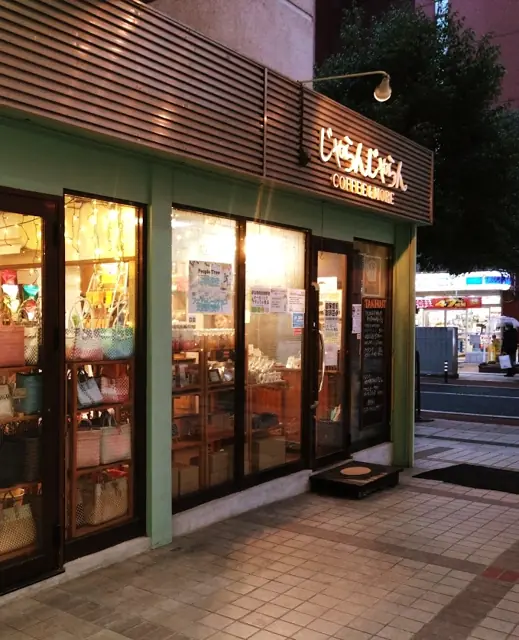
Photo: the shop’s official page A coffee roaster in Nanokamachi, selling beans in 100 g increments, organic food and goods from Asia.
10:00–18:00 · Closed: Thursdayschecked Nov 2026
山形市七日町2-7-10 ナナビーンズ1F
RinI bought 100 g of house-roasted beans by weight. Good aroma through the bag.
By area
Rin is a fictional traveller. Every place here was checked by the editors to exist and be open (checked 2026-11-12). Please confirm hours on the official site before you go. Paid listings are always marked. If you are the shop and would like a photo removed, write to editor@vual.jp and we will take it down at once.
To see — art and sights (landmarks)
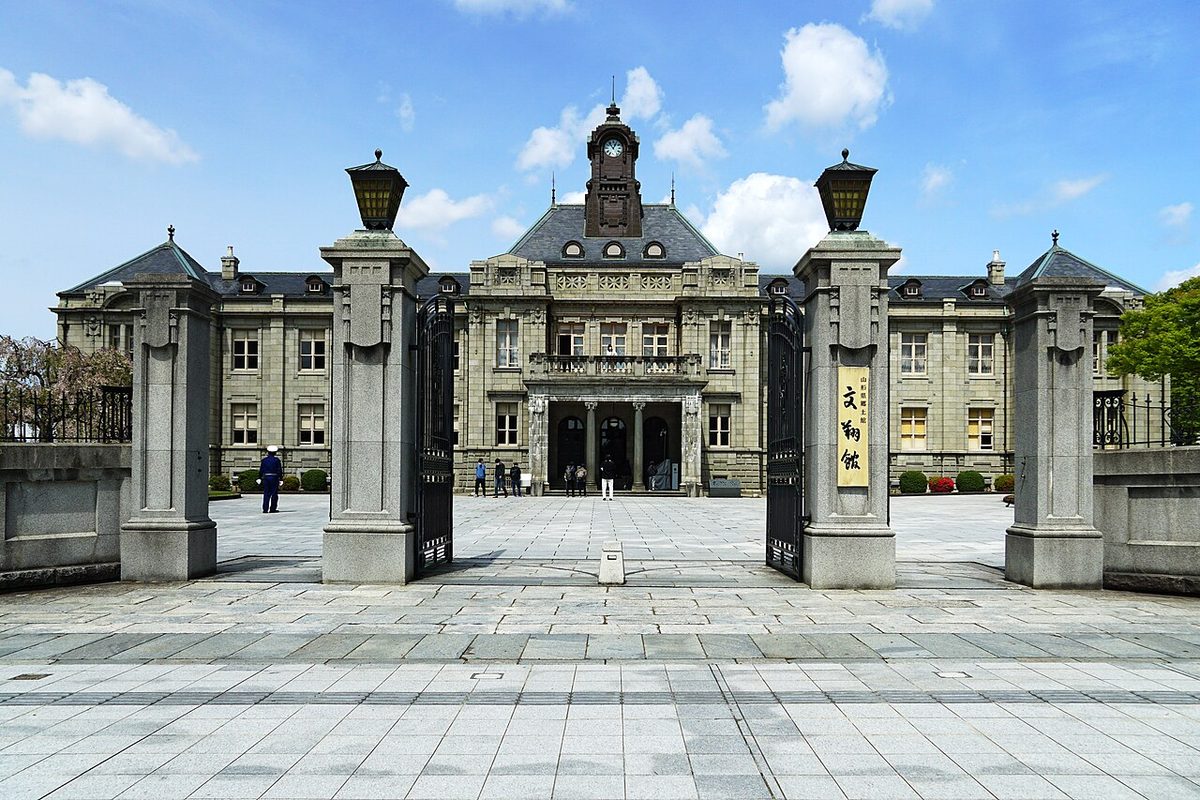
Photo: 663highland / CC BY-SA 4.0 (Wikimedia Commons) Sights · Hatagomachi
Bunshokan
The former prefectural office and assembly buildings, completed in 1916, now open as a local history museum. Restored interiors and displays on Yamagata’s history.
The building’s lift will be out of service for replacement work from 17 November 2026.
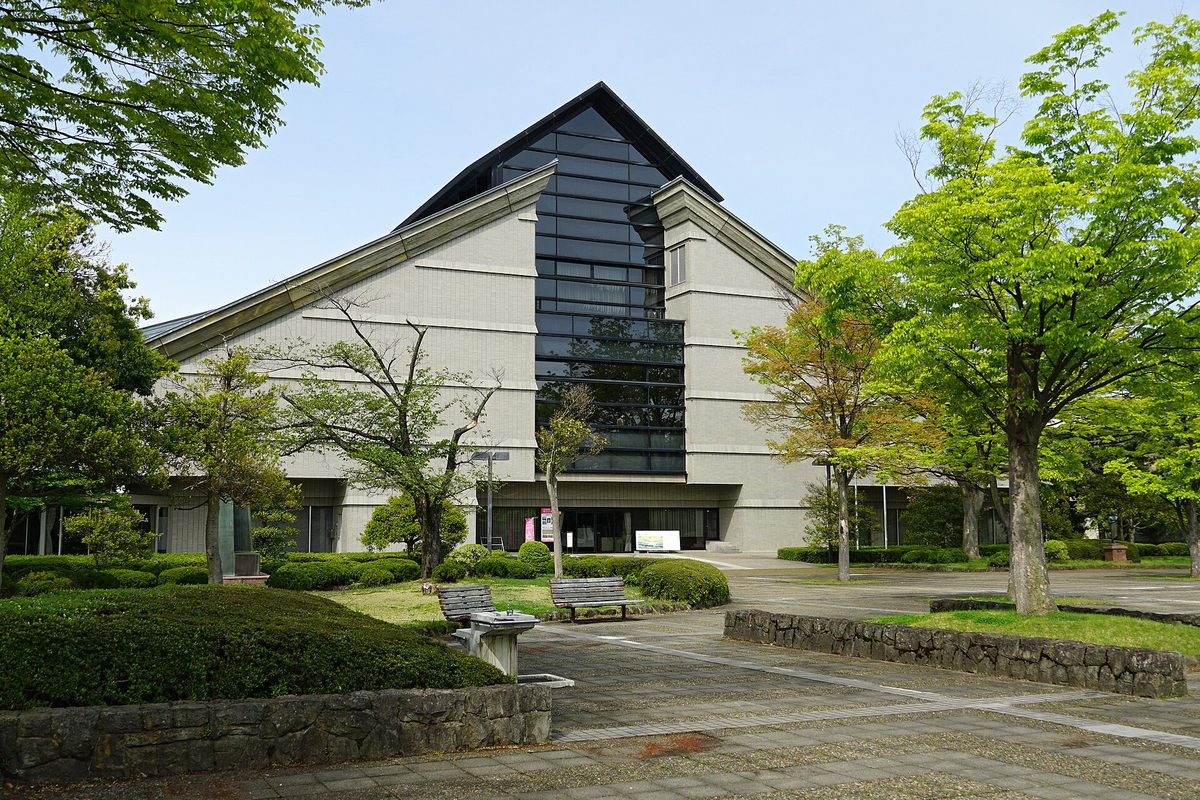
Photo: 663highland / CC BY-SA 4.0 (Wikimedia Commons) Art · Otemachi
Yamagata Museum of Art
An art museum opened in 1964, showing art connected with Yamagata, Japanese and East Asian painting, and sculpture by Shinkai Taketaro and Takezo.
Display of the Yoshino Gypsum Collection here ended on 22 August 2026. Closed Mondays and during exhibition changes.
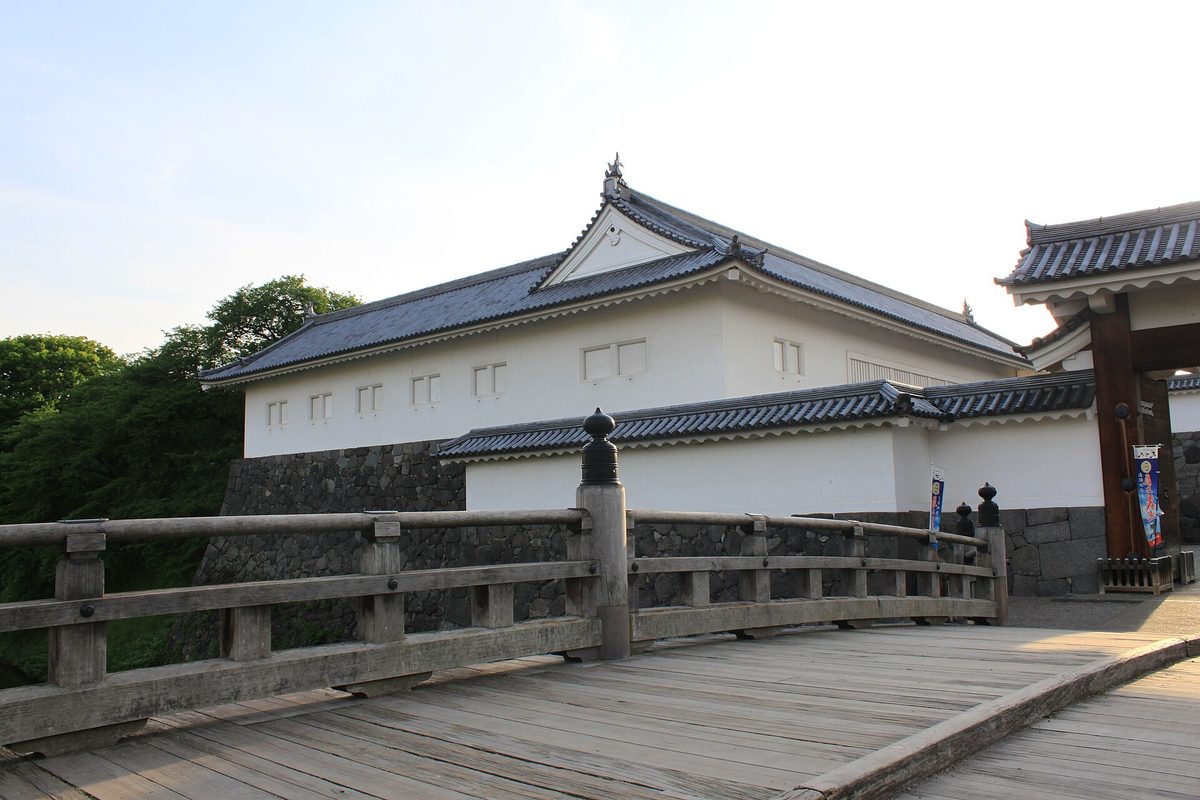
Photo: くろふね / CC BY 3.0 (Wikimedia Commons) Sights · Kajo-machi
Kajo Park (Yamagata Castle Ruins)
A national historic site and park on the inner enclosures of Yamagata Castle. Moats, earthworks and stone walls remain; cherry blossoms line the walks in spring.
Routes to the prefectural gymnasium within the park changed on 21 July 2026 for excavation and improvement works.
These are landmarks, not Rin's picks. Each was checked to be open on its official site (checked 2026-11-12). Please confirm hours before you go.
Day trips from Yamagata
Classics
- Hojusan Risshakuji Temple (Yamadera)about 11 km
Founded by Jikaku Daishi Ennin in 860, this Tendai sect mountain temple features 1,015 stone steps and is a representative sacred mountain of the Tohoku region. Early morning or avoiding weekends is best to enjoy the serene atmosphere.
- Zao Ropeway Ice Treesabout 11 km
Zao's 'ice trees' (juhyo) are a mystical natural phenomenon that appears in winter; you can observe them up close by taking the ropeway to the summit area. Mid-January to late February; the ice trees are at their best.
- Ginzan Onsenabout 39 km
This hot spring town in Yamagata features rows of Taisho-era wooden inns along the river, with gas lamps creating a magical atmosphere at night. Snowy scenery in mid-winter.
Hidden spots
- Akiu Otaki Fallsabout 21 km
A 55-meter-tall nationally designated scenic waterfall in western Sendai where snow-draped black cliffs and icicles frame the thundering plunge in midwinter. In winter, January and February offer the sharpest contrast of snow and icicles from the safe Takimidai deck; avoid the icy lower basin stairs without cleats.
- Aone Onsenabout 21 km
A quiet historic Date-clan hot spring hamlet on the eastern slopes of Mt. Zao, buried in deep snow in winter and illuminated by roughly 300 handmade snow lanterns during the February Yukiakari night. January and February bring reliable snow cover, peaking on the evening of the early-February Yukiakari snow lantern event.
- Jogi Nyorai Saihoji Templeabout 31 km
A mountain temple west of Sendai tied to Heike clan legends, famous for its five-story pagoda and thick, crispy triangular fried tofu served hot at the gate. Late October to early November offers peak autumn foliage and the pedestrian-only approach market; arrive morning (8:00–10:30) to beat weekend traffic.
Distances are straight-line from the town centre. Each page has how to get there and a suggested day.