33.0° N
Yamaga
Kumamoto, Japan
A hot-spring town in the Kikuchi River basin of northern Kumamoto. Washi lanterns, Kutami persimmon-tannin fans, and koji, sake and chestnut sweets along Buzen Kaido and the surrounding hills, as Rin's picks.
Yamaga, on film
4 sights and 16 places, each checked open in 2026, in 50 seconds.
Found somewhere you like? The map and the list below have the address, hours and official site.
Tap for sound
What to eat in Yamaga
No photo yet
Yamaga yokan (mochi-wrapped sweet bean paste)
山鹿羊羹
Unlike agar-set yokan found elsewhere in Japan, Yamaga yokan wraps lightly salted smooth red bean paste inside a thin, steamed non-glutinous rice dough. It originated in the early Meiji era along the Kikuchi River rice-growing basin, where it was also known as rolled yokan, and is recognized as part of the region's Japan Heritage food culture.
Eaten at room temperature within a few days before the rice dough firms up alongside green tea, or lightly toasted in cafés.
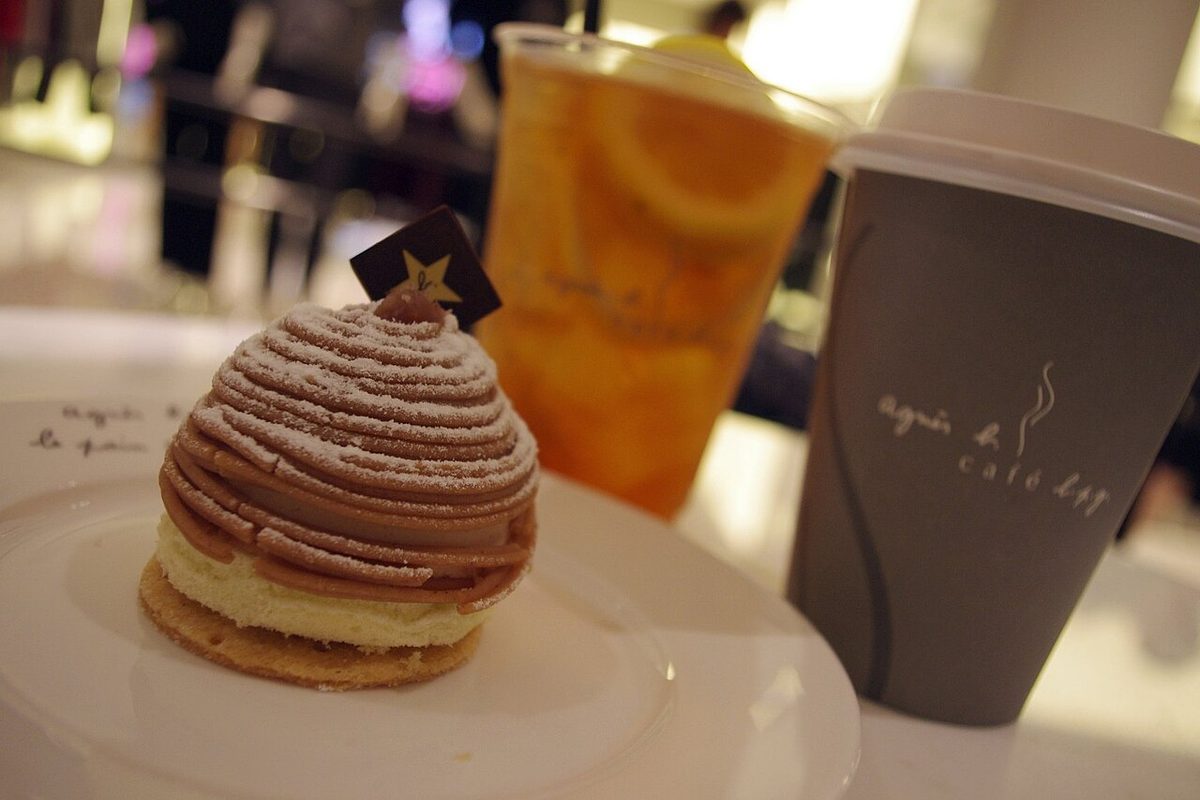
Photo: Matt @ PEK from Taipei, Taiwan / CC BY-SA 2.0 (Wikimedia Commons) Yamaga waguri (local chestnut sweets)
山鹿和栗スイーツ
Yamaga is western Japan's largest chestnut-producing city, harvesting over 700 tons a year from sloped orchards in Kikuka and Kahoku. Local patisseries and wagashi shops turn cultivars such as Ginyose, Tsukuba, and Rihei into Mont Blanc cakes, chestnut cream puffs, pies, and steamed kuri-dango dumplings.
Served at patisseries and cafés year-round, with special chestnut menus across participating shops during the autumn harvest fair.(Sep–Nov)
Where to eat it
- Yamaga Waguri Yogashiten An ↓
- ricca ↓
- Yamaga Waguri Sweets & Cafe Kuri to SoraWebsiteMap
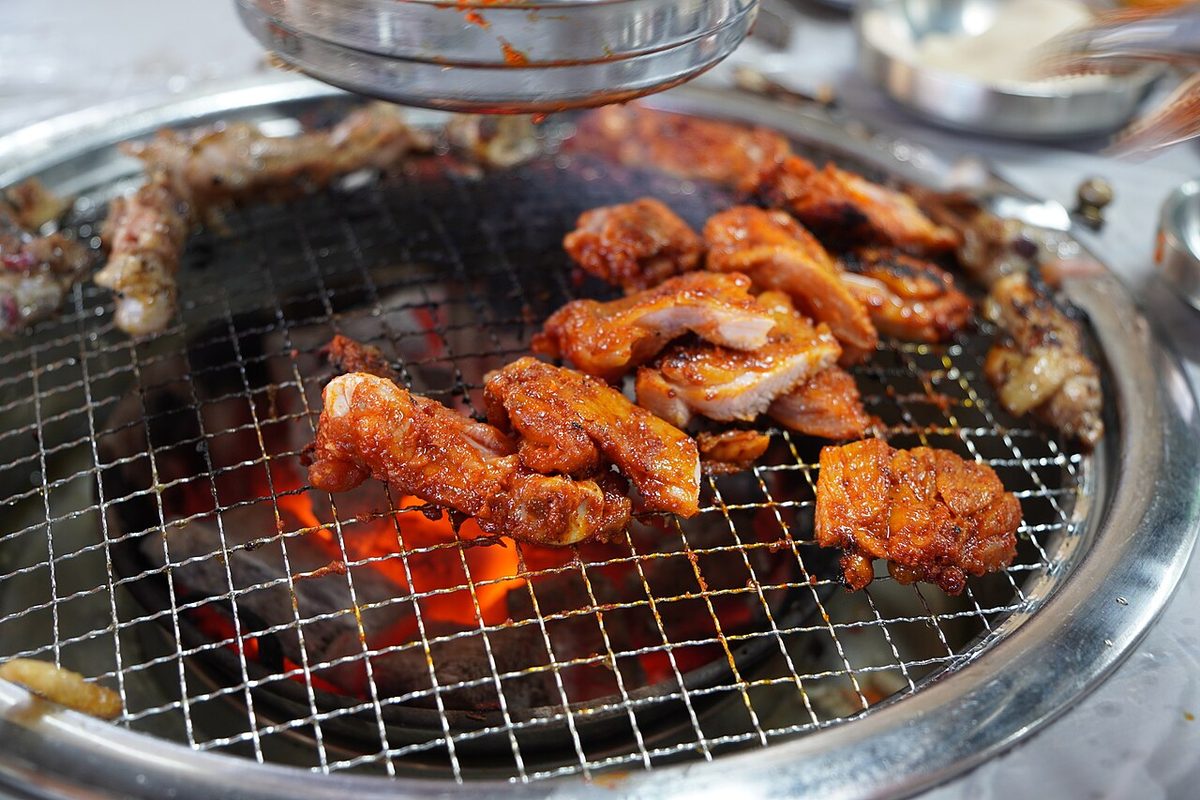
Photo: Real rism / CC BY-SA 4.0 (Wikimedia Commons) Jidori sumibiyaki (charcoal-grilled local chicken)
地鶏の炭火焼き
In the mountain valleys of northern Yamaga around Kahoku and Hirayama, roadside and farmhouse restaurants serve freshly butchered local chicken such as Kikuchi Akadori and Amakusa Daio. Diners gather around sunken irori charcoal hearths to grill thick cuts seasoned with salt or savory tare glaze.
Grilled by diners over tabletop charcoal irori hearths and eaten hot with local rice or soup.
No photo yet
Umaju (horse meat over rice)
馬重
Kumamoto leads Japan in horse-meat cuisine, and in Yamaga's hot spring quarter the local specialty is umaju, served in a lacquered box over steamed rice. Thin slices of lean horse meat are topped with egg yolk and finished tableside with hot sweet-savory soy sauce that gently warms the meat.
Ordered at lunch or dinner on Buzen Kaido; diners pour the hot soy tare over the horse meat and mix with egg yolk.
Where to eat it
Where Rin would go, on the map — or build your own route
Tap a mark to see the place; squares are museums and sights (landmarks). Use “Build your own route” to make a walk of your own.
Loading the map
Map data © OpenStreetMap contributors
Where Rin would go
Made in Yamaga: Yamaga paper lanterns1
All yamaga paper lanterns →1 / 2
Made in Yamaga
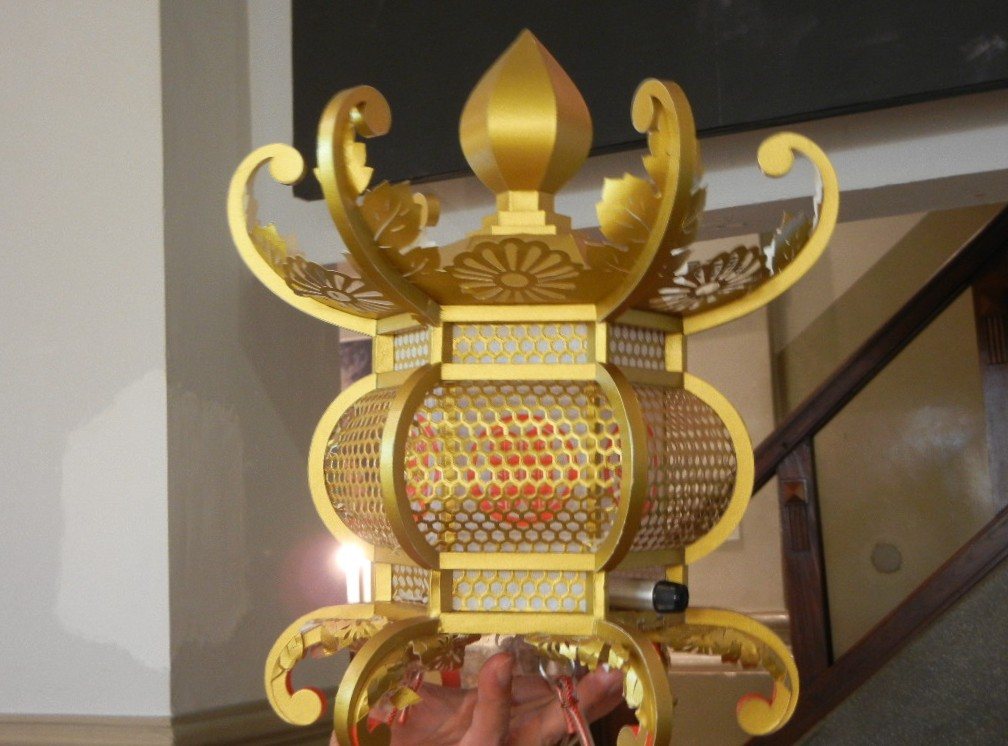
Yamaga lanterns are a nationally designated traditional craft made solely from handmade washi paper and a small amount of paste, with no wood or bamboo frame. Licensed toro-shi artisans cut and join the paper into miniature temples, castles and gold lanterns.
A traditional golden Yamaga paper lantern·Photo: NY066 / CC BY-SA 3.0 (Wikimedia Commons)
Buzen Kaido
Yamaga Toro Folk Crafts Museum
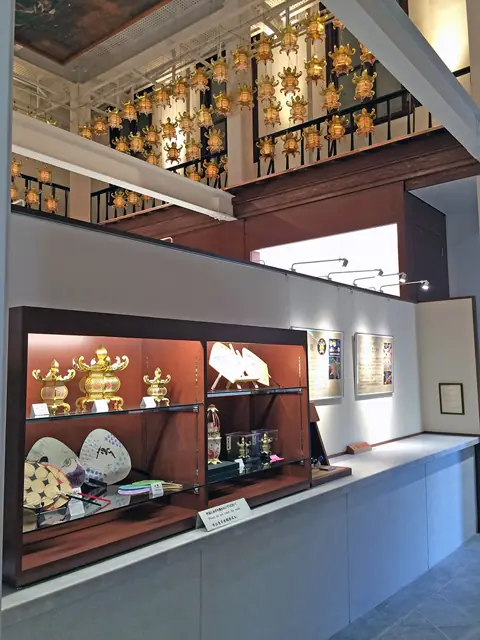
Photo: the shop’s official page 山鹿灯籠民芸館
Housed in a 1925 former Yasuda Bank building, displaying Yamaga lanterns made solely from washi paper and a little paste. Artisans demonstrate lantern-making in the annex, and visitors can try making a giboshi lamp.
9:00–18:00 (last entry 17:30)
1606-2 Yamaga, Yamaga
RinI looked closely at the washi-and-paste lanterns. Remarkably fine joinery.
Made in Yamaga: Kutami persimmon-tannin fans1
All kutami persimmon-tannin fans →1 / 2
Made in Yamaga
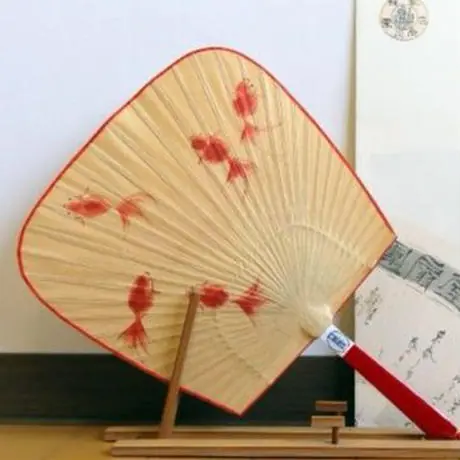
Kutami shibu-uchiwa are bamboo-ribbed washi fans coated in aged persimmon tannin (kakishibu), a craft with roughly 400 years of history in Kamoto. Kurikawa Shoten, founded in 1889, still makes them by hand.
Kutami persimmon-tannin fan painted with goldfish·Photo: Uchiwaya Kurikawa Shoten (official site)
Kamoto
Uchiwaya Kurikawa Shoten
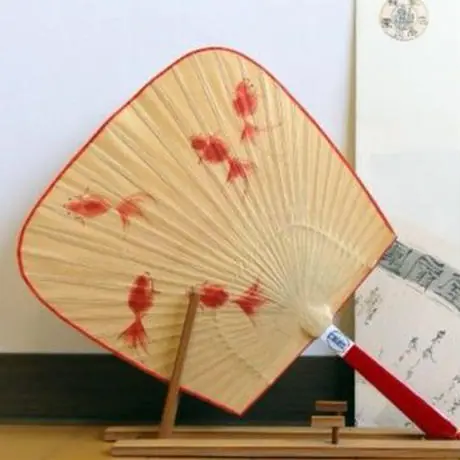
Photo: the shop’s official page 団扇屋 栗川商店
A workshop and shop founded in 1889 making Kutami persimmon-tannin fans, brushing kakishibu onto washi-covered bamboo ribs.
8:30–17:30 · Closed: Sundays, public holidays, and Saturdays Jan–Mar
1648-1 Kamotomachi Kutami, Yamaga
RinI held and compared the persimmon-tannin fans. The sheen won me over.
Made in Yamaga: Buzen Kaido koji and sake brewing2
All buzen kaido koji and sake brewing →1 / 3
Made in Yamaga
Along Buzen Kaido in the Kikuchi River basin, merchant houses have long made rice koji, miso and sake. Kiya Honten still grows koji in wooden trays, and Chiyonosono Sake Brewery brews junmai sake and Kumamoto's traditional akazake.
Buzen Kaido
Kiya Honten
木屋本店
A koji specialist on Buzen Kaido founded in the Tenpo era, making rice koji by the wooden-tray murobuta method alongside miso, amazake and shio-koji. Open 9 am to 5 pm.
1820 Yamaga, Yamaga
RinI bought amazake and shio-koji. The amazake had a clean, natural sweetness.
Buzen Kaido
Chiyonosono Sake Brewery
千代の園酒造
A sake brewery on Buzen Kaido founded in 1896, brewing junmai sake and Kumamoto's traditional akazake, with a shop at the brewery.
Mon–Fri 8:00–17:00, weekends & holidays 9:00–16:30 · Closed: Jan 1–4checked Nov 2026
1782 Yamaga, Yamaga
RinI picked a bottle of akazake and one of junmai. The deep amber caught my eye.
Craft3
All craft →1 / 3
Buzen Kaido
Yamanote
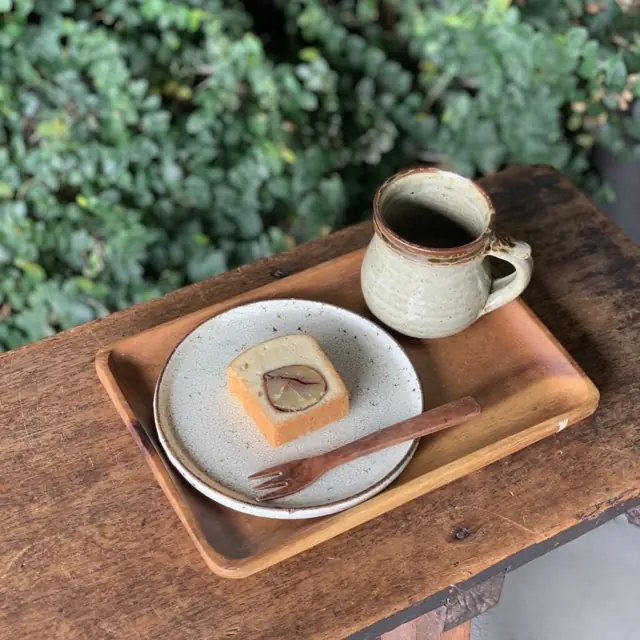
Photo: the shop’s official page ヤマノテ
A handcraft shop housing the Yamaga lantern studio Nakamura Seisakusho, gathering local washi work, Kyushu pottery, bamboo craft and fans. Open 11 am to 5 pm; closed Monday to Wednesday.
11:00–17:00 · Closed: Mondays, Tuesdays, and Wednesdayschecked Nov 2026
1375 Yamaga, Yamaga
RinI browsed the washi work and bamboo craft, and bought a small paper piece.
Buzen Kaido
Différence
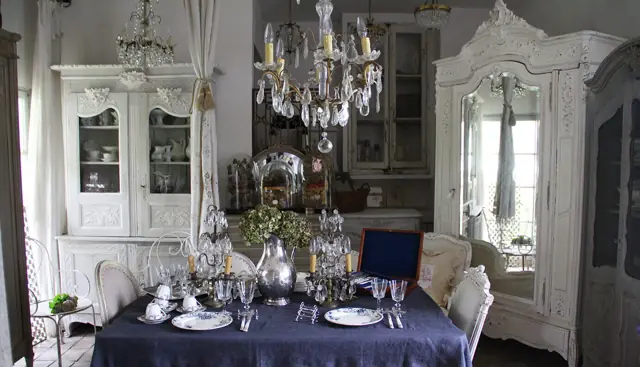
Photo: the shop’s official page A brocante shop stocking antique tableware, kitchen goods, furniture and linens sourced in France.
Thu–Sat 10:00–16:00 (reduced hours; regular Mon, Thu–Sat 10:00–17:00) · Closed: Tuesdays, Wednesdays, and Sundays
497-1 Yamaga, Yamaga
RinI looked through the old plates and linens. The worn linen felt soft.
Kamoto
Kajiyagama

Photo: the shop’s official page かじや窯
A kiln in Kamoto in the Shodai-yaki tradition, firing everyday tableware using local clay and glazes.
Closed: Irregular holidays (call ahead before visiting)
213 Kamotomachi Kajiya, Yamaga
RinI held the everyday tableware. The natural glaze shading felt calm and warm.
Sweets3
All sweets →1 / 3
Buzen Kaido
Nishimasuya
西益屋
A wagashi shop on Buzen Kaido founded in 1929, known for its lantern-shaped Toro Monaka. The main shop is open 8:30 am to 6 pm, closed New Year's Day.
8:30–18:00 · Closed: Jan 1
1608 Yamaga, Yamaga
RinI ate the lantern-shaped monaka. Crisp wafer shell and smooth sweet bean.
Kikuka
Yamaga Waguri Yogashiten An

Photo: the shop’s official page 山鹿和栗洋菓子店 An
A pastry shop at Anzu no Oka in Kikuka making sweets with Yamaga chestnuts and local seasonal fruit, including chestnut choux and whole-chestnut pies. Open 10 am to 5 pm; closed Tuesday.
10:00–17:00 (cafe last order 16:30) · Closed: Tuesdays (following day if public holiday)checked Nov 2026
733 Kikukamachi Shimouchida, Yamaga
RinI ate a chestnut choux. The chestnut cream was rich, earthy and smooth.
Kahoda
ricca
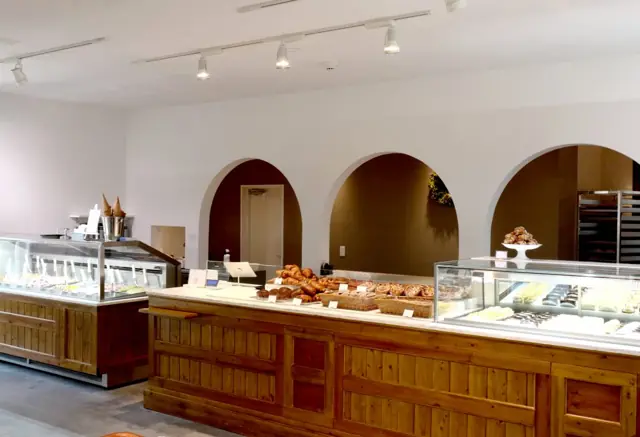
Photo: the shop’s official page A French patisserie and café in Kahoda using local chestnuts, rice flour and fruit grown by family and neighbouring farmers, with café seating framed by old wooden fittings.
10:00–18:00 (cafe until 17:00) · Closed: Tuesdays and Wednesdayschecked Nov 2026
279-1 Kahoda, Yamaga
RinI had a plated dessert by the old wooden fittings. Gentle chestnut flavour.
Food3
All food →1 / 3
Buzen Kaido
Oncafe Atatakaiki
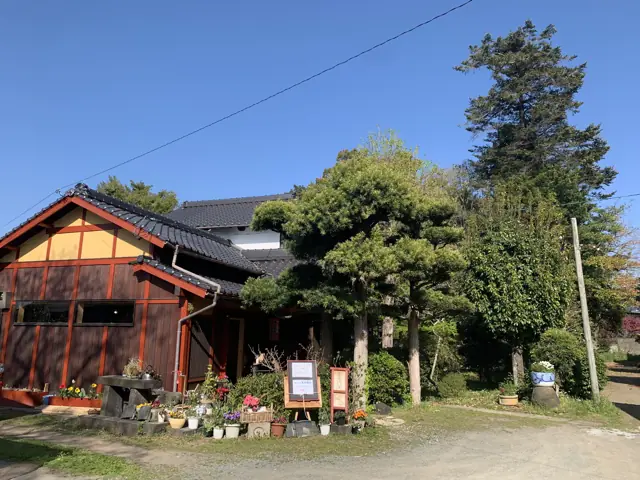
Photo: the shop’s official page 穏Café あたたかい木
A café in a renovated old house near Buzen Kaido serving meat- and fish-free dishes and rice-ball set meals. Phone bookings open from 9 am.
11:00–16:00 (last order 15:00) · Closed: Thursdays, Fridays, and 1st of each month (open if weekend)
1418 Yamaga, Yamaga
RinI had the rice-ball set for lunch. Fluffy rice and a light, gentle meal.
Buzen Kaido
Oshokuji Irodoriza
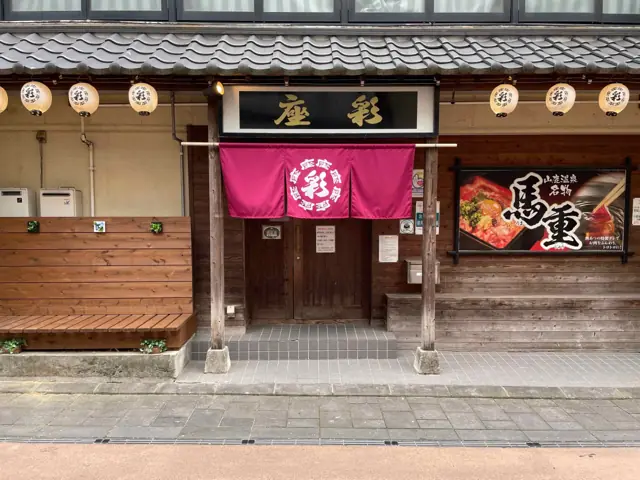
Photo: the shop’s official page お食事 彩座
Irregular closing days
A Japanese restaurant on the second floor of the Aburaya building on Buzen Kaido, styled after the Yachiyo-za playhouse and known for its umaju horsemeat rice box and seafood. Irregular holidays.
11:00–14:00, 18:00–22:00 · Closed: Irregularchecked Nov 2026
2F, 1699 Yamaga, Yamaga
RinI ordered the umaju in the playhouse-style room. Savoury-sweet sauce on rice.
Kikuka
Kikuka Winery Restaurant
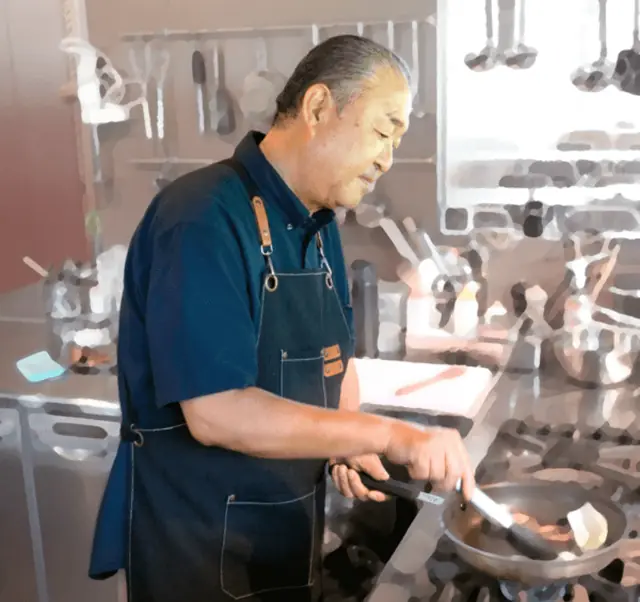
Photo: the shop’s official page 菊鹿ワイナリー レストラン
The restaurant at Kikuka Winery, pairing seasonal local dishes and charcuterie with Kikuka wines. Café open 11 am to 4:30 pm; lunch courses Thursday to Sunday and holidays, 11 am to 2 pm; closed Tuesday.
Thu–Sun & public holidays 11:00–14:00 (cafe 11:00–16:30, takeout 10:00–16:30) · Closed: Tuesdays
559-2 Kikukamachi Aira, Yamaga
RinI paired charcuterie with Kikuka wine. The salt and crisp acidity clicked.
Cafés3
All cafés →1 / 3
Buzen Kaido
CAFE BANANA FRUITS & COFFEE ROASTERS

Photo: the shop’s official page A specialty coffee roaster and fruit shop run by Kakiyama Kajitsu, a greengrocer for over 60 years. Open 9 am to 6 pm (until 5 pm on Sunday).
9:00–18:00 · Closed: Wednesdays (open on public holidays) and New Yearchecked Nov 2026
1849 Yamaga, Yamaga
RinI bought a bag of house-roasted coffee at the fruit shop. Rich, sweet aroma.
Kahoku
Kohaku no Toki
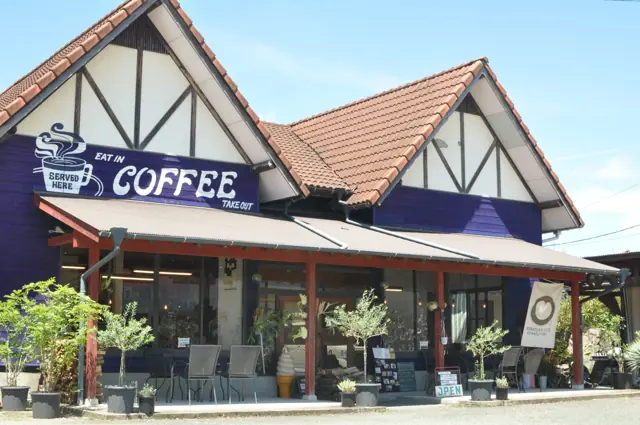
Photo: the shop’s official page 琥珀の刻
Irregular closing days
A coffee roastery and café in Kahoku near the Fukuoka border, selling house-roasted beans. Open 11 am to 6 pm; closed Wednesday and irregular days.
11:00–18:00 (last order 17:30) · Closed: Wednesdays (irregular holidays)checked Nov 2026
1638-1 Kahokumachi Shicho, Yamaga
RinI had coffee and bought a bag of beans. Clean flavour with a crisp finish.
Kamoto
gardencafe528
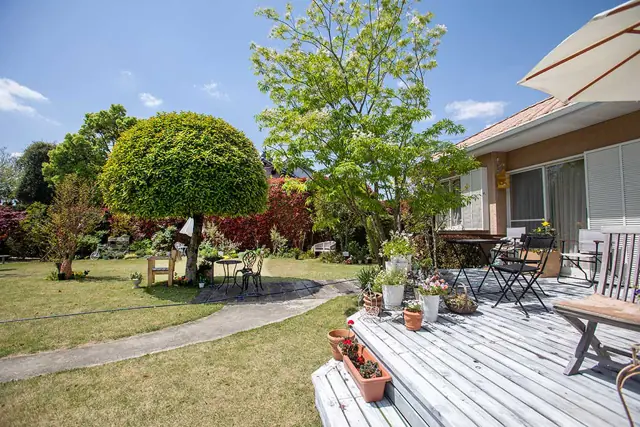
Photo: the shop’s official page A café opened by a florist in Kutami with an English-style garden of about 1,000 square metres, serving coffee, fresh herb tea and seasonal light meals. Open 11:30 am to 5 pm; closed Tuesday and Wednesday.
11:30–17:00 · Closed: Tuesdays and Wednesdayschecked Nov 2026
1513 Kamotomachi Kutami, Yamaga
RinI drank fresh herb tea looking at the garden. Bright, green scent.
By area
Rin is a fictional traveller. Every place here was checked by the editors to exist and be open (checked 2026-11-12). Please confirm hours on the official site before you go. Paid listings are always marked. If you are the shop and would like a photo removed, write to editor@vual.jp and we will take it down at once.
To see — art and sights (landmarks)
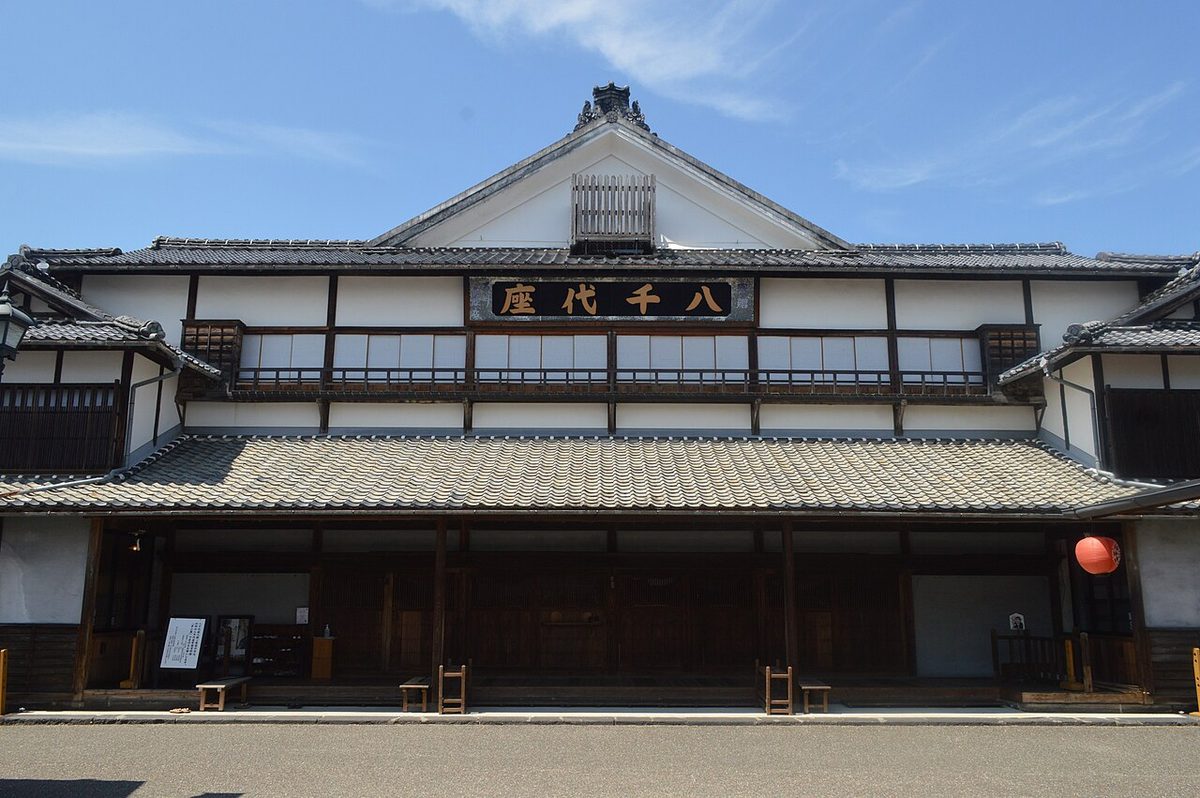
Photo: Asturio Cantabrio / CC BY-SA 4.0 (Wikimedia Commons) Sights · Buzen Kaido
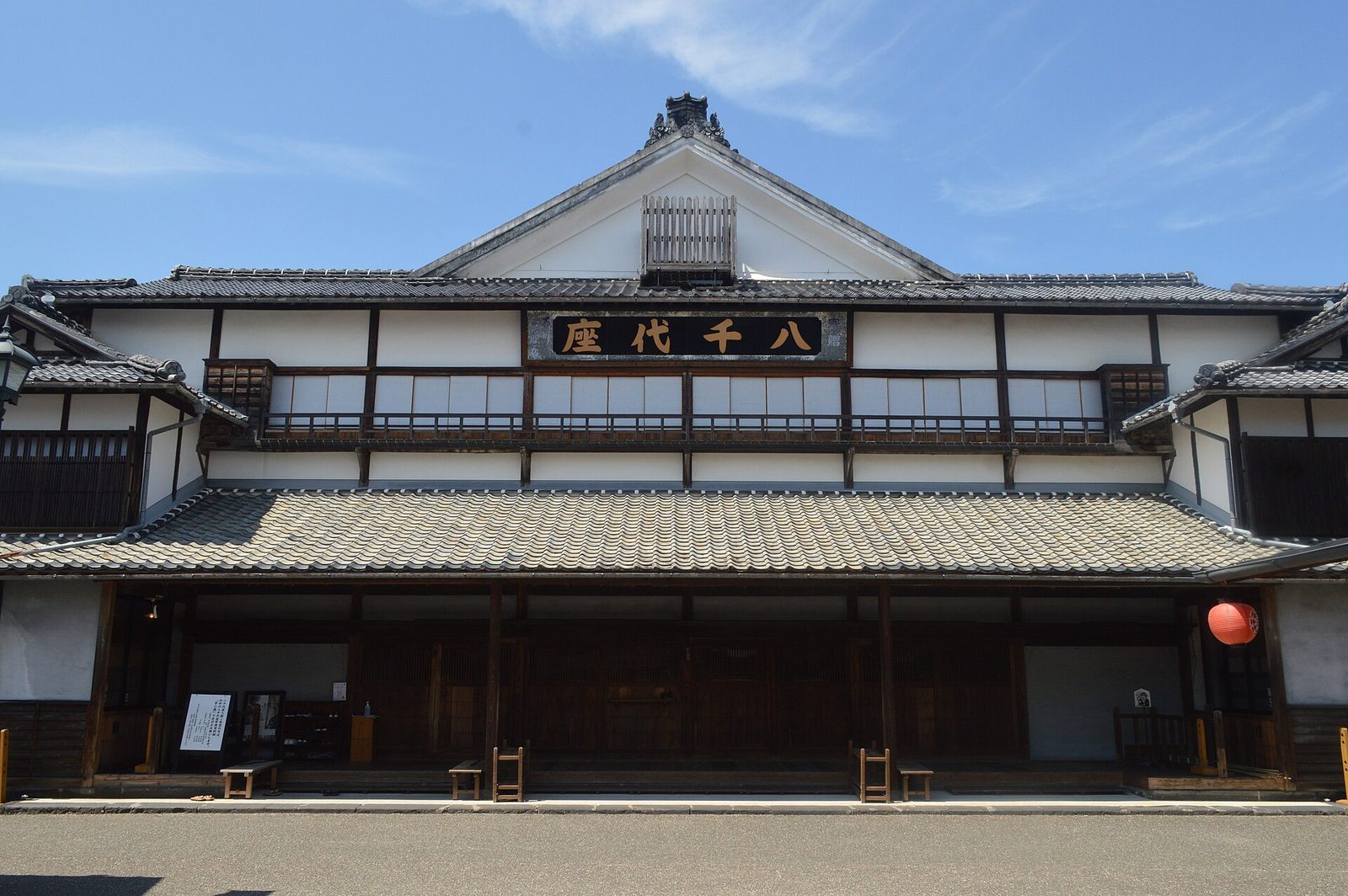
Yachiyo-za
A kabuki playhouse built in 1910 and designated an Important Cultural Property. Visitors can tour the revolving stage and under-stage area when performances are not on.
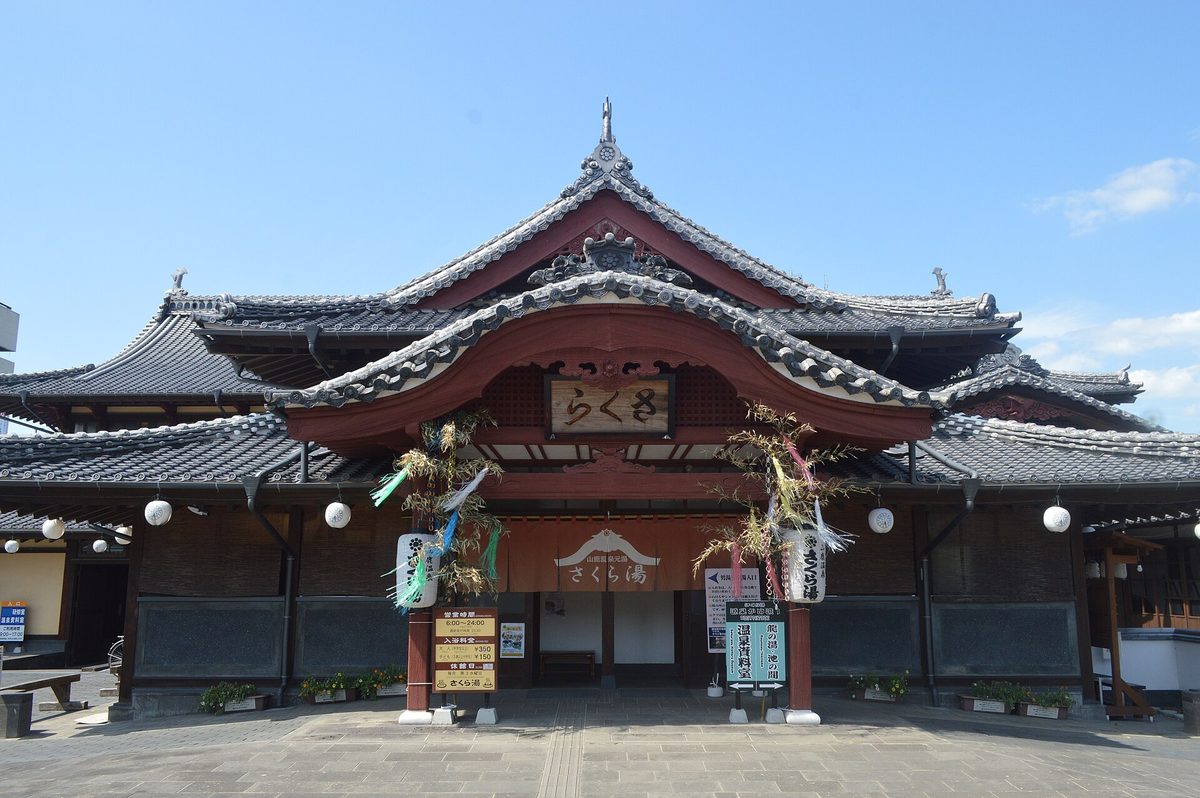
Photo: Asturio Cantabrio / CC BY-SA 4.0 (Wikimedia Commons) Sights · Buzen Kaido
Sakura-yu
A wooden bathhouse rooted in the 1640 Higo Hosokawa domain teahouse and rebuilt in 2012 using traditional joinery. Closed the third Wednesday of each month.
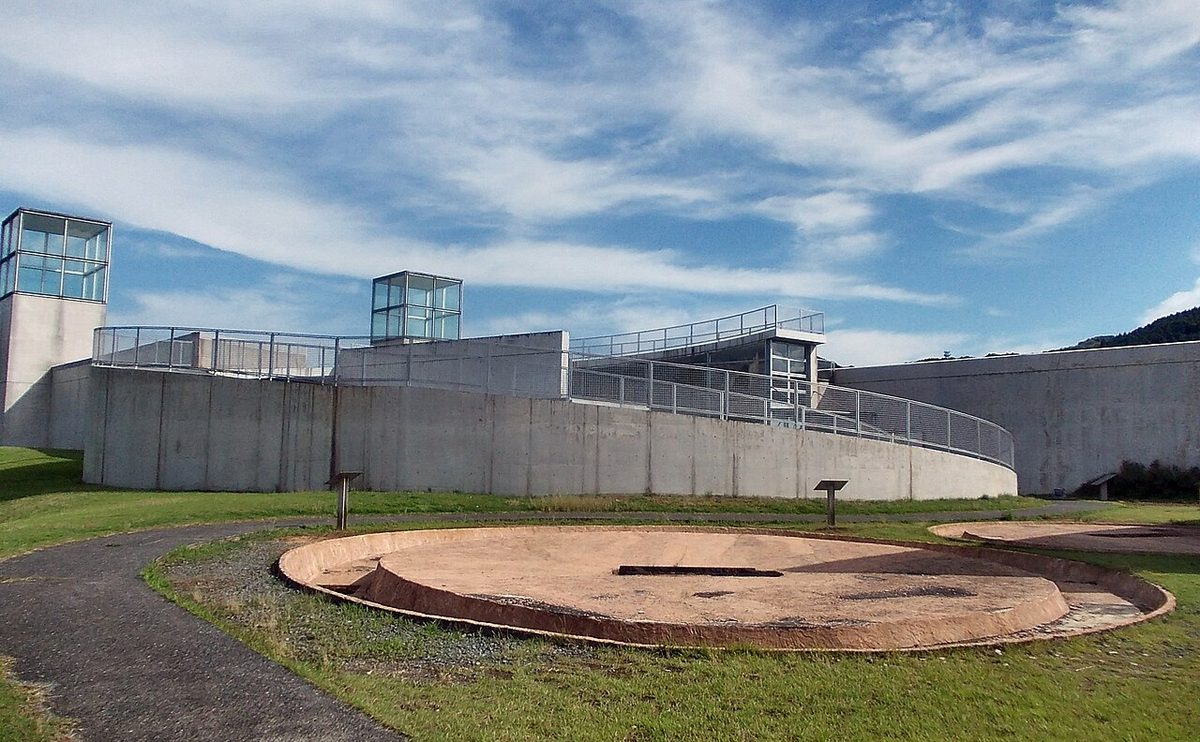
Photo: STA3816 / CC BY-SA 3.0 (Wikimedia Commons) Art · Kao
Kumamoto Prefectural Ancient Burial Mound Museum
A prefectural museum designed by Tadao Ando beside the Iwabaru tomb cluster, displaying decorated burial-mound replicas and excavated artifacts. Closed Monday (or the following day if a holiday).
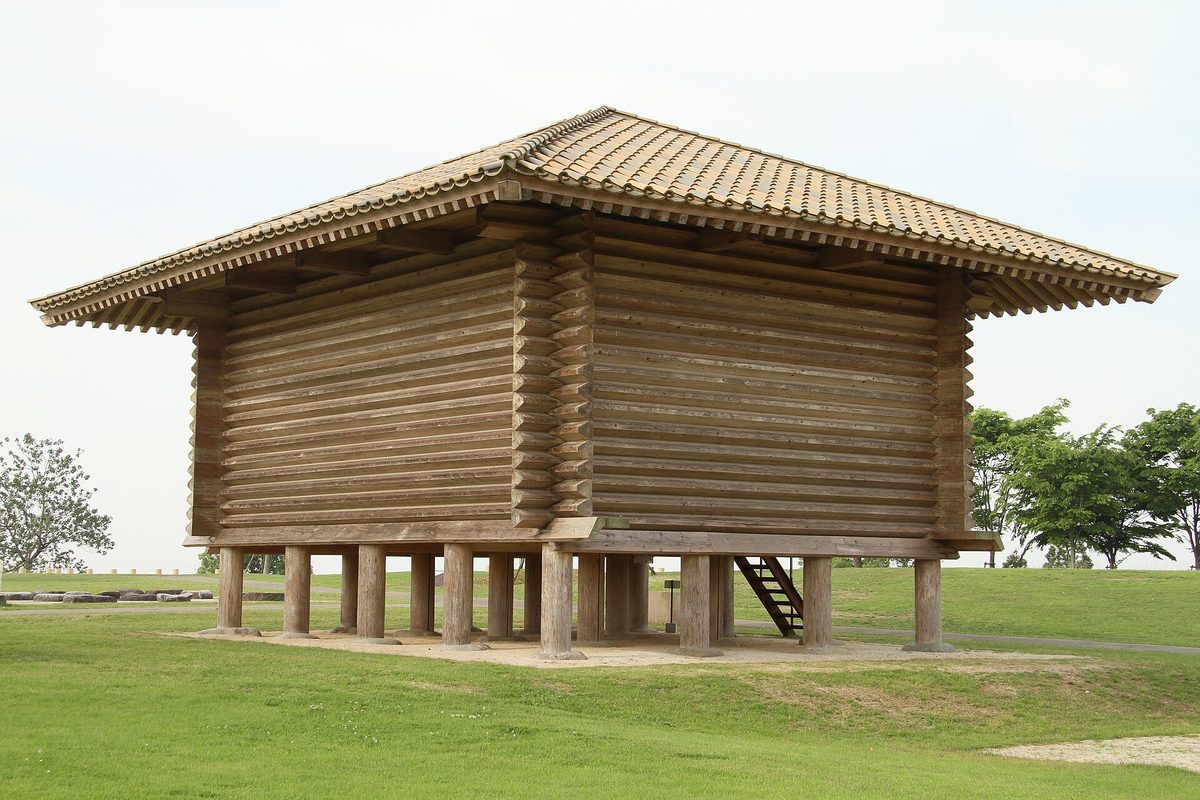
Photo: 小池 隆 / CC BY 3.0 (Wikimedia Commons) Sights · Kikuka
Kikuchi Castle Historic Park
A historic park on the site of an ancient mountain fortress built by the Yamato court, with a reconstructed octagonal drum tower and the Onko Soseikan museum.
These are landmarks, not Rin's picks. Each was checked to be open on its official site (checked 2026-11-12). Please confirm hours before you go.
Day trips from Yamaga
Classics
- Kumamoto Castleabout 23 km
Kumamoto Castle is one of Japan's three most famous castles, constructed by Kato Kiyomasa over seven years starting in 1601. Cherry blossom season (spring) and autumn are best.
- Suizenji Jojuen Gardenabout 25 km
A graceful strolling garden in the Momoyama style. Best in April for cherry blossoms and November for autumn leaves.
- Kusasenrigahamaabout 37 km
A popular tourist spot in the middle of Mt. Aso, characterized by a large pond and green grasslands. Green season from May to October; visit in the early morning.
- Kurokawa Onsenabout 43 km
An onsen area surrounded by lush green mountains with 30 ryokans gathered together. Enjoy the hot springs in any season.
- Yoshinogari Historical Parkabout 43 km
A national park preserving and displaying Yayoi period ruins, where you can experience reconstructed pit dwellings and elevated warehouses. Spring and autumn have mild weather for walking.
Hidden spots
- Yachiyoza Theater
A 1910 wooden kabuki playhouse designated an Important Cultural Property, preserving a hand-turned revolving stage, under-stage cellar, and painted ceiling advertisements. Visit during morning or early afternoon tour hours (9:00–17:30) on non-performance days, or in February and August for Yamaga lantern events.
- Ukiha Inari Shrineabout 36 km
A hillside shrine in Jogahana Park where over 90 vermilion torii gates climb roughly 300 stone steps overlooking the Chikugo Plain. Late March to early April for cherry blossoms and November for autumn leaves are best; early morning or late afternoon offers soft light over the Chikugo Plain.
- Nagabeta Seabed Roadabout 36 km
A concrete fisheries road stretching into the Ariake Sea that emerges at low tide and leaves a line of utility poles standing straight out of the water at high tide. Check Ariake Sea tide tables in advance and visit around high tide for submerged utility poles or low tide to walk the road, especially near sunset.
- Omisaki Stationabout 37 km
An unstaffed Shimabara Railway station whose platform sits directly on the Ariake Sea seawall, lined with yellow wish handkerchiefs fluttering in the sea breeze. Worth visiting year-round; aim for high tide on clear spring or autumn mornings when the Ariake Sea reaches right below the platform.
Distances are straight-line from the town centre. Each page has how to get there and a suggested day.