34.9° N
Uji
Kyoto, Japan
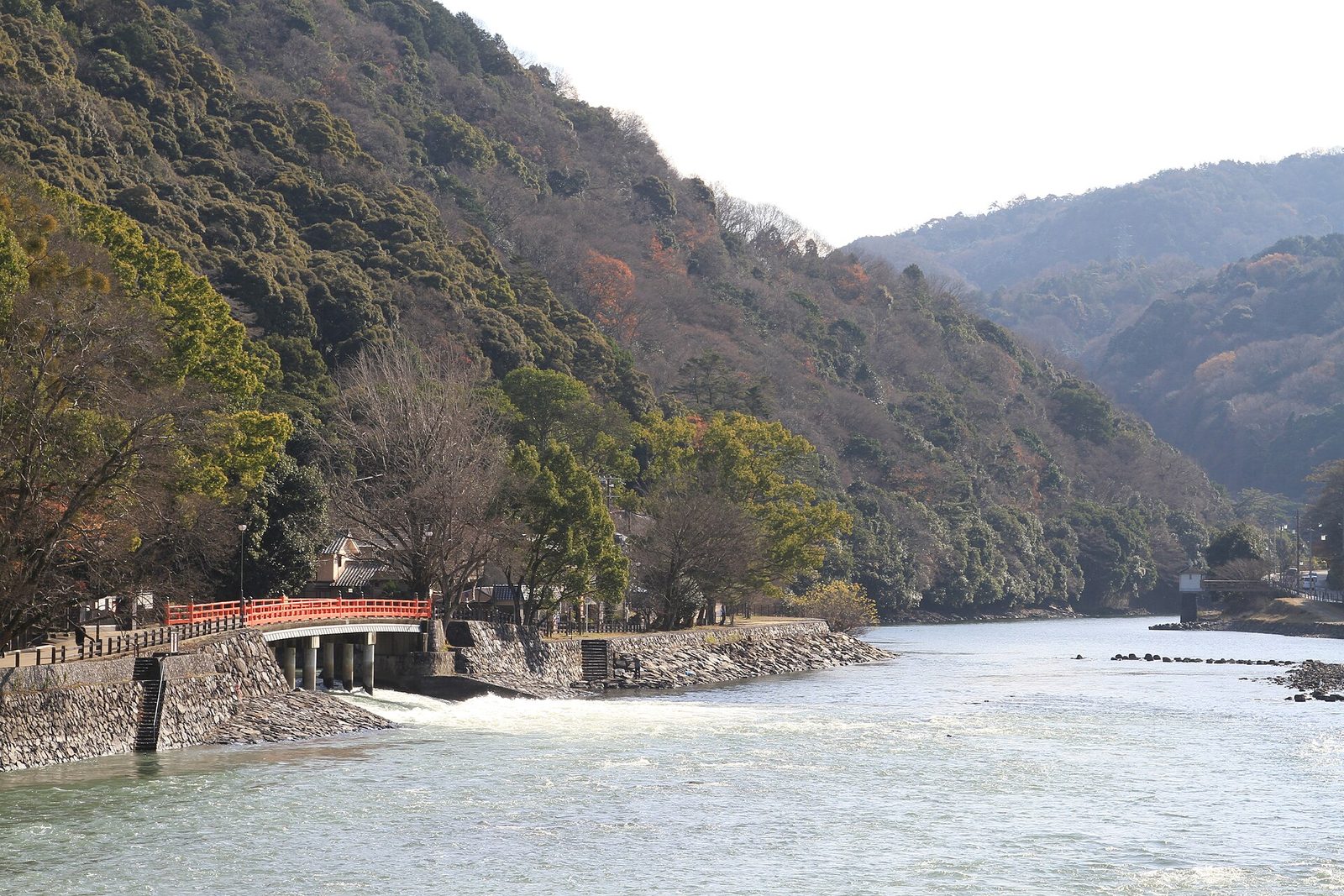
A town of tea gardens and old temples along the Uji River. Tea merchants and kumihimo makers near the river, pottery and woodwork in the valley of Sumiyama, and sweets, bread and coffee stretching out to Obaku and Ogura. Rin's picks for November, when the autumn leaves turn.
Uji, on film
5 sights and 15 places, each checked open in 2026, in 50 seconds.
Found somewhere you like? The map and the list below have the address, hours and official site.
Tap for sound
What to eat in Uji
No photo yet
Cha-soba (green tea soba)
茶そば
Buckwheat noodles kneaded with stone-milled Uji matcha, giving them a deep green color and mild tea aroma. In Uji, Japan's historic green-tea center since the Kamakura period, teahouses and riverside eateries make cha-soba a signature local lunch.
Eaten cold on a bamboo tray with dipping sauce or hot in dashi broth, often in a set with tempura, herring, or eel.
Where to eat it
- Tsuen Tea ↓
- Sabo KunugiWebsiteMap
- Ryori Ryokan AisoWebsiteMap
No photo yet
Cha-dango (green tea rice dumplings)
茶だんご
Small chewy dumplings steamed from rice flour, sugar, and powdered Uji green tea, sold skewered or in boxes without red-bean filling. Developed in Uji in the Taisho era to showcase local matcha, they became a staple wagashi sold along Byodoin's approach and near Uji Bridge.
Eaten as a walking snack on bamboo skewers or seated with whisked matcha or sencha.
Where to eat it
- Notonojo Inafusa Yasukane ↓
- Tsuen Tea ↓
- Sohonke OchamanWebsiteMap
No photo yet
Uji matcha (whisked green tea)
宇治抹茶
Finely stone-milled powder made from shade-grown tencha leaves whisked with hot water in a ceramic tea bowl. Tea cultivation in Uji dates back roughly 800 years, where river mists and mild slopes shaped Japan's matcha and gyokuro production.
Served freshly whisked in a tea bowl alongside a seasonal wagashi sweet or cha-dango.
Where to eat it
- Tsuen Tea ↓
- Uji Municipal Teahouse TaihoanWebsiteMap
- Sabo KunugiWebsiteMap
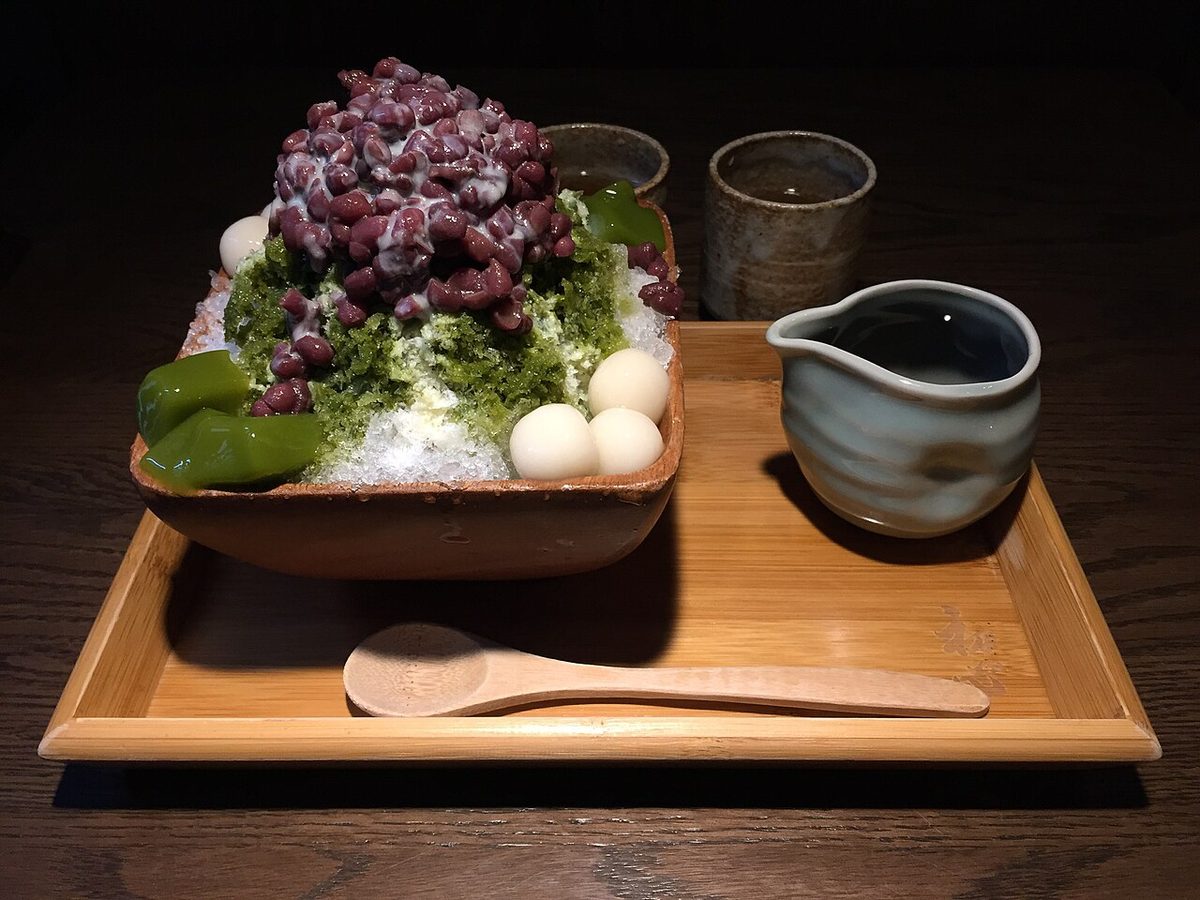
Photo: bryan... from Taipei, Taiwan / CC BY-SA 2.0 (Wikimedia Commons) Uji-kintoki (matcha shaved ice)
宇治金時
Shaved ice topped with Uji matcha syrup and sweet azuki red bean paste, named after Uji tea and Kintoki beans. Listed among Kyoto Prefecture's traditional regional sweets, it is served at teahouses and wagashi shops across Uji during the warm months.
Eaten in summer in teahouses, sometimes topped with shiratama rice dumplings or matcha ice cream.(Jun–Sep)
Where to eat it
- Tsuen Tea ↓
- Sabo KunugiWebsiteMap
- Sohonke OchamanWebsiteMap
Where Rin would go, on the map — or build your own route
Tap a mark to see the place; squares are museums and sights (landmarks). Use “Build your own route” to make a walk of your own.
Loading the map
Map data © OpenStreetMap contributors
Where Rin would go
Made in Uji: Uji tea cultivation and processing2
All uji tea cultivation and processing →1 / 3
Made in Uji
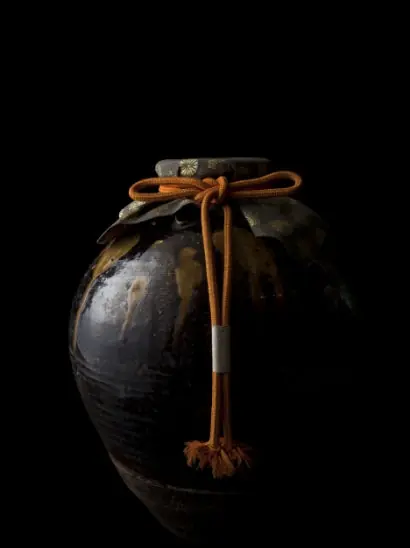
Uji's matcha and gyokuro are made from shaded-grown leaves, steamed right after picking and ground on stone mills. Of the seven tea gardens named by the Ashikaga shoguns in the Muromachi period, Okunoyama still survives and is tended by Horii Shichimeien.
Traditional ceramic tea storage jar at Tsuen Tea in Uji·Photo: Tsuen Tea (official site)
Higashi-Uji & Todo
Tsuen Tea
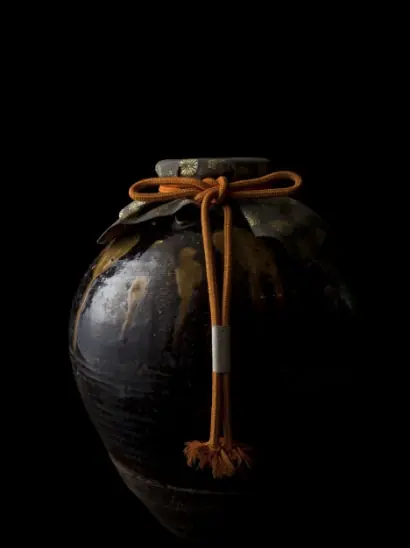
Photo: the shop’s official page 通圓
A tea merchant and teahouse at the east end of Uji Bridge, founded in 1160 in a building from 1672. The teahouse serves matcha, tea soba and tea dango overlooking the river. Open 10:30 am to 5:30 pm (teahouse last order 4 pm).
10:30–17:30 (last order 16:00) · Closed: Open every daychecked Nov 2026
宇治市宇治東内1
RinI ordered matcha and tea dango in the teahouse. The brisk tea balanced the sweet dango.
Uji & Myoraku
Horii Shichimeien
Photo: the shop’s official page 堀井七茗園
A Uji tea house since 1879 that tends Okunoyama, the last surviving Muromachi-era Shichimeien garden, and stone-mills first-flush tea. Shop open weekdays 10 am to 4:30 pm (closed 12 pm to 1:30 pm, and weekends/holidays).
10:00–16:30 (closed 12:00–13:30 for lunch) · Closed: Saturdays, Sundays, and public holidayschecked Nov 2026
宇治市宇治妙楽84
RinI bought stone-milled Uji tea at the shop. Its fresh, grassy aroma was rich.
Made in Uji: Braided silk cord making1
All braided silk cord making →1 / 2
Made in Uji
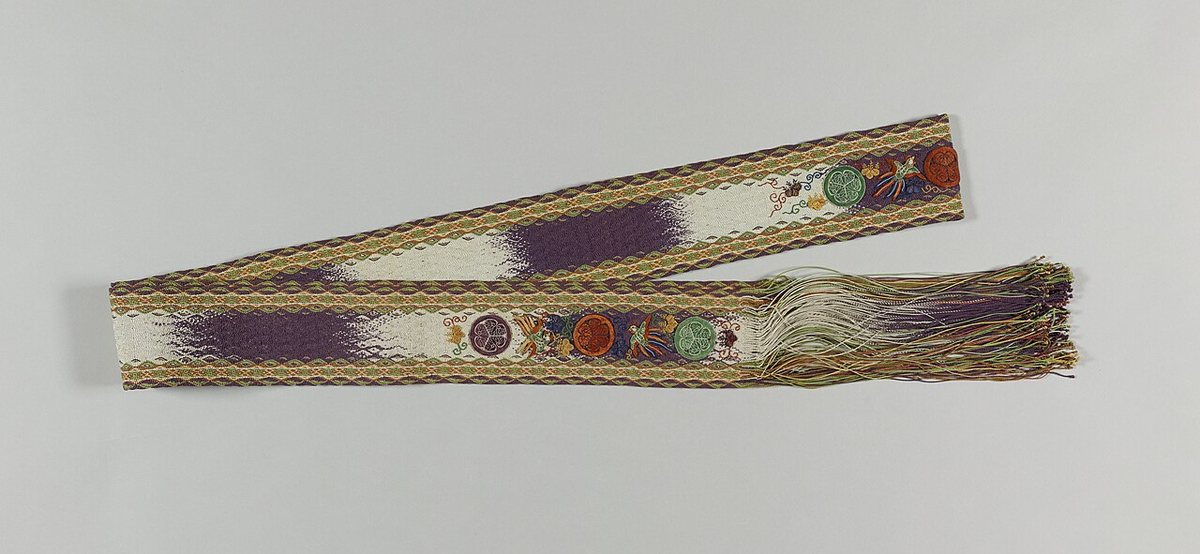
A traditional Kyoto braided cord craft, carried from yarn dyeing through braiding and finishing. In Uji, Showen Kumihimo, founded in 1948, braids cords both by hand on wooden stands and on braiding machines for kimono obijime, small accessories, and ties for tea caddies.
A traditional braided silk kumihimo cord·Photo: 東京国立博物館 / CC BY 4.0 (Wikimedia Commons)
Uji & Myoraku
Showen Kumihimo, Uji
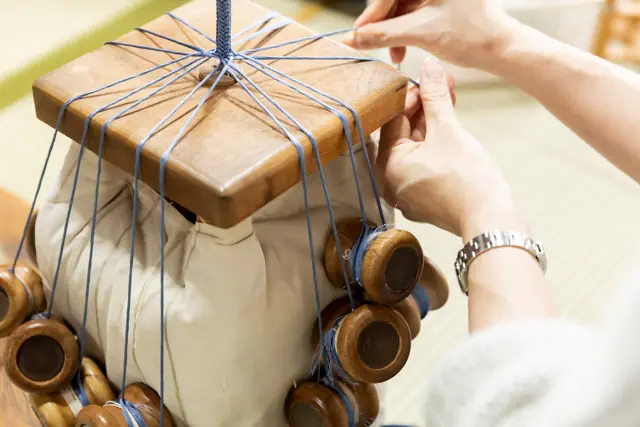
Photo: the shop’s official page 昇苑くみひも 宇治本店
The Uji flagship of a Kyo-kumihimo maker founded in 1948, in a townhouse over a century old. It produces hand- and machine-braided obijime, tea-caddy cords and small goods. Open daily 10 am to 5 pm (seasonal breaks).
10:00–17:00 · Closed: Open every day (summer & winter holidays)
宇治市宇治妙楽146-2
RinI chose a hand-braided tea-caddy cord. The tight weave and layered colours were lovely.
Craft3
All craft →1 / 3
Higashi-Uji & Todo
Asahiyaki shop & gallery
朝日焼 shop & gallery
The shop and gallery of Asahiyaki, a tea-pottery kiln active for about 400 years across the Uji River from Byodoin, showing works by Matsubayashi Hosai XVI and kiln pieces. Open 10 am to 5 pm, closed Mondays and the last Tuesday.
10:00–17:00 · Closed: Mondays (following day if public holiday) and last Tuesday of each month
宇治市宇治又振67
RinI held a piece of kiln pottery. Its pale shade and smooth surface felt lovely.
Sumiyama
Ryuhougama
Photo: the shop’s official page 龍豊窯
Irregular closing days
A Kyo-yaki and Kiyomizu-yaki kiln in the mountain pottery village of Sumiyama, making finely potted, hand-painted tea utensils and tableware. Pottery workshops by reservation; no public transit reaches the valley.
10:00–17:00 · Closed: Irregularchecked Nov 2026
宇治市炭山別所4
RinI saw the tea ware at the mountain kiln. The thin potting and fine brushwork impressed me.
Sumiyama
Kyoto Sumiyama Asakura Mokkou
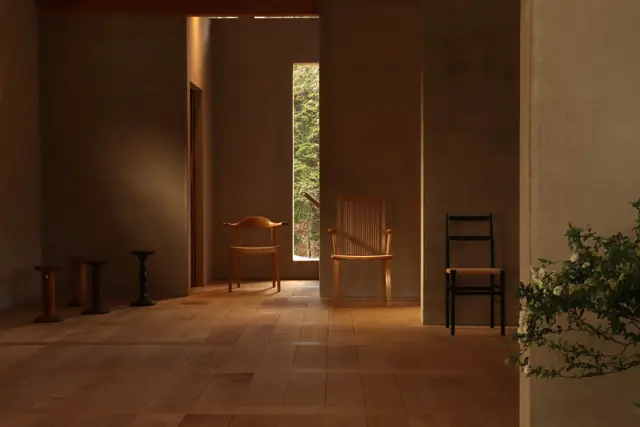
Photo: the shop’s official page 京都炭山朝倉木工
A solid-wood furniture and small woodware workshop and showroom in Sumiyama, making chairs, tables and wiped-lacquer pieces. Open weekdays 10 am to 4 pm; weekends and holidays by reservation.
Weekdays 10:00–16:00 (weekends & holidays by appointment)
宇治市炭山堂ノ元23-3
RinI picked up a wiped-lacquer bowl. The light solid wood and gentle sheen felt just right.
Sweets3
All sweets →1 / 3
Obaku & Kohata
Tamaki-tei
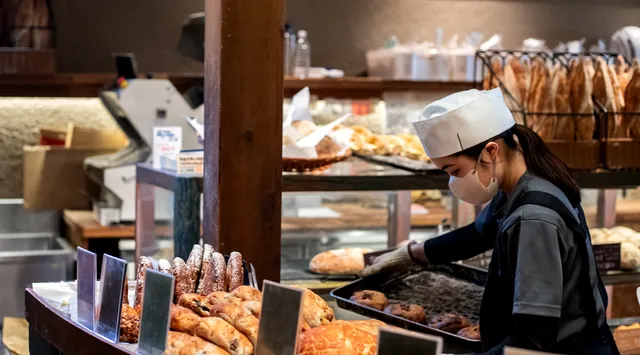
Photo: the shop’s official page たま木亭
A bakery near Obaku Station that refuses branches and mail order, baking baguettes and ciabatta at this single shop. Open 8 am to 6:45 pm, closed Monday to Wednesday.
8:00–18:45 · Closed: Mondays, Tuesdays, and Wednesdayschecked Nov 2026
宇治市五ケ庄平野57-14
RinI bought a baguette and ciabatta. The crisp crust and springy crumb were great.
Higashi-Uji & Todo
Chez Hagata
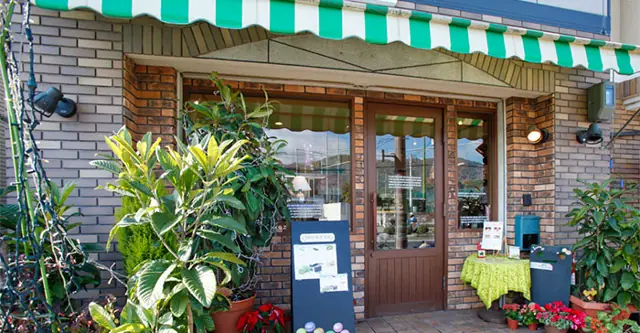
Photo: the shop’s official page シェ・アガタ
A small patisserie near Mimurodo Station known for its Uji matcha terrine made with matcha and white chocolate, alongside cheesecakes and tiramisu. Open Friday to Monday, 10 am to 5 pm.
10:00–17:00 · Closed: Tuesdays, Wednesdays, and Thursdayschecked Nov 2026
宇治市菟道谷下り44-11
RinI bought the matcha terrine. Rich matcha and white chocolate melted on the tongue.
Uji & Myoraku
Notonojo Inafusa Yasukane
能登椽 稲房安兼
A wagashi shop on the approach to Byodoin since 1717. Its cha-dango are steamed from stone-milled rice flour, sugar and matcha, alongside monaka and seasonal sweets. Open 9 am to 5 pm, closed Thursdays and the third Wednesday.
宇治市宇治蓮華11
RinI bought the cha-dango. The chewy rice dumplings had a clear, fresh matcha aroma.
Food2
All food →1 / 2
Uji & Myoraku
Antica Pizzeria L'ASINELLO

Photo: the shop’s official page Irregular closing days
A pizzeria certified by the Associazione Verace Pizza Napoletana inside Osakaya Market in Myoraku, baking seven-flour dough in an eight-ton stone oven. Open for lunch and dinner; days off vary.
11:30–15:00 (last order 14:30), 17:30–21:00 (last order 20:30) · Closed: Irregularchecked Nov 2026
宇治市宇治妙楽41 大阪屋マーケット内
RinI ate pizza from the stone oven. Even the blistered crust tasted sweet and wheaty.
Uji & Myoraku
LovA
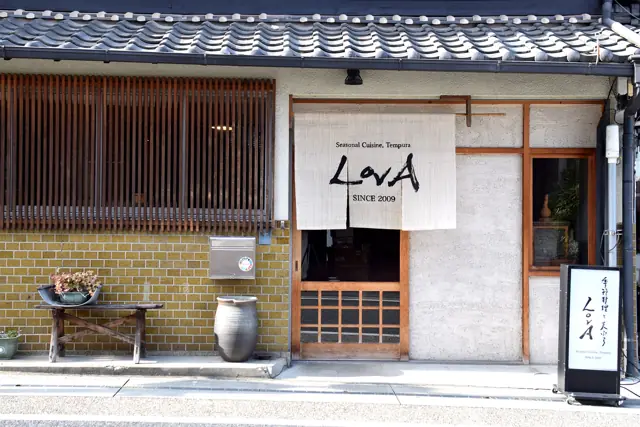
Photo: the shop’s official page 季節料理と天ぷら LovA
A seasonal tempura and simmered-dish restaurant in a renovated old house near JR Uji Station, cooking with Rishiri kelp and tuna-flake broth. Lunch, dinner and takeaway deli; closed Tuesdays.
11:15–14:00 (last order) · Closed: Tuesdays (Saturdays during events)
宇治市宇治壱番83
RinI had tempura and simmered dishes for lunch. Light batter and rich dashi made it.
Cafés4
All cafés →1 / 4
Uji & Myoraku
OUTSTANDING COFFEE ROASTER

Photo: the shop’s official page A specialty coffee roastery and stand in a converted late-Meiji townhouse near Byodoin, grown out of Okada Coffee (founded 1974). Beans are hand-sorted after roasting and brewed to order. Closed Tuesdays.
Weekdays 10:00–16:30, weekends & holidays 10:00–17:00 · Closed: Tuesdayschecked Nov 2026
宇治市宇治妙楽89-1
RinI drank coffee at the old townhouse stand. The clean, hand-sorted cup was crisp.
Ogura & Shinmei
Yokoyama Coffee
よこやま珈琲
A home-roasting coffee shop in residential Ogura since 1986, roasting only what is needed each day and pouring paper-drip cups into a collection of over a hundred cups. Open 7 am to 7 pm, closed Mondays.
Tue–Sun 07:00–19:00 · Closed: Mondays
宇治市小倉町西浦5-9
RinI ordered paper-drip coffee. Freshly roasted, it arrived in a charming cup.
Obaku & Kohata
MONATIC COFFEE
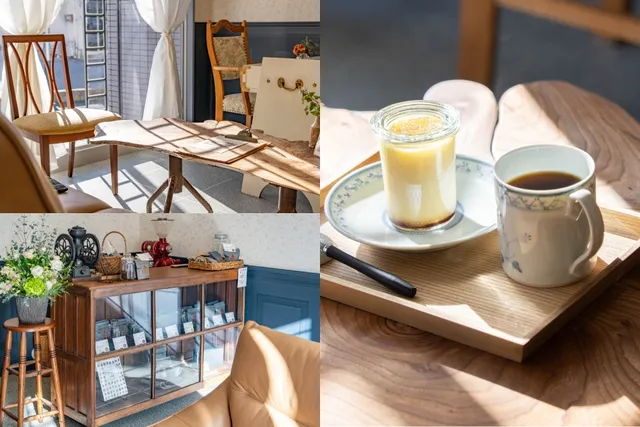
Photo: the shop’s official page A small specialty coffee roaster and café in residential Kohata where pets are welcome inside. Closed on weekdays, with weekend hours varying by week.
Weekends 9:00–15:30 (last order 15:30, closes around 16:00) · Closed: Weekdays (irregular holidays)
宇治市木幡御園20-167
RinI had coffee in the small shop. It smelled good, so I bought a bag of beans.
Uji & Myoraku
AMATISTA Coffee
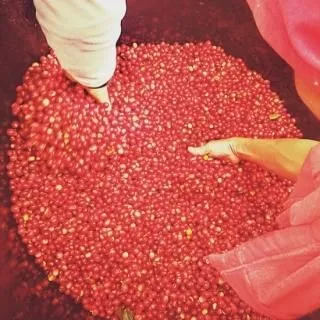
Photo: the shop’s official page A coffee bean shop in Myoraku that imports beans directly from Colombia, stocking single-origin coffees, blends and cacao. Open 10 am to 7 pm, closed Mondays.
宇治市宇治妙楽171-13
RinI bought Colombian beans and cacao. Both had a rich scent I liked.
By area
Rin is a fictional traveller. Every place here was checked by the editors to exist and be open (checked 2026-11-12). Please confirm hours on the official site before you go. Paid listings are always marked. If you are the shop and would like a photo removed, write to editor@vual.jp and we will take it down at once.
To see — art and sights (landmarks)
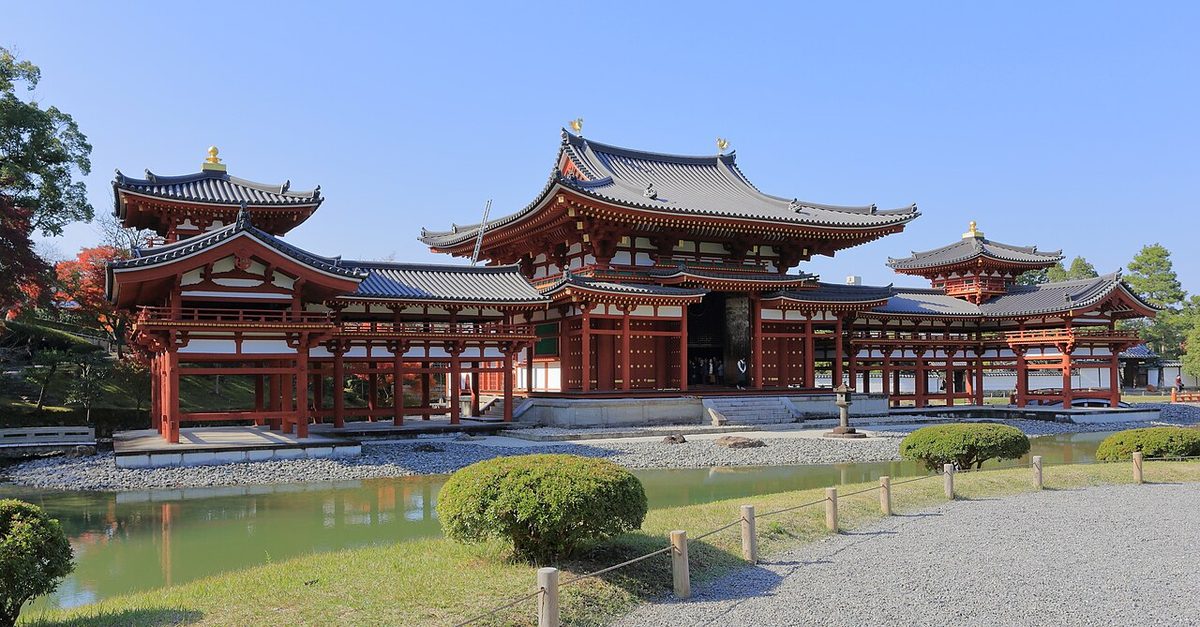
Photo: Martin Falbisoner / CC BY-SA 4.0 (Wikimedia Commons) Sights · Uji & Myoraku
Byodoin Temple
Founded in 1052 when Fujiwara no Yorimichi turned his father Michinaga's villa into a temple, with the Phoenix Hall (Amida Hall) completed in 1053 on an island in Aji Pond. Includes the Hoshokan Museum; a World Heritage site.
The Kannondo Hall is closed for repairs. Inside the Hoshokan Museum, the Tobira-e room is closed weekdays through November 27, 2026 (open weekends and holidays), and the Relics section is closed November 13 to December 6. Phoenix Hall interior tours are capped at 35 per group; autumn night openings are suspended in 2026. Garden 8:45 am–5:30 pm, museum 9 am–5 pm, open daily.
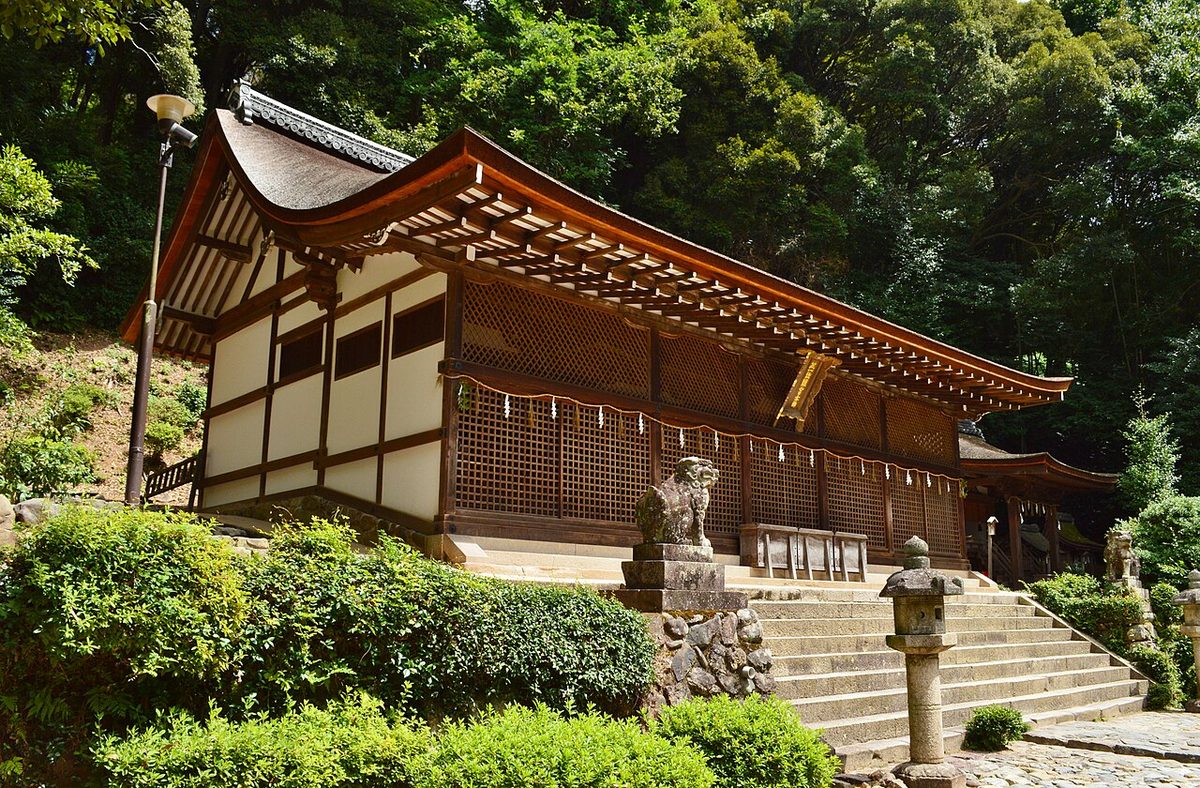
Photo: Saigen Jiro / CC0 (Wikimedia Commons) Sights · Higashi-Uji & Todo
Ujigami Shrine
A shrine at the foot of Mount Asahi on the east bank of the Uji River, dedicated to Uji no Wakiiratsuko and Emperors Ojin and Nintoku. Its late-Heian main sanctuary is the oldest surviving shrine architecture in Japan; both main and worship halls are National Treasures and a World Heritage site.
The office for amulets and goshuin opens at 9 am; cash only.
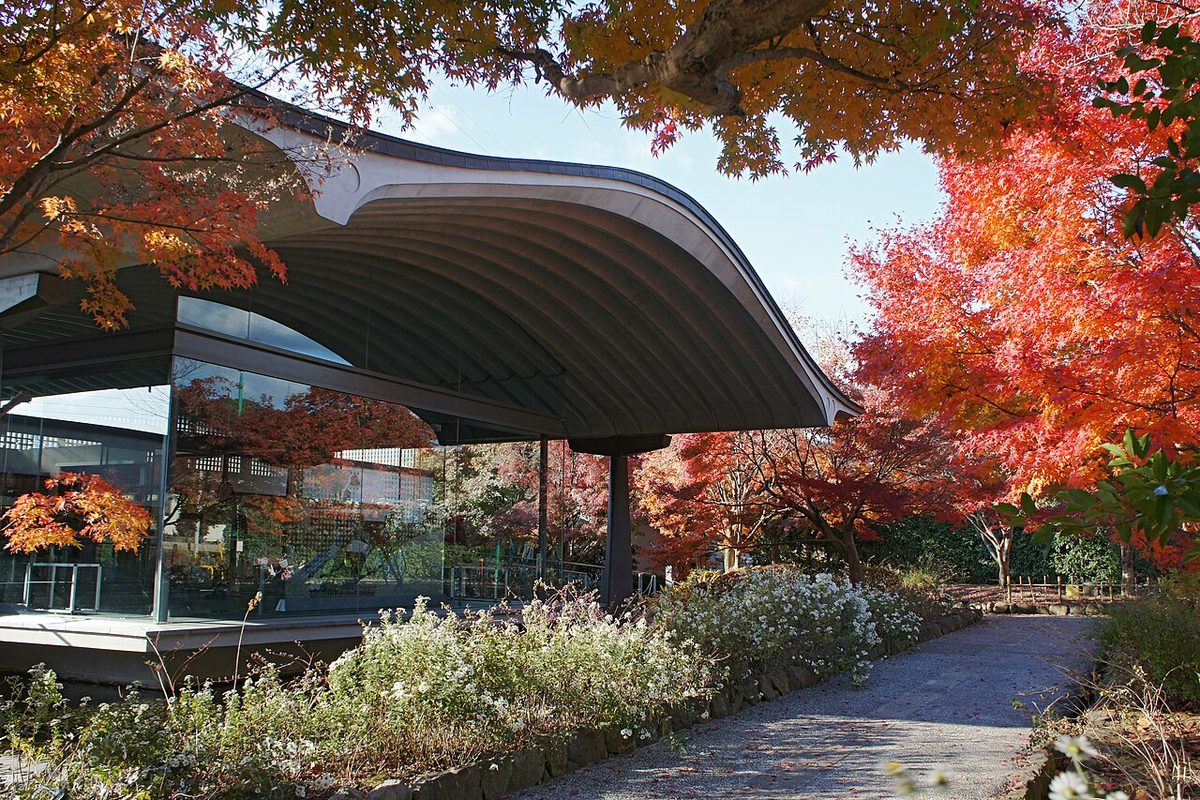
Photo: 663highland / CC BY 2.5 (Wikimedia Commons) Art · Higashi-Uji & Todo
The Tale of Genji Museum, Uji
A municipal museum on The Tale of Genji and Heian court life, with galleries on Hikaru Genji, the final ten Uji chapters, short films and interactive exhibits.
Open 9 am to 5 pm (last entry 4:30 pm). Closed Mondays (or the following day if a holiday) and over New Year.
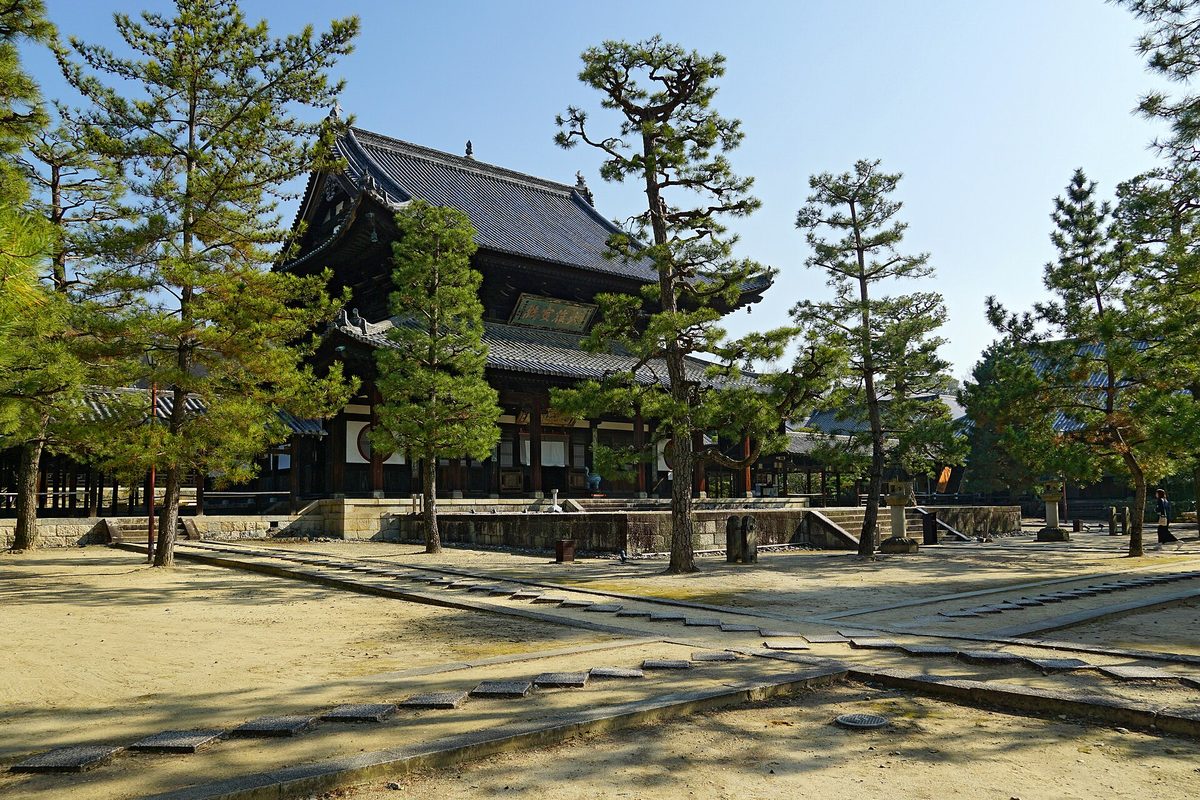
Photo: 663highland / CC BY-SA 4.0 (Wikimedia Commons) Sights · Obaku & Kohata
Manpuku-ji Temple
The head temple of the Obaku Zen school, founded in 1661 by the Chinese monk Ingen Ryuki, preserving Zen temple buildings in late-Ming Chinese style.
Open 9 am to 5 pm (last entry 4:30 pm). Special night openings run from October 10, 2026 to February 21, 2027.
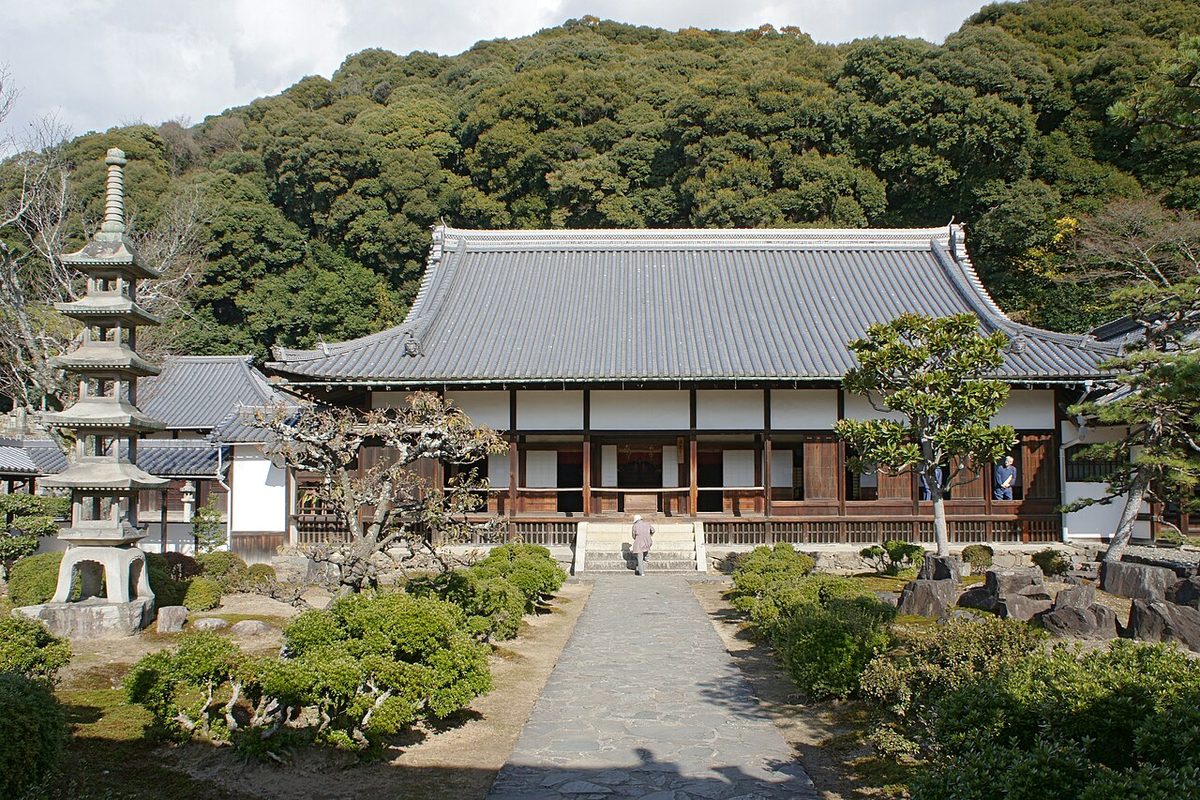
Photo: 663highland / CC BY 2.5 (Wikimedia Commons) Sights · Higashi-Uji & Todo
Kosho-ji Temple
The oldest Soto Zen training monastery in Japan, founded by Dogen in 1233 in Fushimi and rebuilt in Uji in 1648 by Nagai Naomasa, lord of Yodo Castle, between Mount Buttoku and Mount Asahi.
Reception 10 am to 4 pm (entry may be restricted during temple events).
These are landmarks, not Rin's picks. Each was checked to be open on its official site (checked 2026-11-12). Please confirm hours before you go.
Day trips from Uji
Classics
- Fushimi Inari-taishaabout 9 km
Fushimi Inari-taisha is the head shrine of the Inari shrines, with about 30,000 shrines nationwide. Good anytime, but early morning is best for fewer crowds.
- Sanjusangendo Templeabout 11 km
A historic temple famous for its long hall containing 1,001 statues of Kannon, the goddess of mercy. Autumn is particularly beautiful for the temple garden.
- Kiyomizu-deraabout 12 km
Kiyomizu-dera is a UNESCO World Heritage site and one of the most celebrated temples in Japan. Early April for cherry blossoms, late November for autumn colors. Early morning is recommended.
- Nanzen-ji Templeabout 13 km
A prominent Zen temple known for its massive Sanmon gate and tranquil rock gardens. Autumn foliage is stunning, especially around the Sanmon gate.
- Nijo-jo Castleabout 14 km
A UNESCO World Heritage castle built by Tokugawa Ieyasu that witnessed the beginning and end of the Edo period. Cherry blossoms in April, autumn colors in November; check for special night openings.
- Ginkaku-ji (Silver Pavilion)about 15 km
A villa built by Ashikaga Yoshimasa that represents Higashiyama culture, featuring a garden that embodies the wabi-sabi spirit. The autumn leaves in November are magnificent.
- Kinkaku-ji (Golden Pavilion)about 18 km
Built as a villa for the third Ashikaga shogun, Yoshimitsu, this temple is world-famous for its gold-leaf-covered Shariden (reliquary hall). Autumn leaves in November and snow in winter are spectacular.
- Tenryu-ji Temple & Arashiyama Bamboo Groveabout 18 km
A UNESCO World Heritage site and head temple of the Rinzai school, featuring the beautiful Sogenchi Pond Garden in harmony with the nature of Arashiyama. Late April for cherry blossoms, November for autumn leaves; go early morning to avoid crowds.
Hidden spots
- Shoju-inabout 11 km
A quiet temple in the tea hills of Ujitawara famous for its heart-shaped inome window and 160 painted ceiling panels in the guest hall. June–September for the Wind Chime Festival and November for autumn leaves; arrive early for quiet photos of the heart window.
- Yanagidani Kannon Yokoku-jiabout 14 km
An ancient mountain temple in Nagaokakyo famed for eye-healing prayers and celebrated as the birthplace of seasonal flower-filled chozuya basins (hana-chozu). June (Hydrangea Week) and mid-Nov to early Dec (Momiji Week); 15:00–16:00 light hits the lantern stairs.
- Kameoka Mist Terraceabout 25 km
A free hilltop observation deck on Mt. Ryugao in Kameoka overlooking the thick Tanba-giri sea of morning mist that fills the Kameoka Basin. October to December on clear, windless mornings around sunrise for the Tamba mist sea of clouds.
Distances are straight-line from the town centre. Each page has how to get there and a suggested day.