34.5° N
Uda
Nara, Japan
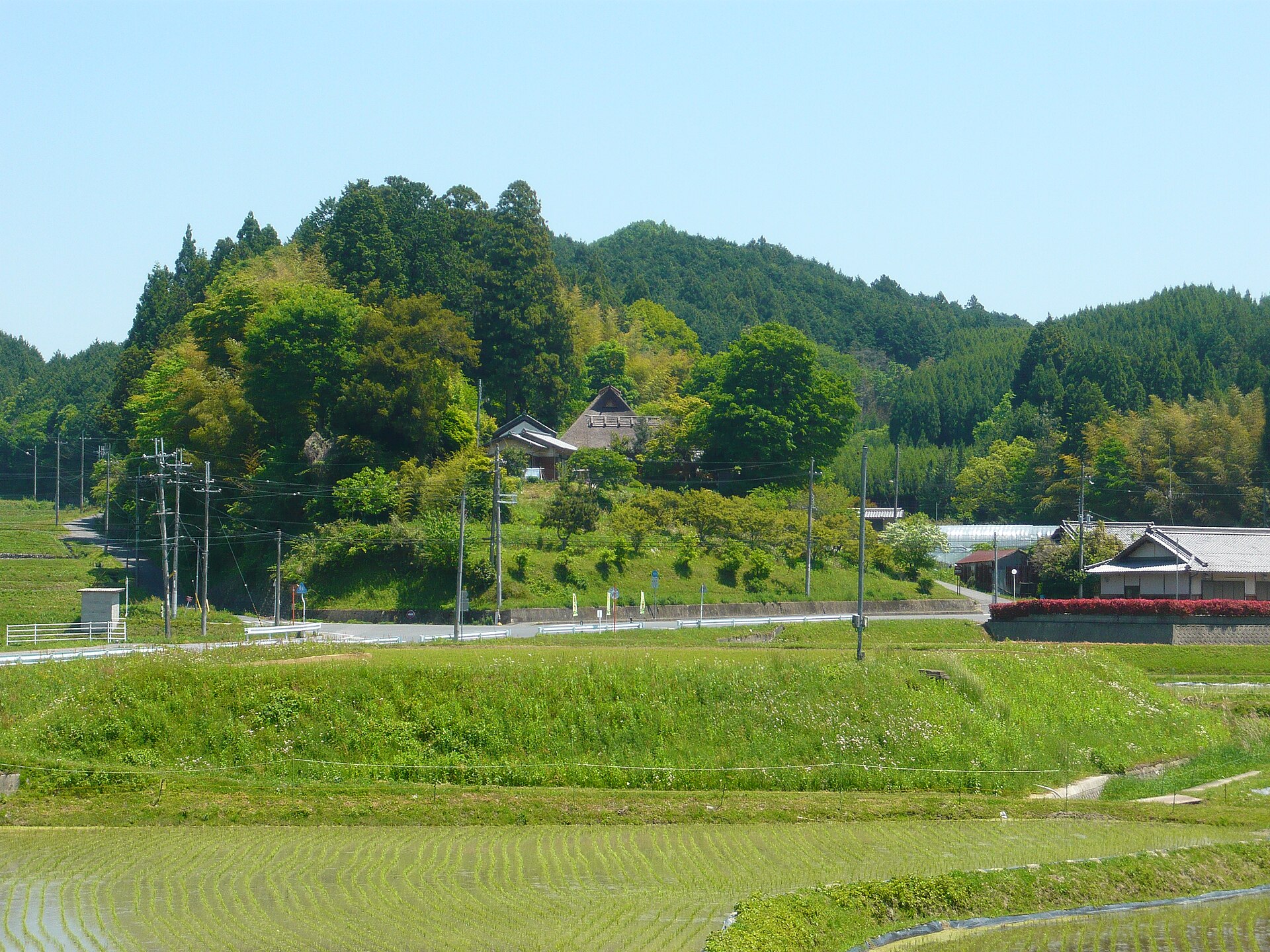
A town in a mountain basin in northeastern Nara, long known for medicinal herbs and Yoshino kudzu starch. Old kudzu and wagashi shops along the preserved merchant street of Uda-Matsuyama, and cafés in old houses across Ouda, Haibara and Muro: Rin's picks.
Uda, on film
5 sights and 10 places, each checked open in 2026, in 38 seconds.
Found somewhere you like? The map and the list below have the address, hours and official site.
Tap for sound
What to eat in Uda
No photo yet
Kimigoromo (baked meringue and egg-yolk confection)
きみごろも
A light, square confection made by setting whipped egg-white meringue with agar, coating it in egg yolk, and lightly baking it. Invented in Ouda in 1902 by Matsutaro Horii of Shogetsudo, it remains a signature sweet of the Uda-Matsuyama district.
Sold in small packs and boxes to keep level and eat chilled within three days; mornings are best before shops sell out.
Where to eat it
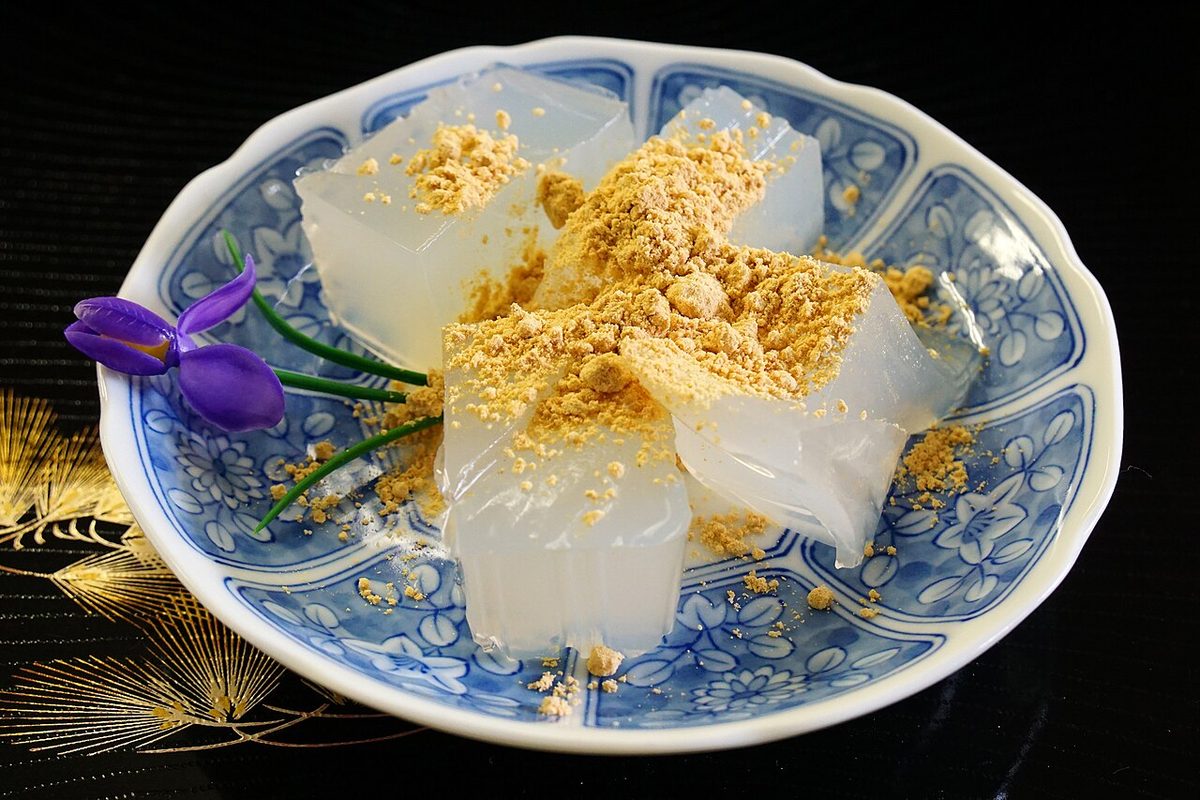
Photo: 663highland / CC BY 2.5 (Wikimedia Commons) Yoshino Hon-Kuzu Kuzukiri and Kuzumochi
吉野本葛の葛切り・葛餅
Translucent chilled noodles (kuzukiri) and elastic cubes (kuzumochi) made simply from pure kudzu-root starch and water cooked to order. Ouda in Uda has been a center of Yoshino hon-kuzu production for over 400 years, where makers like Morino Yoshino Kuzu Honpo refine the starch in cold winter groundwater using the traditional Yoshino-zarashi method.
Ordered fresh at a tea room, eating chilled kuzukiri with black-sugar syrup, kuzumochi with roasted soybean flour, or hot kuzuyu in winter.
Where to eat it
- Morino Yoshino Kuzu Honpo ↓
- Sabo Kuzumian (Morino Yoshino Kuzu Honpo Kuzu no Yakata)WebsiteMap
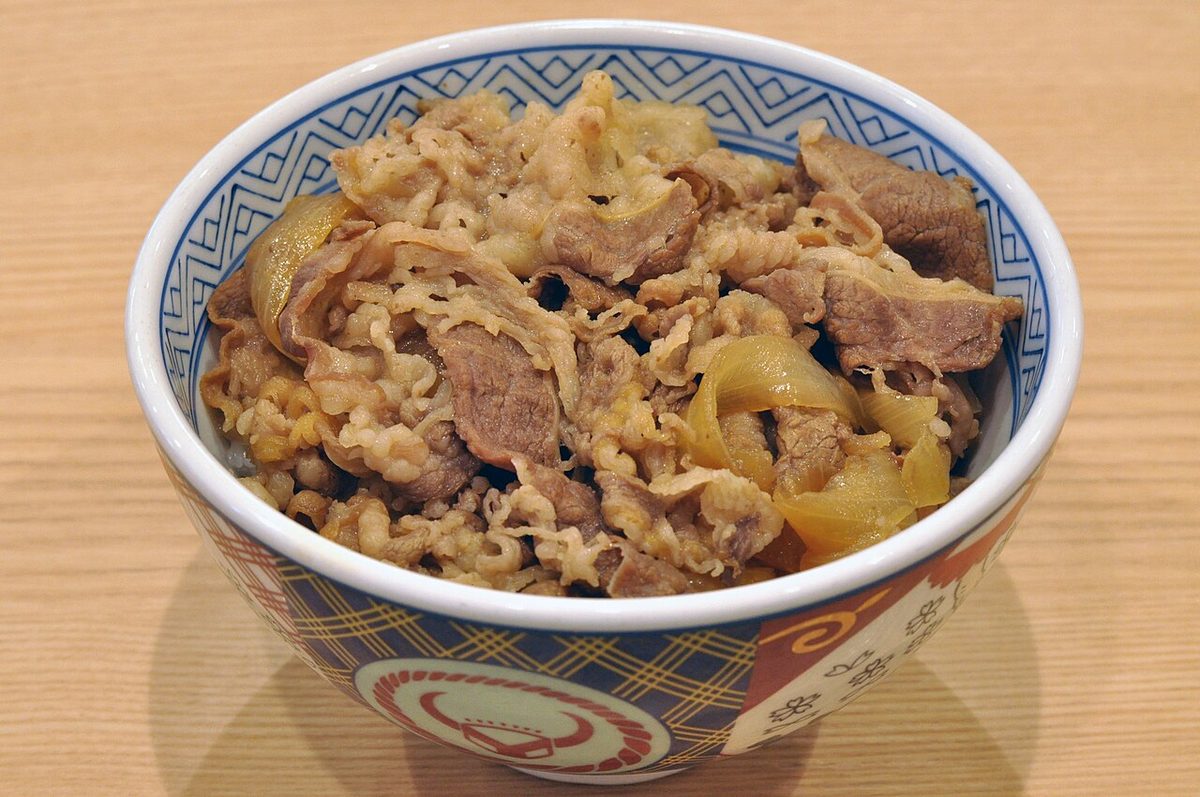
Photo: Ocdp / CC0 (Wikimedia Commons) Uda Beef (Uda-gyu and local Yamato wagyu)
宇陀牛・大和牛
Marbled black wagyu beef raised in Nara's cool upland basins, prepared locally as sukiyaki, shabu-shabu, steak, yakiniku, or slow-simmered beef bowls (gyudon). Uda has been a cattle-raising area since the Meiji and early Showa eras, when Uda-gyu gained national recognition alongside Tajima beef and fostered long-running beef restaurants in Ouda and Haibara.
Eaten at lunch or dinner as a beef-bowl set simmered with local soy sauce and kuzu starch, or as a multi-course sukiyaki or yakiniku meal.
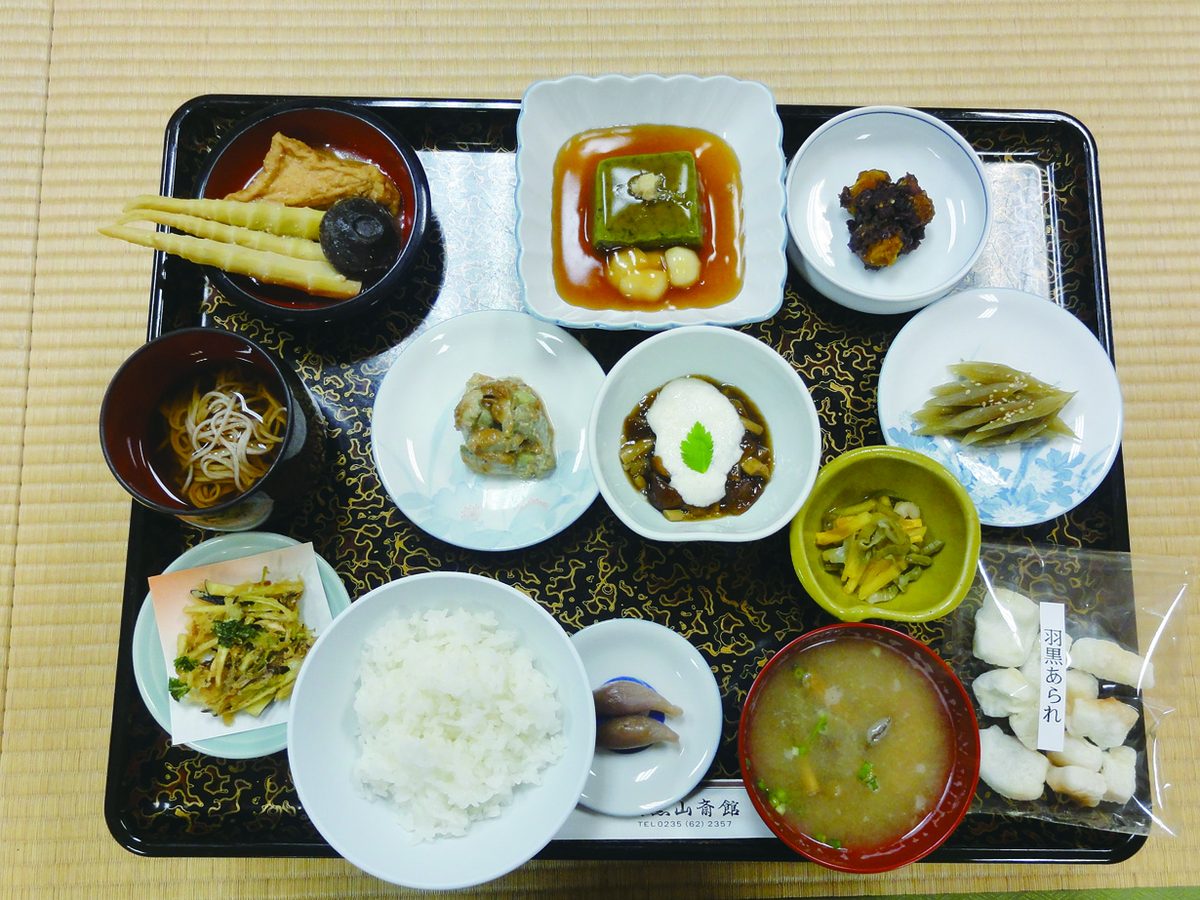
Photo: Mimissu / CC BY-SA 4.0 (Wikimedia Commons) Uda Medicinal Herb Cuisine (Yamato-toki dishes)
宇陀の薬草料理(大和当帰)
Lunches, temple courses, and herbal hot pots that use local medicinal herbs—especially aromatic Yamato-toki (Japanese angelica) leaves—alongside mountain vegetables and Yoshino kuzu. Recorded in the Nihon Shoki as the site of a royal herb hunt in 611 AD and home to the Edo-period Morino Old Herb Garden, Uda has long been known as a center of medicinal herbs.
Eaten as a casual cafe lunch with Yamato-toki and local vegetables, or booked ahead as a multi-course temple meal or herb hot pot.
Where to eat it
- Hilltico Cafe ↓
- Daigan-ji Yakuso RyoriWebsiteMap
- NanoneWebsiteMap
Where Rin would go, on the map — or build your own route
Tap a mark to see the place; squares are museums and sights (landmarks). Use “Build your own route” to make a walk of your own.
Loading the map
Map data © OpenStreetMap contributors
Where Rin would go
Made in Uda: Yoshino Kudzu Starch1
All yoshino kudzu starch →1 / 2

Made in Uda
Uda's severe winter cold and pure groundwater have sustained traditional kuzu starch refining in Uda-Matsuyama for over 450 years. Makers such as Morino Yoshino Kuzu Honpo refine the starch in winter using only groundwater and no additives.
Translucent kudzu-kiri noodles at Morino Yoshino Kuzu Honpo·Photo: Morino Yoshino Kuzu Honpo (official site)
Ouda
Morino Yoshino Kuzu Honpo

Photo: the shop’s official page 森野吉野葛本舗
A Yoshino hon-kuzu maker with over 450 years of history, refining kudzu starch in the cold of winter using only groundwater. The main shop is open daily, with Morino Old Herb Garden right behind it.
Closed: Open every day (main shop)
宇陀市大宇陀上新1880
RinI bought a bag of hon-kuzu. The pure white powder was remarkably fine and dry.
Craft2
All craft →1 / 2
Ouda
Furudogu Yamanoha
古道具 山ノ葉
An antique shop that moved from Soni to Uda-Matsuyama in April 2025, selling carefully restored furniture, tableware, pottery, glass, lighting and accessories. Open on irregular days.
宇陀市大宇陀上新1938-1
RinI looked through the restored old glass. Its faint, wavy shimmer caught the light.
Ouda
Tokobo Yu
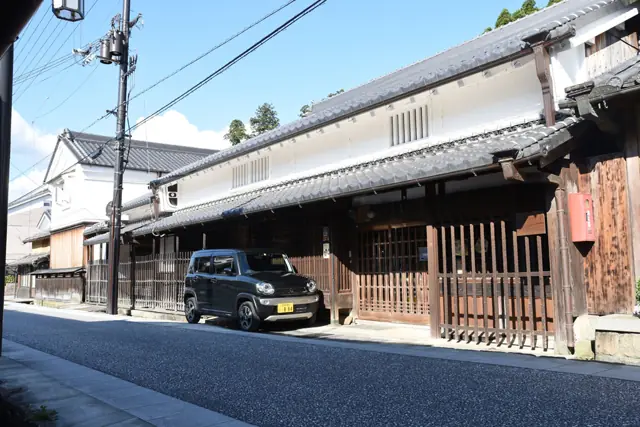
Photo: the shop’s official page 陶工房 釉
A ceramic studio and home in a 180-year-old machiya in the Uda-Matsuyama preservation district, next to Morino Old Herb Garden. It makes and permanently exhibits pierced ceramic lanterns.
宇陀市大宇陀上新1882
RinI saw the pierced ceramic lanterns in the old machiya. Their soft light glowed.
Sweets3
All sweets →1 / 3
Ouda
Kimigoromo Honpo Shogetsudo
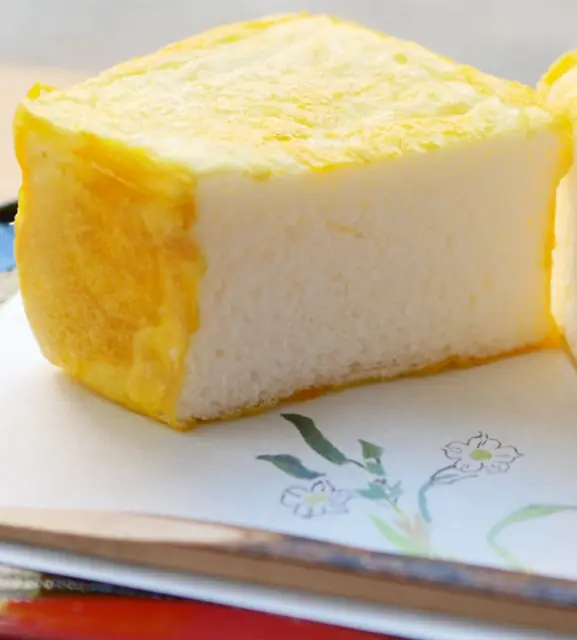
Photo: the shop’s official page きみごろも本舗 松月堂
A wagashi shop founded in 1902. Eggs from contracted farms are cracked just before use to make its signature kimigoromo, soft as light snow. Open 8:00–17:00 (until sold out); closed Wednesdays.
8:00–17:00 (until sold out) · Closed: Wednesdays, summer & New Year holidays
宇陀市大宇陀上1988
RinI ate kimigoromo. Light as snow, it melted away with a soft egg aroma.
Ouda
Cafe abc
カフェ abc
A white-walled kominka café in the Uda-Matsuyama preservation district serving handmade quiche and baked sweets. Open 11:30–17:00 (last order 16:00); closed Sundays, Mondays, Tuesdays and irregular days.
宇陀市大宇陀上新1899-1
RinI ordered the quiche and baked sweets. The pastry crust was crisp and light.
Muro
Kominka Cafe chou chou

Photo: the shop’s official page 古民家カフェ chou chou
A café in a 200-year-old kominka in Muro-Mukoji, with views over the satoyama hills from the second floor. Serves monthly changing handmade desserts with seasonal Nara fruit; open days are posted on its monthly calendar.
Fri–Sun & public holidays 12:00–17:00 (last order 16:30) · Closed: Mon–Thu (except public holidays)
宇陀市室生向渕4244
RinUpstairs overlooking the satoyama hills, I had the fruit dessert. It was fresh and juicy.
Food2
All food →1 / 2
Ouda
Hilltico Cafe
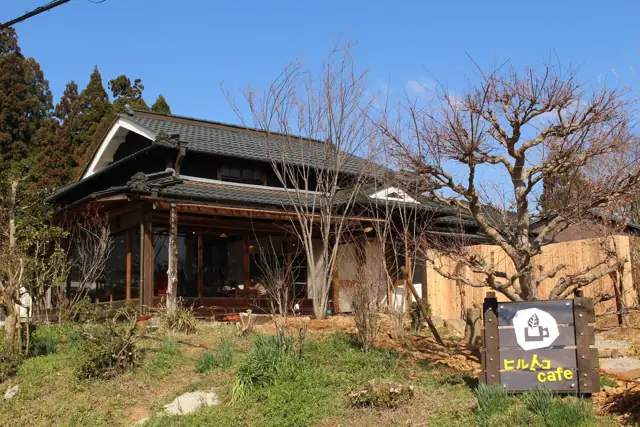
Photo: the shop’s official page ヒルトコカフェ
Irregular closing days
A café in a renovated kominka in Ouda-Nakajo, serving lunches, tea and desserts made with local herbs and fresh vegetables. Open 11:00–16:00; closed Wednesdays and irregular days.
11:00–16:00 · Closed: Wednesdays, irregularchecked Nov 2026
宇陀市大宇陀中庄129
RinAfter the herb-and-vegetable lunch, I stayed for tea. Its mild herbal scent was calming.
Haibara
Gohan Cafe SOU
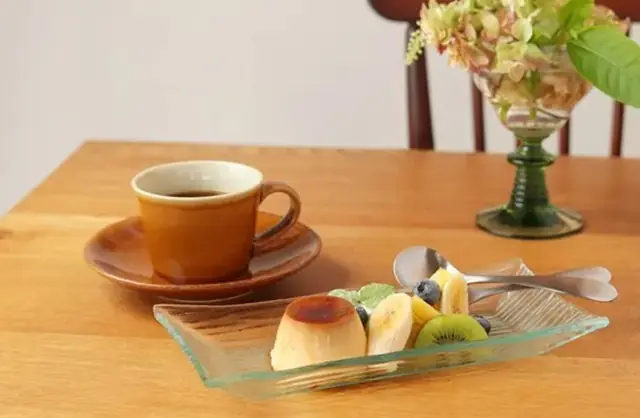
Photo: the shop’s official page ごはんcafe SOU
A café in Haibara serving lunches generous with vegetables sent directly from local farms, along with handmade sweets. Lunch 11:00–14:00, café 14:00–18:00 (last order 17:30); closed Wednesdays and occasional irregular days.
11:00–18:00 (lunch 11:00–14:00 L.O. 14:00, cafe 14:00–18:00 L.O. 17:30) · Closed: Wednesdays (irregular holidays)
宇陀市榛原萩原1775
RinI chose the lunch packed with local vegetables. Every bite was crisp and fresh.
Cafés2
All cafés →1 / 2
Haibara
Re:Coffee Roasters Haibara
Re:Coffee Roasters 榛原焙煎所
A specialty coffee roastery in Haibara in a building that incorporates a sake-brewery design. It carries no blends, offering hand-drip coffee and espresso drinks from around nine single-origin beans.
宇陀市榛原長峯15-3
RinI chose one of the nine single-origin beans for hand-drip. Its clean aroma stood out.
Haibara
Machiya Bonsai Cafe Kotonoha
町家盆栽Cafe コトノハ
A renovated 70-year-old kominka café in Haibara serving local-ingredient lunches and sweets amid bonsai displays, with thick hotcakes after 14:00. Open 11:00–18:00 (last order 17:30); closed Mondays and the third Tuesday; cash only.
Tue–Sun 11:00–18:00 (LO 17:30) · Closed: Mondays & 3rd Tuesdays (following day if Mon is a holiday; irregular holidays)
宇陀市榛原萩原2664
RinI ate thick hotcakes while looking at the bonsai. They were fluffy and lightly sweet.
By area
Rin is a fictional traveller. Every place here was checked by the editors to exist and be open (checked 2026-11-14). Please confirm hours on the official site before you go. Paid listings are always marked. If you are the shop and would like a photo removed, write to editor@vual.jp and we will take it down at once.
To see — art and sights (landmarks)
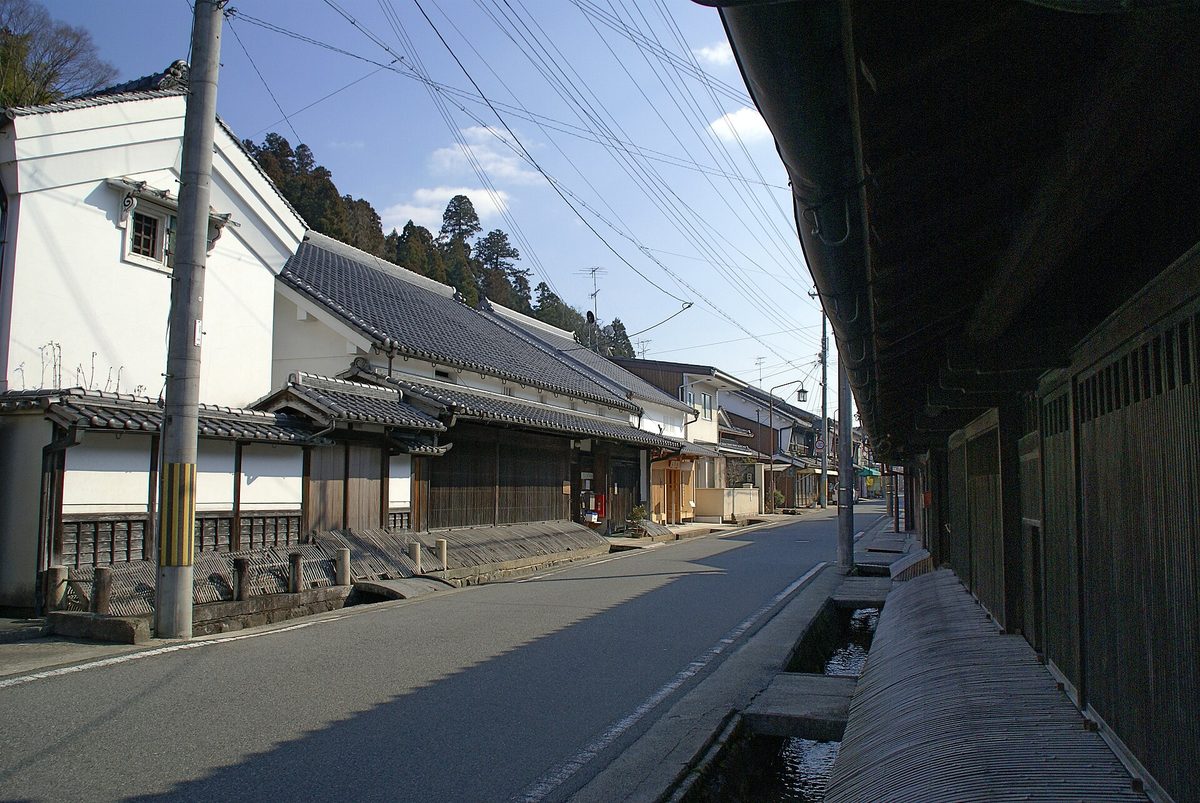
Photo: 663highland / CC BY 2.5 (Wikimedia Commons) Sights · Ouda
Uda-Matsuyama Preservation District
A merchant quarter that began as a castle town in the Sengoku period, with townhouses from the Edo to early Showa eras lining a 600-metre street. Designated a national preservation district in 2006; free to walk.
Sights · Ouda
Morino Old Herb Garden
Japan's oldest surviving private medicinal herb garden, opened by the Morino family in 1729 and a national historic site. Around 250 species of medicinal plants grow here, with dogtooth violets in spring. Open 9:00–16:30, irregular holidays.
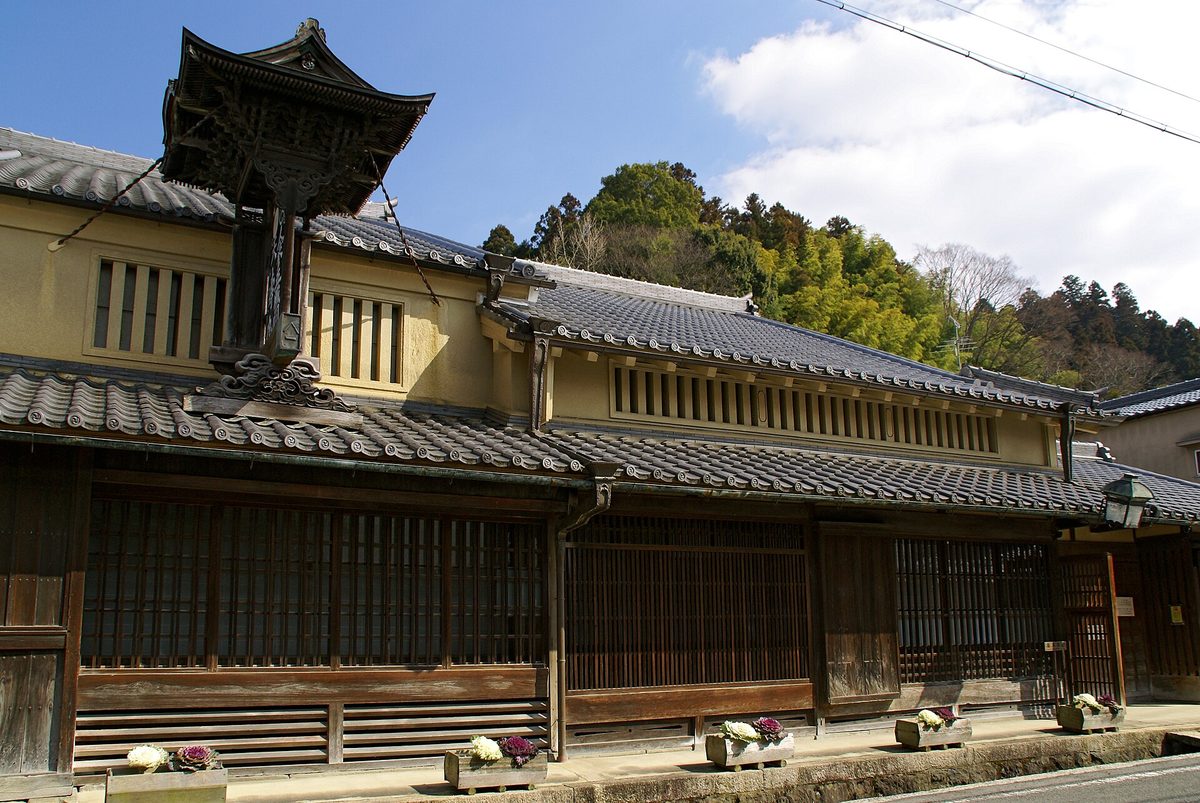
Photo: 663highland / CC BY 2.5 (Wikimedia Commons) Art · Ouda
Uda Ouda History and Culture Museum (Kusuri no Yakata)
A history and culture museum in a restored late-Edo medicine merchant's townhouse, the former Hosokawa residence. Exhibits materials on the Hosokawa family, pharmaceuticals and old medicine signs. Open 10:00–16:00; closed Mondays, Tuesdays and Dec 15–Jan 15.
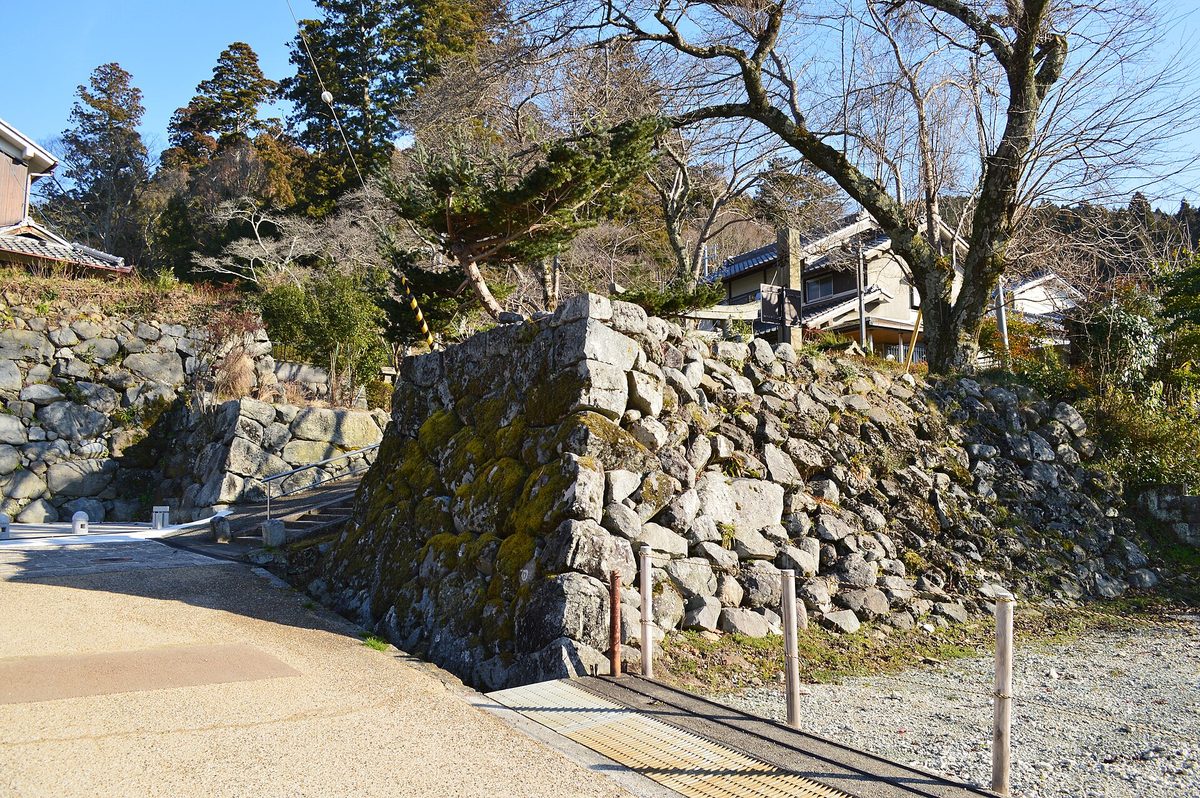
Photo: Saigen Jiro / CC0 (Wikimedia Commons) Sights · Ouda
Uda-Matsuyama Castle Ruins
The ruins of a mountain castle first held by the Akiyama clan from the Nanboku-cho period and later by retainers of Toyotomi Hidenaga. Dismantled in 1615, its stone-wall remains are a national historic site.
Restoration work and restricted areas are in place on the castle grounds; climb during daylight via the Kasuga Shrine or Akajari route.
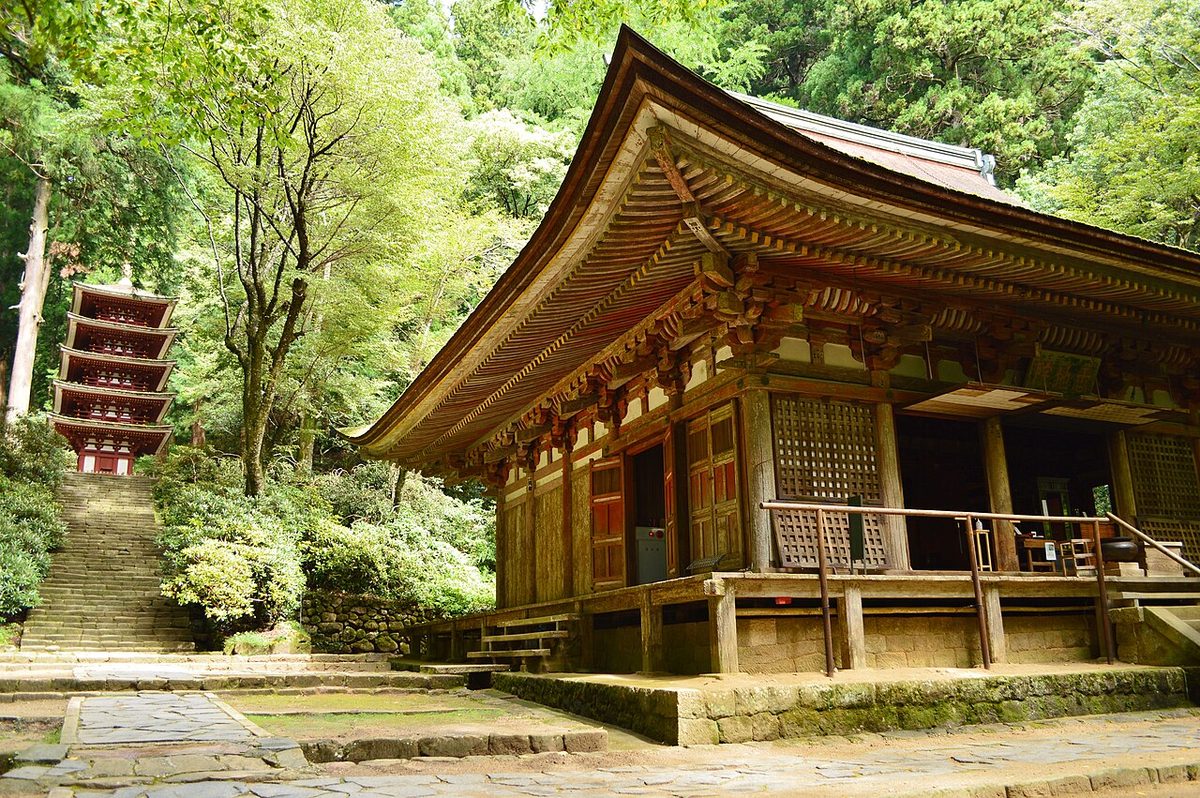
Photo: Saigen Jiro / CC0 (Wikimedia Commons) Sights · Muro
Muro-ji Temple
The head temple of the Shingon Muro-ji sect, founded in the late Nara period. Known as Nyonin Koya because women were permitted to worship there, and noted for rhododendrons in spring and autumn foliage.
The five-story pagoda and Kondo hall are covered for roof re-thatching (scheduled through 2027) and cannot be viewed inside or out. The grounds, Hondo, Mirokudo and Okunoin remain open as usual, and the treasure hall is open free of charge.
These are landmarks, not Rin's picks. Each was checked to be open on its official site (checked 2026-11-12). Please confirm hours before you go.
Day trips from Uda
Classics
- Horyu-ji Templeabout 23 km
A temple associated with Prince Shotoku, known as having the world's oldest wooden building complex. Spring and autumn are best, especially for garden views.
- Nara Parkabout 24 km
A vast park where deer roam freely and historical temples and shrines are dotted throughout the nature. Cherry blossoms in April and autumn leaves in November are the highlights.
- Kasuga Taishaabout 24 km
A historic shrine situated deep within Nara Park, registered as a World Heritage site. Early morning is best to avoid crowds.
- Todaiji Templeabout 25 km
A representative temple of Nara, home to the Great Buddha Hall, one of the world's largest wooden buildings. Cherry blossoms in spring and autumn leaves are breathtaking; visit early morning.
- Sumiyoshi Taishaabout 43 km
It is the head shrine of approximately 2,300 Sumiyoshi shrines nationwide. Hatsumode in January is very crowded.
- Koyasanabout 43 km
A sacred site of Shingon Esoteric Buddhism founded by Kobo Daishi Kukai. Autumn leaves peak in late October to early November.
Hidden spots
- Murou Art Forestabout 12 km
An open-air hilltop art park in Uda designed by Israeli sculptor Dani Karavan, blending geometric concrete, spiral water basins, and mountain scenery. Spring (Apr–May) and autumn (Oct–Nov) offer the best weather for walking the open-air sculptures.
- Soni Highlandabout 22 km
A sweeping highland plateau at the foot of Mt. Kuroso covered in silver pampas grass that glows gold under autumn sunsets. October to late November for golden pampas grass; arrive before 15:00 on autumn weekends to avoid parking queues.
- Shoju-inabout 41 km
A quiet temple in the tea hills of Ujitawara famous for its heart-shaped inome window and 160 painted ceiling panels in the guest hall. June–September for the Wind Chime Festival and November for autumn leaves; arrive early for quiet photos of the heart window.
Distances are straight-line from the town centre. Each page has how to get there and a suggested day.