37.0° N
Tsunan
Niigata, Japan
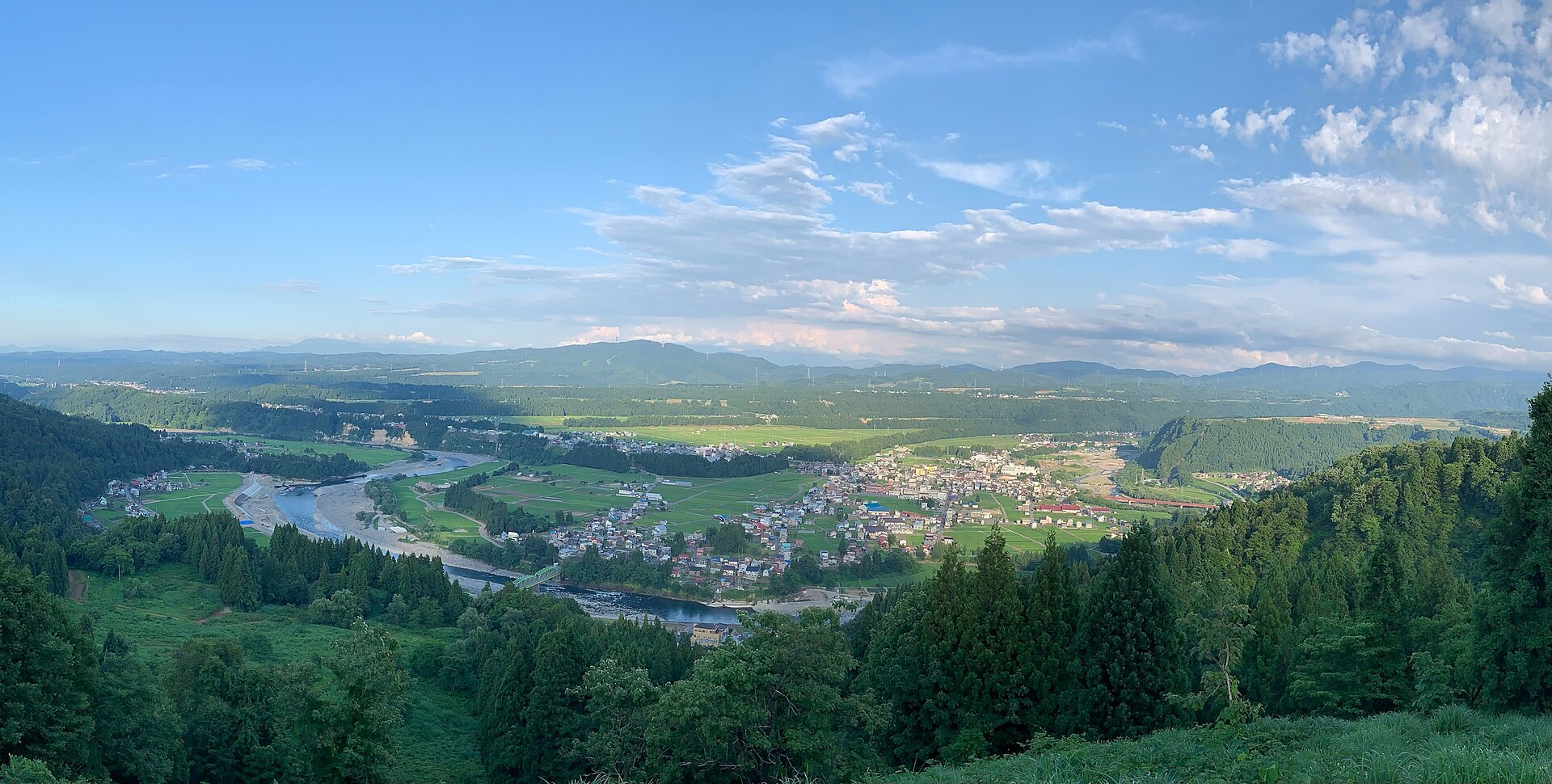
A town of river terraces along the Shinano River, on the border with Nagano in heavy-snow country. Sake brewed with snowmelt, snow-buried carrots and local rice, plus Akiyamago woodwork and village bread and soba: Rin's picks.
Tsunan, on film
4 sights and 8 places, each checked open in 2026, in 28 seconds.
Found somewhere you like? The map and the list below have the address, hours and official site.
Tap for sound
What to eat in Tsunan
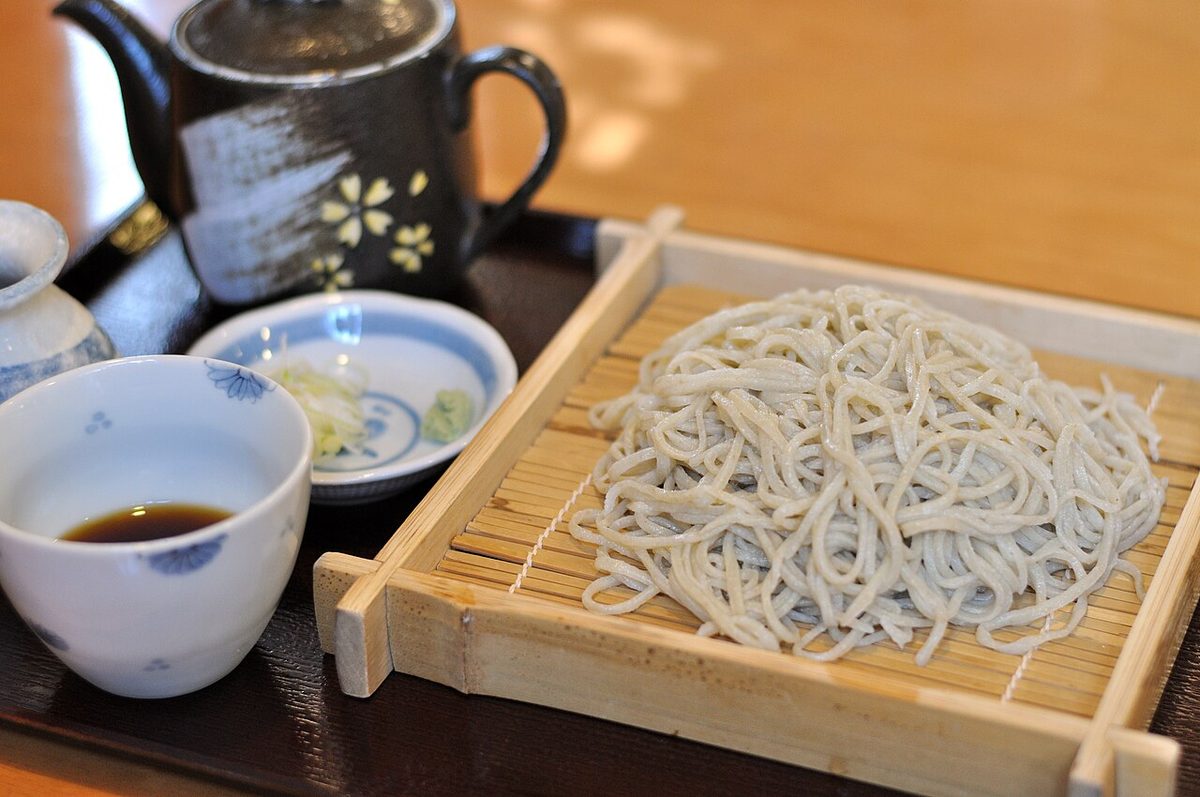
Photo: Ocdp / CC0 (Wikimedia Commons) Tsunan Soba (buckwheat noodles)
津南のそば
Buckwheat noodles milled from locally grown Tsunan soba and bound with funori seaweed and oyamabokuchi (mountain burdock) leaf fibers for a firm, smooth texture. Lying along the Echigo-Tsumari soba corridor by the Shinano River, Tsunan's small mills and shops serve the noodles on bamboo zaru mats or shared wooden hegi trays.
Eaten cold with katsuo-and-kombu dipping broth and seasonal wild-plant or maitake mushroom tempura; handmade batches often sell out early in the afternoon.
Where to eat it
- Ooidaira Soba Kobo ↓
- Teuchi Sobadokoro TomizawaWebsiteMap
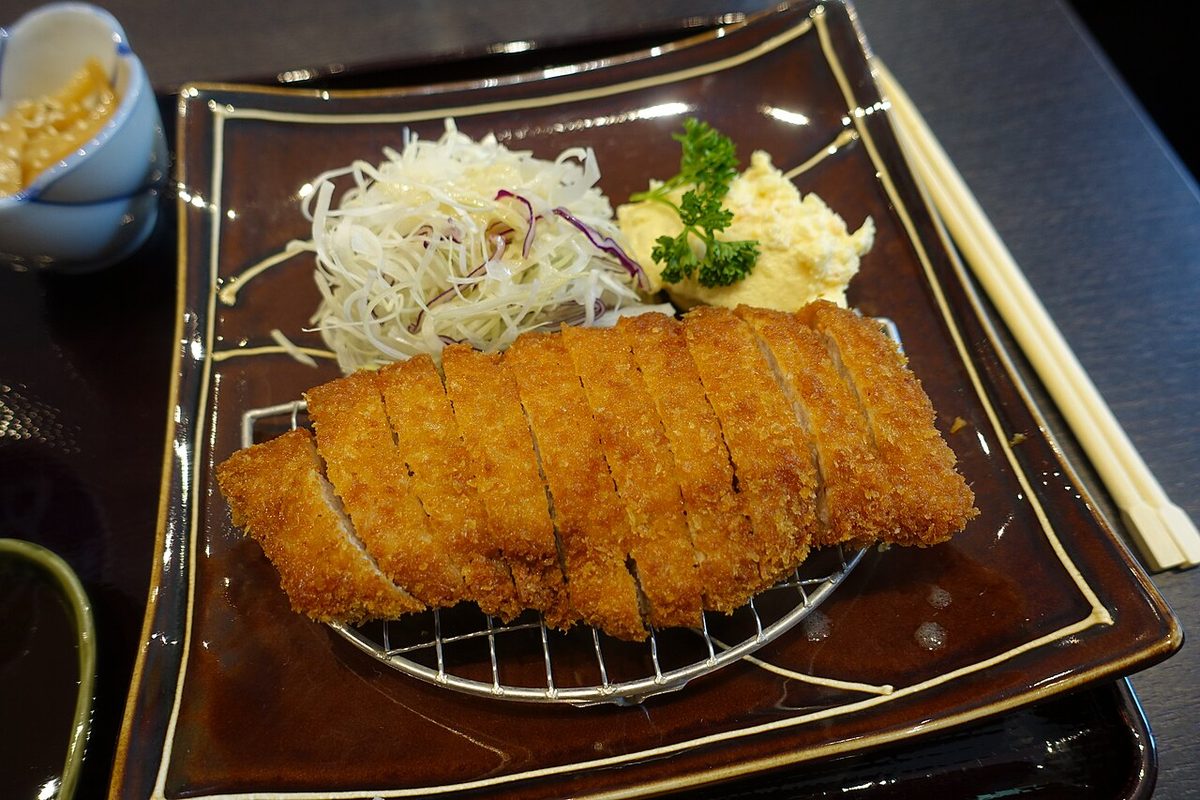
Photo: Guilhem Vellut from Paris, France / CC BY 2.0 (Wikimedia Commons) Tsumari Pork Tonkatsu (local pork cutlet)
妻有ポークのとんかつ
Breaded and deep-fried pork cutlets made from Tsumari Pork, a regional brand raised in Tsunan and neighboring Tokamachi. Known for tender meat and fat that melts at low temperature with mild sweetness, it is cooked into thick-cut tonkatsu or local rice bowls.
Ordered at lunch as a thick-cut tonkatsu set meal with rice, shredded cabbage, and miso soup, or as sweet-soy tare katsudon.
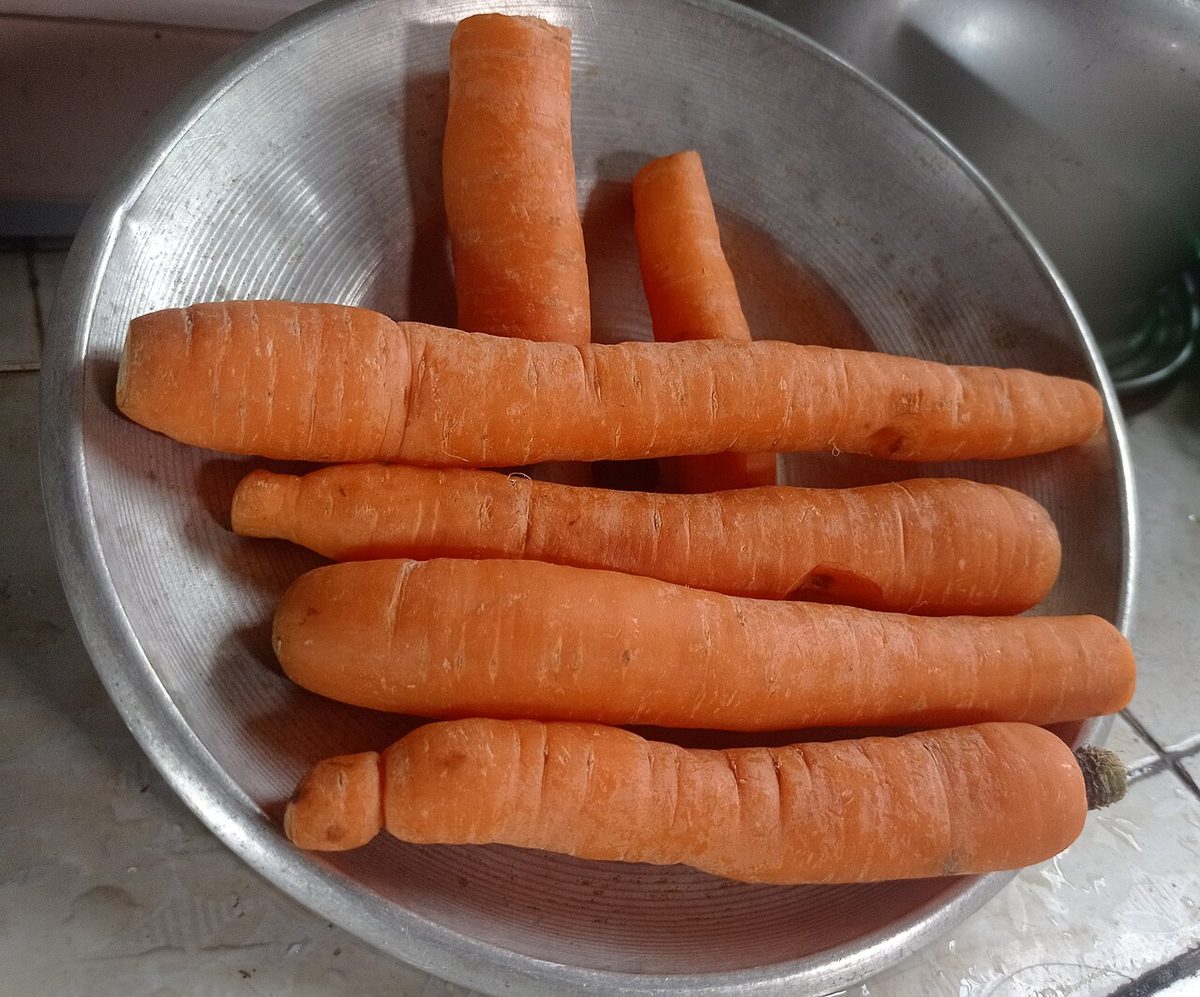
Photo: SarKaLay စာကလေး / CC BY-SA 4.0 (Wikimedia Commons) Yukishita Ninjin (snow-stored carrots)
雪下にんじん
Carrots registered under Japan's Geographical Indication system in Tsunan, left buried beneath two to three meters of snow through winter and dug out in spring. Cold storage under snow raises amino acids and natural sugars while removing harshness, making them mild enough to eat raw or press into unfiltered juice.
Eaten raw as sticks, in salads, or in spring restaurant fair dishes from late February to April, and drunk year-round as thick carrot juice or carrot-ginger drinks.(Feb–Apr)
Where to eat it
- ROKU no Mise ↓
- Tsunan Kanko BussankanWebsiteMap
No photo yet
Tsunan Sake (snowmelt-brewed local sake)
津南の地酒
Sake brewed in Tsunan using ultra-soft snowmelt water from Mount Naeba and Ryugakubo alongside locally grown Niigata rice. Heavy winter snowfall keeps brewery temperatures low and steady, supporting slow fermentation at the town's two long-established kura.
Sampled during reserved brewery tours and tastings at Tsunan Sake Brewery or purchased directly at both brewery shops.
Where to eat it
Where Rin would go, on the map — or build your own route
Tap a mark to see the place; squares are museums and sights (landmarks). Use “Build your own route” to make a walk of your own.
Loading the map
Map data © OpenStreetMap contributors
Where Rin would go
Made in Tsunan: Snow-Country Sake Brewing2
All snow-country sake brewing →1 / 3
Made in Tsunan
Heavy winter snow on the Naeba range melts into ultra-soft water that feeds Tsunan's sake breweries. Tsunan Sake Brewery and Naeba Shuzo brew with this snowmelt and locally grown rice.
Akinari
Tsunan Sake Brewery
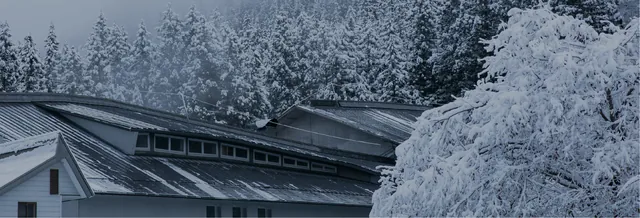
Photo: the shop’s official page 津南醸造株式会社
A sake brewery using ultra-soft Naeba snowmelt and local rice for labels including Tsunan, GO and Kiri no Tou. The direct shop opens weekdays 9:00–16:00; reservation-only tours include a tasting of three standard sakes.
9:00–16:00
中魚沼郡津南町大字秋成7141
RinAfter the tasting, I bought a bottle of GO. Its soft-water finish was remarkably clean.
Okawarino / Town Centre
Naeba Shuzo
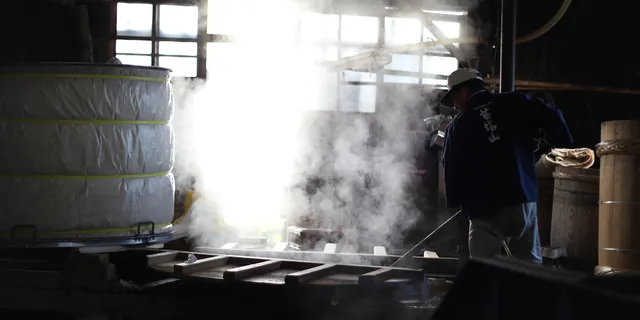
Photo: the shop’s official page 苗場酒造株式会社
A sake brewery founded in 1907, making small-batch Yukinomayu, Mizen and Naebasan and selling them at the brewery shop. Open 9:00–17:00; closed Wednesdays and Sundays.
9:00–17:00 · Closed: Wednesdays and Sundayschecked Nov 2026
中魚沼郡津南町大字下船渡戊555番地
RinI bought Yukinomayu at the brewery shop. It had a soft, gentle sweetness.
Made in Tsunan: Snow-Buried Produce & Highland Farming1
All snow-buried produce & highland farming →1 / 2
Made in Tsunan
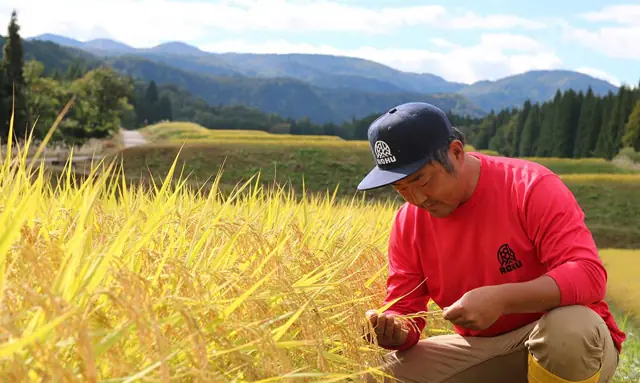
Winter snow settles metres deep over the fields, keeping the ground just above freezing. Carrots left under the snow—yukishita ninjin—grow sweet there, alongside highland vegetables and Uonuma Koshihikari rice.
Snow-Buried Produce & Highland Farming at ROKU no Mise·Photo: ROKU no Mise (official site)
Okawarino / Town Centre
ROKU no Mise
Photo: the shop’s official page ROKUの店
A shop and lunch counter inside the Tsunan Shopping Center run by local farm ROKU, serving lunches with its own Uonuma Koshihikari rice and vegetables alongside seasonal produce. Open 11:00–18:00; closed Wednesdays and Thursdays.
中魚沼郡津南町下船渡甲7192-2(津南ショッピングセンター内)
RinI had the lunch with their Koshihikari rice. The steamed grains were glossy and sweet.
Craft1
All craft →Akiyamago
Yamagen Mokko

Photo: the shop’s official page 山源木工
A four-generation, century-old woodcraft workshop in Akiyamago making solid-wood round-cut tables, kneading bowls and wooden goods, with a dining room next door. The dining room closes from December to early March.
8:00–17:00 (dining 10:00–15:00 last order) · Closed: Irregular
中魚沼郡津南町大字大赤沢丁97
RinI picked up a small horse-chestnut wood piece. The grain was silky to the touch.
Sweets1
All sweets →Sanga
Pan to Kurashi to Yanagiya
パンと暮らしと ヤナギヤ
A bakery in a restored farmhouse over 150 years old, baking sourdough, savoury breads, canelés and scones with domestic wheat and wild starter. Opens at 10:00 until sold out; open days are posted on Instagram.
中魚沼郡津南町三箇甲967
RinI bought a sourdough loaf and a canelé. The warm smell of toasted wheat lingered.
Food2
All food →1 / 2
Akiyamago
Kakurega Terrace Mikurasu
隠れ家テラス みくらす
A café in a farmhouse over 200 years old in Mikura hamlet, Akiyamago, serving 100% local organic buckwheat galettes and Japanese herb tea. Open Friday–Sunday 11:00–15:00 (LO 14:30); closes in heavy snow.
中魚沼郡津南町秋成10476
RinI had the buckwheat galette and Japanese herb tea. The crisp, nutty crust stood out.
Kamigo
Ooidaira Soba Kobo
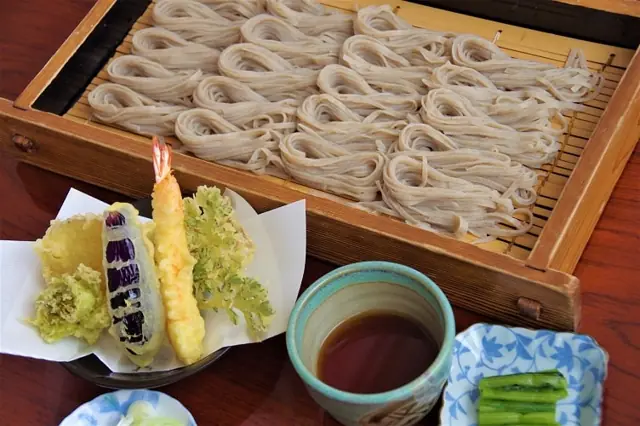
Photo: the shop’s official page 大井平そば工房
A small soba shop in Ooidaira hamlet, Kamigo, serving handmade soba from house-milled local buckwheat bound with mountain burdock leaf and funori seaweed. Open Saturday–Sunday around 11:00–14:00 (closed public holidays); closed in winter from December.
Sat & Sun 11:00–around 14:00 (until sold out) · Closed: Mon–Fri, public holidays (closed in winter)
中魚沼郡津南町上郷大井平8204
RinI ate the handmade soba bound with burdock leaf. It was firm and went down smoothly.
Cafés1
All cafés →Ryugakubo
Ohisama Genki
Ohisama genki 山の上の小さなカフェ
A small hilltop café at 450 m near Ryugakubo serving coffee, sweets and monthly lunches with pesticide-free homegrown vegetables. Open Friday–Monday 10:00–17:00; closed from late December through early spring.
中魚沼郡津南町谷内844-2
RinAfter visiting Ryugakubo, I had coffee here. Its gentle bitterness warmed me up.
By area
Rin is a fictional traveller. Every place here was checked by the editors to exist and be open (checked 2026-11-14). Please confirm hours on the official site before you go. Paid listings are always marked. If you are the shop and would like a photo removed, write to editor@vual.jp and we will take it down at once.
To see — art and sights (landmarks)
Art · Shimofunato
Najomon (Tsunan Agriculture & Jomon Museum)
A museum and hands-on learning centre for Tsunan's farming, Jomon and folk history, showing locally excavated Jomon pottery and stone tools alongside seven reconstructed pit dwellings outdoors. Open 9:00–17:00; closed Mondays and year-end/New Year.
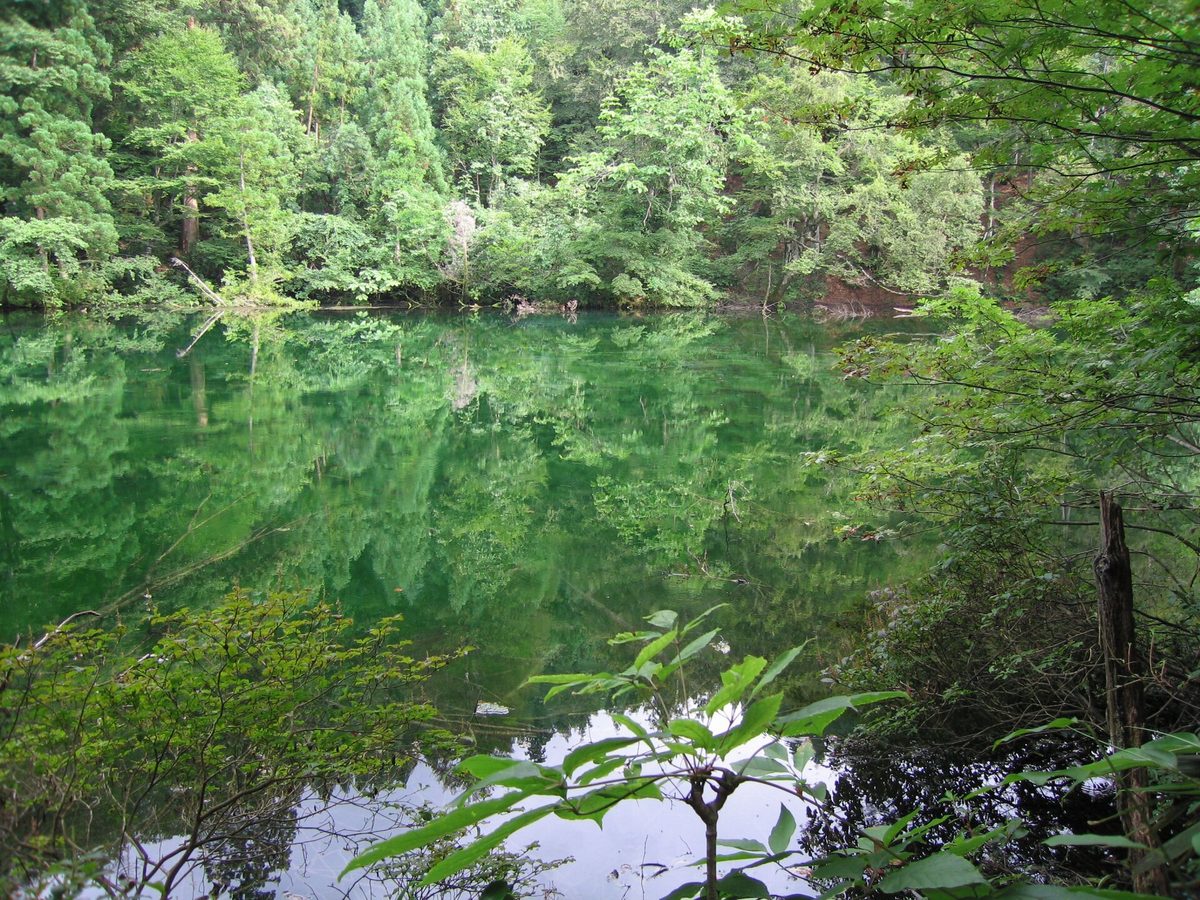
Photo: Yuniko / CC BY-SA 3.0 (Wikimedia Commons) Sights · Ryugakubo
Ryugakubo Pond
A spring-fed pond whose 43,000 tons of daily groundwater completely turn over once a day, keeping the water clear. Designated a Niigata Prefectural Nature Conservation Area in 1974.
Closed in winter.
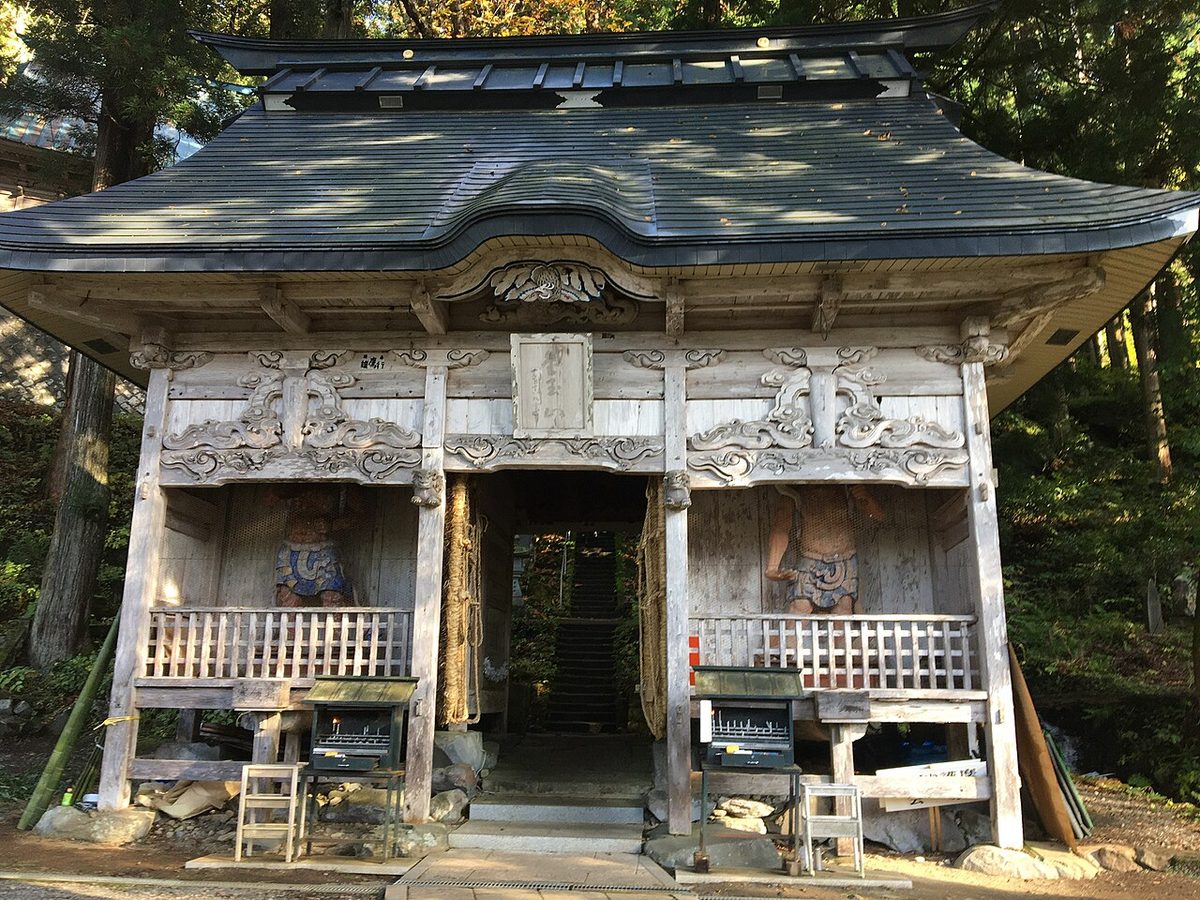
Photo: 越後探検 / CC0 (Wikimedia Commons) Sights · Akinari
Midama Fudoson (Shoboin Temple)
A Tendai temple said to have been founded in 1186. Seventy stone steps lined with old cedars and small spring-fed waterfalls lead up to the Fudo hall.
Partially closed in winter (main season April–December).
Sights · Akiyamago
Mikura Bridge
A wooden suspension bridge over the Nakatsugawa Gorge in Akiyamago, selected among Niigata's 50 bridges and featured in Miwa Nishikawa's film Sway.
Open spring through autumn. Weight limit 500 kg (about 7 adults).
These are landmarks, not Rin's picks. Each was checked to be open on its official site (checked 2026-11-12). Please confirm hours before you go.
Day trips from Tsunan
Classics
- Jigokudani Monkey Parkabout 36 km
A rare park worldwide where you can observe wild Japanese macaques bathing in hot springs. Winter for snow-covered landscapes and bathing monkeys; go early morning.
- Kusatsu Onsen Yubatakeabout 45 km
The Yubatake, the symbol of Kusatsu Onsen, flows with over 4,000 liters of hot spring water per minute, which is cooled through wooden conduits before being delivered to each ryokan. Late May to early June; mid-October to early November. Best to go in the morning.
Hidden spots
- Tsunan Sunflower Fieldabout 5 km
A vast summer plateau in Tsunan where around 500,000 sunflowers bloom in three staggered sections. Open late July to mid-August (2026: July 24–August 16); morning light from 9:00 AM is best before midday heat.
- Ryugakubo Pondabout 5 km
A crystal-clear forest spring pond fed by 43,000 tons of groundwater daily, completely replacing its water every day. Summer mornings for emerald spring reflections and cool forest air, or mid-to-late October for autumn leaves.
- Hoshitoge Rice Terracesabout 16 km
Around 200 cascading rice paddies spread across a mountain slope in Tokamachi like fish scales. Dawn in May–early June for flooded water mirrors, and October–November mornings for a sea of clouds.
- Lake Okushima (Shima Blue)about 37 km
A dam reservoir above Shima Onsen renowned for its vivid cobalt-blue water known in Japan as 'Shima Blue'. Brightest Shima Blue appears in April–May snowmelt and mid-October–early November foliage, best viewed on sunny mornings.
Distances are straight-line from the town centre. Each page has how to get there and a suggested day.