33.7° N
Tanabe
Wakayama, Japan
A castle town on Tanabe Bay, at the western entrance to the Kumano Kodo. Kishu Binchotan kilns and Nanko-ume orchards in the foothills, nanba-yaki fishcake and sweets in the old town, and coffee along the mountain road, as Rin's picks.
Tanabe, on film
4 sights and 11 places, each checked open in 2026, in 38 seconds.
Found somewhere you like? The map and the list below have the address, hours and official site.
Tap for sound
What to eat in Tanabe
No photo yet
Namba-yaki (baked fishcake)
なんば焼
A dense, boardless baked fishcake pressed into rectangular molds from fresh whitefish surimi such as eso and guchi and baked for about an hour to a browned top. Made in Tanabe's Fukuromachi neighborhood since the Edo period, it takes its name from a preparation said to have arrived via Nanban trade.
Sliced roughly 1 cm thick and eaten cold as-is or with wasabi soy sauce without reheating.
Where to eat it
No photo yet
Egawa no Chanpon (griddled udon-and-soba noodles)
江川のちゃんぽん
A soupless griddle dish combining thick udon and Chinese yakisoba noodles stir-fried with cabbage and beef or pork and finished with savory sauce. It began around 1965 at okonomiyaki shops in Tanabe's Egawa fishing-port district when customers asked to mix the two noodles.
Ordered at small okonomiyaki counters and served on a plate with sweet sauce and pickled red ginger, or at local buffets.
Where to eat it
- Akizuno Garten Farmer's Restaurant Mikanbatake ↓
- Okonomiyaki HamachanWebsiteMap
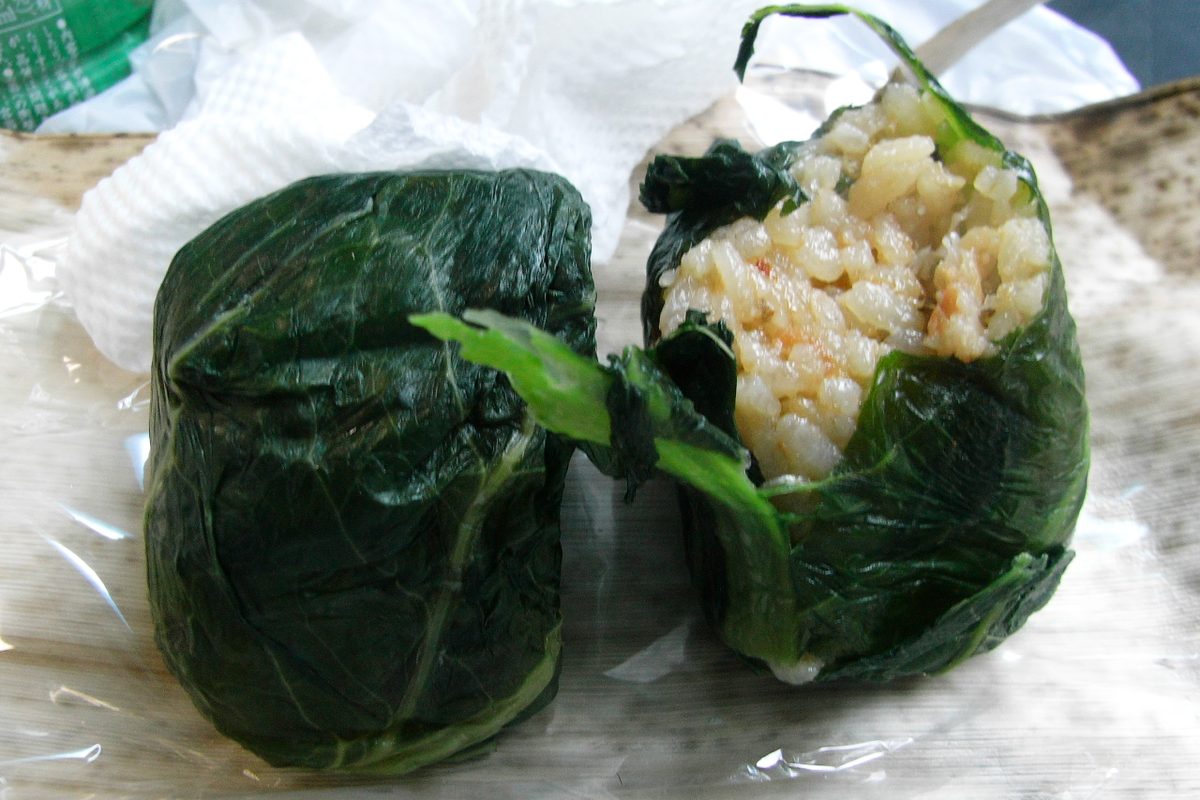
Photo: woinary from Osaka International Airport / CC BY-SA 2.0 (Wikimedia Commons) Mehari-zushi (mustard-leaf rice balls)
めはり寿司
Rice balls wrapped in salt-pickled takana mustard green leaves seasoned with soy sauce, often filled with chopped stems, bonito flakes, or dried young sardines. It spread across southern Wakayama and Kumano as a portable meal for mountain forestry workers and fishers, named for opening the eyes wide to bite into the large parcel.
Picked up in trail bento boxes before heading onto the Kumano Kodo or eaten in-house alongside noodles or miso soup.
No photo yet
Kishu Nanko Umeboshi (salt-pickled Nanko plums)
紀州南高梅の梅干し
Pickled ume made from Nanko-ume, a thin-skinned, thick-fleshed cultivar cured in sea salt and sun-dried, offered as tart shiroboshi or seasoned with red shiso or honey. Tanabe and neighboring Minabe produce over half of Japan's ume harvest along hillside orchards fostered in the Edo period by Tanabe Domain lord Naotsugu Ando and recognized in 2015 as a Globally Important Agricultural Heritage System.
Eaten with plain steamed rice, rice balls, or ochazuke, mixed into shiso-plum rice at local buffets, or sampled at orchard shops.
Where Rin would go, on the map — or build your own route
Tap a mark to see the place; squares are museums and sights (landmarks). Use “Build your own route” to make a walk of your own.
Loading the map
Map data © OpenStreetMap contributors
Where Rin would go
Made in Tanabe: Kishu Binchotan white charcoal1
All kishu binchotan white charcoal →1 / 2
Made in Tanabe
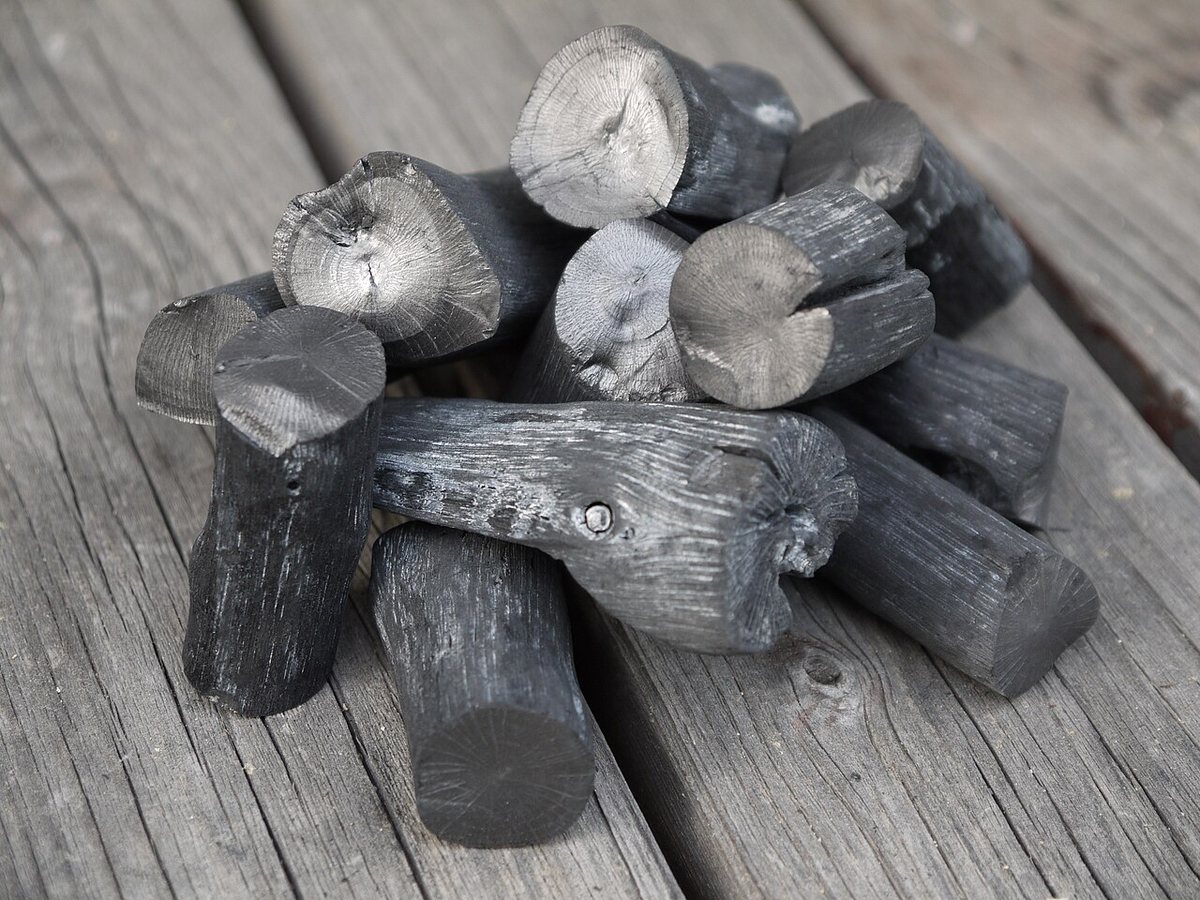
Kishu Binchotan is white charcoal fired from ubame oak in Tanabe's Akizugawa valley since the Edo period. Fired at high heat, it rings like metal when tapped and is used for grilling as well as purifying water.
Japanese Binchotan white charcoal made from ubame oak·Photo: STRONGlk7 / CC BY-SA 3.0 (Wikimedia Commons)
Maro & Akizu Foothills
Kishu Binchotan Memorial Park
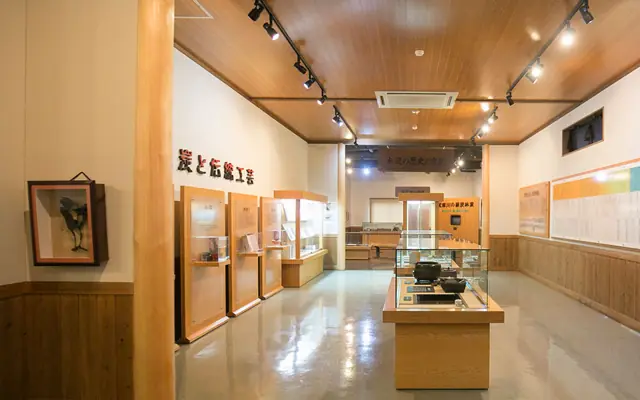
Photo: the shop’s official page 紀州備長炭記念公園
A roadside station in Akizugawa, the birthplace of Kishu Binchotan, with working kilns, a museum, charcoal sold by weight for water purification, wind-chime workshops and Binchotan coffee. Museum open 9 am to 5 pm (to 4 pm Dec–Mar), closed Wednesdays (or the next day if a holiday).
Apr–Nov 9:00–17:00, Dec–Mar 9:00–16:00 · Closed: Wednesdays (closed the next day if public holiday)
1491-1 Akizugawa, Tanabe
RinI bought Binchotan by weight for water. Tapping two sticks gave a clear ring.
Made in Tanabe: Kishu Nanko-ume plums2
All kishu nanko-ume plums →1 / 3
Made in Tanabe
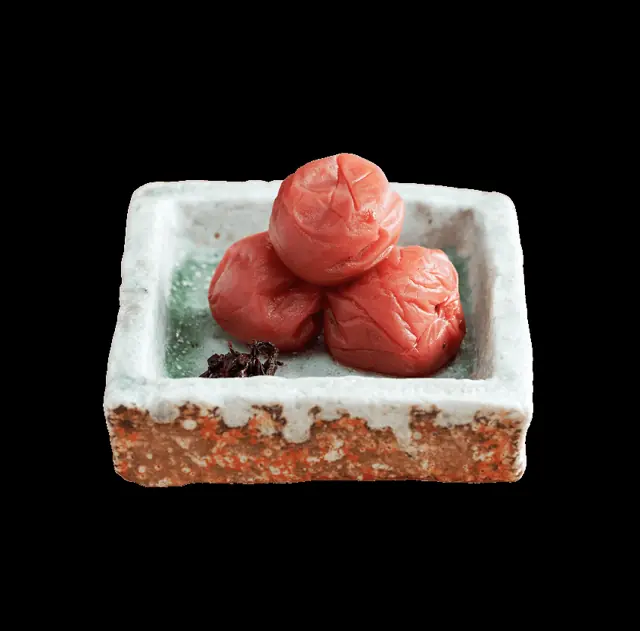
Tanabe's hillsides are the main growing area for thin-skinned Nanko-ume plums. Family orchards pick tree-ripened fruit, cure it in sea salt and sun-dry it on trays over summer.
Cured Kishu Nanko-ume plums in a ceramic dish at Nakamine Farm·Photo: Nakamine Farm (official site)
Maro & Akizu Foothills
Nakamine Farm
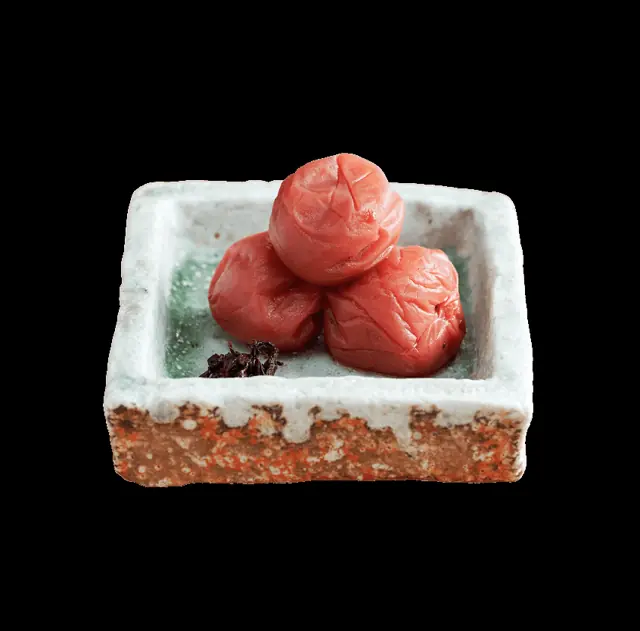
Photo: the shop’s official page 中峰農園
A plum orchard in Kamiakizu handling cultivation, pickling and sales in-house, making ten kinds of umeboshi including shiroboshi, honey and shiso plums. Open weekdays 9 am to 5 pm.
Mon–Fri 09:00–17:00 · Closed: Saturdays, Sundays, national holidays, year-end and New Year
2419 Kamiakizu, Tanabe
RinI compared the shiroboshi and shiso plums. The tartness was sharp and clean.
Tenjinzaki & Tanabe Bay
Michiue Farm
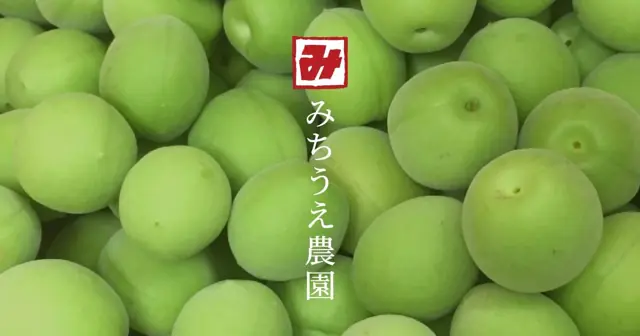
Photo: the shop’s official page みちうえ農園
A plum orchard in Kamihaya curing homegrown Nanko-ume in natural sea salt and sun-drying them on trays, offering shiroboshi, shiso and honey plums. Closed Sundays and public holidays.
Closed: Sundays & public holidays
330-1 Kamihaya, Tanabe
RinI bought sun-dried shiroboshi plums. The skins were soft and the flesh thick.
Made in Tanabe: Tanabe nanba-yaki baked fishcake1
All tanabe nanba-yaki baked fishcake →1 / 2
Made in Tanabe
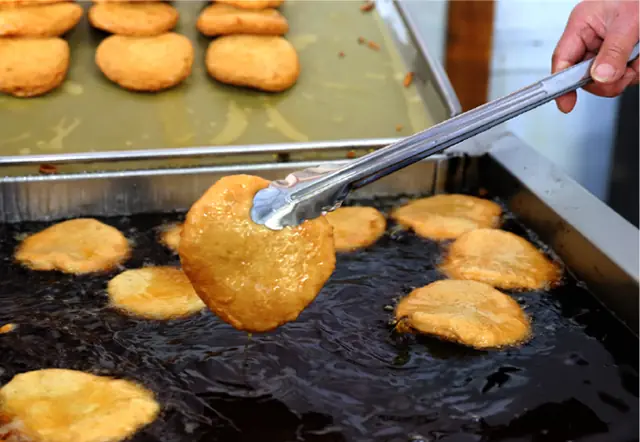
Nanba-yaki is a square baked fishcake made in the old castle town of Tanabe since the Edo period. Local white fish such as lizardfish is ground and baked rather than steamed until springy and browned.
Cooking fishcake by hand at Tanaume Honten·Photo: Tanaume Honten (official site)
Castle Town & Kii-Tanabe
Tanaume Honten
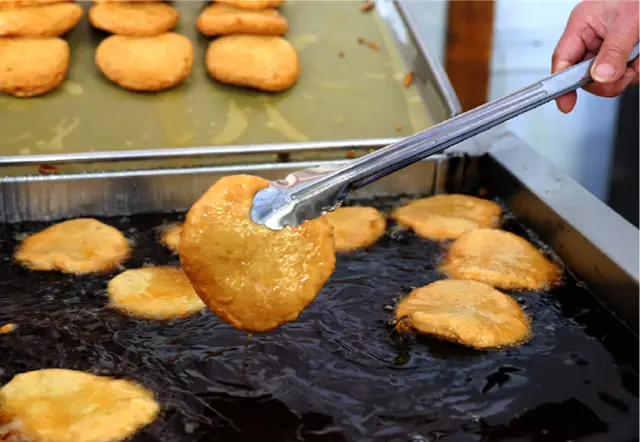
Photo: the shop’s official page たな梅本店
A fishcake maker in Fukuromachi founded in 1865, making Tanabe's traditional baked nanba-yaki and burdock-wrapped gobomaki. On weekday mornings, freshly fried hira-ten is sold only at the counter.
39 Fukuromachi, Tanabe
RinI ate a freshly fried hira-ten. Crisp outside and springy within.
Craft1
All craft →Nakahechi & Mountain Villages
G.WORKS

Photo: the shop’s official page 木の椅子工房 G.WORKS
A chair workshop founded in Ryujin in 1997, inside Michi-no-Eki Mizunosato Hidakagawa Ryuyu, building solid Kishu cedar and hinoki rocking chairs and seating. Open 10 am to 5 pm, closed on Wednesdays (or the next day if a holiday).
Thu–Tue 10:00–17:00 · Closed: Wednesdays (open if national holiday, closed the following day)
493 Fukui, Ryujin-mura, Tanabe
RinI sat in a Kishu cedar rocking chair. The gentle sway felt soothing.
Sweets2
All sweets →1 / 2
Castle Town & Kii-Tanabe
Suzuya
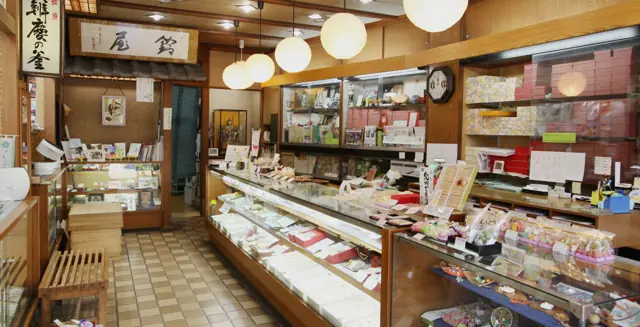
Photo: the shop’s official page 鈴屋
A confectionery founded in 1924. It makes the white-chocolate-coated Deluxe Cake with house jam inside special-recipe castella, alongside wagashi such as Yuzu Monaka. Open 8 am to 6 pm daily (10 am to 3 pm on New Year's Day).
8:00–18:00 (Jan 1 only: 10:00–15:00) · Closed: Open every day
15-11 Minato, Tanabe
RinI bought a box of Deluxe Cakes. The jam inside gave a bright tang.
Castle Town & Kii-Tanabe
Shichifukudo
七福堂
A confectionery in Shinyashiki-machi operating for over 60 years, making its signature Tanabekko alongside sake manju and Shichifuku monaka. Open 7:30 am to 7 pm, closed on Sundays.
7:30–19:00 · Closed: Sundayschecked Nov 2026
63 Shinyashiki-machi, Tanabe
RinI bought one Tanabekko and one sake manju. The sake aroma was light and nice.
Food2
All food →1 / 2
Maro & Akizu Foothills
Akizuno Garten Farmer's Restaurant Mikanbatake
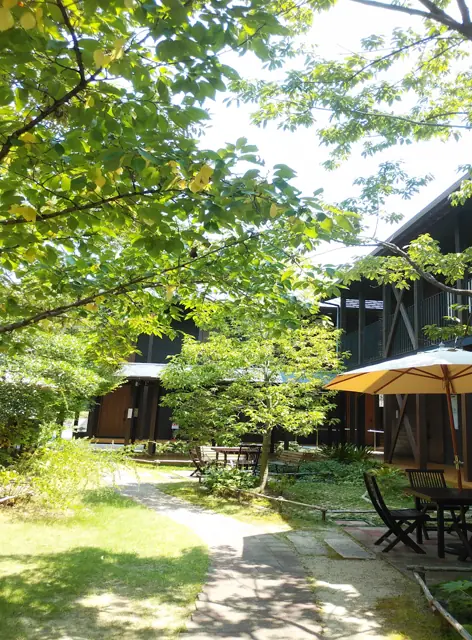
Photo: the shop’s official page 秋津野ガルテン 農家レストラン みかん畑
A farm restaurant in Akizuno Garten, a former wooden elementary schoolhouse in Kamiakizu, serving a buffet of around 30 home-cooked dishes made by local mothers.
Mon–Fri 11:30–14:00, Sat–Sun & holidays 11:00–14:00 (last entry 13:30) · Closed: Year-end and New Year holidays
4558-8 Kamiakizu, Tanabe
RinI took a little of several home-cooked dishes. All had a comforting taste.
Nakahechi & Mountain Villages
Monpe to Kuwa
もんぺとくわ
A natural-food café and farm stay along the Hidaka River in Ryujin, serving homegrown pesticide-free vegetable set meals, pita sandwiches and vegetable curry. Open 11 am to 5 pm (lunch until 2 pm), closed Mondays and Tuesdays (open on Monday holidays).
11:00–17:00 (lunch last order 14:00, cafe last order 16:00) · Closed: Mondays & Tuesdays (open on Monday public holidays)
258 Nishi, Ryujin-mura, Tanabe
RinI ordered the vegetable set meal. The garden vegetables had real sweetness.
Cafés2
All cafés →1 / 2
Castle Town & Kii-Tanabe
tanabe en+
A community hub in a Kishu-timber building opposite Kii-Tanabe Station. Its café serves locally roasted coffee and blended ice cream with Kinan fruit, while the shop stocks plum goods and Ryujin woodwork. Open 10 am to 7 pm daily (café last order 6 pm).
10:00–19:00 · Closed: Open every daychecked Nov 2026
41-1 Minato, Tanabe
RinI had the ice cream blended with Kinan fruit. Cold, fresh and fruity.
Nakahechi & Mountain Villages
CABELO
A coffee-only roaster and stand open four days a week along the Kumano Kodo in Chikatsuyu, roasting seasonal beans such as Peru and Ethiopia in small batches.
909-6 Chikatsuyu, Nakahechi-cho, Tanabe
RinI had one cup of Ethiopia. The bright, fruity acidity was refreshing.
By area
Rin is a fictional traveller. Every place here was checked by the editors to exist and be open (checked 2026-11-12). Please confirm hours on the official site before you go. Paid listings are always marked. If you are the shop and would like a photo removed, write to editor@vual.jp and we will take it down at once.
To see — art and sights (landmarks)
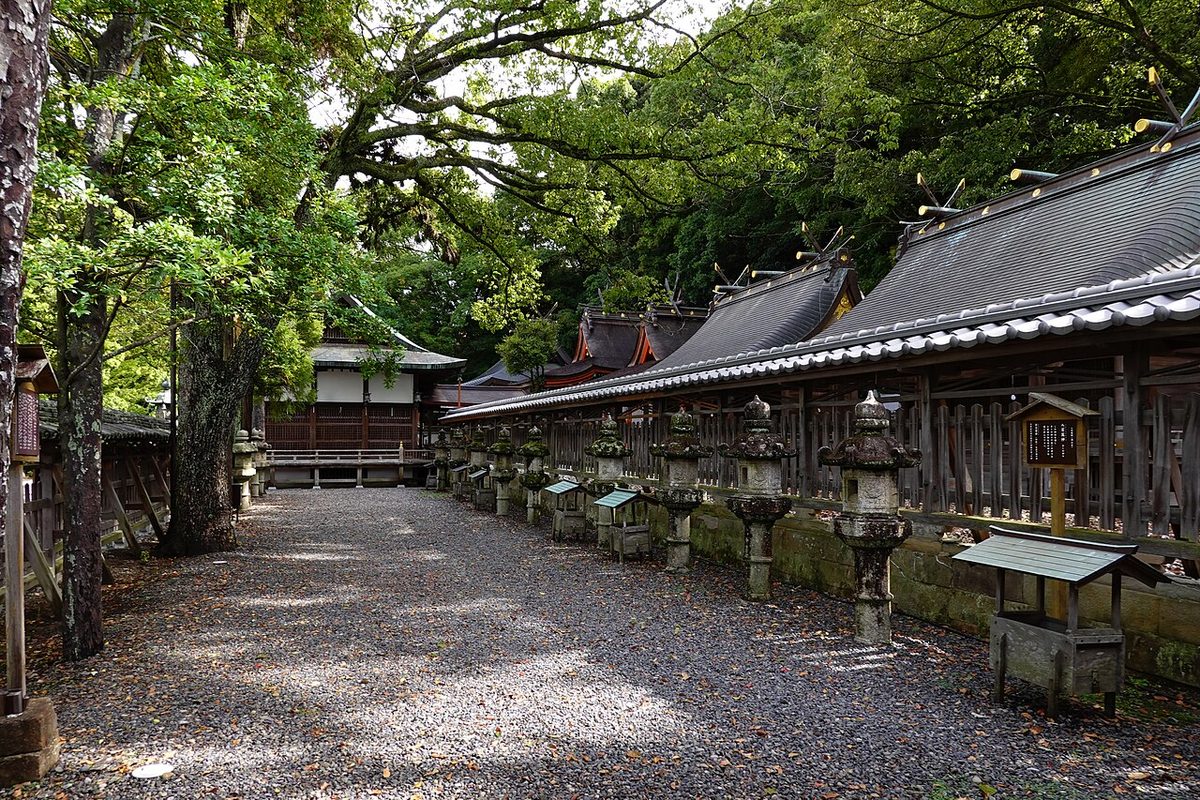
Photo: 663highland / CC BY-SA 4.0 (Wikimedia Commons) Sights · Castle Town & Kii-Tanabe
Tokei Shrine
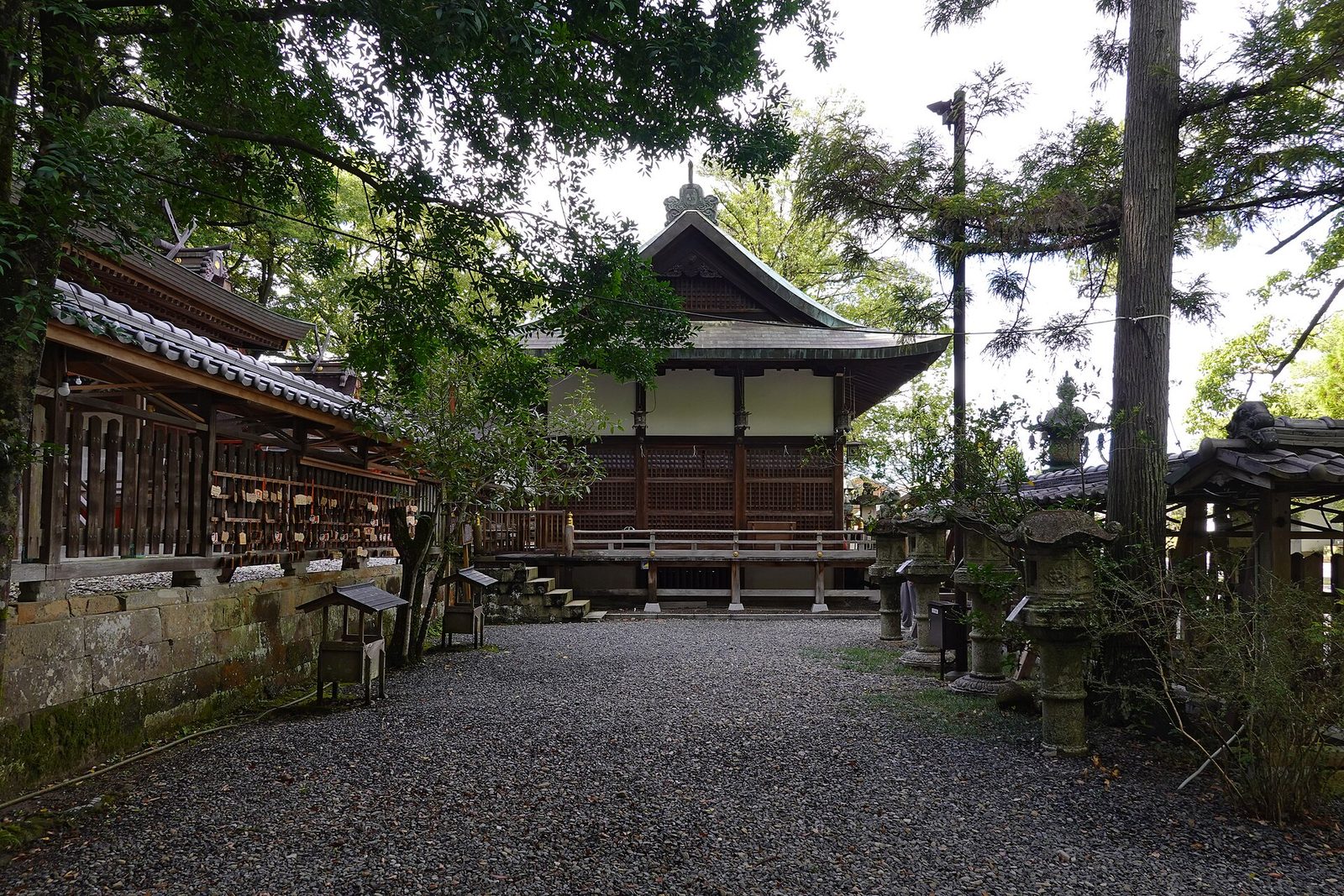
A shrine over 1,600 years old that served as a branch sanctuary of the Kumano Three Mountains. Named after the cockfight omen of the Genpei War, it was added to the Kumano Kodo World Heritage site in 2016; six of its shrine halls are national Important Cultural Properties.
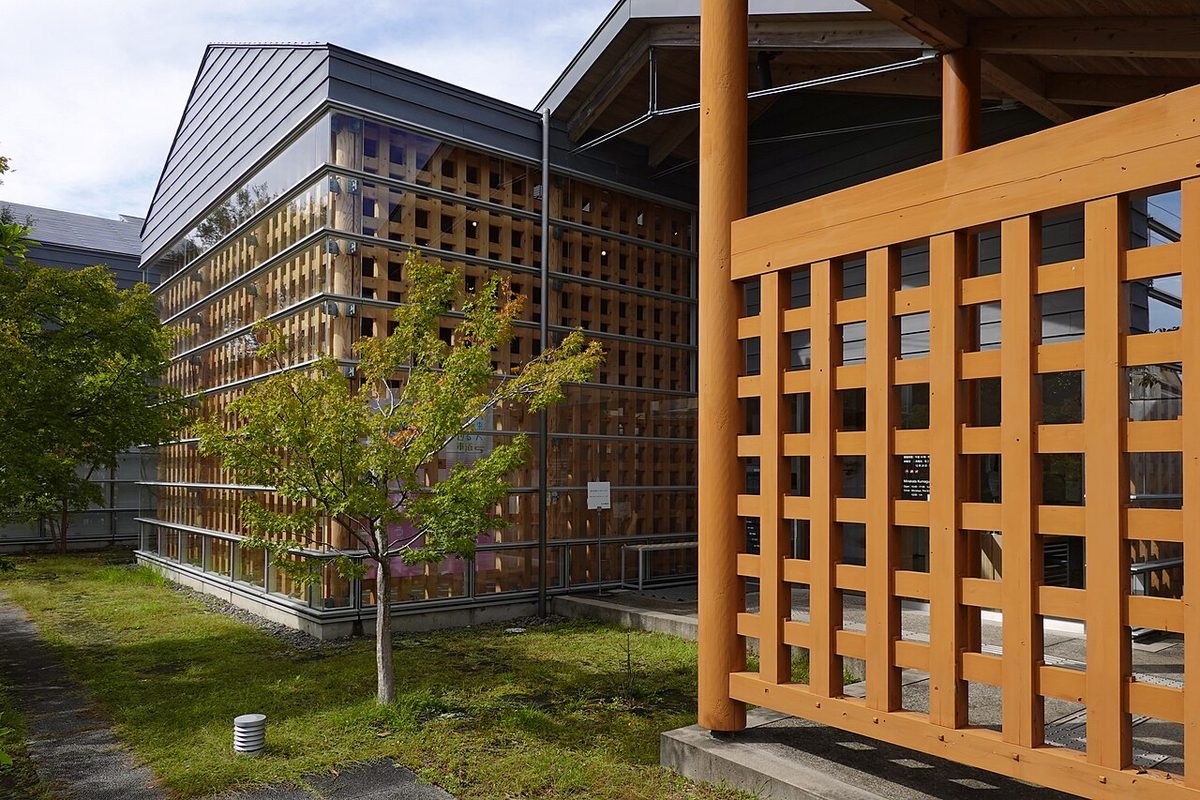
Photo: 663highland / CC BY-SA 4.0 (Wikimedia Commons) Art · Castle Town & Kii-Tanabe
Minakata Kumagusu Archives
An archive beside the former residence of naturalist and folklorist Minakata Kumagusu, who lived his last 37 years in Tanabe, preserving and exhibiting over 25,000 books and specimens.
Open 10 am to 5 pm (last entry 4:30 pm). Closed Mondays, days after public holidays, and Dec 28–Jan 4 (open Tuesdays in FY2026 except days after holidays).
Sights · Tenjinzaki & Tanabe Bay
Tenjinzaki
A headland jutting into the north side of Tanabe Bay, where wooded hills meet flat tidal reefs, protected since 1974 by Japan's pioneering National Trust conservation movement.
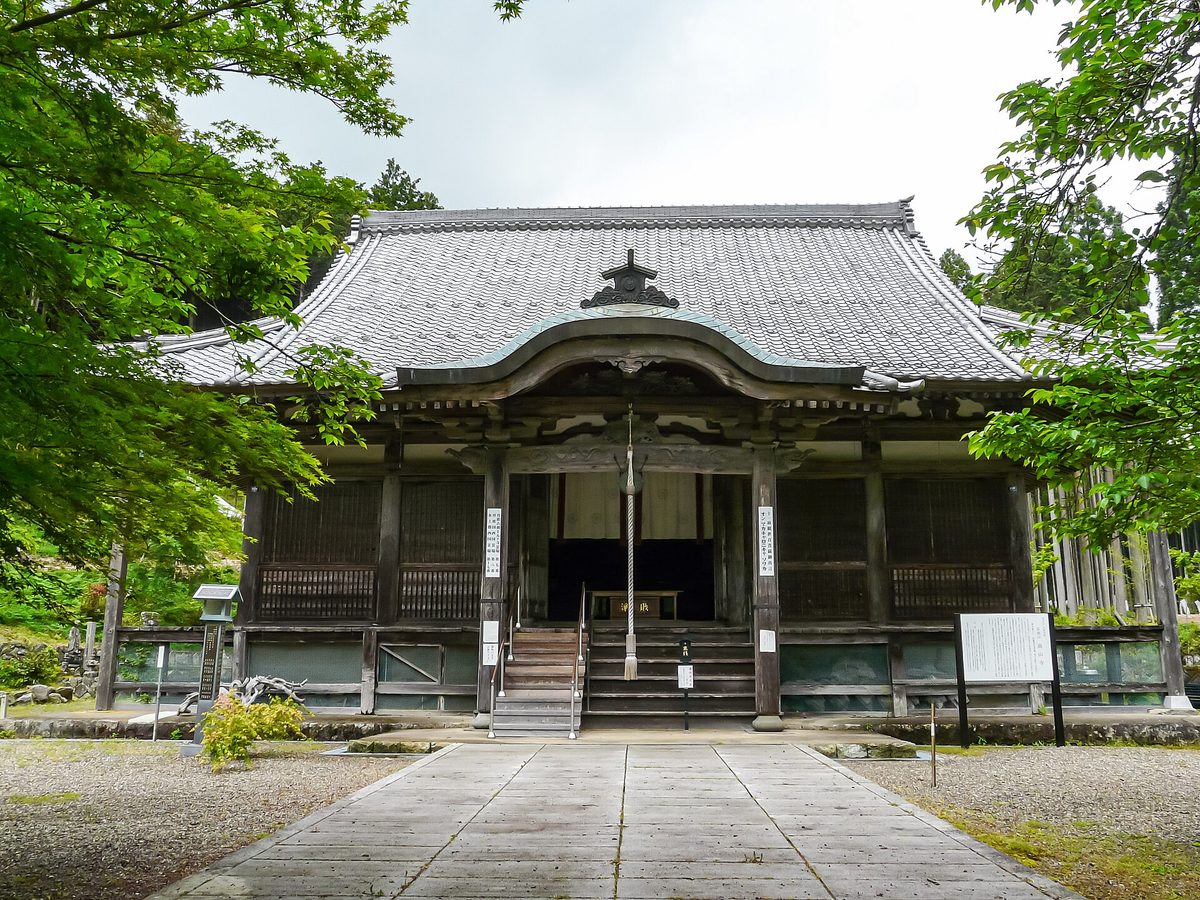
Photo: Naokijp / CC BY-SA 4.0 (Wikimedia Commons) Sights · Castle Town & Kii-Tanabe
Kozan-ji Temple
An old temple on a hill overlooking Tanabe, locally called Kobo-san, with an Edo-period tahoto pagoda and a hillside cemetery holding the graves of Minakata Kumagusu and Morihei Ueshiba.
These are landmarks, not Rin's picks. Each was checked to be open on its official site (checked 2026-11-12). Please confirm hours before you go.
Day trips from Tanabe
Classics
- Kumano Hongu Taishaabout 38 km
The head shrine of over 3,000 Kumano shrines throughout Japan, one of the three grand shrines of Kumano. Spring and autumn are beautiful; visit early for fewer crowds.
- Kumano Nachi Taishaabout 48 km
Located in the mountains of Wakayama, this shrine is a center of Kumano faith and is famous for its solemn scenery, harmonized with the nearby Nachi Falls. Spring wisteria and autumn leaves are breathtaking; visit early morning.
- Koyasanabout 57 km
A sacred site of Shingon Esoteric Buddhism founded by Kobo Daishi Kukai. Autumn leaves peak in late October to early November.
Distances are straight-line from the town centre. Each page has how to get there and a suggested day.