35.1° N
Tambasasayama
Hyogo, Japan
A castle town in a basin ringed by the Tamba mountains. Tamba-yaki kilns in the Tachikui valley, black-soybean sweets and bread, soba and coffee in the old town: Rin's picks.
Tambasasayama, on film
4 sights and 10 places, each checked open in 2026, in 41 seconds.
Found somewhere you like? The map and the list below have the address, hours and official site.
Tap for sound
What to eat in Tambasasayama
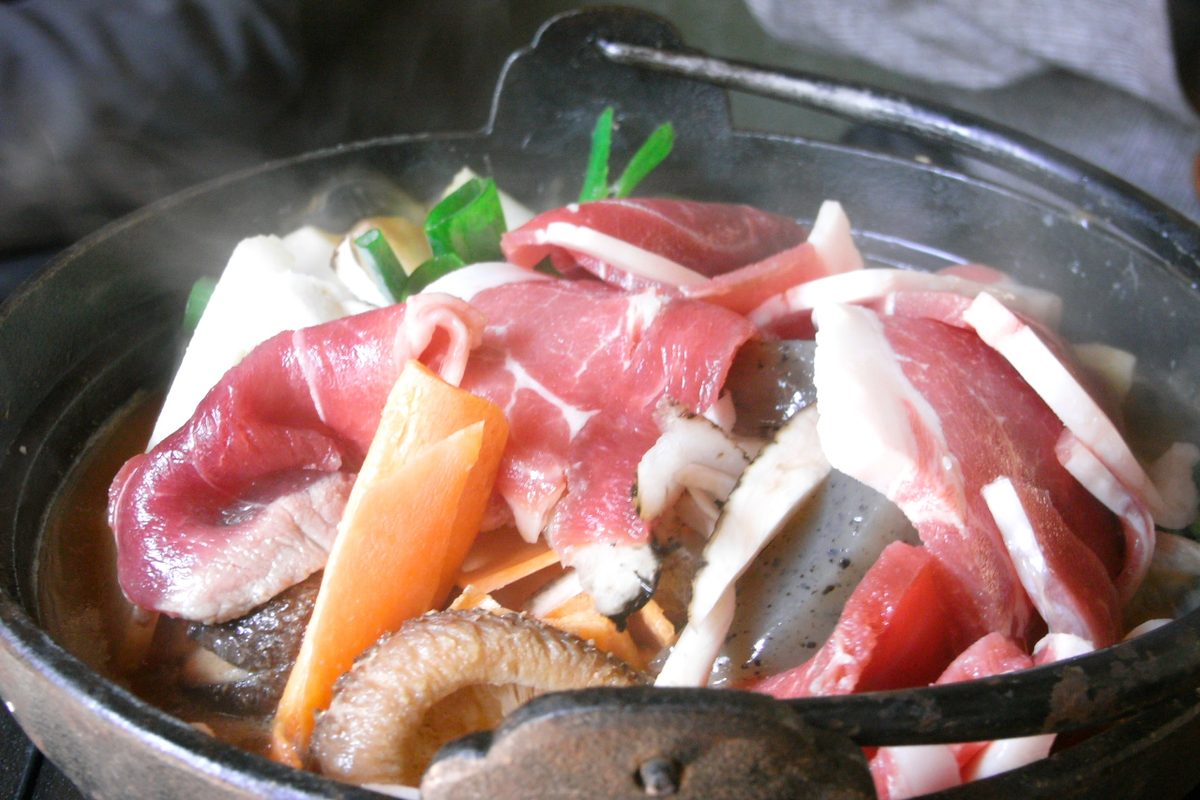
Photo: woinary from Ginza, Tokyo / CC BY-SA 2.0 (Wikimedia Commons) Botan nabe (wild boar hot pot)
ぼたん鍋
Wild boar meat sliced and arranged on a platter like a peony blossom, then simmered in a miso-based broth with burdock root, leeks, and mountain yam. The dish began in Sasayama around 1908 when wild boar from the surrounding Tamba mountains was cooked in miso soup, and the name botan nabe spread from 1931.
Simmered at the table mainly from November to March and finished with rice and egg or soba in the remaining broth.(Nov–Mar)
Where to eat it
- Tambasasayama Ikkyuan ↓
- KinmataWebsiteMap
- IwayaWebsiteMap
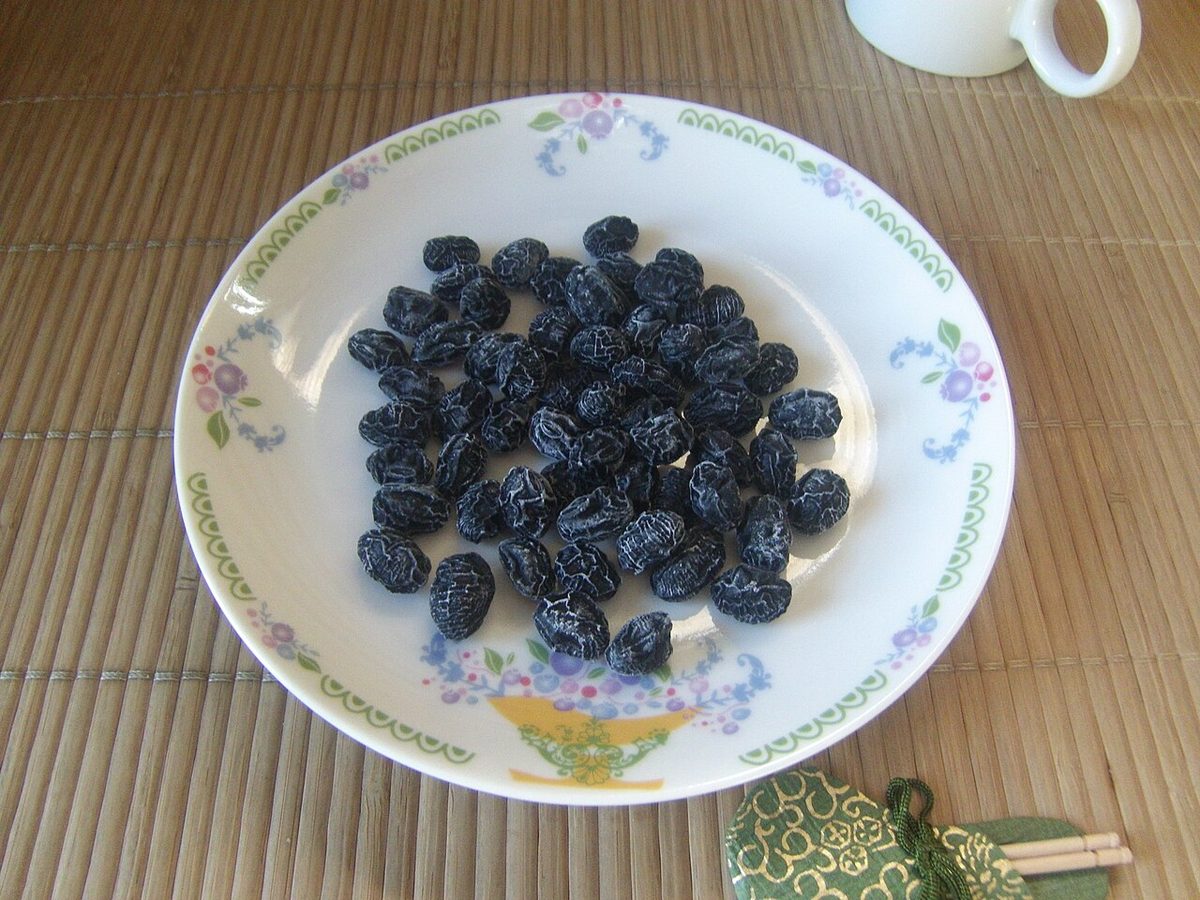
Photo: Indiana jo / CC BY-SA 4.0 (Wikimedia Commons) Tamba kuromame (black soybeans)
丹波黒豆
Large, round black soybeans grown in the Tamba basin, eaten boiled fresh in the pod as kuro-edamame or dried and simmered into sweet beans, breads, and sweets. Recorded as a Tamba product in 1685 and named Tamba-guro in 1941, the crop takes around 100 days from flowering to maturity.
Eaten year-round in simmered black-bean loaves, parfaits, rice plates, and roasted bean tea, and boiled fresh as kuro-edamame in October.
Where to eat it
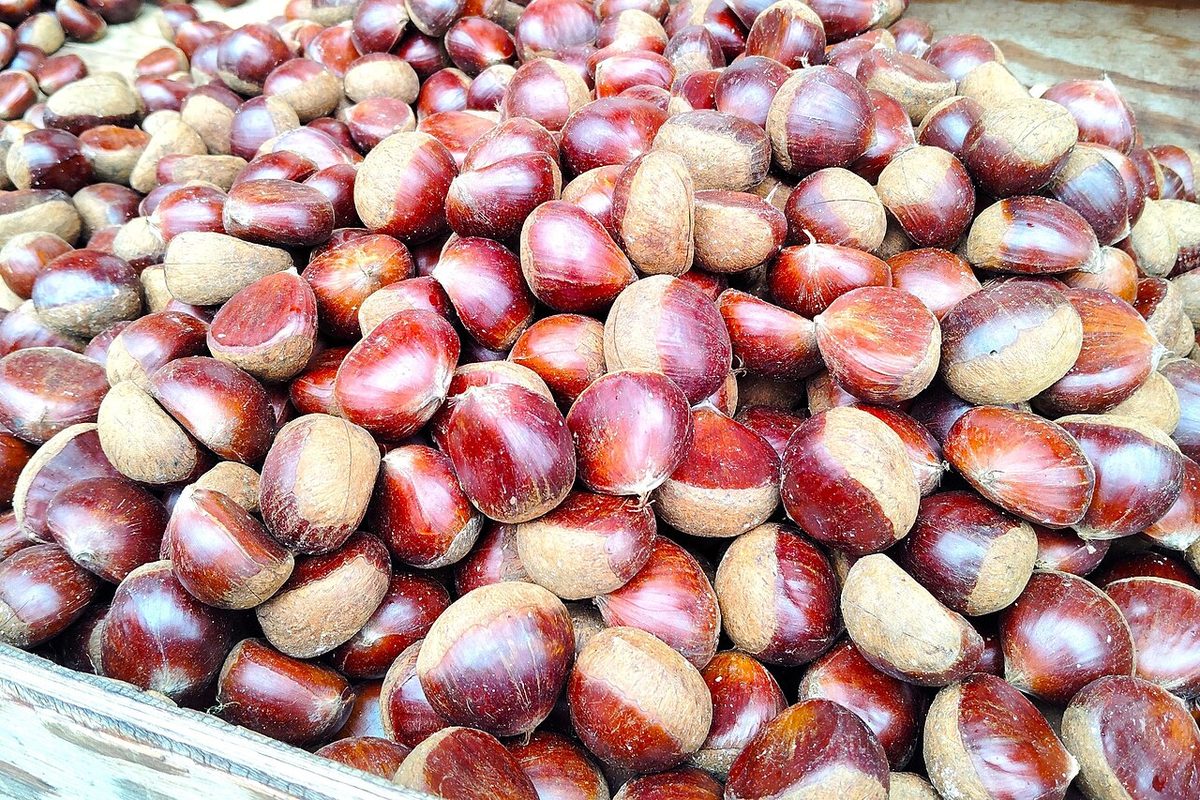
Photo: Asturio Cantabrio / CC BY-SA 4.0 (Wikimedia Commons) Tamba-guri (Tamba chestnuts)
丹波栗
Large, glossy chestnuts grown in the Tambasasayama basin, served roasted, cooked with rice, or made into Mont Blancs, cheesecakes, and traditional sweets. Recorded as tribute to the imperial court from Tamba as early as 927, they grow well in the basin's wide day-night temperature swings.
Fresh chestnuts appear from September to November in kuri-mochi and roasted snacks, while Mont Blancs and chestnut cheesecakes are served at castle-town cafés.(Sep–Nov)
Where to eat it
- 小田垣豆堂Map
- Yukioka Ichirobei Patisserie ↓
- Suwaen SasayamaWebsiteMap
No photo yet
Yama-no-imo (Tamba mountain yam)
山の芋
A round, lumpy mountain yam grown in Tambasasayama's clay soil, grated raw into dense, sticky tororo or simmered in hot pots. Cultivated since the early Edo period as a tribute to the Sasayama domain lord, it deepens in flavor as autumn mist settles over the basin and is also called kiri-imo (fog yam).
Grated with dashi into tororo and poured over barley rice, soba noodles, or seared beef rice bowls (gyu-toro-don).
Where to eat it
- Tambasasayama Ikkyuan ↓
- Ryorisha YamayuWebsiteMap
- Tokusankan SasayamaWebsiteMap
Where Rin would go, on the map — or build your own route
Tap a mark to see the place; squares are museums and sights (landmarks). Use “Build your own route” to make a walk of your own.
Loading the map
Map data © OpenStreetMap contributors
Where Rin would go
Made in Tambasasayama: Tamba Ware (Tachikui Pottery)4
All tamba ware (tachikui pottery) →1 / 5
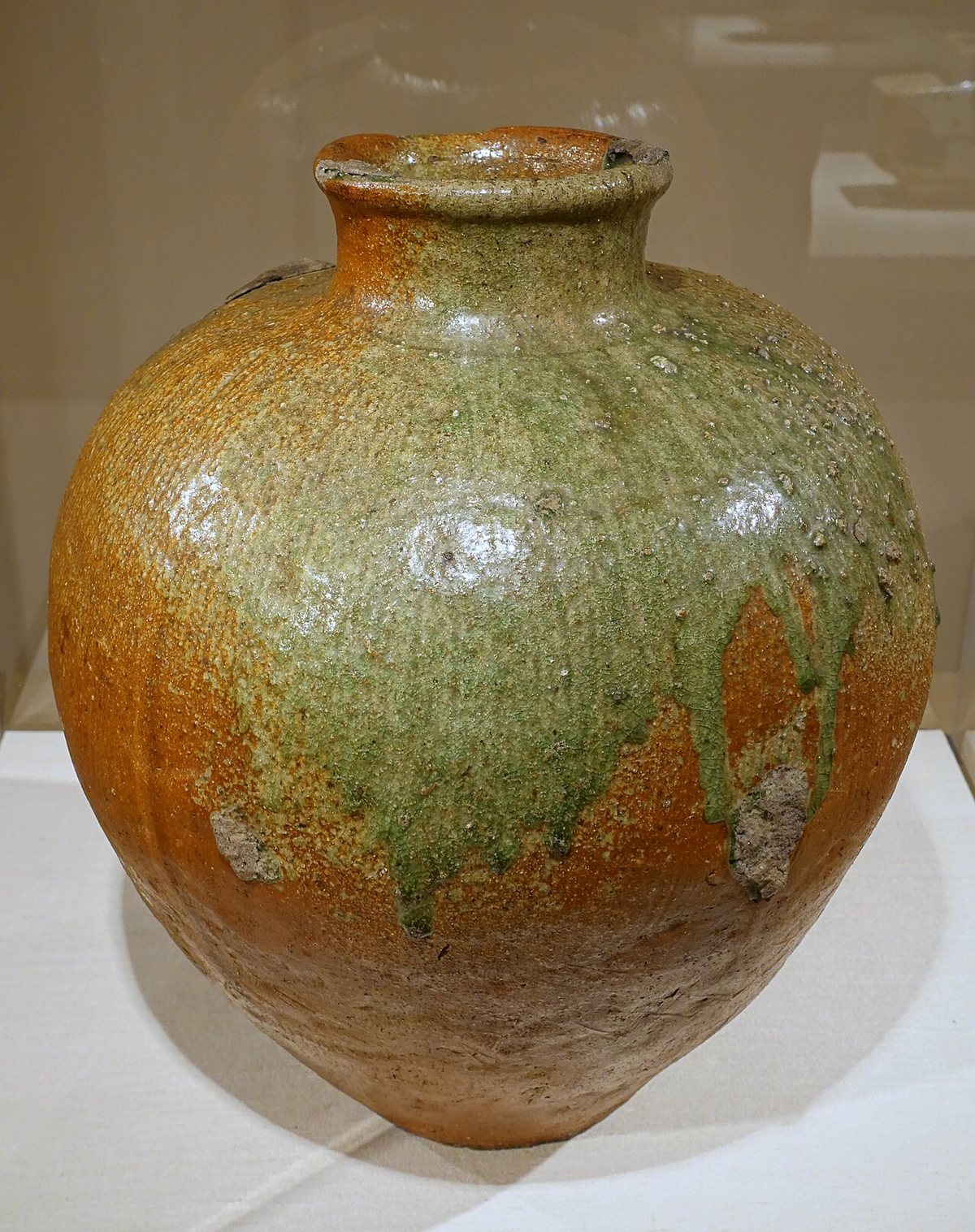
Made in Tambasasayama
One of Japan's Six Ancient Kilns, fired in the Tachikui valley for over eight hundred years. Pots take on natural ash glazes from wood-fired climbing kilns, and the lineage runs from folk-craft tableware to everyday dishes.
A 16th-century Tamba ware stoneware jar with natural ash glaze·Photo: Daderot / Public domain (Wikimedia Commons)
Tachikui
Toshihiko Kiln
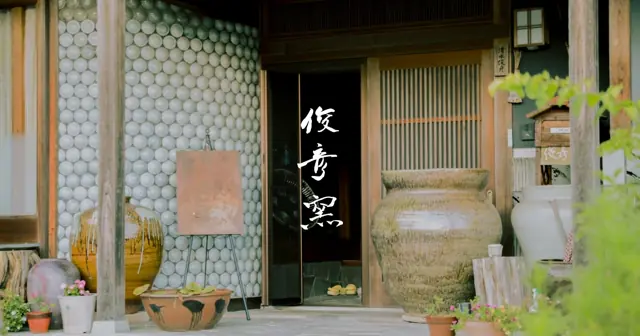
Photo: the shop’s official page 俊彦窯
A Tamba-yaki kiln founded in 1977 by Shimizu Toshihiko, who studied under Mingei potter Ikuta Kazutaka. He now makes pottery alongside his son Tsuyoshi.
9:00–18:00 · Closed: Open every day (irregular closures)checked Nov 2026
丹波篠山市今田町上立杭396
RinI picked up a Tamba-yaki vessel. It had a steady, pleasant weight.
Tachikui
Shozo Kiln
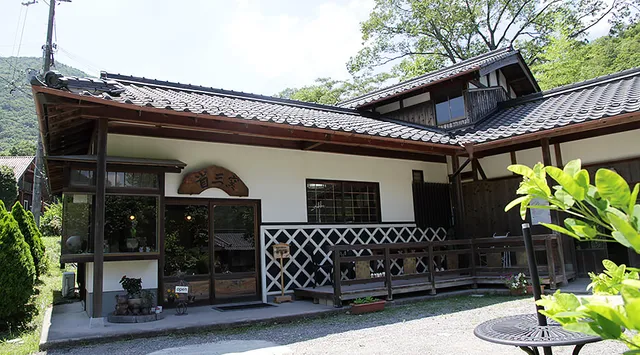
Photo: the shop’s official page 省三窯
A Tamba-yaki kiln and hillside gallery in the northern part of Tachikui, handcrafting everything from vases and tea bowls to everyday tableware.
今田町上立杭2-2
RinI picked out an everyday plate at the hillside gallery. The fired tones had a warm glow.
Tachikui
Tansen Kiln
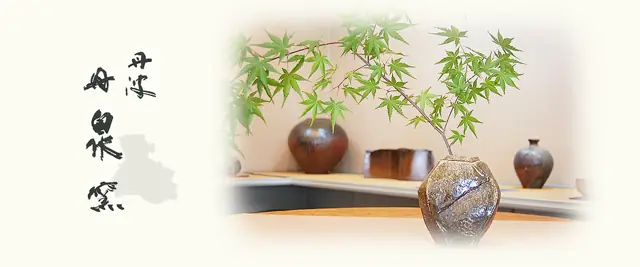
Photo: the shop’s official page 丹泉窯
A Tamba-yaki kiln along Kiln Alley in Kamitachikui, where Ichino Kiyoharu and Ichino Chisato make ceramics, with Gallery TANSEN nearby.
Approx. 9:00–17:00 · Closed: Irregular
今田町上立杭527
RinI walked between the kiln and the gallery. The glazes had calm, earthy tones.
Tachikui
Ohkuma Kiln
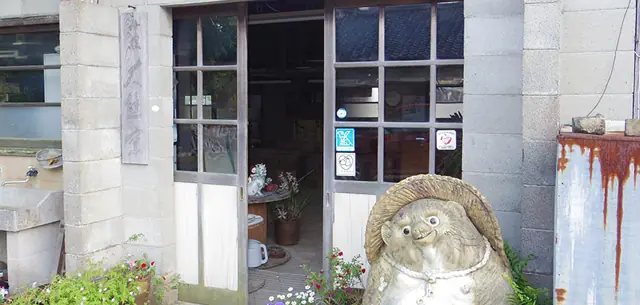
Photo: the shop’s official page 大熊窯
Irregular closing days
A Tamba-yaki kiln in Tachikui across generations, marked by a long climbing kiln on its grounds, making simple, warm stoneware.
10:00–17:00 · Closed: Irregularchecked Nov 2026
今田町上立杭尾中1
RinAfter seeing the long climbing kiln, I bought a cup. The clay felt warm.
Sweets3
All sweets →1 / 3
Sasayama Castle Town
Konishi no Pan
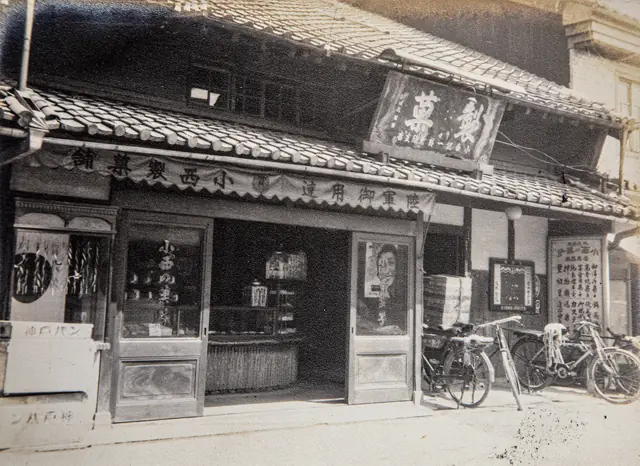
Photo: the shop’s official page 小西のパン
A bakery founded in 1893 and in Sasayama since 1909, known for soft loaves filled with Tamba black soybeans simmered for eight to nine hours. Closed Tuesdays.
9:00–until sold out · Closed: Tuesdays (closed Wednesday if public holiday)
魚屋町23
RinI ate one black-soybean loaf. The beans were tender and mildly sugary.
Sasayama Castle Town
Yukioka Ichirobei Patisserie
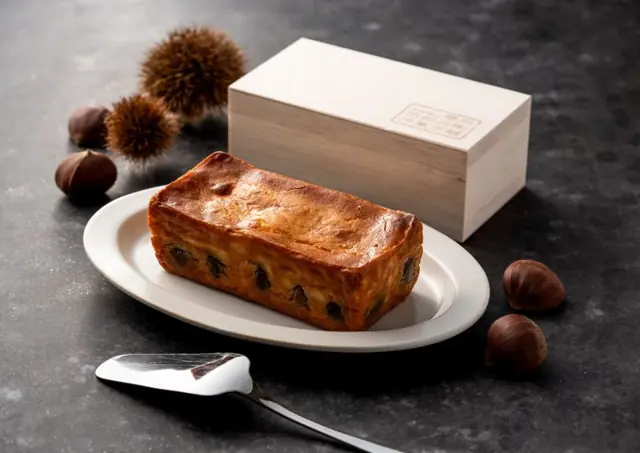
Photo: the shop’s official page 雪岡市郎兵衛洋菓子舗
A cheesecake shop on Uoyamachi making cheesecakes with Tamba black beans, Tamba chestnuts, figs and various cheeses, plus autumn Tamba chestnut mont blanc.
魚屋町13-1
RinI chose the Tamba chestnut cheesecake. It melted smoothly on the tongue.
Sasayama Castle Town
Shirokaragofun
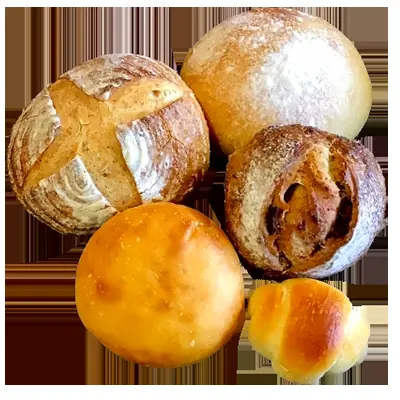
Photo: the shop’s official page 白殻五粉
A natural-yeast bakery on Ogawamachi baking boules and fig-and-walnut campagne, closing when the bread sells out. Closed Tuesdays and Wednesdays unless a holiday.
小川町2
RinI bought a fig-and-walnut campagne. The crust was nutty and fragrant.
Food2
All food →1 / 2
Tachikui
KONdA to
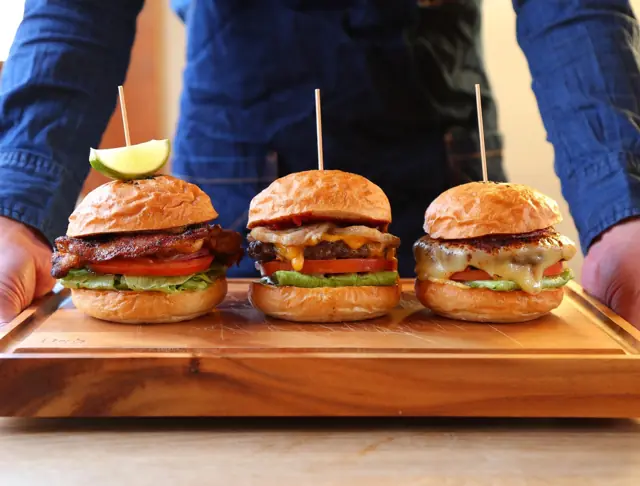
Photo: the shop’s official page A burger restaurant in an old farmhouse in Konda-cho, baking stone-milled house-ground buns and hand-cut beef patties, served on Tamba-yaki plates.
Tue–Fri 11:00–17:00 (last order 16:00), weekends & holidays 11:00–17:00 (last order 16:30), 17:00–20:00 (last order 19:00) · Closed: Tuesdays & 3rd Monday (open on public holidays, closed the next day)
今田町下立杭680
RinI ate the hand-cut beef burger. The chunky patty was juicy and good.
Sasayama Castle Town
Tambasasayama Ikkyuan
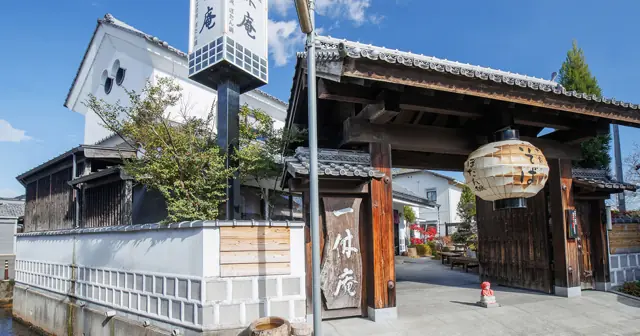
Photo: the shop’s official page 丹波篠山 一休庵
A soba house near the castle ruins in a relocated old farmhouse, milling buckwheat in-house for 100% soba and serving wild-boar botan-nabe.
11:00–16:00 (last order 15:30)
丹波篠山市山内町78-2
RinI had the 100% buckwheat soba milled in-house. Clean and smooth going down.
Cafés1
All cafés →Sasayama Castle Town
Coffee Beans Makoto
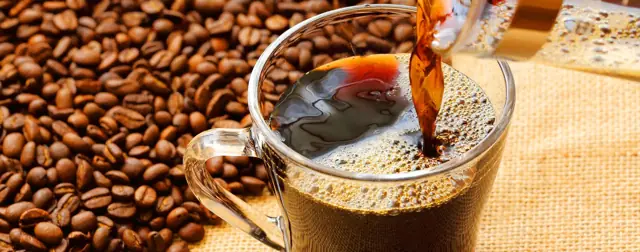
Photo: the shop’s official page 珈琲豆 誠
A house-roasting coffee shop and café in an old townhouse in Nishimachi, selling house and seasonal blends and single-origin beans, with roasting workshops. Closed Tuesdays and Wednesdays.
10:00–17:00 · Closed: Tuesdays & Wednesdayschecked Nov 2026
丹波篠山市西町1
RinI drank the house blend in the old townhouse. The bitterness was gentle.
By area
Rin is a fictional traveller. Every place here was checked by the editors to exist and be open (checked 2026-11-12). Please confirm hours on the official site before you go. Paid listings are always marked. If you are the shop and would like a photo removed, write to editor@vual.jp and we will take it down at once.
To see — art and sights (landmarks)
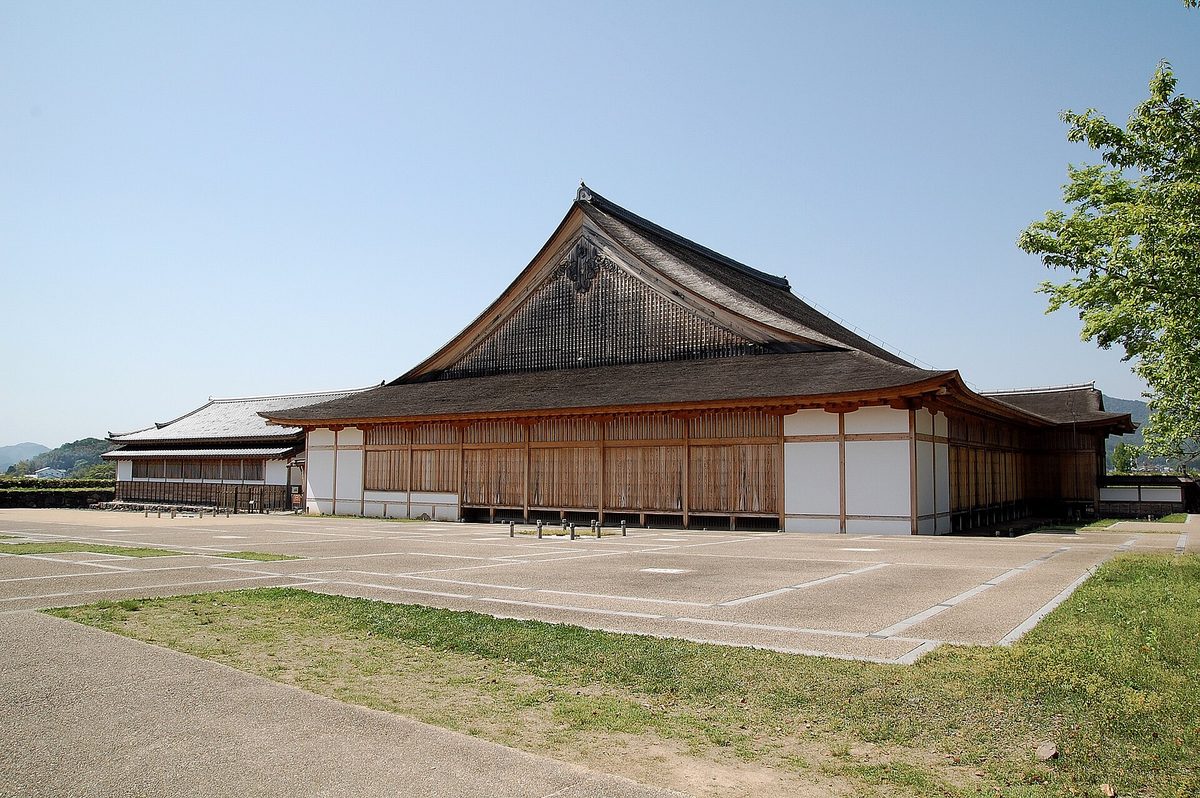
Photo: 日:Jnn / CC BY 2.1 jp (Wikimedia Commons) Sights · Sasayama Castle Town
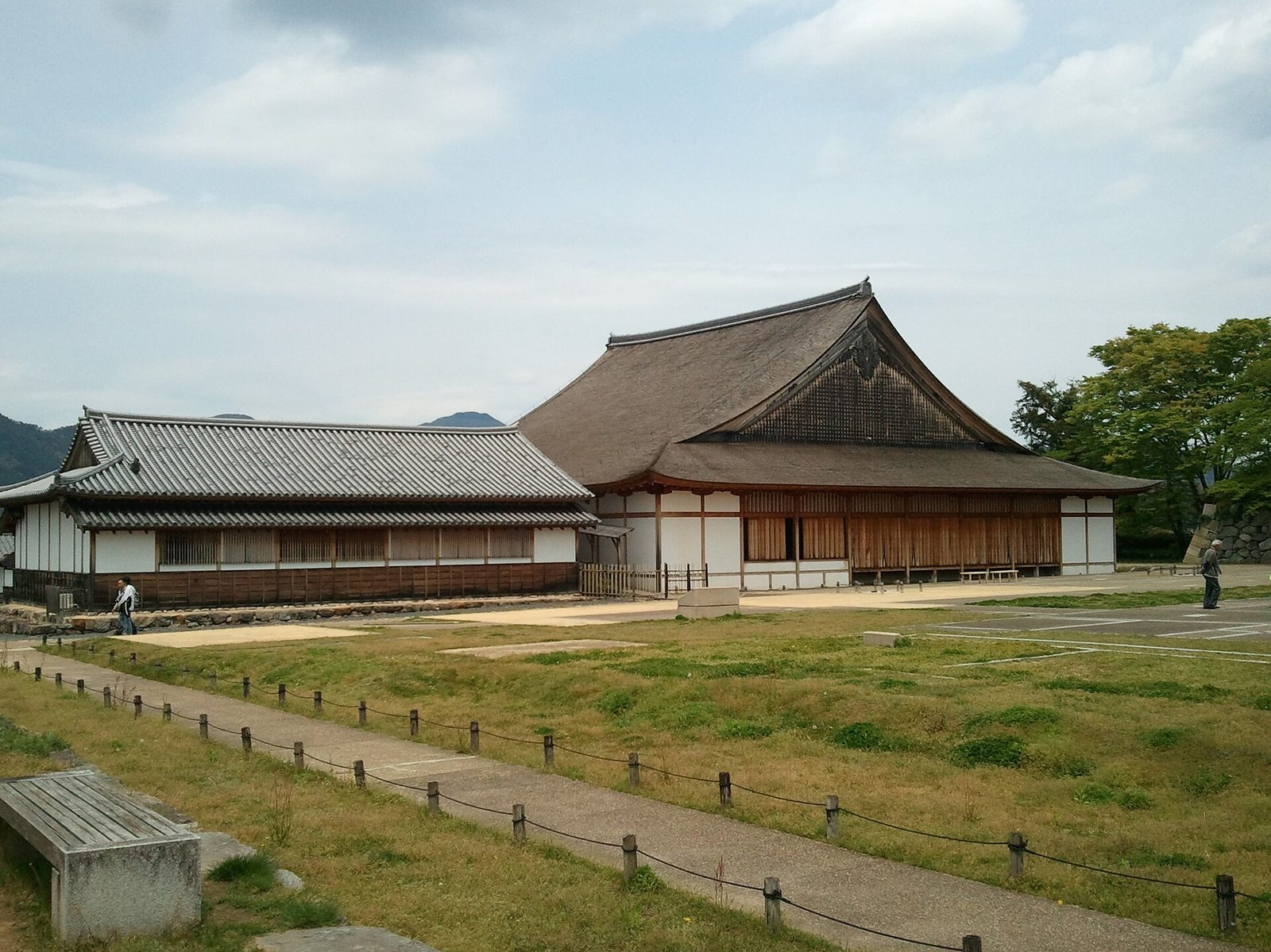
Sasayama Castle Oshoin
The main hall of Sasayama Castle, built in 1609 on Tokugawa Ieyasu's order. Destroyed by fire in 1944 and reconstructed in 2000, it exhibits castle records. Closed Mondays (or Tuesday if a holiday).
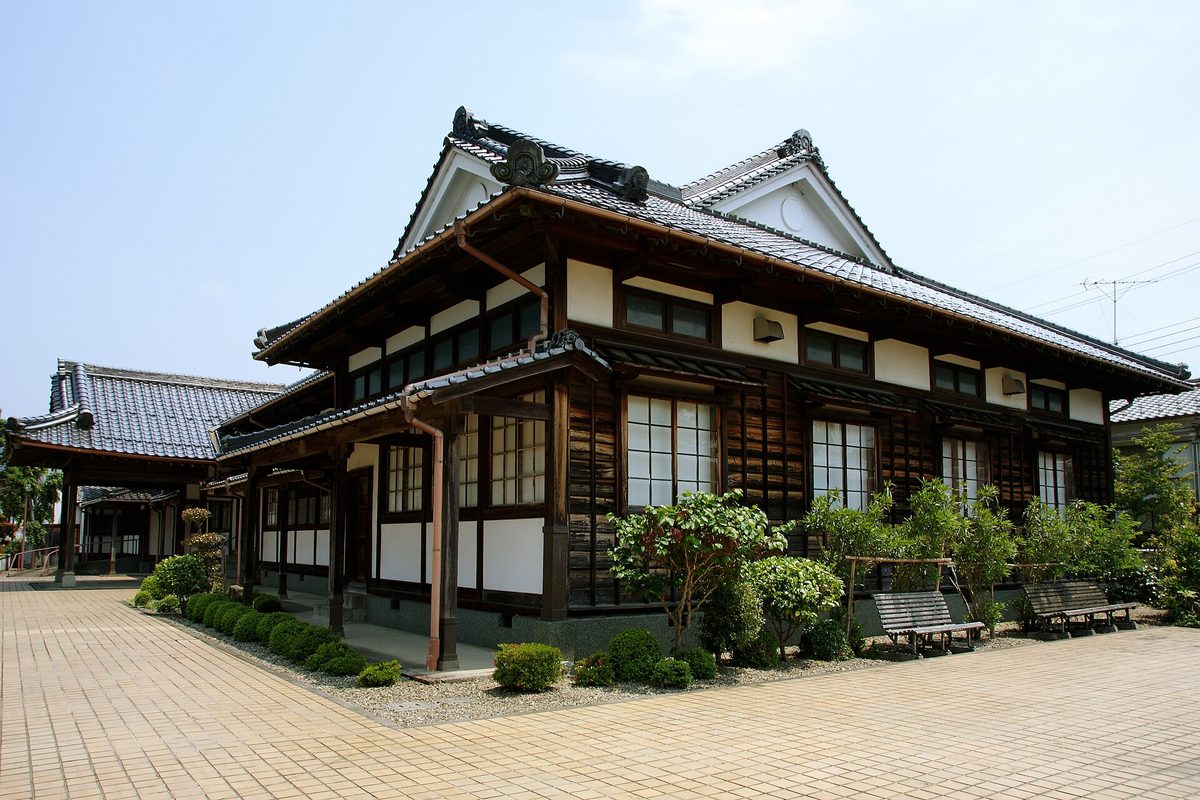
Photo: 663highland / CC BY 2.5 (Wikimedia Commons) Art · Sasayama Castle Town
Tambasasayama City Historical Art Museum
A museum inside the 1891 wooden courthouse of the former Sasayama District Court, opened in 1982 and displaying ancient tomb artifacts and medieval Tamba ware. Closed Mondays.
Sights · Sasayama Castle Town
Aoyama Rekishimura
A history museum centered on Keiensha, a villa of the Aoyama lords of Sasayama, with three storehouses and a gatehouse displaying Edo-period domain records and woodblocks. Closed Mondays.
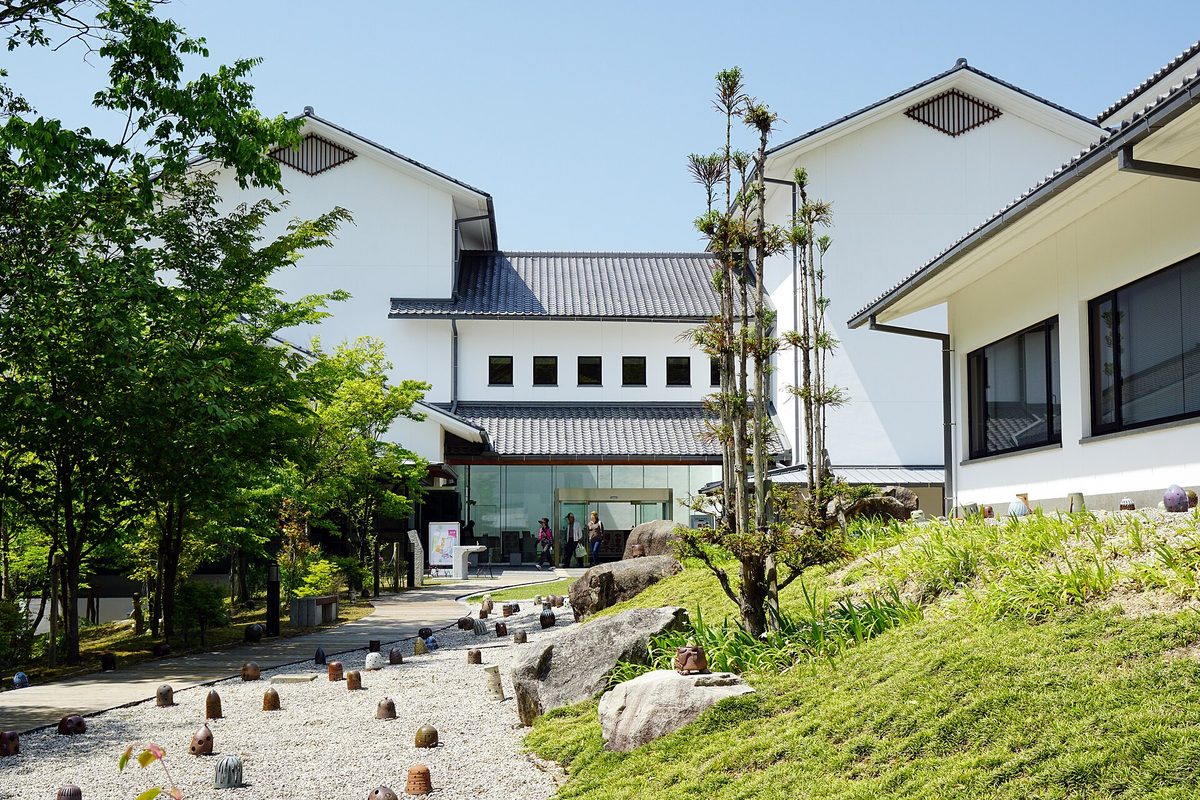
Photo: 663highland / CC BY 2.5 (Wikimedia Commons) Art · Tachikui
Tachikui Sue no Sato
The Tamba-yaki craft park in Tachikui, with a market street carrying vessels from about fifty kilns, pottery workshops, and the TAMBA GATEWAY CENTER gallery. Closed Tuesdays unless a holiday.
The Densan Kaikan hall inside the park is closed for renovation until spring 2027.
These are landmarks, not Rin's picks. Each was checked to be open on its official site (checked 2026-11-12). Please confirm hours before you go.
Day trips from Tambasasayama
Classics
- Arima Onsenabout 31 km
A historic hot spring town known as one of the oldest in Japan. Autumn and winter are best for hot springs.
- Tenryu-ji Temple & Arashiyama Bamboo Groveabout 42 km
A UNESCO World Heritage site and head temple of the Rinzai school, featuring the beautiful Sogenchi Pond Garden in harmony with the nature of Arashiyama. Late April for cherry blossoms, November for autumn leaves; go early morning to avoid crowds.
Hidden spots
- Kameoka Mist Terraceabout 33 km
A free hilltop observation deck on Mt. Ryugao in Kameoka overlooking the thick Tanba-giri sea of morning mist that fills the Kameoka Basin. October to December on clear, windless mornings around sunrise for the Tamba mist sea of clouds.
- Yanagidani Kannon Yokoku-jiabout 43 km
An ancient mountain temple in Nagaokakyo famed for eye-healing prayers and celebrated as the birthplace of seasonal flower-filled chozuya basins (hana-chozu). June (Hydrangea Week) and mid-Nov to early Dec (Momiji Week); 15:00–16:00 light hits the lantern stairs.
Distances are straight-line from the town centre. Each page has how to get there and a suggested day.