36.7° N
Takaoka
Toyama, Japan
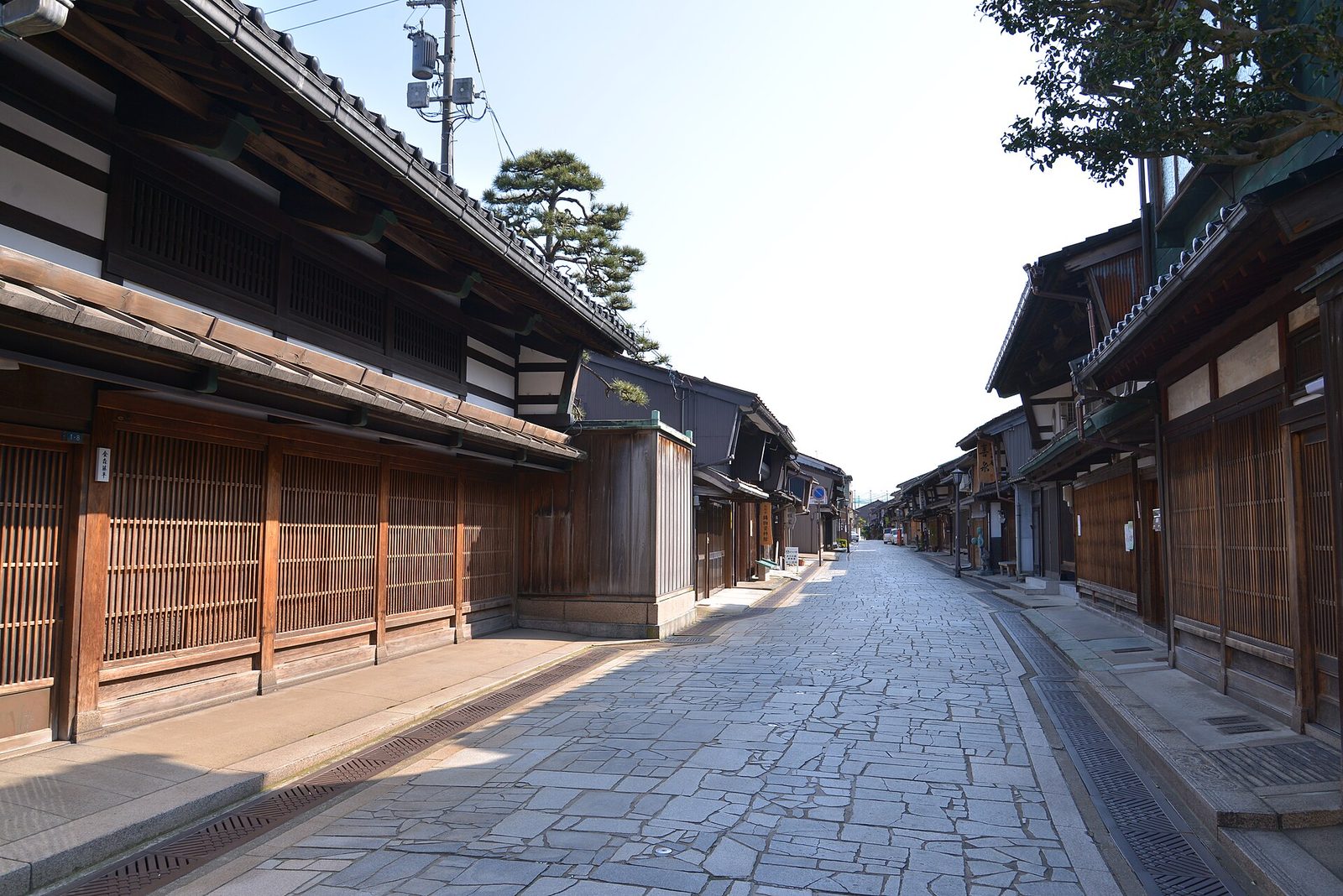
A castle town founded by Maeda Toshinaga in 1609 on the Toyama Plain. Copperware and metal-casting workshops in Kanayamachi, wagashi and merchant houses along Yamachosuji, and coffee and dining around the station and Kojo Park, as Rin's picks.
Takaoka, on film
5 sights and 16 places, each checked open in 2026, in 38 seconds.
Found somewhere you like? The map and the list below have the address, hours and official site.
Tap for sound
What to eat in Takaoka
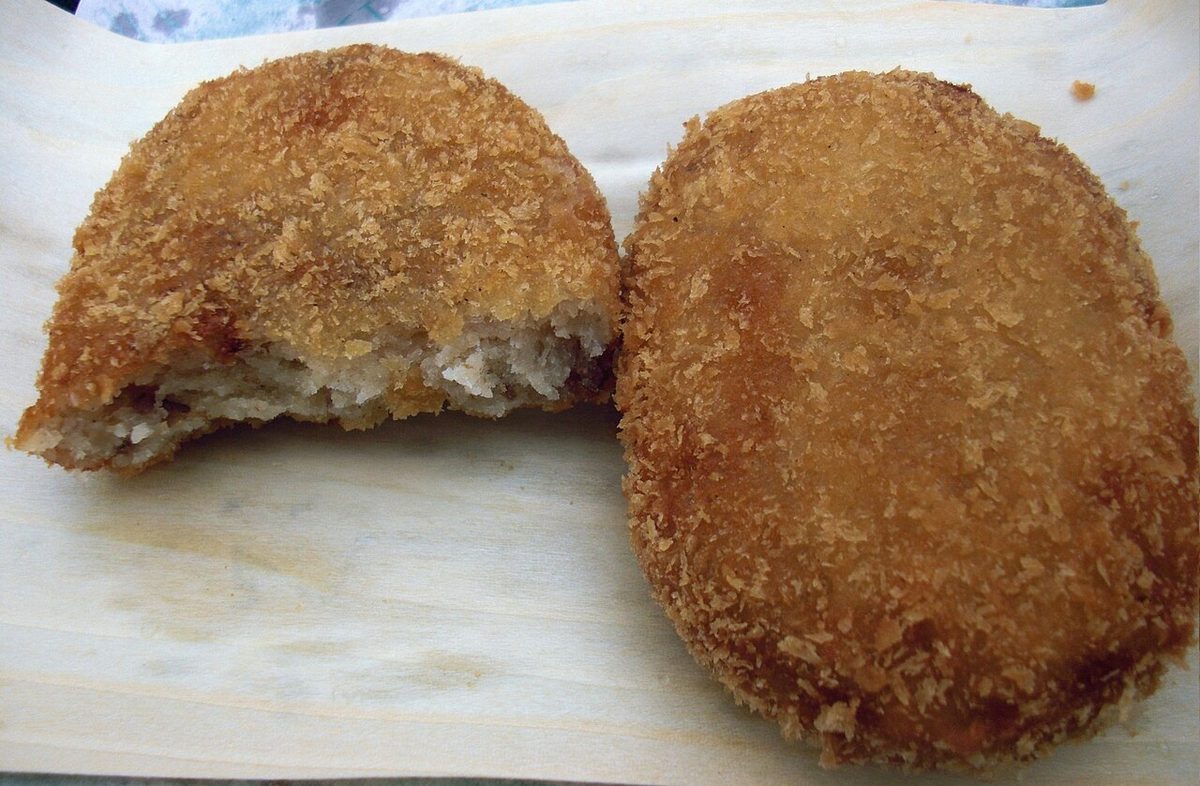
Photo: Miyuki Meinaka / Public domain (Wikimedia Commons) Takaoka Korokke (Takaoka croquette)
高岡コロッケ
Takaoka Korokke refers to any potato or savory croquette made in Takaoka, with no single fixed recipe across shops. Building on Hokuriku's high household croquette consumption, local officials and eateries turned it into a city specialty in 2004–2005, ranging from classic butcher-shop patties to kelp, white shrimp, and 14 cm Daibutsu-sized versions.
Eaten freshly fried as a street snack, a sandwich filling, or a set-meal main at lunch.
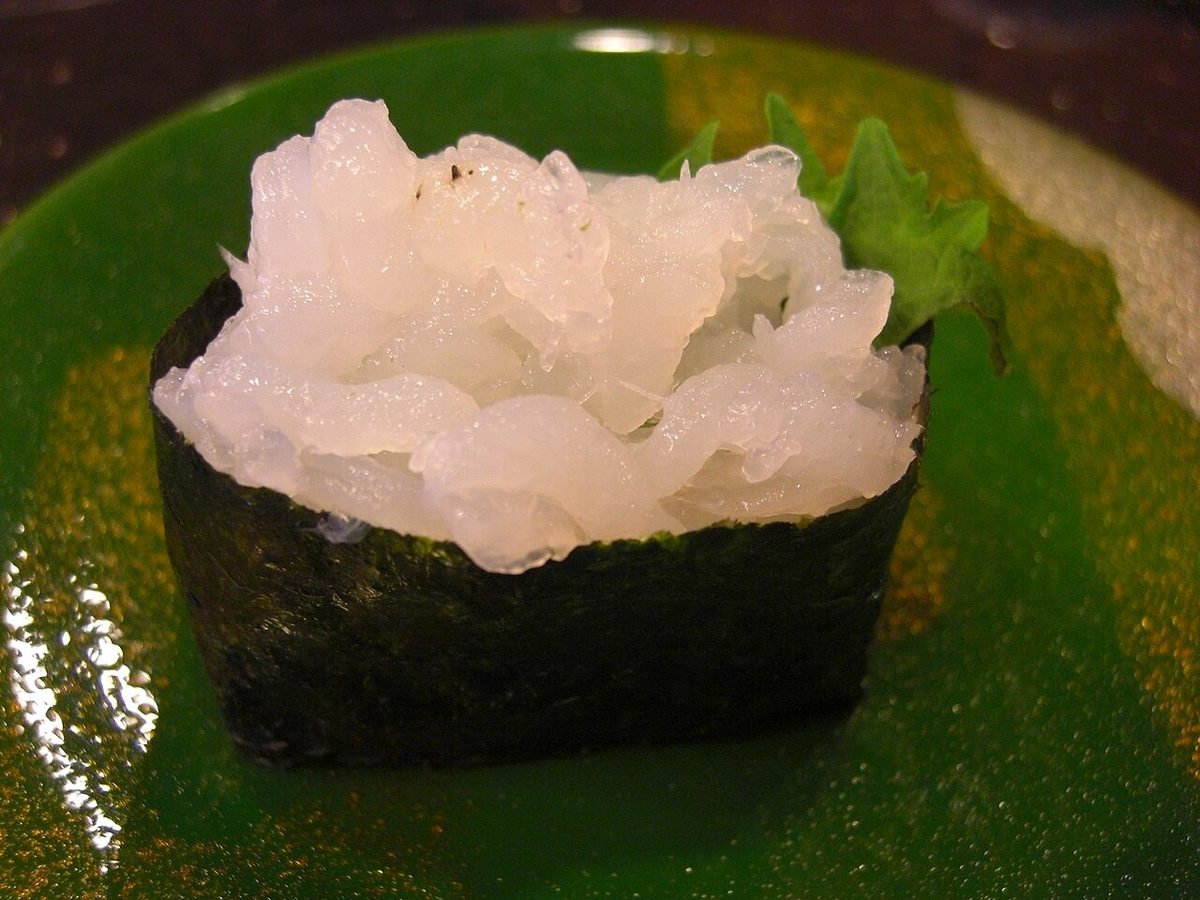
Photo: 7'o'7 / CC BY-SA 3.0 (Wikimedia Commons) Shiroebi (Toyama Bay white shrimp)
白エビ
Shiroebi are small, translucent pale-pink shrimp about 6 cm long, known as the 'Jewel of Toyama Bay.' Toyama Bay, which Takaoka faces, is the only place in the world where they are harvested in commercial quantities.
Eaten raw as sweet sashimi or sushi, or deep-fried whole into crispy karaage and kakiage fritters.(Apr–Nov)
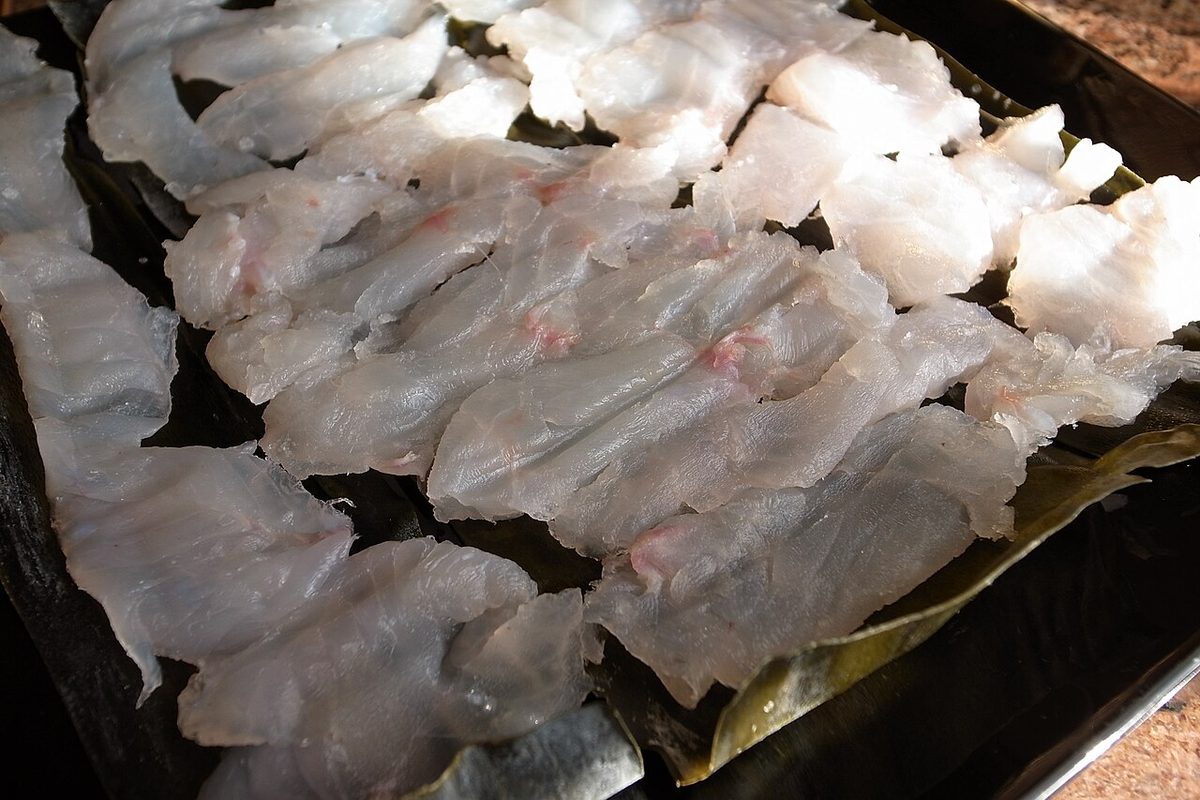
Photo: Naotake Murayama from San Francisco, CA, USA / CC BY 2.0 (Wikimedia Commons) Kobujime (kelp-cured sashimi)
昆布締め
Kobujime is a traditional Toyama method of pressing fresh raw fish, white shrimp, or vegetables between damp sheets of kombu kelp so the kelp draws out excess moisture and infuses umami. During the Edo period, Kitamaebune merchant ships unloaded Hokkaido kelp at Takaoka's Fushiki Port, giving the region Japan's highest kelp consumption and deep-rooted kombu cuisine.
Served chilled in thin slices with soy sauce or traditional irizake plum-sake sauce, often paired with local sake.
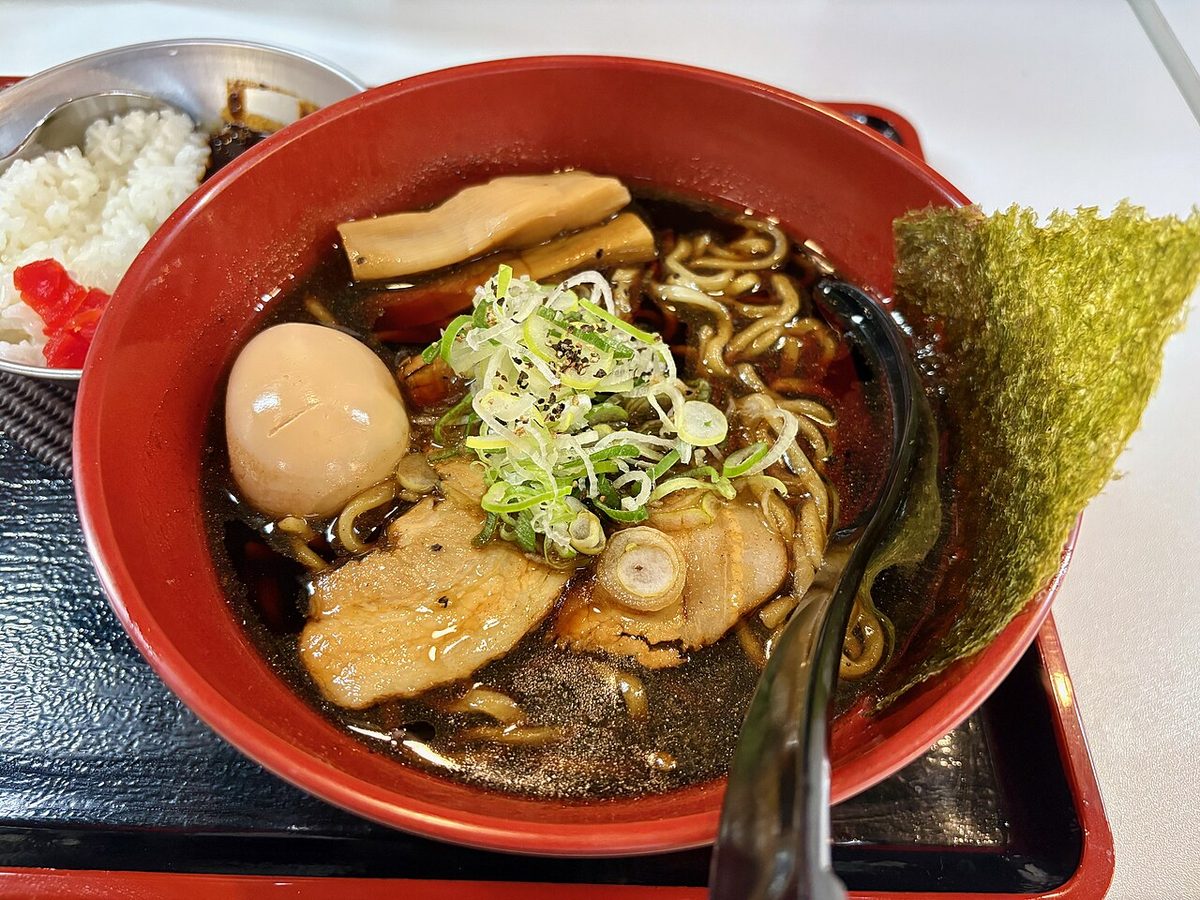
Photo: Kyu3a / CC BY-SA 4.0 (Wikimedia Commons) Toyama Black Ramen
富山ブラックラーメン
Toyama Black Ramen is a regional ramen served in a pitch-dark soy sauce broth seasoned generously with coarse black pepper, thick noodles, and chashu pork. Originating in post-war Toyama as a salty, energizing meal for manual laborers, it is widely served in Takaoka in versions ranging from bold, peppery broths to milder seafood-blended bowls.
Eaten hot at ramen shops for lunch or late dinner, often ordered alongside white rice or black tororo-kombu onigiri.
Where Rin would go, on the map — or build your own route
Tap a mark to see the place; squares are museums and sights (landmarks). Use “Build your own route” to make a walk of your own.
Loading the map
Map data © OpenStreetMap contributors
Where Rin would go
Made in Takaoka: Takaoka Copperware & Metal Casting4
All takaoka copperware & metal casting →1 / 5
Made in Takaoka
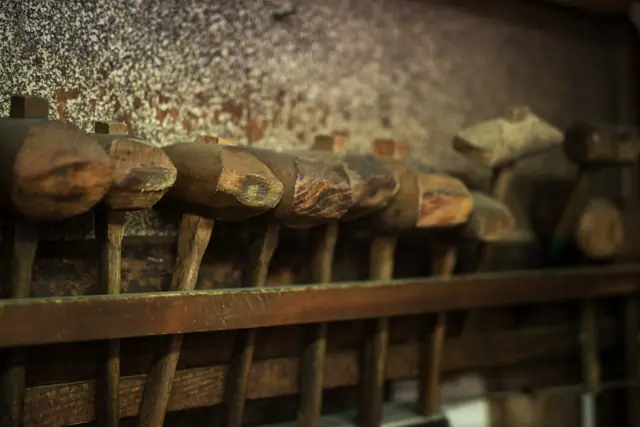
Takaoka copperware began in 1611 when Lord Maeda Toshinaga invited seven foundrymen to Kanayamachi. Today, workshops in the town still cast and hand-hammer bronze, brass, tin and aluminum into temple bells and everyday tableware.
Row of wooden hammers at Shimatani Syouryu metalworking studio·Photo: Shimatani Syouryu Studio (official site)
Kanayamachi
Shimatani Syouryu Studio
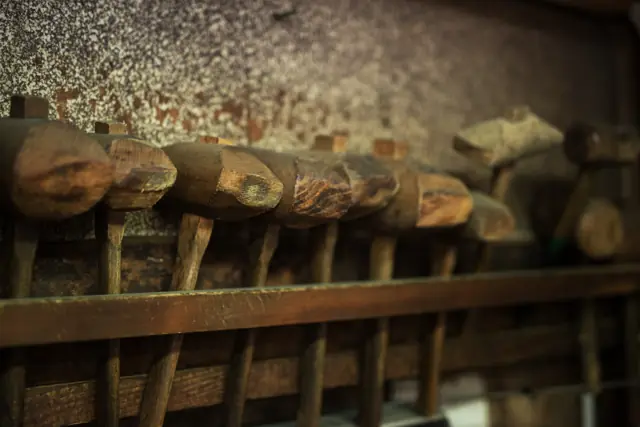
Photo: the shop’s official page シマタニ昇龍工房
An orin bell workshop in Sengokucho, near Kanayamachi. Craftsmen hand-hammer brass plates into resonant bells, tuning each one.
高岡市千石町4-2
RinI compared the tones of the orin bells. Each strike left a clear, lingering ring.
Kanayamachi
Yamaguchi Kyujo
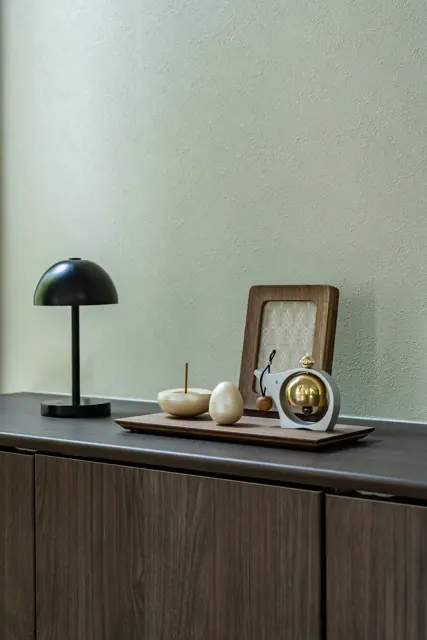
Photo: the shop’s official page 山口久乗
An orin bell maker founded in 1907. At the showroom in Naimen, visitors can ring and choose from all of its bells, from altar orin to everyday sound pieces.
Mon–Fri & 1st/3rd/5th Sat 9:00–17:30 · Closed: Sundays, public holidays, 2nd & 4th Saturdays, New Year, Obon
高岡市内免2-8-50
RinI rang the bells in the showroom to choose one. The high note carried cleanly.
Kanayamachi
KANAYA
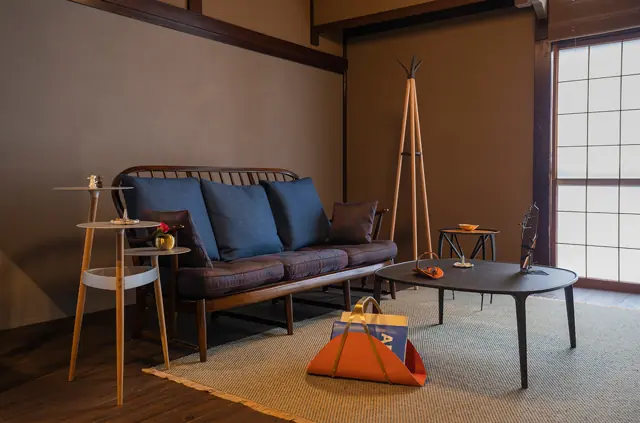
Photo: the shop’s official page A cast-metal homeware brand with a showroom on Kanayamachi's stone-paved street, showing cast aluminum, bronze, and tin vessels and hosting tinware workshops.
10:00–16:00 · Closed: Thu, Sat, Sun & public holidays (open during Kanayamachi events)
高岡市金屋町2-5
RinI joined the tin-vessel workshop. The cool, smooth metal felt good in my hands.
Ekiminami
Utsuwamusubi
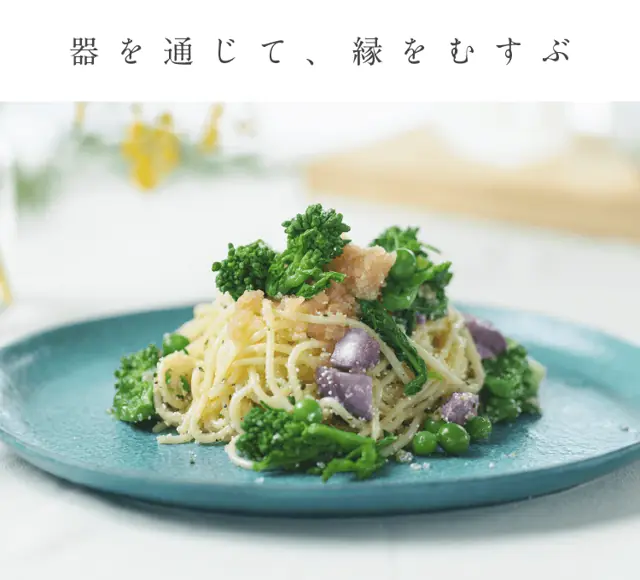
Photo: the shop’s official page うつわむすび
An unbreakable cast-aluminum tableware brand by Tonami Shoten in Tonyamachi, making ceramic-textured plates, cups, and rice pots.
Mon–Fri 10:00–16:00 · Closed: Saturdays, Sundays, public holidays
高岡市問屋町75
RinI picked up a ceramic-textured aluminum plate. Far lighter than it looked.
Craft2
All craft →1 / 2
Daibutsu & Kojo Park
Kutaniya
Photo: the shop’s official page 九谷屋
A ceramics and tableware shop on Suehirocho carrying Kutani, Kiyomizu, and Arita porcelain alongside lacquerware and Nousaku tin sake vessels.
Closed: Wednesdays, Sundays, public holidays, New Year
高岡市末広町38
RinI compared Kutani ware with Nousaku tin sake cups. Bright glaze next to dull silver.
Yamachosuji
tsumugu
紡・tsumugu
A café on the ground floor of the 1970 Nishisen Building in Moriyamachi, serving coffee, herbal tea, parfaits, cakes, and baked sweets. No dedicated parking.
高岡市守山町35 西繊ビル1F
RinI had herbal tea and a baked sweet. A bright, clean scent came through.
Sweets3
All sweets →1 / 3
Yamachosuji
Ohnoya
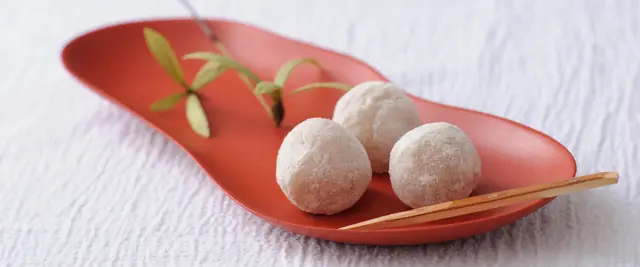
Photo: the shop’s official page 大野屋
A wagashi confectioner in Yamachosuji since 1838, making Tokonatsu and Takaoka Ramune. Open 8:30 a.m. to 7 p.m., closed Wednesdays except public holidays.
8:30–19:00 · Closed: Wednesdays (open on public holidays)checked Nov 2026
高岡市木舟町12
RinI bought Tokonatsu. Small in size, with a clear sweetness that lingers.
Ekiminami
Fuwa Fukujudo
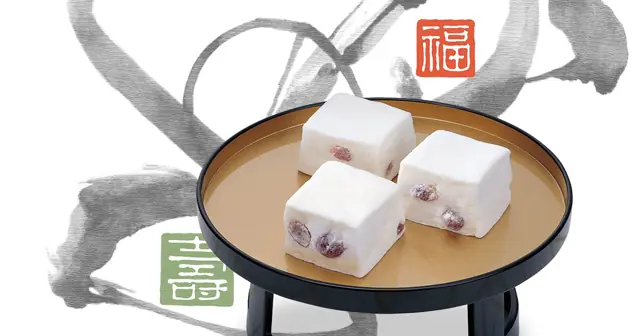
Photo: the shop’s official page 鹿の子餅本舗 不破福寿堂
A wagashi shop in Kyoden making its signature Kanokomochi alongside dorayaki and seasonal sweets. Open 9 a.m. to 7 p.m., closed Tuesdays.
9:00–19:00 · Closed: Tuesdayschecked Nov 2026
高岡市京田140-1
RinI bought Kanokomochi and a seasonal sweet. Soft to the touch with a gentle spring.
Ekiminami
Bakery VIVIR
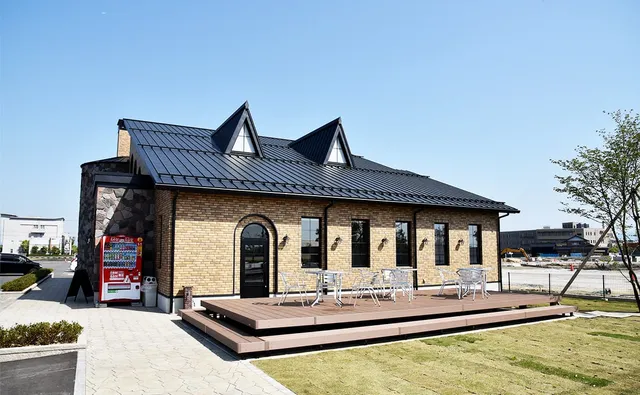
Photo: the shop’s official page 石窯パン工房 VIVIR
A bakery opened near Aeon Takaoka in December 2017, baking in a Spanish stone oven. Known for house-made custard cream buns and chunky beef curry bread.
7:00–19:00 · Closed: Mondays (closed Tuesday if public holiday)checked Nov 2026
高岡市二塚415-1
RinI bought the cream bun and curry bread. Rich custard with a clear taste of egg.
Food4
All food →1 / 4
Ekiminami
Le premier
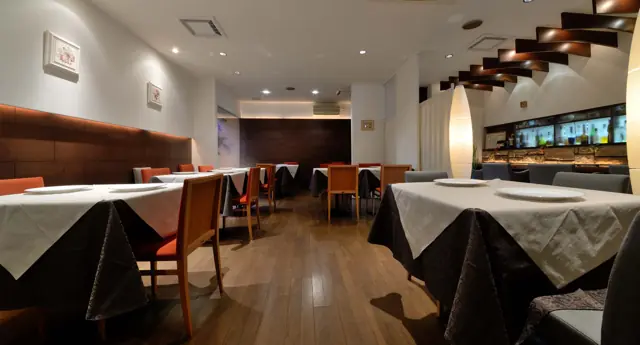
Photo: the shop’s official page A French restaurant a short walk from the south exit of Takaoka Station. Both lunch and dinner are by reservation; closed Tuesdays and irregular days.
11:30–14:00 (last order 13:00, by reservation), 18:00–21:00 (last order 19:30, by reservation) · Closed: Tuesdays (plus irregular holidays)
高岡市駅南5-203
RinI reserved a French lunch here. Each plate arrived with bright, clean colours.
Daibutsu & Kojo Park
Casserole
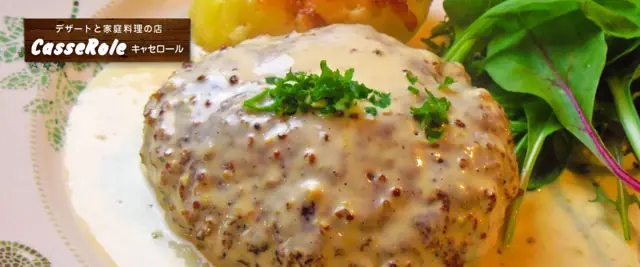
Photo: the shop’s official page デザートと家庭料理の店 キャセロール
A yoshoku and country-French restaurant in Ono since 1994. Its signature hamburg steak comes with mustard, tomato, or curry sauce, or a mix of two, served with bread from its sister bakery.
11:00–15:30 (last order 14:30), 17:00–22:00 (last order 21:00) · Closed: Mondays & 2nd Tuesday
高岡市大野285-1
RinI ordered the hamburg steak with two sauces. Tang and spice layered over the meat.
Kanayamachi
Saryo Nicoca
茶寮 和香
A Japanese restaurant in a renovated late-Edo townhouse along Kanayamachi's stone-paved street, serving omakase courses. Both lunch and dinner require reservation by the previous day; closed Monday lunch.
11:30–14:00 (last order 13:00), 18:00–22:00 (last order 20:30) · Closed: Monday lunch
高岡市金屋本町2-26
RinI had the lunch omakase in the old townhouse. The scent of dashi rose gently.
Yamachosuji
Anshin Gohan
あんしんごはん
A handmade deli and eatery in Moriyamachi serving preservative- and coloring-free side dishes, bento, and pudding. Since reopening in July 2026, sides are sold prepacked rather than by weight.
高岡市守山町11
RinI bought deli sides and pudding. The seasoning was gentle and easy to eat.
Cafés3
All cafés →1 / 3
Daibutsu & Kojo Park
amida coffee
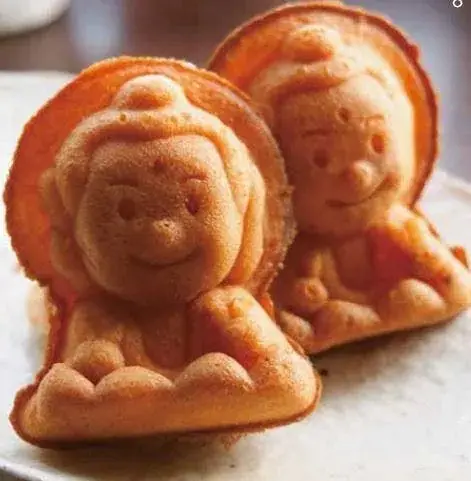
Photo: the shop’s official page Irregular closing days
A specialty coffee shop right beside the Takaoka Great Buddha, serving house-roasted single-origin beans, blends, and coffee roll cake.
9:30–18:30 (last order 18:00) · Closed: Irregularchecked Nov 2026
高岡市定塚町1238
RinI had a blend and the coffee roll cake. The slightly bitter sponge went well with cream.
Ekiminami
Ramble
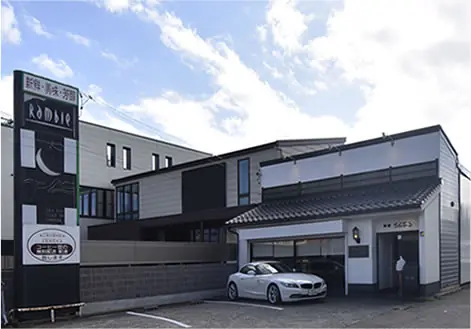
Photo: the shop’s official page 自家焙煎珈琲店 らんぶる
A coffeehouse roasting its own beans since 1972, turning out around 2,000 kg a month on a 30 kg hot-air roaster, with light meals and desserts. Closed 1st and 3rd Sundays.
Mon–Fri 9:00–18:00, Sat & holidays 9:00–17:00 · Closed: 1st & 3rd Sundays, year-end/New Year
高岡市駅南3-1-5
RinI drank coffee in the café and bought beans. A clean bitterness without harshness.
Daibutsu & Kojo Park
Cafe Crown
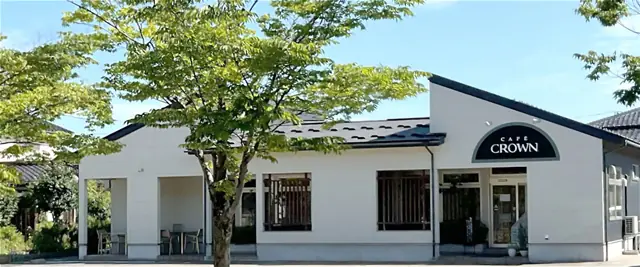
Photo: the shop’s official page カフェくらうん
A coffeehouse in Furujozuka roasting its own beans since 1958. Beans are hand-picked before roasting and served with sweets baked in a lava-stone oven.
11:00–18:30 (last order 18:00) · Closed: Wednesdayschecked Nov 2026
高岡市古定塚9-33
RinI ordered hand-picked coffee and baked sweets. Clean flavour with a clear finish.
Rin is a fictional traveller. Every place here was checked by the editors to exist and be open (checked 2026-11-13). Please confirm hours on the official site before you go. Paid listings are always marked. If you are the shop and would like a photo removed, write to editor@vual.jp and we will take it down at once.
To see — art and sights (landmarks)
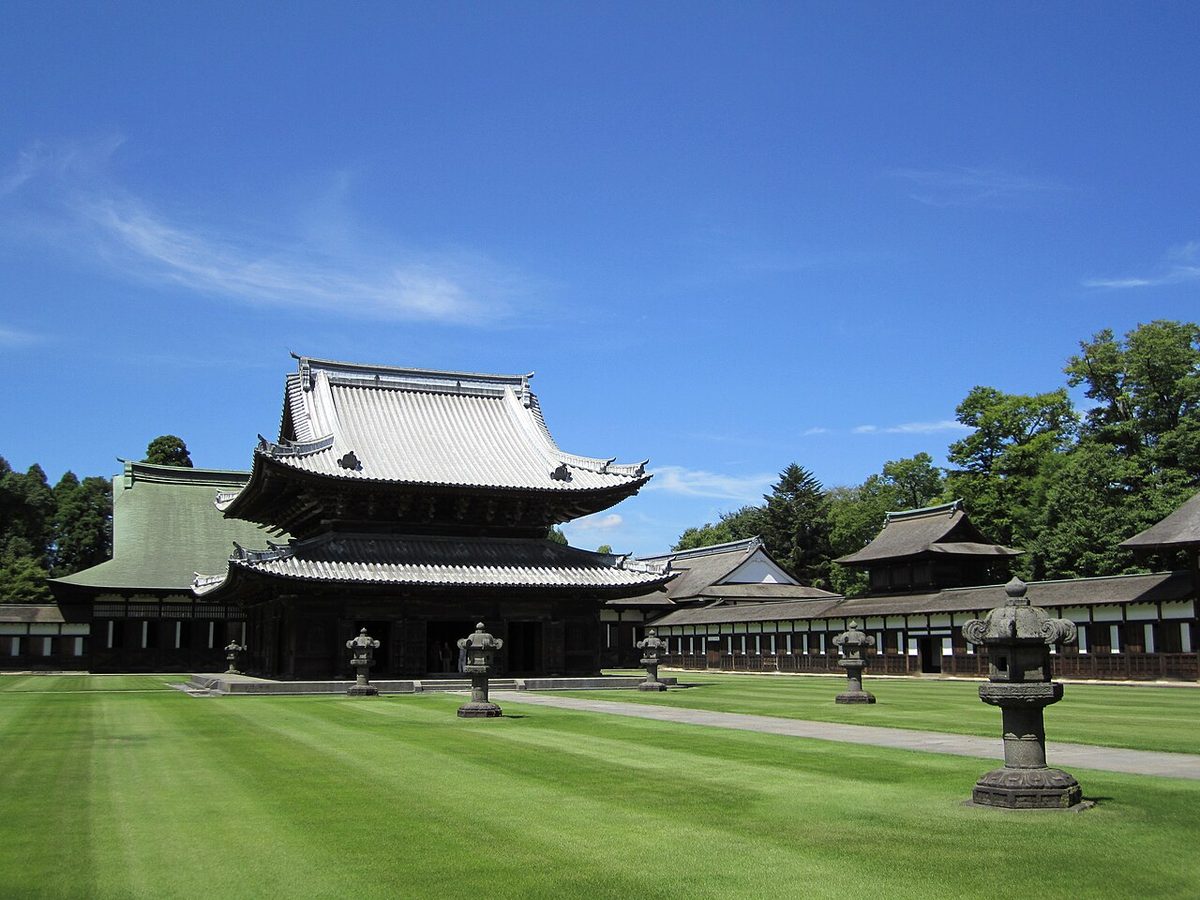
Photo: 柑橘類 (talk) / CC BY-SA 3.0 (Wikimedia Commons) Sights · Ekiminami
Zuiryu-ji Temple
A Soto Zen temple built by Maeda Toshitsune for his predecessor Toshinaga, completed around 1663. Its gate, Buddha hall, and dharma hall are National Treasures. Open 9 a.m. to 4:30 p.m. (4 p.m. in winter).
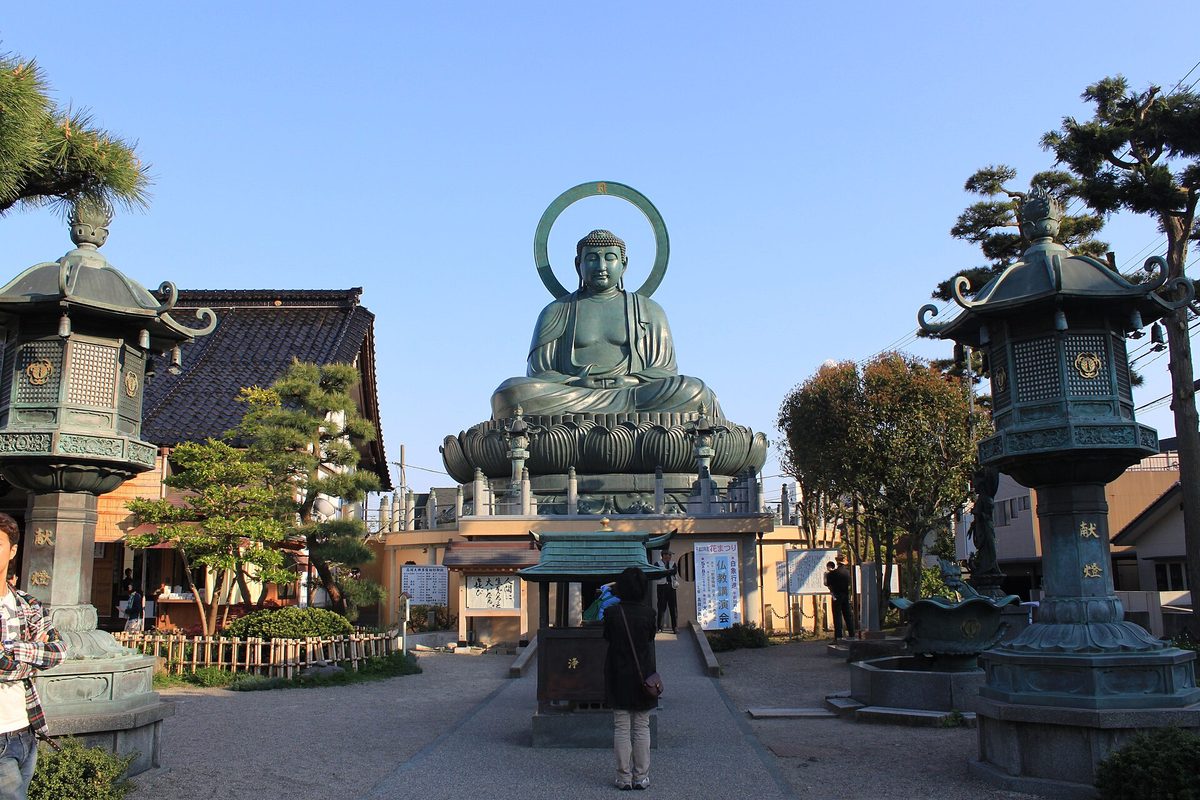
Photo: くろふね / CC BY 3.0 (Wikimedia Commons) Sights · Daibutsu & Kojo Park
Takaoka Daibutsu
A 16-meter seated bronze Amida Buddha in the grounds of Daibutsu-ji Temple, completed in 1933. Open daily; the pedestal corridor is open 6 a.m. to 6 p.m.
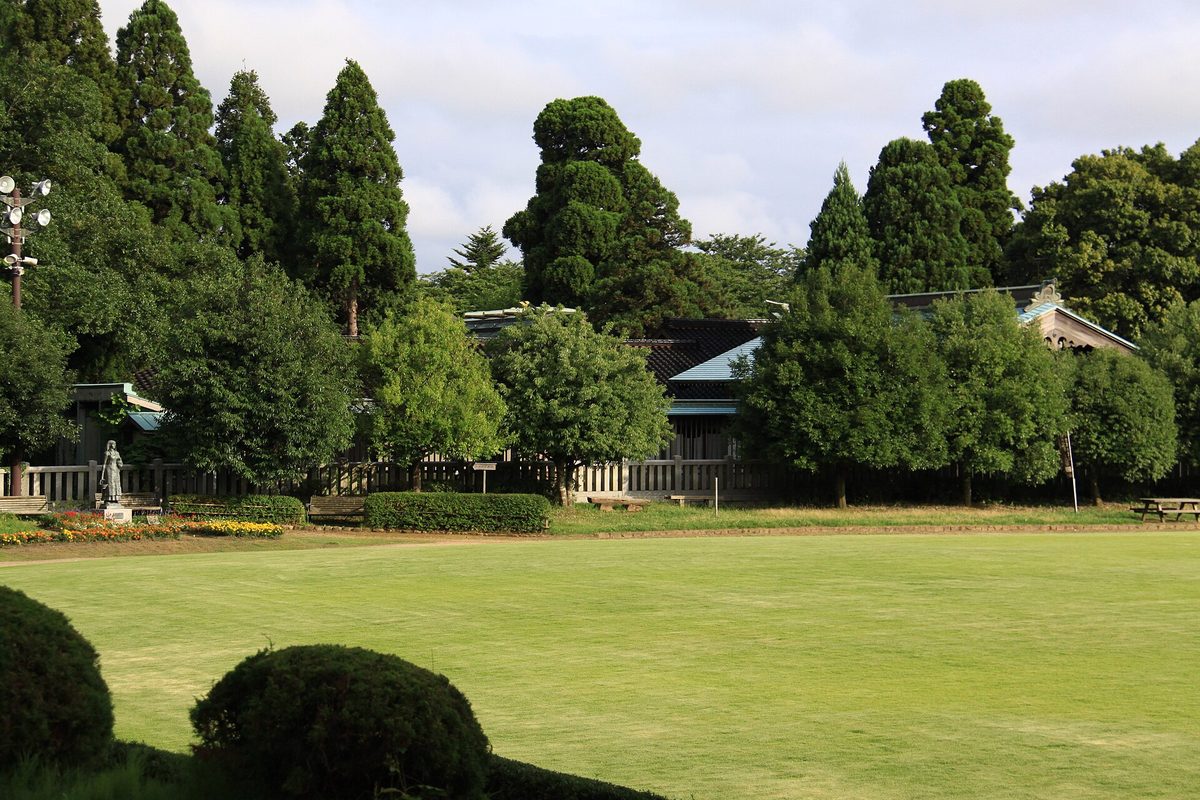
Photo: ChiefHira / CC BY-SA 3.0 (Wikimedia Commons) Sights · Daibutsu & Kojo Park
Takaoka Kojo Park
A national historic site on the grounds of Takaoka Castle, built by Maeda Toshinaga and opened as a park in the Meiji era, ringed by moats and trees in the center of town.
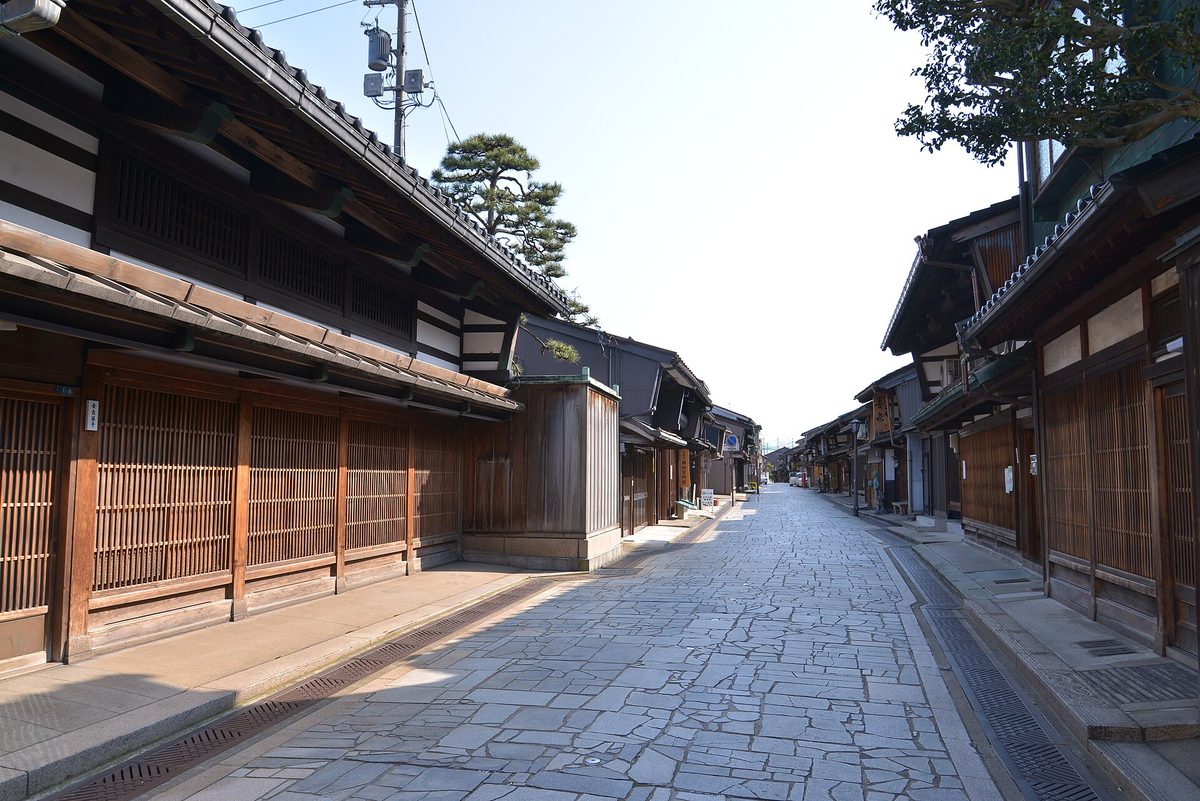
Photo: Isoyan / CC BY-SA 3.0 (Wikimedia Commons) Sights · Kanayamachi
Kanayamachi
The birthplace of Takaoka casting, where Maeda Toshinaga invited foundrymen when the town was founded. Lattice-front townhouses line a stone-paved street, designated a national preservation district.
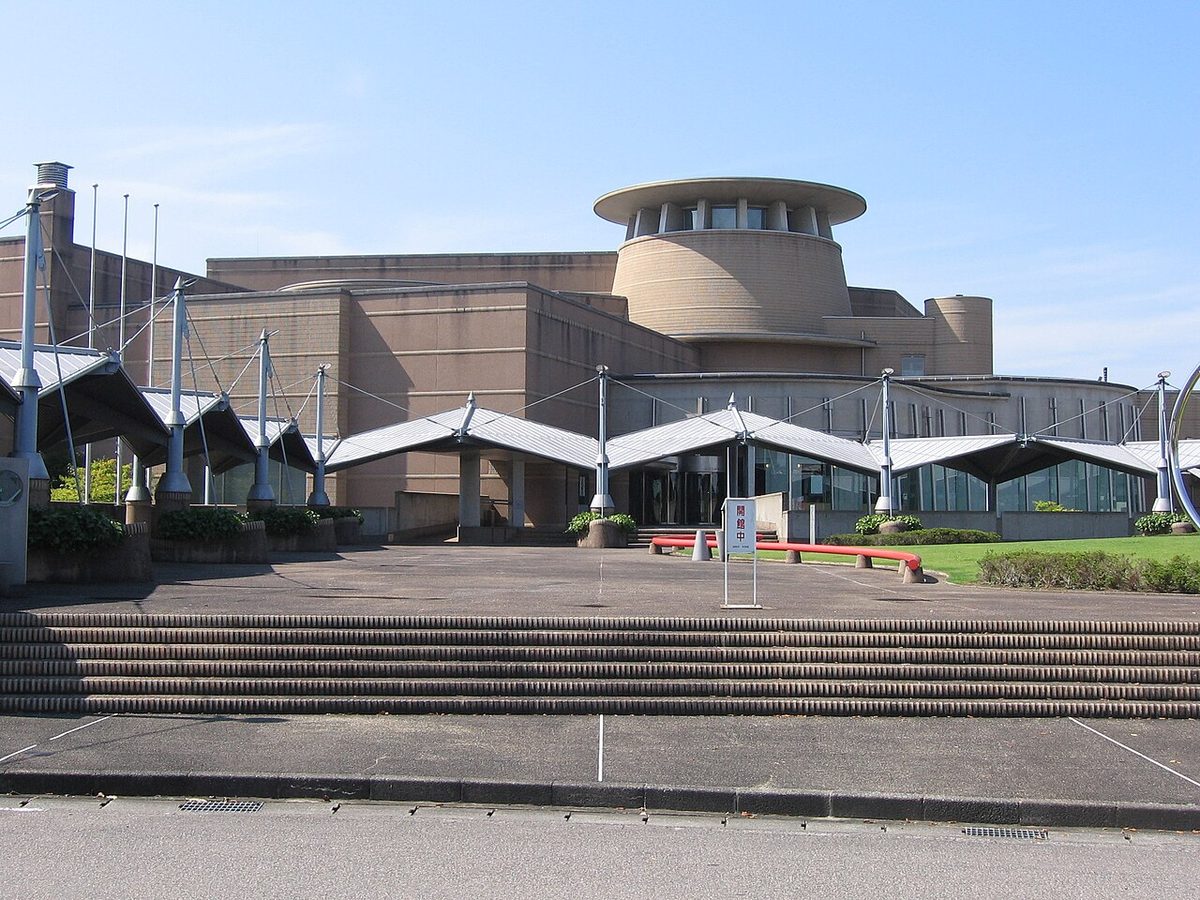
Photo: 柑橘類 (talk) / CC BY-SA 3.0 (Wikimedia Commons) Art · Daibutsu & Kojo Park
Takaoka Art Museum
The municipal art museum exhibiting fine art and crafts linked to Takaoka. Open 9:30 a.m. to 5 p.m. (last entry 4:30 p.m.); closed Mondays (or the following weekday if Monday is a holiday).
These are landmarks, not Rin's picks. Each was checked to be open on its official site (checked 2026-11-12). Please confirm hours before you go.
Day trips from Takaoka
Classics
- Higashi Chaya Districtabout 36 km
A historic district with preserved tea house architecture from the Edo period, offering a glimpse into traditional culture. Early morning walks are recommended.
- Kenrokuen Gardenabout 37 km
A Japanese garden built by the lords of the Kaga Domain, ranked as one of the Three Great Gardens of Japan, and offering beautiful seasonal scenery. Famous for snow-viewing ropes in winter and cherry blossoms in spring.
Hidden spots
- Amaharashi Coastabout 8 km
A scenic coastline where the 3,000-meter snow-capped Tateyama Mountain Range rises directly across Toyama Bay behind sea rocks. Clear winter mornings from November to March offer crisp snow-capped Tateyama peaks and sea mist at dawn.
- Shogawa Gorge Pleasure Boatabout 21 km
A deep river gorge in Tonami navigated by sightseeing boats all the way to Omaki Onsen, an inn accessible only by water. Peak seasons are late October–mid November for gorge foliage and January–February for snowy ink-wash scenery.
Distances are straight-line from the town centre. Each page has how to get there and a suggested day.