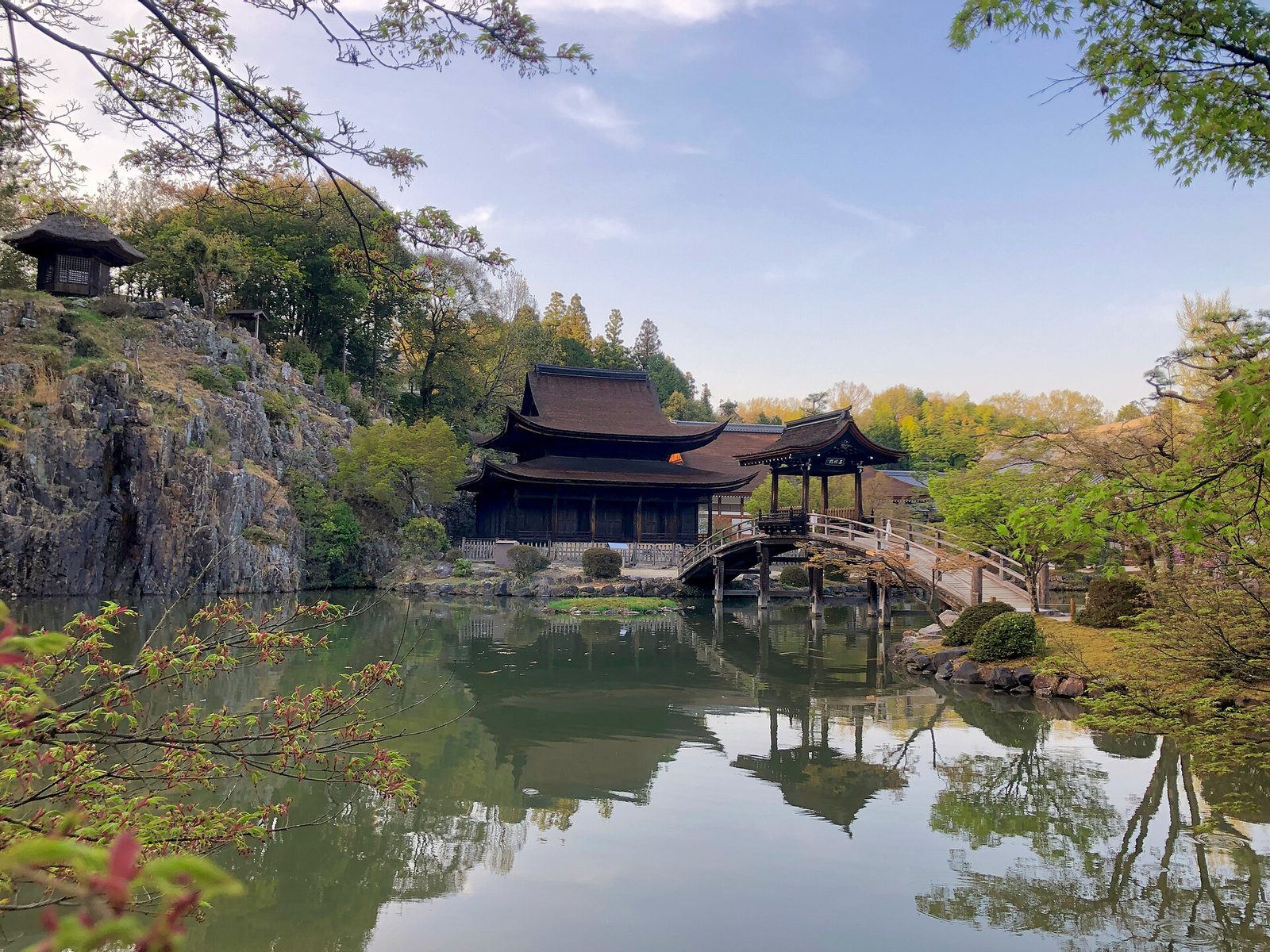
35.3° N
Tajimi
Gifu, Japan
A Mino ware town in a basin along the Toki River in southeastern Gifu. Kilns and galleries in Ichinokura and Kokeizan, mosaic-tile and craft shops along Honmachi Oribe Street and in Kasahara, then coffee and sweets: Rin's picks.
Tajimi, on film
4 sights and 13 places, each checked open in 2026, in 50 seconds.
Found somewhere you like? The map and the list below have the address, hours and official site.
Tap for sound
What to eat in Tajimi
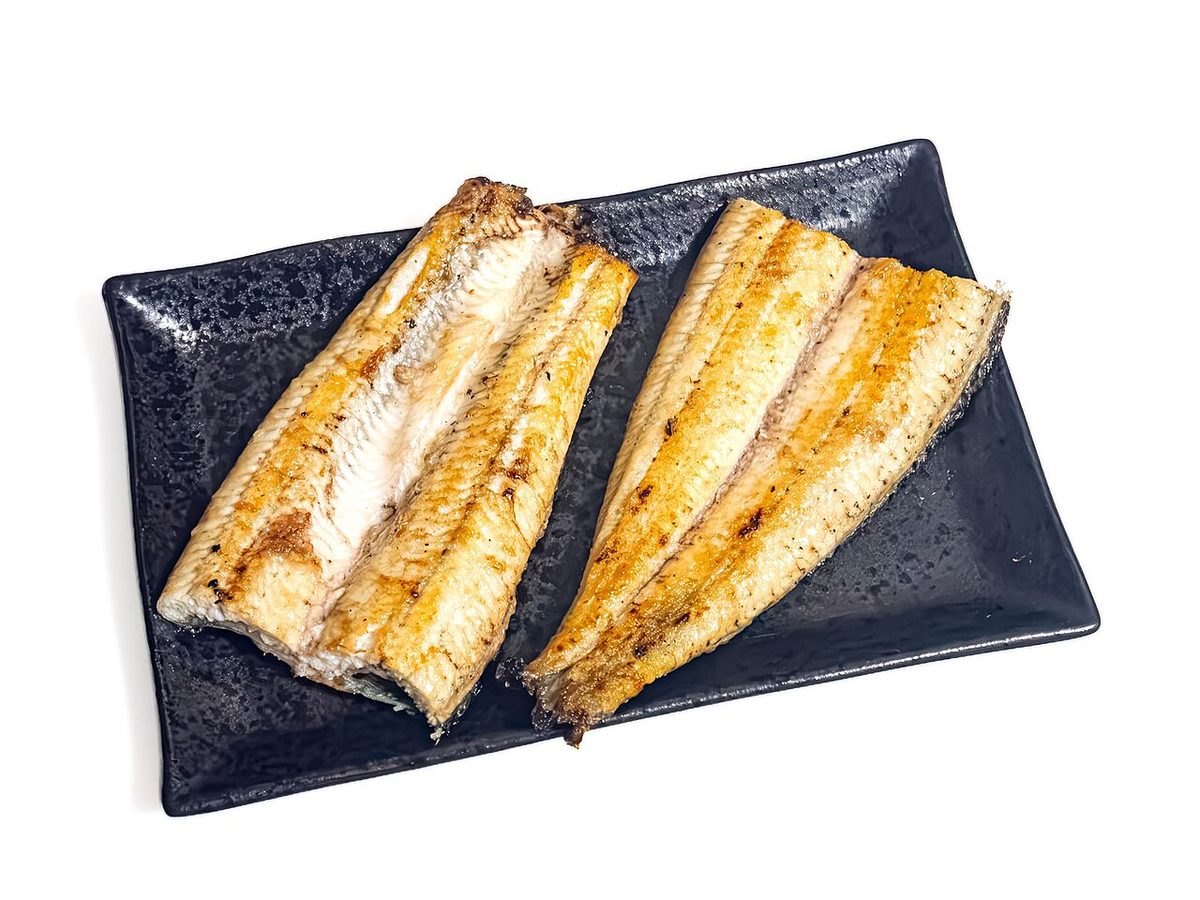
Photo: くろふね / CC BY 4.0 (Wikimedia Commons) Unagi (charcoal-grilled eel)
うなぎ
Freshwater eel split open and grilled directly over charcoal without steaming first, giving crisp skin and rich, savory flesh. Tajimi's pottery merchants and kiln workers historically ate it for stamina against both kiln heat and the city's fierce summer temperatures.
Most locals order it in a rice bowl (unadon) glazed with sweet soy tare and served with liver soup.
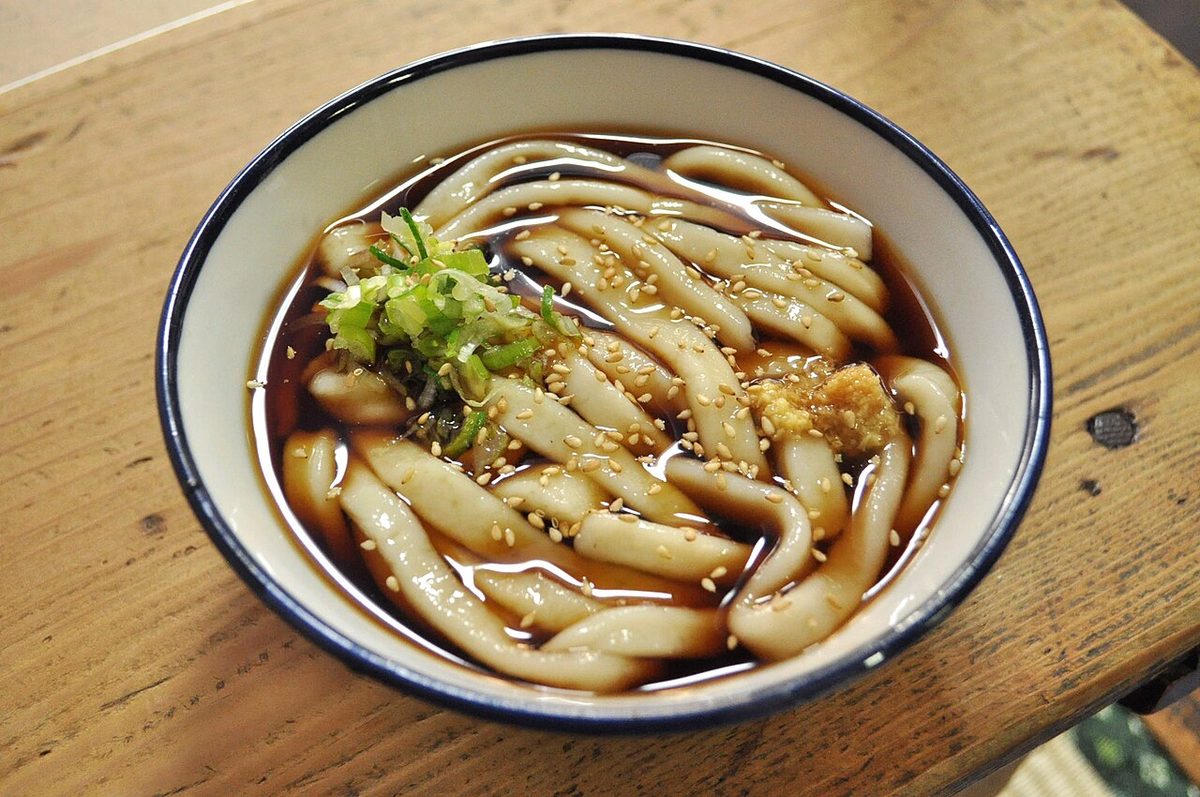
Photo: Ocdp / CC0 (Wikimedia Commons) Koro Udon (cold udon in savory broth)
ころうどん
Thick, chewy udon noodles served cold in a dark, fragrant broth made from bonito dashi and tamari soy sauce. Said to have originated at Tajimi's Shinanoya, the chilled dish became a local staple across the Tono region during hot summers.
Eaten cold year-round topped simply with scallions, grated ginger, and sesame, often paired at Shinanoya with a bowl of shina soba.
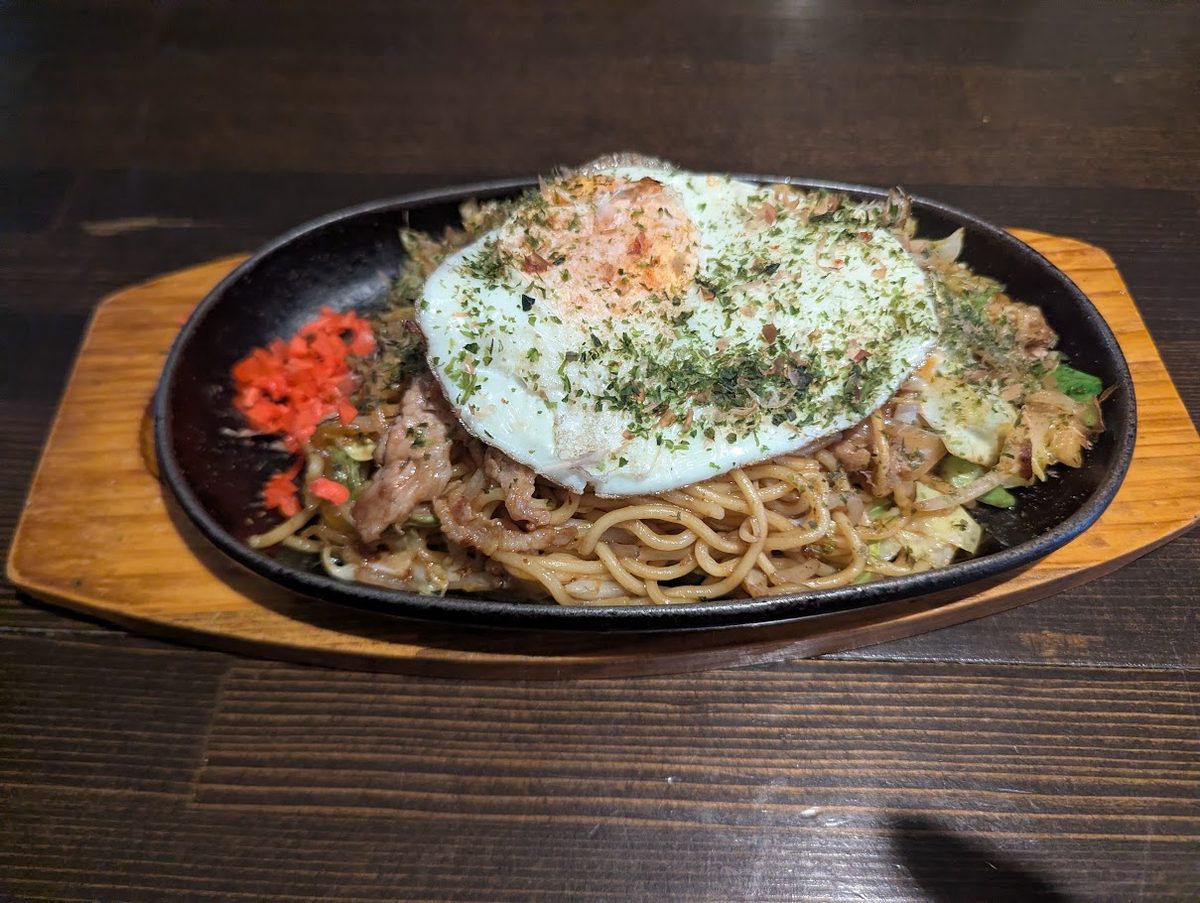
Photo: 大野 一将 / CC0 (Wikimedia Commons) Tajimiso Yakisoba (spicy miso fried noodles)
たじみそ焼きそば
Stir-fried noodles glazed in a sweet-and-spicy fermented miso sauce and topped with a soft-cooked fried egg. Created in 2010 for Tajimi's 70th-anniversary local food contest, the round egg yolk represents the bright sun over Japan's famously hot pottery town.
Break the runny yolk over the hot miso noodles to mellow the heat, or order it as a set meal with rice and miso soup.
Where Rin would go, on the map — or build your own route
Tap a mark to see the place; squares are museums and sights (landmarks). Use “Build your own route” to make a walk of your own.
Loading the map
Map data © OpenStreetMap contributors
Where Rin would go
Made in Tajimi: Mino ware ceramics4
All mino ware ceramics →1 / 5
Made in Tajimi
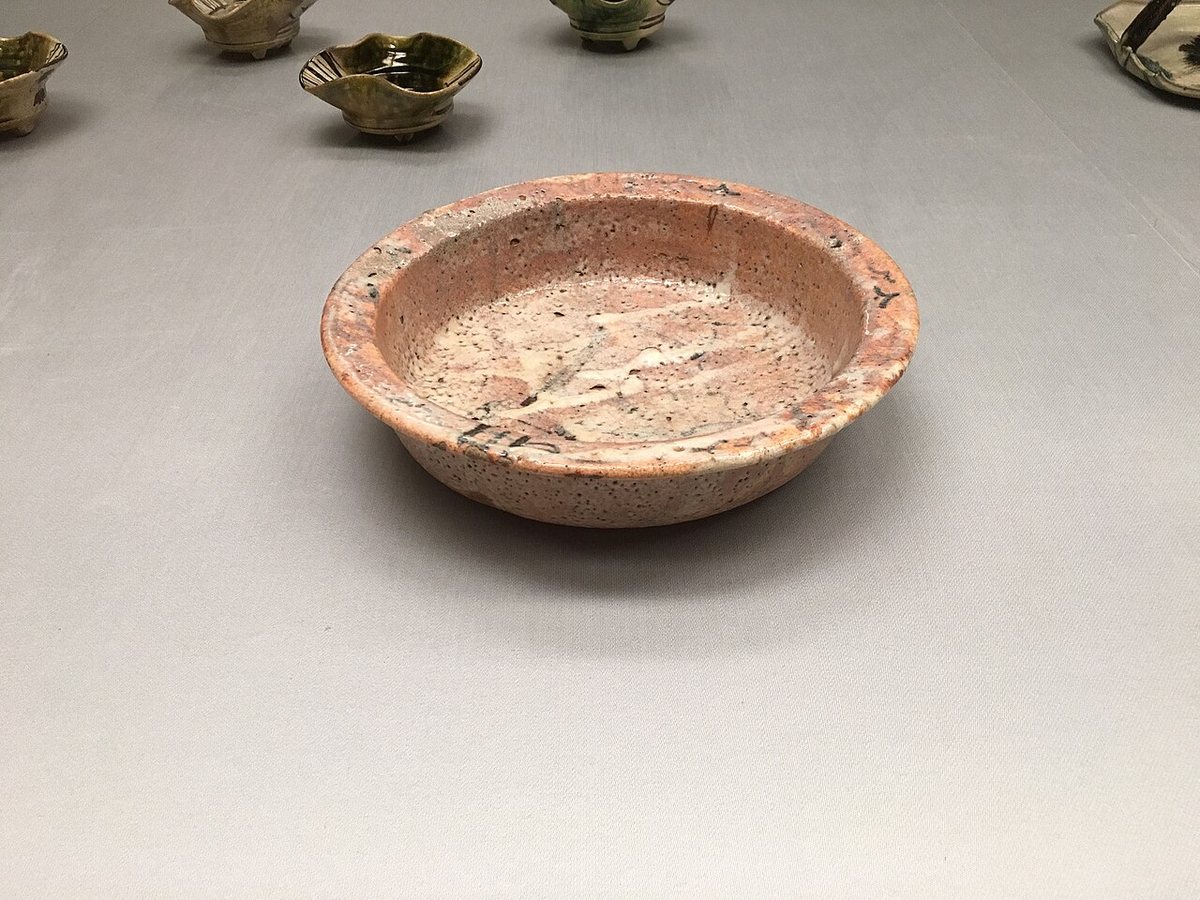
Tajimi is one of the centres of Mino ware, where kilns in areas such as Ichinokura still make Oribe, Shino and overglaze tableware by hand. Alongside historic kilns like Kobei-gama, founded in 1804, contemporary ceramic studios and Kasahara mosaic-tile workshops continue to work here.
A shallow Beni Shino style Mino ware stoneware bowl·Photo: Gryffindor / CC0 (Wikimedia Commons)
Kokeizan
3RD CERAMICS

Photo: the shop’s official page A ceramic maker team started in Tajimi in 2014, working between solo studio potters and large factories to make black-clay plates, teapots, bread plates and vases. Studio visits require prior contact via their web form.
2-16 Kokei-cho, Tajimi
RinI picked up the black-clay plates to choose one. I liked the dry feel of the clay.
Nagase & Tajimi Station
Zohogama
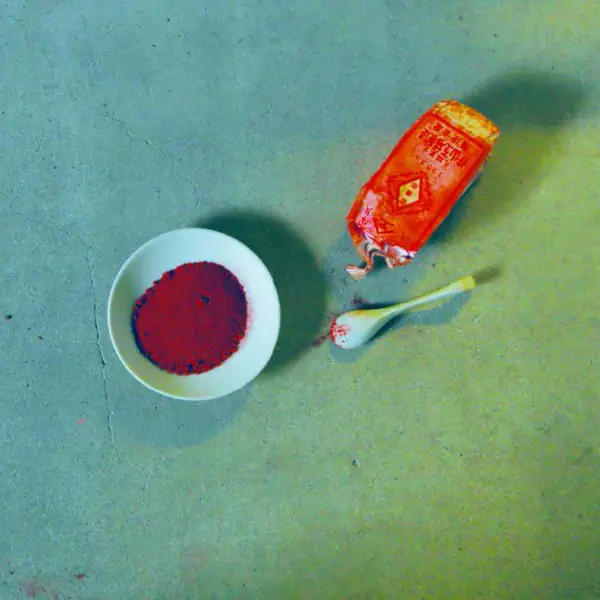
Photo: the shop’s official page 蔵珍窯
A Mino ware kiln in Taihei-cho making hand-painted red-overglaze and blue-and-white tableware using rare Momiji-jirushi bengala pigment. Its shop Tsubakian opens 10:00–17:00 and Kissaten zoho 10:00–16:00; closed Wednesdays and Sundays.
10:00–17:00 (cafe 10:00–16:00, last order 15:30) · Closed: Wednesdays & Sundayschecked Nov 2026
6-87 Taihei-cho, Tajimi
RinI looked at the red-overglaze ware at Tsubakian. The hand-painted red was deep.
Ichinokura
Kobei-gama

Photo: the shop’s official page 幸兵衛窯
A kiln in Ichinokura founded in 1804, carrying on the Persian lusterware revived by Living National Treasure Kato Takuo alongside wood-fired Shino, Oribe and Kiseto wares. Grounds include galleries and an archive museum; shopping only is free.
Weekdays & 1st/3rd Sat 9:00–17:00, Sun, holidays & 2nd/4th Sat 10:00–17:00 · Closed: Year-end and New Year's holidays, summer vacation, and other company holidays
4-124 Ichinokura-cho, Tajimi
RinI saw the lusterware in the gallery. The dull gleam of light on the glaze was lovely.
Kasahara
Sazendo
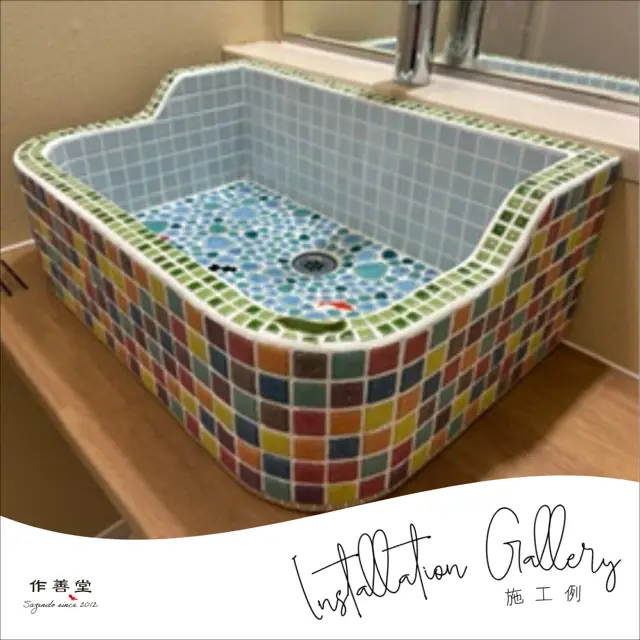
Photo: the shop’s official page 作善堂
A mosaic-tile sink studio and direct tile shop in Kasahara, reopened together in April 2025. Craft tiles can be bought on site and tile sinks viewed; custom orders require a reservation.
Weekdays 10:00–12:00, 13:30–16:00 · Closed: Saturdays, Sundays, national holidays, Golden Week, Obon, Year-end/New Year
2724-1 Kasahara-cho, Tajimi
RinI picked through the craft tiles. The glossy glazes were pretty, so I bought a few.
Craft3
All craft →1 / 3
Honmachi Oribe Street
THE GROUND MINO

Photo: the shop’s official page A ceramics complex in the middle of Honmachi Oribe Street dedicated to expressing clay, bringing together shops, galleries, studios, a lab and restaurants.
Thu–Tue 10:00–18:00 · Closed: Wednesdays and irregular holidays
6-2 Honmachi, Tajimi
RinI walked the gallery and shops, then rested at a café on site. Great range of clay.
Honmachi Oribe Street
Glass Studio Tutti

Photo: the shop’s official page ガラス工房Tutti
A glass studio founded in 2019 inside KoyaKoya on Honmachi Oribe Street, carving custom and named glassware by sandblasting. Open 10:00–16:00, closed Wednesdays.
10:00–16:00 · Closed: Wednesdayschecked Nov 2026
KoyaKoya, 6-60 Honmachi, Tajimi
RinI held the carved glass to the light. The frosted pattern stood out softly; I lingered.
Kokeizan
Galerie Momogusa
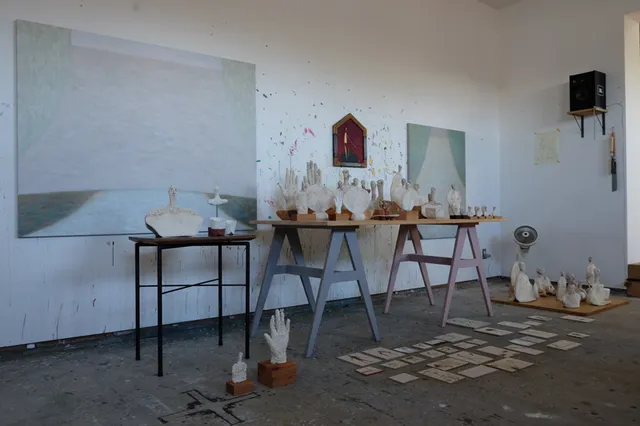
Photo: the shop’s official page ギャルリ百草
A gallery of everyday craft in Toei-cho holding permanent displays and solo exhibitions, with the attached restaurant OYA. Open 11:00–18:00; closed between exhibitions.
Closed: Irregular holidays (closed between exhibitions; e.g. Nov 24–27, 2026)
2-8-16 Toei-cho, Tajimi
RinI looked at the permanent vessels and stopped by OYA. The quiet space suited the work.
Sweets3
All sweets →1 / 3
Honmachi Oribe Street
Umezono Kashiho
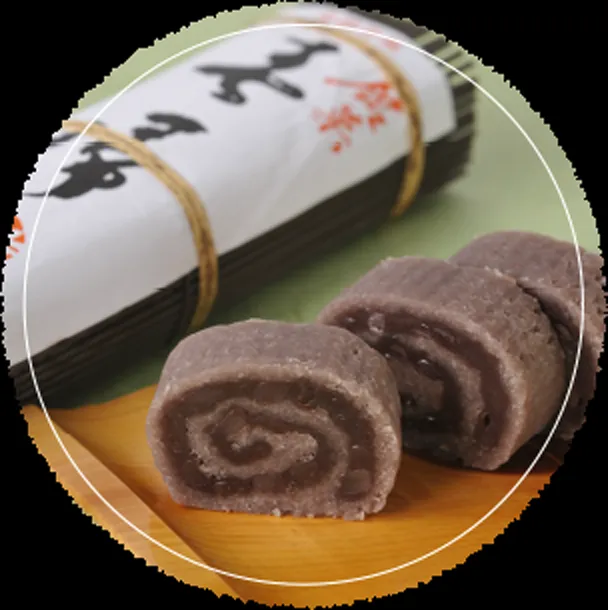
Photo: the shop’s official page 梅園菓子舗
A wagashi shop founded in 1916, known for dorayaki filled with Hokkaido azuki bean paste simmered for three days, chestnut and butter. Open 9:00–18:00; closed Wednesdays and 1st/3rd Thursdays. Cash only.
9:00–18:00 · Closed: Wednesdays, 1st & 3rd Thursdays
1-2-6 Shinmachi, Tajimi
RinI bought the chestnut and butter dorayaki. The salty butter balanced the sweet bean.
Kasahara
Toshoken
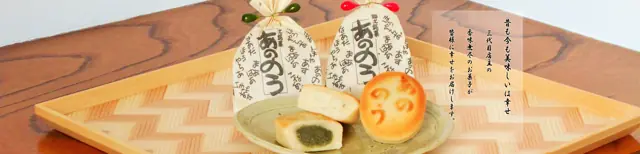
Photo: the shop’s official page 御菓子司 陶勝軒
A wagashi shop founded in 1929, three minutes on foot from the Tajimi Mosaic Tile Museum, making its signature Anonou and Edible Mosaic Tile sweets. Open 9:00–18:00; closed Tuesdays and Wednesdays.
9:00–18:00 · Closed: Tuesdays & Wednesdayschecked Nov 2026
2127-1 Kasahara-cho, Tajimi
RinI bought Edible Mosaic Tiles. Their small, colourful squares looked like real tile.
Kokeizan
Pain Boutique Pieds Nus
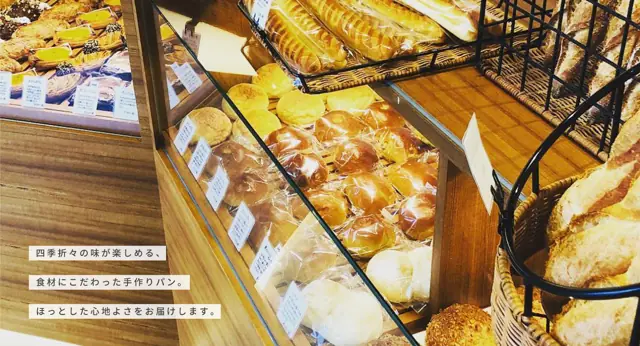
Photo: the shop’s official page パンブティック ピエニュ
A small bakery in Sumiyoshi-cho whose name means 'barefoot' in French, baking unadorned, wheat-forward loaves and breads. Open 9:30–18:30 until sold out; closed Tuesdays and Wednesdays.
9:30–18:30 (until sold out) · Closed: Tuesdays & Wednesdayschecked Nov 2026
Fine Bldg Sumiyoshi II 205, 7-29-6 Sumiyoshi-cho, Tajimi
RinI bought a wheat loaf. The more I chewed, the more the plain sweetness of flour came out.
Food1
All food →Nagase & Tajimi Station
Higashimino
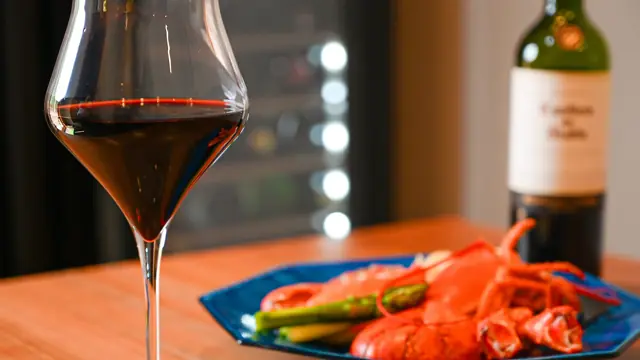
Photo: the shop’s official page 東美濃
A Japanese restaurant three minutes on foot from JR Tajimi Station: Sobaya Higashimino for hand-cut ni-hachi soba and tempura at lunch (11:00–14:00), and reservation-only omakase seafood and tempura at night. Closed Thursdays.
11:00–14:00 (last order), 17:30–20:00 (last entry) · Closed: Thursdays (plus summer & winter holidays)
2-18 Honmachi, Tajimi
RinI had the ni-hachi soba and tempura for lunch. Aromatic soba and a light batter.
Cafés2
All cafés →1 / 2
Honmachi Oribe Street
COTORA COFFEE
A specialty coffee café opened in March 2023 on Hirokoji, serving traceable farm-specific beans along with morning and lunch sets. Open 9:00–18:00; closed Mondays, the last Tuesday, and the 2nd or 3rd Tuesday.
9:00–18:00 (last order 17:30) · Closed: Mondays, 2nd or 3rd Tuesday, and last Tuesday
2-56 Hirokoji, Tajimi
RinI had a morning cup from a traceable farm. The clean acidity went down easily.
Kokeizan
Coffee Kobo Mameya
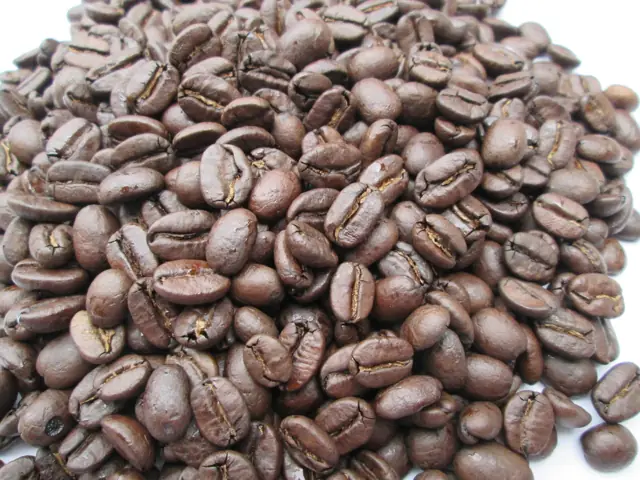
Photo: the shop’s official page 珈琲工房 豆家
A coffee roaster and café in Kokeizan-cho roasting 30 varieties of beans from around the world, with Mameya Café serving morning sets and homemade cakes. Open 8:00–18:30; closed Wednesdays.
Thu–Tue 8:00–18:30 · Closed: Wednesdays
2-63 Kokeizan-cho, Tajimi
RinI ordered house-roasted coffee and homemade cake. A gentle bitterness; it settled me.
Rin is a fictional traveller. Every place here was checked by the editors to exist and be open (checked 2026-11-12). Please confirm hours on the official site before you go. Paid listings are always marked. If you are the shop and would like a photo removed, write to editor@vual.jp and we will take it down at once.
To see — art and sights (landmarks)
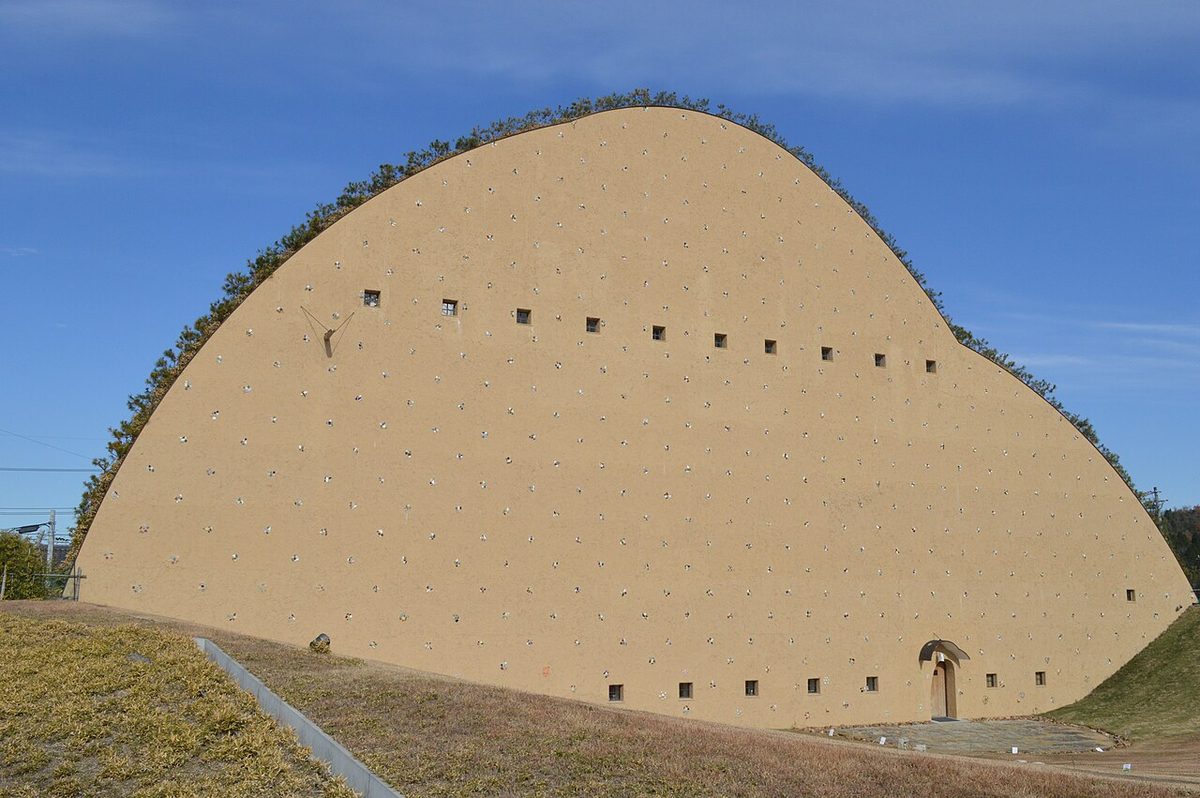
Photo: Asturio Cantabrio / CC BY-SA 4.0 (Wikimedia Commons) Art · Kasahara
Tajimi Mosaic Tile Museum
A municipal tile museum in Kasahara, a centre of glazed porcelain mosaic tiles, in a clay-hill building designed by Fujimori Terunobu. Open 9:00–17:00; closed Mondays (the following weekday if a holiday).
In November, open on Monday the 23rd (holiday) and closed Tuesday the 24th. Closed for the year-end holidays from 28 December to 4 January.
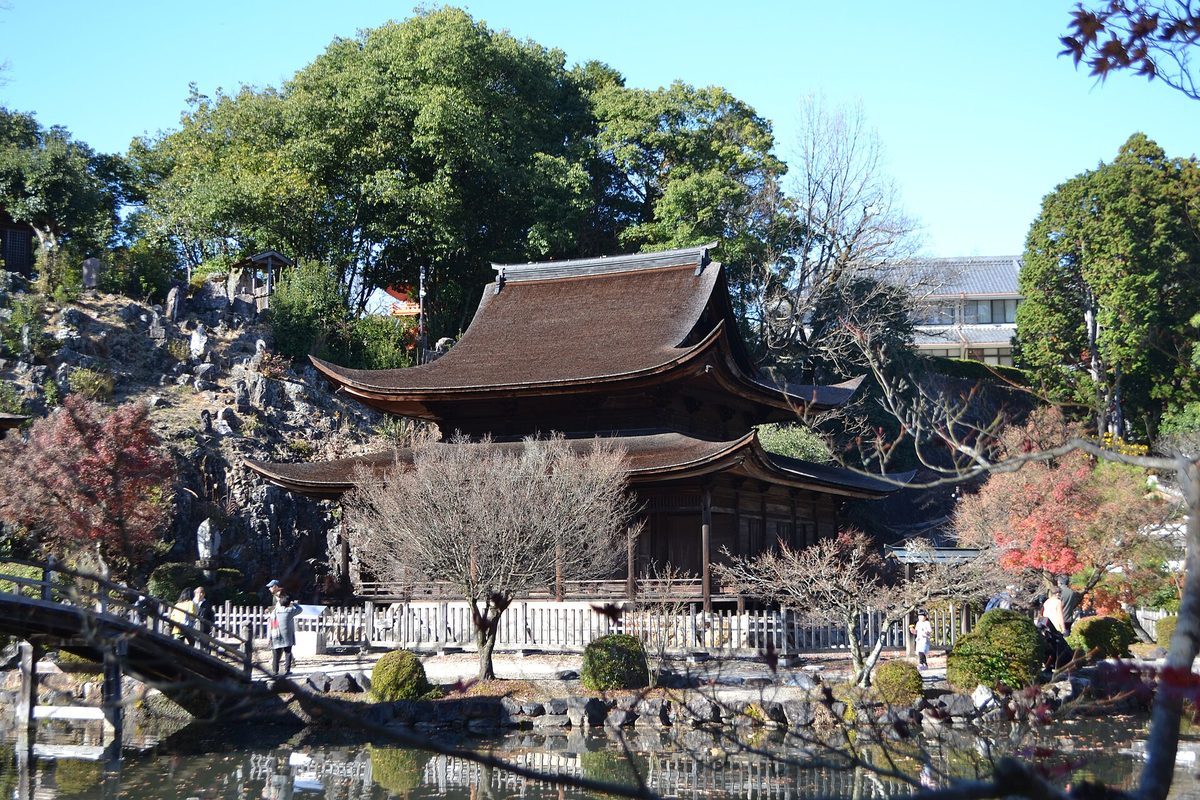
Photo: 先従隗始 / CC0 (Wikimedia Commons) Sights · Kokeizan
Kokeizan Eihoji Temple
A Rinzai Zen temple founded by Muso Soseki in 1313. Its Kaisando and Kannondo halls are National Treasures, and the pond garden in front of the Kannondo is a national Place of Scenic Beauty. Grounds open 7:00–17:00.
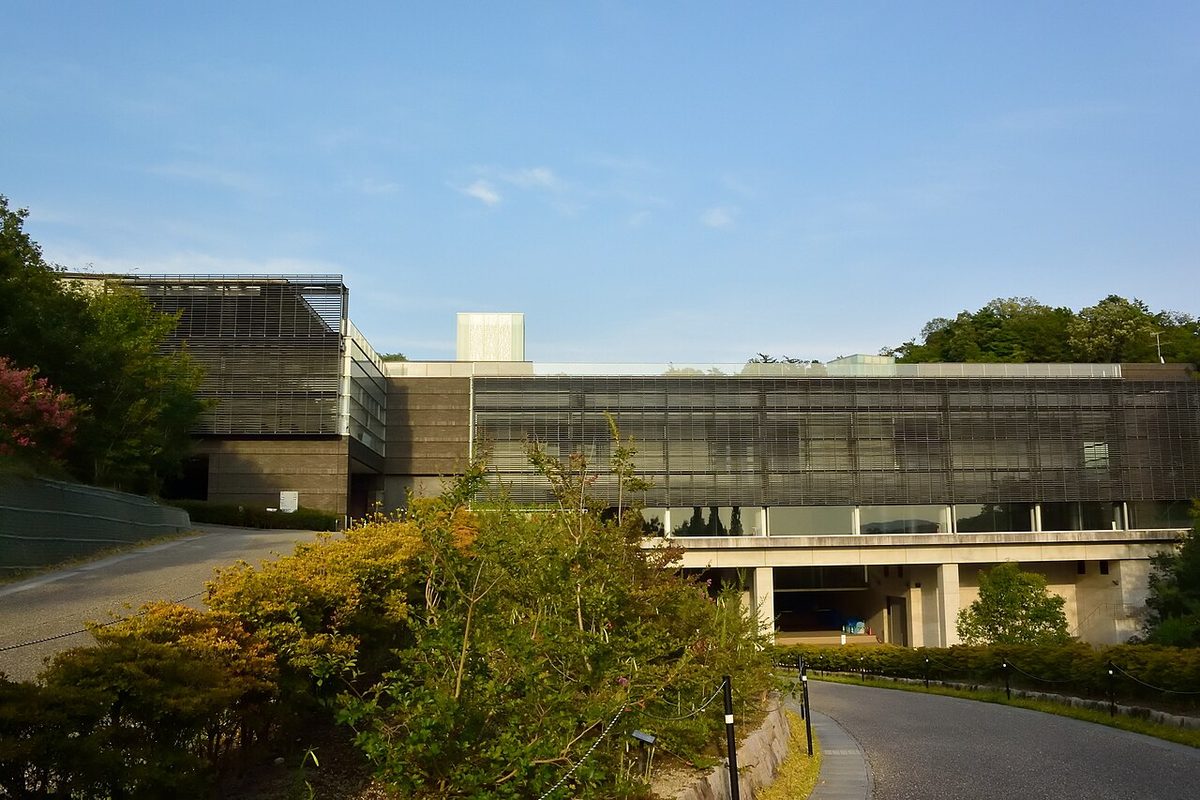
Photo: コヲダ / CC BY-SA 4.0 (Wikimedia Commons) Art · Higashimachi
Museum of Modern Ceramic Art, Gifu
The prefectural museum of modern and contemporary ceramics inside Ceramic Park MINO, designed by Isozaki Arata. Open 10:00–18:00 (last entry 17:30).
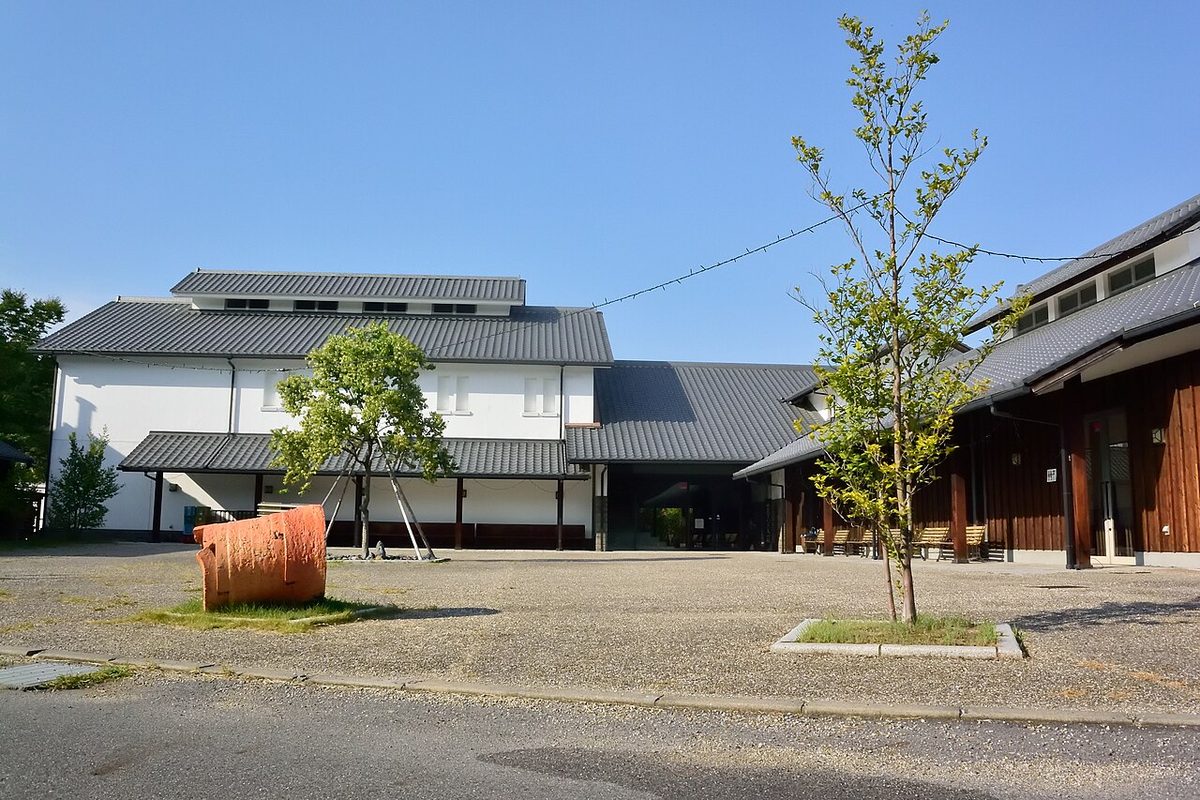
Photo: コヲダ / CC BY-SA 4.0 (Wikimedia Commons) Art · Ichinokura
Ichinokura Sakazuki Art Museum
A museum of sake cups in the pottery village of Ichinokura, with Gallery Sora and a mosaic-tile craft corner inside. Open 10:00–17:00; closed Tuesdays and Wednesdays (open on holidays).
These are landmarks, not Rin's picks. Each was checked to be open on its official site (checked 2026-11-12). Please confirm hours before you go.
Day trips from Tajimi
Classics
- Inuyama Castleabout 18 km
Inuyama Castle is a national treasure with the oldest surviving donjon in Japan, built in the Muromachi period. Spring (cherry blossoms) and Autumn (maple leaves) are best; go in the morning to avoid crowds.
- Nagoya Castleabout 27 km
A symbol of Nagoya, built by Tokugawa Ieyasu. Open year-round; spring cherry blossoms are beautiful.
Hidden spots
- Kokeizan Eihouji Temple
A 14th-century Zen temple in Tajimi featuring two National Treasure halls, a nationally designated pond garden, and a 700-year-old ginkgo tree. Autumn foliage and the 700-year-old ginkgo peak in mid-to-late November; early morning (7:00–9:00) is quietest.
- Mino Udatsu Old Town & Oyada Shrineabout 32 km
An Edo-era paper-merchant street lined with raised 'udatsu' fire-walls paired with Oyada Shrine's valley of 3,000 wild maples. Oyada Shrine maple valley peaks mid-to-late November; Udatsu Old Town shines during the April Mino Festival and October Akari Art.
Distances are straight-line from the town centre. Each page has how to get there and a suggested day.