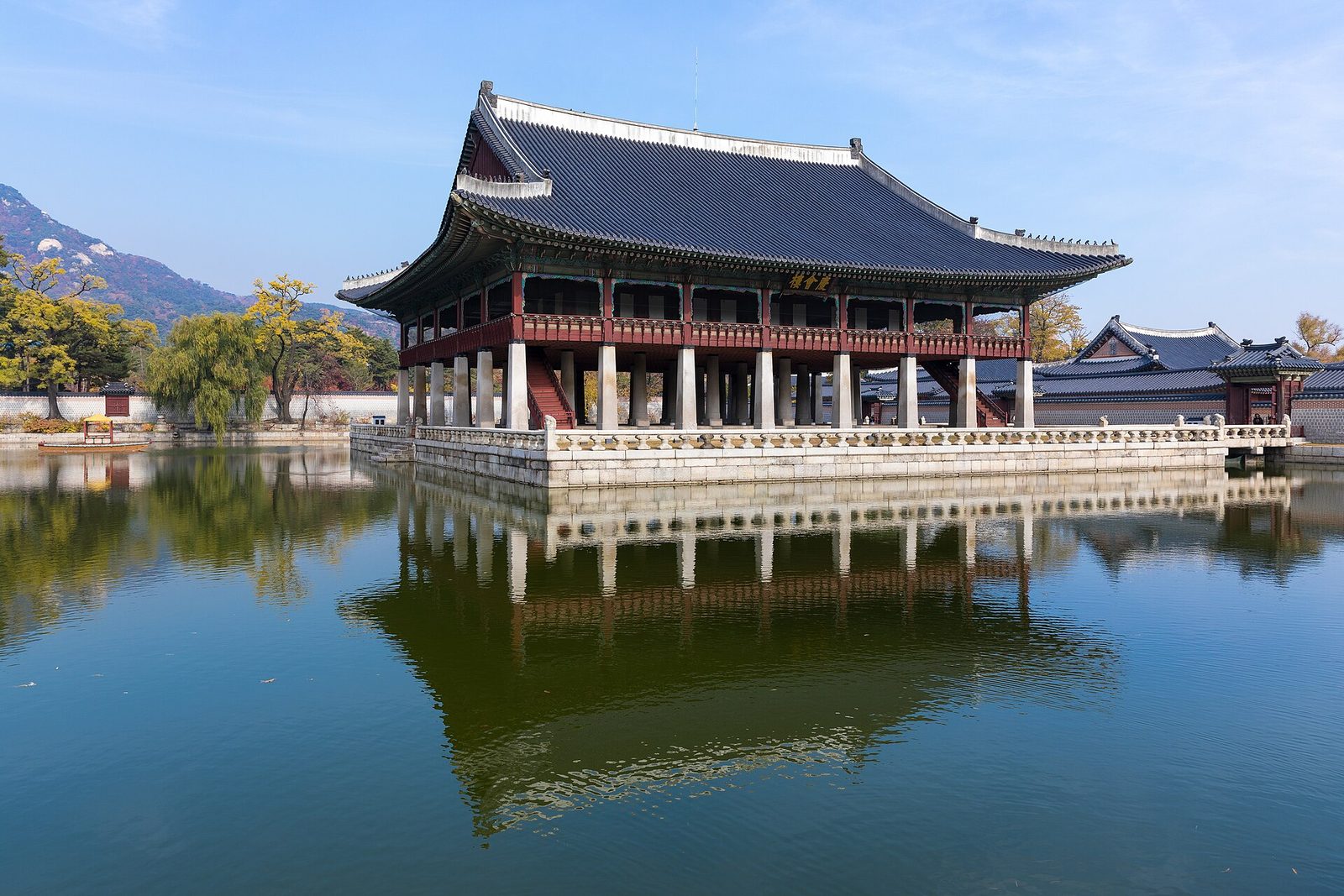
37.6° N
Seoul
South Korea
A city set amid mountains along the Han River, connected to Incheon International Airport in under an hour by the AREX airport train. Craft shops and hanok lanes in Insadong, Bukchon, Seochon and Ikseon-dong, market kitchens in Gwangjang and Gyeongdong, and warm broth, tea and coffee for cold winter days: Rin's picks.
Seoul, on film
7 sights and 17 places, each checked open in 2026, in 51 seconds.
Found somewhere you like? The map and the list below have the address, hours and official site.
Tap for sound
What to eat in Seoul
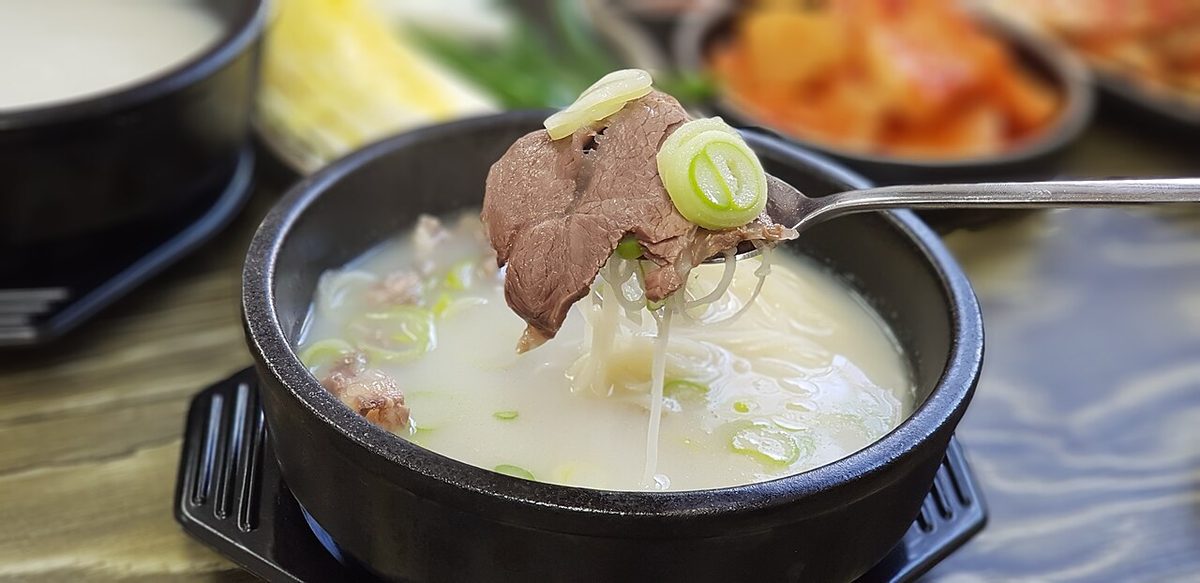
Photo: 이동원 / CC0 (Wikimedia Commons) Seolleongtang (ox bone soup)
ソルロンタン
A milky-white soup simmered slowly for hours from ox bones, brisket, and other cuts of beef. Rooted in Joseon-era Seoul—traditionally traced to royal harvest rituals at Seonnongdan altar—it has long been an everyday staple of old Jongno.
Served piping hot with rice and thin wheat noodles, unseasoned so diners add salt, black pepper, and chopped scallions alongside radish kimchi.
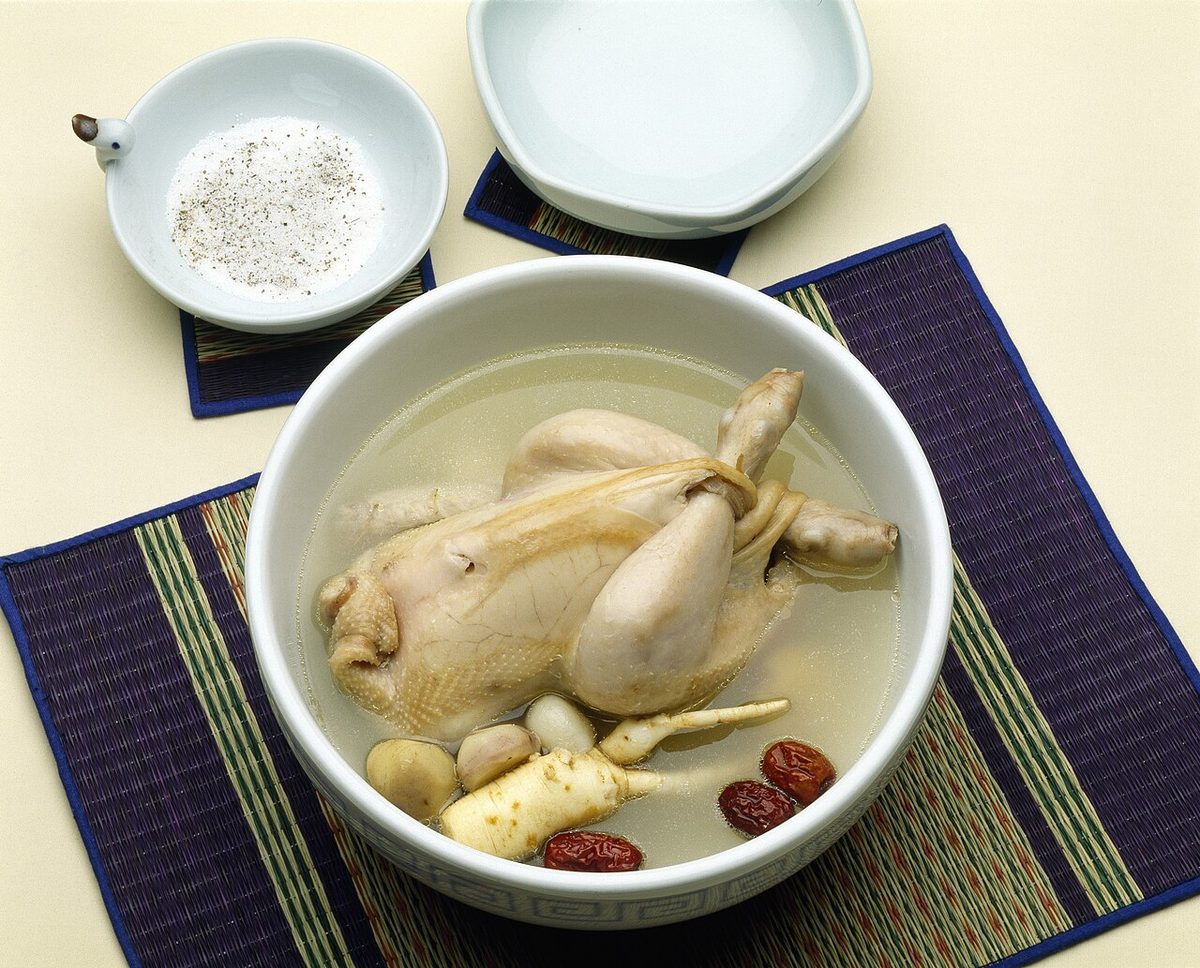
Photo: wizdata / CC0 (Wikimedia Commons) Samgyetang (ginseng chicken soup)
サムゲタン
A whole young chicken stuffed with glutinous rice, fresh ginseng, jujubes, and garlic, simmered in an earthenware pot until tender. It developed in mid-20th-century Seoul restaurants from traditional boiled chicken as fresh ginseng became widely available.
Eaten piping hot—especially on the hottest summer sambok days to restore stamina—with the chicken dipped in salt and pepper.
Where to eat it
- Tosokchon Samgyetang ↓
- Goryeo SamgyetangWebsiteMap
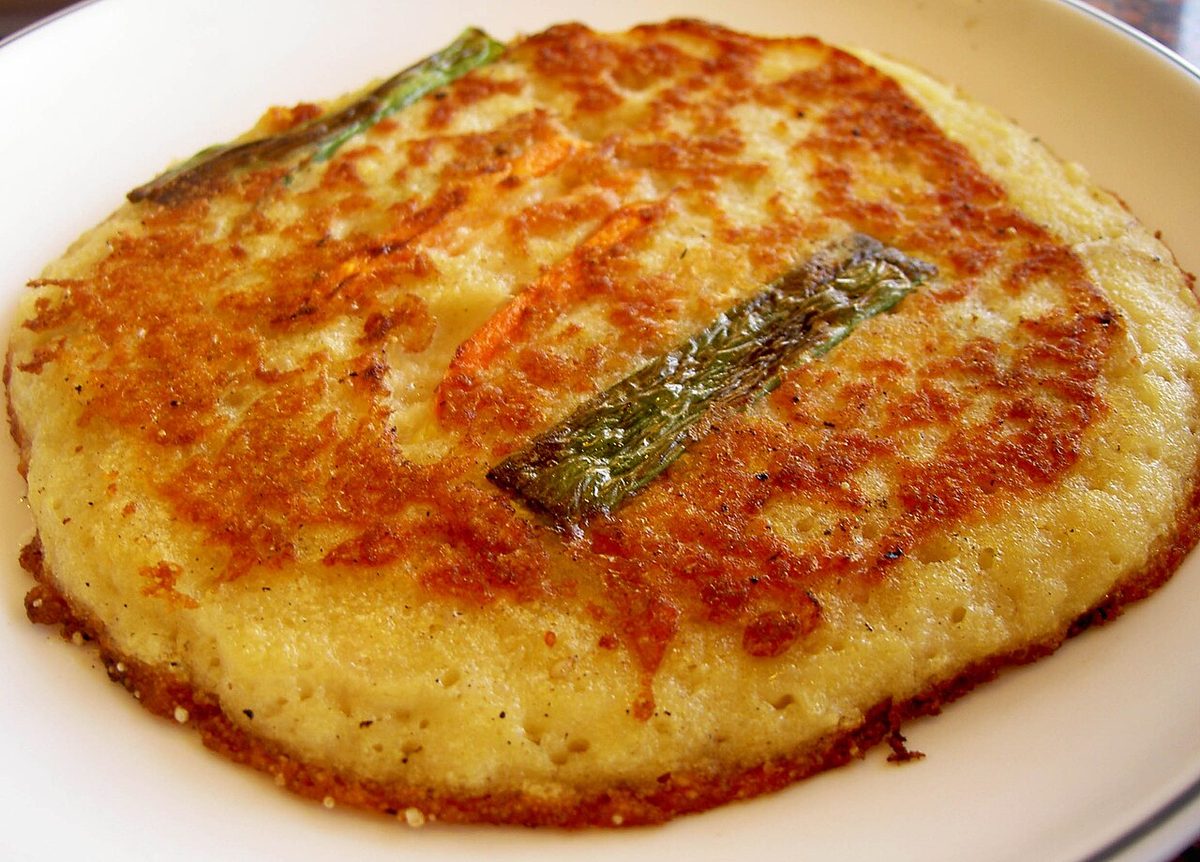
Photo: by Tales of an LA Addict (Abby) at Flickr / CC BY-SA 2.0 (Wikimedia Commons) Bindaetteok (mung bean pancake)
ピンデトッ
A thick savory pancake made from stone-milled soaked mung beans mixed with pork, kimchi, and vegetables and fried crisp in oil. Rooted in Joseon-era Seoul, it is closely associated with the food stalls of Jongno's Gwangjang Market.
Eaten fresh off the griddle dipped in onion soy sauce, often shared at market counters alongside chilled makgeolli rice wine.
Where to eat it
- Soonhee-ne Bindaetteok ↓
- Parkgane BindaetteokWebsiteMap
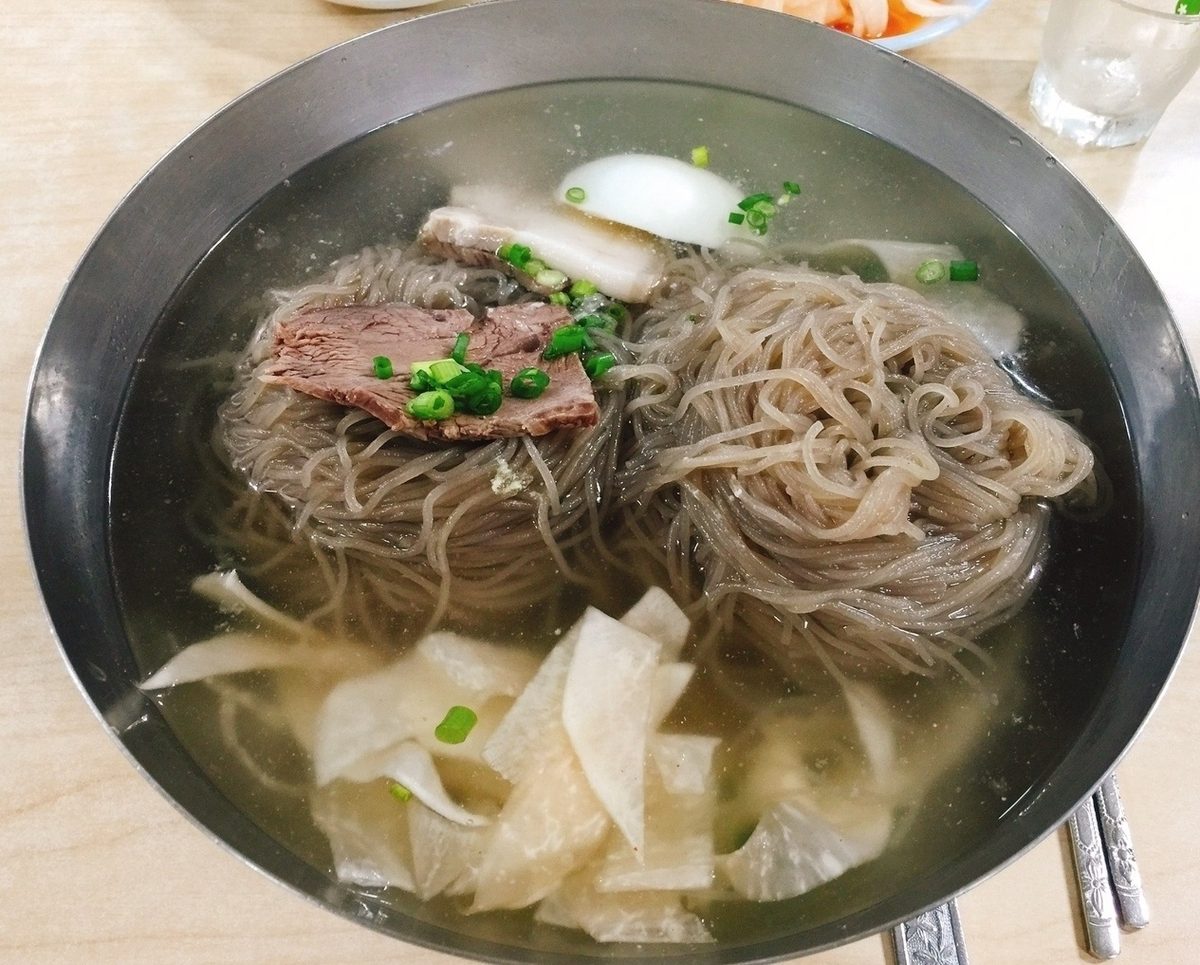
Photo: Hj03064 / CC BY-SA 4.0 (Wikimedia Commons) Pyeongyang naengmyeon (cold buckwheat noodles)
平壌冷麺
Chilled buckwheat noodles served in a clear, subtle beef and radish-brine broth topped with sliced beef, pickled radish, and egg. Brought south by northern refugees in the mid-20th century, it took deep root in central Seoul's Jongno and Euljiro neighborhoods.
Sipped straight from the bowl before adding mustard or vinegar, often paired with boiled pork or beef slices.
Where Rin would go, on the map — or build your own route
Tap a mark to see the place; squares are museums and sights (landmarks). Use “Build your own route” to make a walk of your own.
Loading the map
Map data © OpenStreetMap contributors
Where Rin would go
Made in Seoul: Korean Tableware & Crafts4
All korean tableware & crafts →1 / 5
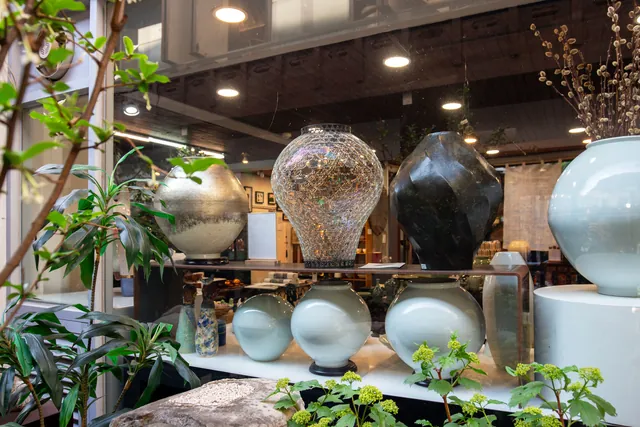
Made in Seoul
Insadong and Bukchon in Jongno remain a centre for Korean crafts, from antique galleries to workshops for forged bangjja brassware, white porcelain, celadon and lacquer. Everyday bowls, cups and wooden trays made by older methods sit alongside contemporary studio work.
Korean Tableware & Crafts at Tong-In Store·Photo: Tong-In Store (official site)
Insadong
Tong-In Store
Photo: the shop’s official page Tong-In Store (통인가게)
A craft shop and gallery in Insadong founded in 1924. Its 1973 building houses contemporary ceramics, lacquer, woodwork and hanji on the ground floor, with antiques and exhibition rooms upstairs. The gallery and antique floors are closed on Mondays and public holidays.
Mon–Sat 10:30–18:30, Sun & Public Holidays 12:00–17:00
32 Insadong-gil, 03148, Jongno-gu, Seoul
RinLook at the contemporary vessels downstairs before going up to the antiques.
Insadong
Napcheongnotjeon
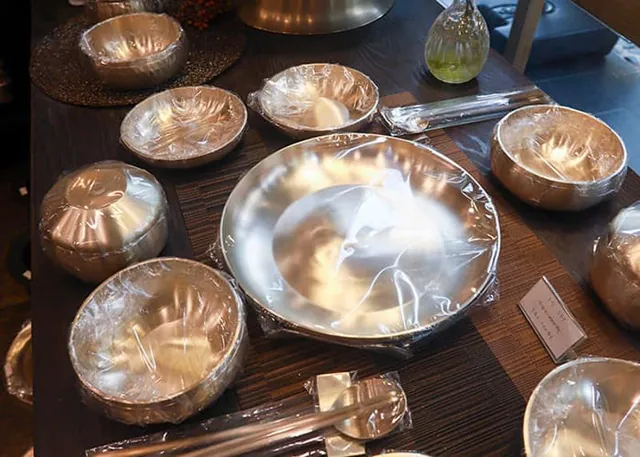
Photo: the shop’s official page Napcheongnotjeon (납청놋전)
A specialist shop for forged bangjja brassware in Insadong since 1986, showing work by Important Intangible Cultural Property holder Lee Bong-joo and his son Lee Hyung-geun. Open daily 10:30 to 18:30.
Daily 10:30–18:30
5, Insa-dong 10-gil, 03146, Jongno-gu, Seoul
RinHold the hand-forged brass and see its muted sheen up close.
Insadong
Craft Jangsaengho
Craft Jangsaengho (공예 장생호)
A craft select shop on Insadong 10-gil carrying modern white porcelain, lacquerware and brass utensils by Korean makers. Open daily 11:00 to 19:00.
23-4, Insadong 10-gil, 03148, Jongno-gu, Seoul
RinCompare the white porcelain cups and wooden trays one by one.
Bukchon
Kwangjuyo Bukchon
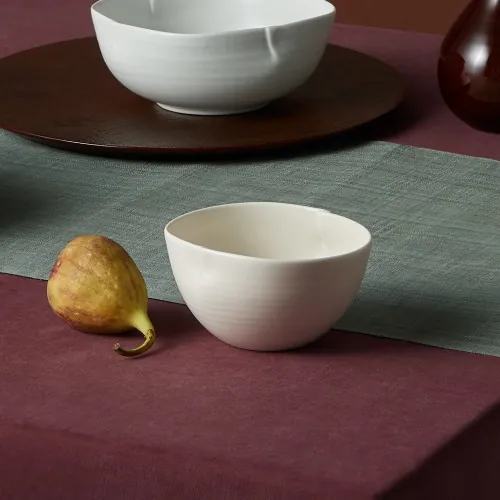
Photo: the shop’s official page Kwangjuyo Bukchon (광주요 북촌점)
The Bukchon shop of the ceramic house Kwangjuyo in a quiet hanok lane, showing everyday white porcelain, celadon and buncheong tableware and cups. Open 10:00 to 17:00; closed Lunar New Year and Chuseok.
B1, 60-3 Bukchon-ro 11-gil, 03052, Jongno-gu, Seoul
RinFeel the rim of the white porcelain bowls and small cups with your fingers.
Made in Seoul: Traditional Markets & Herbal Trade3
All traditional markets & herbal trade →1 / 4
Made in Seoul
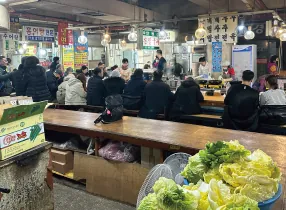
Gwangjang Market, opened in 1905, and Gyeongdong Market, Korea's largest herbal medicine hub, keep Seoul's everyday market kitchens going year-round. Stone-milled mung bean pancakes, beef tartare and hand-cut kalguksu noodles are cooked to order beside wholesale stalls.
Traditional Markets & Herbal Trade at Andongjip Sonkalguksi·Photo: Andongjip Sonkalguksi (official site)
Gwangjang Market
Buchon Yukhoe
Buchon Yukhoe (부촌육회)
A fixture on Gwangjang Market's Yukhoe Alley since the 1960s, serving Korean beef tartare with julienned pear and egg yolk, and yukhoe bibimbap. Open year-round indoors in the market.
200-12 Jong-ro, 03195, Jongno-gu, Seoul
RinThe yukhoe comes with julienned pear; start with a bite on its own.
Gwangjang Market
Soonhee-ne Bindaetteok
Soonhee-ne Bindaetteok (순희네빈대떡)
A stall in Gwangjang Market's covered arcade grinding soaked mung beans on stone mills and frying crisp bindaetteok pancakes and pork wanja patties, served with onion-soy sauce.
5 Jong-ro 32-gil, 03195, Jongno-gu, Seoul
RinEat the stone-milled mung bean pancake hot off the griddle.
Gyeongdong Market
Andongjip Sonkalguksi
Photo: the shop’s official page Andongjip Sonkalguksi (안동집 손칼국시)
A hand-cut noodle stall in the basement of Gyeongdong Market's new building. Noodles cut from dough blended with soybean flour in clear anchovy broth with cabbage, plus cabbage pancakes. Closed the 2nd and 4th Sundays.
Mon–Fri 10:00–18:00, Sat 10:00–17:00 · Closed: 2nd and 4th Sundays of the month
3, Gosanja-ro 36-gil (B1, new building), 02571, Dongdaemun-gu, Seoul
RinTry the soybean-flour noodles first, then a crisp cabbage pancake.
Craft2
All craft →1 / 2
Insadong
KCDF Gallery
KCDF Gallery (KCDF 갤러리)
A gallery in Insadong run by the Korea Craft & Design Foundation, with a ground-floor shop of ceramics and textiles by Korean makers and exhibition rooms upstairs. Closed Mondays, Seollal and Chuseok.
Tue–Sun 10:00–19:00 · Closed: Mondays, Seollal, Chuseok
8, Insadong 11-gil, 03145, Jongno-gu, Seoul
RinAfter the exhibition upstairs, pick an everyday piece from the ground-floor shelves.
Insadong
Myeongsindang Pilbang
Myeongsindang Pilbang (명신당필방)
A calligraphy brush and ink shop that began as an ink factory in Boryeong in 1932 and moved to Insadong in 1987. Handmade brushes, inksticks, inkstones and hanji paper. Open daily 09:30 to 19:00.
34 Insadong-gil, 03148, Jongno-gu, Seoul
RinA small inkstick or sheets of hanji travel easily in a bag.
Sweets3
All sweets →1 / 3
Bukchon
Biwon Tteokjip
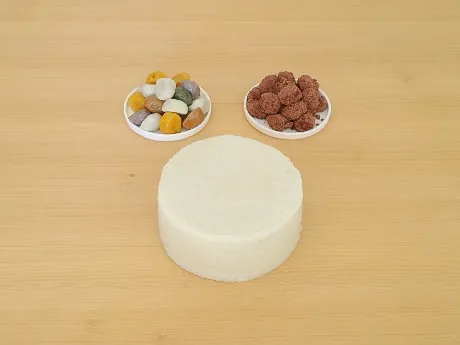
Photo: the shop’s official page Biwon Tteokjip (비원떡집)
A Bukchon rice-cake shop founded in 1949, using Joseon court recipes passed down from the last royal kitchen attendant, made 100% by hand. Open 10:00 to 17:00; closes early when sold out.
Tue–Sun 10:00–17:00 · Closed: Mondays (advance orders only)
1F, 33-1 Bukchon-ro, 03055, Jongno-gu, Seoul
RinStop by before noon for a few pieces of their signature duteop-tteok.
Seochon
Scoff Seochon
Scoff Seochon (스코프 서촌)
A British-style bakery in a Seochon lane. Order scones and cakes baked downstairs, and eat on the second floor overlooking the alley. Open daily 08:30 to 20:00.
1F, 31 Pirundae-ro 5ga-gil, 03037, Jongno-gu, Seoul
RinTake a warm butter scone upstairs and sit by the window.
Ikseon-dong
Dongbaek Bakery
Dongbaek Bakery (동백양과점)
A dessert café in a restored Ikseon-dong hanok, known for strawberry soufflé pancakes, drip coffee and teas. Open daily 09:00 to 22:00 (last order 21:30).
17-24, Supyo-ro 28-gil, 03133, Jongno-gu, Seoul
RinPair the freshly baked soufflé pancake with a cup of drip coffee.
Food2
All food →1 / 2
Bukchon
Hwangsaengga Kalguksu
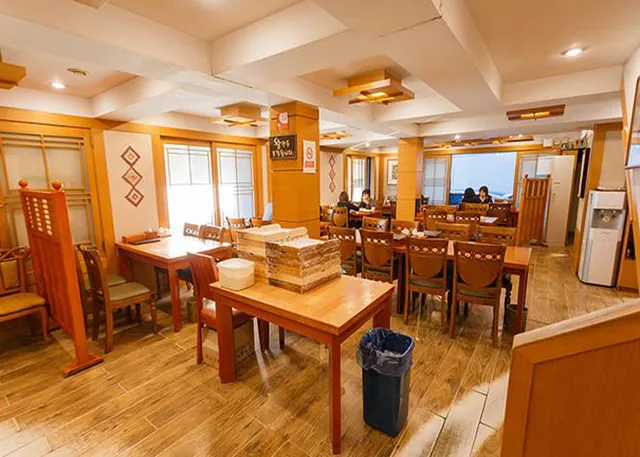
Photo: the shop’s official page Hwangsaengga Kalguksu (황생가칼국수)
A noodle and dumpling house in Samcheong-dong/Bukchon serving wheat noodles in beef-bone broth and large meat dumplings with nine kinds of vegetables. Open daily 11:00 to 21:30 (last order 20:30).
Daily 11:00–21:30 (last order 20:30)
78, Bukchon-ro 5-gil, 03053, Jongno-gu, Seoul
RinOn a cold day, beef-bone kalguksu and a plate of dumplings.
Seochon
Tosokchon Samgyetang
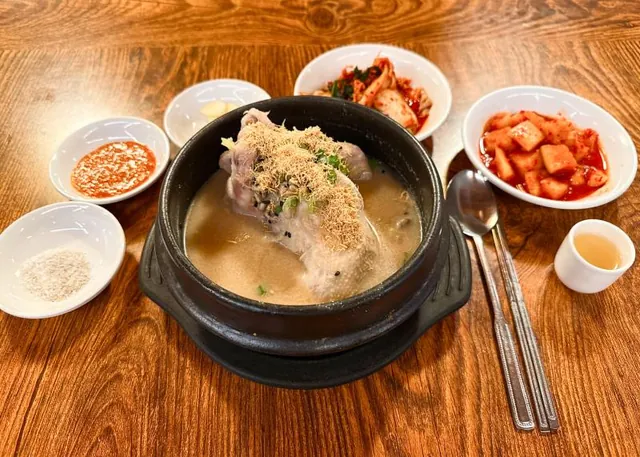
Photo: the shop’s official page Tosokchon Samgyetang (토속촌 삼계탕)
A samgyetang house in a traditional hanok west of Gyeongbokgung Palace, open since 1983. Simmered whole chicken soup with ginseng and glutinous rice. Open daily 10:00 to 22:00.
Daily 10:00–22:00
5 Jahamun-ro 5-gil, 03041, Jongno-gu, Seoul
RinOn a cold day, one bowl of samgyetang; the ginseng broth warms you through.
Cafés3
All cafés →1 / 3
Bukchon
Chamasineun Teul
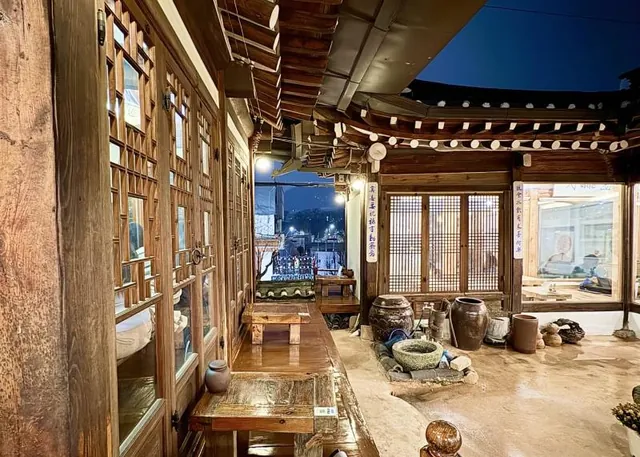
Photo: the shop’s official page Chamasineun Teul (차마시는뜰)
A traditional teahouse in a Bukchon hanok with low wooden floor tables, serving Korean traditional teas, fruit teas and snacks. Open 10:00 to 19:00 (last order 18:10); closed Tuesdays and Chuseok.
Wed–Mon 10:00–19:00 (last order 18:10) · Closed: Tuesdays, Chuseok
1F, 26 Bukchon-ro 11na-gil, 03052, Jongno-gu, Seoul
RinIn winter, order a hot traditional tea and sit at a low table facing the courtyard.
Seochon
H Coffee Roasters Seochon
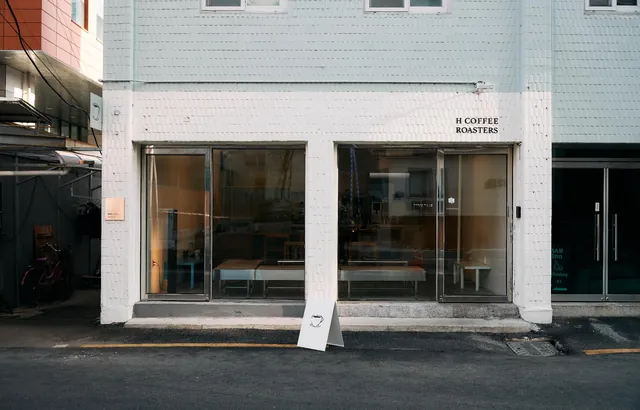
Photo: the shop’s official page H Coffee Roasters Seochon (에이치커피로스터스 서촌)
A house-roasting coffee shop inside a quiet hanok in Nuha-dong, Seochon, serving balanced coffees, homemade sweets and small bags of beans. Open daily 10:00 to 18:00.
11-6 Pirundae-ro 5ga-gil, 03037, Jongno-gu, Seoul
RinDrink a cup in the sunlit hanok and pick a small bag of beans to take.
Ikseon-dong
Seoul Coffee Ikseon
Seoul Coffee Ikseon Branch (서울커피 익선점)
A café in an Ikseon-dong hanok serving red-bean butter rice-flour bread, rice-cake tiramisu, Vienna coffee and pumpkin sikhye. Open daily 11:00 to 22:00 (last order 21:40).
33-3, Supyo-ro 28-gil, 03133, Jongno-gu, Seoul
RinRed-bean butter rice bread with a cup of Vienna coffee.
Rin is a fictional traveller. Every place here was checked by the editors to exist and be open (checked 2026-11-15). Please confirm hours on the official site before you go. Paid listings are always marked. If you are the shop and would like a photo removed, write to editor@vual.jp and we will take it down at once.
To see — art and sights (landmarks)
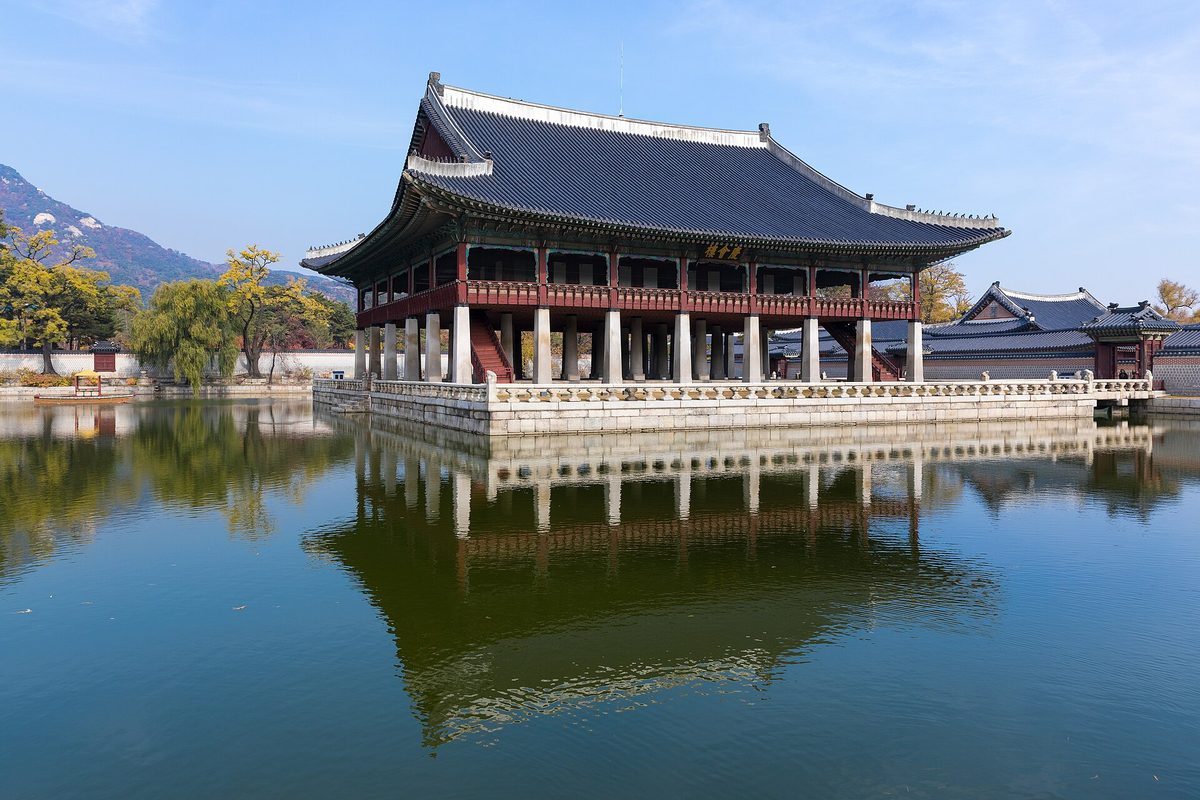
Photo: Frank Schulenburg / CC BY-SA 4.0 (Wikimedia Commons) Sights · Gwanghwamun
Gyeongbokgung Palace
The main royal palace of the Joseon dynasty, built in 1395 with Bugaksan mountain behind it, with ceremonial halls and lotus-pond pavilions.
Closed Tuesdays (or the next day if Tuesday is a public holiday). In November and December, open 09:00 to 17:00 (last entry 16:00).
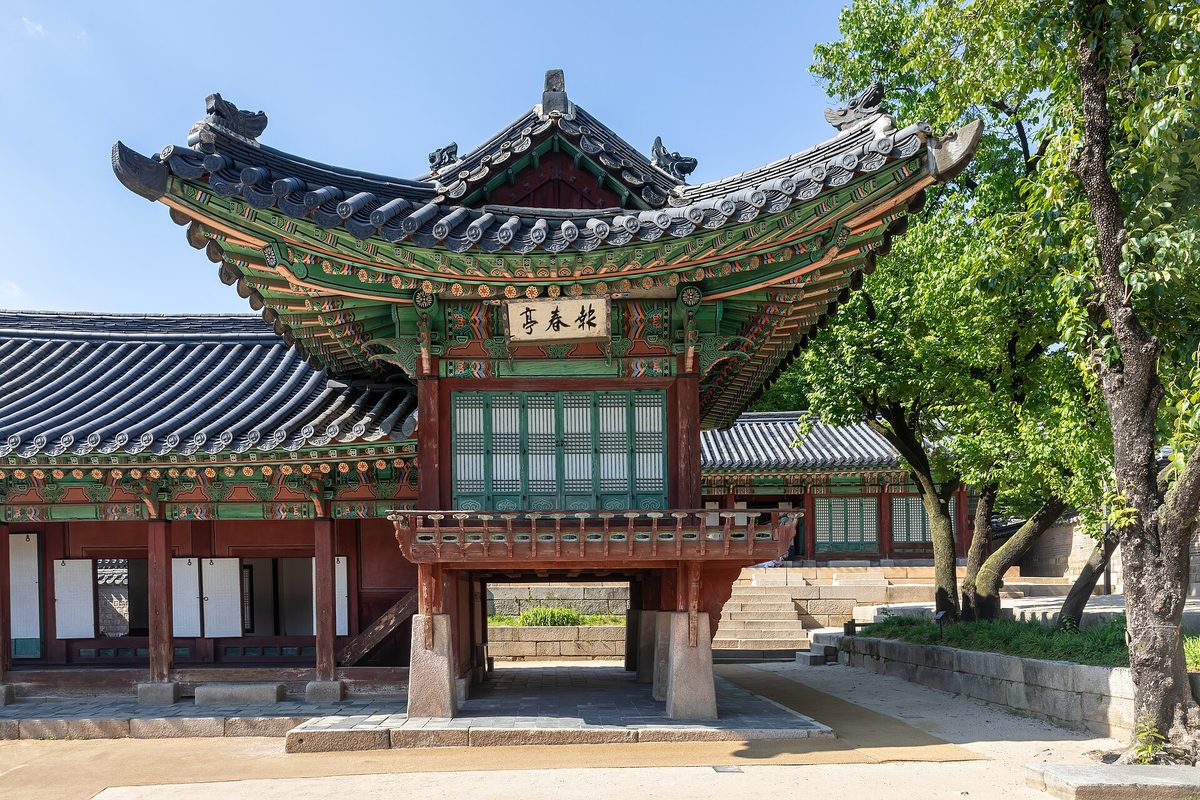
Photo: Basile Morin / CC BY-SA 4.0 (Wikimedia Commons) Sights · Bukchon
Changdeokgung Palace
Built in 1405 as a secondary palace and used as the primary residence for centuries after its 1610 rebuilding; a UNESCO World Heritage site with its secluded rear garden to the north.
Closed Mondays (or the next day if Monday is a public holiday). From November to January, open 09:00 to 17:30 (last entry 16:30).
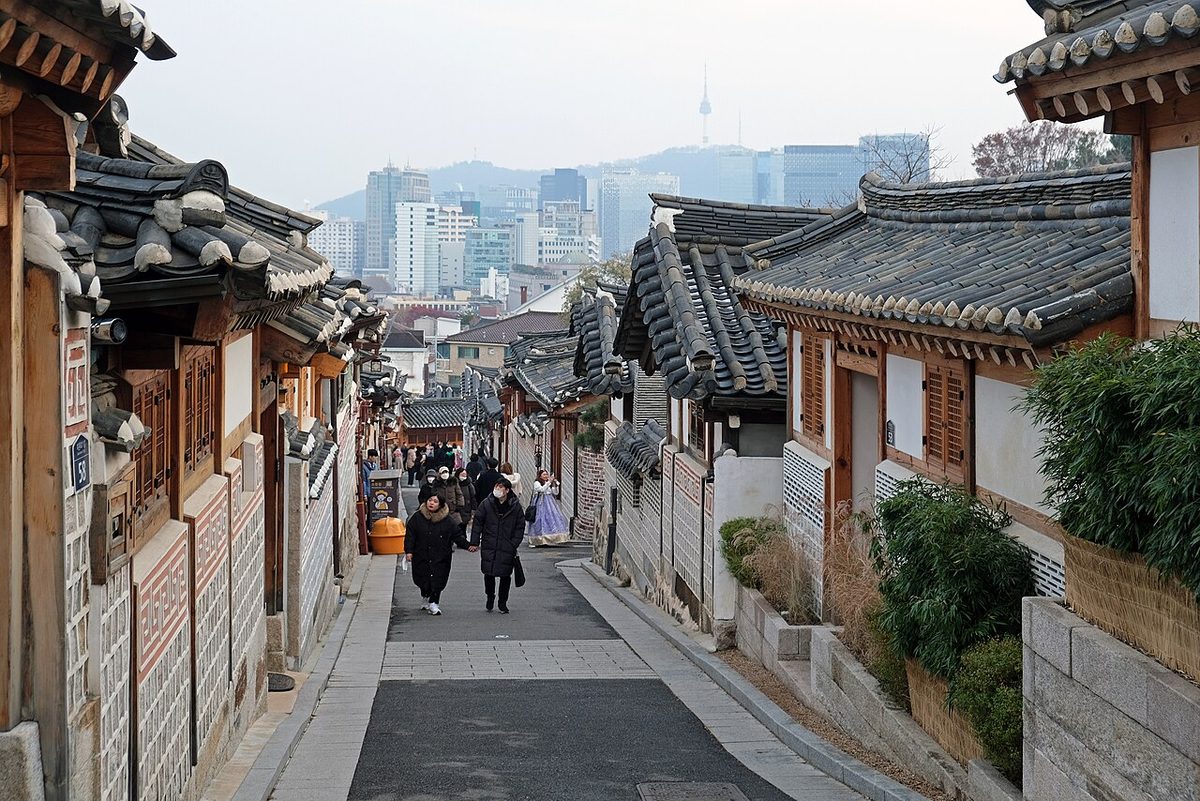
Photo: kallerna / CC BY-SA 4.0 (Wikimedia Commons) Sights · Bukchon
Bukchon Hanok Village
A hilly residential quarter between Gyeongbokgung and Changdeokgung where urban hanok houses built in the 1930s line narrow alleys.
To protect residents, tourist entry in the designated special management zone is limited to 10:00 to 17:00.
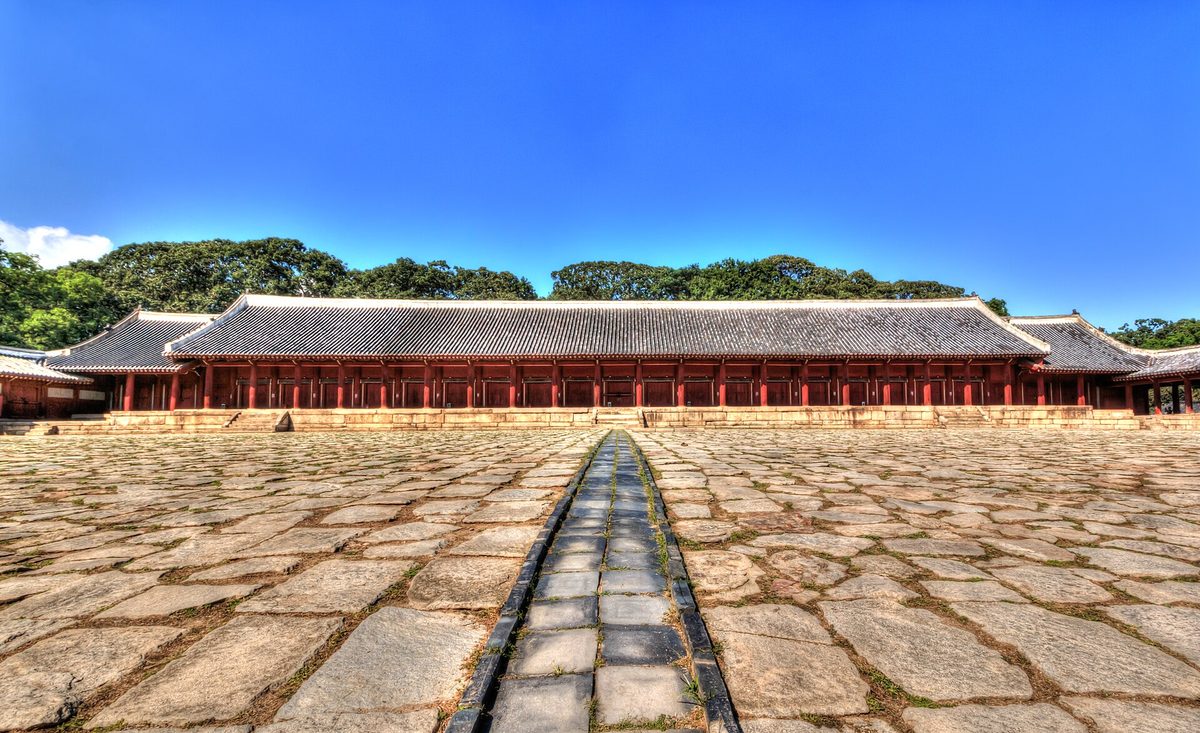
Photo: KO BYUNGSUK / CC BY-SA 4.0 (Wikimedia Commons) Sights · Jongno 3-ga
Jongmyo Shrine
A Confucian royal shrine established in 1395 for the spirit tablets of Joseon kings and queens, a UNESCO World Heritage site with a long timber main hall.
Closed Tuesdays. From November to January, open 09:00 to 17:30 (last entry 16:30). Free-roaming entry on weekends and holidays; guided tour schedule on weekdays.
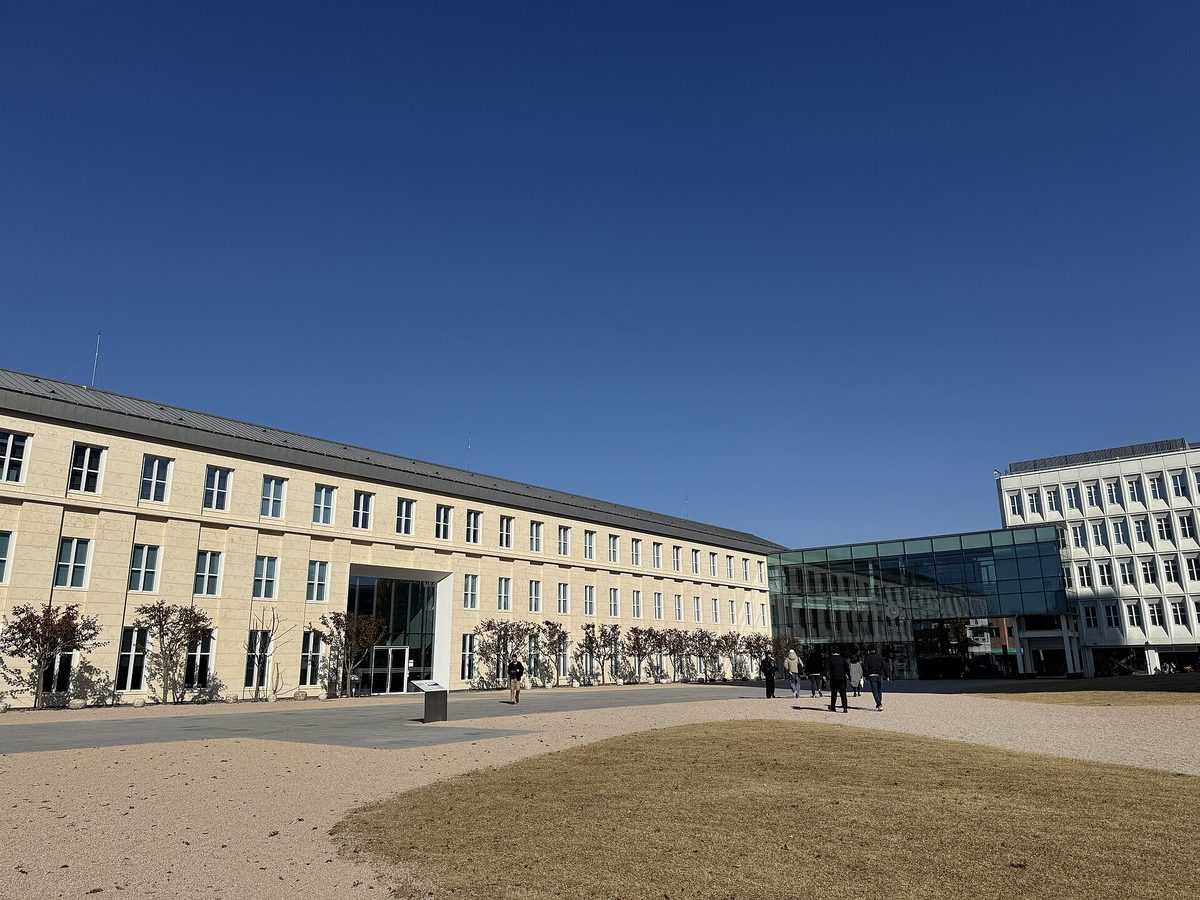
Photo: *Youngjin / CC BY-SA 4.0 (Wikimedia Commons) Art · Anguk
Seoul Museum of Craft Art
Korea's first public museum of craft in Anguk-dong, showing textiles, ceramics, woodwork and contemporary craft across permanent and special exhibitions.
Closed Mondays and 1 January. Open 10:00 to 18:00 (until 21:00 on Fridays; last entry 17:30). Free admission except select special exhibitions.
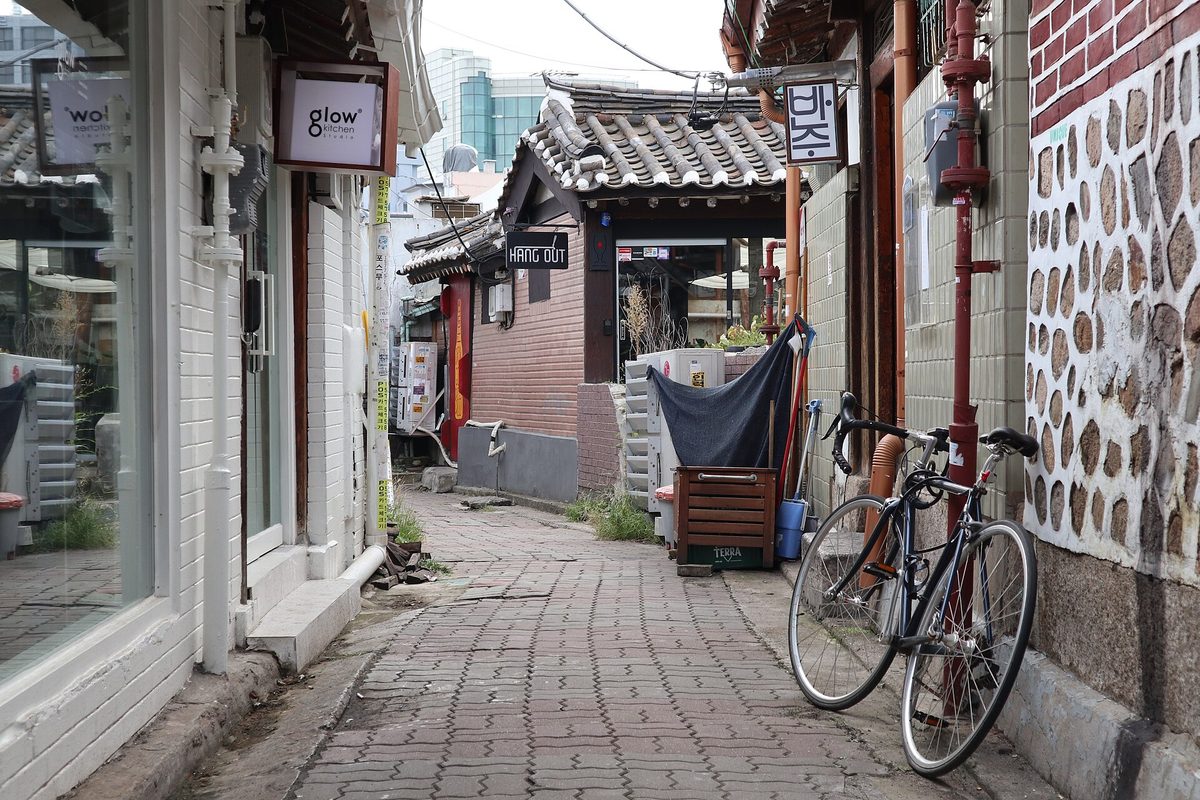
Photo: S h y numis / CC BY-SA 4.0 (Wikimedia Commons) Sights · Ikseon-dong
Ikseon-dong Hanok Village
North of Jongno 3-ga, Seoul's first planned urban hanok neighbourhood from the 1920s, where narrow lanes of tiled roofs now hold small cafés and shops.
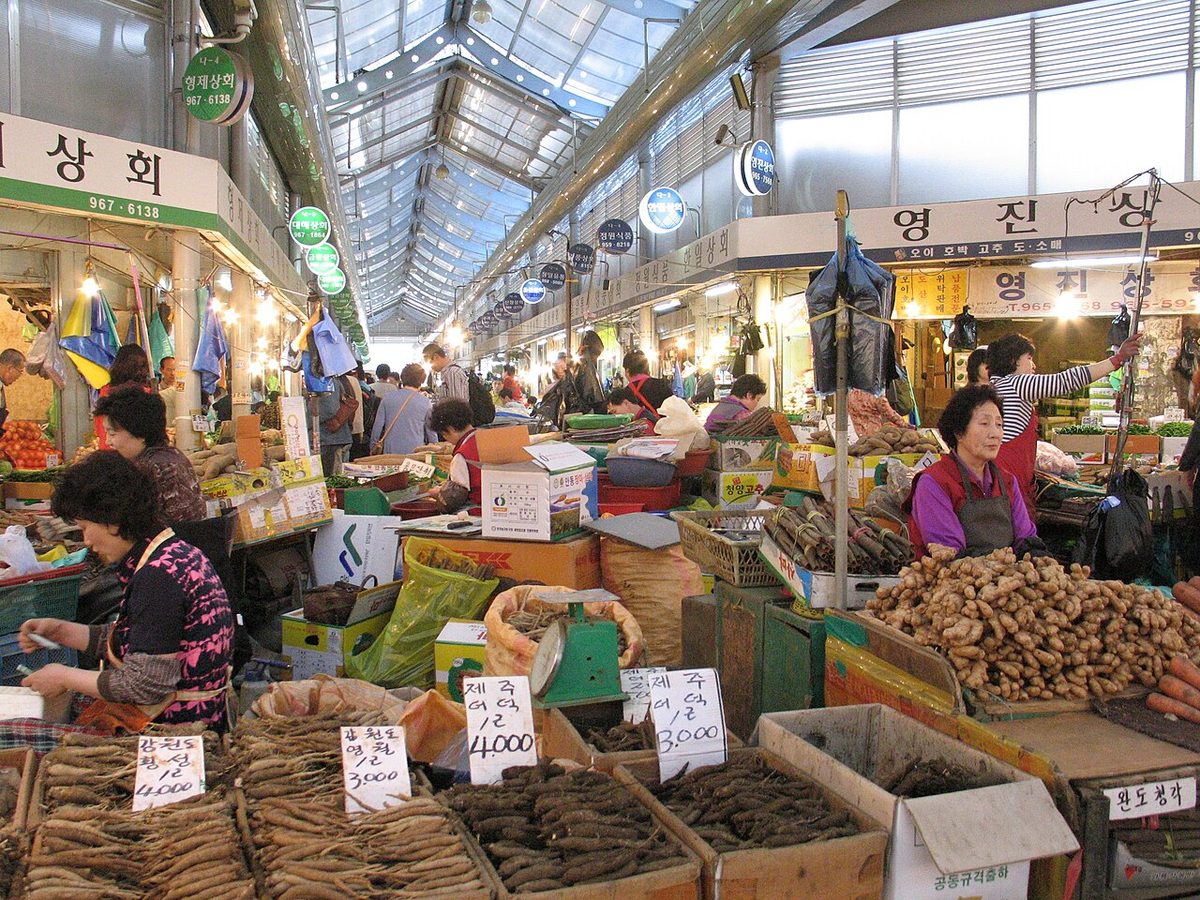
Photo: Gaël Chardon / CC BY-SA 2.0 (Wikimedia Commons) Sights · Gyeongdong Market
Gyeongdong Market
One of Seoul's largest traditional markets in Dongdaemun-gu, known for its herbal medicine streets alongside produce stalls and market eateries.
Many shops, especially in the herbal medicine market, close on Sundays.
These are landmarks, not Rin's picks. Each was checked to be open on its official site (checked 2026-11-12). Please confirm hours before you go.