38.3° N
Sendai
Miyagi, Japan
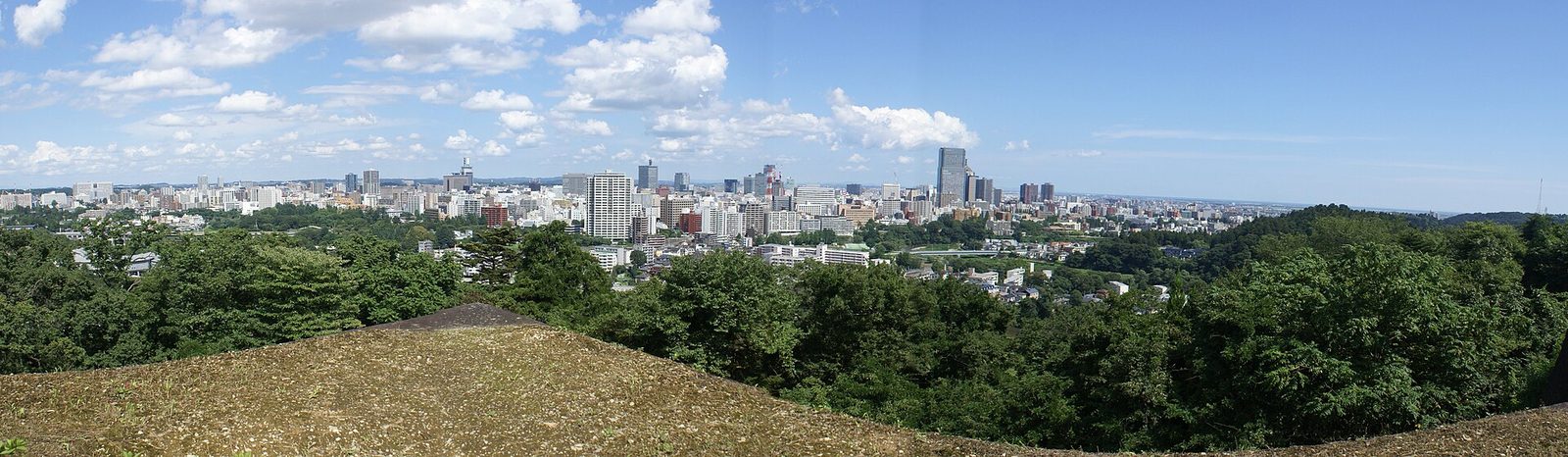
The former castle town of the Date clan, set along the Hirose River below Mount Aoba and shaded by the zelkova trees of Jozenji-dori, which thin out in late autumn and winter. Tamamushi lacquer, kokeshi, charcoal-grilled beef tongue and zunda-mochi, with craft shops, oden and coffee from Ichibancho to the river: Rin's picks.
Sendai, on film
6 sights and 15 places, each checked open in 2026, in 45 seconds.
Found somewhere you like? The map and the list below have the address, hours and official site.
Tap for sound
What to eat in Sendai
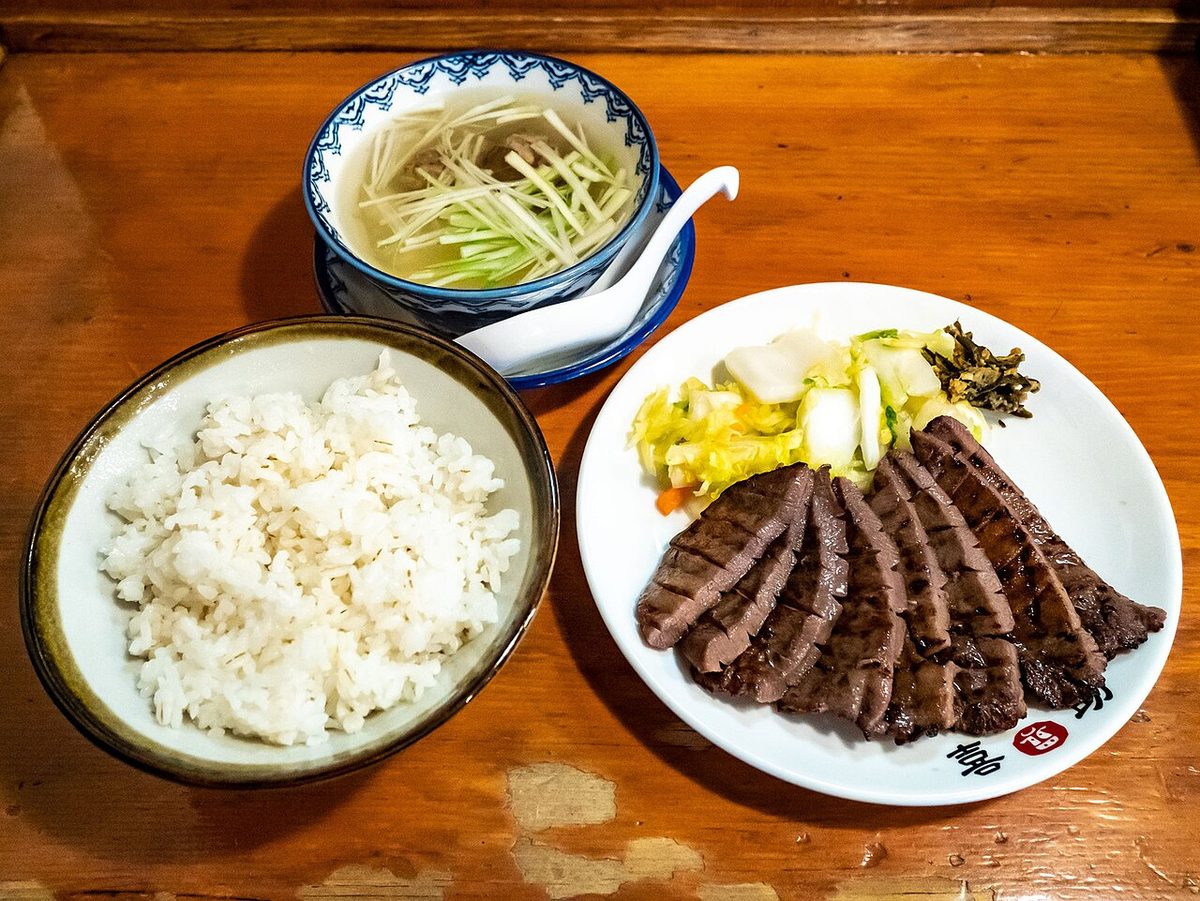
Photo: くろふね / CC BY 4.0 (Wikimedia Commons) Gyutan (grilled beef tongue)
牛たん
Thick-cut beef tongue is aged, seasoned with salt, and grilled quickly over charcoal on a wire rack. The dish originated in Sendai around 1948 when the city's first specialty shop opened, and roughly a hundred specialty restaurants now operate there.
Usually ordered as a set meal with barley rice, oxtail soup, salted pickles, and miso-pickled green chili.
Where to eat it
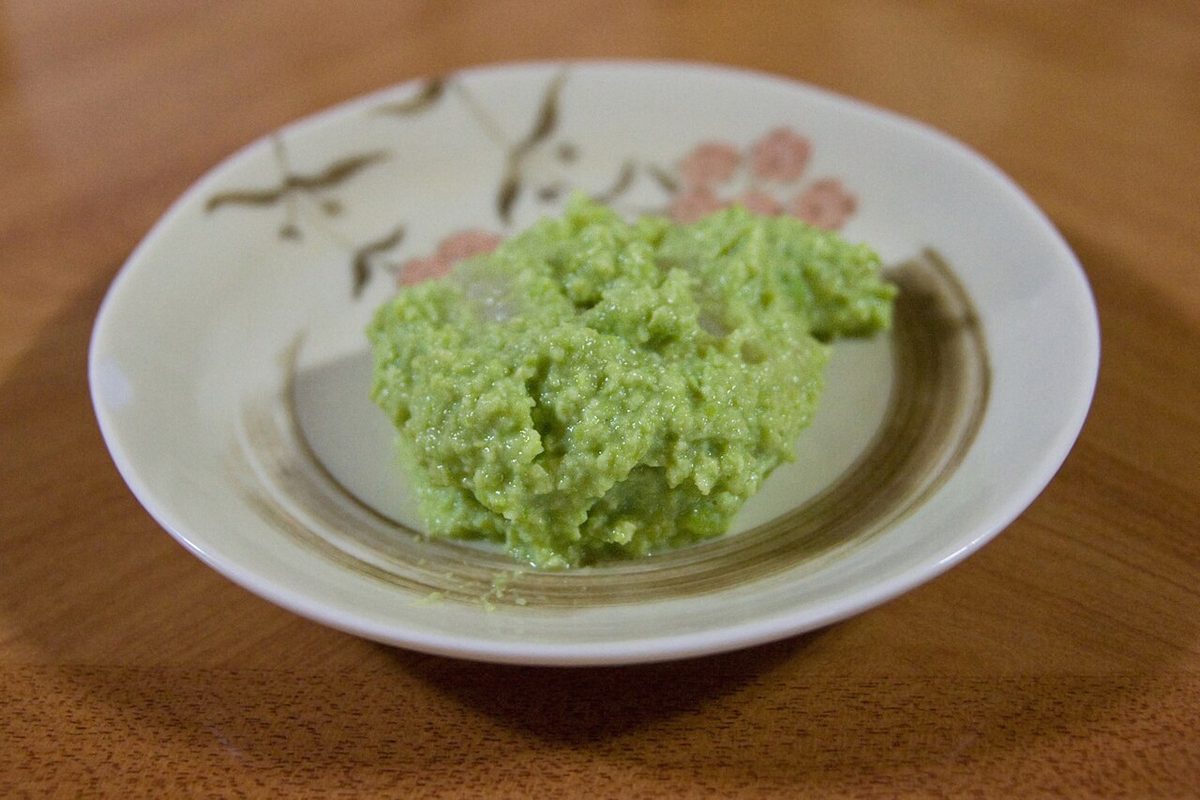
Photo: Σ64 / CC BY 4.0 (Wikimedia Commons) Zunda mochi (sweet edamame rice cakes)
ずんだ餅
Freshly pounded mochi rice cakes are coated in a green paste made by boiling and mashing edamame with sugar. Edamame has long been grown on the Sendai Plain, and locals have eaten zunda mochi as an Obon dish since the Sendai domain period.
Eaten fresh with tea at mochi shops and sweets parlors, often in three-colour sets with sesame and walnut.
Where to eat it
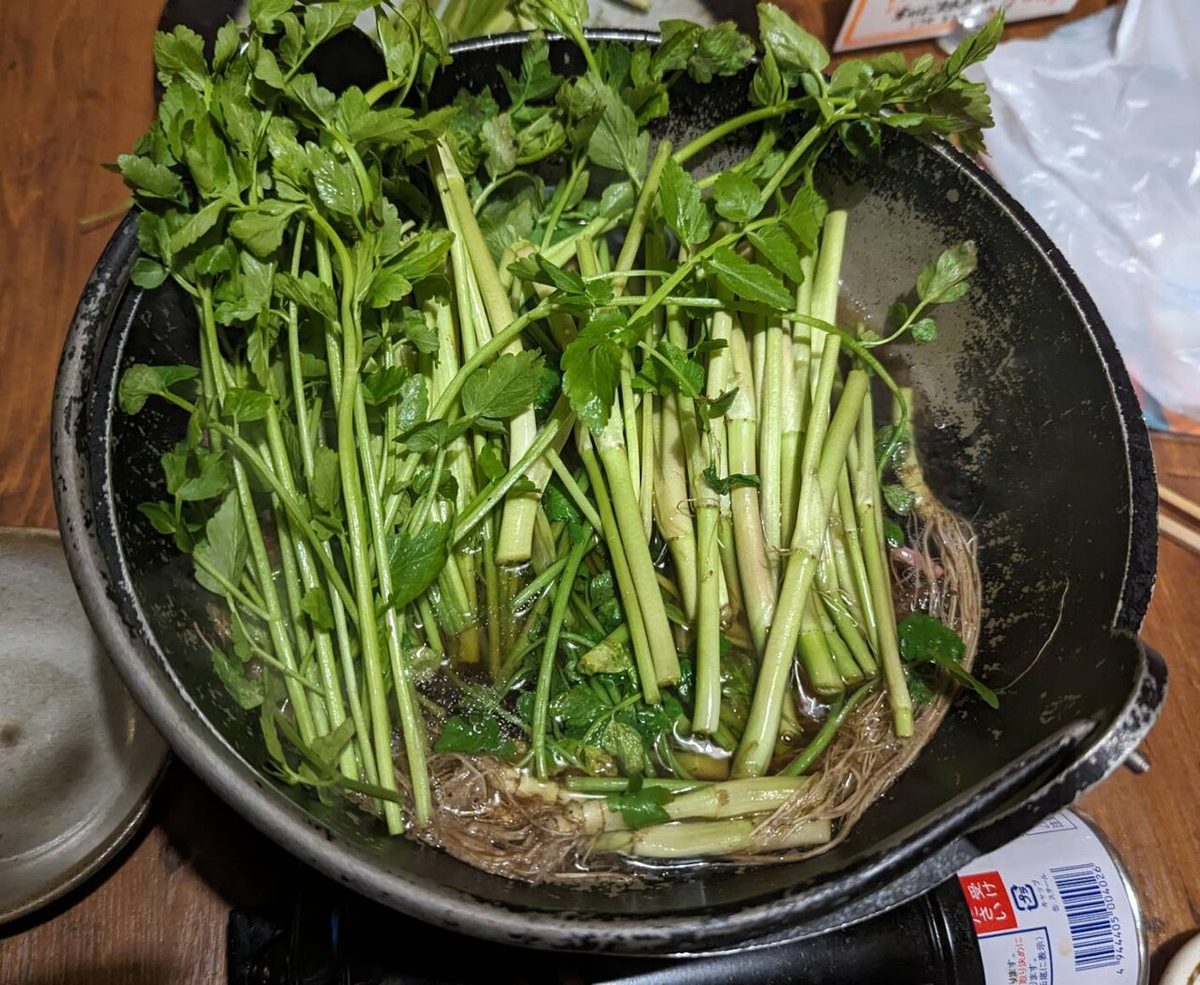
Photo: Hanabishi / CC0 (Wikimedia Commons) Sendai seri nabe (Japanese parsley hot pot)
仙台せり鍋
Whole Japanese parsley plants—roots, stems, and leaves—are simmered with chicken or duck in a soy-seasoned dashi broth. Miyagi ranks first in Japan in seri production, and winter Sendai seri from neighboring Natori is prized for its crisp, sweet roots.
Eaten in winter at izakayas and hot-pot houses, simmering the crisp roots before dipping the leaves and finishing the broth with soba.(Dec–Mar)
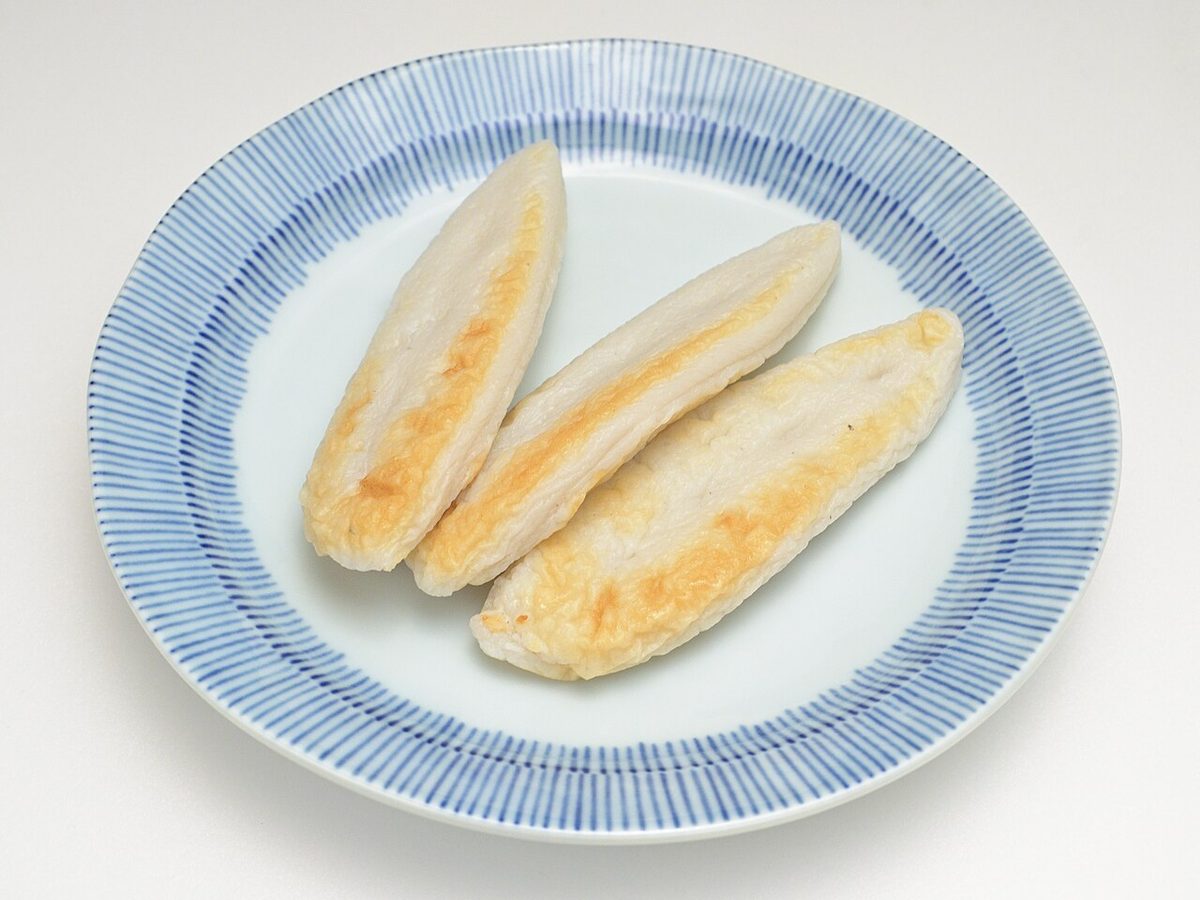
Photo: Ocdp / CC0 (Wikimedia Commons) Sasa kamaboko (bamboo-leaf fish cake)
笹かまぼこ
Grilled white-fish cakes are shaped like bamboo leaves and have a firm, springy bite. They began as a way for fishermen near Matsushima to preserve surplus flounder catches, and received the name sasa kamaboko in 1935 from the bamboo motif in the Date clan crest.
Eaten fresh on its own or with wasabi soy sauce, and also hand-grilled warm on skewers at specialty shops.
Where Rin would go, on the map — or build your own route
Tap a mark to see the place; squares are museums and sights (landmarks). Use “Build your own route” to make a walk of your own.
Loading the map
Map data © OpenStreetMap contributors
Where Rin would go
Made in Sendai: Grilled Beef Tongue2
All grilled beef tongue →1 / 3
Made in Sendai
Sendai's beef-tongue dish began in 1948, when Keishiro Sano opened the first Tasuke shop in central Sendai. Thick cuts are hand-sliced, aged in salt and grilled over charcoal, then served with barley rice and oxtail soup.
Kokubuncho
Tanyaki Ichiryu Honten
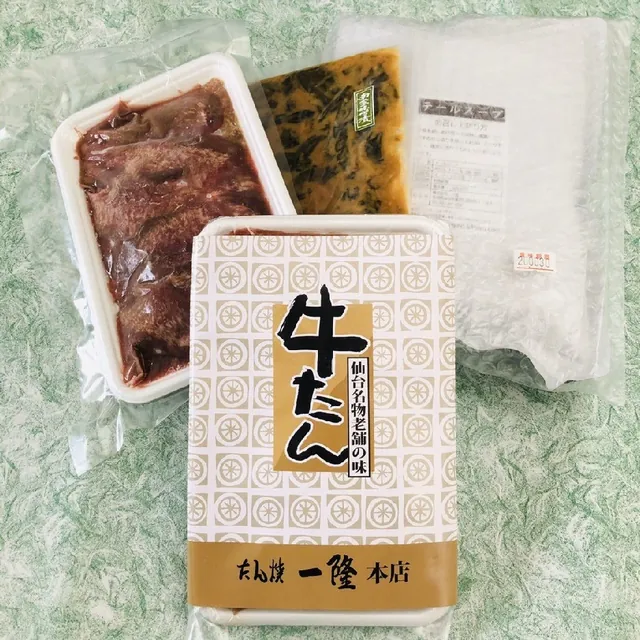
Photo: the shop’s official page たん焼 一隆 本店
A beef-tongue house opened in 1972 by a direct apprentice of the original Tasuke, preparing and salting every cut by hand until stock runs out. No reservations; closed Sundays and Wednesday and Friday evenings.
Mon, Tue, Thu, Sat 11:30–14:00 (L.O. 13:30), 18:00–20:00 (L.O. 19:30); Wed, Fri, holidays 11:30–14:00 (L.O. 13:30) · Closed: Sundays; Wed, Fri, and public holiday evenings
仙台市青葉区国分町1-4-21
RinOrder the Han-Han set, which pairs the regular cut with the lean.
Kokubuncho
Umami Tasuke
旨味太助
A Kokubuncho beef-tongue house in the lineage of Sendai's original Tasuke, grilling salt-seasoned cuts over charcoal to order and serving them as sets with barley rice and oxtail soup. Closed on Mondays.
仙台市青葉区国分町2-11-11
RinSalt only, no sauce—sit at the counter and wait for it to come off the grill.
Made in Sendai: Tamamushi Lacquer & Kokeshi2
All tamamushi lacquer & kokeshi →1 / 3
Made in Sendai
Tamamushi-nuri is a Sendai lacquer technique developed in 1932 at the national craft institute in the city, layering translucent dyed lacquer over silver powder for a sheen like a jewel beetle's wing. Alongside it, Miyagi and Tohoku's lathe-turned wooden kokeshi dolls are still sold by specialist shops in central Sendai.
Jozenji-dori
Tohoku Kogei Tamamushi Lacquer Shop
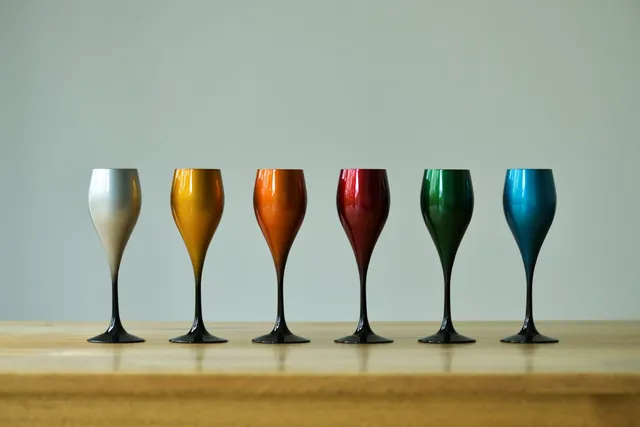
Photo: the shop’s official page 東北工芸製作所 玉虫塗ショップ 仙台
The showroom of Tohoku Kogei, established in 1933, carrying bowls, round trays and stationery in Tamamushi-nuri lacquer layered over silver powder. Closed Saturdays through Mondays and holidays; visits by reservation.
Tue–Fri 10:00–18:00 · Closed: Sat, Sun, Mon, public holidays
仙台市青葉区上杉3-3-20 1F
RinI would like to hold a round tray or soup bowl to see how the colour shifts in the light.
Station/Ichibancho
Kokeshi no Shimanuki
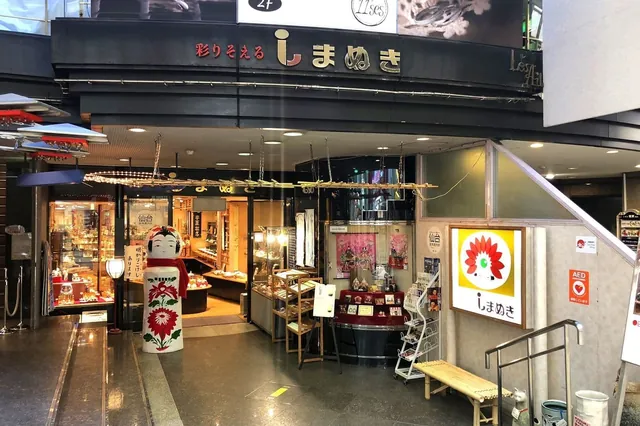
Photo: the shop’s official page こけしのしまぬき 本店
A shop for kokeshi and Tohoku crafts in the Ichibancho arcade, founded in 1892. Carries traditional kokeshi, Matsukawa daruma and Sendai glass, with kokeshi-painting sessions. Closed on the second Wednesday of each month.
10:30–19:00 · Closed: 2nd Wednesday of the month (except August), New Year's Day
仙台市青葉区一番町3-1-17 1F
RinI would line up the traditional kokeshi to compare them and pick one with a face I like.
Craft3
All craft →1 / 3
Station/Ichibancho
Kogensha Sendai
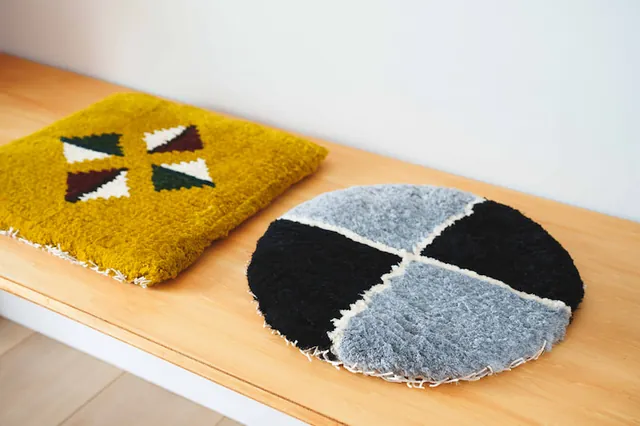
Photo: the shop’s official page 光原社 仙台店
The Sendai shop of Morioka's folk-craft house Kogensha, stocking everyday handwork: pottery, lacquer, handwoven cloth, baskets and folk toys. Closed on the 15th of each month unless it falls on a weekend or holiday.
10:00–18:00 · Closed: 15th of each month (open if Sat, Sun, or public holiday)
仙台市青葉区一番町1-4-10
RinTouch the handwoven cloth and wooden plates one by one to find something that feels right in the hand.
Station/Ichibancho
galerie arbre
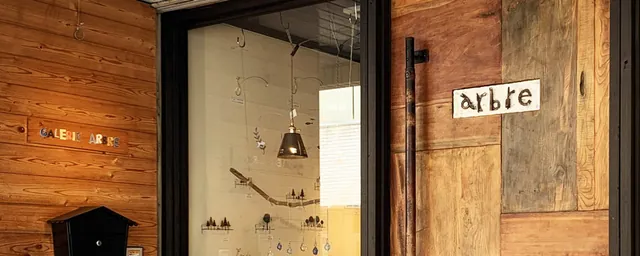
Photo: the shop’s official page A backstreet craft gallery in Ichibancho showing and selling ceramics, glass, woodwork and metalwork by contemporary makers, and taking in vessels for urushi kintsugi repair. Closed on Tuesdays.
Mon, Wed–Fri 11:00–18:00, Sat–Sun & holidays 11:00–17:00 · Closed: Tuesdays, year-end/New Year (Dec 29–Jan 3)
仙台市青葉区一番町1-11-27
RinVisit during an exhibition and pick one everyday vessel by the maker.
Jozenji-dori
NAKAO Jozenji-dori
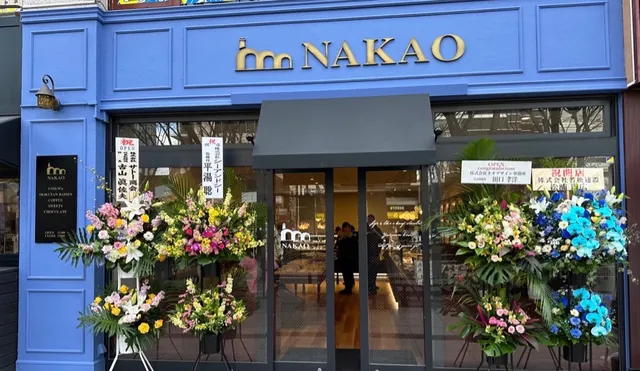
Photo: the shop’s official page NAKAO 定禅寺通り店
The Jozenji-dori shop of Miyagi-based NAKAO, with two floors of tableware, charcoal-roasted coffee, baked sweets and chocolate. Open 11:00 to 19:00; closed only over New Year.
仙台市青葉区一番町4-10-14 定禅寺ビル1F・2F
RinAfter looking at the tableware, buy a small bag of charcoal-roasted coffee beans to take home.
Sweets3
All sweets →1 / 3
Jozenji-dori
9244
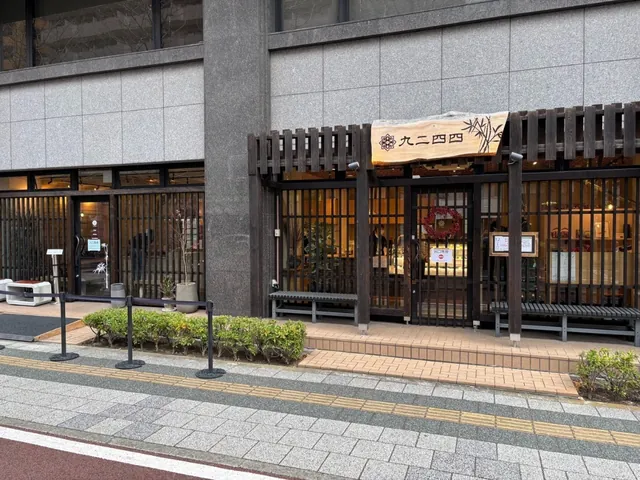
Photo: the shop’s official page 九二四四
A patisserie in Futsukamachi making fresh cakes and baked sweets with seasonal fruit and Japanese ingredients such as yuzu, hojicha and wasanbon sugar. Closed roughly one irregular day a week.
仙台市青葉区二日町9-7 大木青葉ビル1F
RinPick either the hojicha pudding or the yuzu rare cheesecake to take back.
Station/Ichibancho
Murakamiya Mochiten
村上屋餅店
A mochi shop in Kitamemachi founded in 1877, known for hand-pounded rice cakes in three-colour sets of zunda edamame paste, black sesame and walnut. Open weekends only from November 2026; cash only.
仙台市青葉区北目町2-38
RinStart with the three-colour mochi: zunda, black sesame and walnut together.
Jozenji-dori
Kanmidokoro Hikoichi
甘味処 彦いち
A traditional sweets house opened in 1976 inside a former ryotei off Ichibancho 4-chome, making its own red-bean paste and syrups for anmitsu, zunda-mochi and oshiruko. Closed Mondays (or the next day if Monday is a holiday).
仙台市青葉区一番町4-5-41
RinTo taste the house-made brown-sugar syrup, go with the cream anmitsu first.
Food3
All food →1 / 3
Kokubuncho
Oden Sankichi
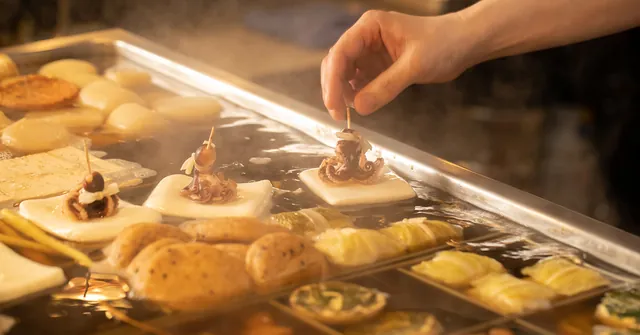
Photo: the shop’s official page おでん三吉
An oden house in Inari Koji alley that began as a stall in 1949, serving daikon simmered for ten hours, niradama egg and kanpyo-tied baby octopus. Open from 18:00; closed Sundays and holidays (and Mondays in summer).
Mon–Sat 18:00–23:00 (L.O. 22:20) · Closed: Sundays & public holidays (also Mondays in summer)
仙台市青葉区一番町4-10-8
RinFor winter oden, start with the ten-hour daikon and the niradama.
Station/Ichibancho
Genji
源氏
A 1950 wooden-counter tavern in Bunka Yokocho alley, where each glass of sake comes with a seasonal small dish and the fourth ends with miso soup or oden. Closed Sundays, Mondays and holidays.
仙台市青葉区一番町2-4-8 文化横丁
RinA different small dish arrives with each glass, so pace the four drinks with care.
Aobayama/Zuihoden
Restaurant Palinka
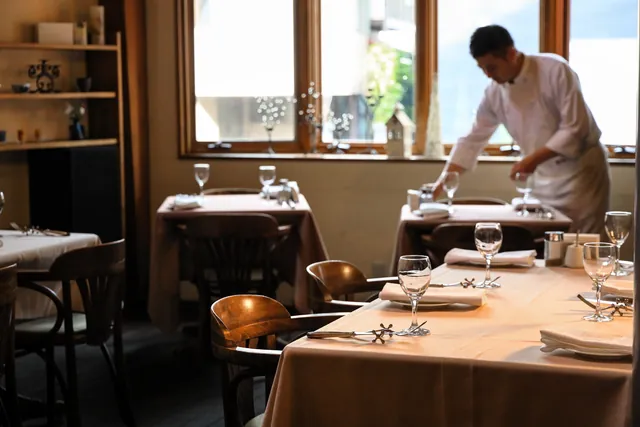
Photo: the shop’s official page レストランパリンカ
A standalone Italian restaurant at the entrance to the Zuihoden approach, serving courses of Miyagi seafood and Sendai beef in a room with stained glass and a grand piano. Closed Tuesdays; dinner mainly Thursday to Sunday.
Closed: Tuesdays
仙台市青葉区霊屋下19-8
RinAfter walking up to Zuihoden, pause here over the lunchtime pasta course.
Cafés2
All cafés →1 / 2
Station/Ichibancho
Café Aoyama Bunko
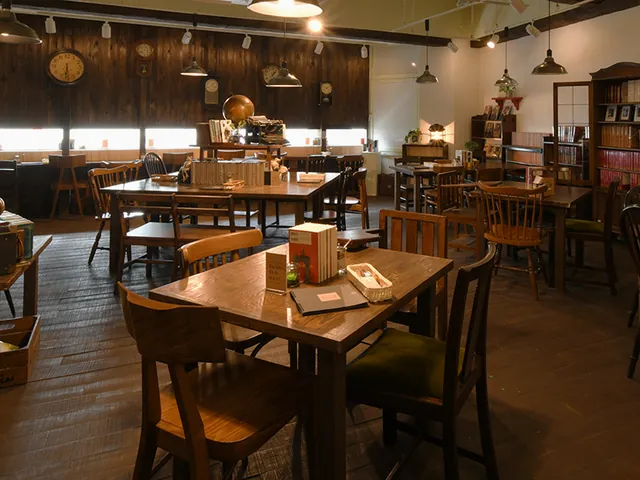
Photo: the shop’s official page Café青山文庫
A fifth-floor book café near Aoba-dori Station, lined with thousands of books and serving coffee, galettes and cream sodas. Open from 7:30, with morning toast sets until 11:00.
Mon–Sat 7:30–23:00, Sun & holidays 7:30–21:00
仙台市青葉区中央2-1-27 Ever-i中央5F
RinIn the quiet morning hours, order toast and coffee and open a book.
Aobayama/Zuihoden
Coffee Mamebou
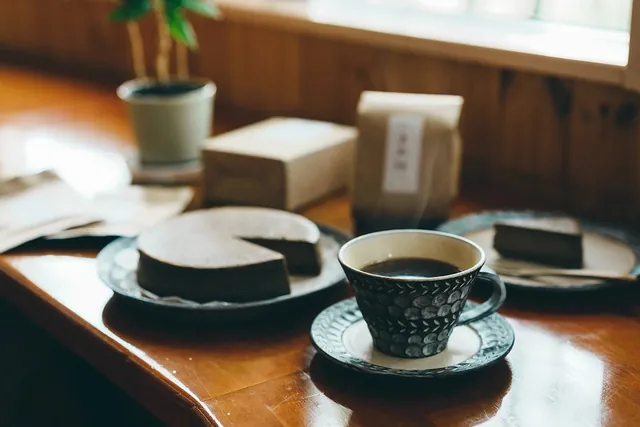
Photo: the shop’s official page 珈琲まめ坊
A house-roasting coffee shop opened in 2009 in Komegafukuro near the Hirose River, selling house and seasonal blends, single-origin beans and drip bags, with coffee to take out. Closed Thursdays except holidays.
12:00–19:00 · Closed: Thursdays (open on public holidays)
仙台市青葉区米ケ袋1-1-12
RinCompare the Hirosegawa and Katahira blends side by side, one bag of each roast.
Rin is a fictional traveller. Every place here was checked by the editors to exist and be open (checked 2026-11-16). Please confirm hours on the official site before you go. Paid listings are always marked. If you are the shop and would like a photo removed, write to editor@vual.jp and we will take it down at once.
To see — art and sights (landmarks)
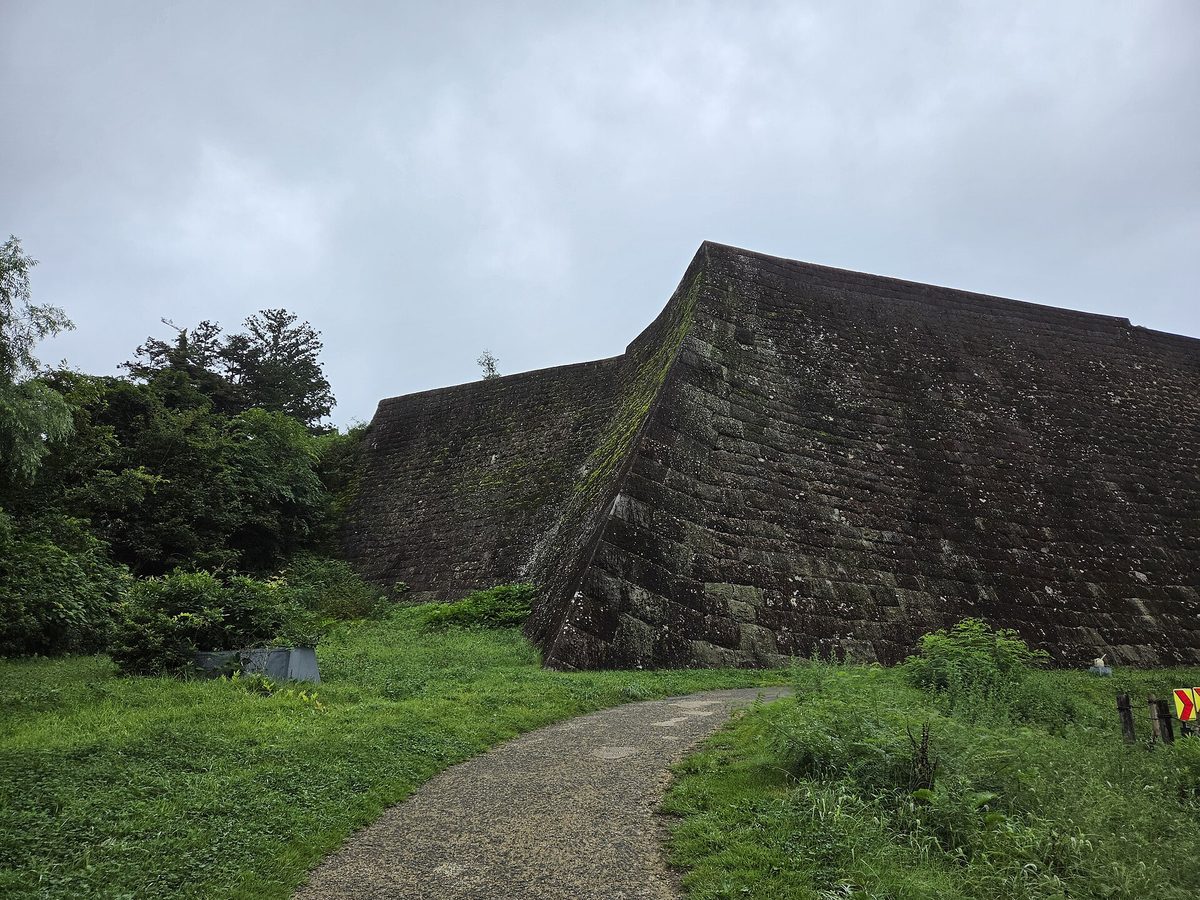
Photo: Raspico / CC0 (Wikimedia Commons) Sights · Kawauchi
Sendai Castle Ruins
The hilltop ruins of Sendai Castle, built by Date Masamune on Mount Aoba and a national historic site. Built without a main keep, it retains its stone walls, a rebuilt corner turret and an equestrian statue of Masamune looking over the city to the Pacific.
The castle grounds are open freely every day. The Aoba Castle Museum is open 9 am to 4 pm from November to March (last entry 3:40 pm).
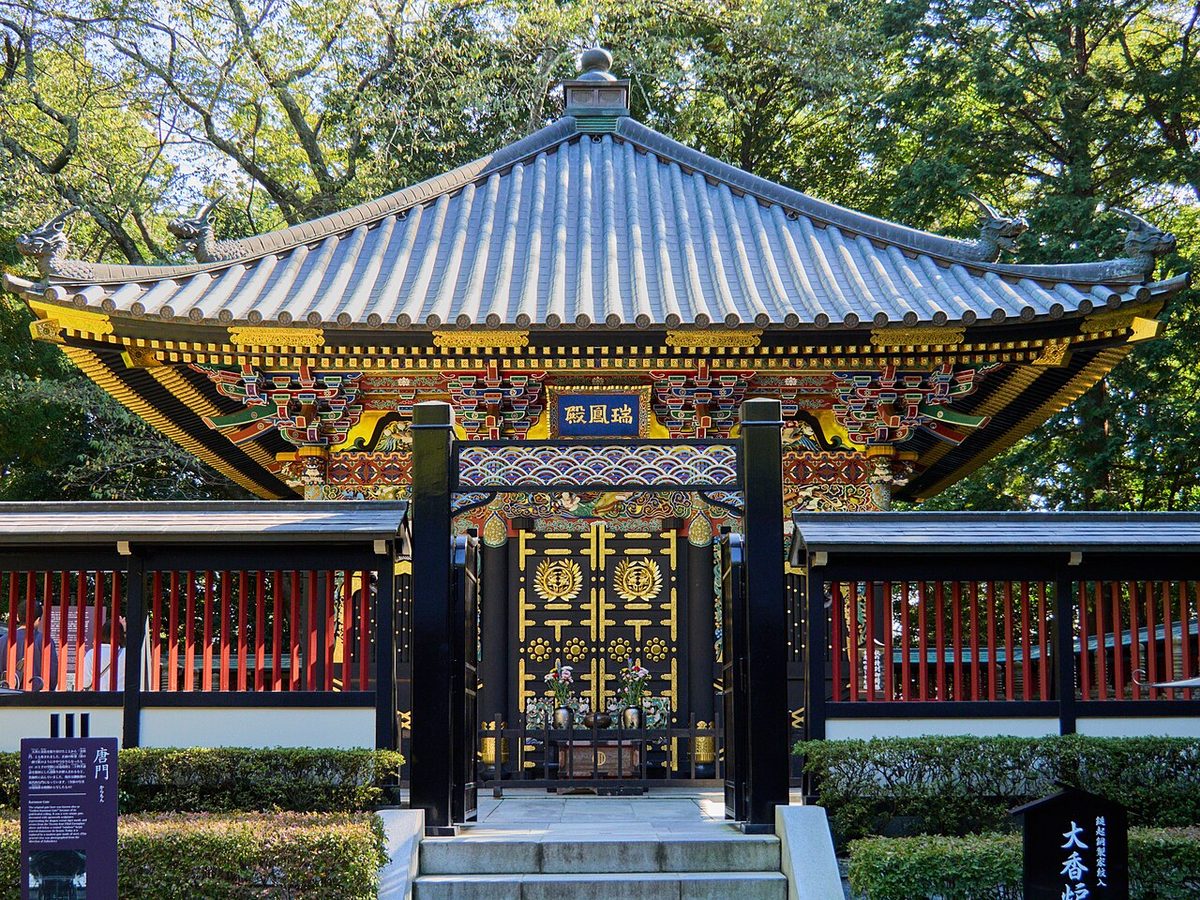
Photo: lumoplank / CC0 (Wikimedia Commons) Sights · Otamayashita
Zuihoden Mausoleum
The mausoleum of Date Masamune, originally built in 1637 and reconstructed in 1979 after wartime fire. Its Momoyama-style polychrome hall stands alongside the mausolea of the second and third lords and a museum of excavated artefacts.
Open 9 am to 4:20 pm from December 1 to January 31 (last entry 4 pm), and until 4:50 pm from February to November. Closed December 31.
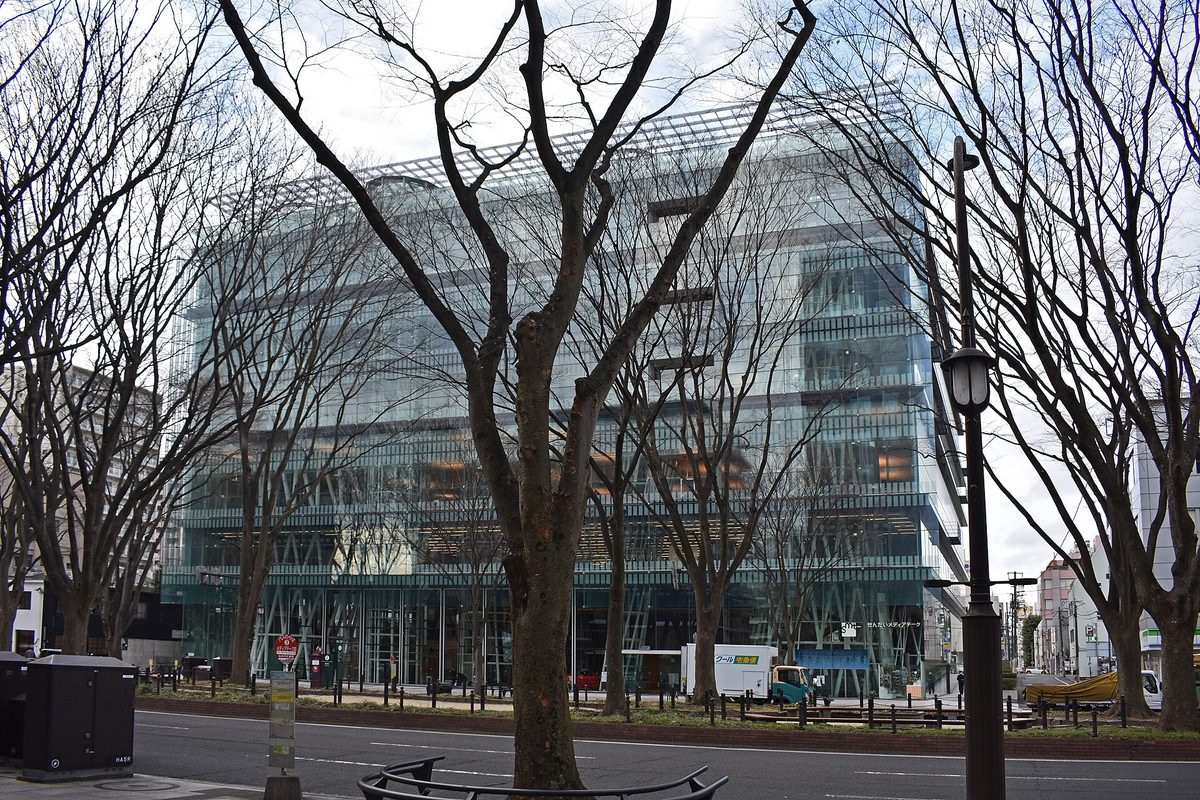
Photo: Ymblanter / CC BY-SA 4.0 (Wikimedia Commons) Art · Jozenji-dori
Sendai Mediatheque
A glass-walled cultural building on Jozenji-dori designed by Toyo Ito and completed in 2000, supported by steel-lattice tubes and flat slabs. Houses art galleries, the Sendai City Library and a shop.
Open 9 am to 10 pm (library 9:30 am to 8 pm, or 6 pm on weekends and holidays). Closed on the fourth Thursday of each month from January to November and December 29 to January 3.
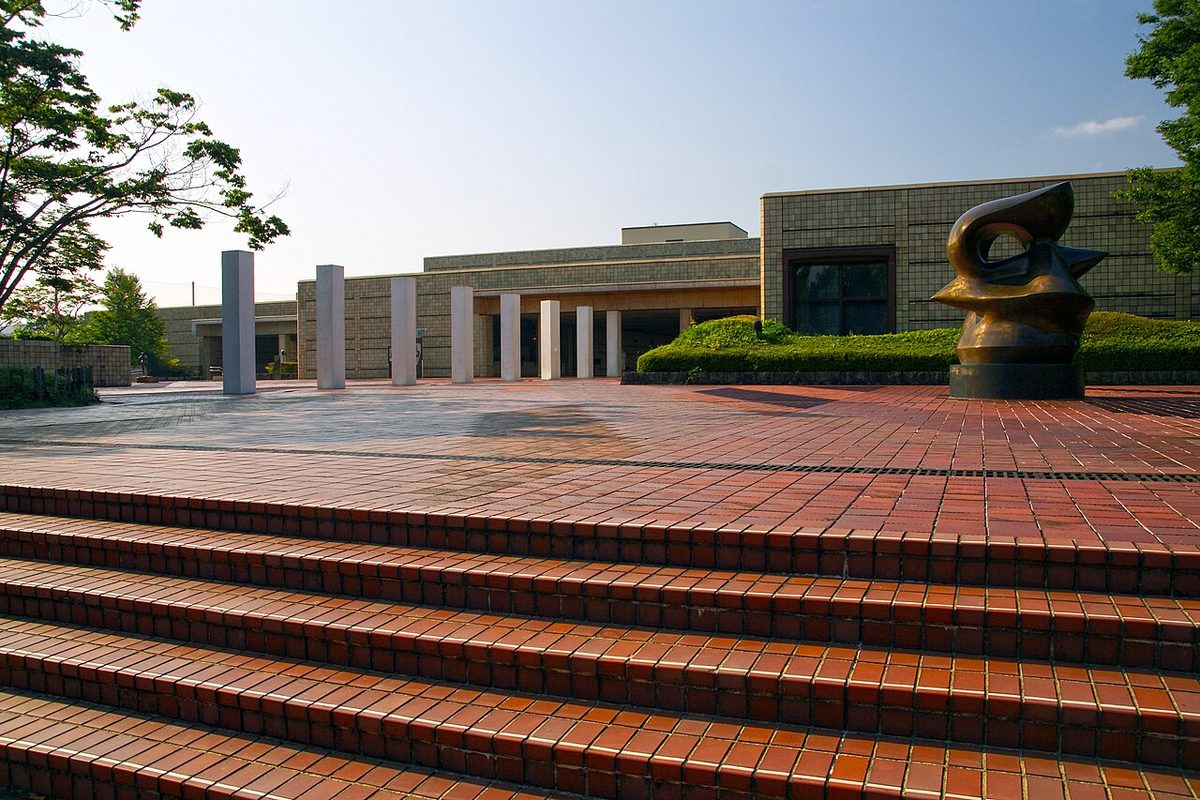
Photo: 663highland / CC BY 2.5 (Wikimedia Commons) Art · Kawauchi
Miyagi Museum of Art
The prefectural art museum opened in 1981 and reopened in June 2026 after major renovations. Its collection spans modern Japanese art, Tohoku artists, works by Kandinsky and Klee, picture-book originals and sculptures by Churyo Sato.
Open 9:30 am to 5 pm (tickets until 4:30 pm). Closed Mondays (or the following weekday if a holiday) and December 26, 2026 to January 6, 2027.
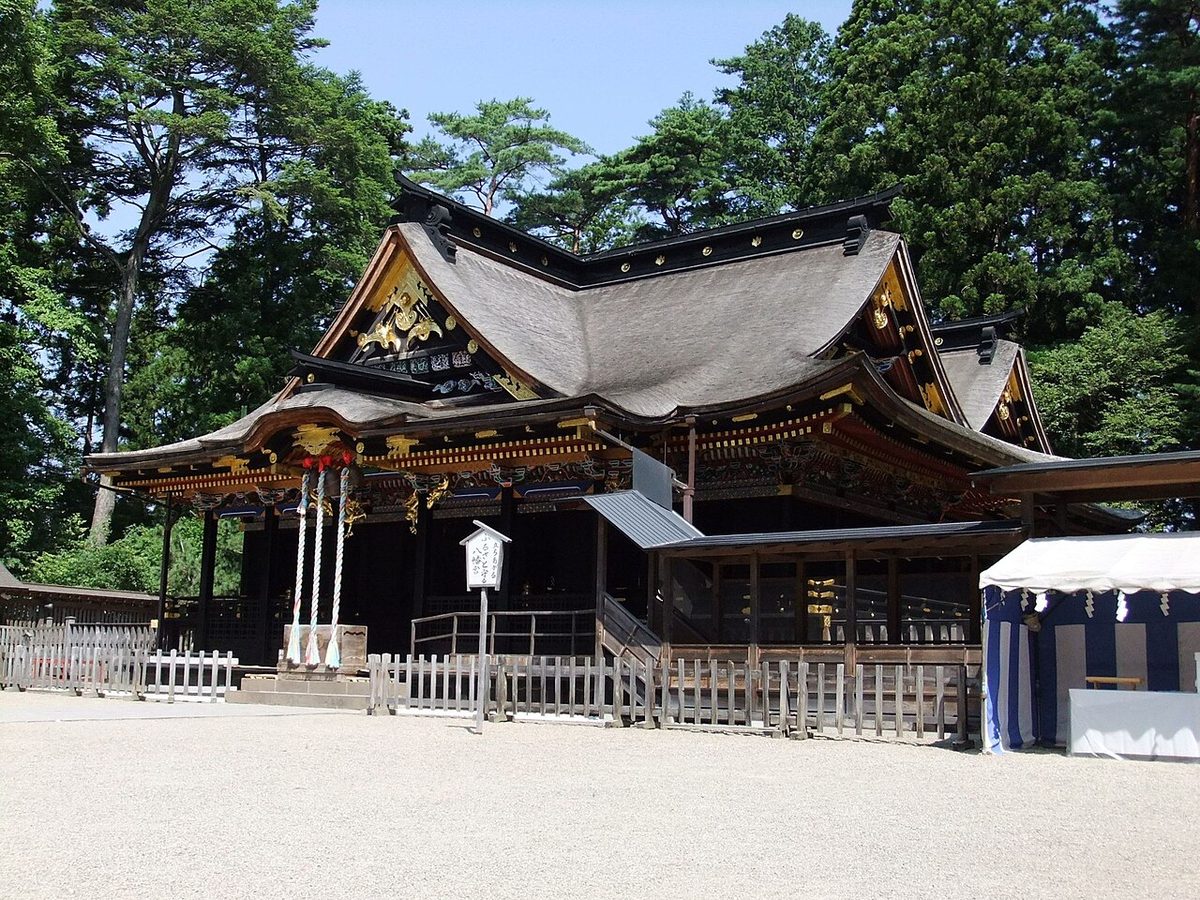
Photo: Tak1701d / CC BY-SA 3.0 (Wikimedia Commons) Sights · Hachiman
Osaki Hachimangu Shrine
Sendai's tutelary shrine, built in 1607 on the orders of Date Masamune. Its black-lacquered main sanctuary and worship hall, finished in Gongen style with polychrome carvings, is a National Treasure from the Momoyama period.
Sights · Jozenji-dori
Jozenji-dori Avenue
A zelkova-lined avenue in central Sendai. Bronze sculptures, including works by Emilio Greco and Venanzo Crocetti, stand along its central greenway promenade.
These are landmarks, not Rin's picks. Each was checked to be open on its official site (checked 2026-11-12). Please confirm hours before you go.
Day trips from Sendai
Classics
- Zuigan-ji Templeabout 20 km
A temple associated with Lord Date Masamune. Peak autumn colors in November; early morning is the best time.
- Matsushima (One of the Three Views of Japan)about 20 km
Matsushima is a scenic spot with hundreds of small and large islands, known since ancient times as one of the Three Views of Japan. The view is beautiful year-round, especially during sunrise and sunset.
- Hojusan Risshakuji Temple (Yamadera)about 39 km
Founded by Jikaku Daishi Ennin in 860, this Tendai sect mountain temple features 1,015 stone steps and is a representative sacred mountain of the Tohoku region. Early morning or avoiding weekends is best to enjoy the serene atmosphere.
- Zao Ropeway Ice Treesabout 43 km
Zao's 'ice trees' (juhyo) are a mystical natural phenomenon that appears in winter; you can observe them up close by taking the ropeway to the summit area. Mid-January to late February; the ice trees are at their best.
Hidden spots
- Jogi Nyorai Saihoji Templeabout 21 km
A mountain temple west of Sendai tied to Heike clan legends, famous for its five-story pagoda and thick, crispy triangular fried tofu served hot at the gate. Late October to early November offers peak autumn foliage and the pedestrian-only approach market; arrive morning (8:00–10:30) to beat weekend traffic.
- Akiu Otaki Fallsabout 27 km
A 55-meter-tall nationally designated scenic waterfall in western Sendai where snow-draped black cliffs and icicles frame the thundering plunge in midwinter. In winter, January and February offer the sharpest contrast of snow and icicles from the safe Takimidai deck; avoid the icy lower basin stairs without cleats.
- Aone Onsenabout 32 km
A quiet historic Date-clan hot spring hamlet on the eastern slopes of Mt. Zao, buried in deep snow in winter and illuminated by roughly 300 handmade snow lanterns during the February Yukiakari night. January and February bring reliable snow cover, peaking on the evening of the early-February Yukiakari snow lantern event.
Distances are straight-line from the town centre. Each page has how to get there and a suggested day.