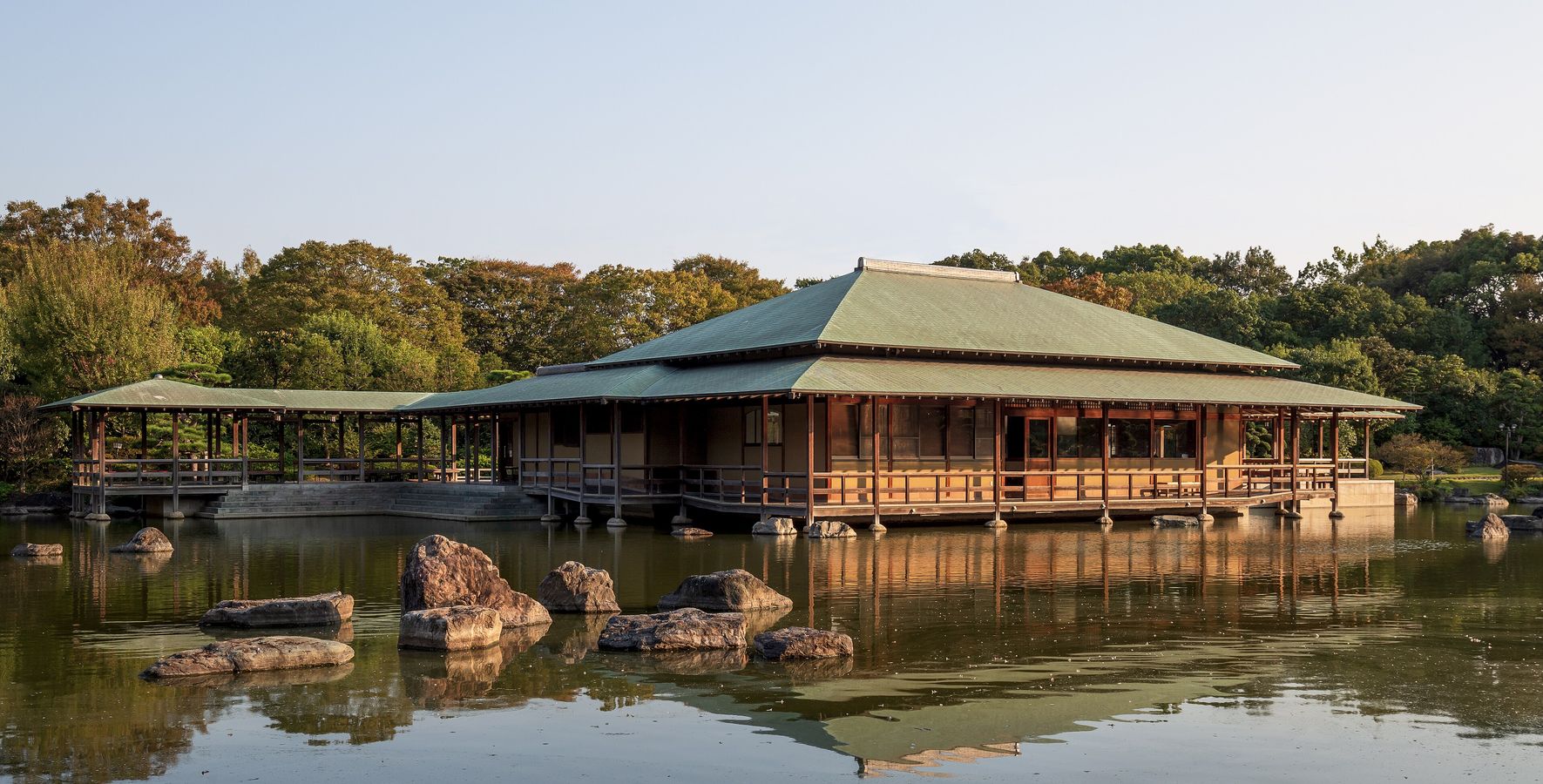
34.6° N
Sakai
Osaka, Japan
A former free port south of Osaka, framed by Osaka Bay and the Yamato River. Forged knives and incense workshops, centuries-old sweets, and neighbourhood coffee and bowls in Shukuin and Hamadera: Rin's picks.
Sakai, on film
4 sights and 13 places, each checked open in 2026, in 39 seconds.
Found somewhere you like? The map and the list below have the address, hours and official site.
Tap for sound
What to eat in Sakai
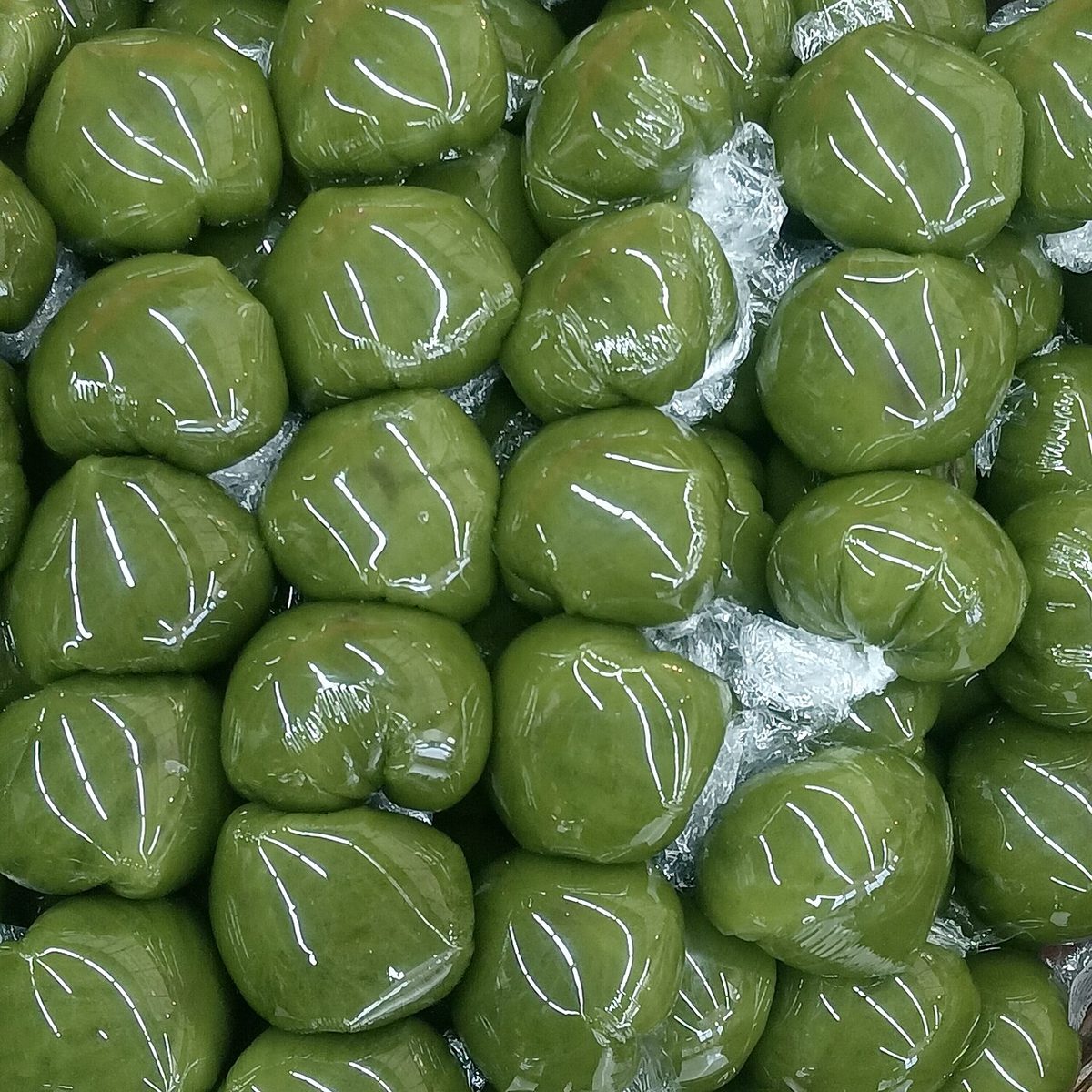
Photo: Fumikas Sagisavas / CC0 (Wikimedia Commons) Kurumi Mochi (rice cakes in sweet green bean paste)
くるみ餅
Soft bite-sized rice cakes coated in a smooth green sweet paste made from soybeans and sugar, with no walnuts inside despite the name. Originating in Sakai during the Muromachi period at Kanbukuro (founded 1329), it got its name from 'kurumu'—wrapping the mochi in paste—using ingredients and sugar brought through Sakai's port trade.
Eaten with a spoon on its own, or topped with plain shaved ice (kori kurumi mochi); made without additives and eaten the same day.
Where to eat it
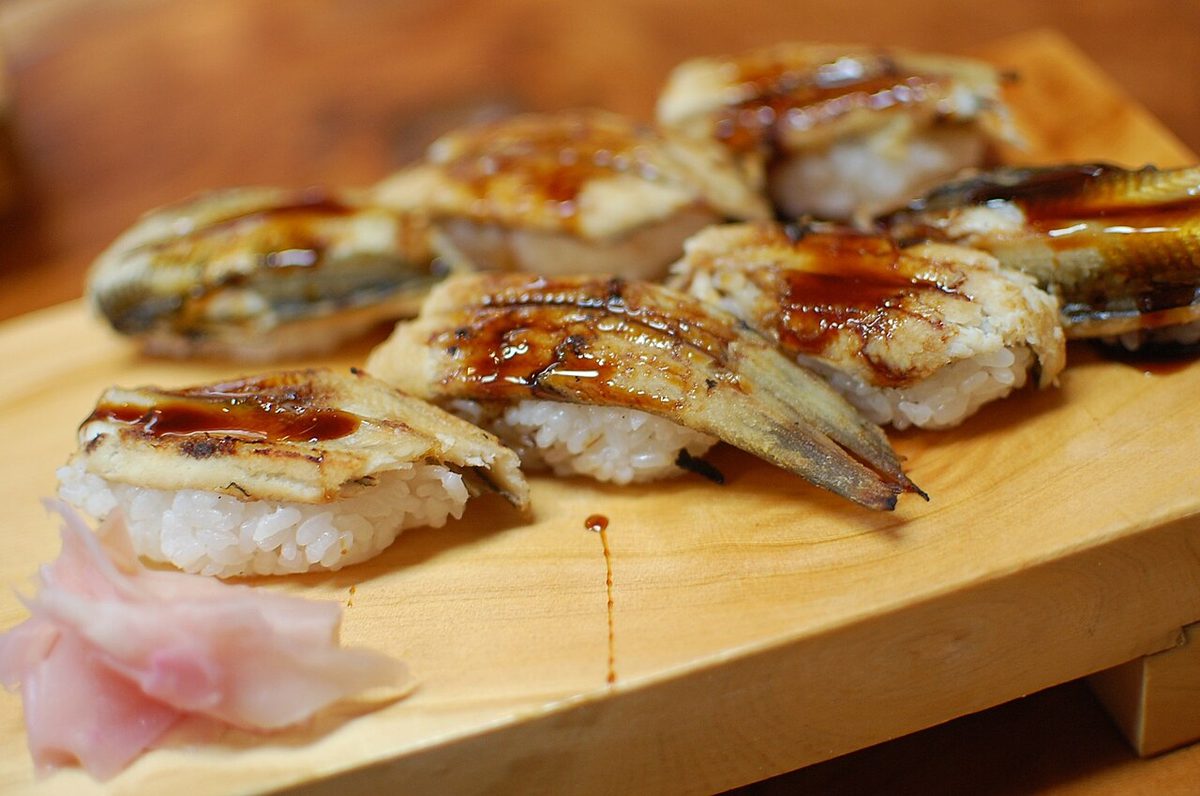
Photo: Daisuke FUJII / CC BY 2.0 (Wikimedia Commons) Sakai Anago (conger eel dishes and sushi)
あなご料理・穴子寿司
Conger eel prepared simmered, grilled, as tempura, or as nigiri and pressed box sushi glazed with sweet tare sauce. Historically caught in the plankton-rich waters off Sakai—where Dejima's 'Anagoya-suji' wholesalers supplied Kyoto and Osaka and gourmet Kitaoji Rosanjin praised Sakai conger eel—its preparation techniques remain rooted in the city.
Ordered as anago-ju rice bowls, tempura, or sashimi at dinner izakayas, or picked up as takeout anago nigiri and pressed sushi (often reserved ahead by phone before selling out).
No photo yet
Keshi Mochi (poppy-seed rice cake)
けし餅
Smooth red bean paste wrapped in soft gyuhi rice cake and rolled in toasted poppy seeds. The seeds entered Japan through Sakai's Muromachi-era foreign trade and were cultivated nearby, where confectioners created this sweet to accompany Sen no Rikyu's tea culture.
Eaten fresh within a few days with matcha or green tea, or lightly toasted over heat if the rice cake firms up.
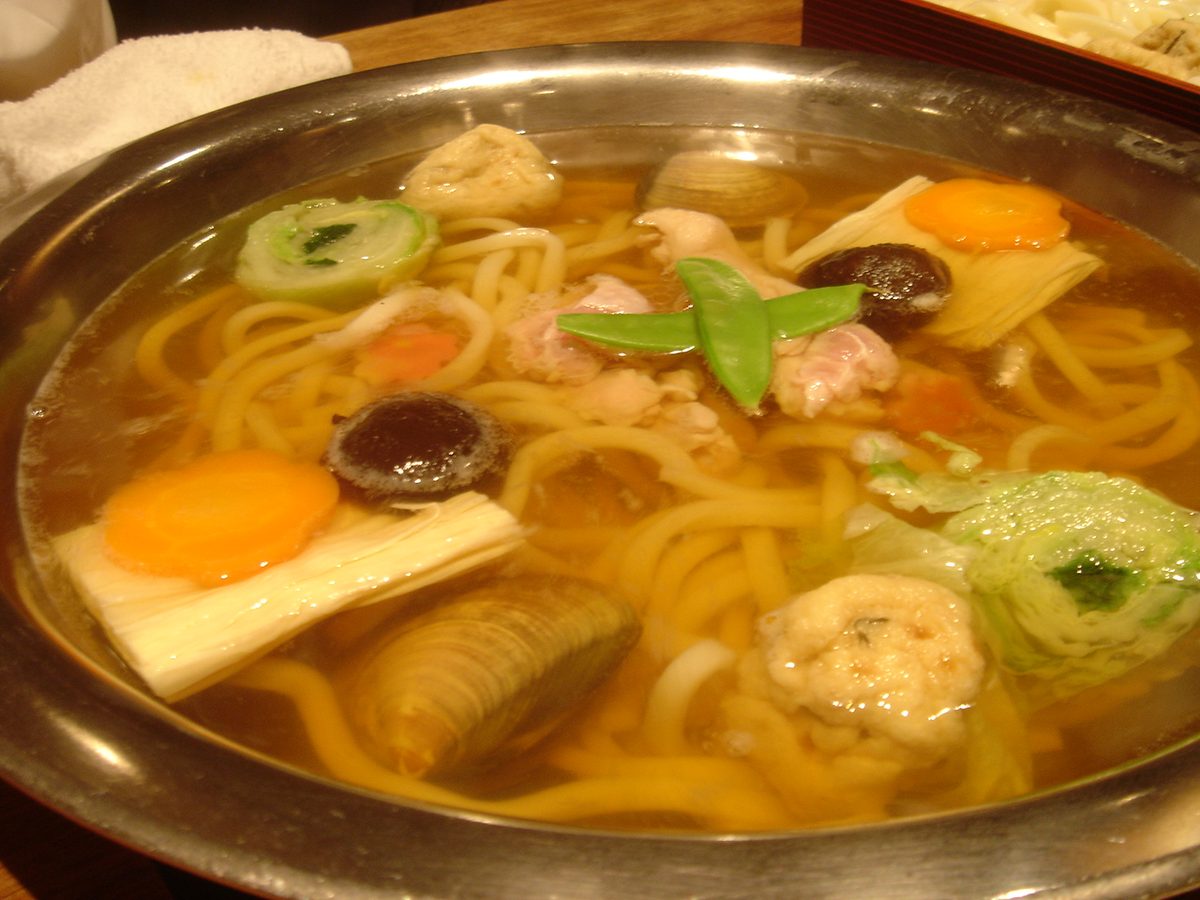
Photo: yajico from Tokyo / CC BY 2.0 (Wikimedia Commons) Udon-suki (udon and seafood hot pot)
うどんすき
Thick udon noodles simmered tableside in a clear kelp-and-bonito dashi pot with prawns, grilled conger eel, chicken, and pre-cooked seasonal vegetables. It was created around 1928 by the founder of Mimiu, whose family culinary roots trace back to the 18th-century Sakai restaurant-inn Mimiurou.
Served tableside in a special pot: dashi is brought to a gentle simmer, udon goes in first, followed by vegetables, live prawns, and mochi.
Where Rin would go, on the map — or build your own route
Tap a mark to see the place; squares are museums and sights (landmarks). Use “Build your own route” to make a walk of your own.
Loading the map
Map data © OpenStreetMap contributors
Where Rin would go
Made in Sakai: Sakai forged knives1
All sakai forged knives →1 / 2
Made in Sakai
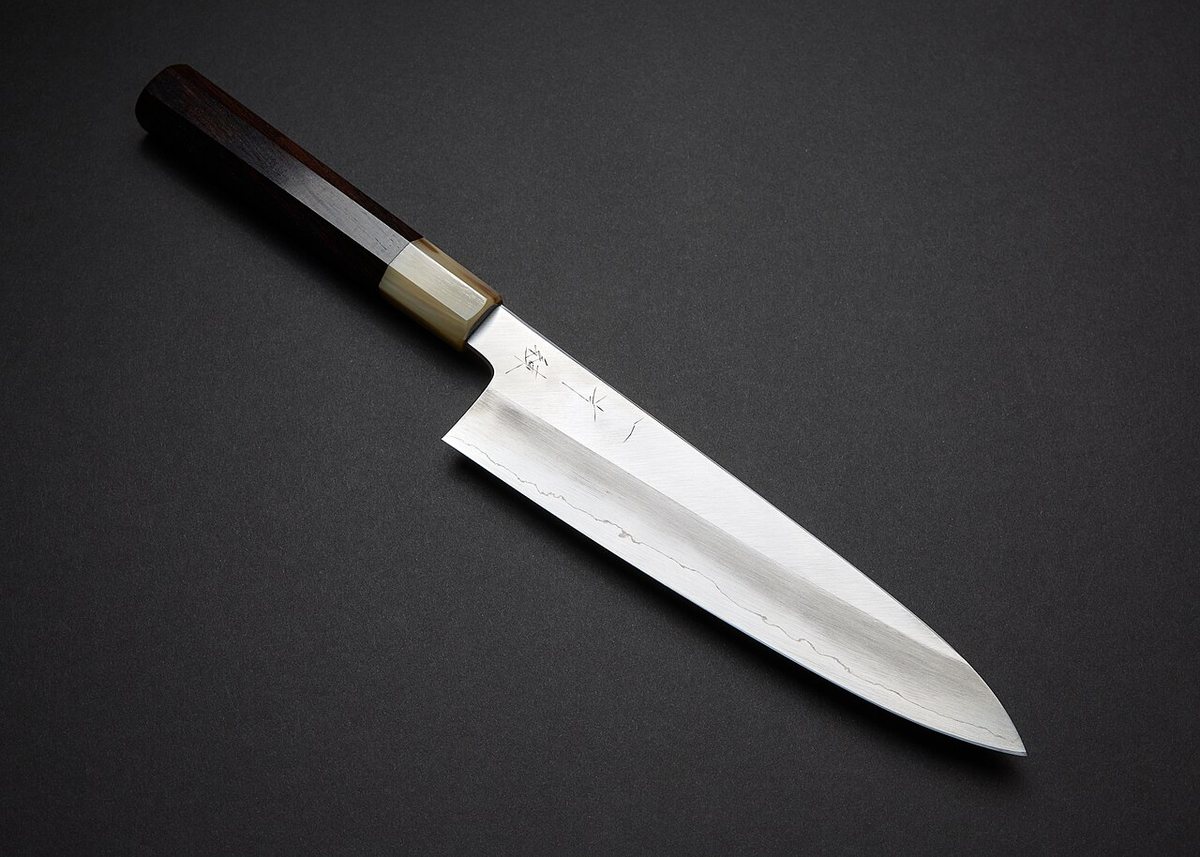
Forged blade-making in Sakai traces its roots to ironworkers who gathered to build the fifth-century kofun tombs, and later to 16th-century tobacco-cutting knives. Even today, blacksmiths, sharpeners and handle-fitters divide the work, though a few workshops like Ashi Hamono handle every step in-house.
A Sakai-forged gyuto kitchen knife with an ebony handle·Photo: Frank Schulenburg / CC BY-SA 4.0 (Wikimedia Commons)
Ayanocho
Ashi Hamono
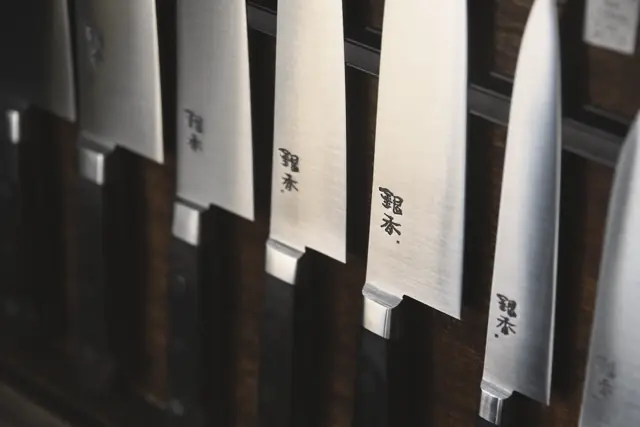
Photo: the shop’s official page 芦刃物製作所
A knife workshop in Namimatsu-cho. It handles everything from heat treatment to grinding and handle fitting in-house, making the Ginga line of knives. Closed weekends and holidays.
9:30–16:00 · Closed: Saturdays, Sundays, and public holidayschecked Nov 2026
14 Namimatsu-cho, Sakai-ku
RinI held a Ginga knife in my hand. Clean balance and a sharp, neat line.
Made in Sakai: Sakai incense1
All sakai incense →1 / 2
Made in Sakai
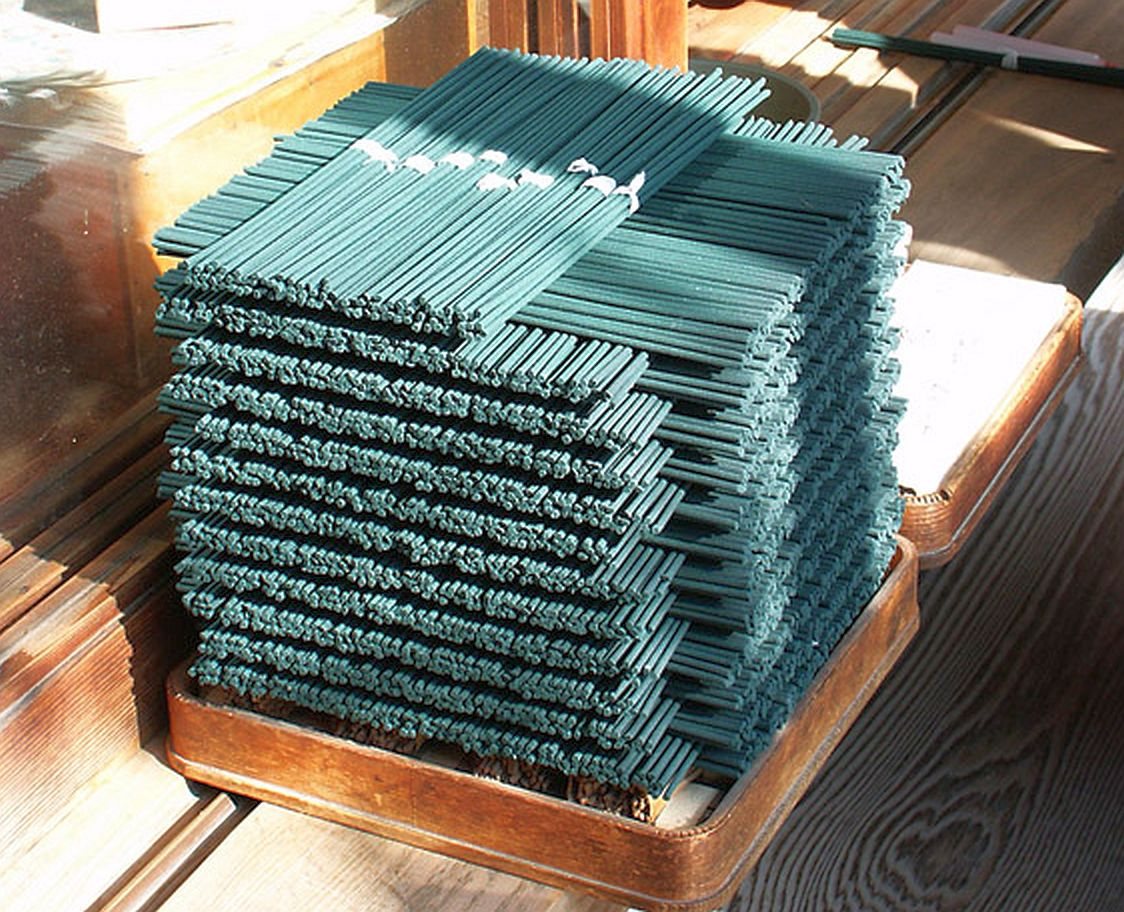
Stick incense in Japan began in 16th-century Sakai, when overseas trade brought aloeswood, sandalwood and medicinal aromatics straight into the port. Makers such as Baieido, founded in 1657, still blend natural fragrant woods here.
Stacks of green Japanese incense sticks drying on wooden trays·Photo: SilkTork / Public domain (Wikimedia Commons)
Ayanocho
Baieido
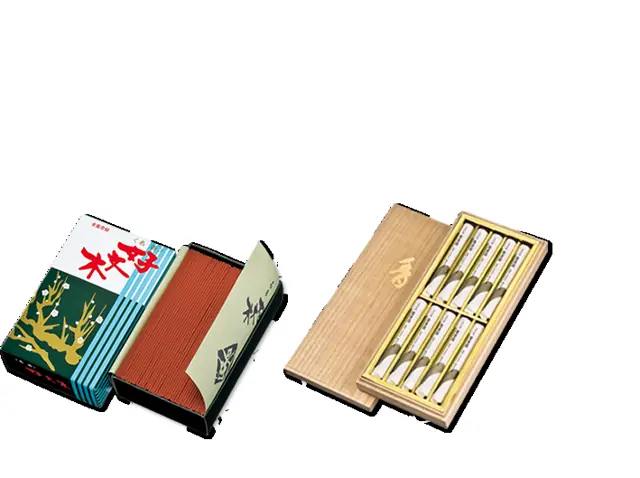
Photo: the shop’s official page 梅栄堂
An incense maker founded in Sakai in 1657, blending natural fragrant woods such as aloeswood and sandalwood, including its signature Kobunboku.
Mon–Fri 11:00–16:30 · Closed: Saturdays, Sundays, public holidays
1-1-4 Kurumanocho Higashi, Sakai-ku
RinI smelled their signature Kobunboku incense. Calm, dry woodiness.
Craft2
All craft →1 / 2
Ayanocho
plants & keramik kakine
A shop near Shichido Station for studio ceramics, household tools and seasonal flowers, open only about two days a month.
2-59-1 Nanashimacho, Sakai-ku
RinI picked up a few studio pots. They felt solid in the hand, so I chose one.
Semboku
sizuku
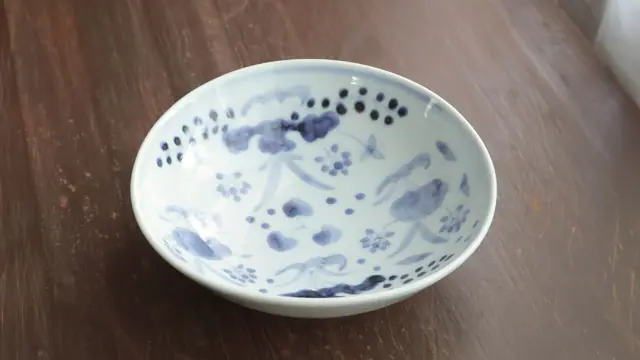
Photo: the shop’s official page うつわと暮らしの道具 sizuku
A shop for handmade vessels and household tools in Miikedai, holding regular solo and two-person shows of potters, glassmakers and woodworkers.
2-5-18 Miikedai, Minami-ku
RinI compared the solo-show pieces. The clear glass had a cool, clean look.
Sweets2
All sweets →1 / 2
Shukuin
Kanbukuro
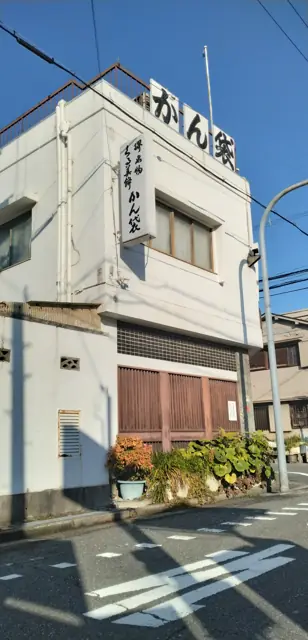
Photo: the shop’s official page かん袋
A sweet shop tracing its start to 1329. It serves only kurumi mochi—rice cakes wrapped in green sweet paste—and shaved-ice kurumi mochi. Closed Tuesdays and Wednesdays (open on public holidays).
10:00–17:00 (eat-in orders until 16:45, closes when sold out) · Closed: Tuesdays and Wednesdays (open on public holidays)checked Nov 2026
1-2-1 Shinzaikecho Higashi, Sakai-ku
RinI ate shaved-ice kurumi mochi inside. Soft mochi and smooth green paste.
Hamadera
kokorotocacao
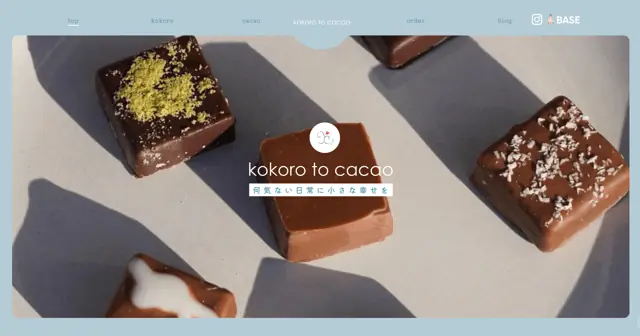
Photo: the shop’s official page A chocolate-focused sweet shop in the Hamadera Suwanomori shopping street. Cakes and baked sweets, with bonbons in the colder months. Closed Thursdays.
10:00–19:00 (closes when sold out) · Closed: Thursdayschecked Nov 2026
2-176 Hamadera Suwanomoricho Naka, Nishi-ku
RinI picked out a few bonbons. Small, with a rich, lingering cacao flavour.
Food4
All food →1 / 4
Shukuin
Ginshari en
銀シャリ en
A teishoku diner in Ebisonocho Higashi serving freshly cooked white rice with grilled fish and handmade side dishes, from breakfast.
3-1-9 Ebisonocho Higashi, Sakai-ku
RinI picked grilled fish and small sides for breakfast. Sweet, hot white rice.
Sakaihigashi
Grill Tommy PART2
グリルトミー PART2
A yoshoku restaurant in Minamishojicho founded in 1971, serving hamburger steaks, tonkatsu, fried prawns and cream croquettes in mixed platters. Lunch only; closed Mondays and Fridays.
1-1-4 Minamishojicho, Sakai-ku
RinI had the fried prawn and cream croquette platter. Crisp shell, soft inside.
Sakaihigashi
Menza Gin
麺座ぎん
A ramen and tsukemen shop near Sakaihigashi Station, known for thick noodles with rich seafood-pork dipping broth and abura-soba.
2-3-23 Kitakawaramachi, Sakai-ku
RinI ordered the thick-noodle tsukemen. Rich broth clinging to every bite.
Hamadera
Udon Kobo Hachiman
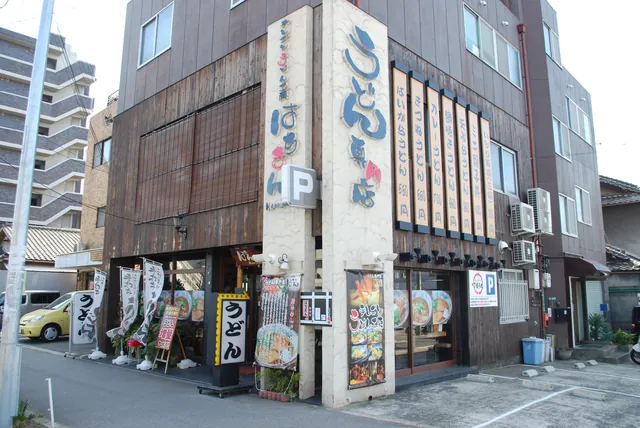
Photo: the shop’s official page 手しごと うどん工房 はちまん
An udon shop in Hamadera Ishizucho Nishi making both wheat udon and its own gluten-free rice-flour udon, Sanukigoe.
Weekdays 11:00–14:30, 17:30–20:30; weekends and public holidays 11:00–15:00, 17:00–20:30 · Closed: Mondays (open on public holidays, closed Tuesdays)
4-14-1 Hamadera Ishizucho Nishi, Nishi-ku
RinI ate the rice-flour udon, Sanukigoe. Smooth, clean bite, and light.
Cafés3
All cafés →1 / 3
Shukuin
specialty coffee DEARCUP
A specialty coffee roaster and café in Sakaebashicho serving single-origin and blended coffees.
1-8-3 Sakaebashicho, Sakai-ku
RinI ordered a single-origin coffee. Clean, clear taste with no bitterness.
Sakaihigashi
Aomidori
自家焙煎喫茶 あおみどり
A house-roasting kissaten in Koryo Nishimachi serving made-to-order hamburger lunches, coffee beans by weight, and coffee jelly.
1-2-10 Koryo Nishimachi, Sakai-ku
RinI had the coffee jelly after lunch. It was cleanly bitter, so I bought a bag of beans.
Hamadera
wabi-sabi Hakko to Coffee to.
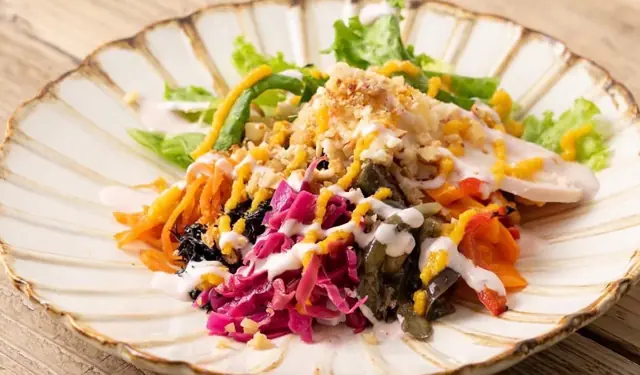
Photo: the shop’s official page wabi-sabi 発酵と珈琲と。
A café in Hamadera Showacho serving plates with fermented vegetable delis, spiced dishes, and house-roasted coffee.
11:00–16:30 · Closed: Saturdays to Mondayschecked Nov 2026
1-1-157 Hamadera Showacho, Nishi-ku
RinI had the fermented vegetable plate and coffee. The gentle tang was refreshing.
By area
Rin is a fictional traveller. Every place here was checked by the editors to exist and be open (checked 2026-11-12). Please confirm hours on the official site before you go. Paid listings are always marked. If you are the shop and would like a photo removed, write to editor@vual.jp and we will take it down at once.
To see — art and sights (landmarks)
Art · Shukuin
Sakai Plaza of Rikyu and Akiko
A cultural museum devoted to tea master Sen no Rikyu and poet Yosano Akiko, with exhibitions and tea-room experiences. Exhibition halls closed third Tuesdays.
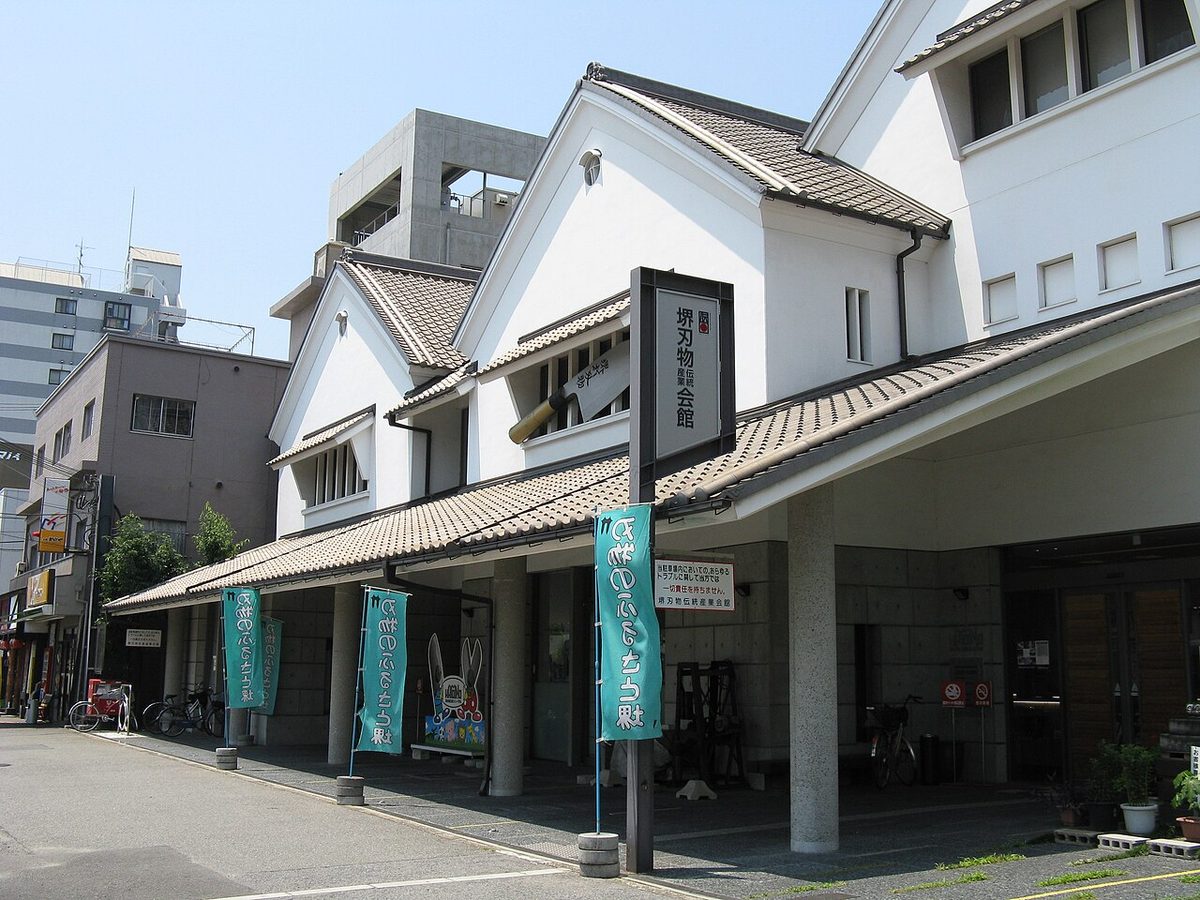
Photo: KENPEI / CC BY-SA 3.0 (Wikimedia Commons) Art · Ayanocho
Sakai Traditional Crafts Museum
A museum and shop presenting Sakai's traditional crafts, including forged knives, incense, and chusen-dyed textiles. Closed third Tuesdays and year-end/New Year.
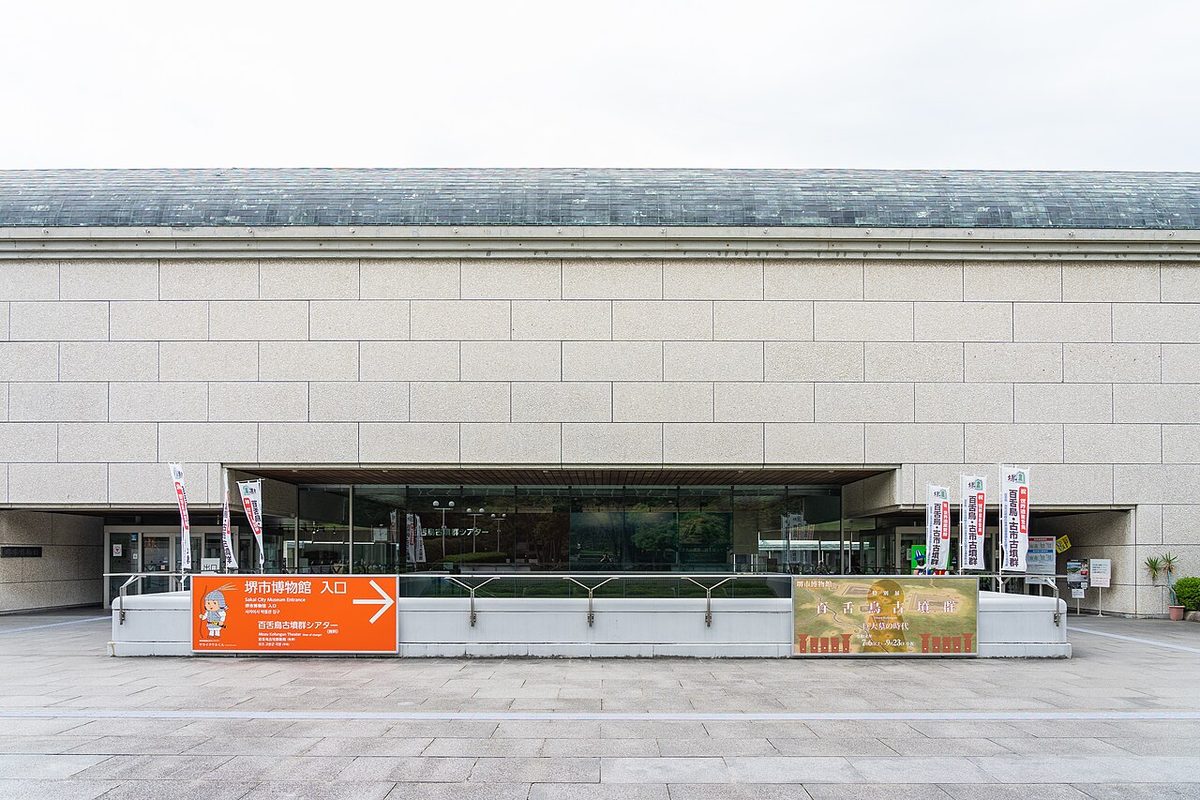
Photo: Wei-Te Wong from Taipei City, Taiwan, Republic of China / CC BY-SA 2.0 (Wikimedia Commons) Art · Mozu
Sakai City Museum
The city museum inside Daisen Park, exhibiting artefacts from the Mozu Kofun tombs and Sakai's history as a medieval port city. Closed Mondays.
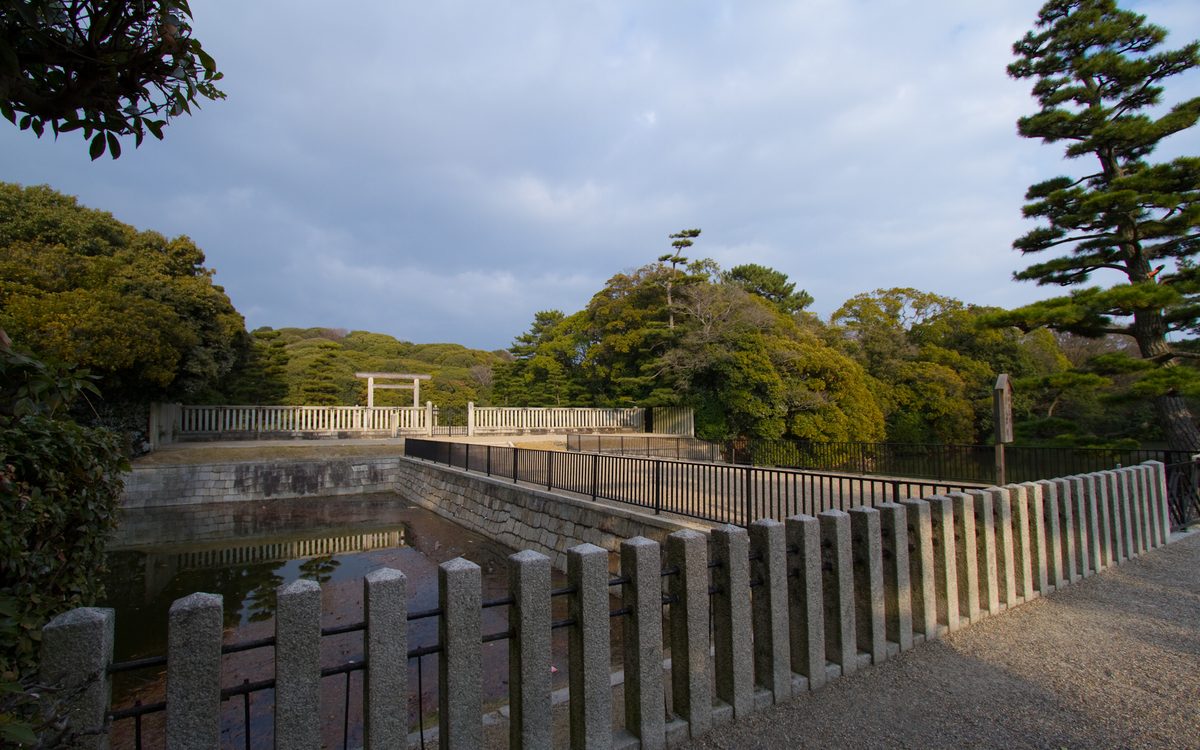
Photo: kisaragi / CC BY-SA 3.0 (Wikimedia Commons) Sights · Mozu
Nintoku-tenno-ryo Kofun
Japan's largest keyhole-shaped tomb mound, built in the mid-5th century. At 486 metres long and ringed by three moats, it anchors the Mozu Kofun group and is viewed from the outer path and worship platform.
These are landmarks, not Rin's picks. Each was checked to be open on its official site (checked 2026-11-12). Please confirm hours before you go.
Day trips from Sakai
Classics
- Sumiyoshi Taishaabout 4 km
It is the head shrine of approximately 2,300 Sumiyoshi shrines nationwide. Hatsumode in January is very crowded.
- Horyu-ji Templeabout 24 km
A temple associated with Prince Shotoku, known as having the world's oldest wooden building complex. Spring and autumn are best, especially for garden views.
- Arima Onsenabout 32 km
A historic hot spring town known as one of the oldest in Japan. Autumn and winter are best for hot springs.
- Todaiji Templeabout 35 km
A representative temple of Nara, home to the Great Buddha Hall, one of the world's largest wooden buildings. Cherry blossoms in spring and autumn leaves are breathtaking; visit early morning.
- Kasuga Taishaabout 36 km
A historic shrine situated deep within Nara Park, registered as a World Heritage site. Early morning is best to avoid crowds.
- Nara Parkabout 36 km
A vast park where deer roam freely and historical temples and shrines are dotted throughout the nature. Cherry blossoms in April and autumn leaves in November are the highlights.
- Koyasanabout 42 km
A sacred site of Shingon Esoteric Buddhism founded by Kobo Daishi Kukai. Autumn leaves peak in late October to early November.
Hidden spots
- Yanagidani Kannon Yokoku-jiabout 41 km
An ancient mountain temple in Nagaokakyo famed for eye-healing prayers and celebrated as the birthplace of seasonal flower-filled chozuya basins (hana-chozu). June (Hydrangea Week) and mid-Nov to early Dec (Momiji Week); 15:00–16:00 light hits the lantern stairs.
Distances are straight-line from the town centre. Each page has how to get there and a suggested day.