35.1° N
Omihachiman
Shiga, Japan
A former castle town beside Lake Biwa and the Nishinoko reed marshes. Hachiman-gawara roof tiles, hand-sewn leather shoes and turned wooden beads, with wagashi, bread and coffee along the canal and old merchant streets: Rin's picks.
Omihachiman, on film
4 sights and 15 places, each checked open in 2026, in 31 seconds.
Found somewhere you like? The map and the list below have the address, hours and official site.
Tap for sound
What to eat in Omihachiman
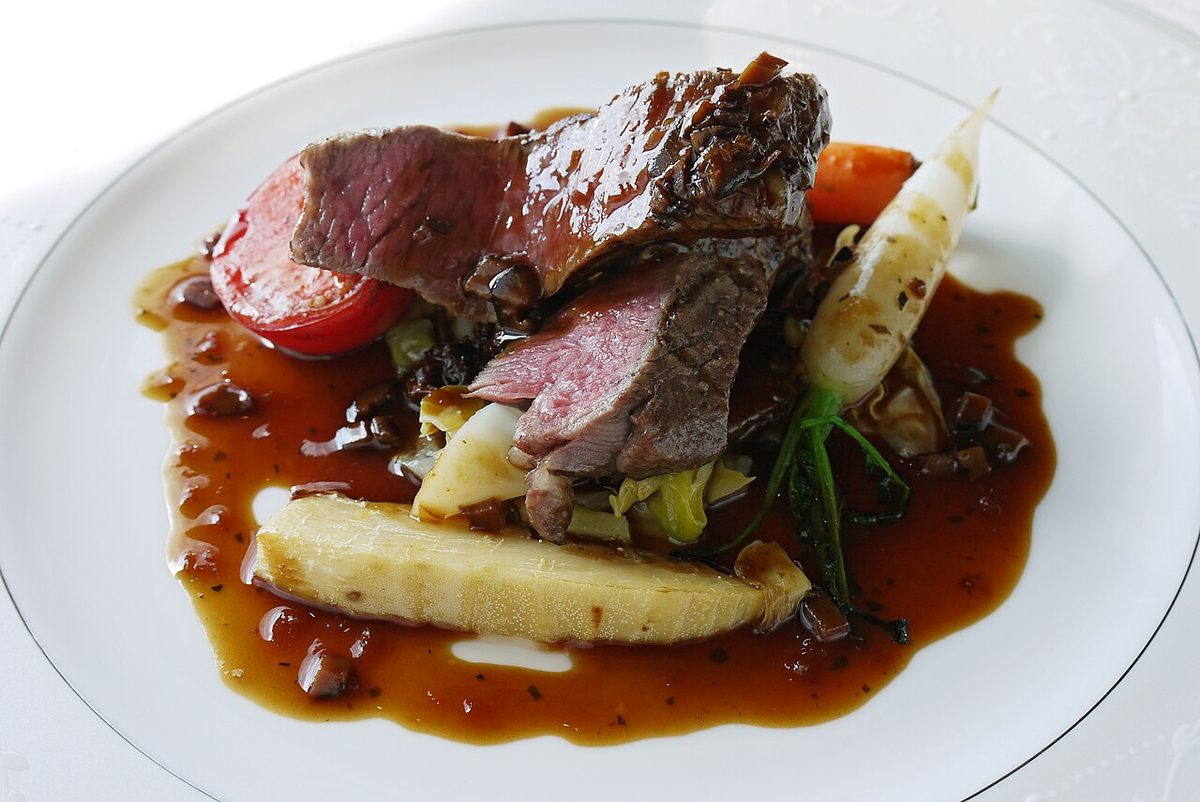
Photo: 663highland / CC BY 2.5 (Wikimedia Commons) Omi-gyu (Omi beef)
近江牛
Omi-gyu is wagyu beef from Japanese Black cattle raised in Shiga Prefecture. Cattle fattening and beef processing developed around Omihachiman, from where Omi merchants and local dealers shipped beef to Kyoto and Tokyo from the late Edo and Meiji periods.
Eaten year-round as steak, sukiyaki, shabu-shabu, or in set meals and rice bowls.
Where to eat it
- MAISON HIBINO ↓
- Omi Beef Restaurant TiffanyWebsiteMap
- Omi Beef Morishima Omihachiman HontenWebsiteMap
No photo yet
Aka konnyaku (red konjac)
赤こんにゃく
Aka konnyaku is konjac dyed red with food-grade iron sesquioxide, giving it a fine-grained, firm texture that holds its color when simmered. Produced around Omihachiman, it has long been eaten both at festive gatherings and in everyday home cooking.
Most often simmered with soy sauce, mirin, bonito flakes, and chili pepper, or served as a side dish with set meals.
Where to eat it
- Brasserie Épattache ↓
- Restaurant WadenWebsiteMap
- Omi Beef Creative Cuisine KubotayaWebsiteMap
No photo yet
Detchi yokan (bamboo-wrapped steamed red-bean cake)
丁稚羊羹
Detchi yokan is a steamed sweet made from smooth red-bean paste, sugar, and wheat flour wrapped in natural bamboo sheaths. In landlocked Omihachiman, local confectioners used wheat flour in place of scarce agar, and Watayo has made it there since 1863.
Peel back the bamboo wrapping and slice it to eat fresh with tea year-round.
Where to eat it
- Omi Sanpouan ↓
- WatayoWebsiteMap
No photo yet
Chojifu (square baked wheat gluten)
丁字麩
Chojifu is a square wheat gluten baked on all six sides, with a thick, chewy texture that holds its shape when cooked. Made in Omihachiman since at least the late Edo period, its compact rectangular shape suited Omi merchants carrying preserved food on long trading journeys.
Rehydrated and tossed with cucumber in mustard vinegar miso, or simmered in sukiyaki and soups.
Where Rin would go, on the map — or build your own route
Tap a mark to see the place; squares are museums and sights (landmarks). Use “Build your own route” to make a walk of your own.
Loading the map
Map data © OpenStreetMap contributors
Where Rin would go
Made in Omihachiman: Hachiman Smoked Clay Roof Tiles1
All hachiman smoked clay roof tiles →1 / 2
Made in Omihachiman
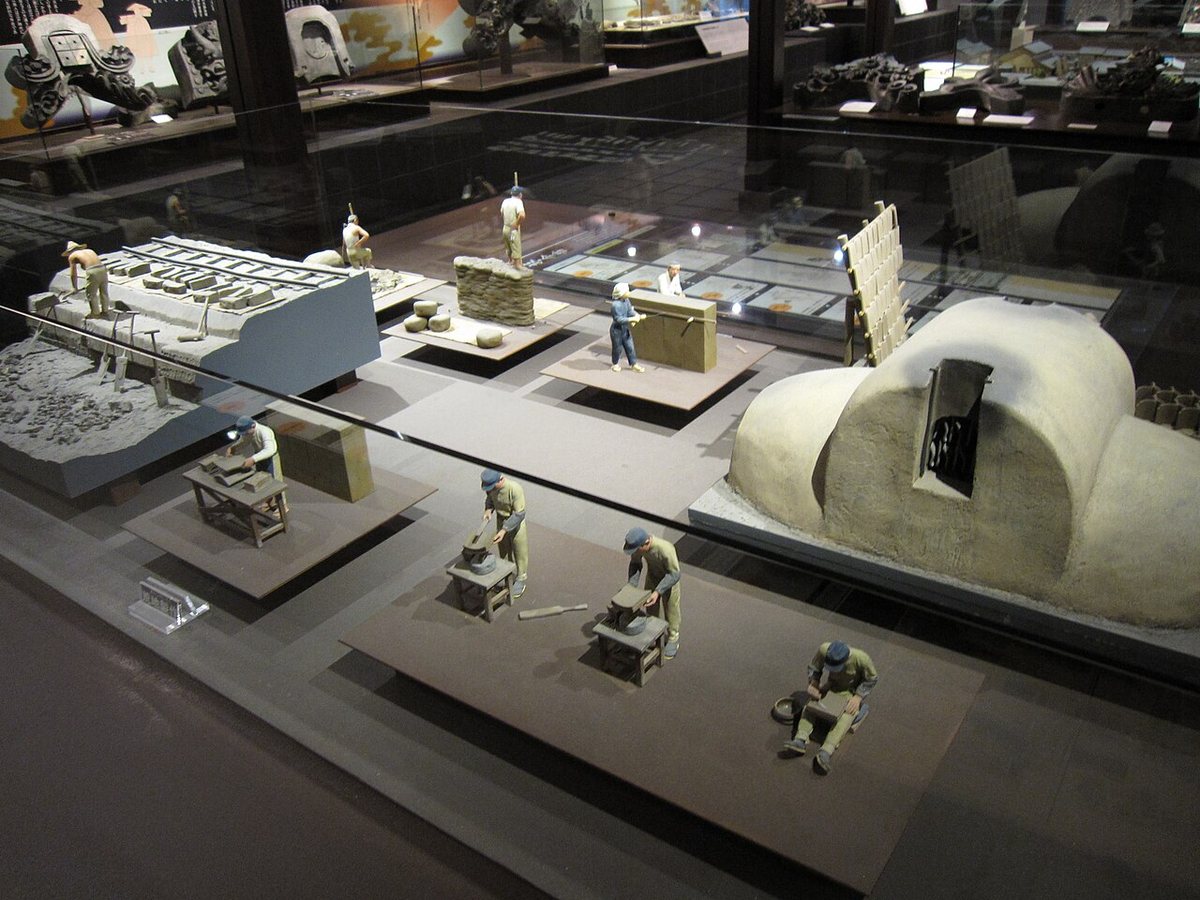
Ibushi-gawara smoked clay tiles fired along the canal have covered Omihachiman's merchant roofs for centuries. At Kawara Museum, visitors can see how the tiles were made and try firing clay themselves.
Tile-making and kiln diorama at Kawara Museum·Photo: Ciphers / CC BY-SA 3.0 (Wikimedia Commons)
Hachiman-bori
Kawara Museum
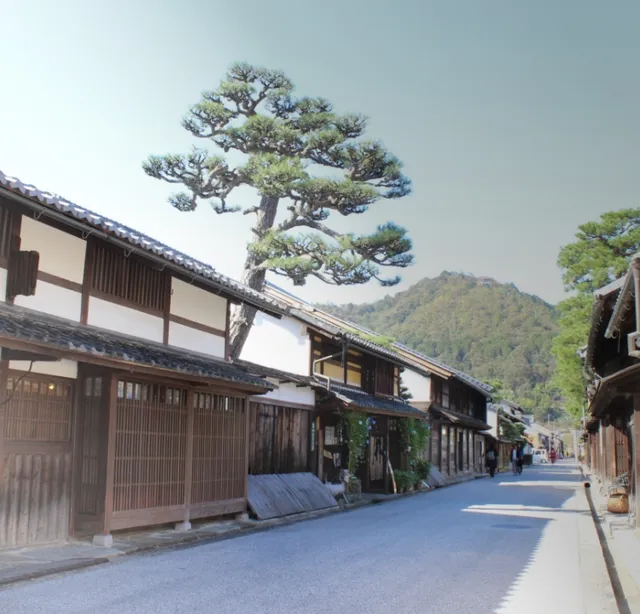
Photo: the shop’s official page かわらミュージアム
A museum and workshop along Hachiman-bori devoted to roof tiles. Across ten tile-clad buildings using 24,000 tiles, visitors can see onigawara displays and try firing smoked-silver clay pieces. Open 9:00 to 17:00, closed Mondays.
Tue–Sun 9:00–17:00 (last entry 16:30) · Closed: Mondays (open on public holidays), day after public holidays, Dec 28–Jan 3
多賀町738-2
RinI fired a clay tile at the workshop. Its smoked-silver surface was lovely.
Made in Omihachiman: Hachiman Hand-Sewn Leather Shoes1
All hachiman hand-sewn leather shoes →1 / 2

Made in Omihachiman
Hand-sewn leather shoemaking took root in Omihachiman and grew into a local craft. Makers such as Riverfield near the station still craft made-to-order Hachiman-gutsu leather shoes.
Hand-sewn leather derby shoes by Riverfield·Photo: Riverfield (official site)
Omihachiman Station
Riverfield

Photo: the shop’s official page リバーフィールド
A custom leather shoemaker near the south exit of JR Omihachiman Station making traditional hand-sewn Hachiman-gutsu shoes. Choose from 22 designs and 28 materials. Open 10:00 to 17:00, closed Mondays.
10:00–17:00 · Closed: Mondayschecked Nov 2026
鷹飼町617
RinI compared the 28 leathers and chose one. Each felt supple in my hands.
Made in Omihachiman: Omi Turned Wooden Rosary & Craft Beads1
All omi turned wooden rosary & craft beads →1 / 2
Made in Omihachiman
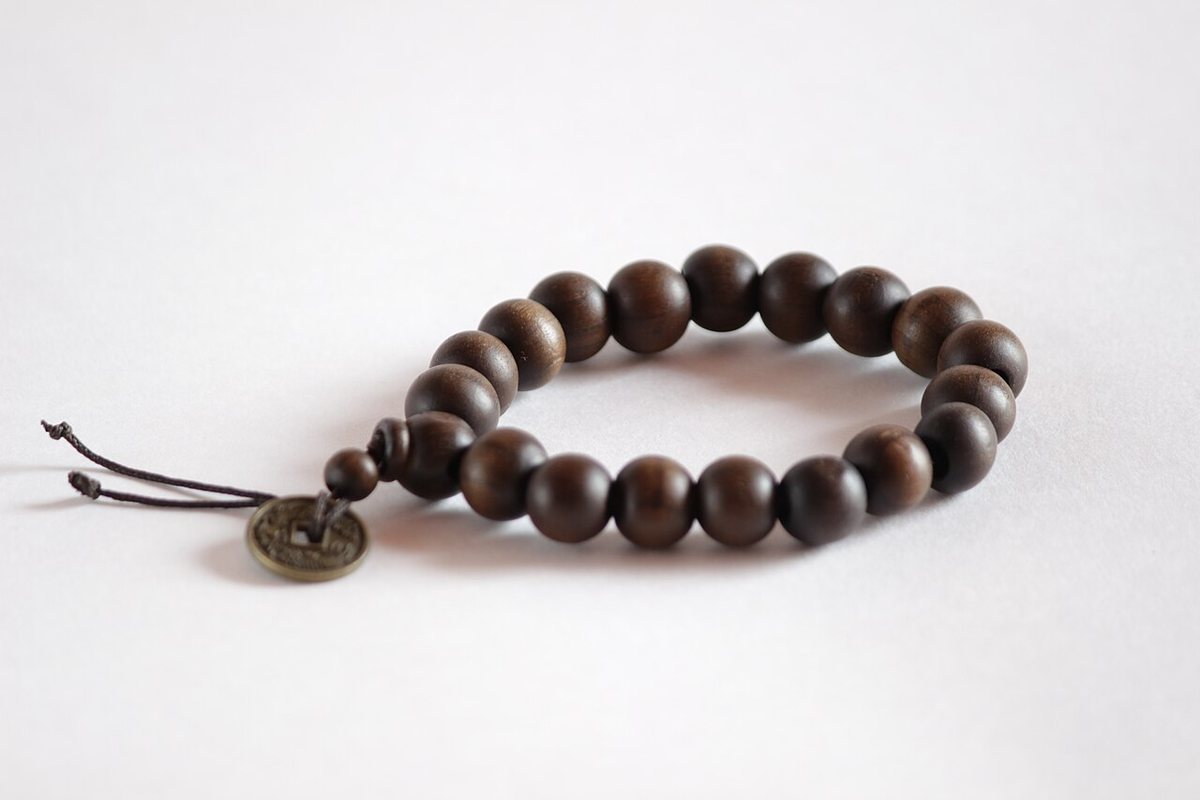
Omihachiman is known as a centre for turned wooden beads used in Buddhist rosaries. Workshops such as Kawasaki, founded in 1928, cut, turn and finish rare woods in-house.
Turned wooden Buddhist prayer beads on a plain background·Photo: Аркадий Зарубин / CC BY-SA 3.0 (Wikimedia Commons)
Hachiman-bori
Rare Wood Beads Bijoux, Hachiman-bori
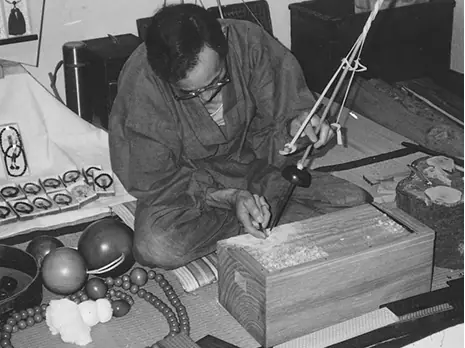
Photo: the shop’s official page レアウッドビーズ美樹 八幡堀 石畳の小路店
The direct shop of wooden-bead maker Kawasaki, founded in 1928, in a restored merchant storehouse by Hachiman-bori. It sells Hanbei wooden rosaries and rare-wood accessories with Biwa pearls, with a second-floor beadwork studio.
10:00–17:00 · Closed: Tuesdayschecked Nov 2026
大杉町12 八幡堀 石畳の小路
RinI held the rare-wood and Biwa-pearl beads. The wood felt smooth and light.
Craft3
All craft →1 / 3
Nakaya-cho & Nagahara-cho
Nakajima Takichi Shoten
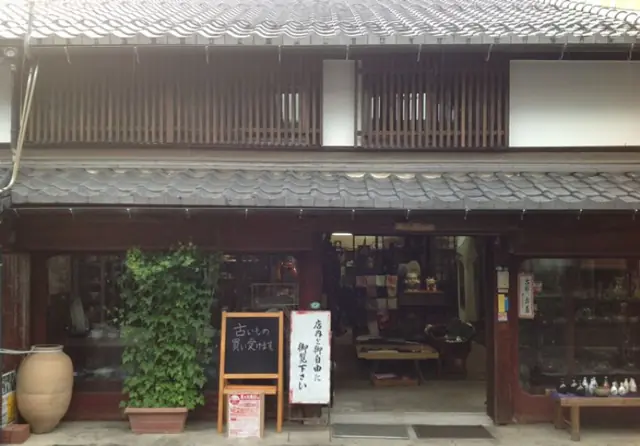
Photo: the shop’s official page 中島多吉商店
An antique shop in Ishin-cho Moto dealing in fine antiques, vintage sundries and Buddhist altars. Usually open 10:00 to 15:30, closed Tuesdays.
10:00–15:30 · Closed: Tuesdayschecked Nov 2026
為心町元22-1
RinI browsed the old vessels and sundries. Their aged patina was calming.
Hachiman-bori
Omi Ikkanbari KURA
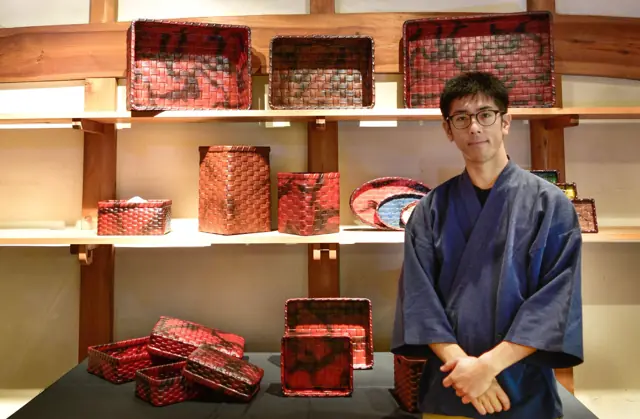
Photo: the shop’s official page 近江一閑張 蔵 -KURA-
A renovated storehouse shop along Hachiman-bori's stone-paved lane for Ebitani Kogei's Omi Ikkanbari baskets, boxes and trays. Open 10:00 to 17:30 (17:00 from December to February), closed Tuesdays.
10:00–17:30 (Dec–Feb 10:00–17:00) · Closed: Tuesdays and irregular holidays
大杉町12 八幡堀 石畳の小路
RinI picked up the Omi Ikkanbari baskets. They felt surprisingly light in my hands.
Nakaya-cho & Nagahara-cho
Koyomi Local Life & Crafts
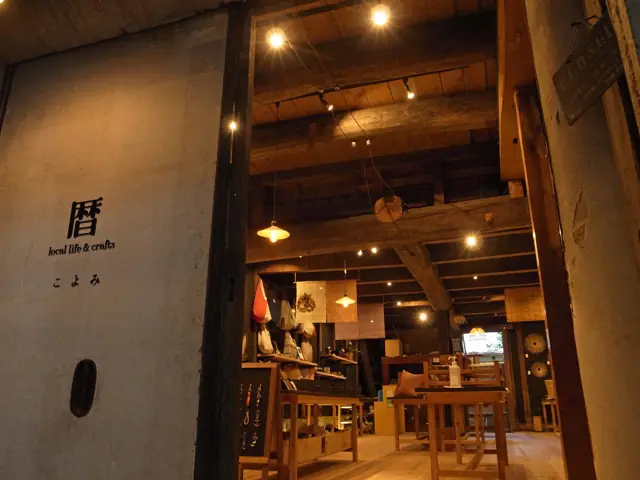
Photo: the shop’s official page 暦 ~こよみ~ Local Life & Crafts
A shop in a converted Edo-period brewery workers' storehouse at Machiya Club, carrying local reed work, bamboo craft, ramie textiles, and Omi leather and Takashima canvas bags. Open 13:00–17:00 weekdays (10:30 weekends/holidays), closed Tuesdays.
Weekdays 13:00–17:00, weekends and public holidays 10:30–17:00 · Closed: Tuesdayschecked Nov 2026
仲屋町中21 近江八幡まちや倶楽部内
RinI looked through the reed, ramie and canvas goods. Every weave felt sturdy.
Sweets3
All sweets →1 / 3
Shinmachi-dori
Damontei
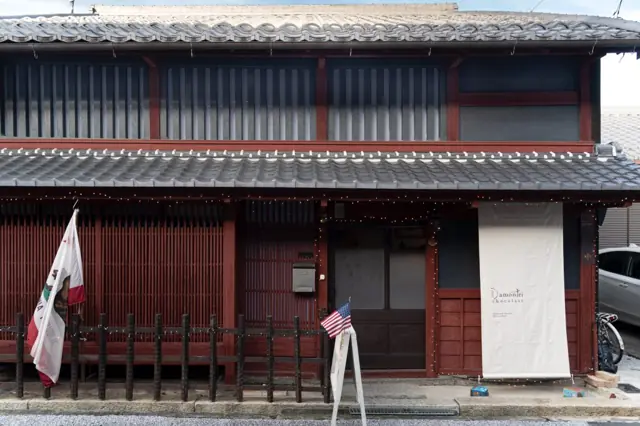
Photo: the shop’s official page だもん亭
A house on Shinmachi-dori run by potter and chef Darren Damonte. Its attached shop and café serve bean-to-bar craft chocolate and sweets, while the California-cuisine restaurant takes one group a day by reservation only.
Thu–Sun 12:00–19:00 · Closed: Mondays to Wednesdays
新町4-10
RinI bought craft chocolate at the café. The cacao aroma was rich and deep.
Omihachiman Station
Omi Sanpouan
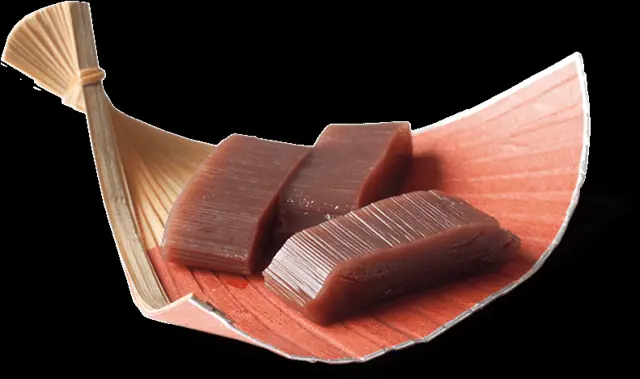
Photo: the shop’s official page 和菓子司 近江三方庵
A wagashi shop in Demachi making fresh daily morning sweets with Shiga habutae glutinous rice and Tokachi red-bean paste. Open 9:30 to 17:30, closed Fridays.
9:30–17:30 · Closed: Fridayschecked Nov 2026
出町429-10
RinI ate the fresh morning wagashi. The mochi was soft with clean red-bean paste.
Kitanosho
La Collina Omihachiman (Taneya)
ラ コリーナ近江八幡(たねや)
The home of Omihachiman's confectioner Taneya: grass-roofed buildings by the architect Terunobu Fujimori around a rice field, with wagashi and Western sweets shops and a café.
近江八幡市北之庄町615-1
RinLook up at the grass roof, then freshly baked baumkuchen. I want to walk once around the rice field before leaving.
Food3
All food →1 / 3
Hachiman-bori
Brasserie Épattache
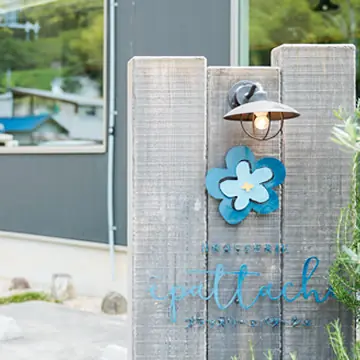
Photo: the shop’s official page ブラッスリー エパターシュ
A French brasserie in Miyauchi-cho serving courses with seasonal local vegetables, signature quiche and house-baked rye bread on chosen tableware. Check the monthly calendar for opening days and reservations.
11:30–21:00 (dinner by reservation only at least 2 days in advance) · Closed: Mondays, Tuesdays, and 2nd and 4th Sundays
宮内町188-8
RinI had the quiche and house-baked rye bread. The rye was nutty and slightly tangy.
Omihachiman Station
Kyoto Soba Shinano
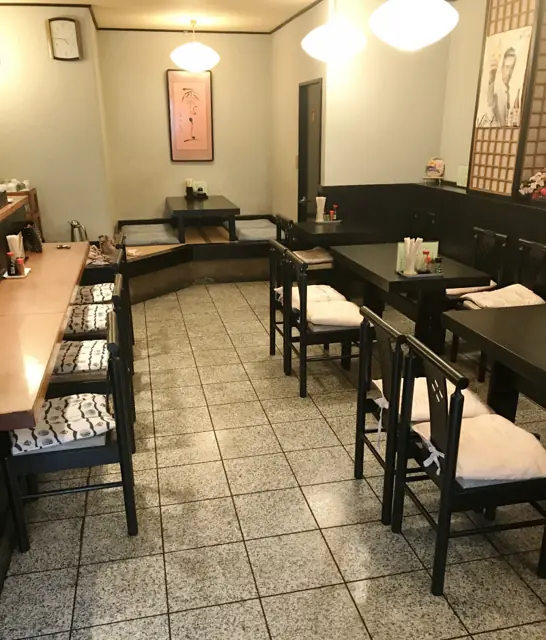
Photo: the shop’s official page 京都そば処 志な乃
Irregular closing days
A thirty-year-old soba and donburi shop in Demachi, an eight-minute walk from Omihachiman Station's north exit. Oyakodon is its best-known dish alongside softly boiled soba. Reopening 13 November 2026 for lunch only (11:00–15:00) for the time being.
11:00–15:00, 17:00–19:00 · Closed: Irregularchecked Nov 2026
出町414-5
RinI ordered the oyakodon. The savoury-sweet sauce and soft egg went down easily.
Nishinoko & Suiro
MAISON HIBINO
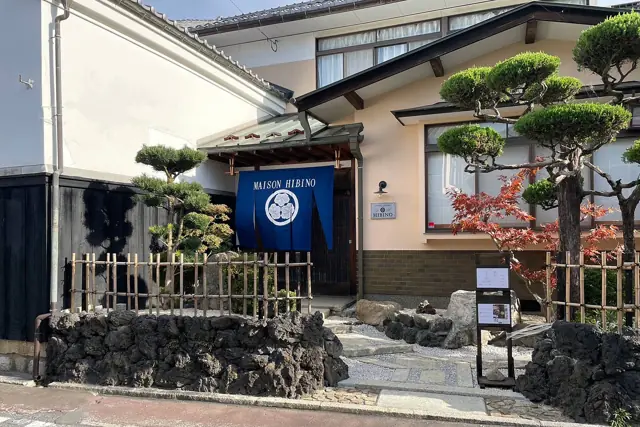
Photo: the shop’s official page A French restaurant in a 130-year-old timber house in Azuchi-cho Jorakuji, serving courses built around Shiga ingredients overlooking a garden. Check the website calendar for open days and bookings.
12:00–15:00 (last order 14:30), 18:00–21:30 (last order 21:00) · Closed: Wednesdays and Sundayschecked Nov 2026
安土町常楽寺617
RinI had the Shiga-ingredient course by the garden. Each dish tasted fresh and vivid.
Cafés3
All cafés →1 / 3
Nishinoko & Suiro
coffee åtta
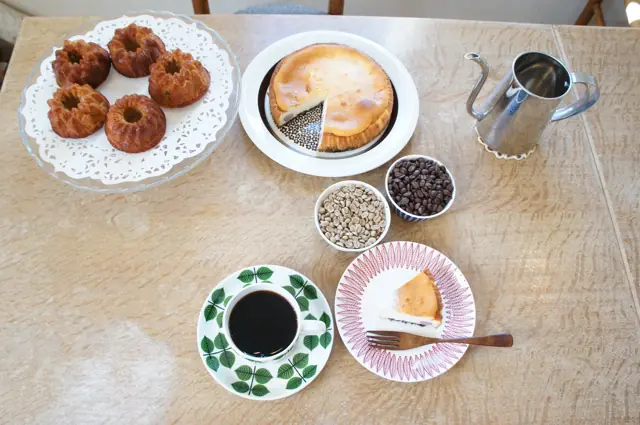
Photo: the shop’s official page A shop of home-roasted coffee and Nordic vintage wares in Kobunaki-cho, also hosting small exhibitions and workshops.
11:00–16:00 (open irregularly 2–3 days a week) · Closed: Irregular
小船木町733-22
RinI drank coffee surrounded by Nordic vintage pieces. The roast was warm and rich.
Hachiman-bori
Cafe NICO
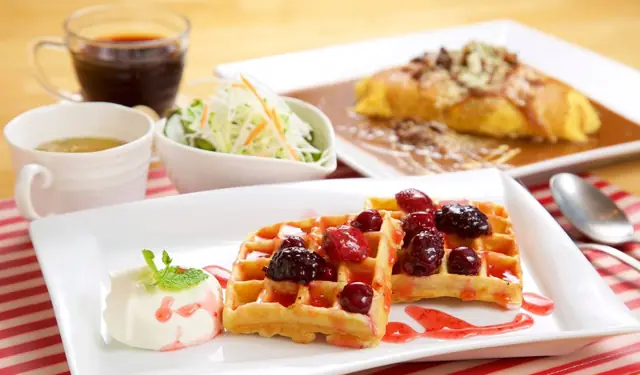
Photo: the shop’s official page A café in Taga-cho serving coffee from specialty roasters, Mlesna teas and local-vegetable dishes, along with made-to-order waffles and fruit tarts.
11:00–20:00 (last order 19:00), Mon 11:00–17:00 (last order 16:30) (lunch 11:30–14:30) · Closed: Wednesdays
多賀町579-2
RinI had coffee with a waffle baked to order. Crisp outside, soft inside.
Nakaya-cho & Nagahara-cho
Koukoan
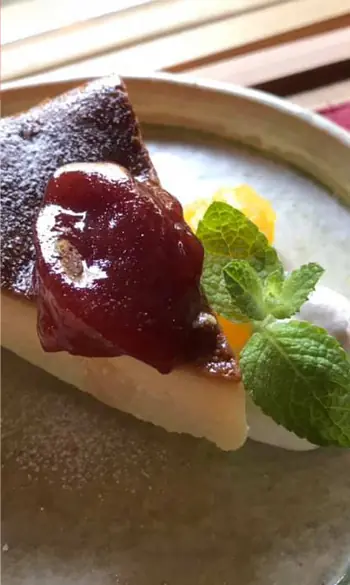
Photo: the shop’s official page 江湖庵
A café and seal-engraving workshop in a 200-year-old townhouse in Ishin-cho Moto. Serves specialty coffee, organic sencha, and rice-flour chiffon and cheesecake. Open 11:30 to 18:00 (17:00 in winter), closed Tuesdays and Wednesdays.
11:30–18:00 (until 17:00 in Dec–Feb) · Closed: Tuesdays and Wednesdays
為心町元7
RinI ordered the rice-flour chiffon and organic sencha. The cake was moist and light.
By area
Rin is a fictional traveller. Every place here was checked by the editors to exist and be open (checked 2026-11-18). Please confirm hours on the official site before you go. Paid listings are always marked. If you are the shop and would like a photo removed, write to editor@vual.jp and we will take it down at once.
To see — art and sights (landmarks)
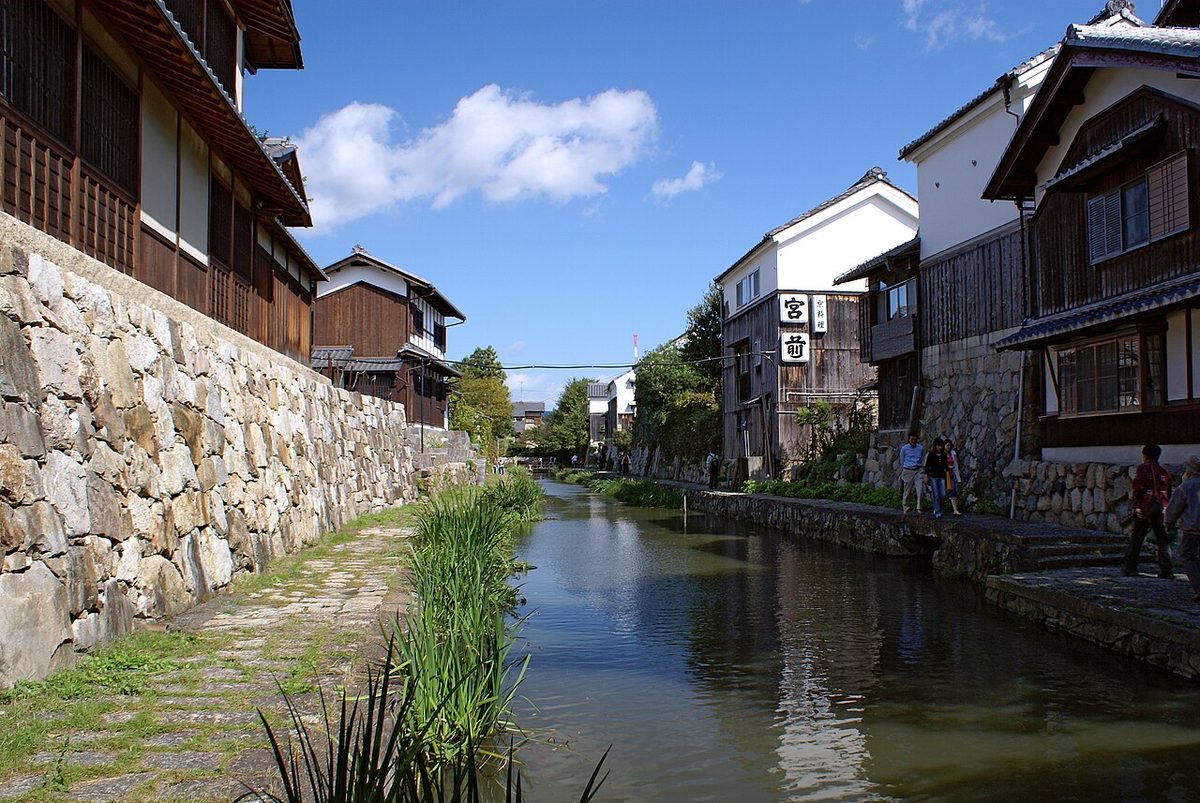
Photo: 663highland / CC BY 2.5 (Wikimedia Commons) Sights · Hachiman-bori
Hachiman-bori Canal
A 4.75 km artificial canal dug in 1585 when Toyotomi Hidetsugu built Hachiman Castle. White-walled storehouses and merchant houses line the banks, part of a national preservation district. Free to walk.
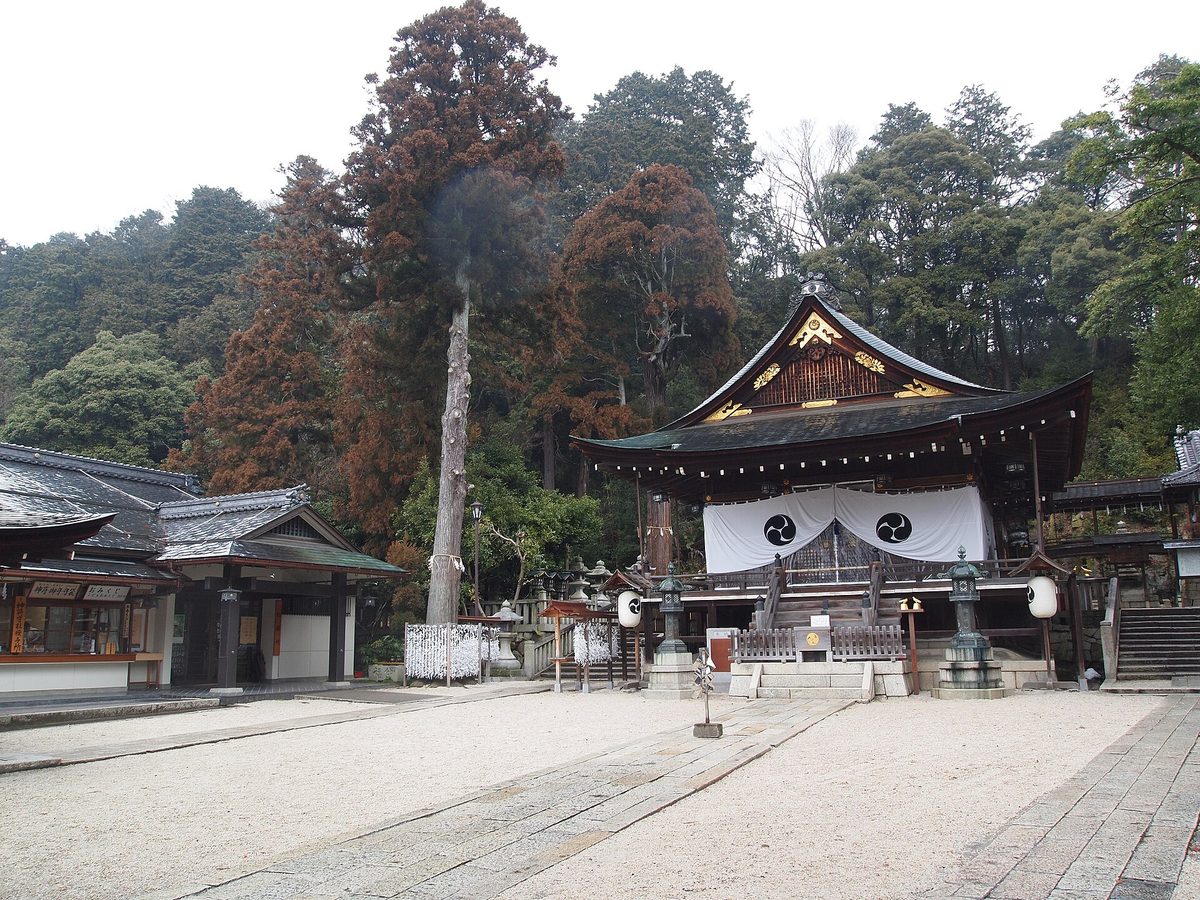
Photo: Kentaro Ohno from Tokyo, Japan / CC BY 2.0 (Wikimedia Commons) Sights · Hachiman-bori
Himure Hachimangu Shrine
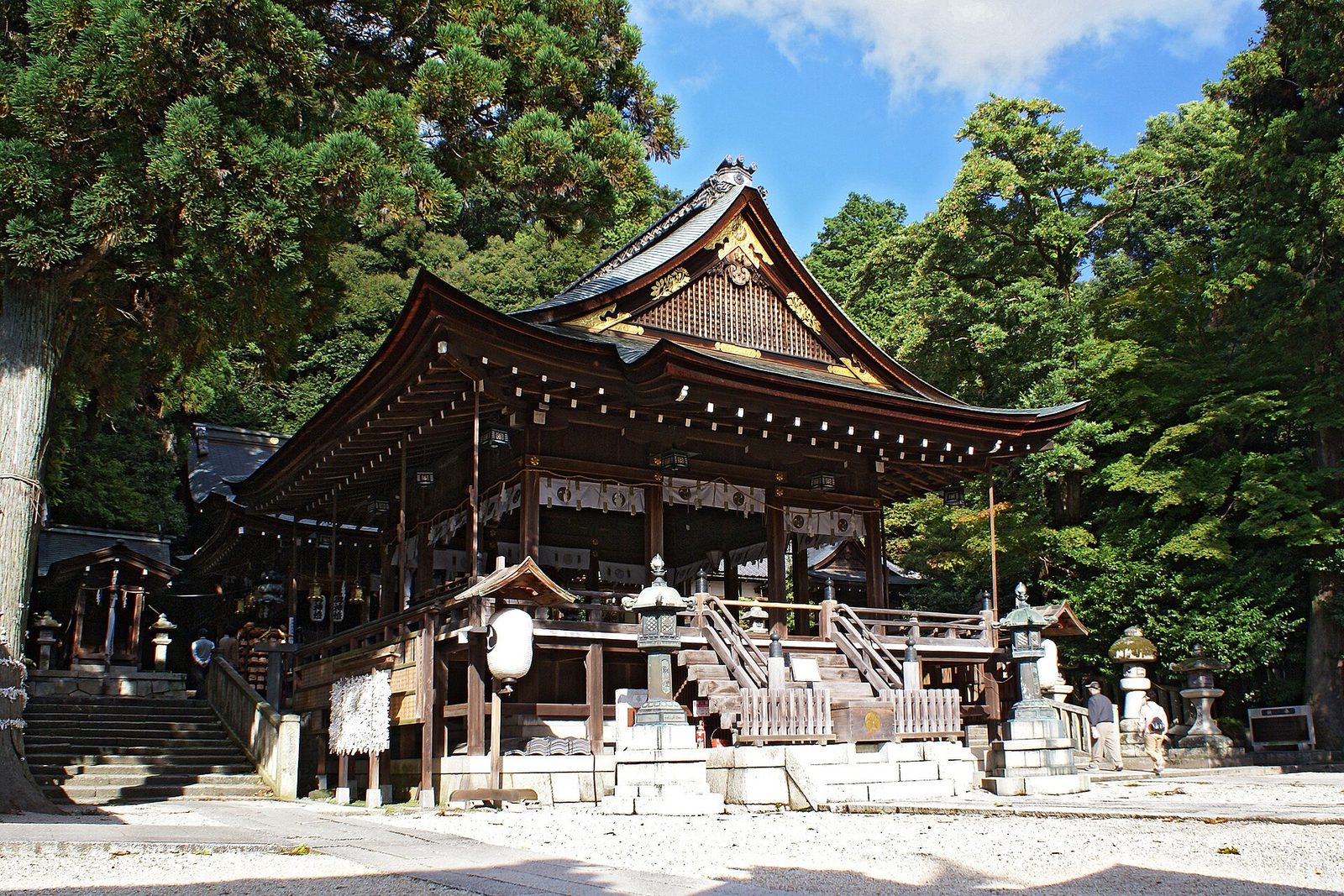
The historic tutelary shrine that gave Omihachiman its name. Known for the Byobuiwa rock formation and Kagami-ike pond behind the main hall, and for its spring Sagicho and Hachiman fire festivals.
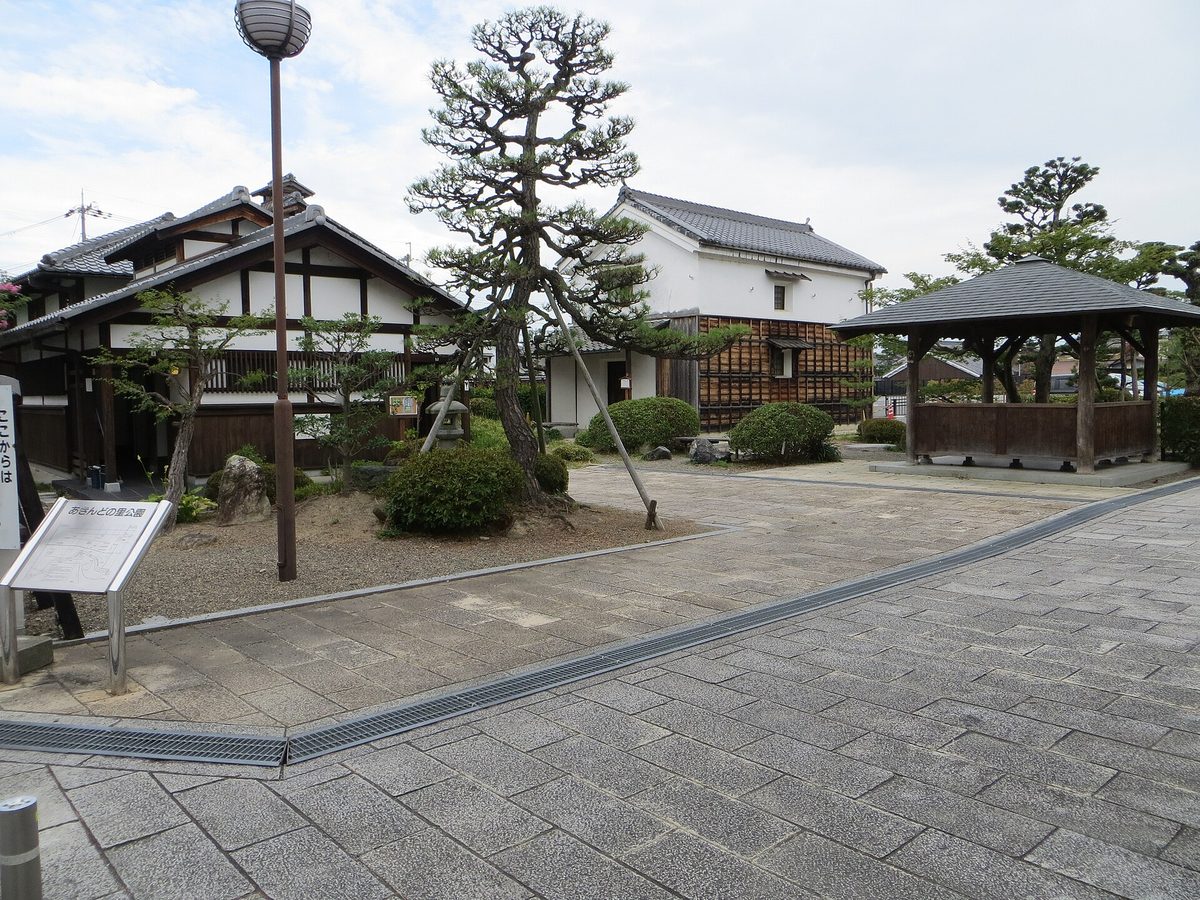
Photo: Joel Bradshaw / CC0 (Wikimedia Commons) Art · Shinmachi-dori
Omihachiman Municipal Museum
Local history and folklore museums on Shinmachi-dori in the preservation district, displaying historical records and merchant counting-house rooms and daily wares. Open 9:00 to 17:00, closed Mondays.
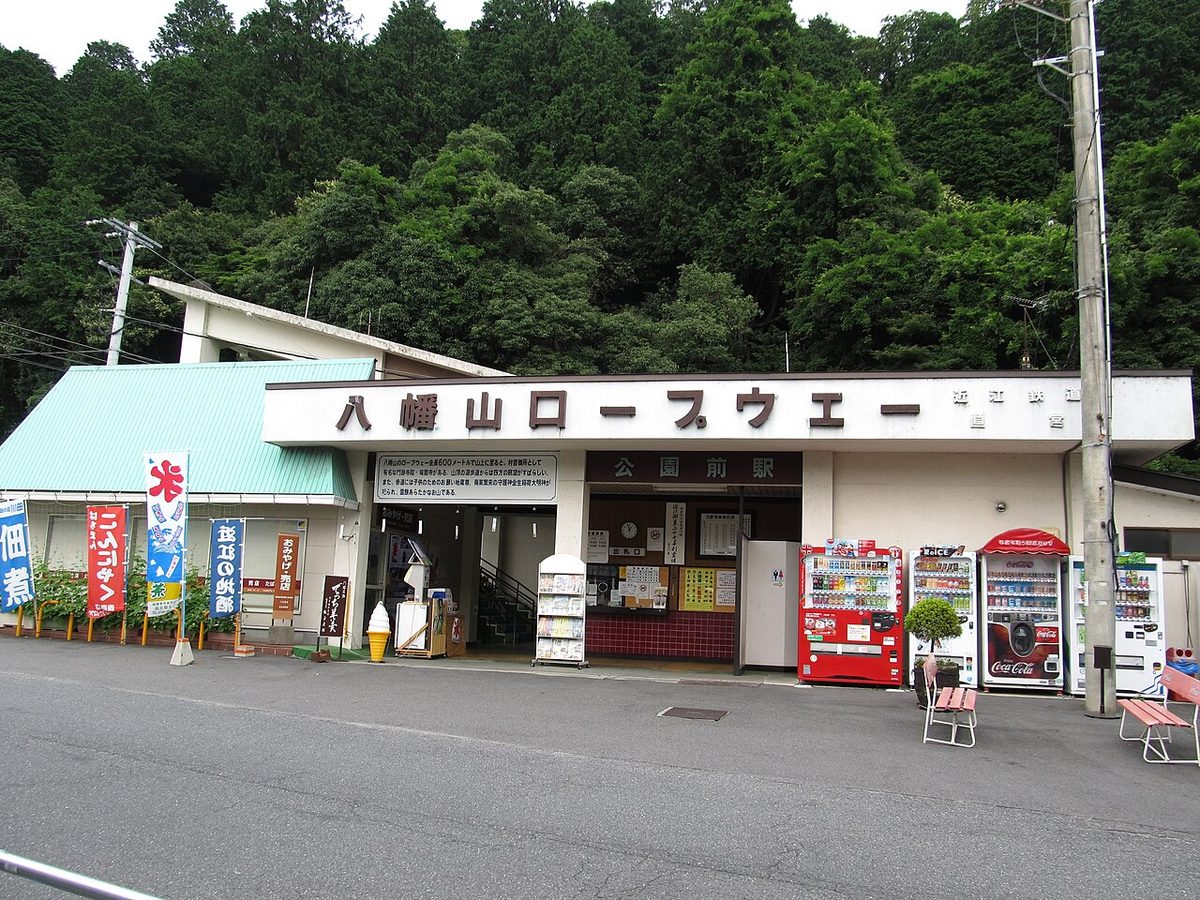
Photo: Twilight2640 / CC BY-SA 3.0 (Wikimedia Commons) Sights · Hachiman-bori
Mt. Hachiman Ropeway
A ropeway climbing from beside Himure Hachimangu Shrine to the summit of Mt. Hachiman, looking out over Lake Biwa and the old castle town. Scheduled to close for maintenance from 25 January to 10 February 2027.
These are landmarks, not Rin's picks. Each was checked to be open on its official site (checked 2026-11-12). Please confirm hours before you go.
Day trips from Omihachiman
Classics
- Hikone Castleabout 21 km
Hikone Castle was built by Ii Naotsugu and Naotaka over a period of approximately 20 years. Early April for cherry blossoms; mid-November for autumn leaves.
- Enryaku-ji Templeabout 24 km
Enryaku-ji Temple on Mt. Hiei is the head temple of the Tendai sect, with over 1200 years of history. Mid-November is best for the autumn leaves.
- Ginkaku-ji (Silver Pavilion)about 29 km
A villa built by Ashikaga Yoshimasa that represents Higashiyama culture, featuring a garden that embodies the wabi-sabi spirit. The autumn leaves in November are magnificent.
- Nanzen-ji Templeabout 31 km
A prominent Zen temple known for its massive Sanmon gate and tranquil rock gardens. Autumn foliage is stunning, especially around the Sanmon gate.
- Kiyomizu-deraabout 32 km
Kiyomizu-dera is a UNESCO World Heritage site and one of the most celebrated temples in Japan. Early April for cherry blossoms, late November for autumn colors. Early morning is recommended.
- Sanjusangendo Templeabout 33 km
A historic temple famous for its long hall containing 1,001 statues of Kannon, the goddess of mercy. Autumn is particularly beautiful for the temple garden.
- Nijo-jo Castleabout 34 km
A UNESCO World Heritage castle built by Tokugawa Ieyasu that witnessed the beginning and end of the Edo period. Cherry blossoms in April, autumn colors in November; check for special night openings.
- Fushimi Inari-taishaabout 34 km
Fushimi Inari-taisha is the head shrine of the Inari shrines, with about 30,000 shrines nationwide. Good anytime, but early morning is best for fewer crowds.
Hidden spots
- Samegai-juku Jizo River Baikamoabout 32 km
Crystal-clear spring water flowing through the former Nakasendo post town of Samegai-juku, where white submerged baikamo water crowfoot blooms in summer. Late July to late August for peak white baikamo blossoms; visit in the morning or during August evening illumination.
- Shoju-inabout 36 km
A quiet temple in the tea hills of Ujitawara famous for its heart-shaped inome window and 160 painted ceiling panels in the guest hall. June–September for the Wind Chime Festival and November for autumn leaves; arrive early for quiet photos of the heart window.
- Suzuka Forest Gardenabout 42 km
A research and cultivation garden operated by Akatsuka Botanical Garden Group where around 200 prized weeping plum trees, including Japan's oldest Kureha-shidare, open to the public during bloom. Late February to mid-March; visit at opening or for evening illumination.
Distances are straight-line from the town centre. Each page has how to get there and a suggested day.