35.3° N
Odawara
Kanagawa, Japan
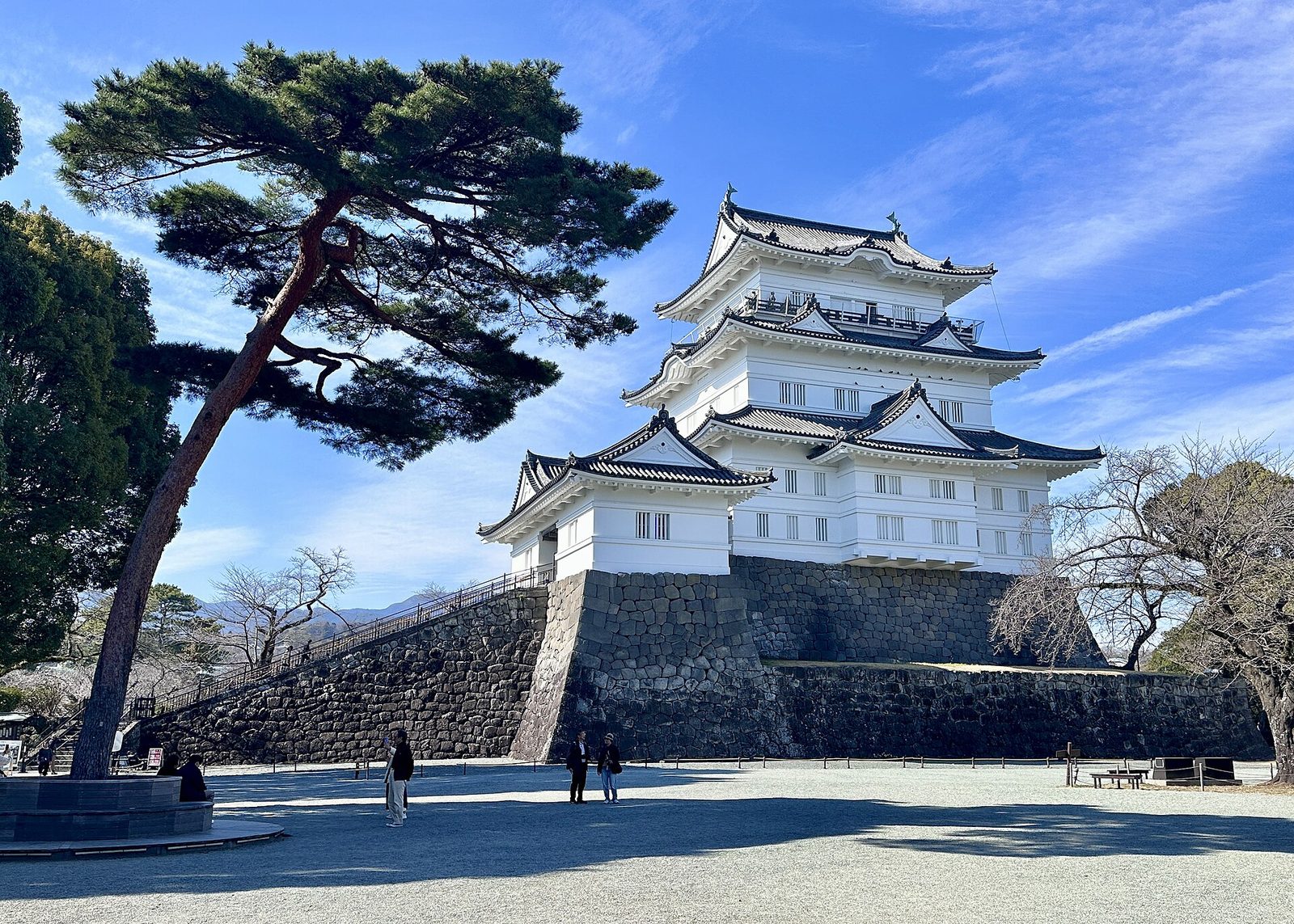
A castle town of the Hojo lords on Sagami Bay, later a post town on the Tokaido. Wooden bowls and yosegi marquetry, harbour fish, sweets and coffee: Rin’s picks. Spring brings cherry blossom to the castle park.
Odawara, on film
3 sights and 15 places, each checked open in 2026, in 45 seconds.
Found somewhere you like? The map and the list below have the address, hours and official site.
Tap for sound
What to eat in Odawara
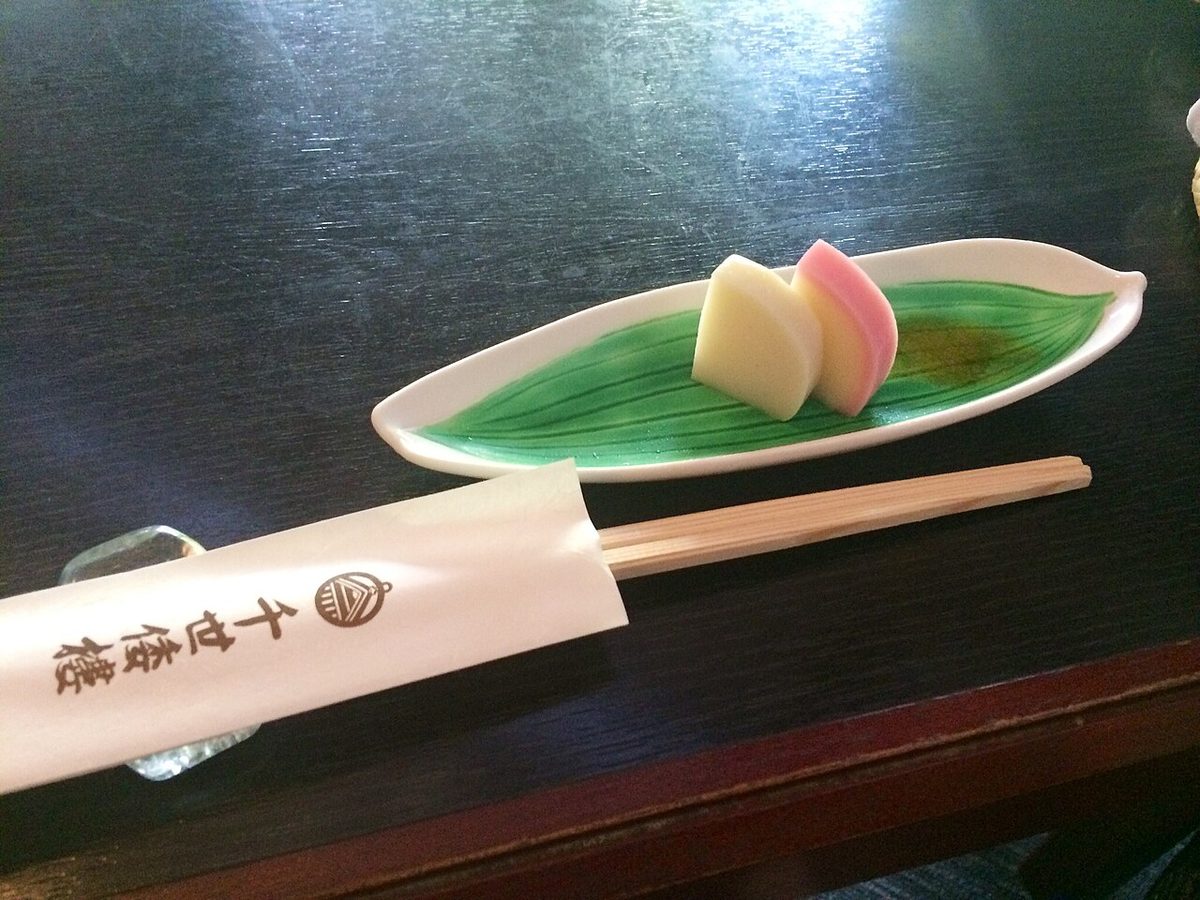
Photo: 小田原 (Odawara) / CC BY-SA 4.0 (Wikimedia Commons) Odawara kamaboko (steamed fish cake)
小田原かまぼこ
Odawara kamaboko is a firm, bouncy steamed fish cake shaped on a small wooden board, made primarily from white-fleshed croaker (guchi). The craft developed along the old Tokaido post road in the Edo period, using fish from Sagami Bay and mineral-rich groundwater from the Hakone and Tanzawa mountains.
Eat sliced cold as itawasa with soy sauce and wasabi, or warm off the skewer as fried fish-cake fritters along Kamaboko-dori.
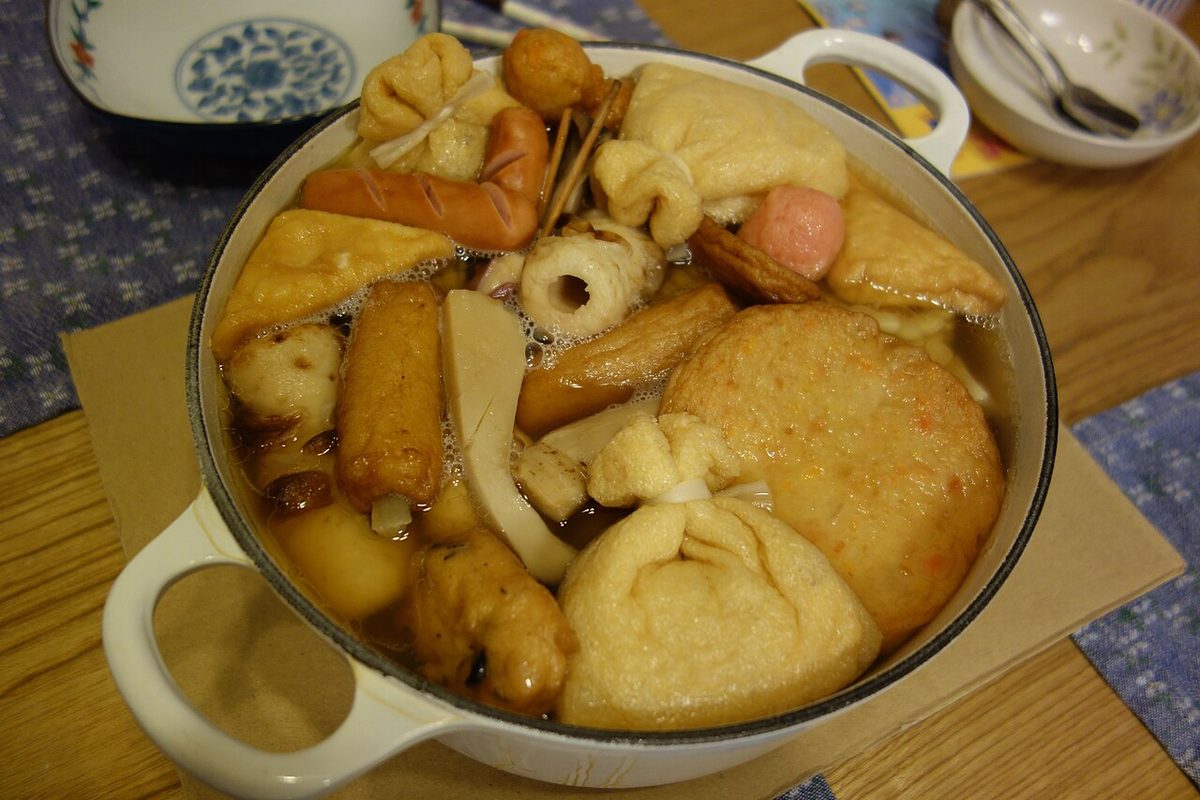
Photo: pelican / CC BY-SA 2.0 (Wikimedia Commons) Odawara oden (simmered fish-cake hot pot)
小田原おでん
Odawara oden is a regional simmered pot dish made with fish-paste cakes and dumplings contributed by Odawara's local kamaboko makers, poached in a light bonito and kelp broth. Instead of standard mustard alone, it is paired with ume miso made from Odawara's local plums.
Order selected pieces at the counter or as a lunch set over tea-steeped rice, dabbing each piece with plum miso.
No photo yet
Odawara aji (Sagami Bay horse mackerel)
小田原のアジ
Resident horse mackerel (netsuki-aji) caught off Odawara's rocky Sagami Bay coast grow plump on abundant plankton and have been designated the city's official fish. Odawara is widely credited as the birthplace of aji-no-tataki (chopped horse mackerel sashimi) and is a centre for thick-cut aji-fry.
Eaten at lunch near Hayakawa Fishing Port or Odawara Station as rare or crispy panko-breaded aji-fry, sashimi, or tataki set meals.(Apr–Jun)
No photo yet
Odawara himono (sun-dried fish)
小田原の干物
Odawara himono is split, lightly salted fish such as horse mackerel, barracuda, and alfonsino, dried to keep the flesh plump rather than stiff. The preservation method grew in Edo-period Odawara when coastal fishermen processed surplus catches from Sagami Bay in the sea breeze and mountain groundwater.
Grilled over charcoal or a broiler and eaten hot with steamed rice and miso soup as a set meal or bento.
Where Rin would go, on the map — or build your own route
Tap a mark to see the place; squares are museums and sights (landmarks). Use “Build your own route” to make a walk of your own.
Loading the map
Map data © OpenStreetMap contributors
Where Rin would go
Made in Odawara: Odawara Lacquerware & Woodturning2
All odawara lacquerware & woodturning →1 / 3
Made in Odawara
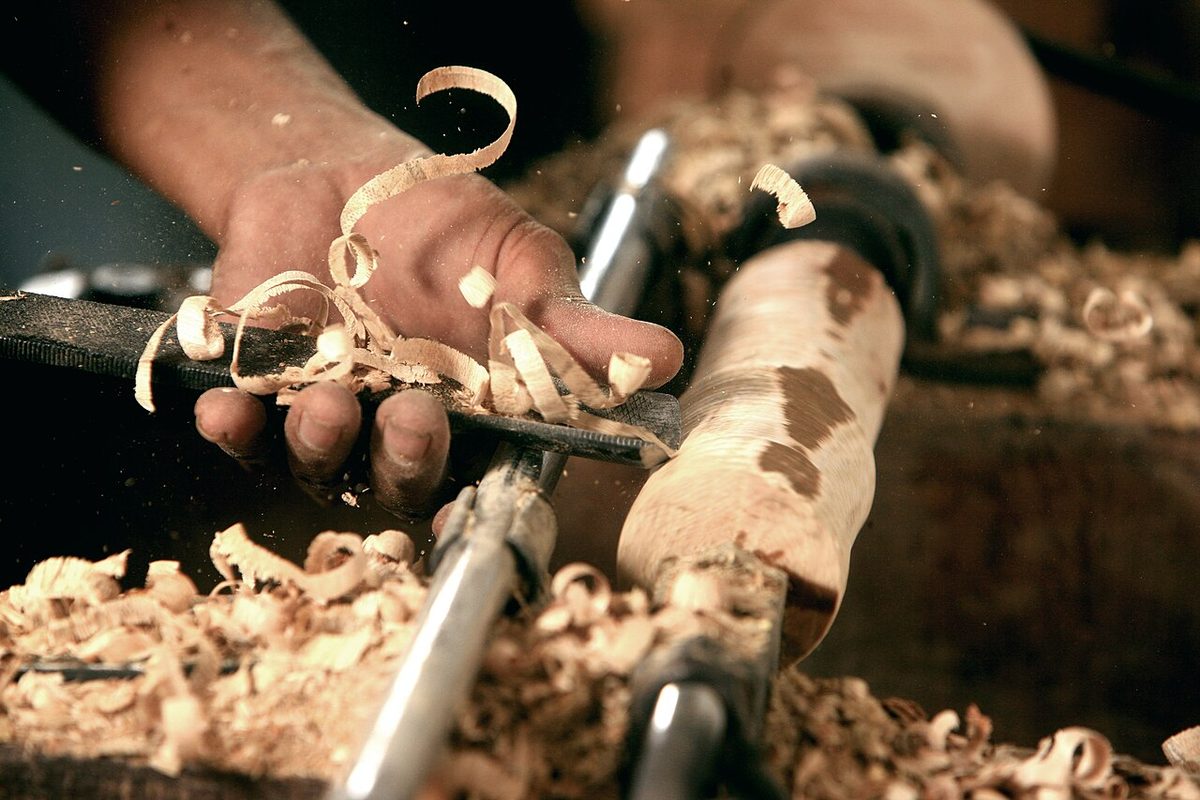
Odawara lacquerware begins with wood turned on a lathe, then finished in urushi. Suri-urushi and kijiro finishes show the grain of woods such as zelkova. Workshops still make bowls, trays and plates for daily use.
Odawara Lacquerware & Woodturning·Photo: Bertrand from Paris, France / CC BY 2.0 (Wikimedia Commons)
Itabashi
Okawa Woodwork
大川木工所
An Odawara lacquerware workshop using suri-urushi and kijiro finishes that show the wood grain. It makes and sells bowls and trays, and offers lacquer-polishing workshops.
9:00–18:00
2-226-2 Minami-Itabashi, Odawara
RinI bought a suri-urushi wooden bowl. The wood grain showed through the lacquer.
Itabashi
Mokunosuke
もくのすけ
A small woodturning and lacquer studio in Hakone-Itabashi. It seasons green zelkova, turns and lacquers it to make bowls, plates and lunch boxes.
157-1 Itabashi, Odawara
RinI held a zelkova bowl. The lacquered wood had a quiet sheen and soft feel.
Made in Odawara: Yosegi-zaiku Wood Marquetry1
All yosegi-zaiku wood marquetry →1 / 2
Made in Odawara
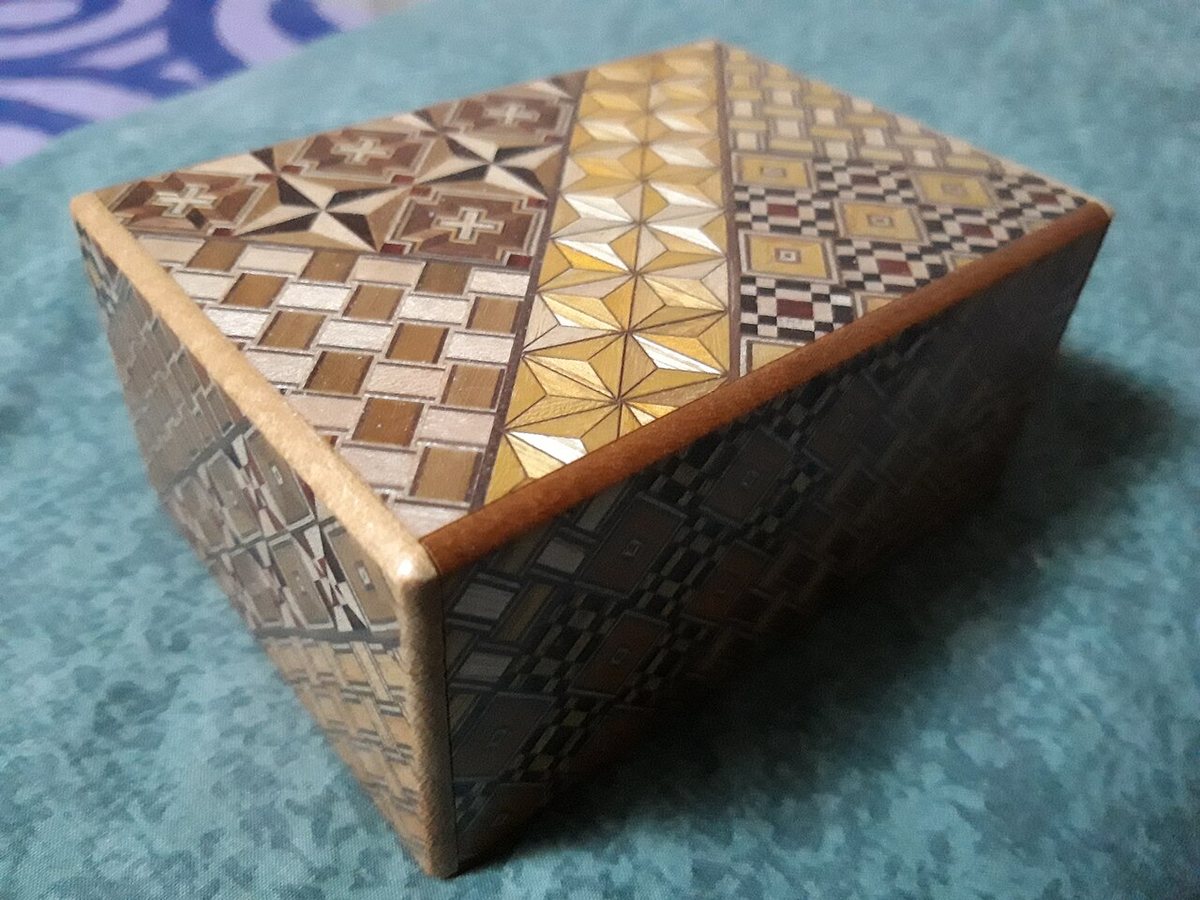
Hakone yosegi marquetry combines woods of different colours into geometric patterns. In Hayakawa, Tsuyuki makes boxes and trays with traditional patterns as well as newer designs, including monochrome pieces.
A closed Yosegi-zaiku wood marquetry puzzle box·Photo: Eugene Alvin Villar (seav) / CC BY-SA 4.0 (Wikimedia Commons)
Hayakawa
Tsuyuki Woodwork
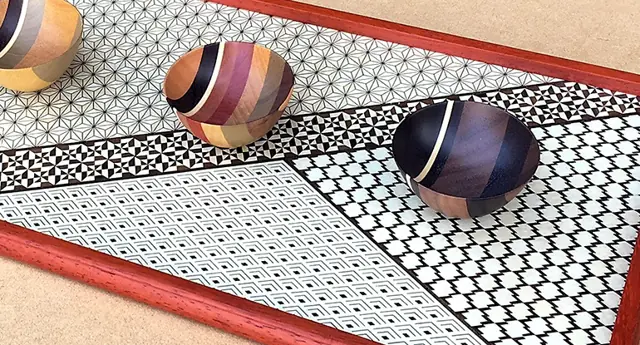
Photo: the shop’s official page 露木木工所
A maker of Hakone yosegi wood marquetry in Hayakawa. Its Yosegi Gallery Tsuyuki sells marquetry tableware and small pieces.
9:00–17:00 · Closed: Sundays, public holidays, and 2nd Saturdays
2-2-15 Hayakawa, Odawara
RinI picked up a yosegi marquetry piece. The layered wood colours were intricate.
Craft2
All craft →1 / 2
Minamicho
Utsuwa Nanohana
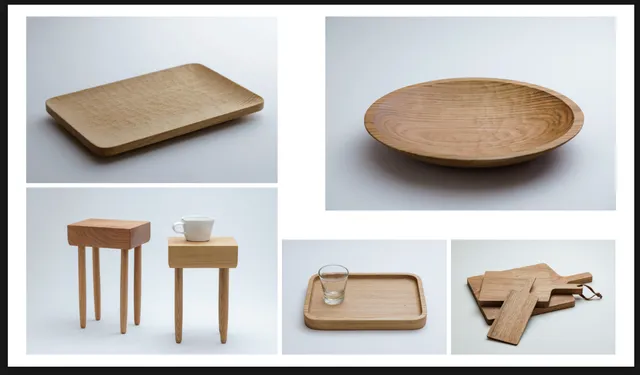
Photo: the shop’s official page うつわ菜の花
A gallery for vessels in Minamicho, with exhibitions of ceramics, glass and wooden tableware. Open only during exhibitions.
11:00–18:00 (open only during exhibitions)
1-3-12 Minamicho, Odawara
RinI viewed the pottery and wooden vessels at the show. Clean, balanced forms.
Sakaecho
Nanohana Kurashi no Doguten
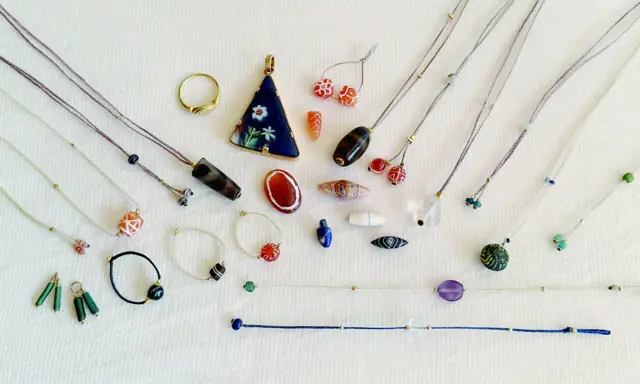
Photo: the shop’s official page 菜の花 暮らしの道具店
A shop for tableware and everyday things in the HaRuNe Odawara underground arcade. It also holds shows of ceramics, glass and textiles by makers.
10:00–20:00
1-1-7 Sakaecho, Odawara
RinI compared the glass pieces and bought one. The clear rim looked cool and light.
Sweets3
All sweets →1 / 3
Honcho
Iseya
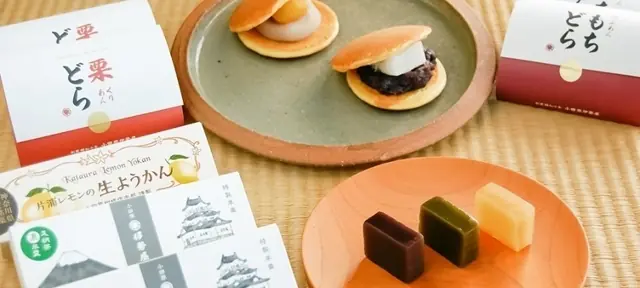
Photo: the shop’s official page 伊勢屋
A wagashi shop in Honcho, founded in 1935. It makes mame-daifuku, yokan and inari sushi.
9:00–16:30 (until sold out) · Closed: Thursdayschecked Nov 2026
3-6-22 Honcho, Odawara
RinI bought one mame-daifuku. Soft mochi with a salty snap from the beans.
Honcho
Ryugudo
龍宮堂
A handmade gelato shop by the sea in Honcho, using fruit from around Odawara.
3-4-20 Honcho, Odawara
RinI ate local-fruit gelato by the sea. Fresh, juicy, and cooling.
Minamicho
Patisserie HINNA
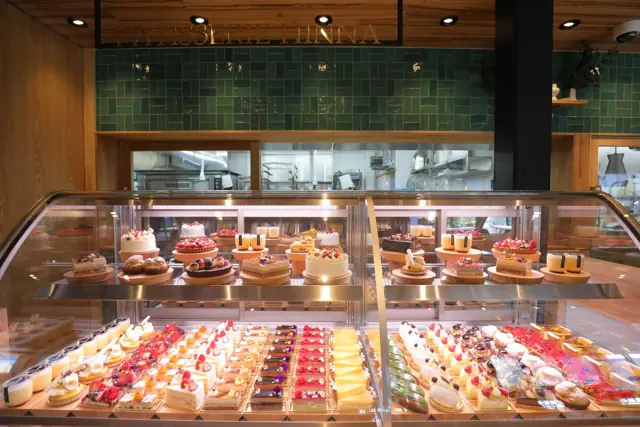
Photo: the shop’s official page パティスリー HINNA
A patisserie at Hakoneguchi Garage, making cakes and baked sweets with Odawara citrus and seasonal ingredients from other regions.
10:00–17:00 (eat-in 10:00–11:00, 14:00–17:00)
2-1-60 Minamicho, Odawara
RinI chose the Odawara citrus cake. The peel had a clean, bright scent.
Food4
All food →1 / 4
Hayakawa
Il Mare
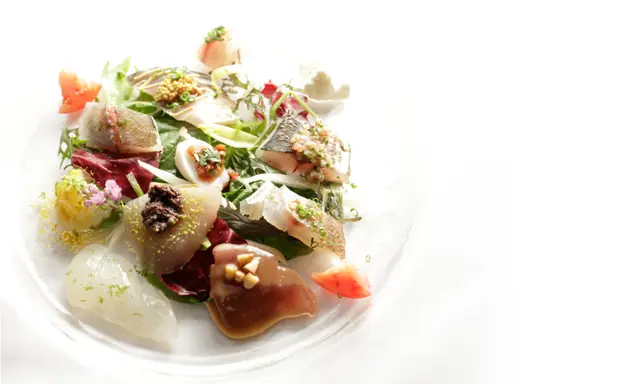
Photo: the shop’s official page イルマーレ
An Italian restaurant overlooking Odawara Fishing Port. Its daily set courses use fish bought at the morning auction and ingredients from partner farms.
Tue–Sat 12:00–15:00 (last order 14:00), 17:30–22:00 (last order 20:30); Sun 12:00–15:00 (last order 14:00), 17:30–22:00 (last order 19:00) · Closed: Mondays (open on public holidays, closed the following day)
1-11-6 Hayakawa, Odawara
RinI had the daily course. The harbour fish was firm and full of flavour.
Sakaecho
Sobadokoro Hashimoto
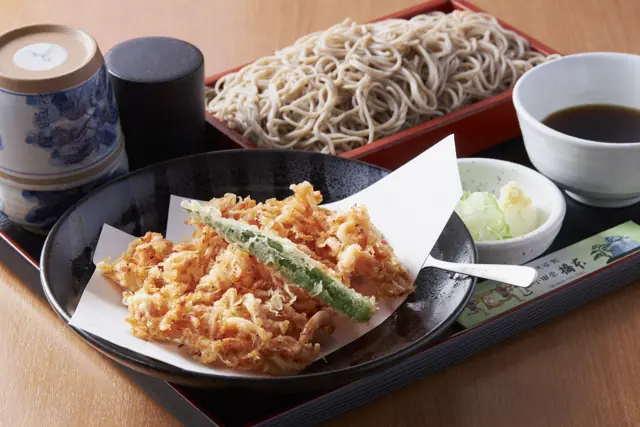
Photo: the shop’s official page そば処 橋本
A soba shop founded in 1848. Its nihachi noodles use buckwheat from Moshiri in Hokkaido, served with a dipping broth of aged kaeshi and bonito.
11:00–17:00 · Closed: New Year's Daychecked Nov 2026
1-13-37 Sakaecho, Odawara
RinI ordered the nihachi soba. The bonito dipping broth paired well with it.
Sakaecho
French Shokudo iTToku
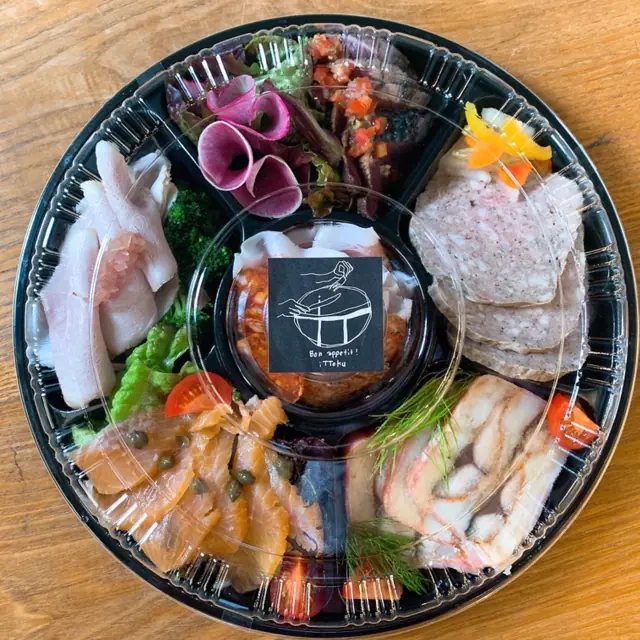
Photo: the shop’s official page フレンチ食堂 iTToku
A French restaurant in Sakaecho run by the former head chef of Fujiya Hotel’s Fusion Dining F. Lunch pairs a choice of starter and main with soup and house-made bread.
11:30–14:00 (last order 13:00), 18:00–22:00 (last order 21:00) · Closed: Sundays (irregularly open), Mondays, and Tuesdays
2-10-17 Sakaecho, Odawara
RinI had lunch with soup and house-made bread. The crust was nicely toasted.
Itabashi
TEA FACTORY Joshunen
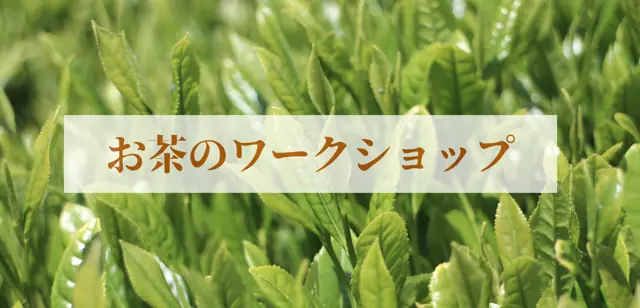
Photo: the shop’s official page TEA FACTORY 如春園
A tea factory and café in the former Shimoda tofu workshop. It makes Koyurugi black tea from leaves grown around Odawara, and serves South Indian spice curry at lunch.
11:30–17:00 (lunch 11:30–14:00, café 14:00–17:00) · Closed: Sundays and Mondays (irregular during first and second tea harvest seasons)
636 Itabashi, Odawara
RinI had Koyurugi black tea after the spice curry. It was light and smooth.
Cafés3
All cafés →1 / 3
Minamicho
Anbos Coffee Roaster
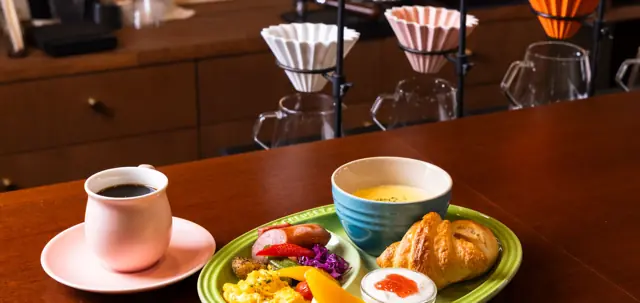
Photo: the shop’s official page A coffee roaster in Minamicho, serving hand-drip coffee and selling beans. Takeaway is available.
Mon, Thu–Sat 9:00–18:00, Sun 8:00–18:00 · Closed: Tuesdays and Wednesdays
2-1-6 Minamicho, Odawara
RinI drank a hand-drip coffee here. Clean body with a deep roasted warmth.
Sakaecho
RANCH
A second-floor coffee shop in Sakaecho. Morning service runs from 8 to 10 am.
3-14-16 Sakaecho, Odawara
RinI stopped in for morning coffee. The brisk bitterness woke me right up.
Odawara
nico cafe
A tranquil cafe renovated from a 100-year-old traditional house. Known for its wholesome side-dish plates and crispy fried chicken.
神奈川県小田原市
RinI want to slowly enjoy a wholesome lunch in the space of a traditional house.
By area
Rin is a fictional traveller. Every place here was checked by the editors to exist and be open (checked 2026-11-18). Please confirm hours on the official site before you go. Paid listings are always marked. If you are the shop and would like a photo removed, write to editor@vual.jp and we will take it down at once.
To see — art and sights (landmarks)
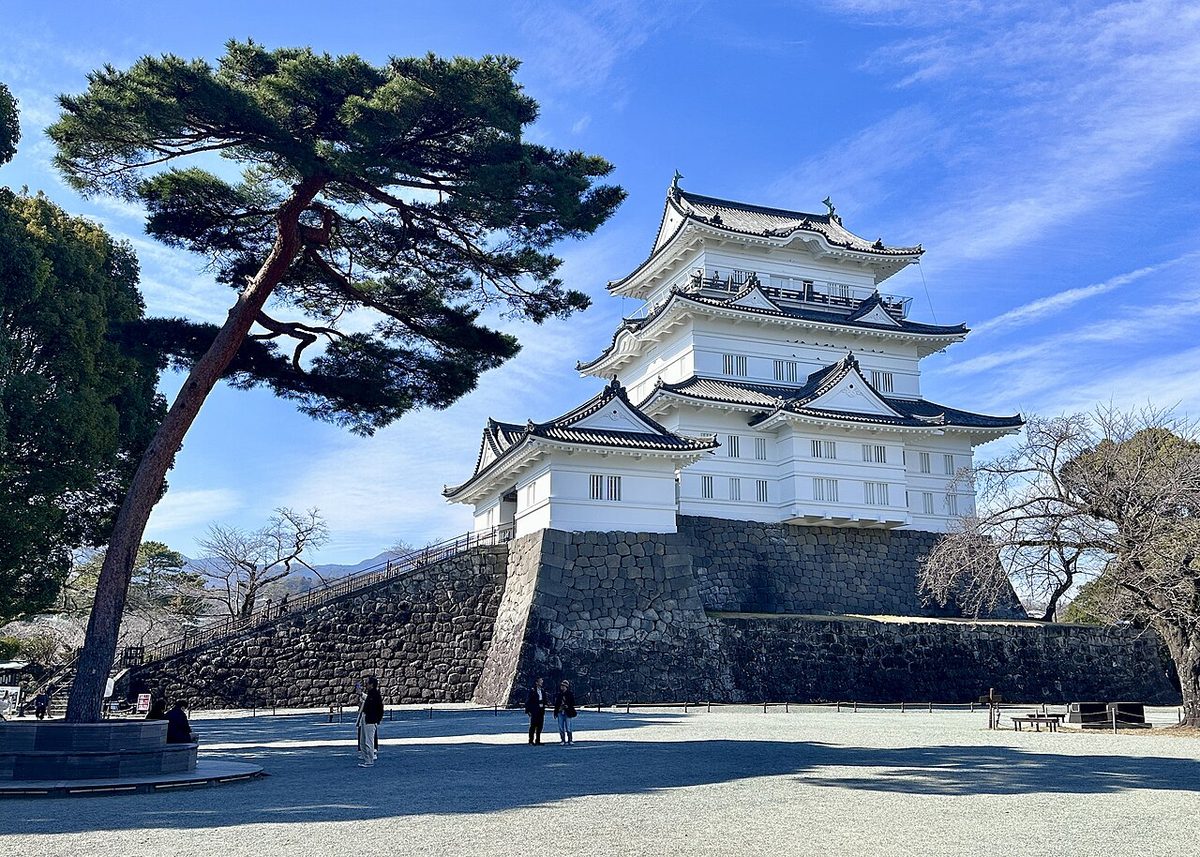
Photo: Akonnchiroll / CC BY 4.0 (Wikimedia Commons) Sights · Jonai
Odawara Castle
The castle of the Hojo lords in the Sengoku period. The keep, reconstructed in 1960, displays the castle’s history, art and crafts.
The keep opens 9 am to 5 pm, last entry 4:30 pm. Closed the second Wednesday in December and December 31–January 1. The children’s amusement park is closed until further notice.
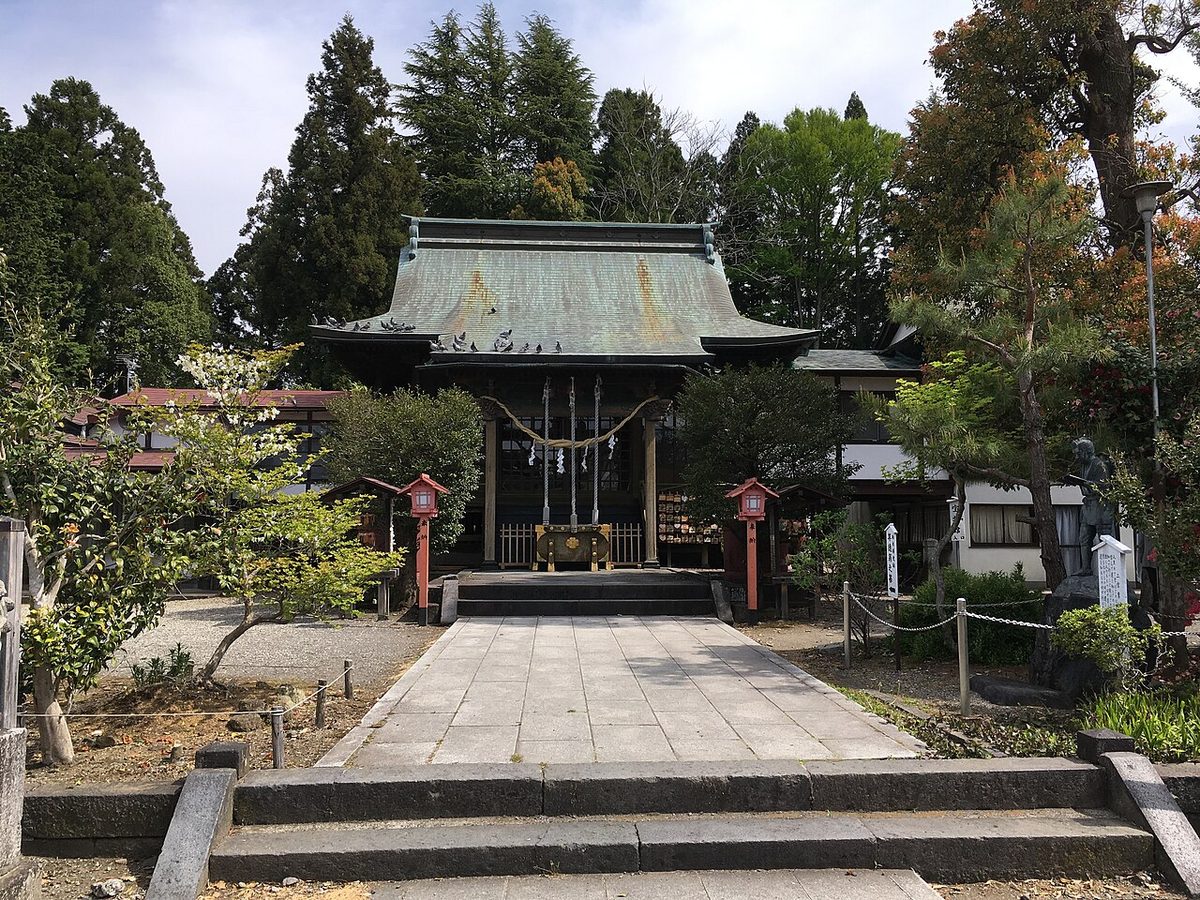
Photo: Towacoco / CC BY-SA 4.0 (Wikimedia Commons) Sights · Jonai
Hotoku Ninomiya Shrine
A shrine to Ninomiya Sontoku within Odawara Castle Park, founded in 1894.
The grounds open 6 am to 5 pm from November through March. No visits at night.
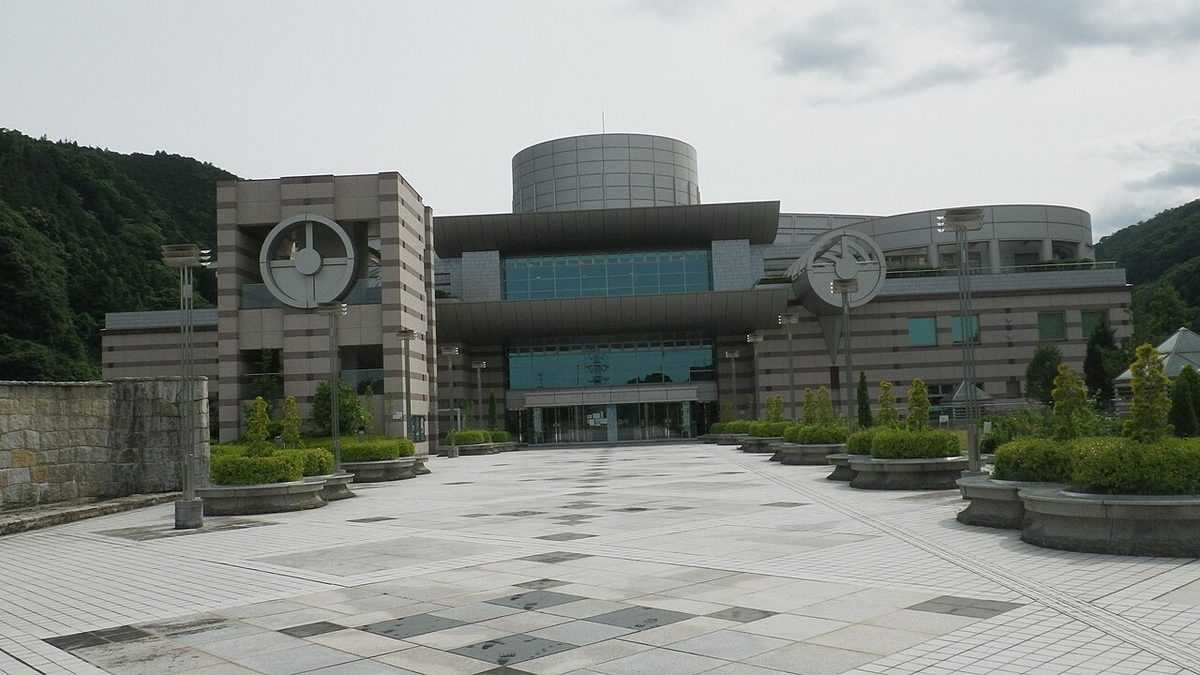
Photo: KENPEI / CC BY-SA 4.0 (Wikimedia Commons) Art · Iriuda
Kanagawa Prefectural Museum of Natural History
A natural history museum tracing 4.6 billion years of Earth’s history and the diversity of life, with specimens ranging from dinosaurs and meteorites to insects.
Screenings in the Seisa Museum Theater are suspended because of equipment trouble. Some taxidermy specimens in the permanent exhibition’s “Back to the Sea” section are also off display for conservation. Check the official calendar for closing days.
These are landmarks, not Rin's picks. Each was checked to be open on its official site (checked 2026-11-12). Please confirm hours before you go.
Day trips from Odawara
Classics
- The Hakone Open-Air Museumabout 9 km
Set within the nature of Hakone, this outdoor museum displays masterpieces of modern sculpture integrated with the landscape, allowing for a relaxing art experience. Spring and autumn are the best seasons for viewing the outdoor exhibits.
- Owakudaniabout 12 km
A scenic spot representing Hakone, where volcanic plumes rise due to volcanic activity. Spring and Autumn are the best times to visit for pleasant weather.
- Hasederaabout 35 km
Famous for its flowers throughout the seasons, especially the hydrangeas during the rainy season. Early June is the best time for hydrangeas.
- Kotoku-in (Kamakura Great Buddha)about 35 km
A Jodo-shu temple known for the Great Buddha of Kamakura. Autumn and spring are very pleasant; early morning is the quietest.
- Tsurugaoka Hachimanguabout 37 km
A symbol of Kamakura that developed alongside the samurai society, its vast grounds serve as a spiritual center that reflects the history of the city. New Year's Day, cherry blossoms in April, and autumn foliage in November are particularly recommended.
- Arakurayama Sengen Parkabout 42 km
A park known for its breathtaking view of Mount Fuji and the five-storied pagoda. April for cherry blossoms, go early in the morning.
Hidden spots
- Soga Plum Groveabout 6 km
An agricultural orchard district in northern Odawara with around 35,000 white plum trees framing views of snow-capped Mt. Fuji. Peak bloom is mid-February to early March; morning light gives the clearest Mt. Fuji views.
- Jogashima Island & Umanose Domon Sea Archabout 44 km
A coastal island at the southern tip of the Miura Peninsula featuring a natural wave-carved sea arch, two lighthouses, and dramatic sea cliffs. Clear winter mornings (Jan–Feb) offer crisp Pacific and Mt. Fuji views; wear sturdy shoes as the coastal path is rocky and walking atop the arch is prohibited.
Distances are straight-line from the town centre. Each page has how to get there and a suggested day.