36.8° N
Nikko
Tochigi, Japan
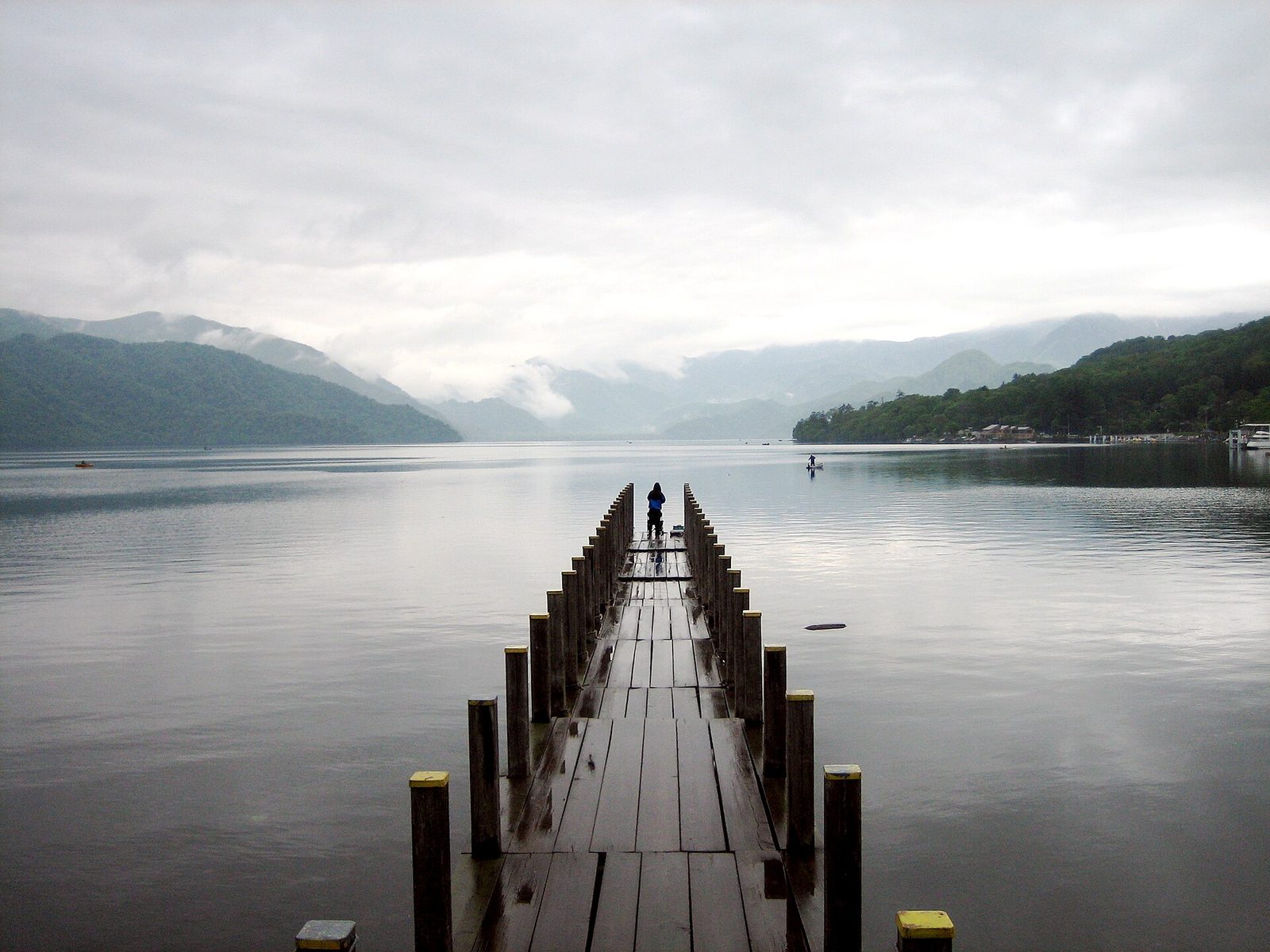
A temple town in the mountains of northwestern Tochigi, along the Daiya River. Winters turn cold, and some places shorten their hours or close for the season. Yuba makers and Nikko-bori workshops, with sweets and coffee along the approach, as Rin's picks.
Nikko, on film
6 sights and 14 places, each checked open in 2026, in 51 seconds.
Found somewhere you like? The map and the list below have the address, hours and official site.
Tap for sound
What to eat in Nikko
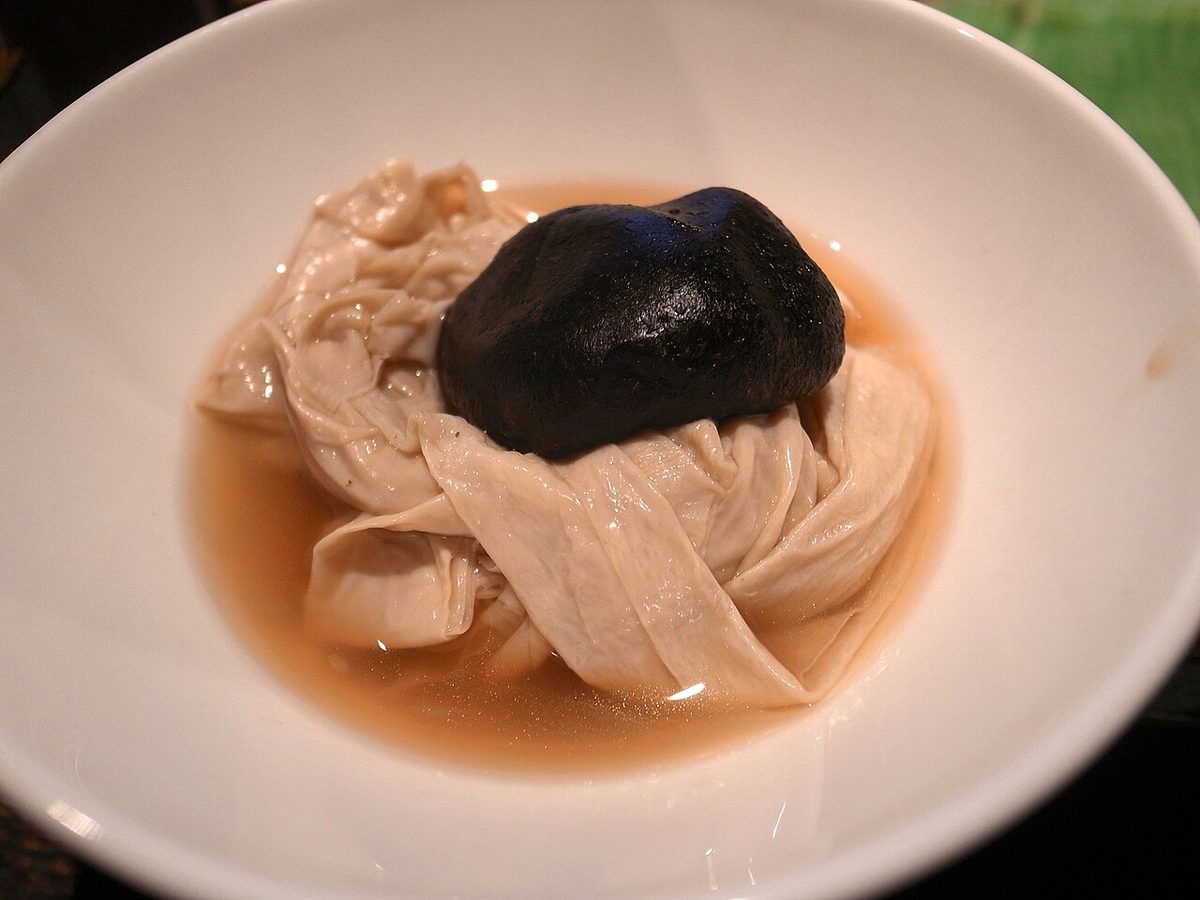
Photo: pelican from Tokyo, Japan / CC BY-SA 2.0 (Wikimedia Commons) Nikko yuba (double-folded tofu skin)
日光湯波
Yuba is the protein-rich film skimmed from heated soy milk, and in Nikko it is folded double as it is lifted to form thick, layered sheets written with the character 波 rather than Kyoto's 葉. It developed in Nikko from the Nara period onward as a vegetarian protein source for mountain-worship Buddhist monks and temple kitchens using domestic soybeans and local water.
Eaten fresh as sashimi yuba with soy sauce and wasabi, simmered in dashi broth as rolled agemaki-yuba, wrapped around fillings, or fried crisp as yuba manju.
Where to eat it
- Nikko Yubamaki ZEN ↓
- ゆばカフェ 葉月Map
- 揚げゆばまんじゅう本舗 日光さかえやMap
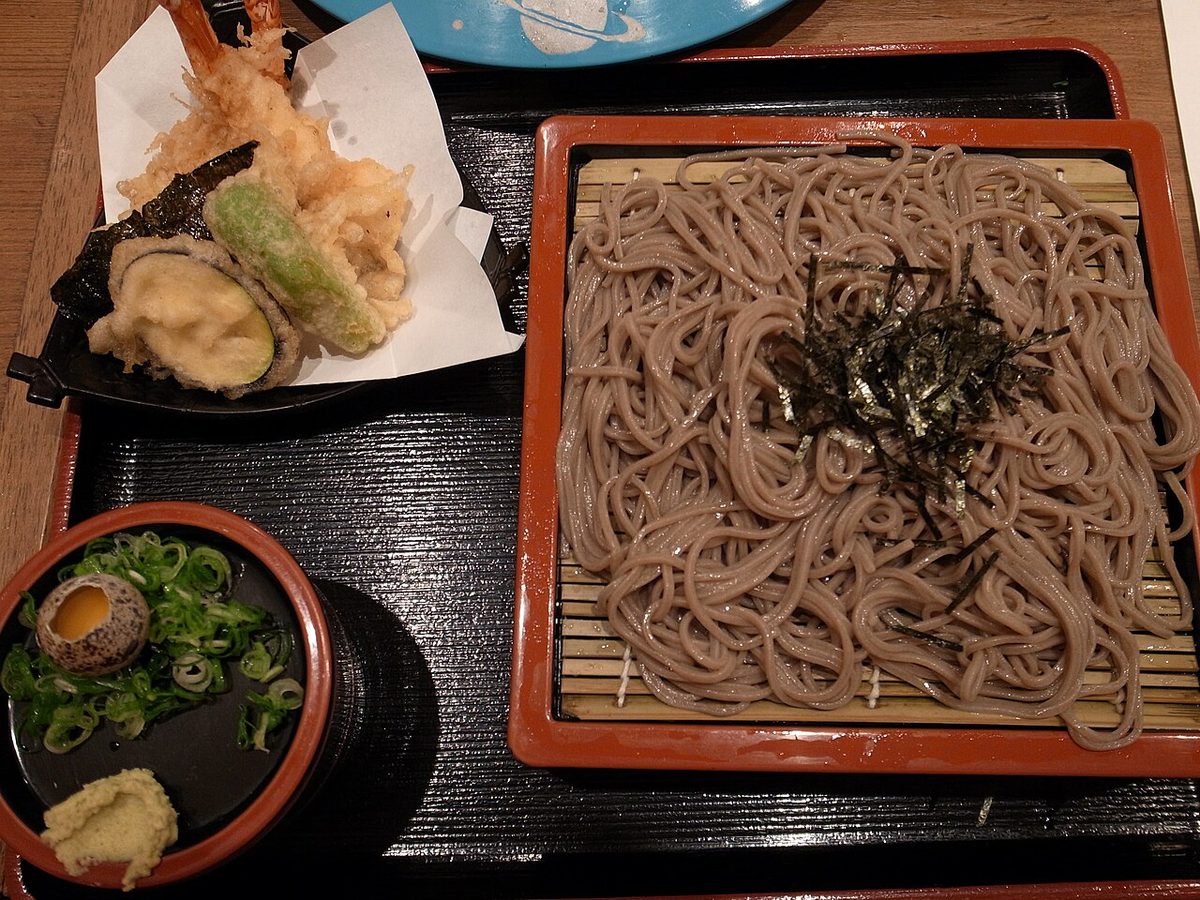
Photo: pelican from Tokyo, Japan / CC BY-SA 2.0 (Wikimedia Commons) Nikko soba (buckwheat noodles)
日光そば
Hand-cut buckwheat noodles made from locally grown Nikko soba flour and cold mountain spring water flowing from the surrounding peaks. Cool highland temperatures with wide day-night swings suit buckwheat cultivation, and the town harvests both early-green summer soba and autumn new soba.
Ordered cold on a bamboo tray with dipping sauce or hot in dashi broth, often topped with local yuba as yuba soba for lunch.
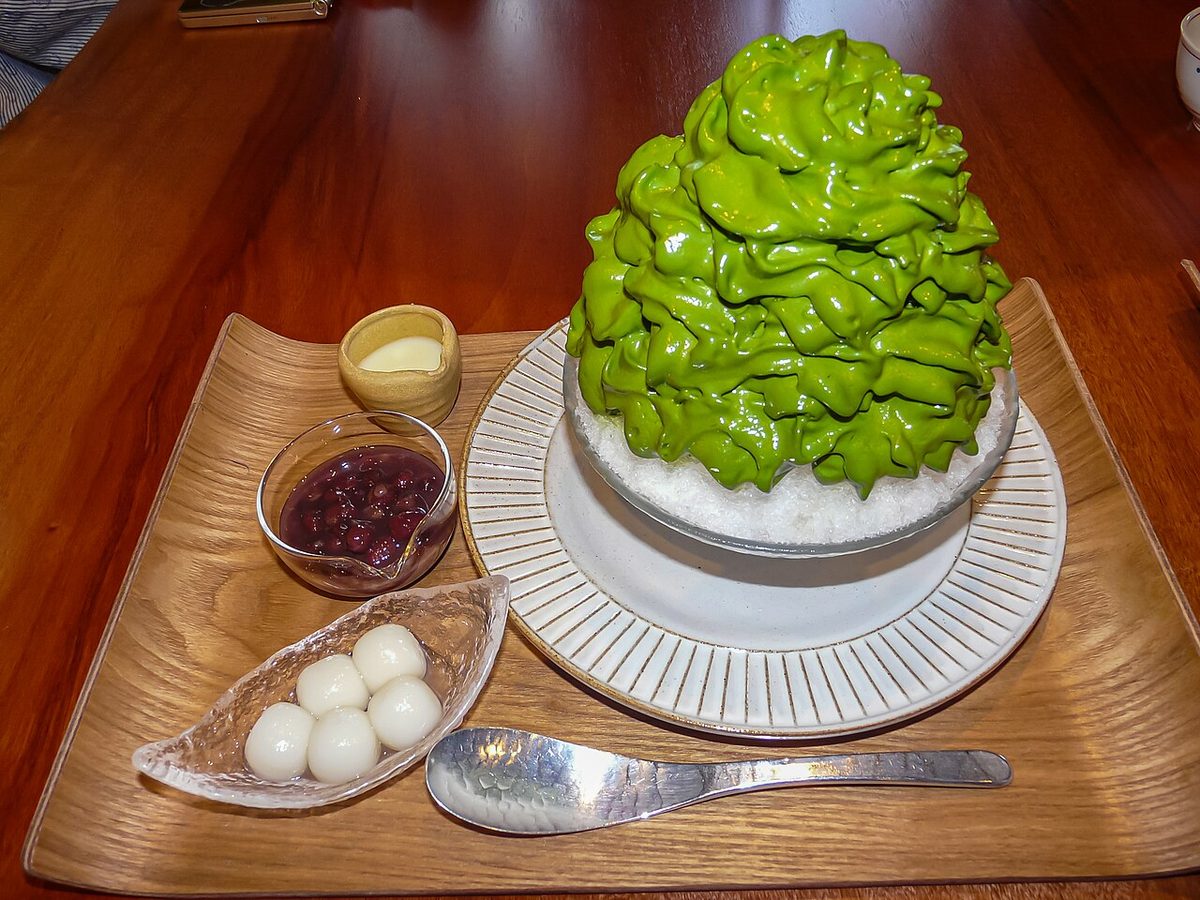
Photo: Naokijp / CC BY-SA 4.0 (Wikimedia Commons) Nikko natural-ice kakigori (shaved ice)
日光天然氷のかき氷
Shaved ice made from natural winter ice slowly frozen over about two weeks in outdoor spring-water ponds and stored in traditional icehouses called himuro. Nikko is one of the few places in Japan with working natural ice makers, including Shogetsu Himuro, Yondaime Tokujiro, and Mitsuboshi Himuro.
Shaved thin into fluffy flakes and topped with Tochigi strawberry syrup, Uji matcha, or brown sugar and kinako, mainly in warmer months or year-round at icehouse cafes.
Where to eat it
- Yuzawaya ↓
- Nikko Kirifuri Highland Chirorin MuraWebsiteMap
- Shogetsu HimuroWebsiteMap
No photo yet
Nikko yokan (sweet red-bean jelly)
日光羊羹
Traditional Japanese red-bean and agar confections produced in both firm kneaded bars (neri-yokan) and soft chilled mizu-yokan along the shrine approach. Long-standing confectioners in Nikko's Hatsuishi and temple districts have made yokan since the Edo and Meiji eras using soft mountain water from the Nikko range.
Enjoyed in-shop with green tea or matcha, or bought in bamboo-sheath bars and chilled single-serve mizu-yokan packs year-round.
Where to eat it
- Yuzawaya ↓
- Nikko Yokan WatahanWebsiteMap
- Sannai Saryo TaikoboWebsiteMap
Where Rin would go, on the map — or build your own route
Tap a mark to see the place; squares are museums and sights (landmarks). Use “Build your own route” to make a walk of your own.
Loading the map
Map data © OpenStreetMap contributors
Where Rin would go
Made in Nikko: Nikko Yuba2
All nikko yuba →1 / 3
Made in Nikko
Nikko yuba grew up as a staple of Buddhist temple cuisine for the mountain shrines and temples. Lifted from the centre with a bamboo skewer, the soy skin folds into two thick, rich layers, often eaten raw as sashimi or simmered as agemaki.
Shinkyo & Hatsuishi
Nikko Yubamaki ZEN
日光湯波巻 全(ZEN)
A Nikko yuba dining room in a renovated old house near Shinkyo Bridge: yuba-wrapped rolls with Tochigi wagyu and seasonal vegetables, and yuba shabu-shabu. Closed Tuesdays; open for lunch only from December 23 to mid-April.
Mon, Wed–Sun & Holidays 11:00–15:00 (L.O. 14:30); Wed–Sun & Holidays 17:00–20:30 (L.O. 18:30) · Closed: Tuesdays
日光市上鉢石町1007 〒321-1401
RinI'd choose the yuba-roll set with sashimi yuba.
Shinkyo & Hatsuishi
Ganso Ebiya Chozo
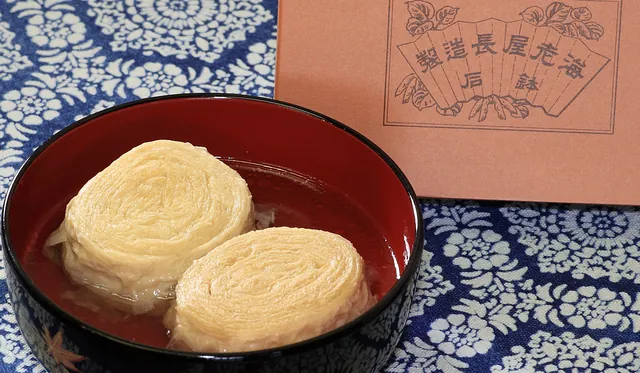
Photo: the shop’s official page 元祖 海老屋長造
A yuba maker founded in 1872, pulling gozen-yuba by hand from domestic soybeans and Nikko water without defoamers, for sashimi yuba and agemaki-yuba. 10:00–17:00, closed Wednesdays.
Thu–Tue 10:00–17:00 · Closed: Wednesdays
日光市下鉢石町948 〒321-1401
RinPick one pack each of sashimi yuba and agemaki-yuba.
Made in Nikko: Nikko-bori Wood Carving2
All nikko-bori wood carving →1 / 3
Made in Nikko
Nikko-bori began with the woodcarvers gathered from across Japan to build Toshogu Shrine and is a Tochigi-designated traditional craft. Artisans pull a hooked chisel called a hikkaki toward the body to carve crisp motifs, then finish the wood in lacquer.
Gokomachi & Ishiyamachi
mekke Nikko Kyodo Center
mekke 日光郷土センター
A local craft centre between Nikko Station and Toshogu, with Nikko-bori carving workshops using the hikkaki chisel, Nikko deer-leather crafts and local goods. Open daily 9:00–17:00.
Daily 09:00–17:00 · Closed: Open daily (no regular holidays)
日光市御幸町591 〒321-1404
RinCarve a hand mirror to learn the pull of the hikkaki chisel.
Station Area
Oshima Kobo
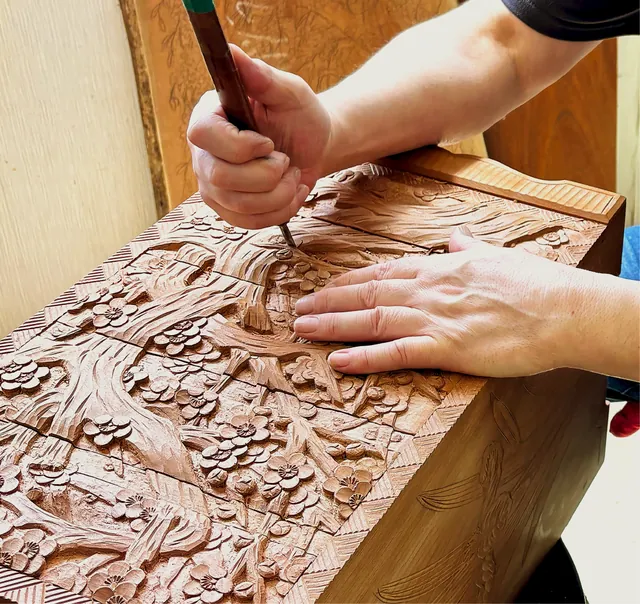
Photo: the shop’s official page 大島工房
A third-generation Nikko-bori woodcarving studio founded in 1953. Its small Taisho-era atelier in Inari-cho holds by-reservation workshops carving sakura coasters; visits and custom orders require calling or booking ahead.
日光市稲荷町一丁目628 〒321-1411
RinCarve a sakura coaster and wait for the lacquer finish.
Craft2
All craft →1 / 2
Sannai & Nishisando
Yoshimiya
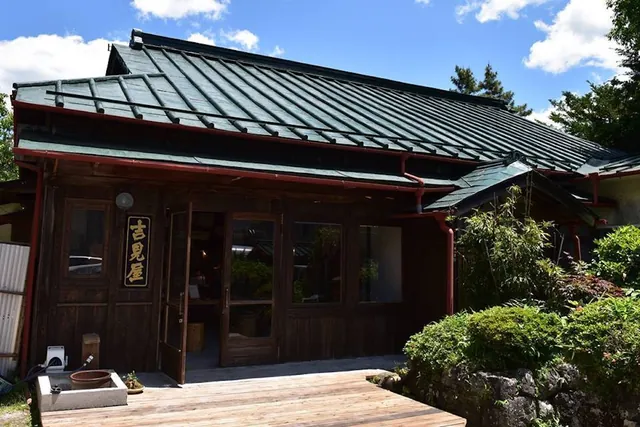
Photo: the shop’s official page 吉見屋
A craft and lifestyle shop opened in 2017, stocking handmade Nikko geta by traditional artisan Hideo Hoshi, combining zori tops with wooden bases. Open Wed–Sat 10:00–16:00; closed January through March.
Wed–Sat 10:00–16:00 · Closed: Sundays–Tuesdays (closed January–March for winter)
日光市安川町5-19 〒321-1432
RinClosed January to March; in the open months, pick a pair by the strap.
Shinkyo & Hatsuishi
Nikko Bussan Shokai
日光物産商会
A late-Meiji temple-style timber building by Shinkyo Bridge, a national Registered Tangible Cultural Property. Once an exporter of Nikko-bori woodwork, it now houses local goods, the first Kanaya Hotel Bakery shop, a soba room and a café.
日光市上鉢石町1024 〒321-1401
RinLook up at the heavy timber beams and pick up a loaf from Kanaya Bakery.
Sweets3
All sweets →1 / 3
Shinkyo & Hatsuishi
Yuzawaya
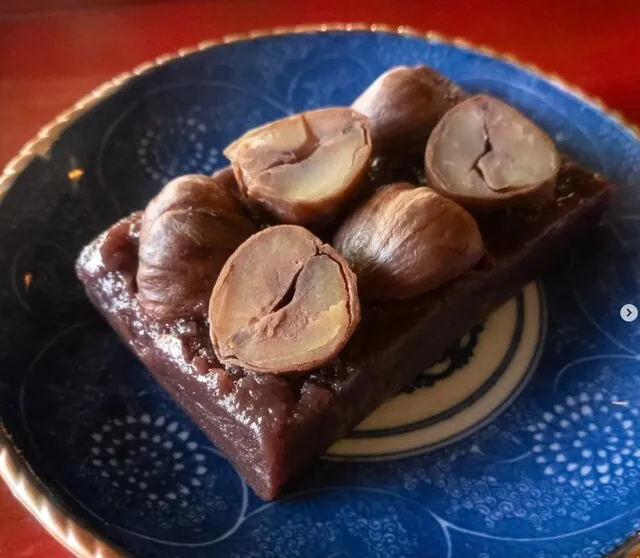
Photo: the shop’s official page 湯沢屋
A wagashi house since 1804, known for sake manju fermented for seven days with house koji and natural yeast. Behind the shop, stone storehouses hold Hatsuishi Café and Hibachi, a scone shop using the same yeast. Closed several days a month, mainly Wednesdays.
09:00–18:00 (Hatsuishi Cafe 10:00–17:00, L.O. 16:20) · Closed: Wednesdays (Nov 2026: 4, 11, 18, 24)
日光市下鉢石町946 〒321-1401
RinIn the stone storehouse café, have grilled sake manju and matcha.
Gokomachi & Ishiyamachi
Nikko Ningyoyaki Mishimaya
日光人形焼みしまや
A shop on Ishiyamachi hand-baking ningyo-yaki cakes in moulds of the Three Wise Monkeys and camellias, made with domestic ingredients including Hokkaido azuki, Oze honey and a hint of sansho. 9:00–17:00, closed Thursdays.
Fri–Wed 09:00–17:00 · Closed: Thursdays
日光市石屋町440 〒321-1405
RinOne monkey and one camellia, for the scent of sansho.
Shinkyo & Hatsuishi
Nikko Miyamae Dango
日光宮前だんご
A tearoom in Naka-Hatsuishi making four-piece skewers of non-glutinous rice dumplings, grilled to order with miso and brown sugar. Winter-only simmered oden as well. 11:00–16:30, closed Wed–Thu (may close in poor weather).
日光市中鉢石町934-1 〒321-1402
RinSkewers start at three; pair them with Uji matcha.
Food2
All food →1 / 2
Shinkyo & Hatsuishi
Kashiwazaki Shoten
柏崎商店
A sansho specialist in Shimo-Hatsuishi simmering hand-picked spring ki-no-me sansho in soy sauce without additives, with a tasting corner. Since 2023 it also serves sansho set meals, rice balls and tonjiru. Open daily 9:00–17:00.
日光市下鉢石町797-1 〒321-1403
RinTaste the simmered ki-no-me sansho, then order a sansho rice ball.
Sannai & Nishisando
Meiji no Yakata
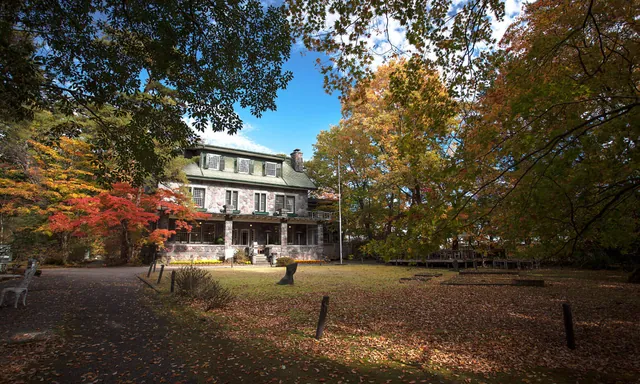
Photo: the shop’s official page 西洋料理 明治の館
A stone Western-style villa restaurant—built as a residence for American trader F.W. Horn and a national Registered Tangible Cultural Property. Known for omelette rice in demi-glace and Nirvana cheesecake; no lunch reservations.
Daily 11:00–19:30 (L.O.)
日光市山内2339-1 〒321-1431
RinIn the stone villa, omelette rice and Nirvana cheesecake.
Cafés3
All cafés →1 / 3
Gokomachi & Ishiyamachi
PICNIKKO
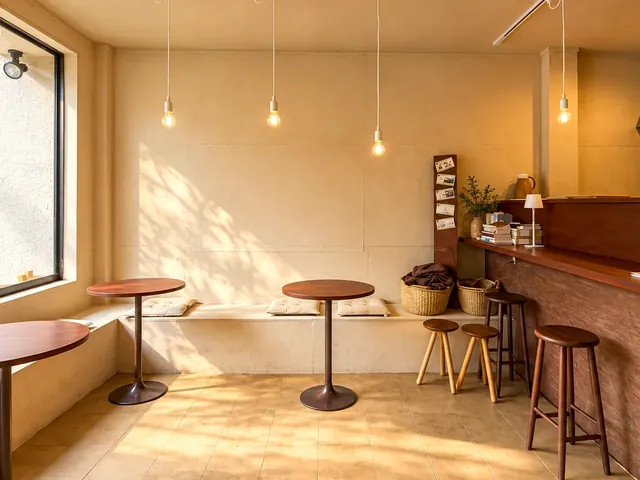
Photo: the shop’s official page A small café in Gokomachi serving breakfast from 7:30—such as yuba-soymilk risotto—and returning in the evening with cheese terrine parfaits. Picnic sets and lanterns are also for rent; irregular holidays.
07:30–10:30 (L.O. 10:00), 16:30–21:30 (L.O. 21:00) · Closed: Irregular holidays
日光市御幸町608-1 〒321-1404
RinIf I go, 7:30 a.m. for the risotto before heading to the shrines.
Shinkyo & Hatsuishi
Shizensaryo Meguri / meguri coffee
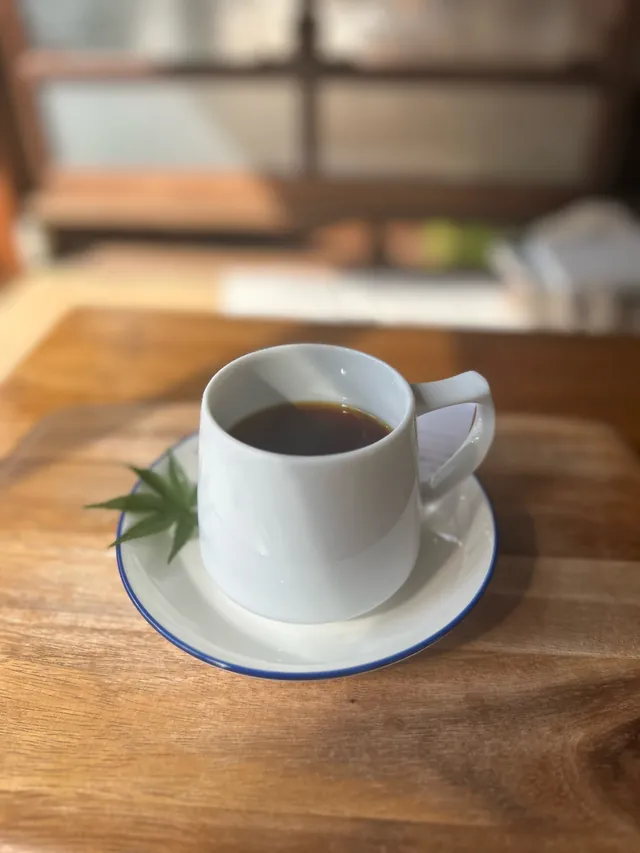
Photo: the shop’s official page 自然茶寮 廻 / meguri coffee
A café and roastery opened in 2009 in an early Taisho-era antiques gallery that keeps its painted floral ceiling panels. House-roasted coffee with plant-based meals and sweets. 8:30–18:00, closed Thursdays.
Fri–Wed 08:30–18:00 · Closed: Thursdays (irregular temporary closures possible)
日光市中鉢石町909-1 〒321-1402
RinWait for the hand-drip while looking up at the painted ceiling.
Sannai & Nishisando
café Chamabico
café 茶まびこ
A café opened in 2023 by the Nishisando soba house Honke Yamabiko. Galettes made from 100% house-milled Nikko buckwheat and spring water, topped with Nikko yuba or Otaki salmon. 10:00–17:00, irregular holidays.
10:00–17:00 (varies by season) · Closed: Irregular holidays
日光市安川町10-8 〒321-1432
RinOrder the 100% buckwheat galette with Nikko yuba.
By area
Rin is a fictional traveller. Every place here was checked by the editors to exist and be open (checked 2026-11-16). Please confirm hours on the official site before you go. Paid listings are always marked. If you are the shop and would like a photo removed, write to editor@vual.jp and we will take it down at once.
To see — art and sights (landmarks)
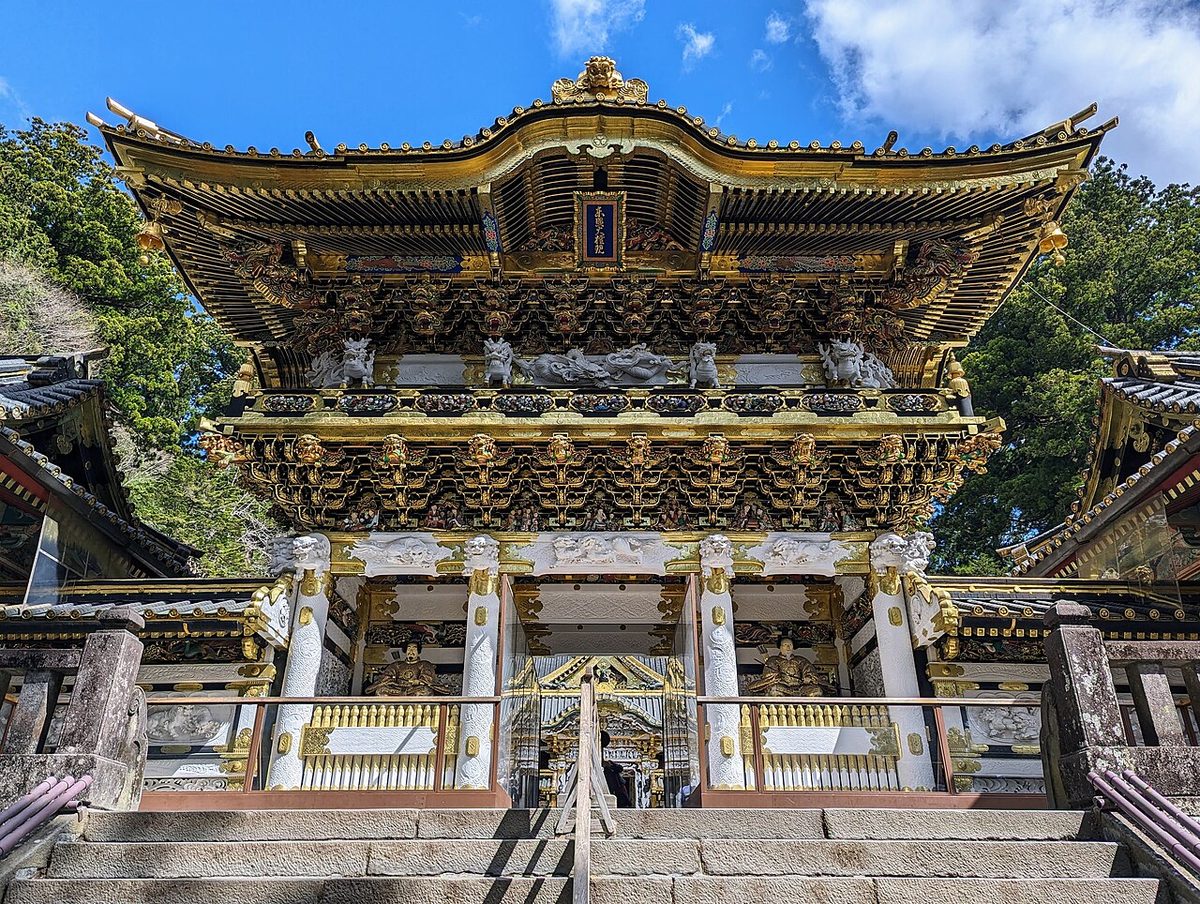
Photo: Jpatokal / CC BY-SA 4.0 (Wikimedia Commons) Sights · Sannai & Nishisando
Nikko Toshogu
The shrine dedicated to Tokugawa Ieyasu in 1617 and rebuilt in 1636 by the third shogun, Iemitsu. Registered as a World Heritage site in 1999.
Open 9 am to 4 pm from November to March (until 5 pm from April to October). Last entry 30 minutes before closing.
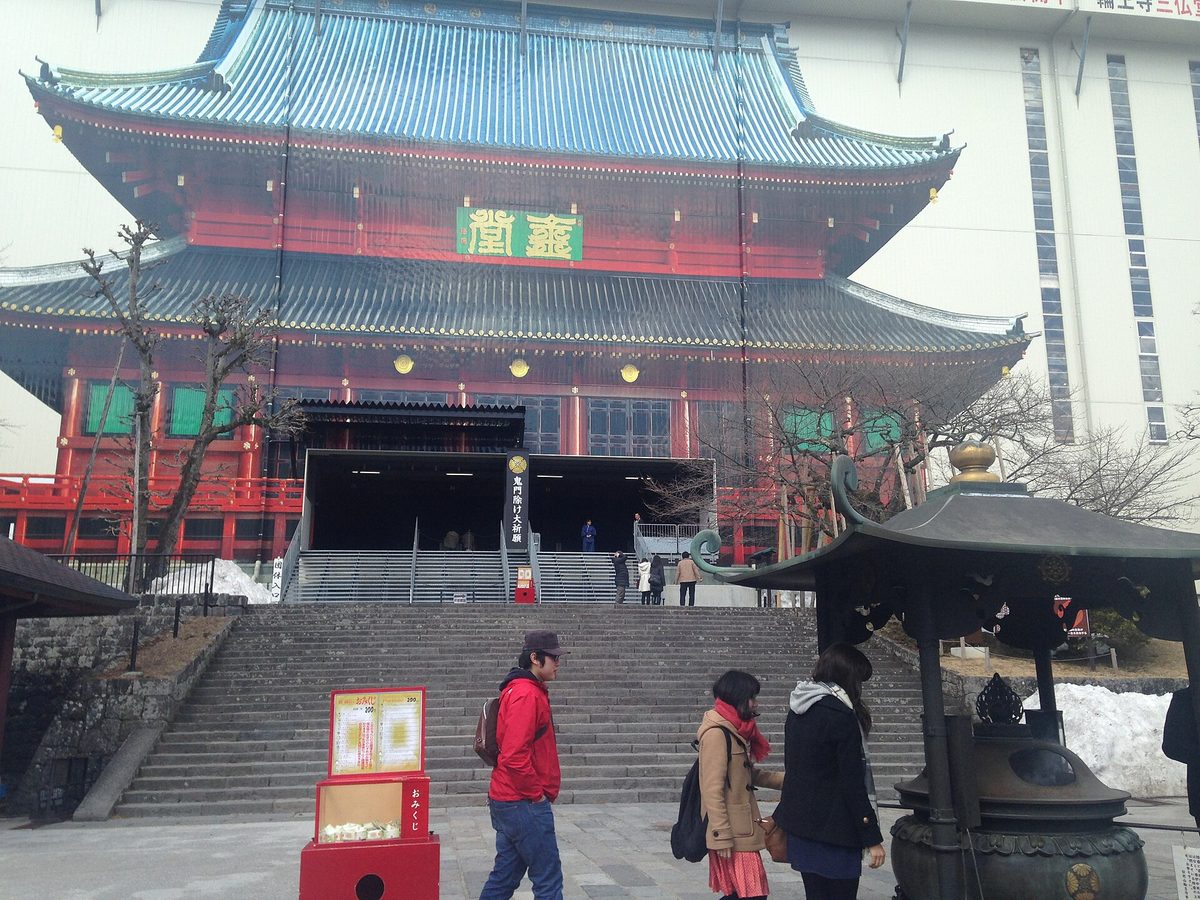
Photo: そらみみ / CC BY-SA 3.0 (Wikimedia Commons) Sights · Sannai & Nishisando
Nikkozan Rinnoji
A Tendai temple founded in 766 by the monk Shodo. Its precincts include the Sanbutsudo main hall, the largest wooden hall in eastern Japan, the Edo-period Shoyoen garden, and Taiyuin, the mausoleum of Tokugawa Iemitsu.
Open 8 am to 4 pm from November to March (until 5 pm from April to October; last entry 30 minutes before closing). Sanbutsudo is closed on the morning of December 14; the Treasure House and Shoyoen are closed on November 25, January 27 and March 25.
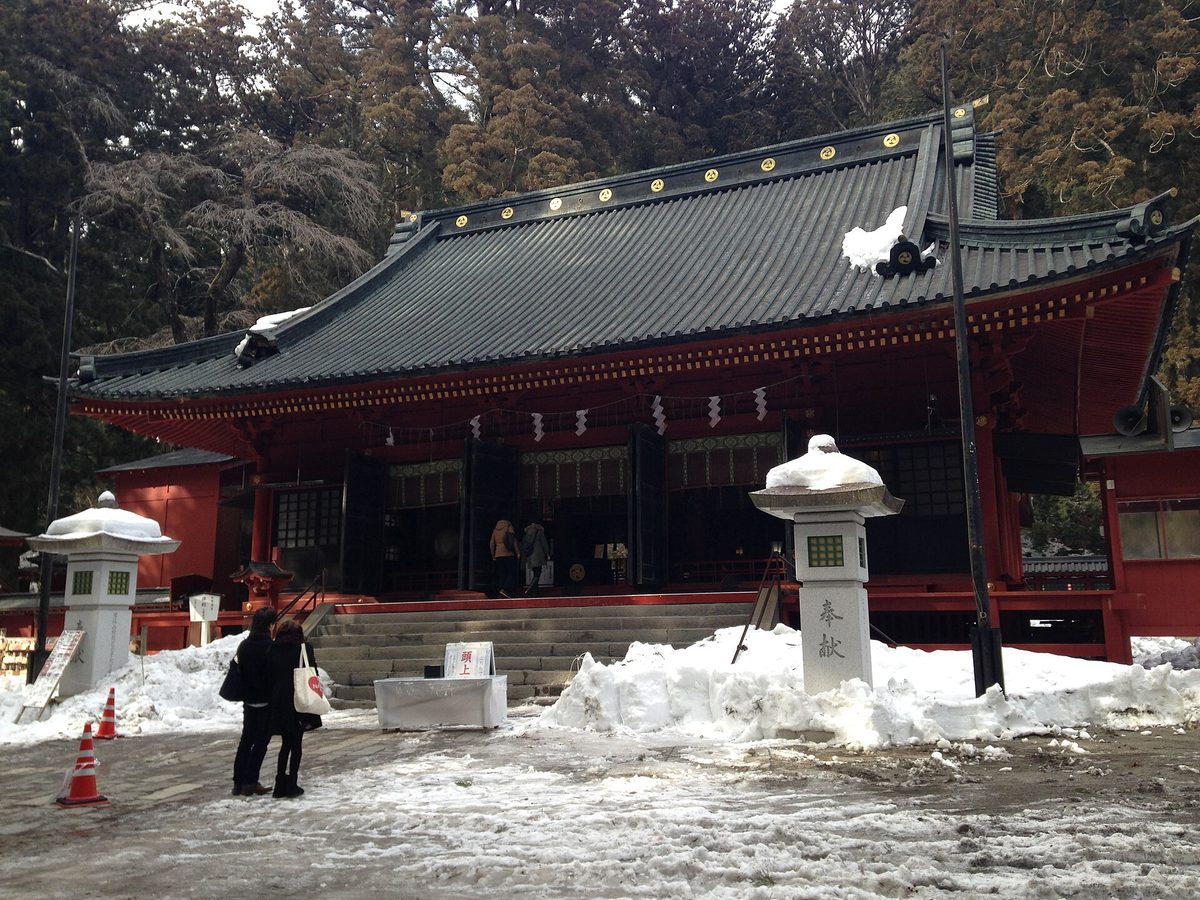
Photo: そらみみ / CC BY-SA 3.0 (Wikimedia Commons) Sights · Sannai & Nishisando
Nikko Futarasan Shrine
An ancient shrine dedicated to the deities of the Nikko mountains, standing west of Toshogu. Mount Nantai, site of its upper shrine, closes on November 11 and is off limits until April 24.
From November to March the Shin'en garden is open 9 am to 4 pm (8 am to 5 pm from April to October; last entry 30 minutes before closing). The Chugushi Treasure House is closed Tuesdays and Wednesdays.
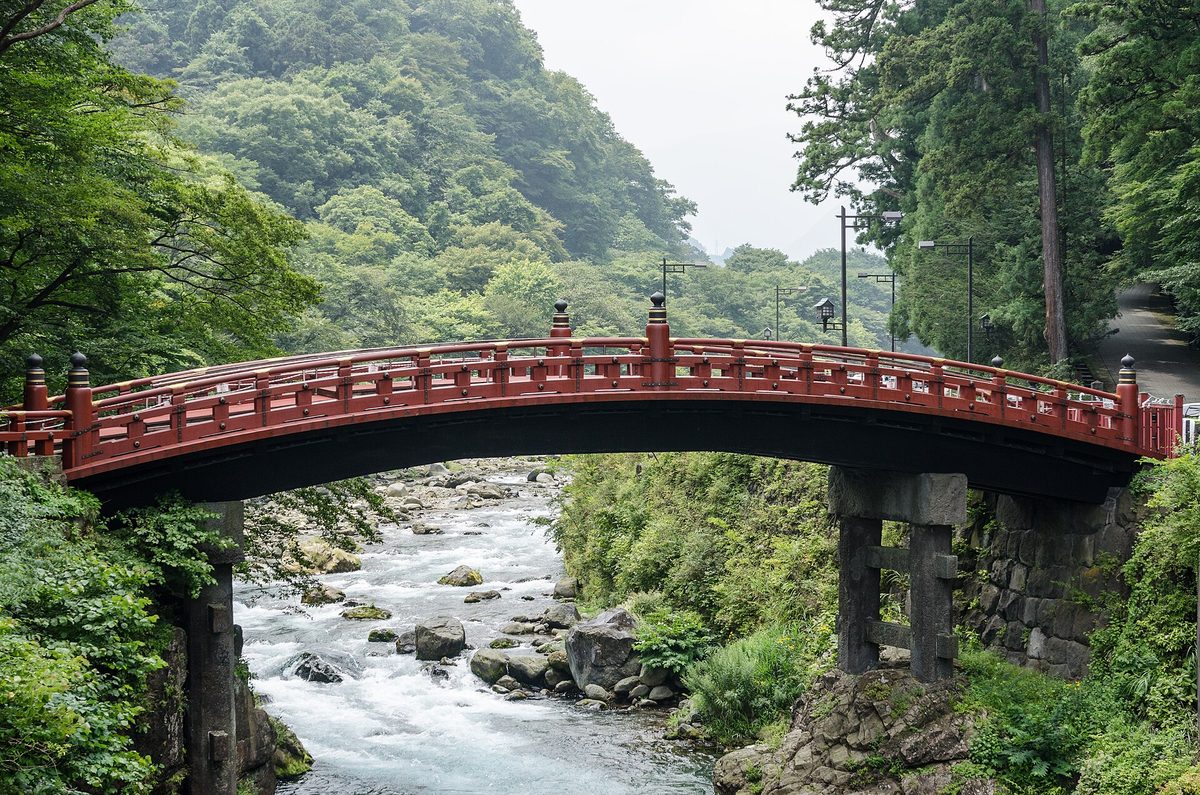
Photo: DXR / CC BY-SA 3.0 (Wikimedia Commons) Sights · Shinkyo & Hatsuishi
Shinkyo Bridge
The vermilion wooden bridge of Futarasan Shrine spanning the Daiya River, a national Important Cultural Property and World Heritage monument counted among Japan's three unusual bridges.
Bridge crossing is open 9 am to 4 pm from mid-November to March, 8 am to 5 pm from April to September, and 8 am to 4 pm from October to mid-November (subject to weather).
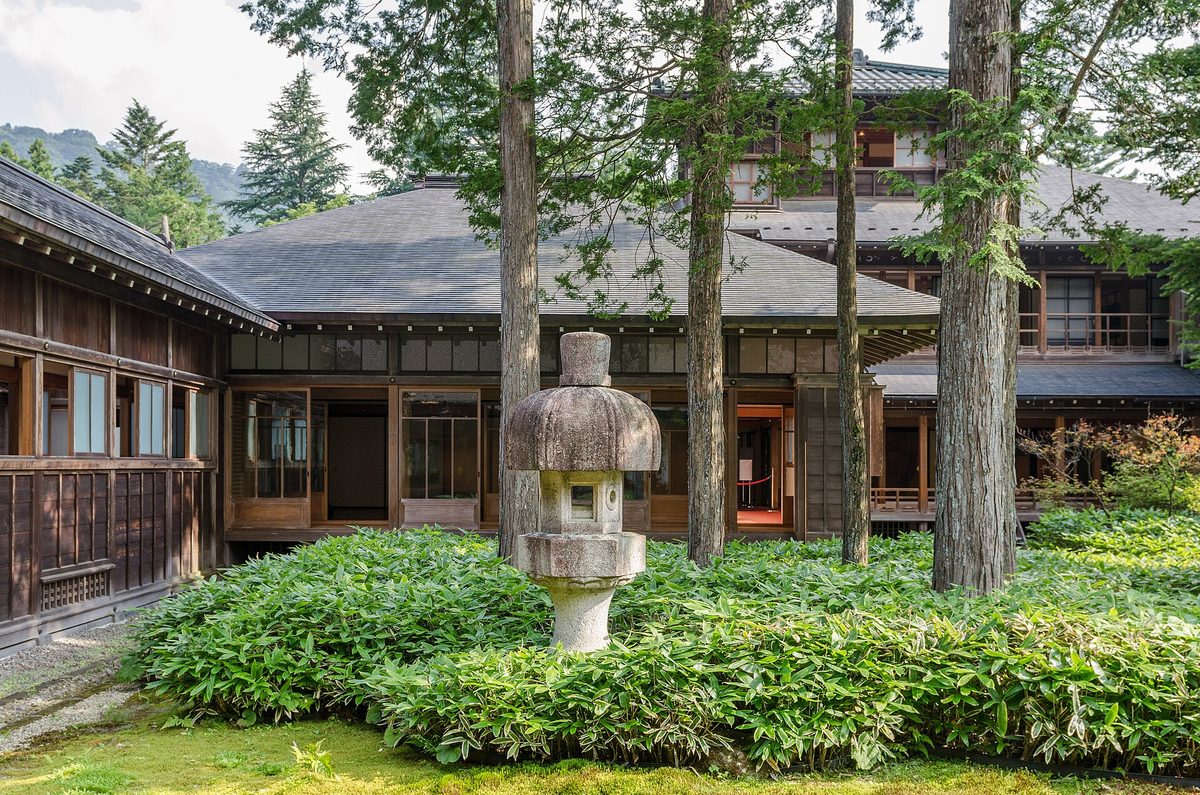
Photo: DXR / CC BY-SA 4.0 (Wikimedia Commons) Sights · Sannai & Nishisando
Nikko Tamozawa Imperial Villa Memorial Park
A former imperial villa uniting late-Edo, Meiji and Taisho architecture, built in 1899 and a national Important Cultural Property. The third-floor observation room opens for a special winter viewing from December 14, 2026 to January 31, 2027.
Open 9 am to 4:30 pm from November to March (last entry 3:45 pm; until 5 pm from April to October). Closed Tuesdays (next weekday if a holiday) and December 29 to January 1.
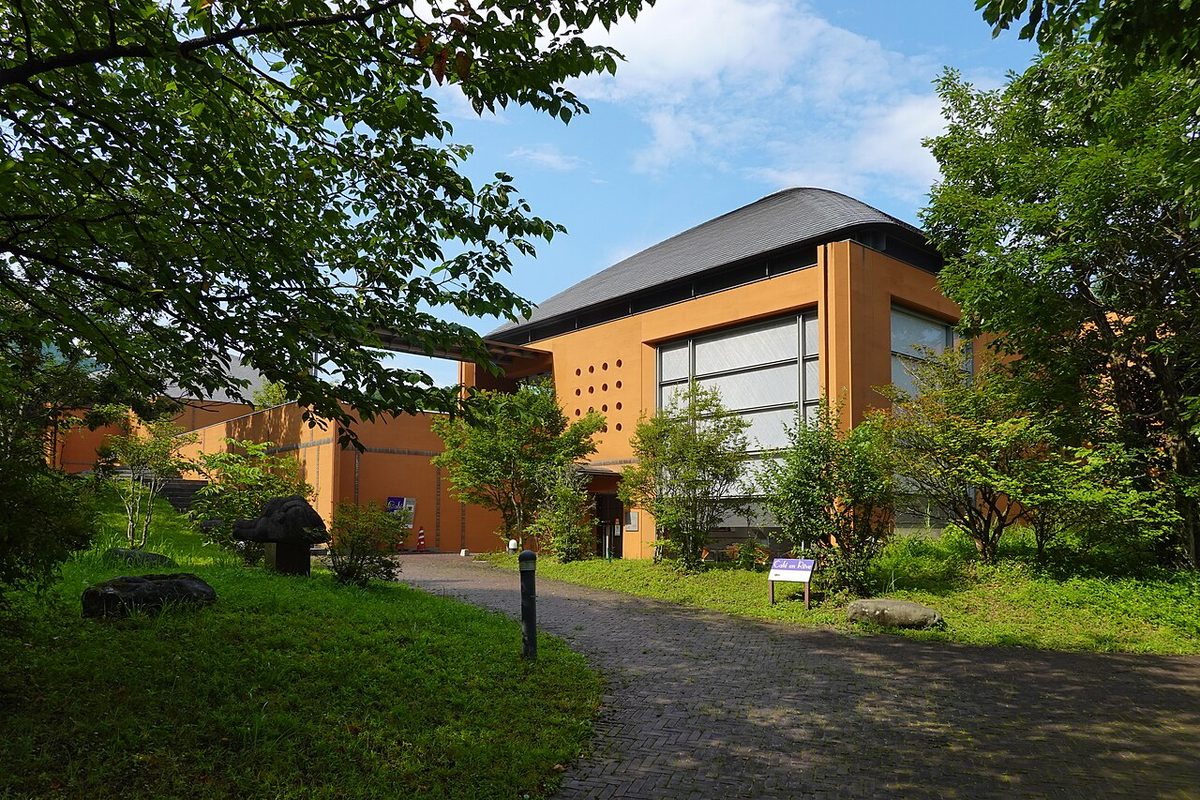
Photo: 663highland / CC BY-SA 4.0 (Wikimedia Commons) Art · Sannai & Nishisando
Kosugi Hoan Memorial Nikko Art Museum
An art museum focused on works and materials by Nikko-born painter Hoan Kosugi. Showing Mikio Yamazaki through November 29, 2026, then Secrets of Drawing from December 12.
Open 9:30 am to 5 pm (last entry 4:30 pm). Closed Mondays (next weekday if a holiday), during exhibition changeovers, Dec 29–31 and Jan 4–6 (open Jan 1–3).
These are landmarks, not Rin's picks. Each was checked to be open on its official site (checked 2026-11-12). Please confirm hours before you go.
Day trips from Nikko
Classics
- Nikko Toshogu
Most of the current shrine buildings were rebuilt in 1636, 20 years after the shrine was founded. Late April or November for best foliage.
- Kegon Fallsabout 9 km
In Nikko, this waterfall features water from Lake Chuzenji plummeting 97 meters down a cliff, offering majestic views that change with the seasons. Mid-October to early November for autumn colors.
Hidden spots
- Wakatake no Mori Wakayama Farmabout 26 km
A 24-hectare cultivated bamboo forest in northern Utsunomiya frequently used for Japanese film and commercial shoots. Visit in the morning for filtered sunlight through the bamboo, or on weekends/holidays from late November for the evening illumination.
- Fukiware Fallsabout 36 km
A 30-meter-wide horseshoe river gorge waterfall in Numata where the Katashina River plunges into a fractured rock fissure. Powerful snowmelt water peaks in April–May and autumn foliage peaks from late October to early November; arrive early morning to avoid crowds.
- Hotokuji Temple (Floor Reflections)about 42 km
A Muromachi-era Zen temple in Kiryu famous for its mirror-polished hall floor reflecting green and crimson maples outside. Best in mid-November when over 100 maples peak, visited between 10:00 and 15:00 to avoid morning backlight or evening darkness.
Distances are straight-line from the town centre. Each page has how to get there and a suggested day.