24.8° N
Miyakojima
Okinawa, Japan
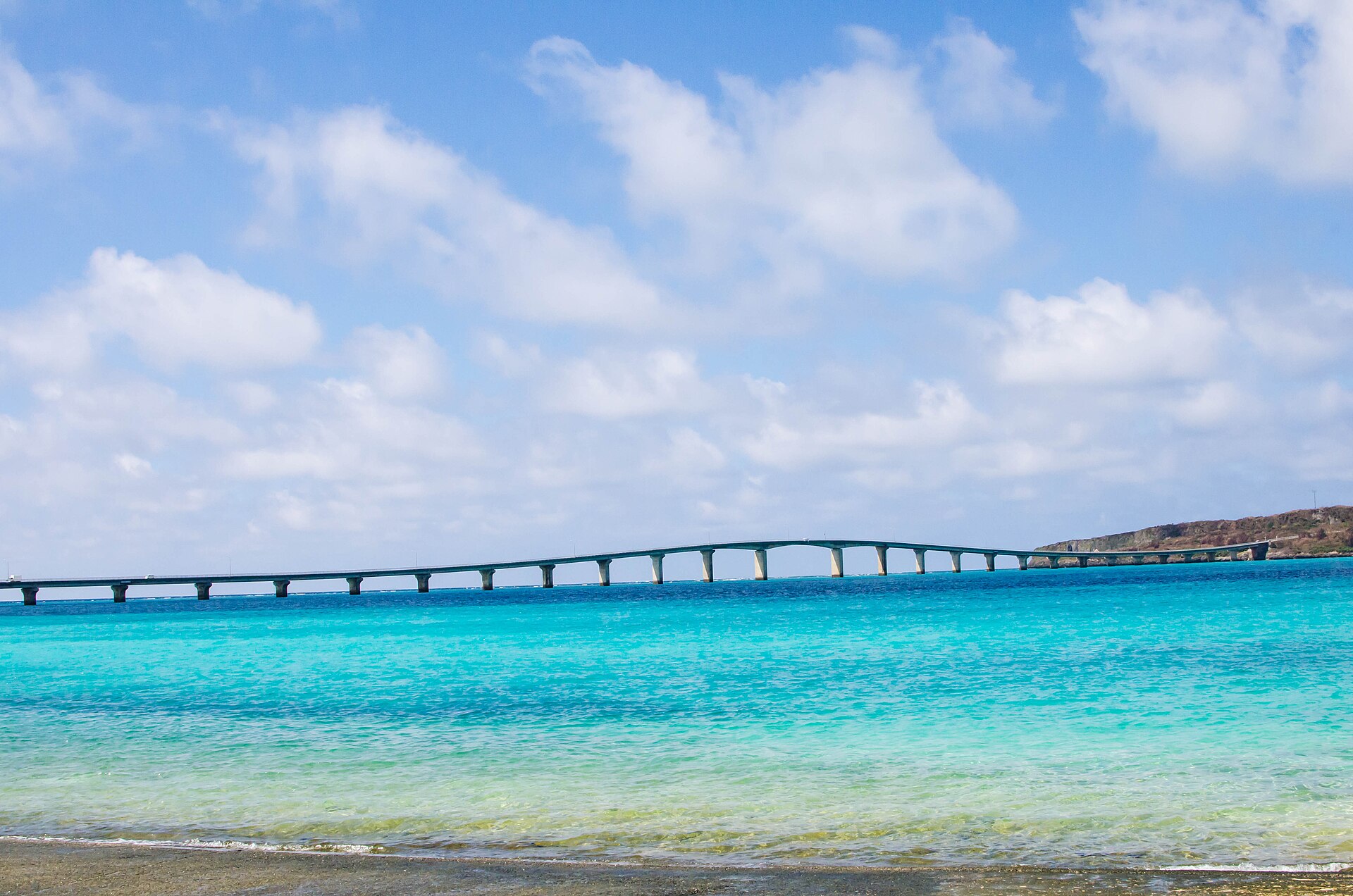
A low-lying island of raised coral reefs, linked by bridges to Irabu and Kurima. Warm year-round, with the rainy season in May and June and cooler breezes returning from October. Miyako jofu ramie weaving, sea salt, brown sugar, pottery, glass, and bowls of Miyako soba: Rin's picks.
Miyakojima, on film
5 sights and 16 places, each checked open in 2026, in 51 seconds.
Found somewhere you like? The map and the list below have the address, hours and official site.
Tap for sound
What to eat in Miyakojima
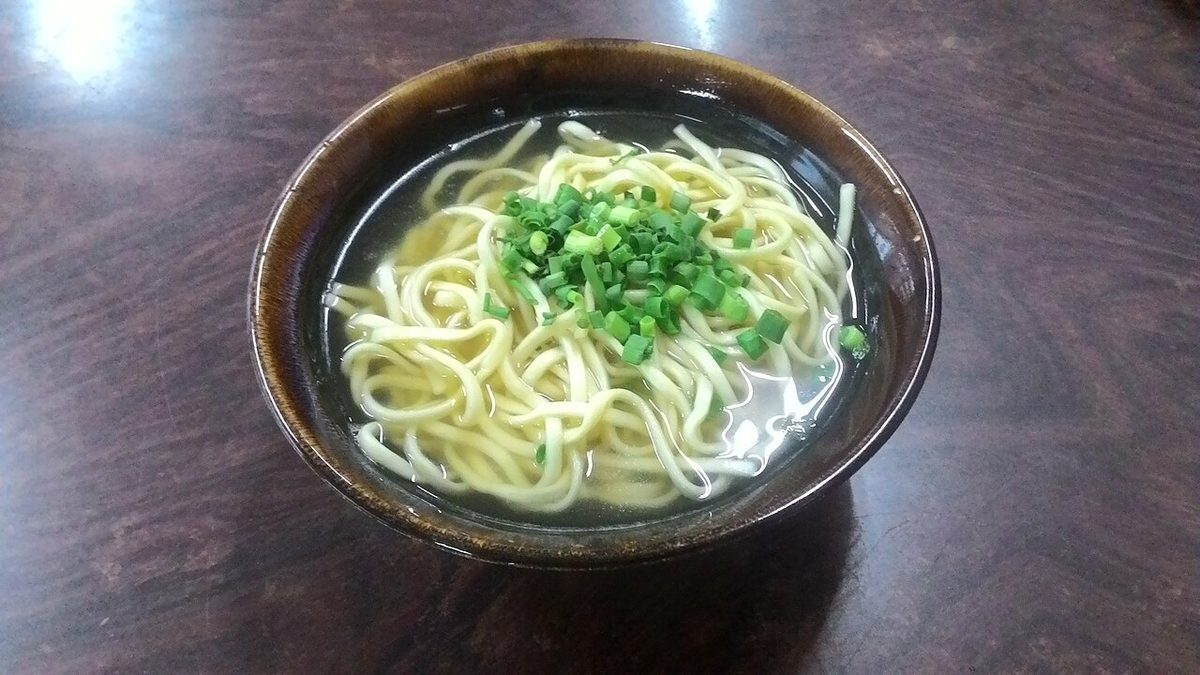
Photo: Tgokinawa / CC BY-SA 4.0 (Wikimedia Commons) Miyako soba (wheat noodles in pork-bonito broth)
宮古そば
Wheat-flour noodles served in a clear pork-bone and bonito broth, traditionally topped with stewed pork belly and kamaboko fish cake hidden beneath the noodles. Local noodle-making dates back to prewar Hirara diners such as Koja Sobaya (founded 1932), giving the island a straight-noodle style distinct from mainland Okinawa soba.
Eaten year-round at lunch counters and soba shops, often paired with jushi seasoned rice and seasoned midway with curry powder or koregusu chili awamori.
Where to eat it
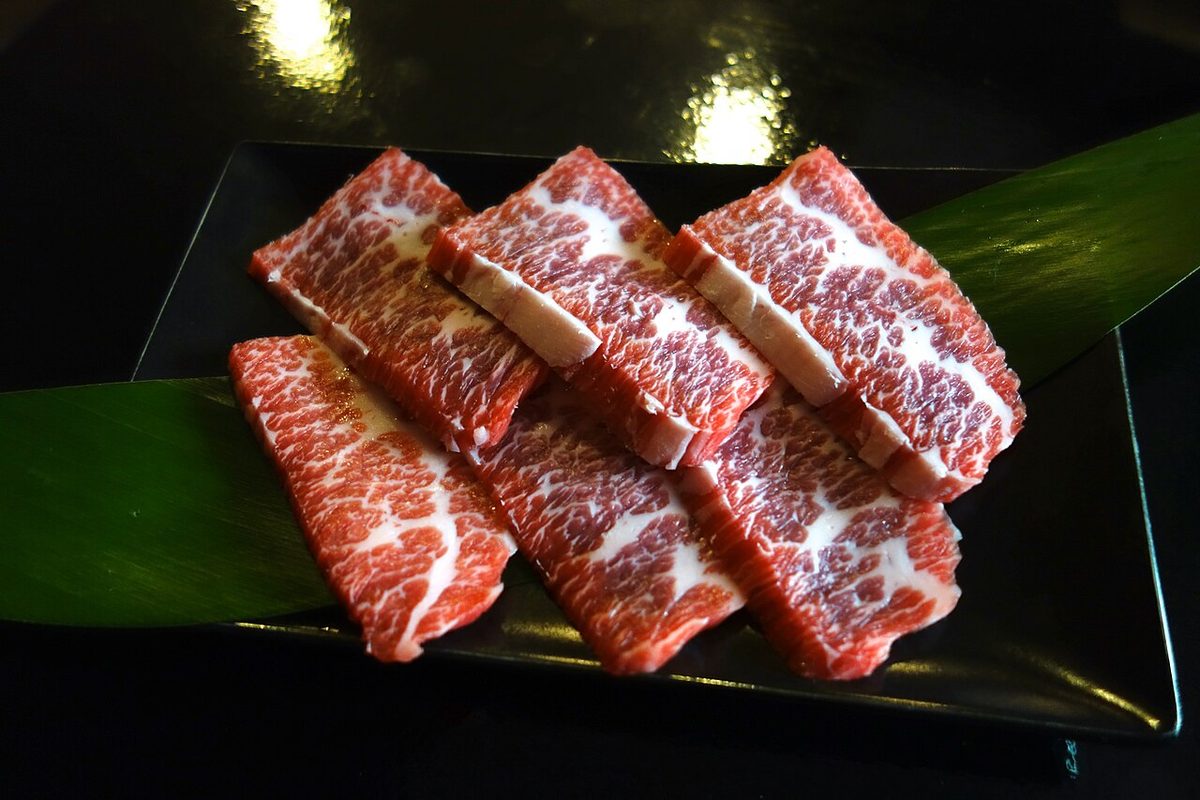
Photo: pelican from Tokyo, Japan / CC BY-SA 2.0 (Wikimedia Commons) Miyako beef (island-raised Wagyu)
宮古牛
Japanese Black Wagyu born and registered in the Miyako region (including Tarama) and fattened on the island for at least 15 months. Because most calves born locally are shipped off-island for raising, only around 200 cattle a year are finished in Miyakojima as Miyako beef.
Eaten year-round at teppanyaki counters with local Yukishio salt, at yakiniku grills, or in hamburger steaks and curries.
Where to eat it
- Blue Turtle ↓
- Rakuen no Kajitsu ↓
- Miyako Beef Teppanyaki Yukishio SteakWebsiteMap
No photo yet
Miyako mango (ripe island mango)
宮古島マンゴー
Tree-ripened mangoes—chiefly the crimson Irwin variety—cultivated in greenhouses across Miyakojima, Okinawa Prefecture's largest mango-producing area. Long hours of subtropical sunshine and well-drained Ryukyu limestone soil produce sweet, aromatic fruit.
Fresh fruit peaks in summer (June–August), while farm parlours and gelaterias serve it year-round in parfaits, soft-serve, and gelato.(Jun–Aug)
Where to eat it
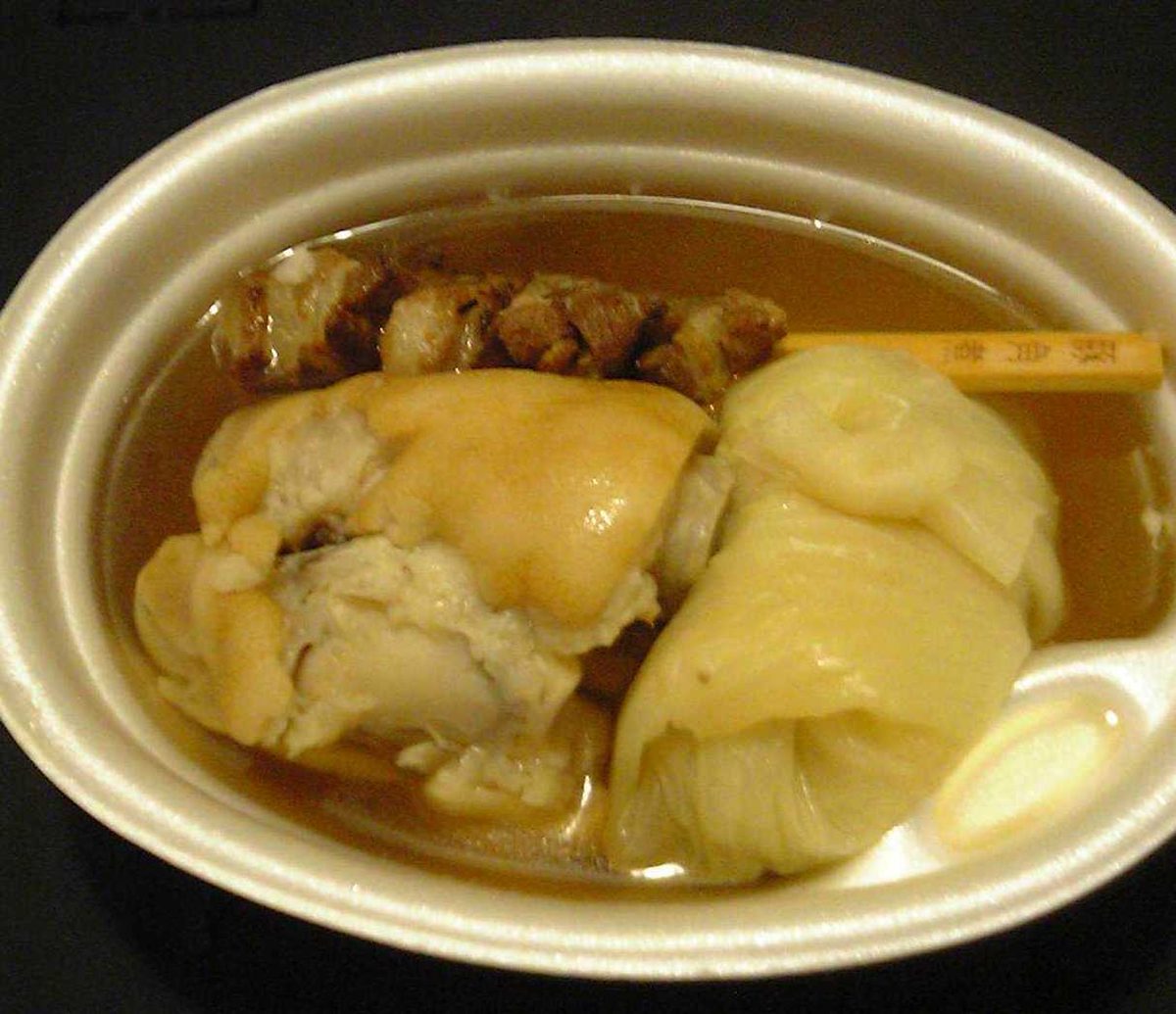
Photo: Original uploader; Hykw-a4 at ja.Wikipedia / CC BY-SA 3.0 (Wikimedia Commons) Shima oden (Okinawan pork-trotter stew)
島おでん
Okinawan-style oden simmered in a bonito-and-kelp broth enriched with slow-cooked pork trotters (tebichi), daikon, boiled egg, and fried island tofu. In Miyakojima's evening oden pubs—pioneered in 1957—fresh leafy greens are briefly blanched in the pot and placed on top.
Eaten year-round in the evening at oden pubs alongside awamori, ordered as a mixed platter and often followed by a late-night steak.
Where Rin would go, on the map — or build your own route
Tap a mark to see the place; squares are museums and sights (landmarks). Use “Build your own route” to make a walk of your own.
Loading the map
Map data © OpenStreetMap contributors
Where Rin would go
Made in Miyakojima: Miyako Jofu Ramie Textile1
All miyako jofu ramie textile →1 / 2
Made in Miyakojima
Miyako jofu is a fine ramie cloth woven on the island, designated a traditional craft and noted for its kasuri ikat tying, an Important Intangible Cultural Property. Wild ramie is hand-spun into thread, dyed with indigo, and woven by hand from start to finish.
Ueno
Miyakojima Traditional Craft Center
宮古島市伝統工芸品センター(宮古織物事業協同組合)
The centre of the Miyako Textile Cooperative in Nobaru, Ueno. Visitors can see the steps of Miyako jofu—from spinning ramie thread to ikat tying, dyeing and fulling—and browse textiles and small woven goods. Closes at 16:30 in winter.
宮古島市上野字野原1190-188
RinI watched the Miyako jofu process. The finished cloth had a crisp, fine sheen.
Made in Miyakojima: Miyako Island Sea Salt1
All miyako island sea salt →1 / 2
Made in Miyakojima
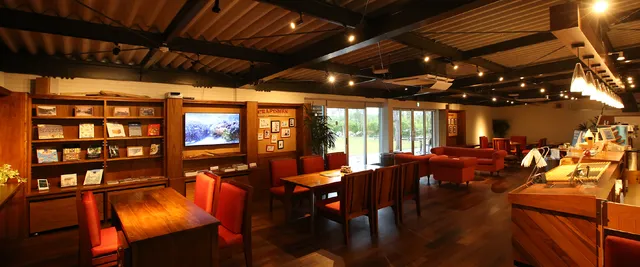
Miyakojima is built of porous Ryukyu limestone, with no rivers. Seawater filtered naturally underground through the coral rock is drawn up to make local sea salts such as Yukishio, flash-evaporated into a fine powder that keeps its minerals.
Miyako Island Sea Salt at Yukishio Museum·Photo: Yukishio Museum (official site)
Hirara
Yukishio Museum
Photo: the shop’s official page 雪塩ミュージアム
The Yukishio saltworks and free visitor museum near Ikema Bridge in Hirara. Shows how powdery Yukishio is made from seawater filtered through Ryukyu limestone and bagged, with a café serving Yukishio soft-serve. Open 9:00–17:00 (until 18:00, April to August).
宮古島市平良字狩俣191
RinI ate the Yukishio soft-serve. A light touch of salt brought out the cream.
Made in Miyakojima: Miyako Sugarcane & Brown Sugar1
All miyako sugarcane & brown sugar →1 / 2
Made in Miyakojima
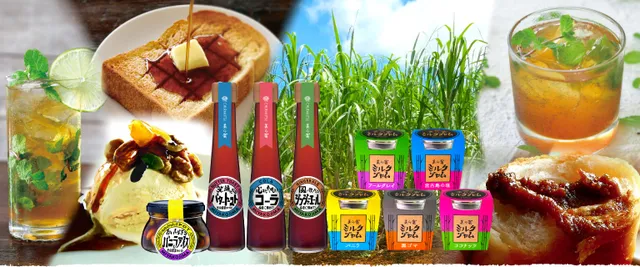
Sugarcane is the main crop across Miyakojima's flat coral-limestone terraces. Its juice is boiled down into kokuto brown sugar and syrups used by local farms, syrup makers, and confectioners.
Miyako brown sugar syrups and sugarcane products·Photo: Alternative Farm Miyako (official site)
Shimoji
Alternative Farm Miyako
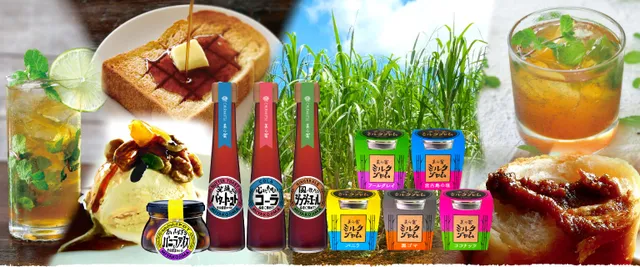
Photo: the shop’s official page オルタナティブファーム宮古
An organic farm in Shimoji growing sugarcane and island bananas without synthetic inputs. Boils its cane into Chura-mitsu brown-sugar syrup and milk jams, and runs year-round kokuto-making sessions by booking.
宮古島市下地字与那覇53
RinI bought Chura-mitsu brown-sugar syrup. Thick, deep sweetness I kept wanting.
Craft3
All craft →1 / 3
Shimoji
Ryukyu Zakka Aosora
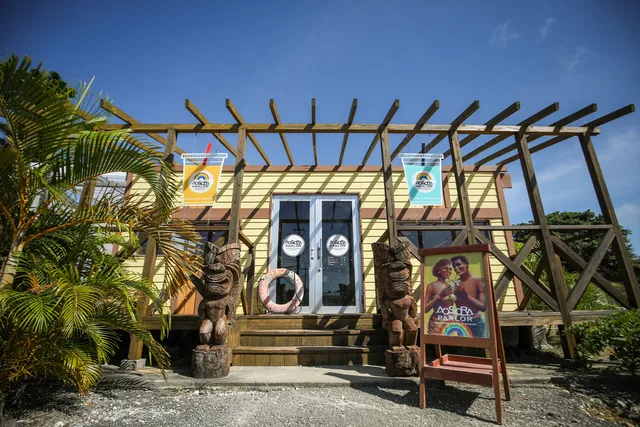
Photo: the shop’s official page 琉球ザッカ 青空
A small select shop on Kurima Island stocking everyday yachimun pottery, Ryukyu glass and bingata chosen by the owner from over forty Okinawan kilns and workshops. Open 10:00–17:00 (closed 12:00–13:00), irregular days off.
宮古島市下地字来間104-1
RinI picked up an everyday yachimun piece. Warmth of the clay felt good.
Shimoji
Kinjo Pottery
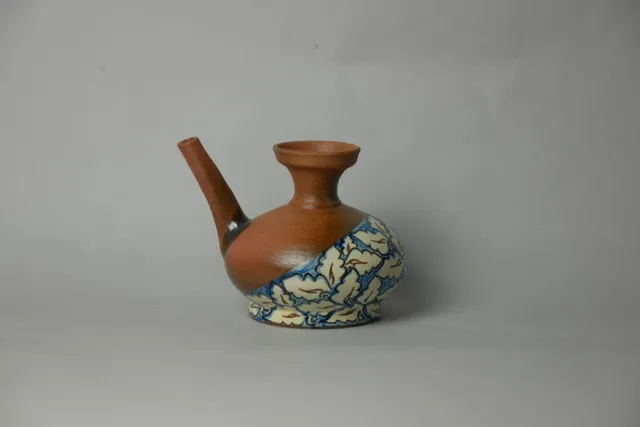
Photo: the shop’s official page 宮古島壺屋焼 金城陶芸
A Tsuboya-yaki pottery kiln opened in Kawamitsu, Shimoji, in 1985. Uses Okinawan red clay for unglazed yakishime shisa and vases, and slip-painted vessels carved with fish and peony motifs. Open 10:00–18:00, irregular days off.
宮古島市下地字川満803-1
RinI looked at red-clay vessels carved with fish. The simple lines felt lively.
Gusukube
glass studio luca
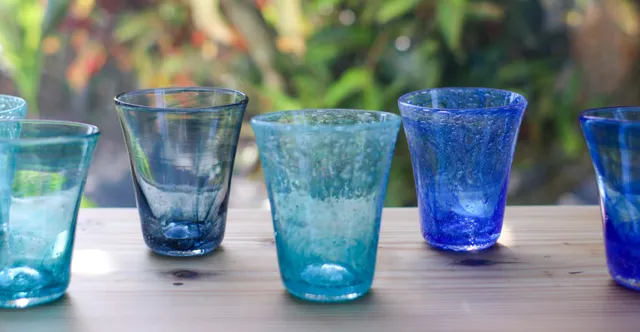
Photo: the shop’s official page 吹きガラス工房 琉花
A glassblowing studio among sugarcane fields in Gusukube. Its shop sells hand-blown Ryukyu glass inspired by the island's sea and sky, plus accessories remelted from studio glass offcuts. Open 9:00–15:00, closed Sundays and Mondays.
宮古島市城辺字下里添509-3
RinI bought a remelted glass accessory. It caught the light with a gentle sparkle.
Sweets3
All sweets →1 / 3
Hirara
RICCO gelato
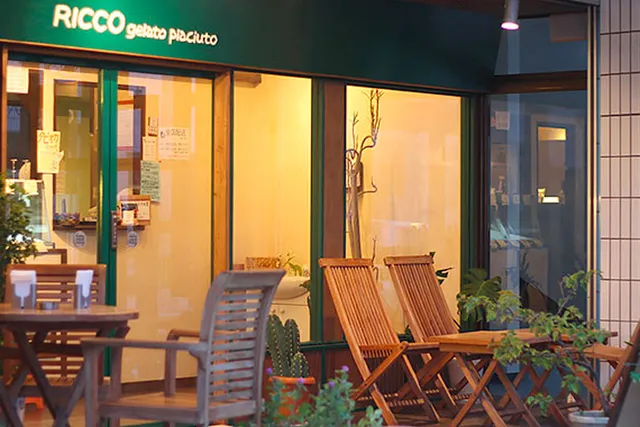
Photo: the shop’s official page An artisanal gelateria started in 2009 in Shimosato, Hirara, with over forty flavours using Miyakojima mango, purple yam, Ryukyu sansho herbs and awamori. Open 11:00–18:00, closed Tuesdays and Wednesdays.
Thu–Mon 11:00–18:00 · Closed: Tuesdays and Wednesdays
宮古島市平良字下里550
RinI tried the Ryukyu sansho gelato. Bright, peppery scent.
Hirara
Montedoll Honten
モンテドール 本店
A confectioner in Nishizato, Hirara, known for banana cakes baked with ripe fruit and no margarine or flavourings. The main shop has eat-in seating and banana juice with a fifteen-minute shelf life. Open 9:00–19:00.
9:00–19:00
宮古島市平良字西里7-2
RinI drank the banana juice at the counter. Thick, ripe, and naturally sweet.
Ueno
Utopia Farm Miyakojima
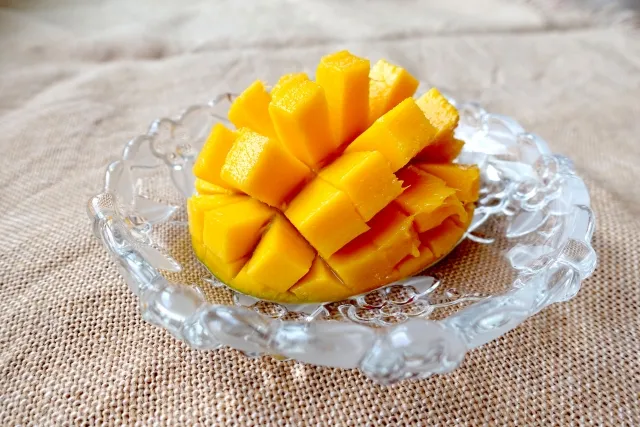
Photo: the shop’s official page ユートピアファーム宮古島
A fruit farm and on-site parlour in Ueno where around fifty varieties of bougainvillea bloom. Serves parfaits and soft-serve in house-made waffle cones with farm-grown mango and papaya. Open 10:00–17:00, closed Sundays.
宮古島市上野字宮国1714-2
RinAfter seeing the bougainvillea, I had mango soft-serve. Rich and comforting.
Food4
All food →1 / 4
Hirara
Koja Sobaya
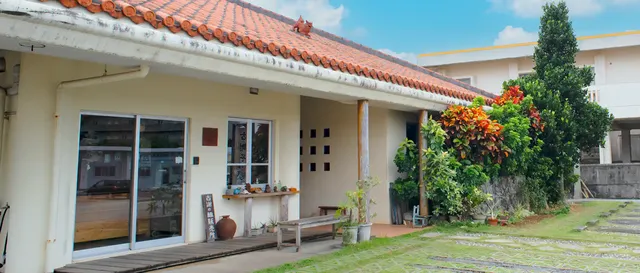
Photo: the shop’s official page 古謝そば屋
A Miyako soba restaurant founded in 1932, set in a red-tiled house with a garden. Serves Miyako soba made with noodles from its own Koja Seimensho factory, alongside jushi rice. Dining 11:00–16:00, closed Wednesdays; no reservations.
11:00–16:00
宮古島市平良字下里1517-1
RinI ate Miyako soba looking out at the garden. Firm, springy house-made noodles.
Hirara
Minato Shokudo
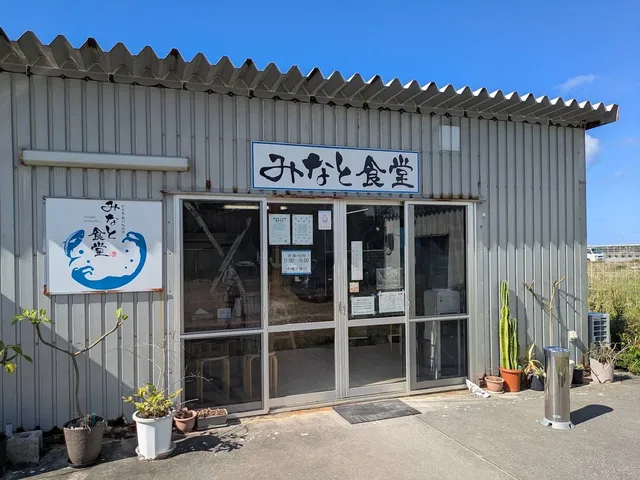
Photo: the shop’s official page みなと食堂
A twenty-four-seat diner beside Nikadori Fishing Port in Hirara. Known for Miyako soba with local asa seaweed in a clear bonito broth. Open 11:00–16:00, closed Wednesdays.
宮古島市平良字荷川取593-10
RinI slurped the aasa seaweed Miyako soba. Bonito broth and sea aroma filled the bowl.
Shimoji
Rakuen no Kajitsu
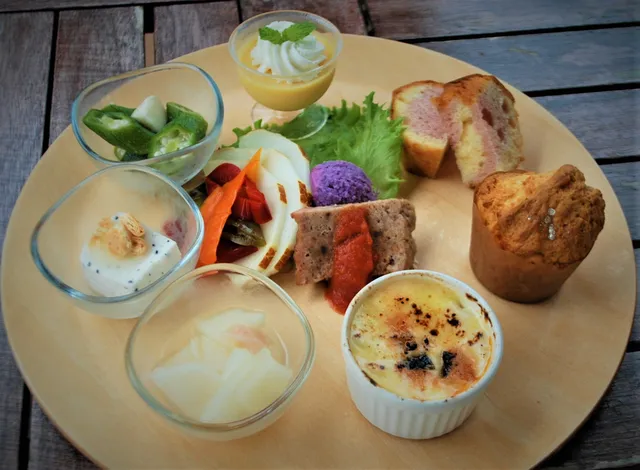
Photo: the shop’s official page 農家れすとらん 楽園の果実
A restaurant on Kurima Island run by an organic JAS-certified farm. Serves meals with local ingredients alongside desserts and gelato made with its own mangoes. Walk-in seating only.
宮古島市下地字来間476-1
RinI had a mango dessert after lunch. Bright fruit bursting with juice.
Irabu
Blue Turtle
A beachfront café-restaurant steps from Toguchi-no-Hama on Irabu Island. Serves Miyako beef hamburger-steak curry and steaks by day and becomes a bar at night, with complimentary house-made island-vegetable water. Open 11:00–22:00.
宮古島市伊良部字伊良部1352-16
RinAfter walking Toguchi-no-Hama, I had the Miyako beef curry. Warmly spiced.
Cafés3
All cafés →1 / 3
Hirara
Ningin Coffee
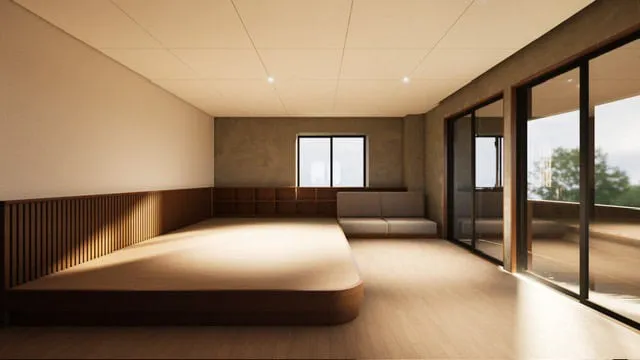
Photo: the shop’s official page ニンギン珈琲
A house-roasting coffee shop relocated to Kugai in Hirara, with the roastery and café on the ground floor and guest rooms upstairs. Serves coffee and buttered toast, and sells roasted beans.
宮古島市平良字久貝670-4 1F
RinI had buttered toast and coffee. Melted butter soaked deep into the bread.
Irabu
Kuninaka Shoten
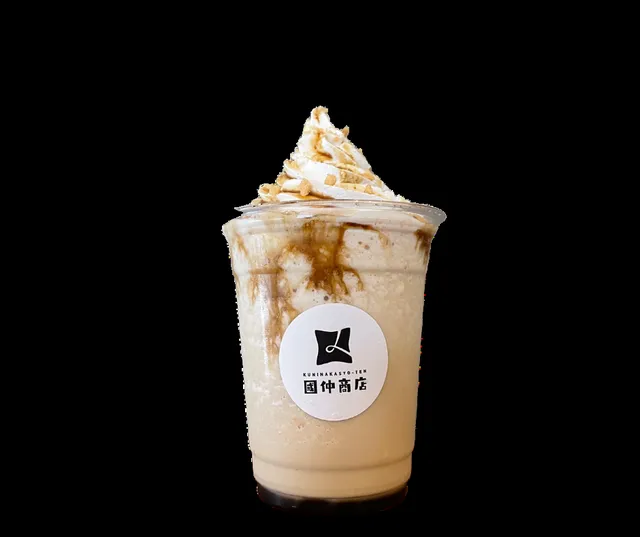
Photo: the shop’s official page 國仲商店
A café set on spacious grounds in Kuninaka on Irabu Island. Serves house-roasted coffee and handmade bread alongside brown-sugar lattes and coffee-cherry soda. Open 8:00–19:00 daily.
Mon–Sun 08:00–19:00 · Closed: None
宮古島市伊良部字国仲531-1
RinI chose the brown-sugar latte. Its rounded sweetness suited the morning.
Gusukube
cafe nuis
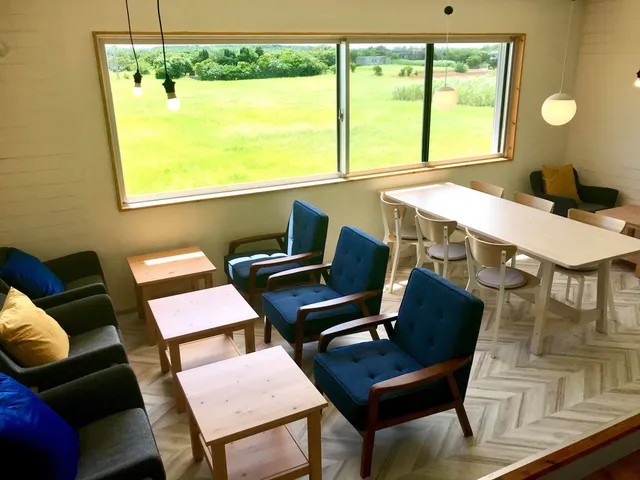
Photo: the shop’s official page cafe nius
A café in Gusukube with wide windows onto pastureland and sky. Serves breakfast, lunch, sweets made with local ingredients, and freshly ground coffee. Open 7:30–16:00, closed Thursdays and Fridays.
Sat–Wed 07:30–16:00 · Closed: Thursdays and Fridays
宮古島市城辺字福里652-2
RinI drank coffee by the wide window. Pasture and sky felt refreshing.
Rin is a fictional traveller. Every place here was checked by the editors to exist and be open (checked 2026-11-14). Please confirm hours on the official site before you go. Paid listings are always marked. If you are the shop and would like a photo removed, write to editor@vual.jp and we will take it down at once.
To see — art and sights (landmarks)
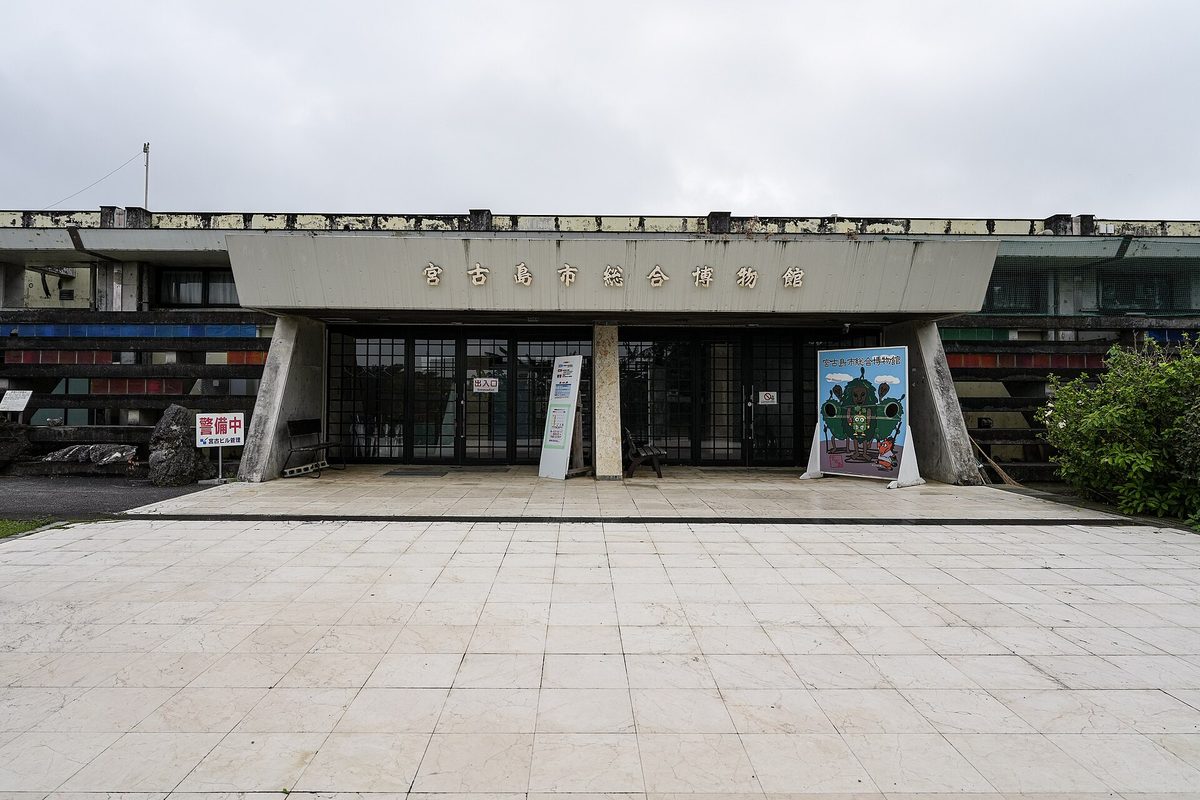
Photo: KQuhen / CC BY-SA 4.0 (Wikimedia Commons) Art · Hirara
Miyakojima City Museum
The municipal museum presenting Miyako's history, folklore, art and natural science. Built with a Ryukyu limestone gate in the style of Nakasone Tuyumya's tomb, with permanent and special exhibitions on island life.
Open 9:00–16:30 (last entry 16:00). Closed Mondays (and Tuesdays when Monday is a holiday), national holidays, and Dec 29–Jan 3. Special showing of works by Yasuaki Hori runs Oct 31–Dec 20, 2026.
Sights · Hirara
Miyakojima City Tropical Botanical Garden
A municipal botanical garden of about twelve hectares with subtropical trees and flowers. Free to walk, with a deigo coral-tree avenue that blooms around February and March and a craft-workshop village inside the grounds.
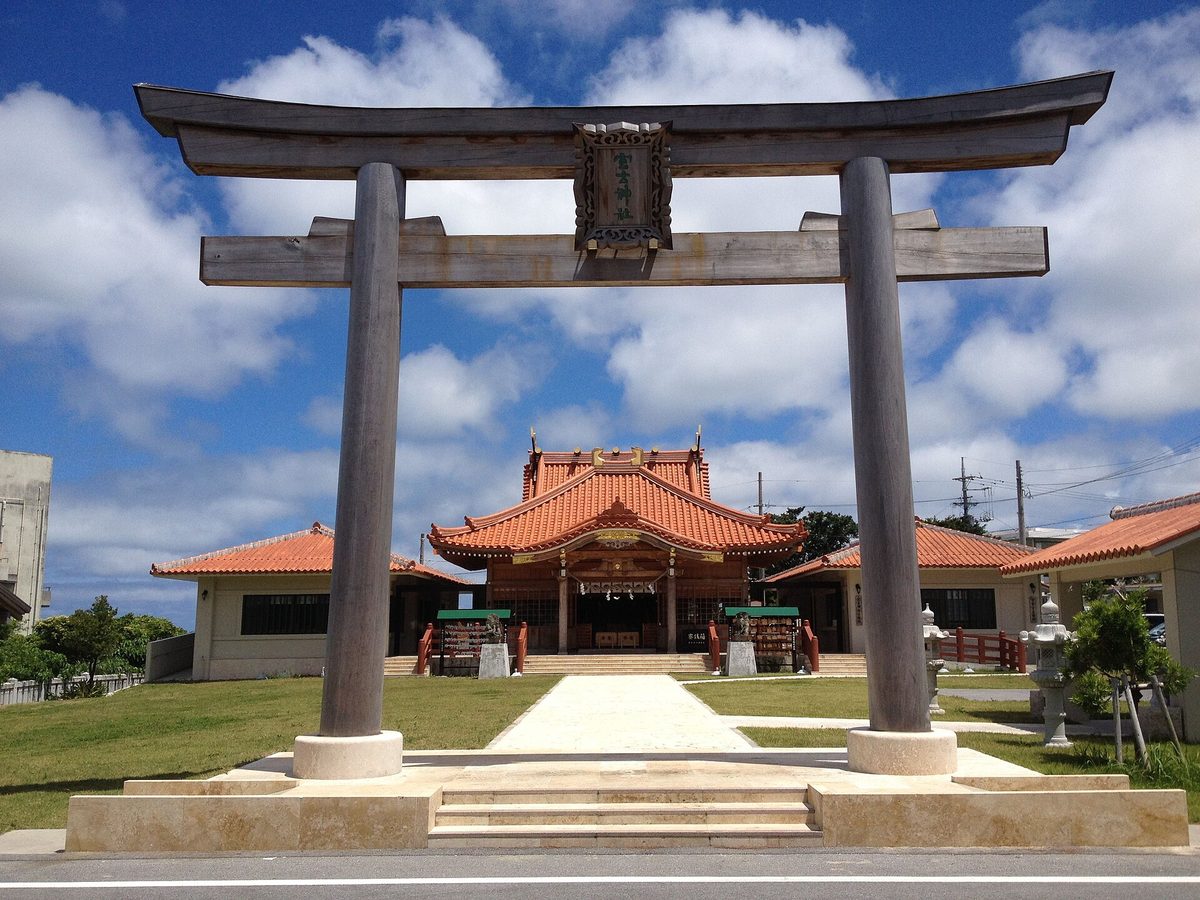
Photo: Tacara / CC BY-SA 3.0 (Wikimedia Commons) Sights · Hirara
Miyako Shrine
Founded in 1590, the southernmost shrine under the Association of Shinto Shrines. Enshrines the three Kumano deities alongside three historic Miyako rulers, in a sanctuary rebuilt in 2010.
Sights · Gusukube
Hennazaki Lighthouse
A white concrete lighthouse built in 1967 at the tip of Cape Higashi-Hennazaki, a national Place of Scenic Beauty. The southernmost climbable lighthouse in Japan, looking out over both the East China Sea and the Pacific from 25 metres.
Closed 12:00–13:00 for lunch break since March 2026. Open 9:30–12:00 and 13:00–16:30 Oct–Feb (until 17:00 on weekends and holidays Mar–Sep; last entry 15 minutes before close).
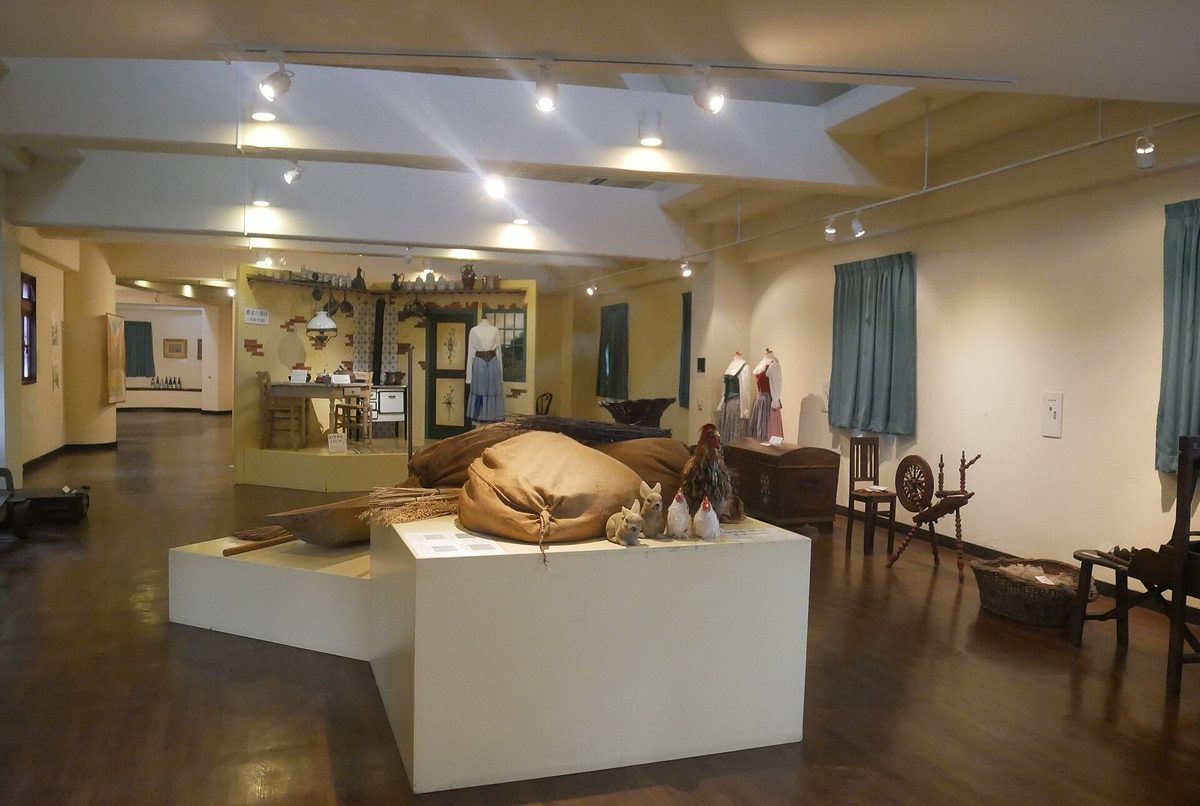
Photo: Nesnad / CC BY-SA 4.0 (Wikimedia Commons) Art · Ueno
Ueno German Culture Village (Hakuai Memorial Hall)
A cultural complex commemorating the 1873 rescue of a wrecked German merchant ship by Miyakojima islanders. Inside, the Hakuai Memorial Hall—a full-scale recreation of Marksburg Castle—exhibits rescue records and Rhineland artworks.
Hakuai Memorial Hall and Kinder House are closed Tuesdays and Thursdays (park grounds are free to walk).
These are landmarks, not Rin's picks. Each was checked to be open on its official site (checked 2026-11-12). Please confirm hours before you go.
Day trips from Miyakojima
Hidden spots
- 17ENDabout 10 km
A scenic coastal walkway along the northern runway end of Shimojishima Airport where low tide reveals a bright sandbar in translucent Miyako-blue water. Between May and September at low tide, overhead sun turns the shallow lagoon beside the runway into glowing gradients of turquoise and white sand.
- Cape Higashi-Hennazakiabout 21 km
A nationally designated scenic 2-km-long narrow cape at the easternmost tip of Miyako Island, topped by the climbable Hennazaki Lighthouse. April–May brings blankets of wild white teppouyuri lilies across the cape, while July–August offers the brightest Miyako Blue water.
Distances are straight-line from the town centre. Each page has how to get there and a suggested day.