36.5° N
Mashiko
Tochigi, Japan
A pottery town in southeastern Tochigi, where the Kanto Plain meets low wooded hills, known for its spring and autumn pottery markets. Mashiko-yaki kilns and galleries, a local sake brewery, and bakeries and coffeehouses along Jonaizaka and Sayado, as Rin's picks.
Mashiko, on film
4 sights and 14 places, each checked open in 2026, in 39 seconds.
Found somewhere you like? The map and the list below have the address, hours and official site.
Tap for sound
What to eat in Mashiko
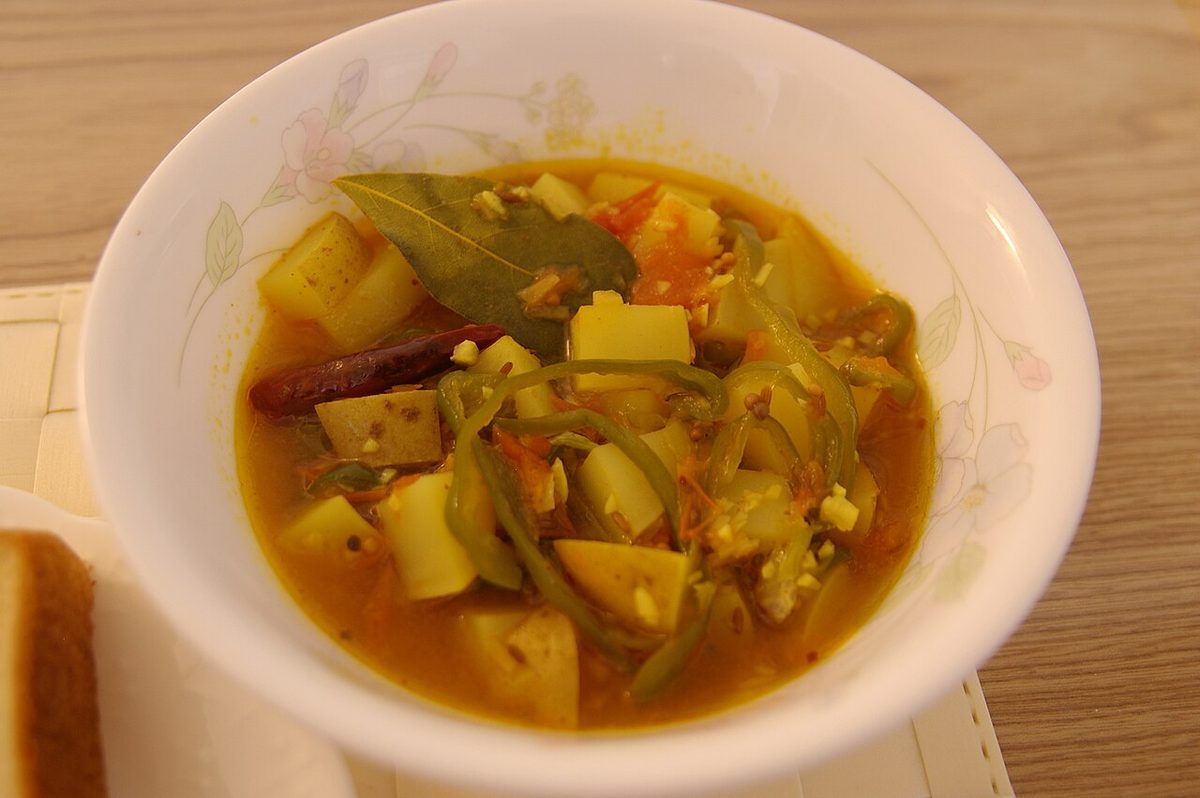
Photo: pelican from Tokyo, Japan / CC BY-SA 2.0 (Wikimedia Commons) Biruma-jiru (Mashiko curry vegetable soup)
ビルマ汁
A hot vegetable soup simmered in Japanese dashi stock with ripe tomatoes, eggplant, green beans, potatoes, carrots, chili pepper, and curry powder. It began in 1945 when a local resident in Mashiko's Tamachi district recreated a soup he had eaten in Burma during World War II using ingredients available at home.
Eaten piping hot during the summer campaign from June to September as a standalone soup, over rice or bread, or as a dipping broth for udon and soba noodles.(Jun–Sep)
Where to eat it
- Cafe Mashikobito ↓
- Michi-no-Eki MashikoWebsiteMap
- Teuchi Soba UenoWebsiteMap
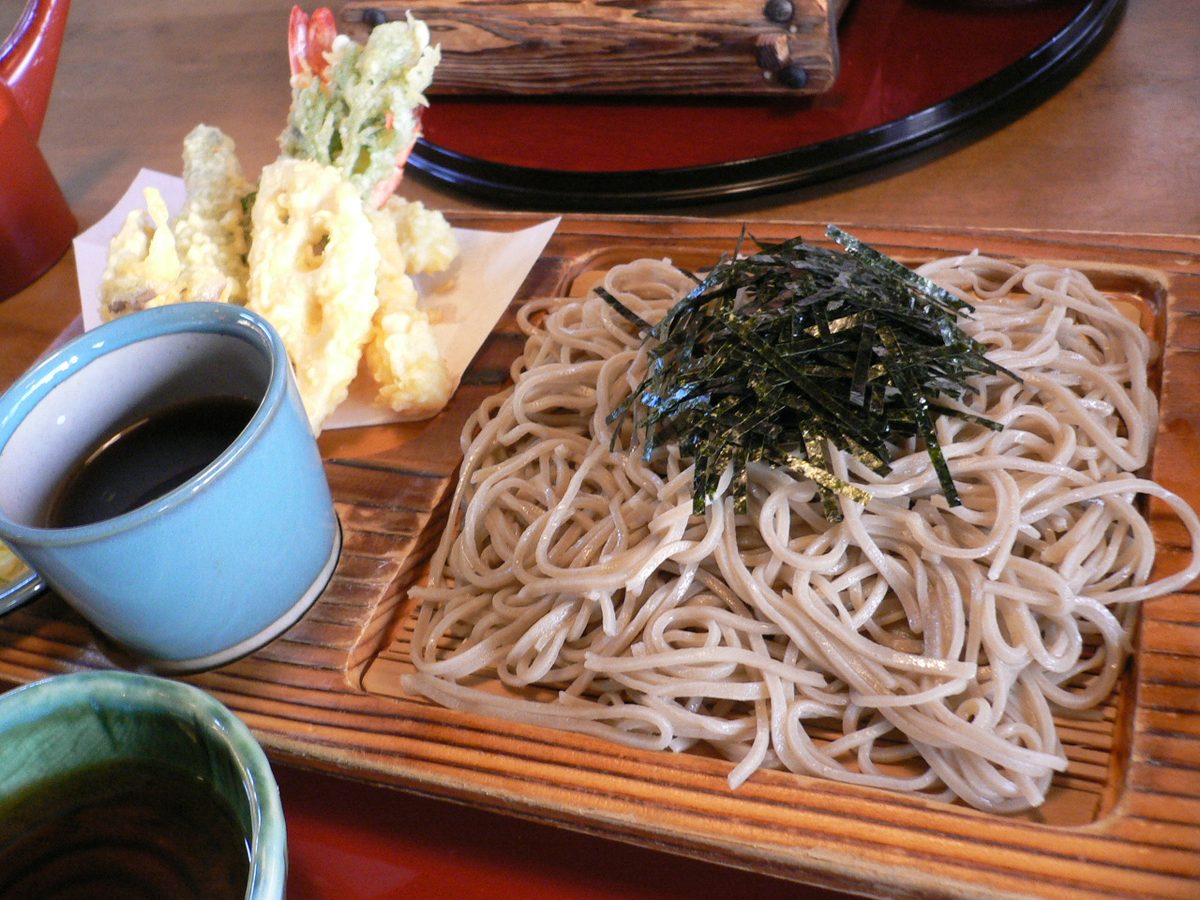
Photo: hirotomo from Suwa, Nagano / CC BY-SA 2.0 (Wikimedia Commons) Mashiko Soba (local buckwheat noodles)
益子そば
Buckwheat noodles milled and handmade in Mashiko, often prepared from locally grown Hitachi Akisoba grain and served on Mashiko-yaki tableware. Mashiko's well-drained red soil and long sunshine hours suit buckwheat cultivation, which historically developed here as a rotation crop after leaf tobacco.
Eaten year-round cold as mori-soba or warm in broth, often paired with tempura, with new-crop shin-soba starting from mid-November.
Where to eat it
- Mashiko-yaki Yokoyama Kiln ↓
- YukyoanWebsiteMap
- Teuchi Soba UenoWebsiteMap
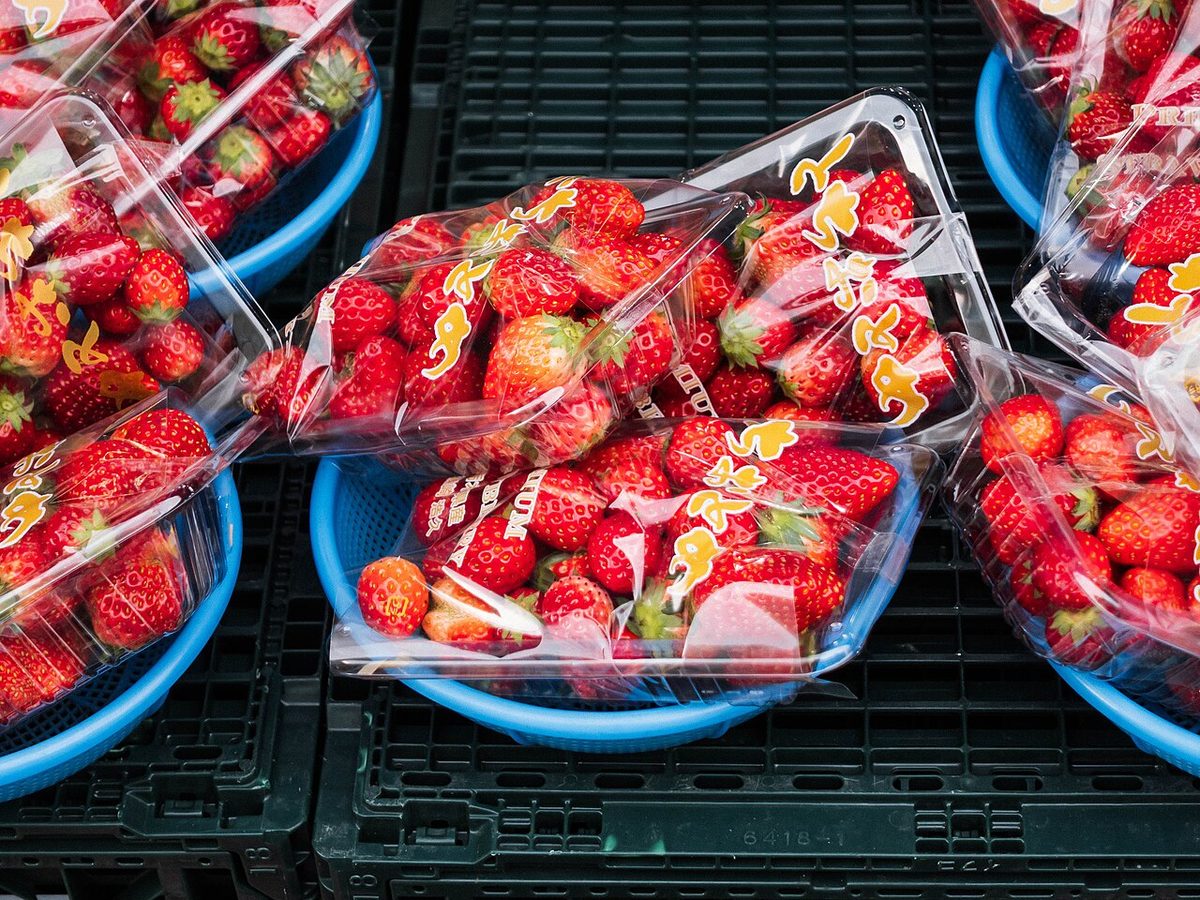
Photo: Ryohei Noda / CC BY 4.0 (Wikimedia Commons) Mashiko Strawberries (Tochiotome, Tochiaika & Skyberry)
益子のいちご
Fresh greenhouse strawberries grown in Mashiko, including Tochigi varieties such as Tochiotome, Tochiaika, and Skyberry. Long winter sunshine and day-night temperature differences support large-scale strawberry cultivation across farms in Mashiko's Hanawa area.
Eaten fresh off the vine in timed all-you-can-eat greenhouse picking sessions from December to May, or in seasonal café sweets.(Dec–May)
Where to eat it
- Mashiko-yaki Yokoyama Kiln ↓
- Yoshimura Strawberry FarmWebsiteMap
- Mashiko Kanko Ichigo DanchiWebsiteMap
Where Rin would go, on the map — or build your own route
Tap a mark to see the place; squares are museums and sights (landmarks). Use “Build your own route” to make a walk of your own.
Loading the map
Map data © OpenStreetMap contributors
Where Rin would go
Made in Mashiko: Mashiko-yaki stoneware2
All mashiko-yaki stoneware →1 / 3
Made in Mashiko
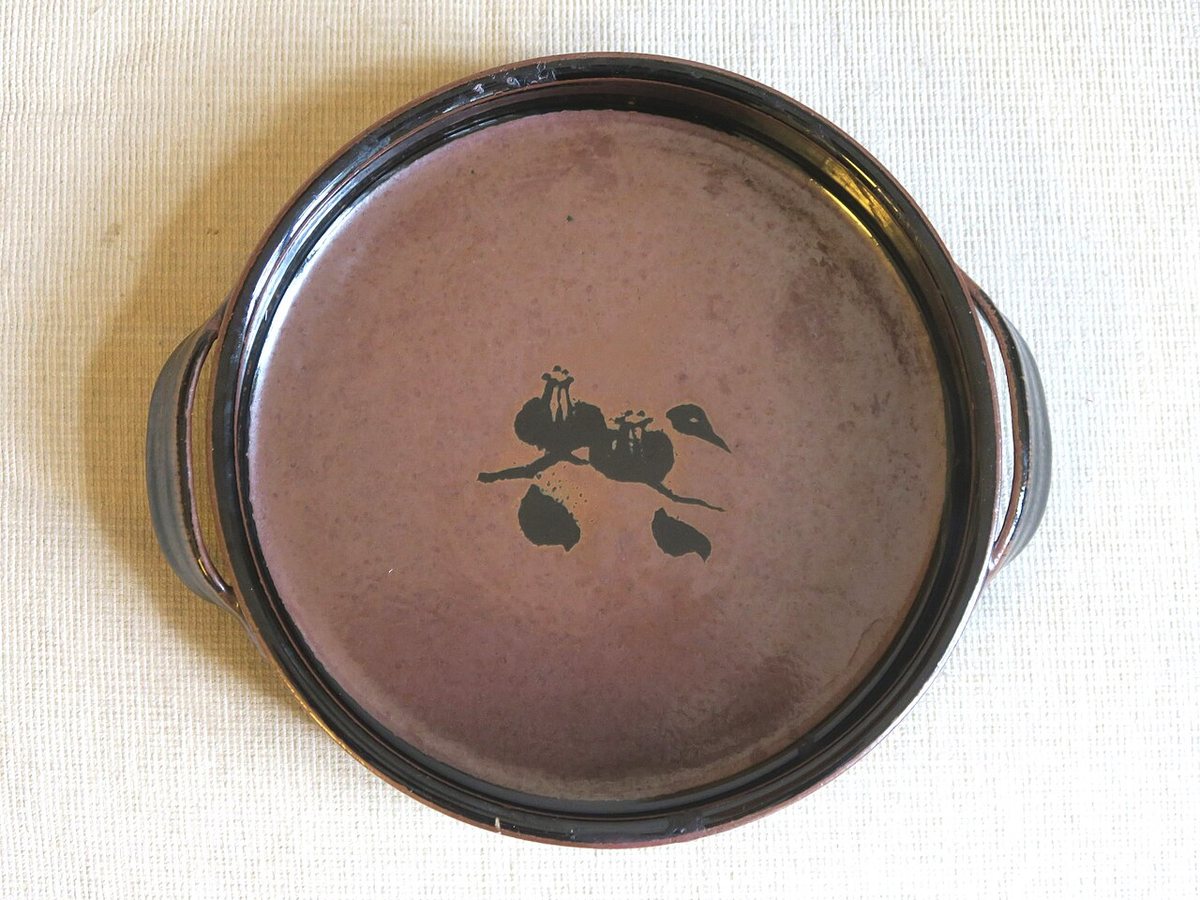
Mashiko-yaki began in the late Edo period when Otsuka Keizaburo built a kiln after training in Kasama, and grew by making everyday bowls, jars and teapots for Tokyo. In 1924 the potter Shoji Hamada moved here and, with the mingei movement, gave the town's stoneware its tactile local clay and iron-rich glazes such as persimmon-red and rice-bran white.
Mashiko-yaki stoneware plate with iron-glaze brushwork motif·Photo: Fraxinus2 / CC BY-SA 4.0 (Wikimedia Commons)
Sankokan & Sayado
Kominegama
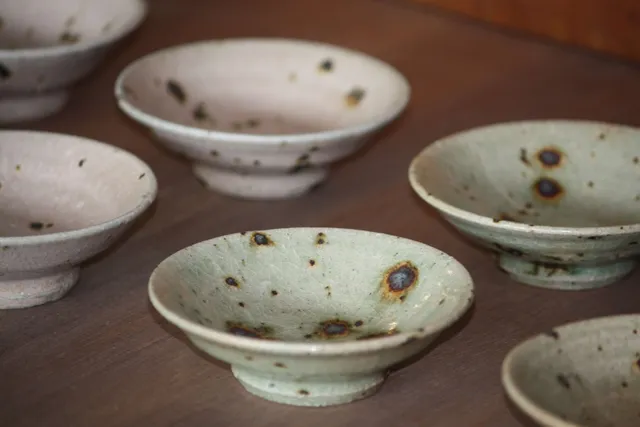
Photo: the shop’s official page 小峰窯
A Mashiko-yaki kiln offering wheel-throwing and hand-building sessions, with an adjoining shop, nagi, selling local stoneware, other makers' pieces and small goods. Closed on Wednesdays.
Apr–Nov 10:00–17:00; Dec–Mar weekdays 10:00–16:00, weekends & holidays 10:00–16:30 · Closed: Wednesdays (irregular holidays)
芳賀郡益子町益子3169-1
RinI compared the stoneware at nagi. Each glaze looked different, so I took one home.
Sankokan & Sayado
Mashiko-yaki Yokoyama Kiln
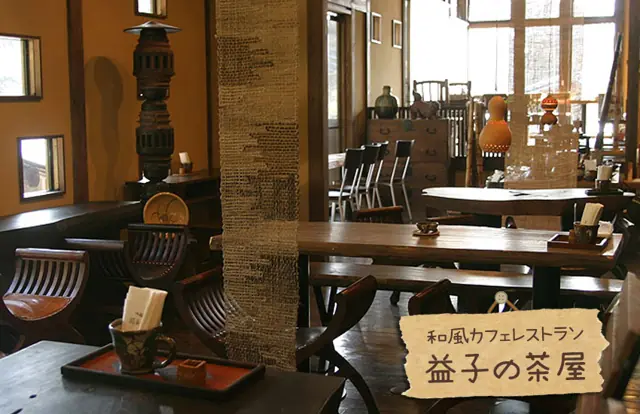
Photo: the shop’s official page 益子焼窯元よこやま
A Mashiko-yaki kiln compound in Sayado making and selling charcoal-fired stoneware, with wheel-throwing studios and cafés including Mashiko no Chaya.
9:00–17:00 (last entry 15:00) · Closed: Mondays (next weekday if a public holiday), twice-monthly Tuesdays, Year-end/New Year
芳賀郡益子町益子3527-7
RinI looked at the charcoal-fired stoneware. The matte black finish was striking.
Made in Mashiko: Mashiko sake brewing1
All mashiko sake brewing →1 / 2
Made in Mashiko
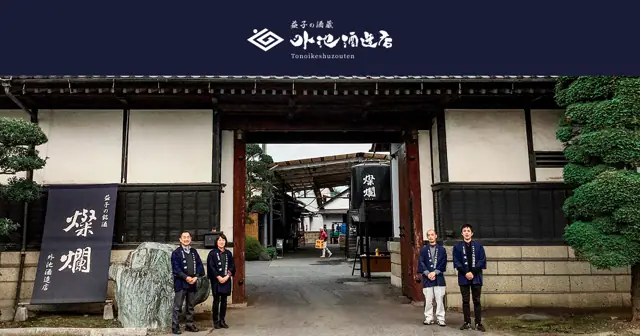
Small-batch sake is brewed in Mashiko using Tochigi-grown rice and groundwater drawn from wells at the foot of the Yamizo hills. Tonoike Shuzoten, founded in 1937 in Hanawa, still brews local labels such as Sanran and Bo:.
Gate of Tonoike Sake Brewery with brewers·Photo: Tonoike Shuzoten (official site)
Mashiko Hondori
Tonoike Shuzoten
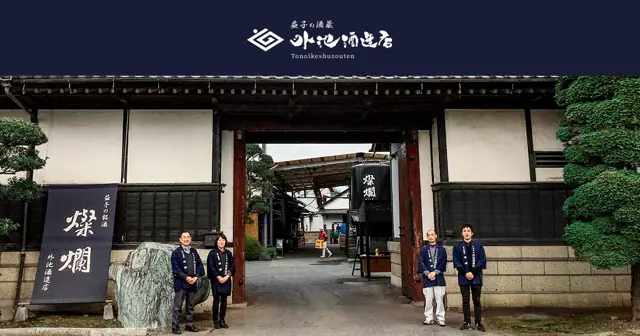
Photo: the shop’s official page 外池酒造店
A sake brewery founded in 1937 in Hanawa, brewing Sanran and Bo:. The shop is open 10 am to 5 pm with tastings, alongside the café Waku serving brewery-water coffee and amazake soft-serve.
10:00–17:00 · Closed: New Year's Day onlychecked Nov 2026
芳賀郡益子町塙333-1
RinI tasted Sanran and Bo: side by side. The aroma was clean, so I bought a bottle.
Craft3
All craft →1 / 3
Jonaizaka
Toko
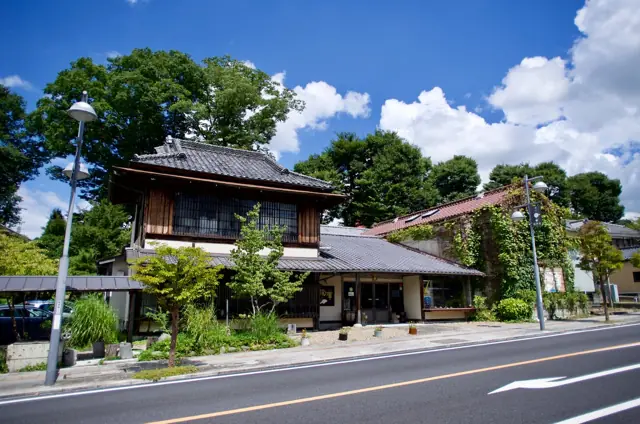
Photo: the shop’s official page 陶庫
A Mashiko-yaki gallery opened in 1974 at the foot of Jonaizaka, holding permanent displays and solo shows in a converted Oya-stone rice storehouse and tatami rooms. Open 10 am to 6 pm (until 5 pm from November to February).
Daily 10:00–17:00 (winter) · Closed: Dec 29–Jan 2
芳賀郡益子町城内坂2
RinI picked up a vessel in the stone storehouse. The weight felt just right.
Jonaizaka
Mingeiten Mashiko
民芸店ましこ
A folk-craft shop on Jonaizaka founded in 1952, selling Mashiko-yaki tableware and pieces finished in local glazes.
芳賀郡益子町益子2901
RinI picked out an everyday bowl in a Mashiko glaze. The soft sheen was lovely.
Mashiko Hondori
Uchimachi Kojo
内町工場
An antique shop in the Uchimachi quarter off Mashiko Hondori, carrying old Japanese wooden furniture, vintage glassware and secondhand books.
芳賀郡益子町益子897
RinI browsed the antiques and glassware. The slight ripple in the old glass was pretty.
Sweets3
All sweets →1 / 3
Sankokan & Sayado
Natural Bakery Nichinichisha
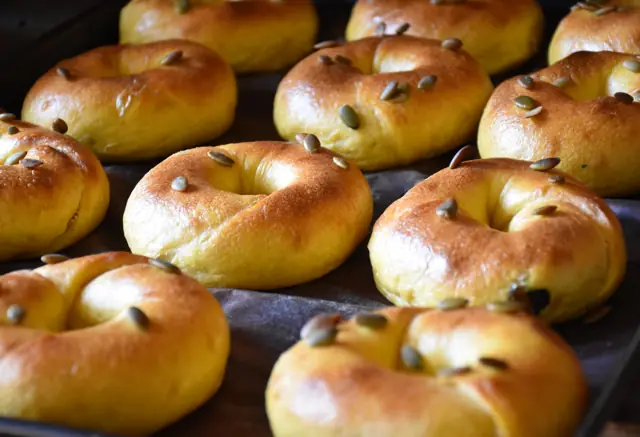
Photo: the shop’s official page Natural Bakery 日々舎
A small bakery in a wooden hut in Sayado making bread and bagels with wild yeast and Japanese wheat. Open 11 am to 5 pm until sold out; closed Sundays and Mondays.
Tue–Sat 11:00–17:00 (until sold out) · Closed: Sundays, Mondays, plus irregular holidays
芳賀郡益子町益子4283-5
RinI bought a bagel at the hut in the woods. It was chewy and fragrant.
Sankokan & Sayado
Emipan
えみぱん
A small bakery making koppepan rolls and baked sweets with Shirakami Kodama yeast and Hokkaido wheat, filled to order with jam or sweet bean paste. Closes when sold out.
芳賀郡益子町益子3018-1
RinI had a koppepan filled with jam to order. The roll was soft and delicious.
Jonaizaka
Cheese³
A specialty cheesecake shop near Jonaizaka baking classic, three-layer New York and seasonal cheesecakes with fresh Mashiko eggs.
芳賀郡益子町益子2661-7
RinI had the three-layer cheesecake. Smooth texture and rich flavour.
Food2
All food →1 / 2
Yamamoto & Kamioba
Cafe Mashikobito
カフェ ましこびと
A café and restaurant in Kamioba surrounded by fields and wooded hills, serving plate lunches, baked curry and Mashiko's local Biruma-jiru soup. Closed Saturdays and the first and third Thursdays.
芳賀郡益子町上大羽496-1
RinI ate Biruma-jiru looking out at the fields. Hearty and warming.
Nanai & Osawa
Shumatsu Shokuba SONO Higurashi
週末食場 SONO蜩
A weekend-only dining room in the hills of Osawa, open Saturdays and Sundays from 11 am until sunset, serving seasonal lunch plates and siphon coffee on potter Toshihiko Nishimura's stoneware.
芳賀郡益子町大沢3584-4
RinI had siphon coffee after the lunch plate. The stoneware felt good in my hands.
Cafés3
All cafés →1 / 3
Sankokan & Sayado
starnet
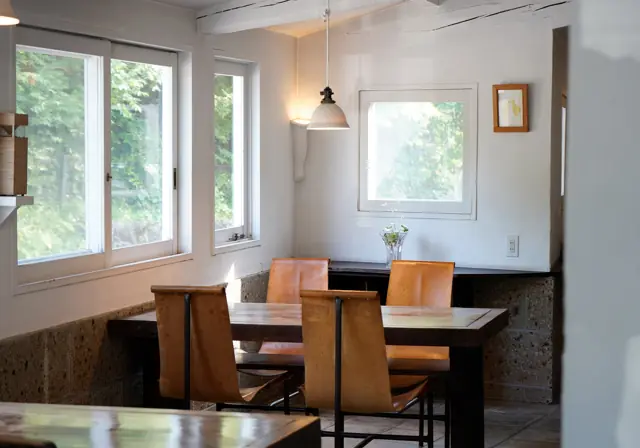
Photo: the shop’s official page A café and craft gallery beside Sudagaike Pond in Sayado. Open 11 am to 5 pm (last order 4:30 pm); closed on Thursdays.
Store 11:00–17:00, Cafe 11:00–17:00 (last order 16:30) · Closed: Thursdays
芳賀郡益子町益子3278-1
RinI had coffee by Sudagaike Pond. The still water was lovely to look at.
Sankokan & Sayado
Ichitonibun-no-ichi
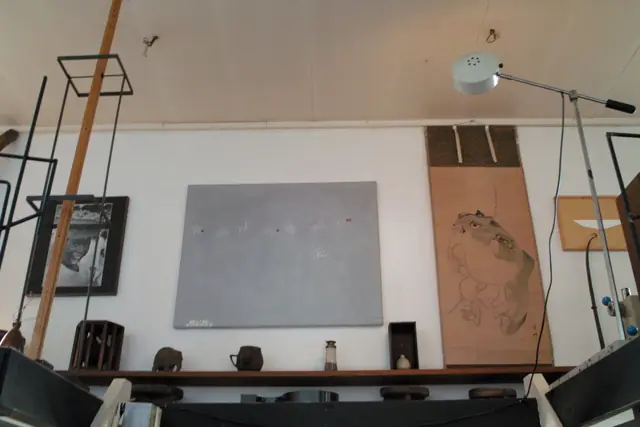
Photo: the shop’s official page 自家焙煎珈琲 イチトニブンノイチ
A coffee roastery and art space in Mashiko Tougei-mura roasting hand-sorted beans and brewing them by hand drip. Open 11:30 am to 7 pm (last order 6:30 pm), closed Fridays plus either Tuesday or Thursday. No photography inside.
11:30–17:00 or 19:00 (LO 18:30; see note) · Closed: Thu & Fri (1st & 2nd weeks), Tue & Fri (3rd & 4th weeks)
芳賀郡益子町益子3435-1
RinI had a hand-drip coffee while looking at the art. Smooth and easy to drink.
Mashiko Hondori
Megumi Drip
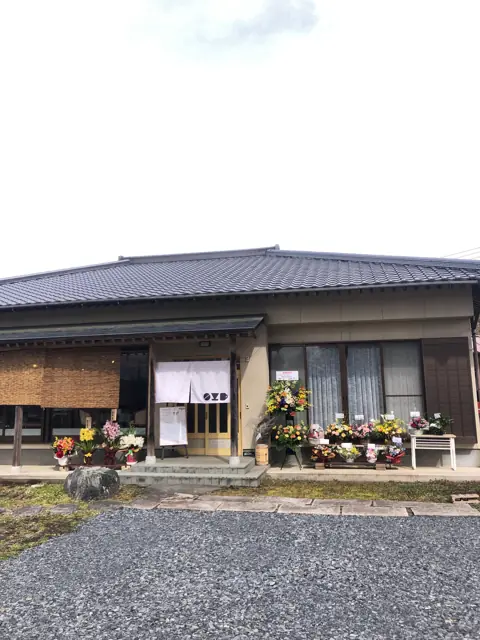
Photo: the shop’s official page A café in Nabatame opened on 27 February 2026 by an SCAJ Advanced Coffee Meister. Open noon to 8 pm (last order 7 pm), closed Tuesdays and Wednesdays; cash and Mashicoin only.
12:00–20:00 (last order 19:00) · Closed: Tuesdays and Wednesdays (irregular holidays)checked Nov 2026
芳賀郡益子町生田目869-6
RinI ordered a coffee. Clean finish, went down smoothly.
By area
Rin is a fictional traveller. Every place here was checked by the editors to exist and be open (checked 2026-11-13). Please confirm hours on the official site before you go. Paid listings are always marked. If you are the shop and would like a photo removed, write to editor@vual.jp and we will take it down at once.
To see — art and sights (landmarks)
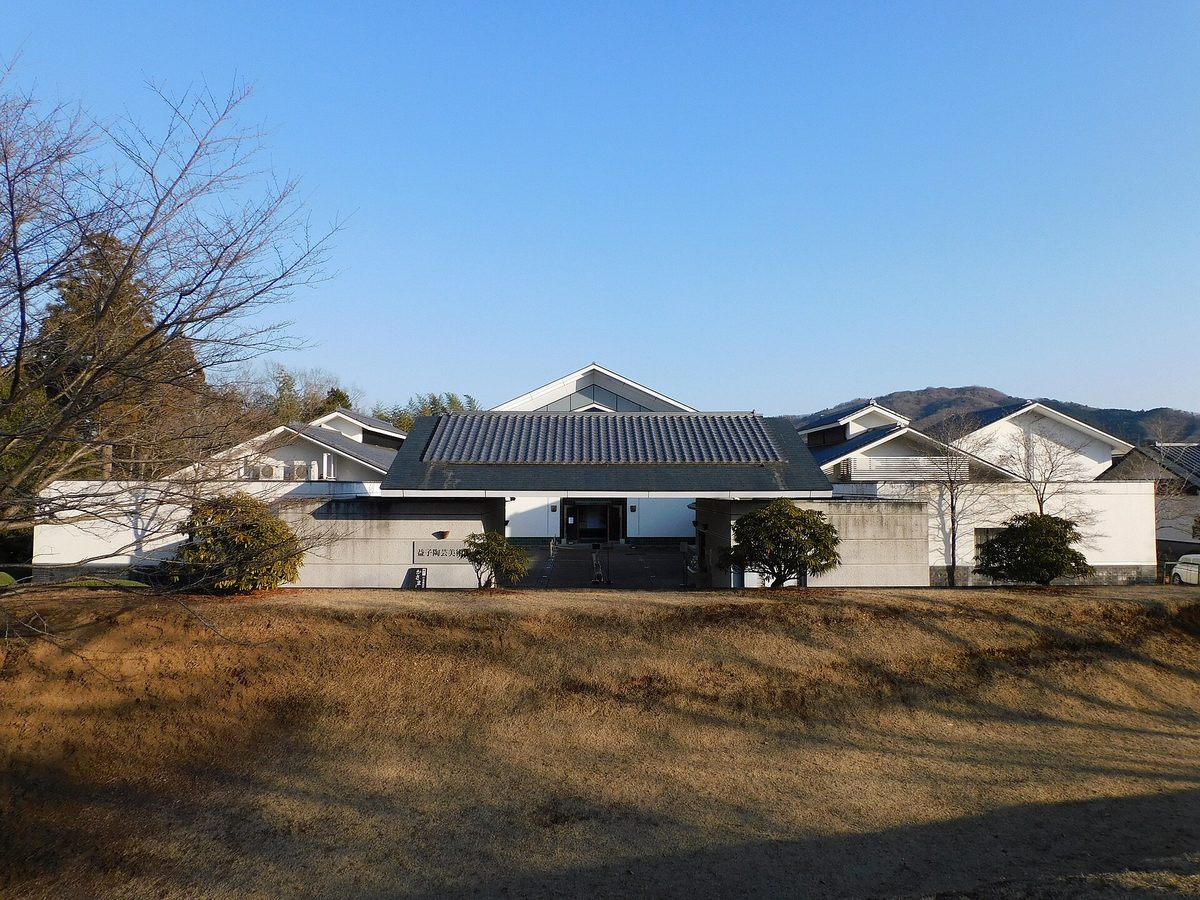
Photo: Miyuki Meinaka / CC BY-SA 4.0 (Wikimedia Commons) Art · Jonaizaka
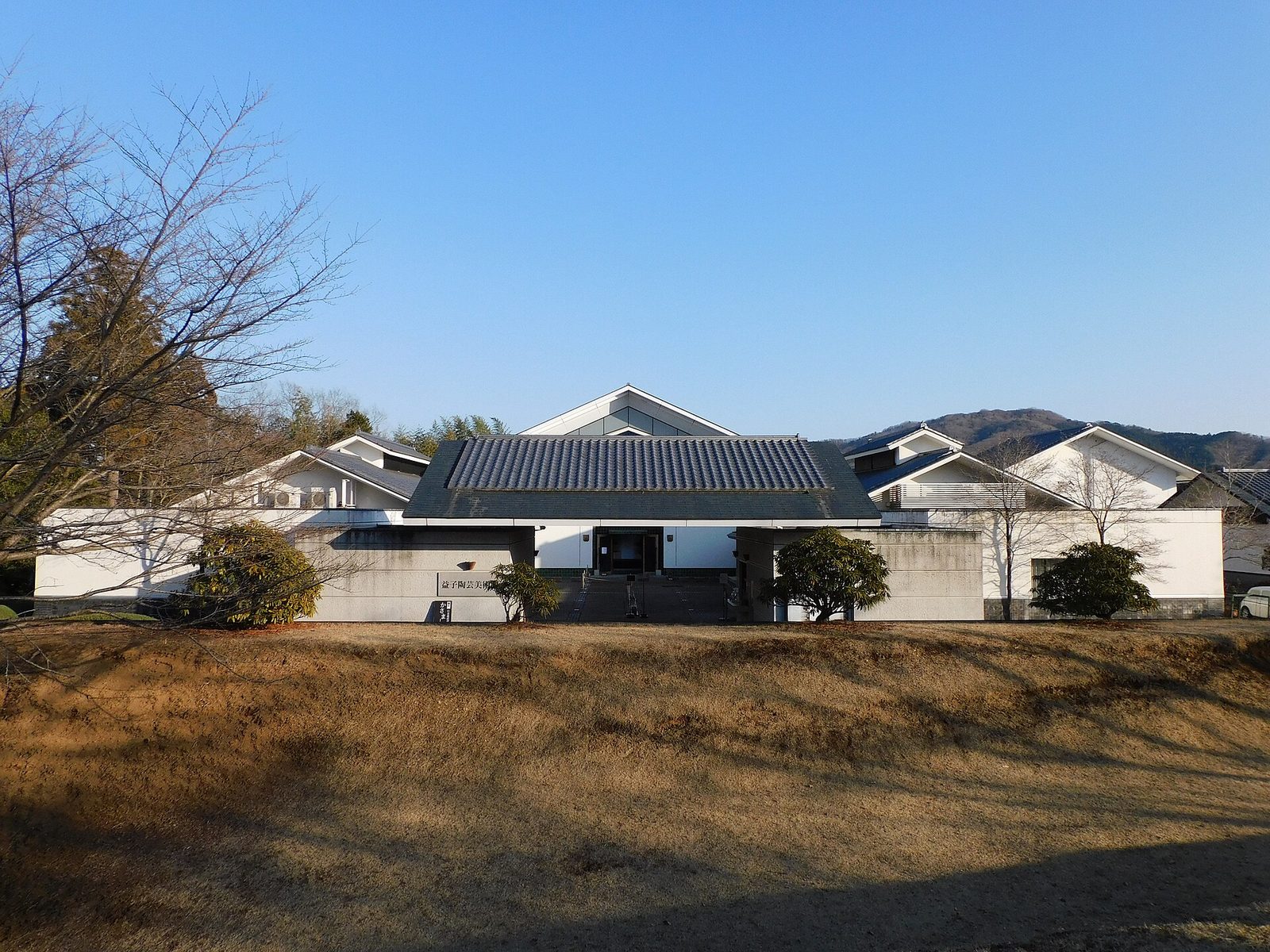
Mashiko Museum of Ceramic Art
A municipal ceramic art museum on the hillside of Ceramic Messe Mashiko, showing exhibitions and collections of modern and contemporary Mashiko ware alongside the Sasajima Kihei Pavilion. Closed Mondays (or the following day if Monday is a holiday).
Closed Nov 30 – Dec 12, 2026 for exhibition change, and Dec 26 – Jan 2 for New Year.
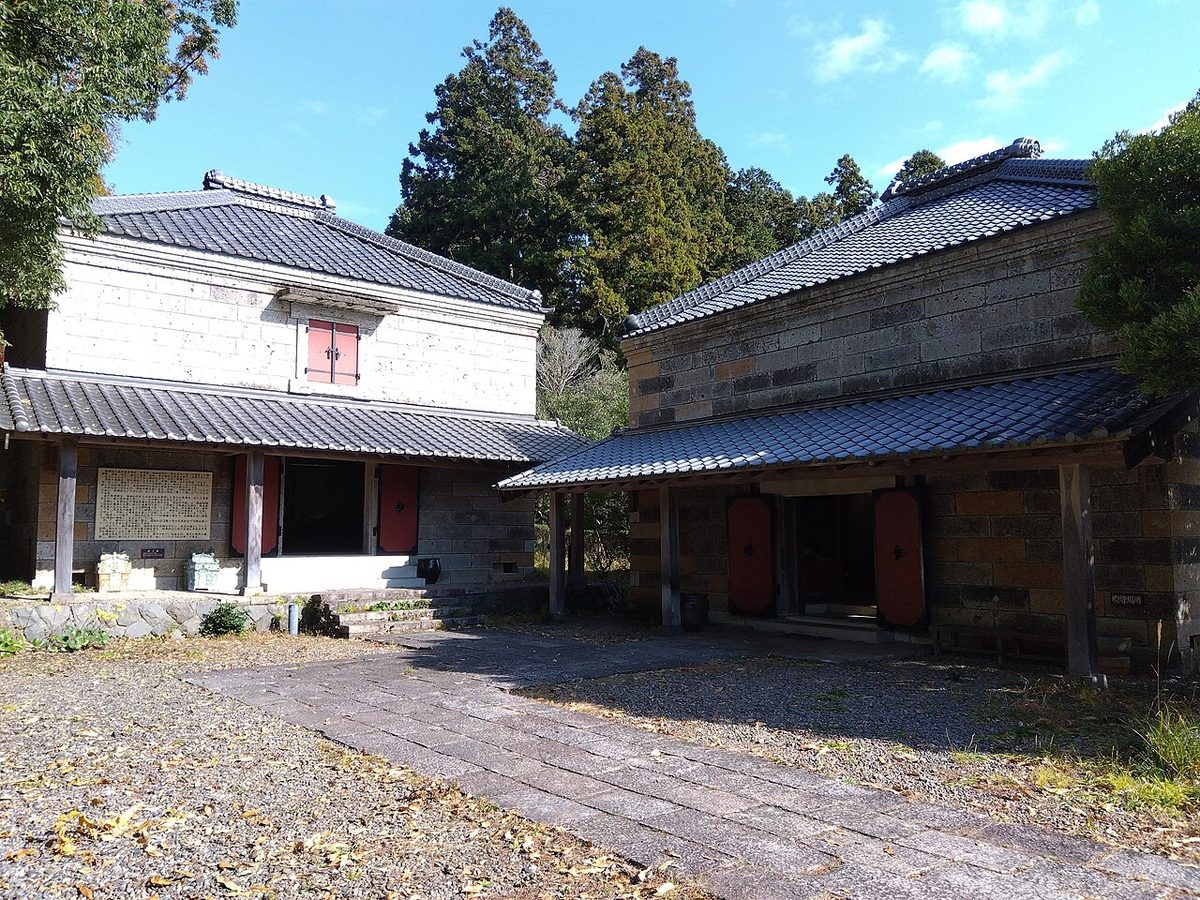
Photo: FukuroWaraw / CC BY-SA 4.0 (Wikimedia Commons) Art · Sankokan & Sayado
Shoji Hamada Memorial Mashiko Sankokan Museum
Opened in 1977 in part of potter Shoji Hamada's own home to share the folk-craft objects he collected as a reference for his work. Open 10 am to 5 pm; closed Mondays (or the following weekday if Monday is a holiday).
Sights · Jonaizaka
Former Shoji Hamada Residence
A late-Edo thatched farmhouse relocated inside Ceramic Messe Mashiko. Purchased by Shoji Hamada in 1930 as his residence and early workshop, and now a town-designated cultural property.
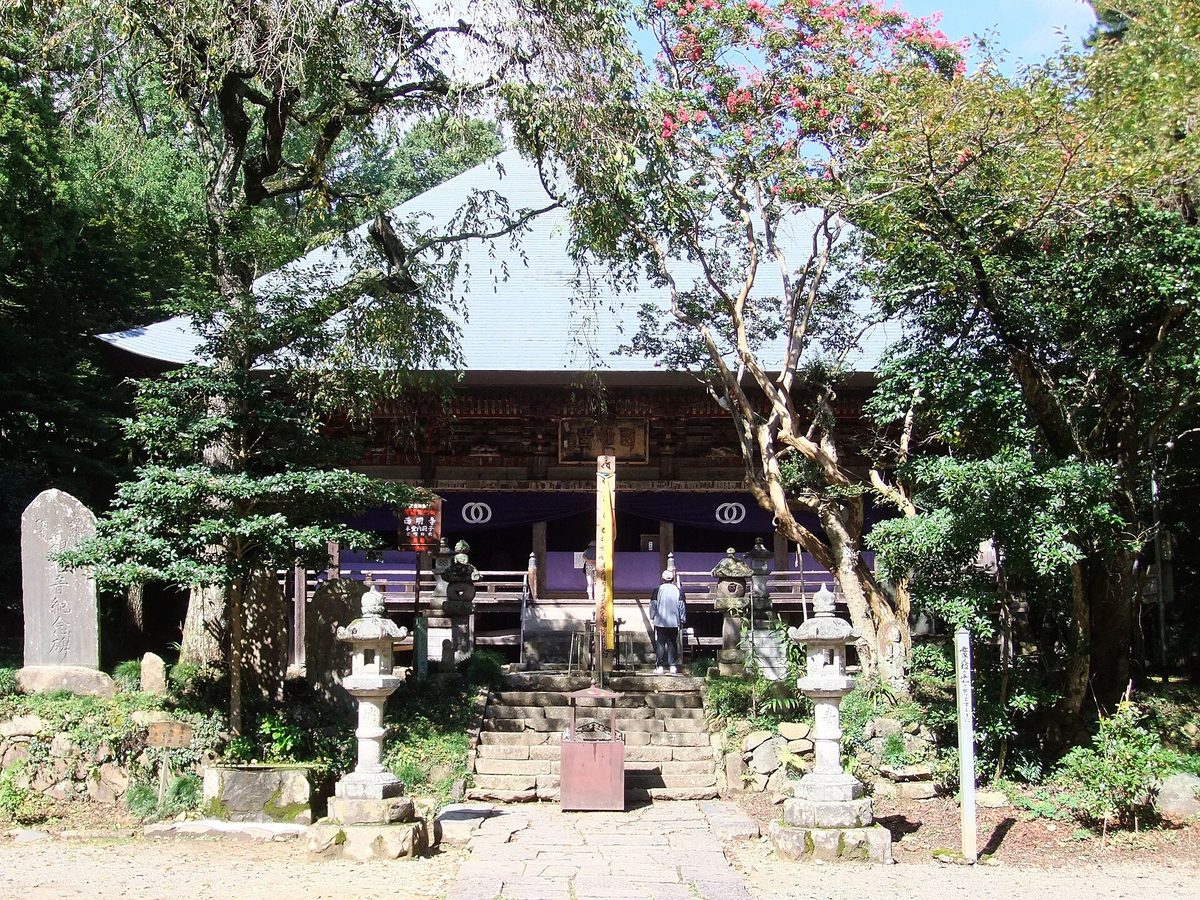
Photo: tak1701d / CC BY-SA 3.0 (Wikimedia Commons) Sights · Mashiko
Saimyoji Temple
An ancient temple on the Bando pilgrimage route (No. 20), home to a 1537 three-story pagoda, a two-story gate and a main hall designated as national Important Cultural Properties.
These are landmarks, not Rin's picks. Each was checked to be open on its official site (checked 2026-11-12). Please confirm hours before you go.
Day trips from Mashiko
Classics
- Kairakuenabout 32 km
One of the three great gardens of Japan, known for its plum blossoms. Plum blossoms in mid-February to March; early morning is recommended.
- Hitachi Seaside Parkabout 45 km
A park with one of the largest areas in Japan, where you can enjoy various flowers each season. Nemophila in spring and Kochia in autumn are the highlights.
Hidden spots
- Kasama Azalea Parkabout 17 km
A 7-hectare hilltop park in Kasama carpeted with around 8,500 azalea bushes of multiple varieties each spring. Peak azalea bloom occurs from late April to early May during the Kasama Azalea Festival; arrive early morning to avoid Golden Week traffic.
- Wakatake no Mori Wakayama Farmabout 28 km
A 24-hectare cultivated bamboo forest in northern Utsunomiya frequently used for Japanese film and commercial shoots. Visit in the morning for filtered sunlight through the bamboo, or on weekends/holidays from late November for the evening illumination.
Distances are straight-line from the town centre. Each page has how to get there and a suggested day.