35.0° N
Kyoto
Kyoto, Japan
A historic capital known for its temples, gardens, and traditional crafts like Nishijin weaving and Kyo-yuzen. Independent shops in quiet districts offer artisanal sweets, coffee, and meals, perfect for exploring throughout the year.
What to eat in Kyoto
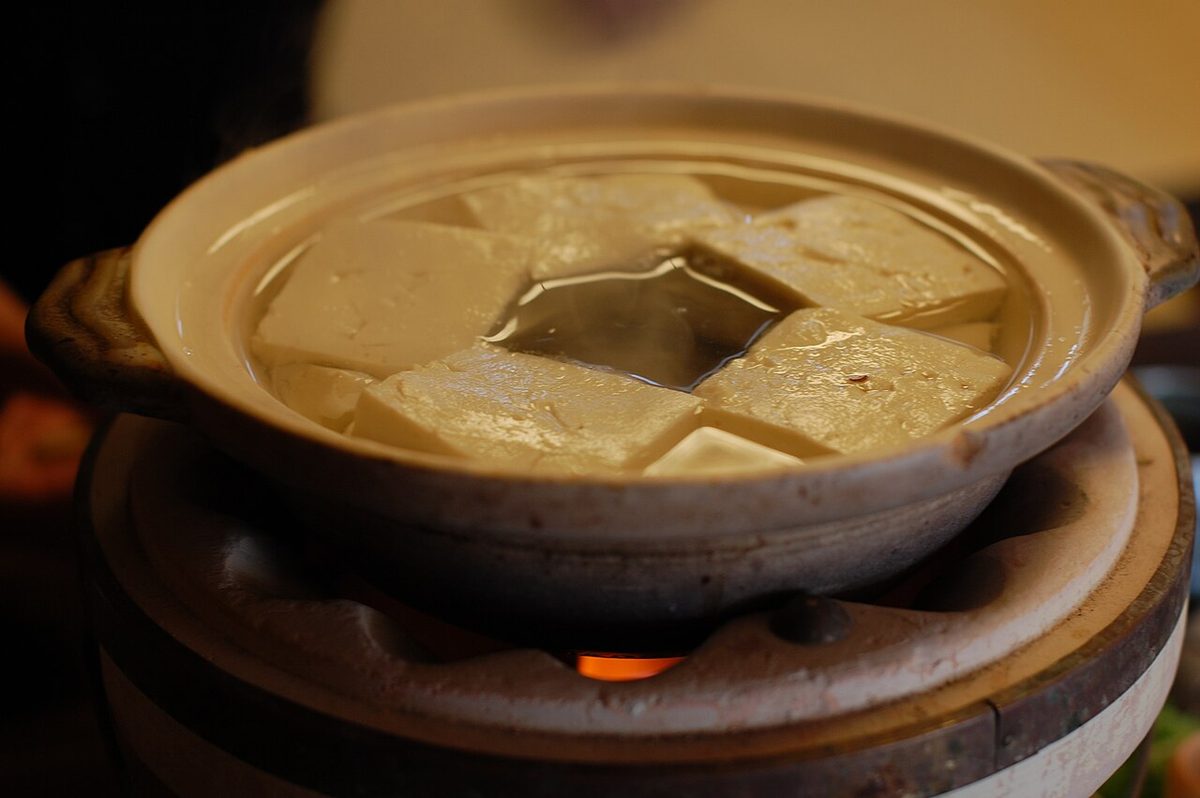
Photo: Flickr user cobacco(hiro kobashi) / CC BY 2.0 (Wikimedia Commons) Yudofu (Boiled Tofu)
湯豆腐
Tofu simmered in kelp broth, a specialty of Kyoto. It reflects the city's refined vegetarian Buddhist cuisine and utilizes its famous high-quality water.
Typically enjoyed as a set meal (yudofu-gozen) with various small dishes.(Oct–Mar)
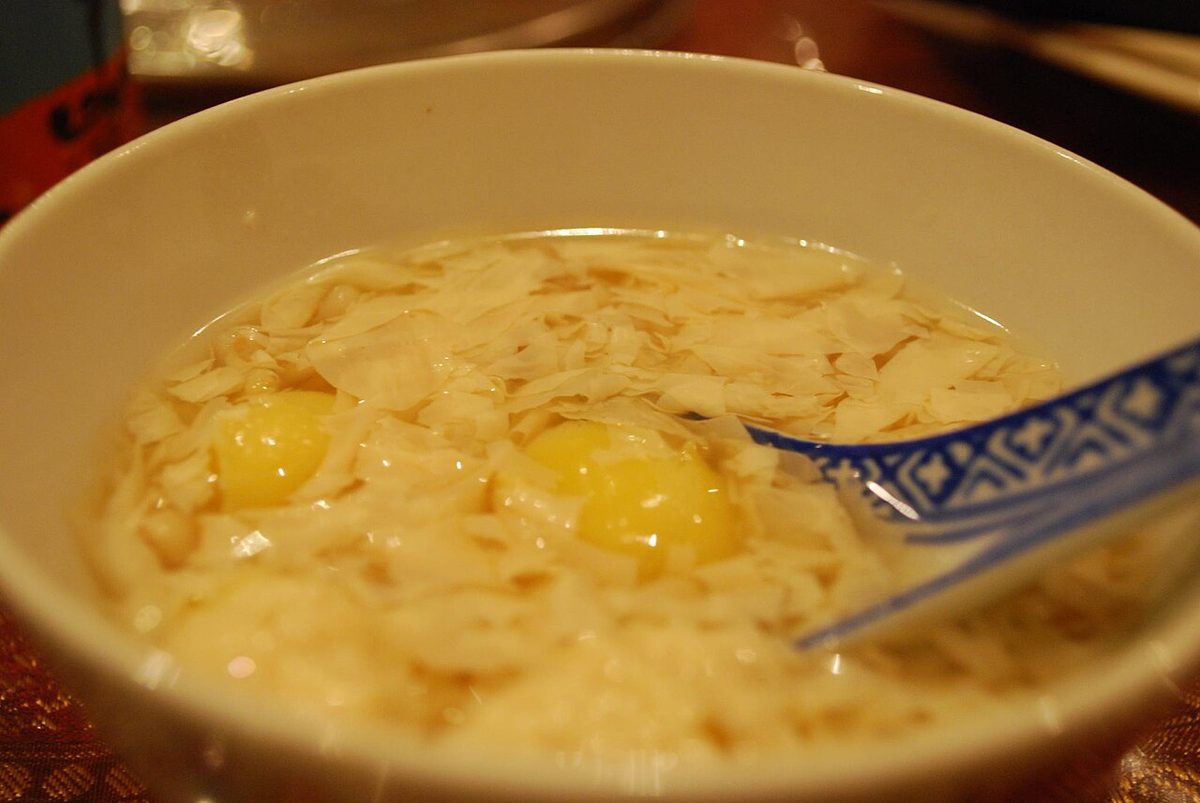
Photo: Alpha from Melbourne, Australia / CC BY-SA 2.0 (Wikimedia Commons) Yuba (Beancurd Skin)
湯葉
Yuba is the delicate skin that forms on soy milk when it's heated. In Kyoto, it is a refined delicacy, enjoyed in various textures from fresh and soft to dried and fried.
Often served as sashimi with soy sauce or in delicate soup dishes as part of a multi-course meal.(All year)
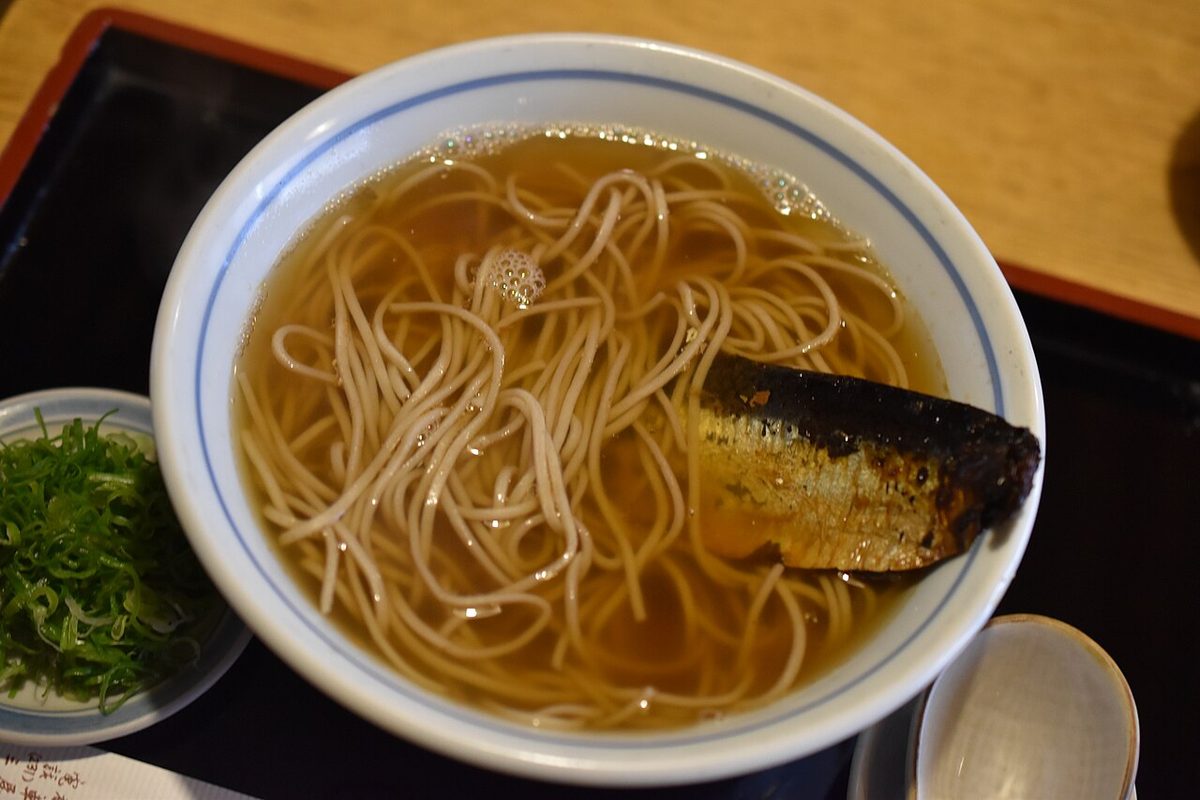
Photo: Fred Cherrygarden / CC BY-SA 4.0 (Wikimedia Commons) Soba (Buckwheat Noodles)
蕎麦
Kyoto has a long tradition of soba noodle making, often served in a refined dashi broth. Honke Owariya is one of Kyoto's oldest shops, famous for its high-quality soba served in a traditional atmosphere.
Served in various styles, including hot in broth or cold with a dipping sauce.(All year)
Where Rin would go, on the map — or build your own route
Tap a mark to see the place; squares are museums and sights (landmarks). Use “Build your own route” to make a walk of your own.
Loading the map
Map data © OpenStreetMap contributors
Where Rin would go
Made in Kyoto: Textiles and Dyeing2
All textiles and dyeing →1 / 3
Made in Kyoto
Traditional techniques like Nishijin-ori weaving and Kyo-yuzen dyeing are preserved and reinterpreted by local makers.
Nishijin
Orinasukan Museum
手織ミュージアム 織成舘
A museum and working studio preserving the art of Nishijin-ori weaving in a historic machiya.
京都市上京区浄福寺通上立売上る大黒町693
RinI want to listen to the sound of looms in the machiya. I touch the texture of the cloth woven.
Nishijin
Nishijin Okamoto
西陣岡本
A maker of high-end, bespoke Nishijin brocade textiles for traditional arts and modern design.
576 Kodō-cho, Kamigyo-ku, Kyoto 602-0943
RinI want to see the dense weave of the kinran. I want to gaze at the ancient beauty.
Craft4
All craft →1 / 4
Nakagyo
Benrido
株式会社 便利堂
A long-established specialist in collotype printing, producing and selling high-quality art prints and postcards.
〒604-0093 京都府京都市中京区新町通竹屋町下ル弁慶石町61
RinI would like to slowly choose collotype printed postcards. I look at the fine texture.
Higashiyama
Kiyomizu-yaki Touan
京焼・清水焼窯元 陶あん
A traditional Kiyomizu-yaki pottery producer, offering beautifully painted ceramics and pottery workshops.
京都市東山区泉涌寺東林町38
RinI want to pick and choose the vibrant Kiyomizu-yaki vessels and feel the artisan's handiwork.
Higashiyama
Soryu-gama
蘇嶐窯
A pottery studio and gallery run by a husband-and-wife duo practicing both Kiyomizu-yaki and Koishiwara-yaki techniques.
京都市東山区清水4丁目170-22
RinI want to choose a celadon piece that combines techniques from both lands. I want to take a peek at them working the wheel in the studio.
Nakagyo
Marumasu-Nishimuraya
丸益西村屋
A historic Kyo-yuzen workshop founded in 1905, offering dyeing workshops and original Kyo-yuzen goods in a traditional Kyoto townhouse.
京都市中京区小川通御池南入ル坪之内町628
RinI want to try Yuzen dyeing, brush in hand, in a traditional Kyoto townhouse. I want to see the moment the patterns emerge as the colors are layered.
Sweets4
All sweets →1 / 4
Nishijin
Shioyoshiken
御菓子司 塩芳軒
A historic traditional confectionery shop known for its seasonal wagashi and delicate wasanbon sweets, crafting wagashi for over a hundred years.
京都市上京区黒門通中立売上ル飛騨殿町180
RinI want to choose seasonal wagashi in the Nishijin shop. A Juraku for a quiet moment.
Higashiyama/Gion
Gion Anon Honten
京都祇園あのん 本店
A shop combining traditional anko-making expertise with modern flair, specializing in DIY monaka wafers.
京都市東山区清本町368-2
RinI would like to order one signature Anpone. I want the light, fragrant crunch of hand-made monaka.
Gion
Kagizen Yoshifusa
鍵善良房 四条本店
A Kyoto confectioner in Gion since the early eighteenth century. Its kuzukiri is made to order and served with black syrup in the quiet tearoom at the back.
9:00–18:00 · Closed: Mondays (the next day when Monday is a holiday)
京都市東山区祇園町北側264
RinI want to dip the fresh kuzukiri in black syrup in the back tearoom, and taste Gion's cool calm in the lacquer bowl.
Nishijin
Tsuruya Yoshinobu (main shop)
鶴屋吉信 本店
A Kyoto confectioner founded in 1803. At the counter of the Kayu-chaya upstairs, a craftsman finishes a seasonal namagashi in front of you.
京都市上京区今出川通堀川西入
RinOne seasonal namagashi at the counter, watching the craftsman's hands. I want to see it take shape before I eat it.
Food2
All food →1 / 2
Gion
Wabiya Korekido Gion Hanamikoji
侘家古暦堂 祇園花見小路本店
A chicken specialty restaurant where you can enjoy charcoal-grilled chicken and the signature stone-grilled oyakodon.
京都市東山区花見小路四条下る 祇園町南側 歌舞練場北側
RinI want to order the stone-grilled oyakodon. It's a pleasure to taste the piping hot, melty egg.
Arashiyama
Bokura no Shokudo
ぼくらの食堂
A homey diner where you can enjoy local Kyoto vegetables, Kyoto duck, and a rich selection of sake.
京都市右京区嵯峨天龍寺瀬戸川町17-25コスモプラザ小松102
RinI want to spend dinner time with Kyoto duck dishes and local sake, seeking out local flavors.
By area
Rin is a fictional traveller. Every place here was checked by the editors to exist and be open (checked 2026-11-18). Please confirm hours on the official site before you go. Paid listings are always marked.
To see — art and sights (landmarks)
Sights · Gion
Yasaka Shrine
The head shrine of Gion shrines throughout Japan, known for the Gion Festival. Bustling with visitors as a deity of warding off evil and matchmaking.
Sights · Nakagyo
Nijo Castle
A UNESCO World Heritage site built by Tokugawa Ieyasu. The magnificent Ninomaru Palace architecture and gardens are must-sees.
Sights · Demachiyanagi
Kamo River
A river flowing north to south through Kyoto. The riverside promenade is a relaxing spot for citizens and tourists to enjoy seasonal landscapes.
These are landmarks, not Rin's picks. Each was checked to be open on its official site (checked 2026-11-17). Please confirm hours before you go.
Day trips from Kyoto
Classics
- Nijo-jo Castle
A UNESCO World Heritage castle built by Tokugawa Ieyasu that witnessed the beginning and end of the Edo period. Cherry blossoms in April, autumn colors in November; check for special night openings.
- Nanzen-ji Temple
A prominent Zen temple known for its massive Sanmon gate and tranquil rock gardens. Autumn foliage is stunning, especially around the Sanmon gate.
- Kiyomizu-dera
Kiyomizu-dera is a UNESCO World Heritage site and one of the most celebrated temples in Japan. Early April for cherry blossoms, late November for autumn colors. Early morning is recommended.
- Sanjusangendo Temple
A historic temple famous for its long hall containing 1,001 statues of Kannon, the goddess of mercy. Autumn is particularly beautiful for the temple garden.
- Ginkaku-ji (Silver Pavilion)about 3 km
A villa built by Ashikaga Yoshimasa that represents Higashiyama culture, featuring a garden that embodies the wabi-sabi spirit. The autumn leaves in November are magnificent.
- Kinkaku-ji (Golden Pavilion)about 5 km
Built as a villa for the third Ashikaga shogun, Yoshimitsu, this temple is world-famous for its gold-leaf-covered Shariden (reliquary hall). Autumn leaves in November and snow in winter are spectacular.
- Fushimi Inari-taishaabout 5 km
Fushimi Inari-taisha is the head shrine of the Inari shrines, with about 30,000 shrines nationwide. Good anytime, but early morning is best for fewer crowds.
- Tenryu-ji Temple & Arashiyama Bamboo Groveabout 9 km
A UNESCO World Heritage site and head temple of the Rinzai school, featuring the beautiful Sogenchi Pond Garden in harmony with the nature of Arashiyama. Late April for cherry blossoms, November for autumn leaves; go early morning to avoid crowds.
Hidden spots
- Yanagidani Kannon Yokoku-jiabout 15 km
An ancient mountain temple in Nagaokakyo famed for eye-healing prayers and celebrated as the birthplace of seasonal flower-filled chozuya basins (hana-chozu). June (Hydrangea Week) and mid-Nov to early Dec (Momiji Week); 15:00–16:00 light hits the lantern stairs.
- Kameoka Mist Terraceabout 19 km
A free hilltop observation deck on Mt. Ryugao in Kameoka overlooking the thick Tanba-giri sea of morning mist that fills the Kameoka Basin. October to December on clear, windless mornings around sunrise for the Tamba mist sea of clouds.
- Shoju-inabout 23 km
A quiet temple in the tea hills of Ujitawara famous for its heart-shaped inome window and 160 painted ceiling panels in the guest hall. June–September for the Wind Chime Festival and November for autumn leaves; arrive early for quiet photos of the heart window.
Distances are straight-line from the town centre. Each page has how to get there and a suggested day.