35.4° N
Kurayoshi
Tottori, Japan
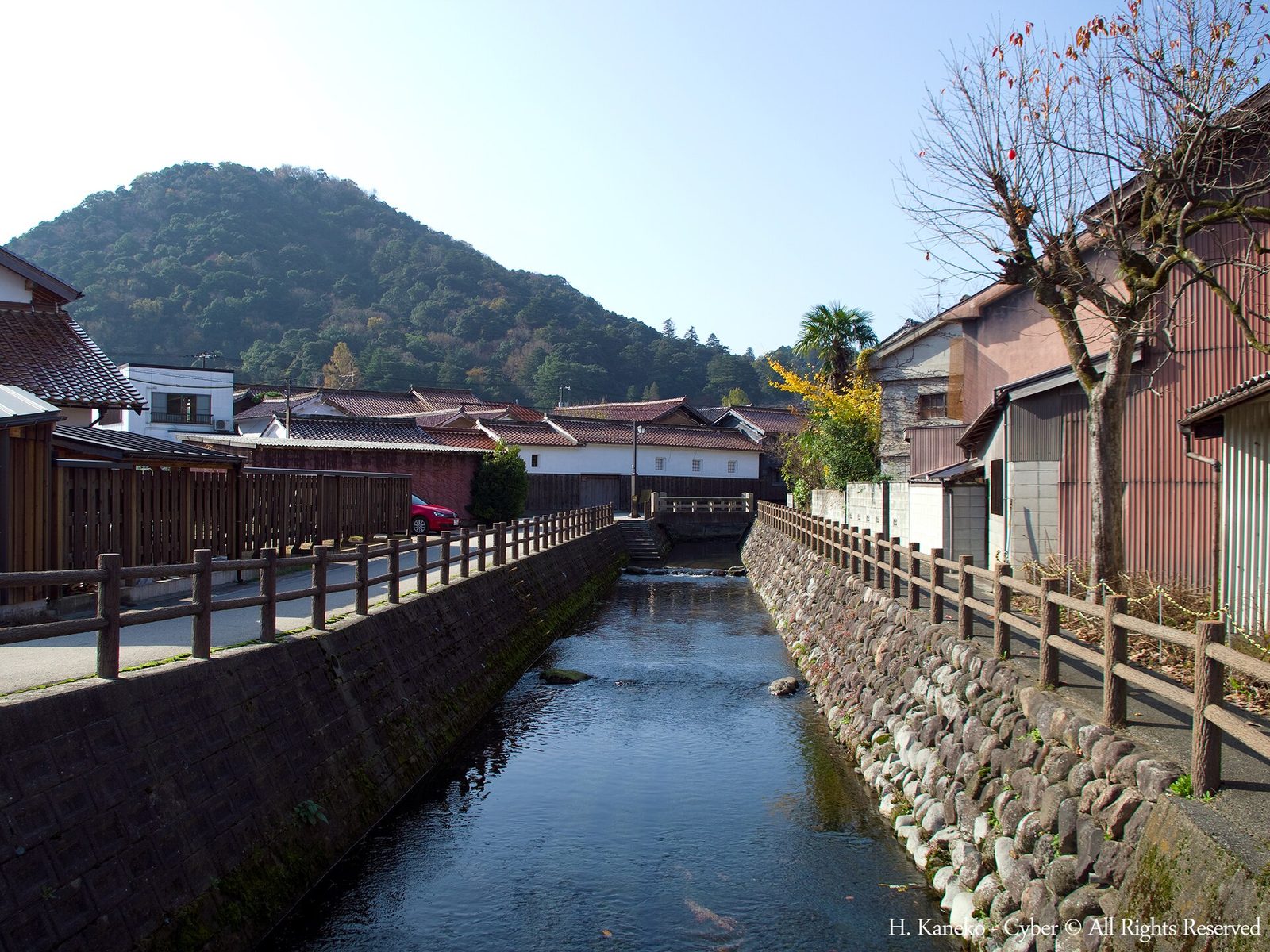
A former castle town in central Tottori, at the foot of Mount Utsubuki and along the Tamagawa and Tenjin rivers. Kurayoshi Kasuri weaving, sake breweries and bamboo craft in the red-tiled Shirakabe Dozogun quarter, alongside sweets and morning diners, as Rin’s picks.
Kurayoshi, on film
4 sights and 10 places, each checked open in 2026, in 38 seconds.
Found somewhere you like? The map and the list below have the address, hours and official site.
Tap for sound
What to eat in Kurayoshi
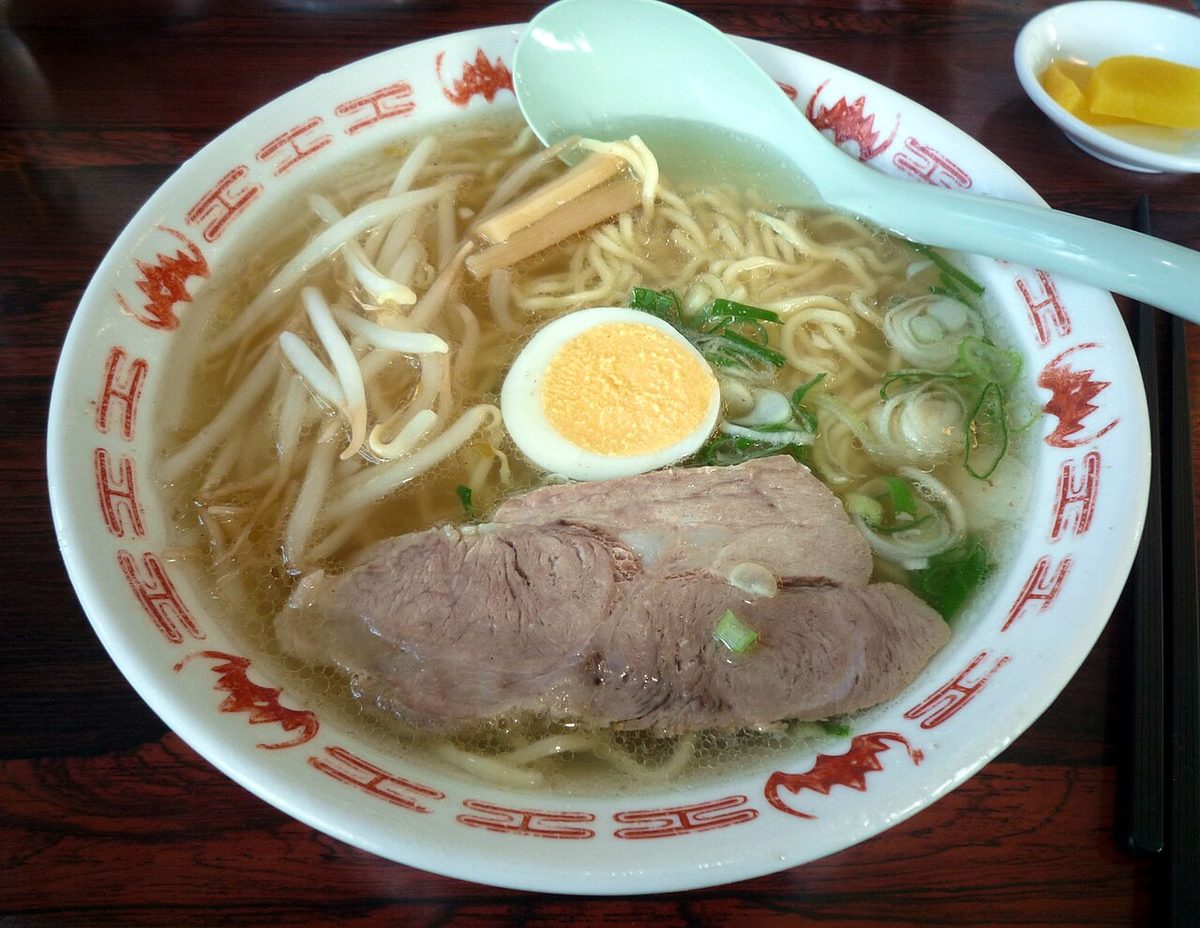
Photo: Flow in edgewise / CC BY 3.0 (Wikimedia Commons) Gyukotsu Ramen (beef-bone ramen)
牛骨ラーメン
A regional ramen whose broth is simmered from beef bones rather than pork or chicken, giving it a light yet savory finish with sweet beef-fat aroma and medium-thick curly noodles. It took root in central and western Tottori after World War II, when repatriates recreated bone-broth noodles using beef bones readily available in a prefecture long known for cattle breeding.
Eaten year-round at local diners and ramen shops, often in soy-sauce or salt broth and sometimes even at breakfast.
Where to eat it
- Ichiba Shokudo ↓
- Gyukotsu Gottsuo Ramen Kurayoshi HontenWebsiteMap
- Ramen EnishiWebsiteMap
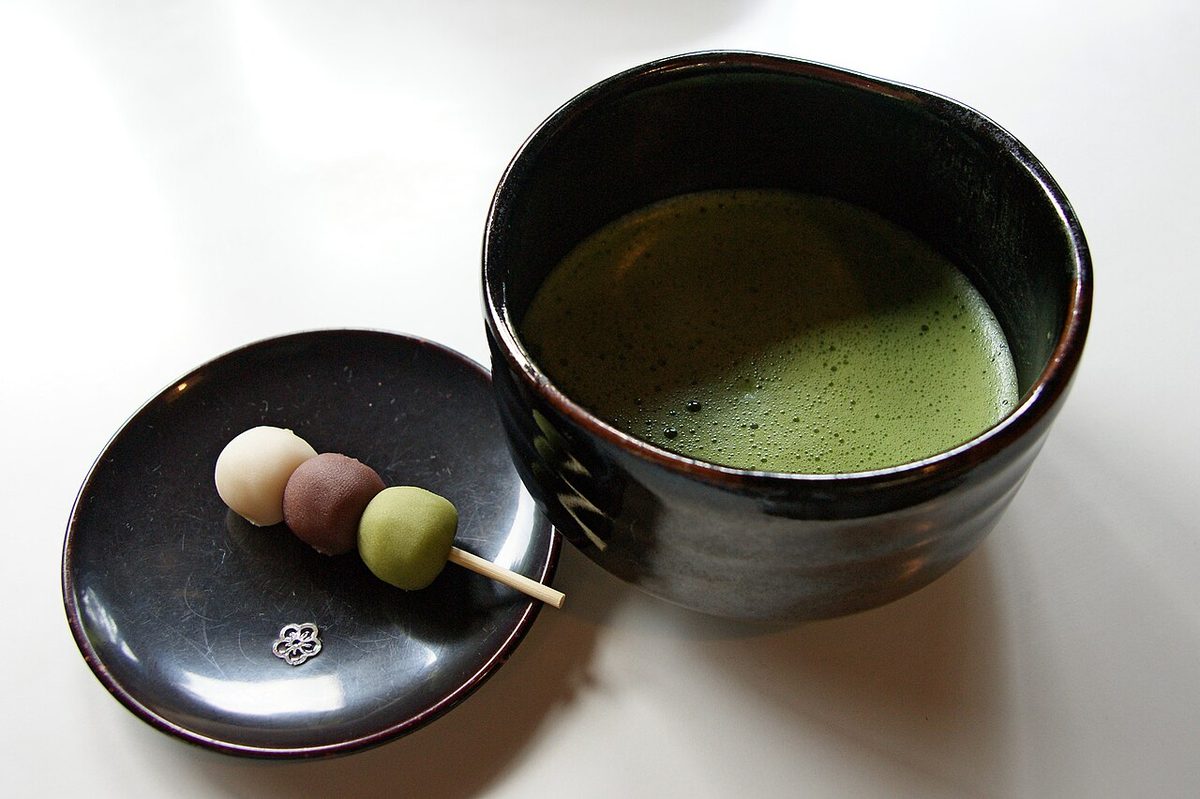
Photo: 663highland / CC BY 2.5 (Wikimedia Commons) Utsubuki Koen Dango (three-color skewered rice dumplings)
打吹公園だんご
Bite-sized skewered rice dumplings made from local glutinous rice flour and malt syrup, each coated in white kidney bean, azuki red bean, or matcha green tea paste without additives. Created in 1880 by Ishitani Seikado in Kurayoshi, the confection takes its name from Utsubuki Park near the shop.
Eaten as a snack with tea at the shop's tearoom, where ordering a drink comes with one complimentary skewer, or bought boxed as a souvenir.
Where to eat it
No photo yet
Mochi Shabu (thinly sliced mochi hot pot)
餅しゃぶ
A hot pot dish in which paper-thin slices of mochi flavored with 12 ingredients such as mugwort, yuzu, sesame, and matcha are swished briefly in simmering bonito dashi until soft. Developed in Kurayoshi by the century-old mochi maker Machiya Seisuian in Shirakabe Dozogun, its colorful slices are inspired by the twelve-layered robes of the local Utsubuki heavenly maiden legend.
Swish each mochi slice in the hot dashi for five to ten seconds so the outside turns soft while the center stays chewy, often paired with vegetables and local pork or beef.
No photo yet
Nijisseiki Pear (20th Century pear)
二十世紀梨
A crisp, juicy green Asian pear balancing bright acidity with gentle sweetness. Introduced to Tottori in 1904 and cultivated around Kurayoshi for over a century, it made the prefecture Japan's top producer and inspired Kurayoshi's pear museum and local pear confections.
Fresh pears peak from late August to early September, while year-round visitors can compare three chilled pear varieties or eat pear soft-serve and pear dorayaki.(Aug–Sep)
Where to eat it
- Kurayoshiya ↓
- Tottori Nijisseiki Pear Museum (acepack Nashikkokan)WebsiteMap
Where Rin would go, on the map — or build your own route
Tap a mark to see the place; squares are museums and sights (landmarks). Use “Build your own route” to make a walk of your own.
Loading the map
Map data © OpenStreetMap contributors
Where Rin would go
Made in Kurayoshi: Kurayoshi Kasuri Weaving1
All kurayoshi kasuri weaving →1 / 2
Made in Kurayoshi
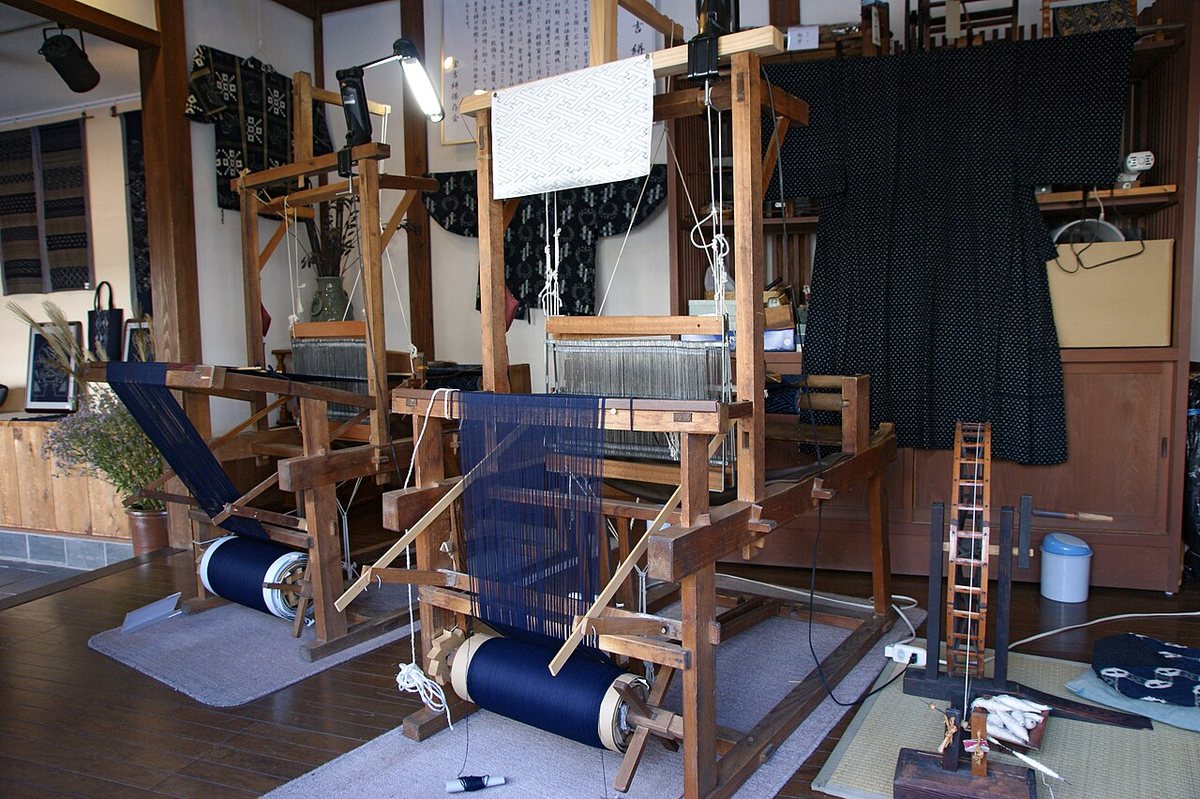
Kurayoshi Kasuri is a hand-tied indigo cotton ikat developed in late-Edo Kurayoshi. Pictorial motifs of flowers, birds, mountains and water are dyed onto the threads and woven on wooden handlooms.
Wooden handlooms with indigo-dyed kasuri warp threads in Kurayoshi·Photo: 663highland / CC BY 2.5 (Wikimedia Commons)
Shirakabe Dozogun
Kurayoshi Furusato Kogeikan
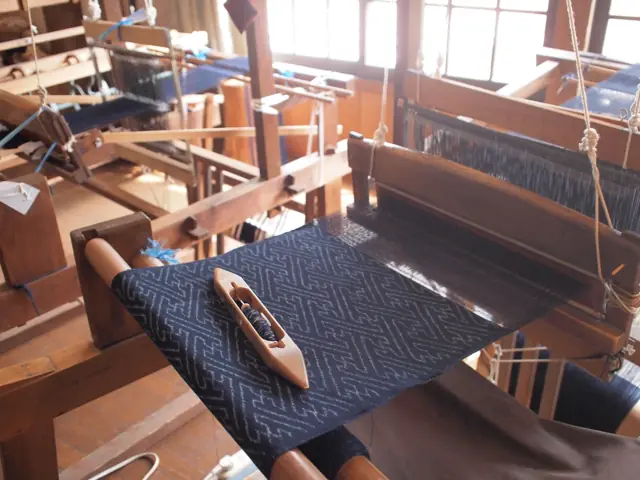
Photo: the shop’s official page 倉吉ふるさと工芸館
A craft hall in Shirakabe Dozogun for Kurayoshi Kasuri, indigo cotton ikat with pictorial motifs. Textiles are displayed and sold, with loom demonstrations and booked coaster-weaving sessions. Closed Wednesdays.
10:00–16:00 · Closed: Wednesdays and Year-end/New Year holidayschecked Nov 2026
2606 Higashinakamachi, Kurayoshi-shi
RinI watched the loom and looked at the pictorial ikat. The fine patterns were striking.
Made in Kurayoshi: Kurayoshi Sake Brewing1
All kurayoshi sake brewing →1 / 2
Made in Kurayoshi
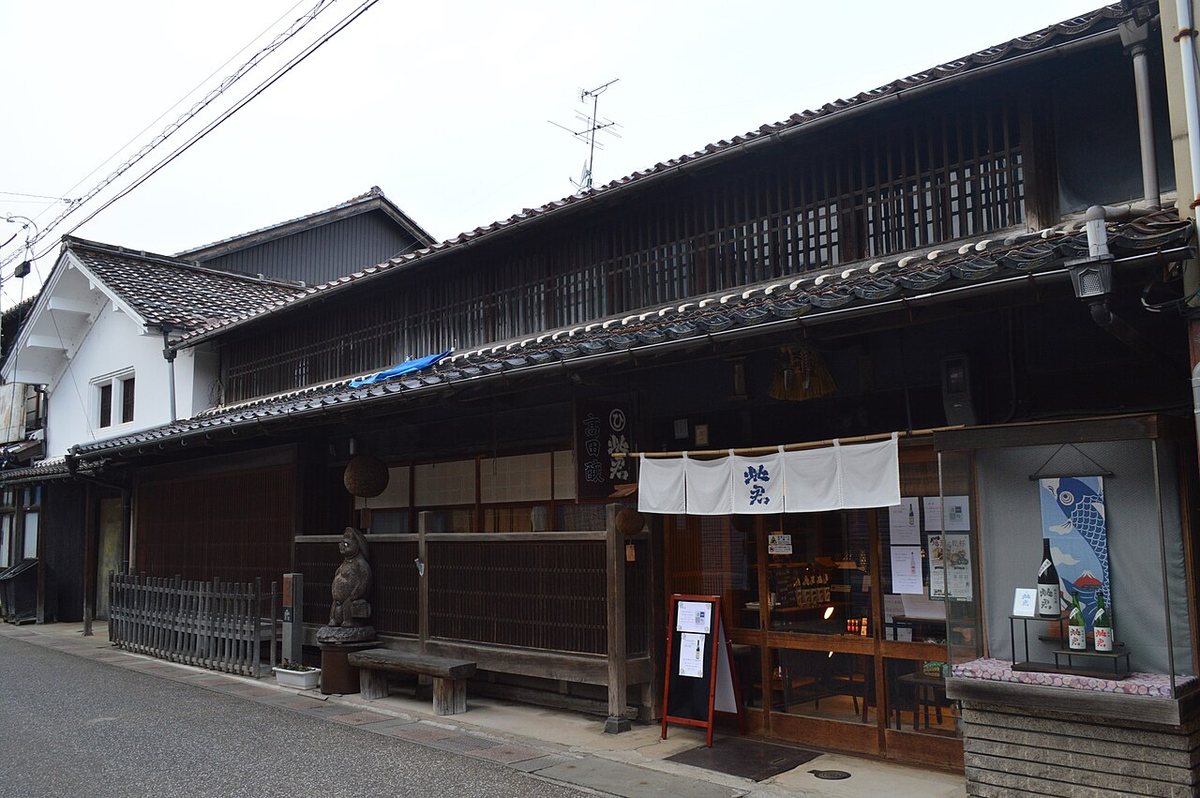
Kurayoshi’s sake brewing grew in the merchant townhouses along the Tamagawa river, where Edo- and Meiji-era storehouses and stone bridges still line the water.
Historic wooden facade of Takada Sake Brewery in Kurayoshi·Photo: Asturio Cantabrio / CC BY-SA 4.0 (Wikimedia Commons)
Shirakabe Dozogun
Takata Sake Brewery
高田酒造
A brewery built in 1843 along the Tamagawa river in Nishinakamachi. Its flagship sake is Shikun.
2633 Nishinakamachi, Kurayoshi-shi
RinI bought a bottle of Shikun at the old brewery by the Tamagawa. A good atmosphere.
Craft2
All craft →1 / 2
Shirakabe Dozogun
COCOROSTORE
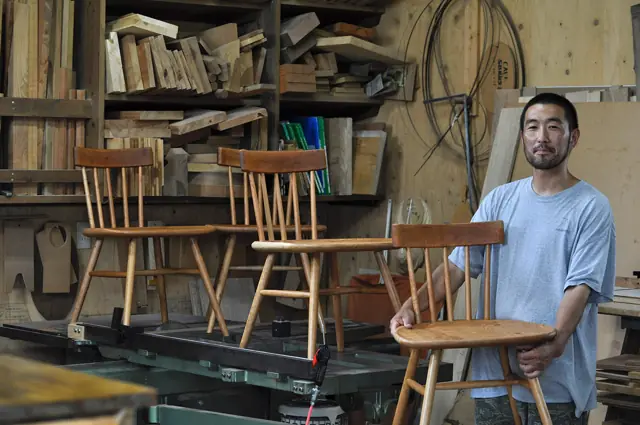
Photo: the shop’s official page A shop in Uomachi carrying Tottori craft for everyday use—ceramics, textiles, forged metalwork, wood and bamboo, and washi. Repairs are also taken on.
2516 Uomachi, Kurayoshi-shi
RinI picked up the Tottori craft tools one by one. Every piece felt solidly made.
Shirakabe Dozogun
Nakano Chikugei

Photo: the shop’s official page 創作工房 中野竹藝
A bamboo workshop founded in 1912. It dyes hobichiku bamboo with plant dyes and bends whole culms without splitting them into flower vessels, bags and serving trays.
10:00–17:00 · Closed: New Year's Day onlychecked Nov 2026
2571 Higashinakamachi, Kurayoshi-shi
RinI looked closely at the bent whole-bamboo flower vessels. The curves were supple.
Sweets2
All sweets →1 / 2
Shirakabe Dozogun
Ishitani Seikado Honten
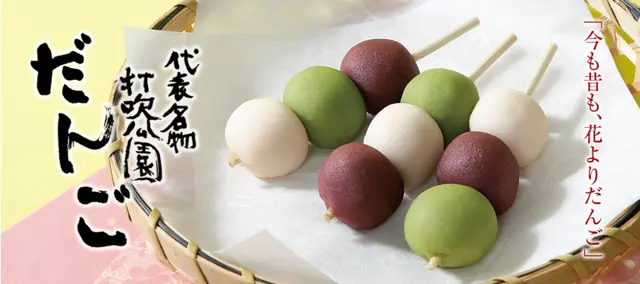
Photo: the shop’s official page 石谷精華堂 本店
A confectioner of more than 120 years, known for Utsubuki Koen Dango. The Saiwaicho flagship has a tearoom, Hana, and opens at 8 a.m. every day except New Year’s Day.
Shop 8:00–17:30, tearoom 8:00–17:00 · Closed: Open every day (except New Year's Day)
459-1 Saiwaicho, Kurayoshi-shi
RinI had a skewer of Utsubuki Koen Dango in the tearoom. Soft and comforting.
Uwanada
Kurayoshiya
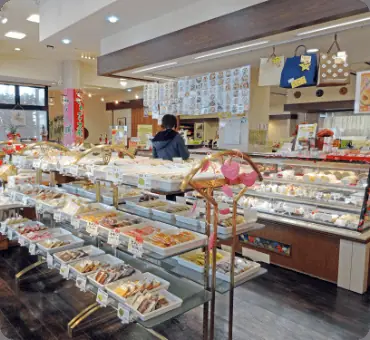
Photo: the shop’s official page 菓子蔵楽部 倉吉舎
A confectioner in Kurayoshi for over thirty years. With minimal additives, it makes Nashi Fuwadora pear dorayaki, Hakota manju, fresh sweets and baked pastries.
Mon–Sat 9:30–18:30, Sun & public holidays 9:30–18:00
2-16 Dakejicho, Kurayoshi-shi
RinI bought one Nashi Fuwadora and one Hakota manju. Both had a simple sweetness.
Food3
All food →1 / 3
Shirakabe Dozogun
Shirakabe Club
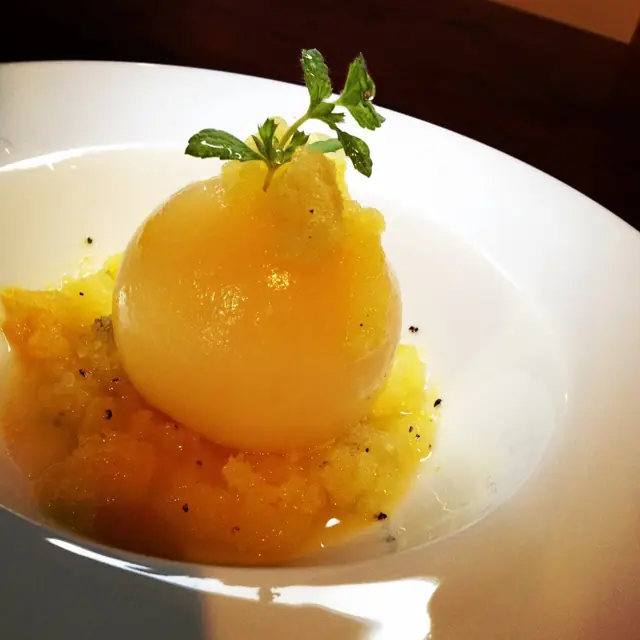
Photo: the shop’s official page 白壁倶楽部
A restaurant and café in the 1908 former Dai-San National Bank Kurayoshi branch. Under plasterwork ceilings, it serves house-made tofu dishes, lunches and café fare.
10:30–21:00 · Closed: Wednesdays and 3rd Tuesdays
2540-1 Uomachi, Kurayoshi-shi
RinI drank coffee under the Meiji-era plasterwork ceiling. The high room felt airy.
Agei
Ichiba Shokudo
市場食堂
A diner inside the Kurayoshi Wholesale Market. Open from 7 a.m., with cafeteria-style side dishes to choose from and katsu curry as a staple.
2-20 Seidanicho, Kurayoshi-shi
RinI picked my own side dishes at the market diner at 7 a.m. A warm, filling breakfast.
Agei
Washoku Kingyo
和食きんぎょ
A washoku spot in Wada, just west of the Tenjin River, serving the kaiseki-style Kingyo Lunch with small dishes built around vegetables from its own farm.
236-2 Wada, Kurayoshi-shi
RinI had the Kingyo Lunch. The farm-grown vegetables in the small dishes tasted rich.
Cafés1
All cafés →Uwanada
Tea Lounge Diana
ティーラウンジ ダイアナ
A long-running kissaten in Yonedacho, open from 8:30 a.m. for morning sets, lunch, and its chikuwa parfait topped with tofu chikuwa. Closed Sundays; cash only.
801 Yonedacho, Kurayoshi-shi
RinI ordered the chikuwa parfait. The savoury tofu chikuwa went well with the sweet.
By area
Rin is a fictional traveller. Every place here was checked by the editors to exist and be open (checked 2026-11-12). Please confirm hours on the official site before you go. Paid listings are always marked. If you are the shop and would like a photo removed, write to editor@vual.jp and we will take it down at once.
To see — art and sights (landmarks)
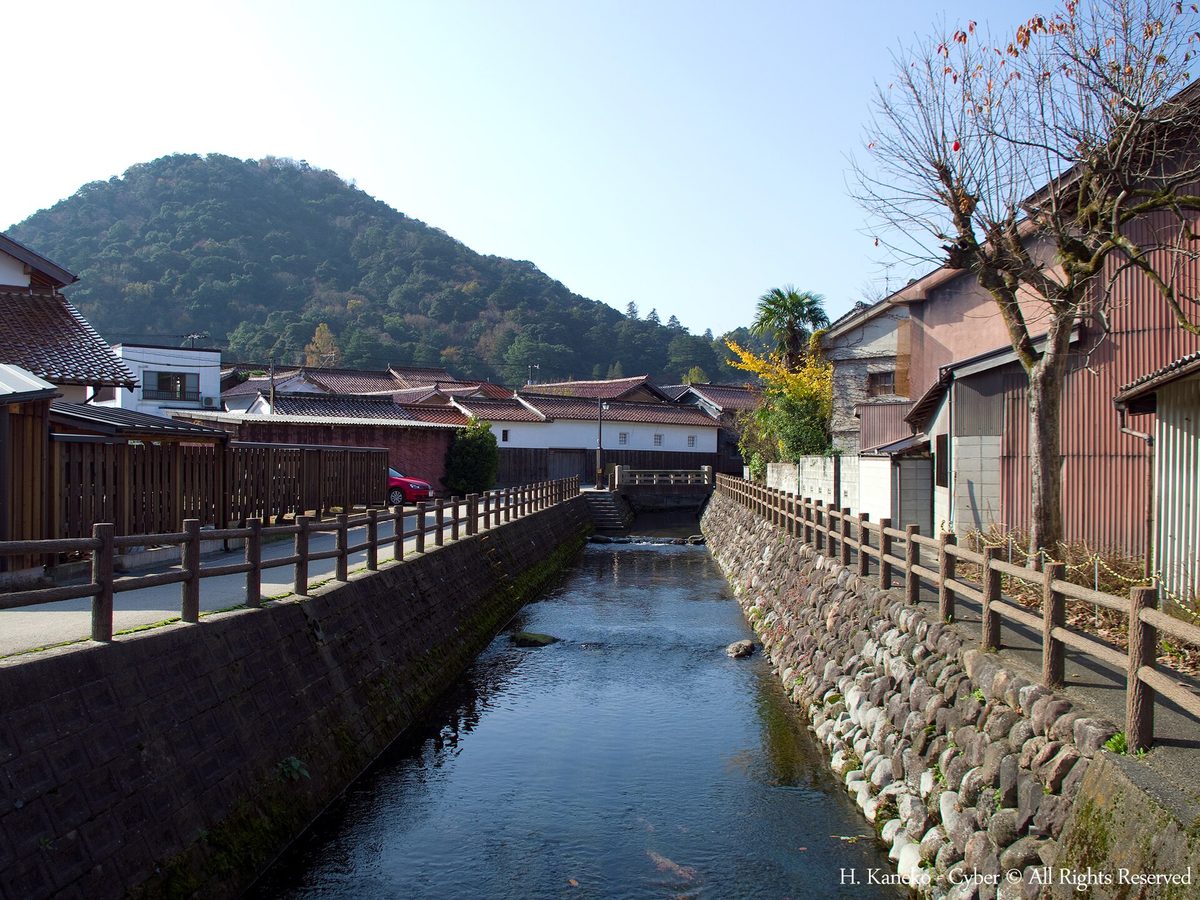
Photo: Hiroaki Kaneko / CC BY-SA 3.0 (Wikimedia Commons) Sights · Shirakabe Dozogun
Shirakabe Dozogun
A national preservation district along the Tamagawa river at the foot of Mount Utsubuki, lined with Edo- to Showa-era storehouses and townhouses of white plaster, charred cedar and red Sekishu tiles.
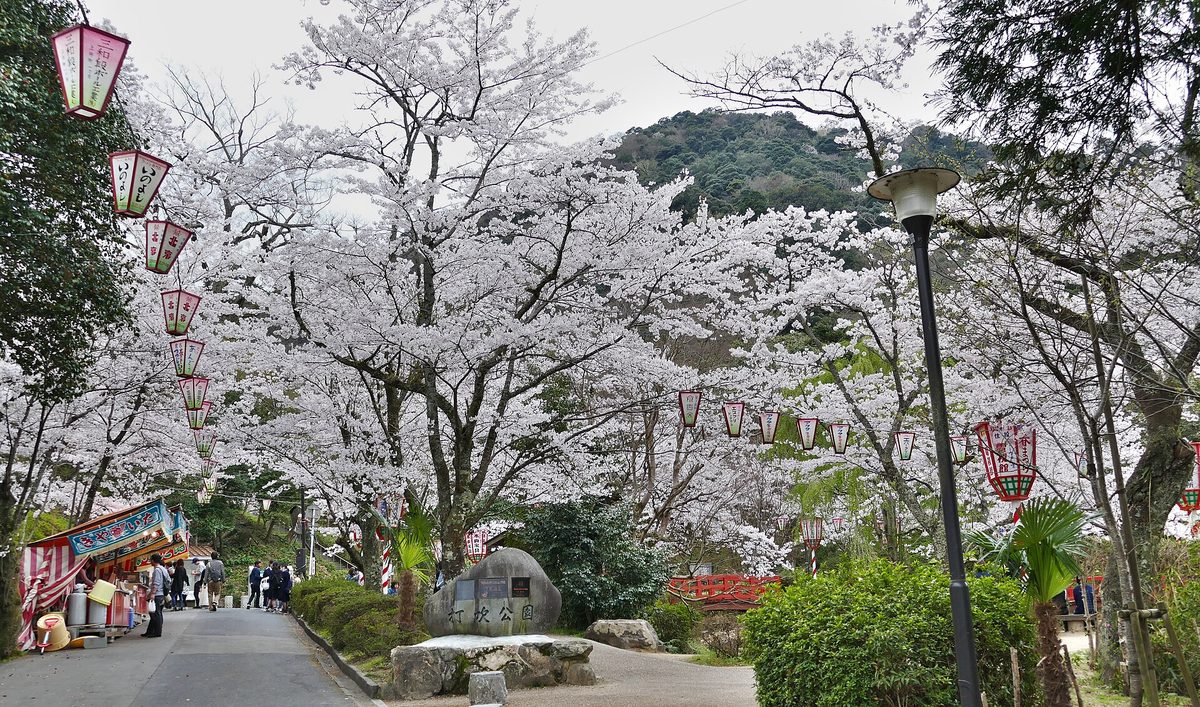
Photo: アラツク / CC BY-SA 4.0 (Wikimedia Commons) Sights · Shirakabe Dozogun
Utsubuki Park
A park at the foot of Mount Utsubuki just south of Shirakabe Dozogun, with the Kurayoshi Museum inside its grounds and a stop on the Utsubuki loop route.
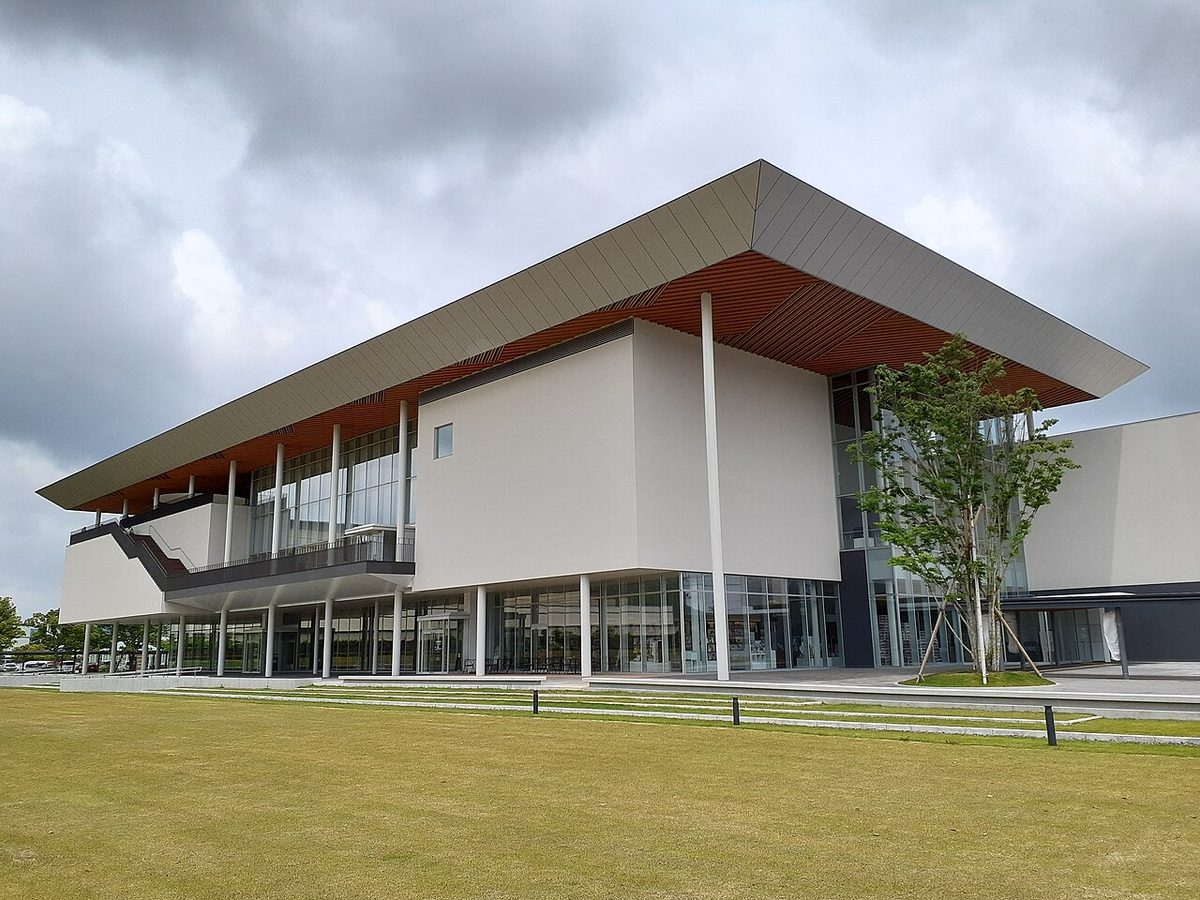
Photo: Vetalapancavimsatika / CC BY-SA 4.0 (Wikimedia Commons) Art · Uwanada
Tottori Prefectural Museum of Art
Tottori’s prefectural art museum in Dakejicho, holding special and collection exhibitions, with a café and shop inside. Open 9 am to 5 pm, generally closed Mondays.
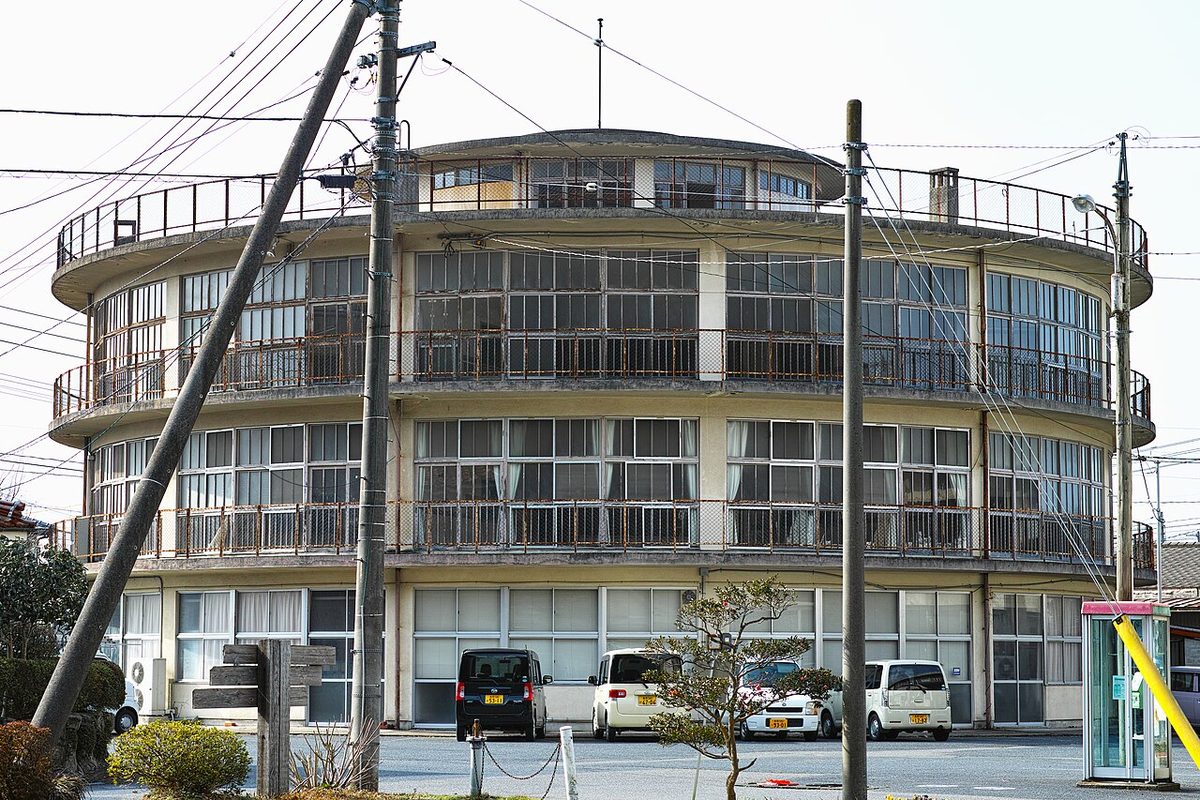
Photo: mstk east / CC BY 2.0 (Wikimedia Commons) Art · Shirakabe Dozogun
Kurayoshi Figure Museum (Enkei Gekijo)
A figure museum housed in Japan’s oldest surviving round schoolhouse, displaying around 2,000 figures and local exhibits across its spiral staircase and fan-shaped classrooms.
These are landmarks, not Rin's picks. Each was checked to be open on its official site (checked 2026-11-12). Please confirm hours before you go.
Day trips from Kurayoshi
Classics
- Tottori Sand Dunesabout 39 km
One of Japan's largest coastal sand dunes, known for its beautiful wind ripples and spectacular views. Early morning or late afternoon for the best experience.
Hidden spots
- Shiogama Cold Springabout 20 km
A gourd-shaped natural spring pond at the base of Mt. Nakahiruzen gushing 300 liters per second of 11°C crystal-clear water. July–August for cool 11°C spring water relief and October for autumn foliage; morning sun lights up the clear pond.
- Kitanizawa Gorgeabout 25 km
A mossy beech-forest mountain stream at the foot of Oku-Daisen in Kofu Town, famed in Japan as a mineral-water TV commercial filming location. May–June for fresh green beech forest and late Oct–early Nov for autumn leaves; morning sunlight creates magical beams.
- Tottori Hanakairo Flower Parkabout 38 km
One of Japan's largest flower parks, encircled by a 1-kilometer covered circular walkway framing Mt. Daisen in the distance. April–May for tulips, June–July for lilies, Oct for salvia, and Nov–Jan for evening flower illuminations.
Distances are straight-line from the town centre. Each page has how to get there and a suggested day.