32.8° N
Kumamoto
Kumamoto, Japan
A castle town on the Kumamoto Plain fed by groundwater from Aso, mild enough to walk between the castle and its gardens in winter. Higo zogan inlay and karashi renkon in old Shinmachi and Furumachi, with vessel shops, coffee and local sweets around Kamitori, Shimotori and Suizenji: Rin’s picks.
Kumamoto, on film
6 sights and 14 places, each checked open in 2026, in 51 seconds.
Found somewhere you like? The map and the list below have the address, hours and official site.
Tap for sound
What to eat in Kumamoto
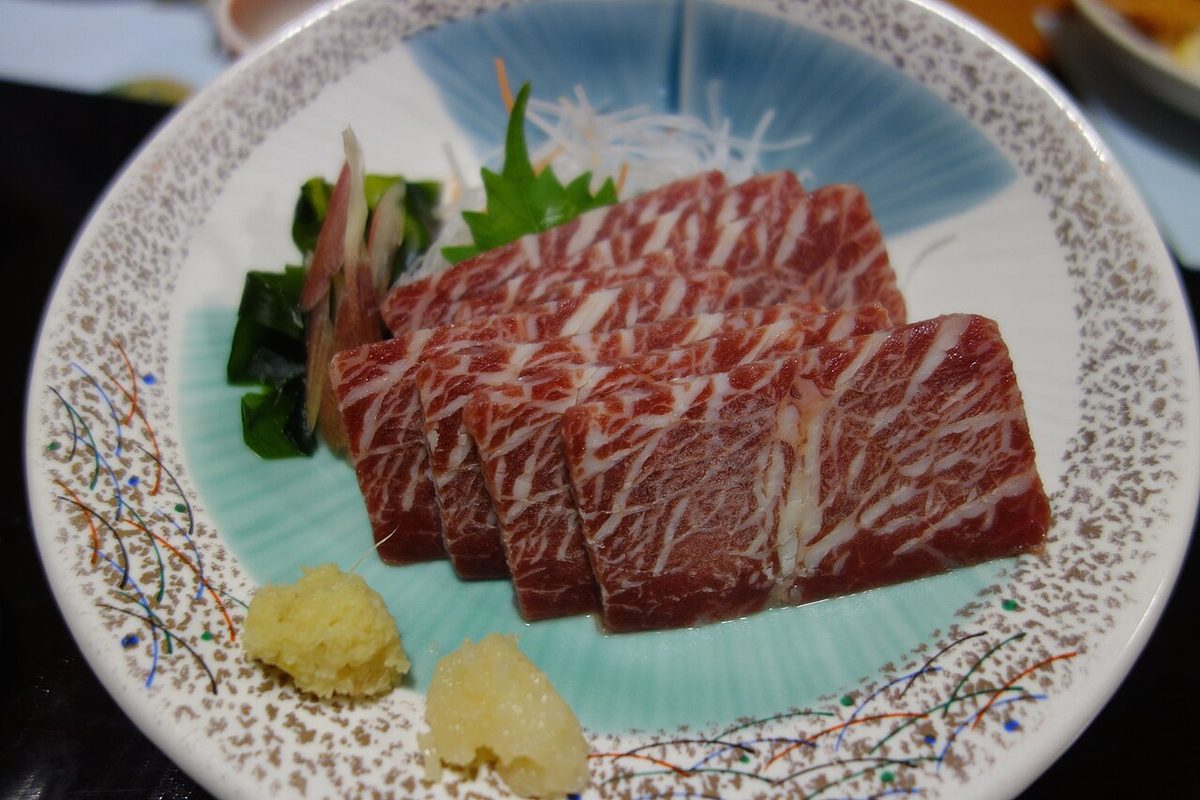
Photo: pelican from Tokyo, Japan / CC BY-SA 2.0 (Wikimedia Commons) Basashi (horse meat sashimi)
馬刺し
Thinly sliced raw horse meat served in cuts ranging from lean red akami and marbled loin to white mane fat. Kumamoto produces the largest volume of horse meat in Japan, a local food culture rooted in the Aso horse-breeding region and associated with stories of feudal lord Kato Kiyomasa.
Dipped in sweet regional soy sauce with sliced onions, grated ginger, and minced garlic at specialty restaurants and izakaya.
Where to eat it
- Umasakura, Ginza-dori ↓
- Sakura-anWebsiteMap
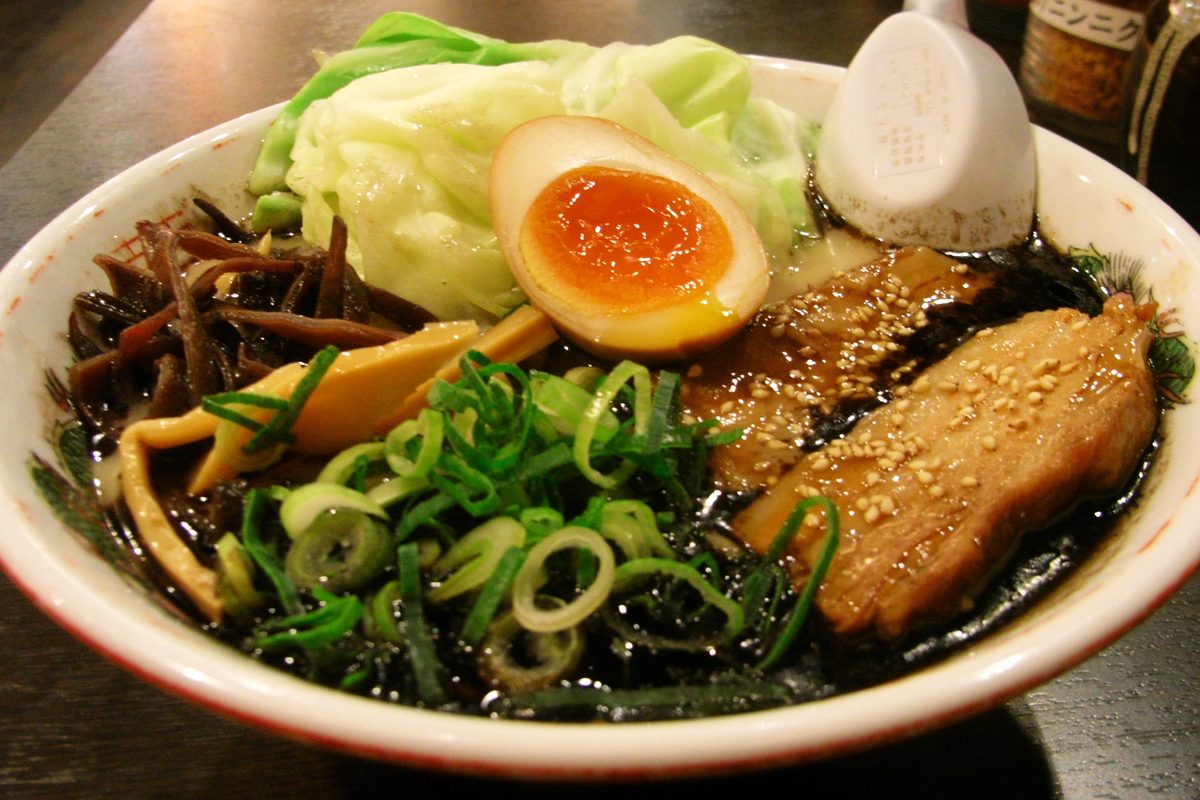
Photo: woinary from Kumamoto ramen shop Ganso Kumamoto-ken Kuro Ram / CC BY-SA 2.0 (Wikimedia Commons) Kumamoto Ramen
熊本ラーメン
Pork-bone broth noodles—often rounded out with chicken stock—flavored with fried garlic chips or dark roasted garlic oil (mayu) over medium-thick straight noodles. Ramen cooks brought tonkotsu soup from Tamana to Kumamoto City in the mid-1950s and added roasted garlic and local groundwater to create a milder regional style.
Eaten as a single bowl at ramen shops from midday into late night, topped with wood ear mushrooms and chashu.
Where to eat it
- Kumamoto Ramen Komurasaki, Kamitori ↓
- Keika Ramen HontenWebsiteMap
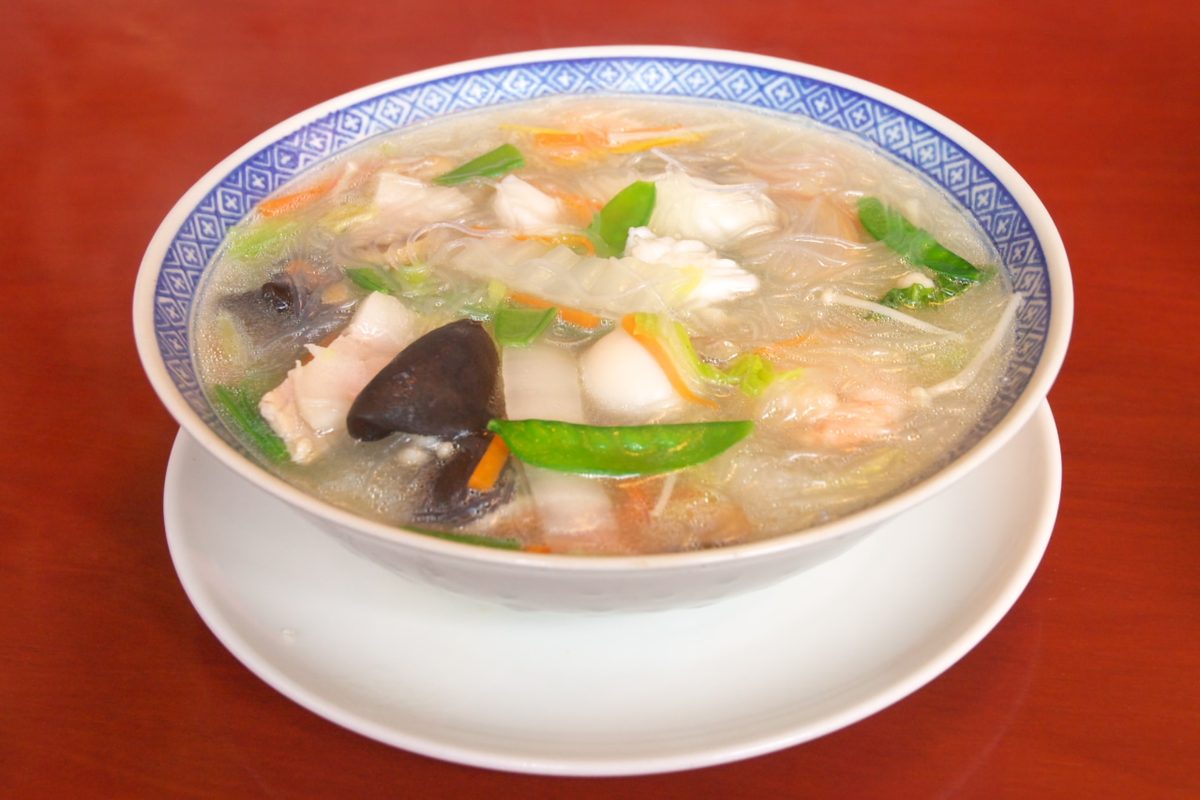
Photo: woinary from Chinese restaurant Unnan in Kumamoto, Kumamoto / CC BY-SA 2.0 (Wikimedia Commons) Taipiien (vermicelli soup)
太平燕
A hot soup of mung-bean glass noodles in chicken-and-pork broth loaded with stir-fried cabbage, pork, seafood, and a deep-fried boiled egg. Originating from a Fuzhou celebratory soup brought by Fujian immigrants, it was adapted into an everyday individual dish in early 1930s Kumamoto Chinese restaurants.
Ordered as a single light meal at local Chinese restaurants for lunch, dinner, or after drinks.
Where to eat it
- Kourantei, Shimotori ↓
- KairakuenWebsiteMap
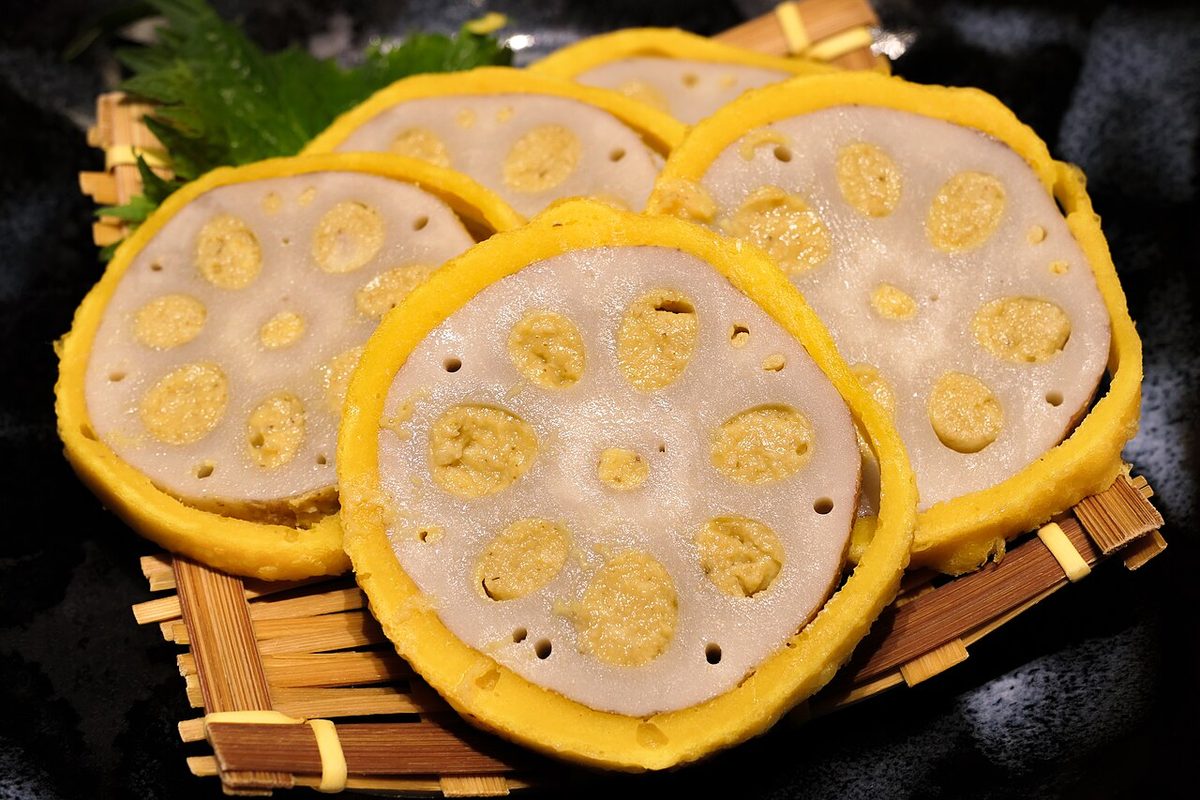
Photo: MaedaAkihiko / CC0 (Wikimedia Commons) Karashi Renkon (mustard-stuffed lotus root)
からし蓮根
Lotus root stuffed with a paste of barley miso and sharp Japanese mustard, coated in a yellow turmeric batter and deep-fried. Created in 1632 as a tonic for the frail lord Hosokawa Tadatoshi using local marshland lotus root, it remained a domain secret because its sliced pattern resembled the Hosokawa crest.
Sliced into 5–10 mm rounds and eaten as a snack or with drinks, plain or with a touch of soy sauce or mayonnaise.
Where to eat it
Where Rin would go, on the map — or build your own route
Tap a mark to see the place; squares are museums and sights (landmarks). Use “Build your own route” to make a walk of your own.
Loading the map
Map data © OpenStreetMap contributors
Where Rin would go
Made in Kumamoto: Higo Zogan Inlay1
All higo zogan inlay →1 / 2
Made in Kumamoto
Higo Zogan began in the early Edo period when metalworkers serving the Hosokawa lords inlaid gold and silver onto gun barrels and sword fittings, and is a nationally designated traditional craft. Fine grooves are chiseled into iron and pure gold or silver is hammered in without adhesive before the iron is darkened with rust. Workshops in central Kumamoto now apply the craft to pendants, brooches and small everyday pieces.
Shinmachi / Furumachi
Higo Zogan Mitsusuke
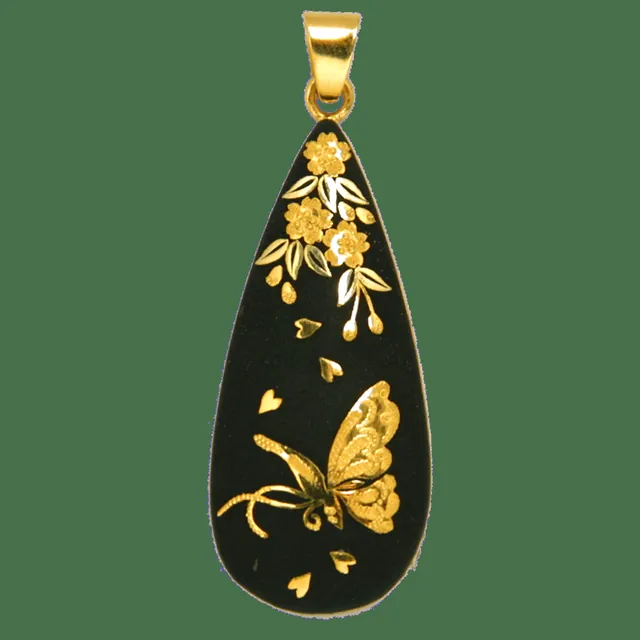
Photo: the shop’s official page 肥後象嵌 光助
A Higo Zogan inlay workshop founded in 1874, making and selling pure gold and silver inlay pendants, brooches and bookmarks, and offering hands-on sessions. Open weekdays 9 am to 5 pm, weekends and holidays 10 am to 4 pm; closed over New Year.
Mon–Fri 09:00–17:00, Sat–Sun & Holidays 10:00–16:00 · Closed: Year-end and New Year holidays
熊本市中央区新町3-2-1
RinI want to hold the black-and-gold bookmarks and look closely.
Made in Kumamoto: Karashi Renkon1
All karashi renkon →1 / 2
Made in Kumamoto
Karashi renkon began in 1632 as a nourishing dish prepared for the first Hosokawa lord of Kumamoto. Boiled lotus root is stuffed with spicy mustard miso, dipped in turmeric-yellow batter and fried; its sliced cross-section resembles the Hosokawa clan crest. Shops in the old castle-town quarter of Shinmachi still prepare it by hand.
Shinmachi / Furumachi
Ganso Mori Karashi Renkon
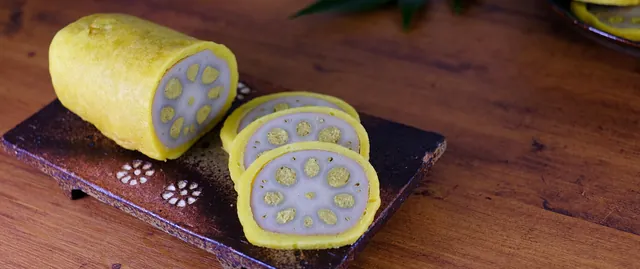
Photo: the shop’s official page 元祖 森からし蓮根 本店
The Shinmachi main shop of the family credited with creating karashi renkon in 1632, selling handmade spicy mustard-miso lotus root and chips. Open 8 am to 5 pm on irregular days (the Josaien branch closes at 6 pm from December to February).
Daily 08:00–17:00 · Closed: Irregular holidays
熊本市中央区新町2-12-32
RinTry a freshly fried slice plain, with nothing on it.
Craft3
All craft →1 / 3
Shinmachi / Furumachi
KANATA
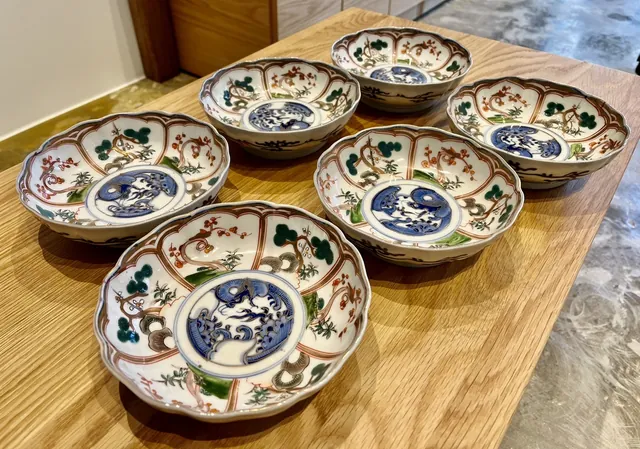
Photo: the shop’s official page 彼方 - KANATA
An antiques and art shop in Gofukumachi focused on everyday pieces: old Imari and Yatsushiro ware, lacquerware and prints. Open 11 am to 5 pm on irregular days; opening dates are posted on Instagram.
11:00–18:00 · Closed: Irregular holidays
熊本市中央区呉服町2-31-1
RinPick out a single old plate you would actually use every day.
Kamitori / Namikizaka
Kurashi no Utsuwa Tsukimachi
くらしのうつわ 月まち
A gallery for everyday vessels and household objects on Kamitori, showing pottery and woodwork by local and outside makers alongside seasonal exhibitions. Closed Wednesdays and Thursdays; its New Year tableware show starts late November 2026, with renovations planned for December.
熊本市中央区上通町9-14
RinHold the small plates and see which ones sit well together.
Suizenji
Orian
うつわと雑貨 織庵
A pottery and household goods shop in a residential street of Izumi south of Suizenji Garden, stocking everyday ceramics and studio tableware. Open 11 am to 6 pm; closed Wednesdays.
11:00–18:00 · Closed: Wednesdays
熊本市中央区出水4-14-29
RinWalk slowly along the shelves for everyday bowls that sit quietly at home.
Sweets3
All sweets →1 / 3
Kamitori / Namikizaka
Kaho Maruiwa
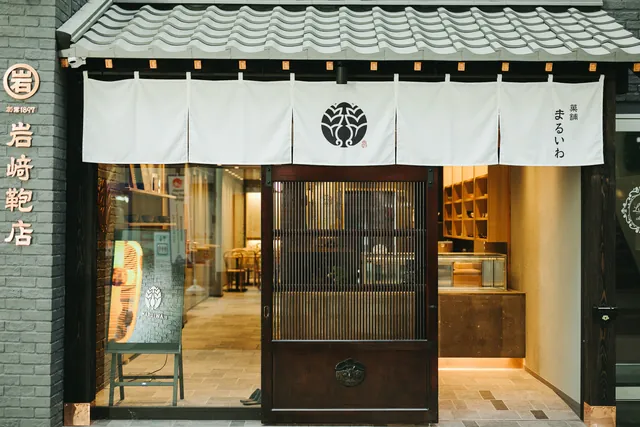
Photo: the shop’s official page 菓舗 まるいわ
A wagashi shop and café inside Kamitori Arcade making additive-free an-sundora dorayaki: batter with Uki lotus-root flour and Zuiyo amazake around house-cooked red bean paste and lightly salted Amakusa buttercream. Closed Wednesdays.
熊本市中央区上通町8-23
RinEat one made that day, starting with the salted butter.
Suizenji
FLAVÉDO Kumamoto
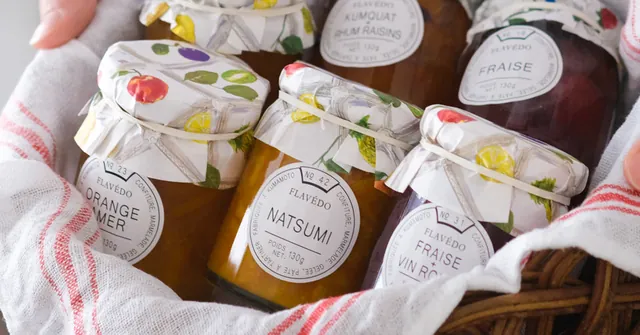
Photo: the shop’s official page FLAVÉDO熊本
FLAVÉDO’s confiture workshop and shop in Izumi (with one sister shop in Osaka), selling handmade seasonal fruit jams, takeaway scones and drinks, and reservation-only parfaits on select dates.
熊本市中央区出水2-2-38
RinA jar of seasonal jam and a scone to take away.
Suizenji
Ikinari Dango Wakaya
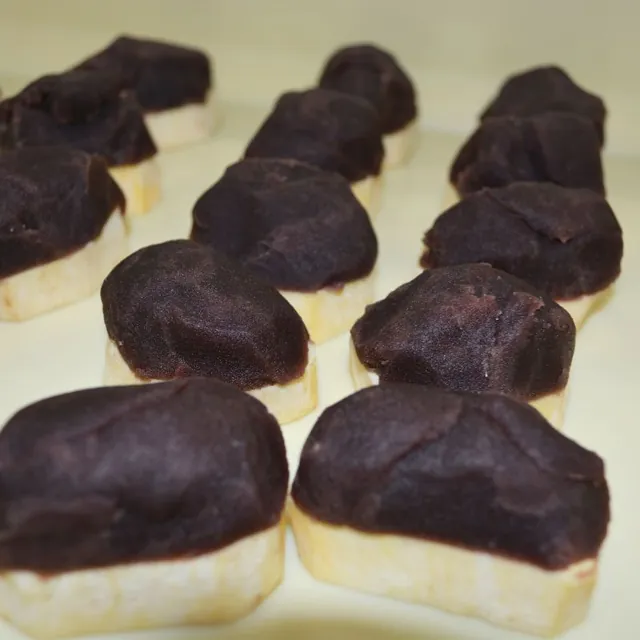
Photo: the shop’s official page いきなり団子専門店 わか屋
A single-shop ikinari dango maker in Kamisuizenji wrapping sweet potatoes from contracted Mashiki and Nishihara farms in Kumamoto-wheat dough, in four varieties with Beni-Haruka or Kurikaguya. Open 8 am to 5 pm on irregular days until sold out.
熊本市中央区上水前寺2-8-24
RinBuy one Beni-Haruka with chunky red bean paste and one Kurikaguya.
Food3
All food →1 / 3
Kamitori / Namikizaka
Kumamoto Ramen Komurasaki, Kamitori
熊本ラーメン こむらさき 上通中央店
A Kumamoto ramen house founded in 1954, with only this Kamitori shop and Shin-Yokohama. Its signature Osama Ramen pairs a clear pork-and-chicken bone broth with roasted garlic chips. Open 11 am to 4 pm and 6 pm to 10 pm; closed only over New Year.
熊本市中央区上通町8-16
RinStart with the Osama Ramen to taste the roasted garlic chips.
Shimotori / Shinshigai
Kourantei, Shimotori
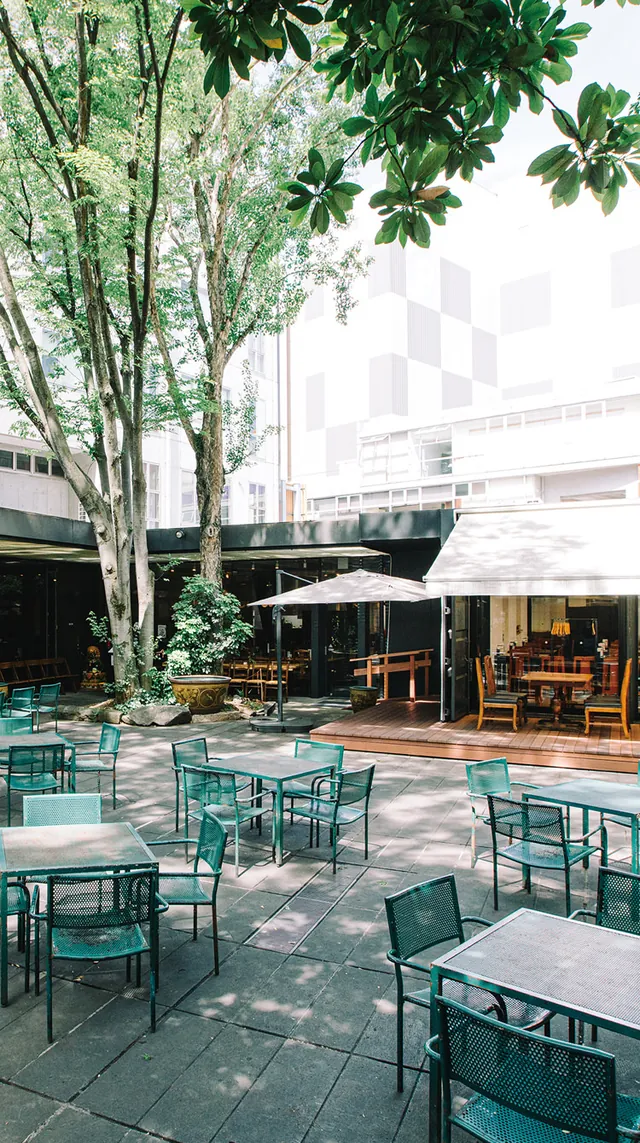
Photo: the shop’s official page 中国名菜 紅蘭亭 下通本店
A Chinese restaurant founded in 1934 (its Kamitori branch is closed), known for Kumamoto taipiien: 100% mung-bean glass noodles in chicken-and-pork broth with stir-fried vegetables, seafood and meat. Open 11 am to 9 pm (last order 8 pm).
11:00–21:00 (L.O. 20:00)
熊本市中央区安政町5-26
RinOrder the taipiien for the springy bite of its mung-bean noodles.
Shimotori / Shinshigai
Umasakura, Ginza-dori
熊本馬肉ダイニング 馬桜 銀座通り店
A horse-meat restaurant on the third floor off Ginza-dori serving basashi, steamed horse meat and local dishes such as karashi renkon and hitomoji guruguru. Open daily, with lunch on weekends and holidays (10% evening surcharge Dec 31–Jan 3).
Sun–Thu & Holidays 17:00–22:00 (L.O. 21:30), Fri–Sat & Pre-holidays 17:00–23:00 (L.O. 22:00); Sat/Sun/Holidays Lunch 12:00–14:30 (L.O. 14:00) · Closed: Open daily (no regular holidays)
熊本市中央区下通1-10-3
RinTake a counter seat for basashi and hitomoji guruguru.
Cafés3
All cafés →1 / 3
Kamitori / Namikizaka
Horinoen Chaikou, Kamitori
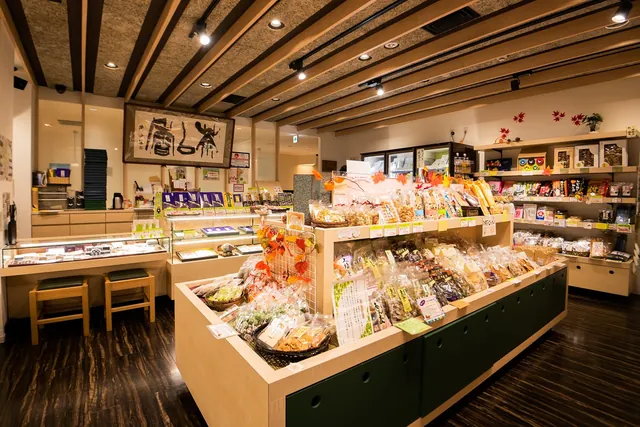
Photo: the shop’s official page お茶の堀野園 茶以香 上通店
The Kamitori tea room and leaf shop of Kumamoto tea grower Horinoen, selling local tea leaves and serving matcha and hojicha zenzai, anmitsu, and a matcha sweet-potato and Kumamoto-chestnut Mont Blanc. Open 11 am to 7 pm (last order 6:30 pm); closed Tuesdays.
11:00–19:00 (Cafe L.O. 18:30)
熊本市中央区上通町7-10
RinAfter buying tea leaves, sit down with the matcha sweet-potato Mont Blanc.
Kamitori / Namikizaka
Gluck Coffee Spot
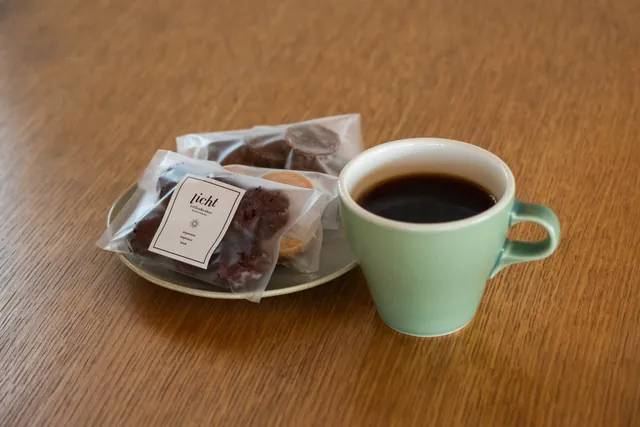
Photo: the shop’s official page A specialty coffee roaster in a renovated old townhouse off Namikizaka, with a counter downstairs and tables upstairs, serving single-origin coffee and baked sweets. Opens at 7 am.
Daily 07:00–19:00
熊本市中央区城東町5-52
RinIn the morning, take a single-origin cup to the second floor.
Suizenji
Suizenji Gallery Saryo Shohaku
水前寺ギャラリー 茶寮松柏
A machiya-style gallery café on the approach to Suizenji Jojuen Garden with a long camphor-wood counter, displaying Kumamoto ceramics such as Shodai-yaki alongside light meals and sweets. Open 10 am to 5 pm (food from 11 am); closed Mondays.
熊本市中央区水前寺公園7-2
RinAfter walking the garden, sit at the camphor-wood counter.
Rin is a fictional traveller. Every place here was checked by the editors to exist and be open (checked 2026-11-16). Please confirm hours on the official site before you go. Paid listings are always marked. If you are the shop and would like a photo removed, write to editor@vual.jp and we will take it down at once.
To see — art and sights (landmarks)
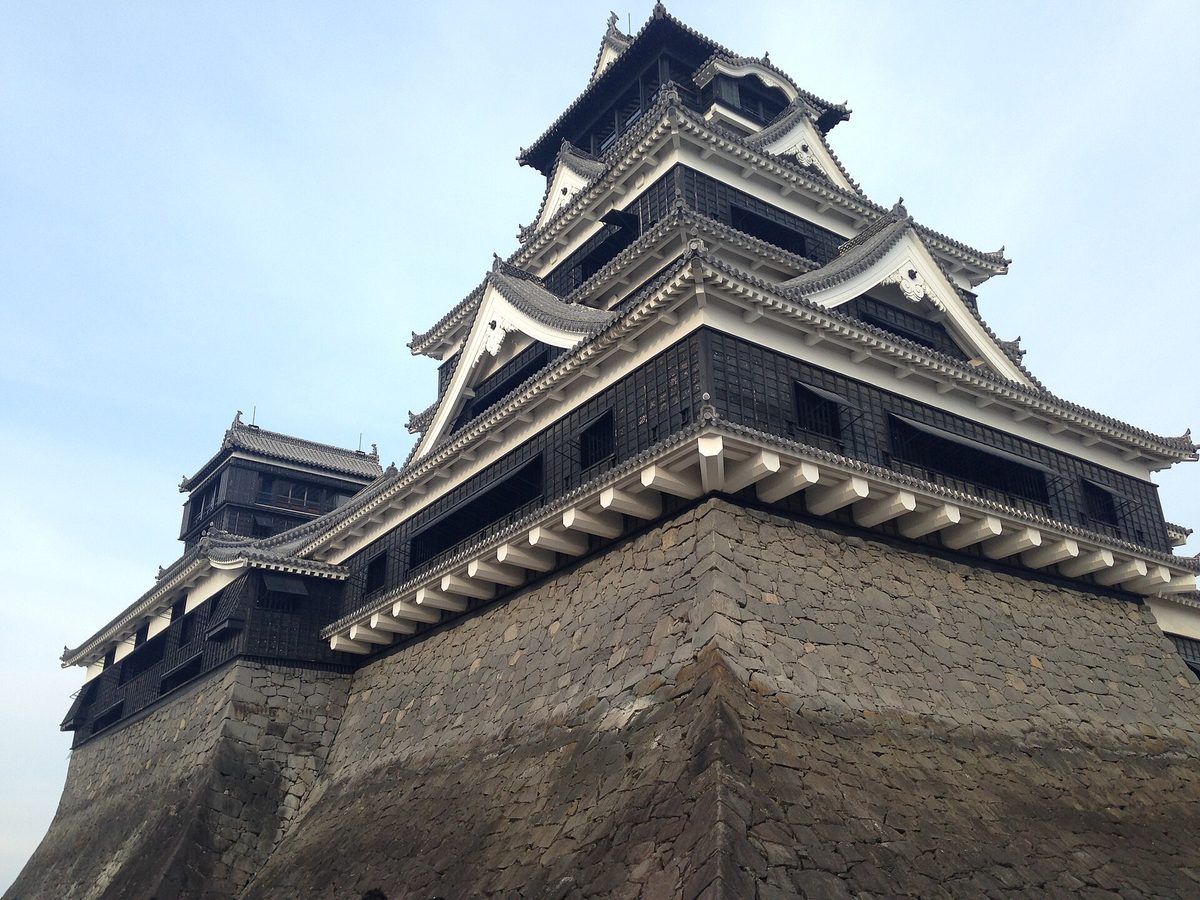
Photo: そらみみ / CC BY-SA 3.0 (Wikimedia Commons) Sights · Honmaru
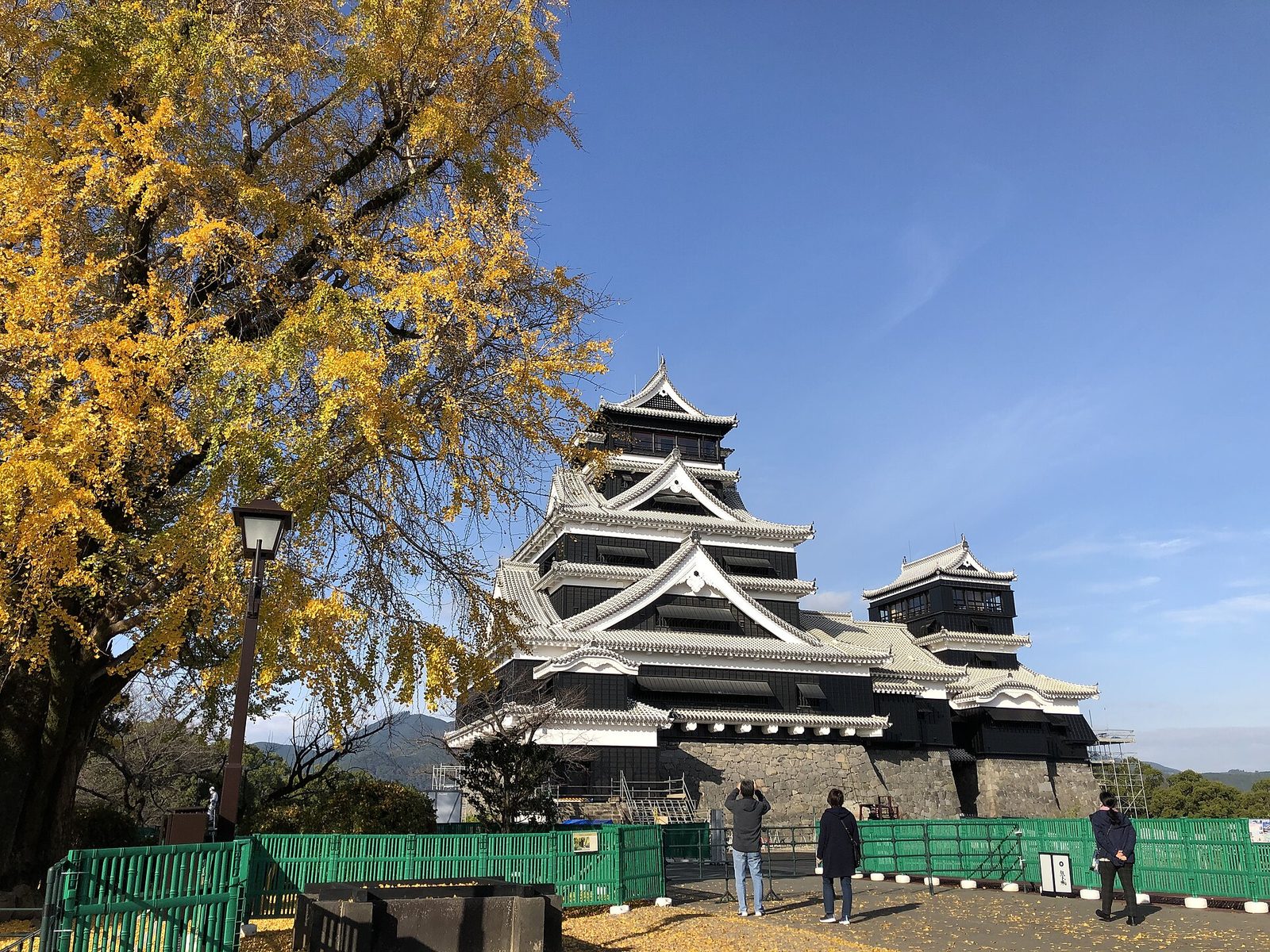
Kumamoto Castle
Built by Kato Kiyomasa in 1607 on Chausuyama. The main and small keeps, lost to fire just before the 1877 Satsuma Rebellion, were reconstructed externally in 1960; special viewing routes now let visitors see the keep and stone walls alongside ongoing 2016 earthquake repairs.
September to June open 9 am to 5 pm (last entry 4 pm, keep 4:30 pm). Weekdays south gate only; weekends and holidays both north and south gates; closed December 29.
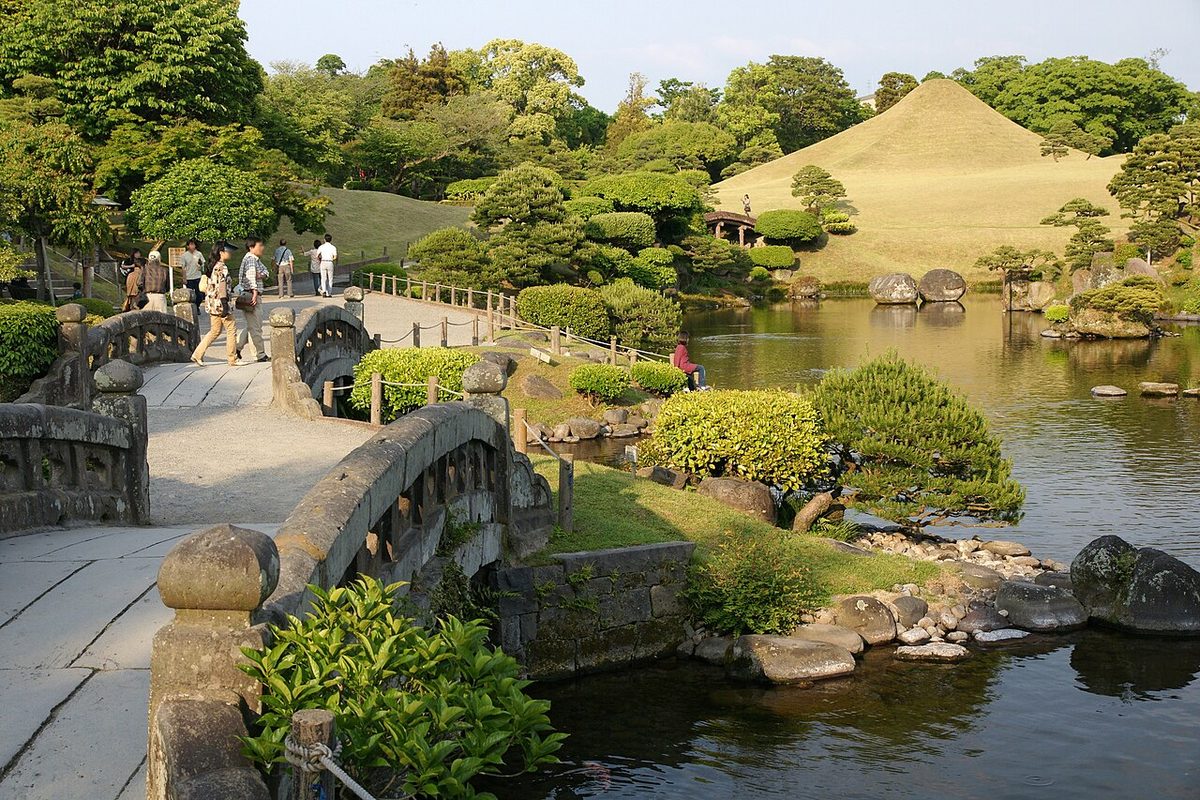
Photo: 663highland / CC BY 2.5 (Wikimedia Commons) Sights · Suizenji
Suizenji Jojuen Garden
A spring-fed strolling garden begun in 1632 as a tea retreat for Hosokawa Tadatoshi, first Hosokawa lord of Higo, with miniature hills modelled on the Fifty-three Stations of the Tokaido and Izumi Shrine inside.
Open daily 8:30 am to 5 pm (last entry 4:30 pm). Use the main or north gate as the east, south and Soseki gates are usually closed (evening light-up Nov 6 to Dec 6, 2026).
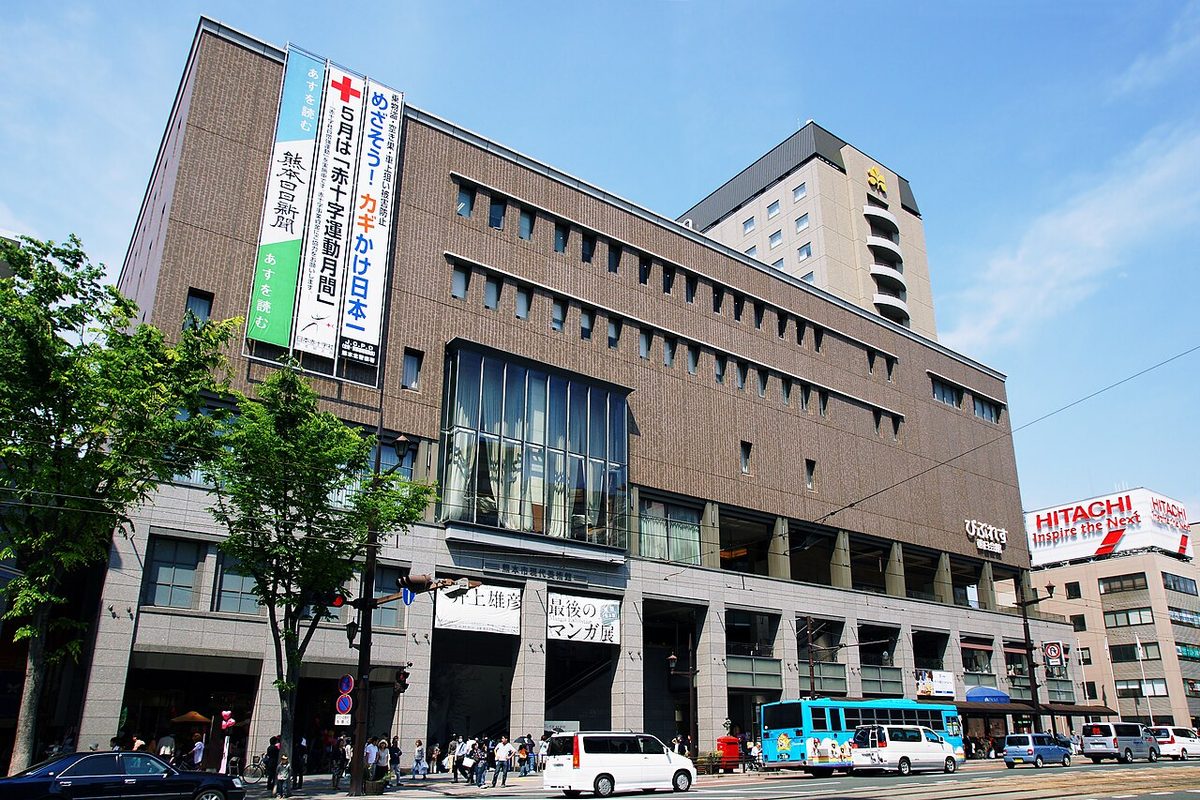
Photo: 663highland / CC BY 2.5 (Wikimedia Commons) Art · Kamitori / Namikizaka
Contemporary Art Museum Kumamoto
A contemporary art museum on Kamitori opened in 2002. Alongside its ticketed exhibition galleries, spaces including the Home Gallery art library are open free of charge.
Open 10 am to 8 pm (exhibition entry until 7:30 pm); closed Tuesdays (next weekday if a holiday) and over New Year. Home Gallery access is restricted on November 15, 21 and 28, 2026 for events.
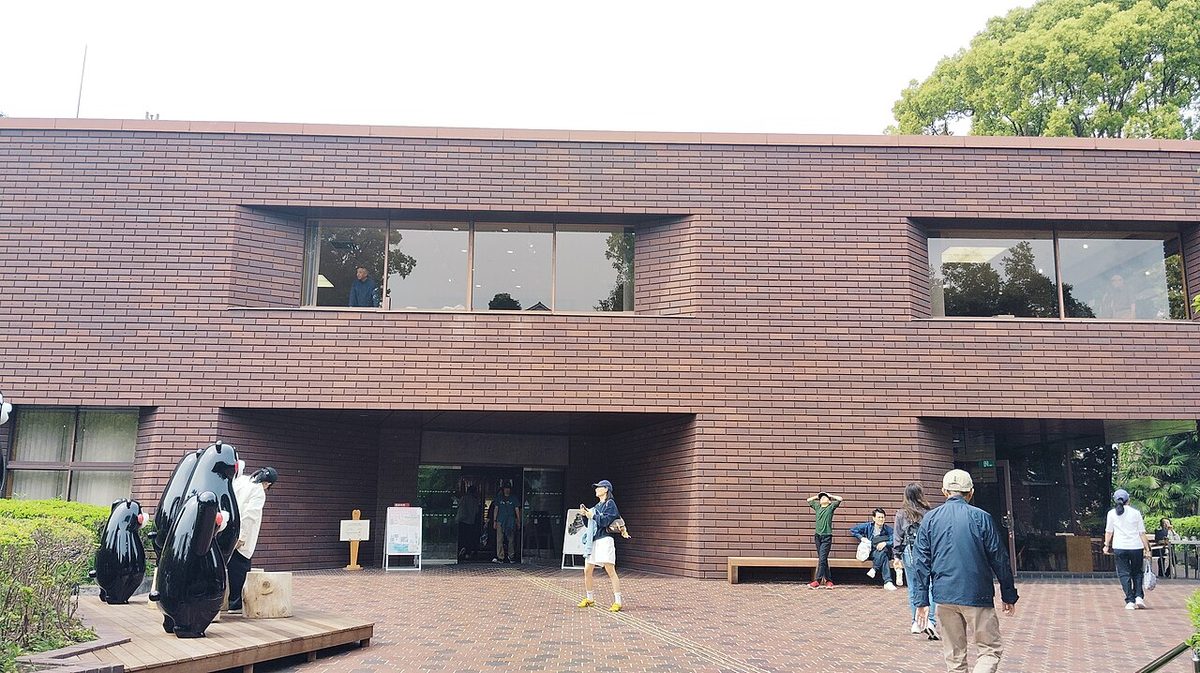
Photo: 水だらけのプール / CC0 (Wikimedia Commons) Art · Chibajomachi
Kumamoto Prefectural Traditional Crafts Center
A prefectural crafts hall opened in 1982 displaying Kumamoto traditional handicrafts, with the renovated ground-floor museum shop Takumi (reopened March 2026) selling local crafts.
Open 9 am to 5 pm; closed Mondays (following day if a holiday). Special exhibition on Yoshio Akioka runs October 20 to December 27, 2026.
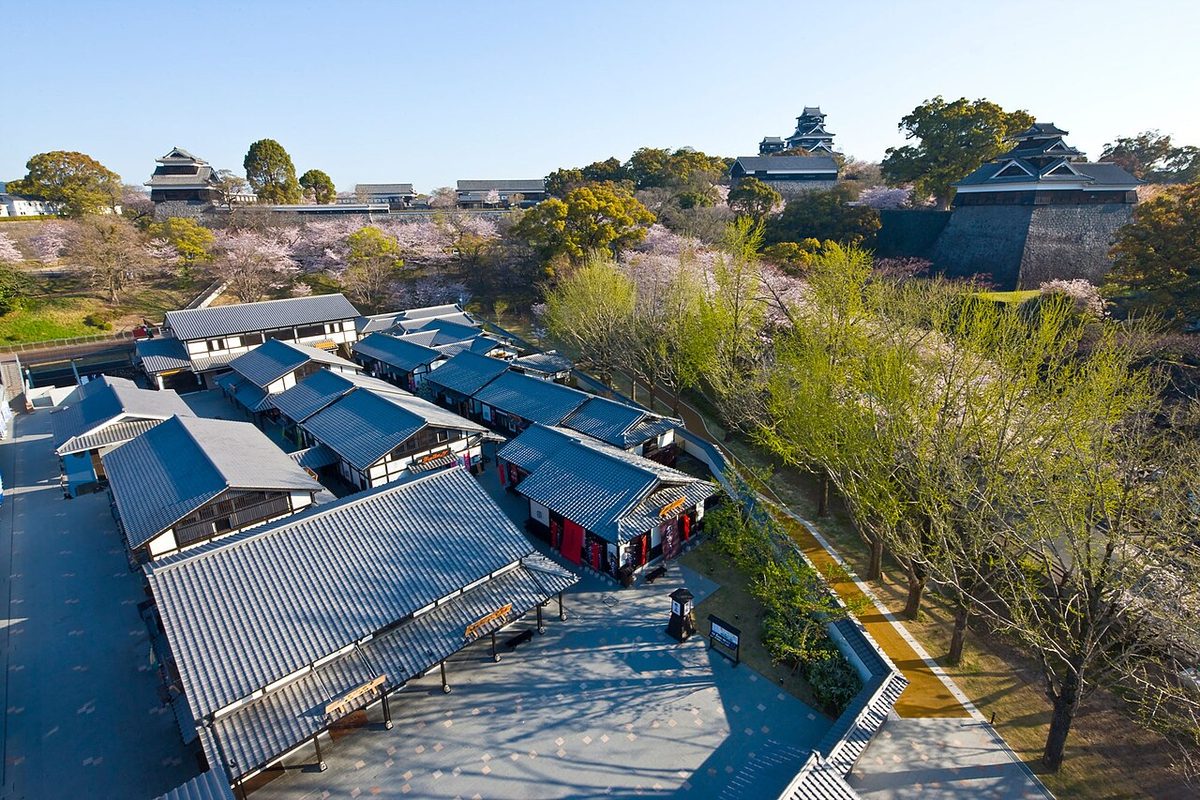
Photo: Jdjuice / CC BY-SA 4.0 (Wikimedia Commons) Sights · Ninomaru
Sakuranobaba Josaien
A castle-foot complex in Ninomaru below Kumamoto Castle, pairing the Sakura-no-Koji lane of local food and souvenir shops with a tourist information center.
Sakura-no-Koji shops are open normally 9 am to 6 pm (dining from 11 am). The Kumamoto Castle Museum Wakuwakuza inside the complex is temporarily closed due to the 2026 earthquake (reopening planned for December 2026).
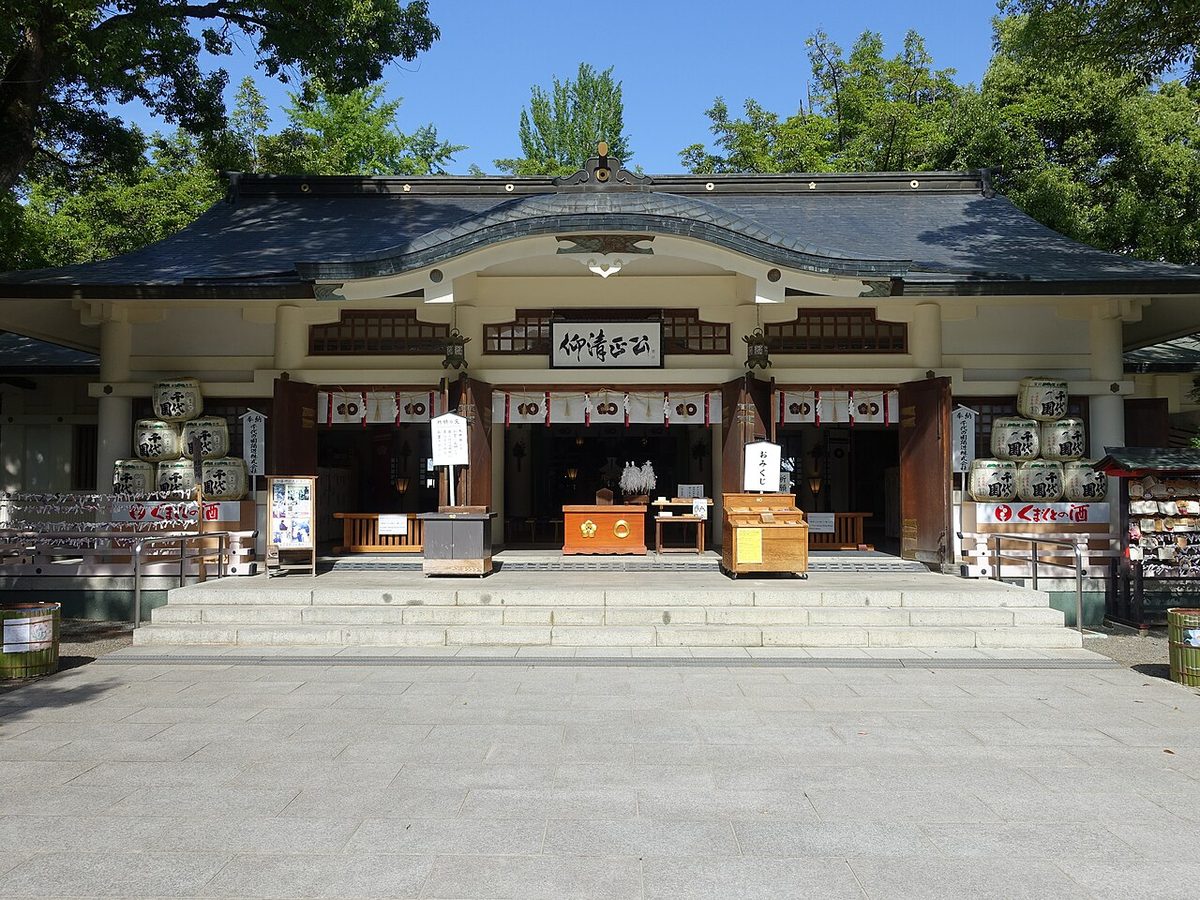
Photo: MilanoCollection / CC BY-SA 4.0 (Wikimedia Commons) Sights · Honmaru
Kato Shrine
A shrine inside Kumamoto Castle’s Honmaru dedicated to castle builder Kato Kiyomasa, founded in 1871 as Nishikiyama Shrine and moved to its present castle site in 1962, with views of the main keep and Uto Turret.
Sanctuary gates open 6 am to 6 pm (varies by season); shrine office 8 am to 5 pm.
These are landmarks, not Rin's picks. Each was checked to be open on its official site (checked 2026-11-12). Please confirm hours before you go.
Day trips from Kumamoto
Classics
- Kumamoto Castle
Kumamoto Castle is one of Japan's three most famous castles, constructed by Kato Kiyomasa over seven years starting in 1601. Cherry blossom season (spring) and autumn are best.
- Suizenji Jojuen Garden
A graceful strolling garden in the Momoyama style. Best in April for cherry blossoms and November for autumn leaves.
- Kusasenrigahamaabout 33 km
A popular tourist spot in the middle of Mt. Aso, characterized by a large pond and green grasslands. Green season from May to October; visit in the early morning.
Hidden spots
- Nagabeta Seabed Roadabout 16 km
A concrete fisheries road stretching into the Ariake Sea that emerges at low tide and leaves a line of utility poles standing straight out of the water at high tide. Check Ariake Sea tide tables in advance and visit around high tide for submerged utility poles or low tide to walk the road, especially near sunset.
- Yachiyoza Theaterabout 24 km
A 1910 wooden kabuki playhouse designated an Important Cultural Property, preserving a hand-turned revolving stage, under-stage cellar, and painted ceiling advertisements. Visit during morning or early afternoon tour hours (9:00–17:30) on non-performance days, or in February and August for Yamaga lantern events.
- Omisaki Stationabout 34 km
An unstaffed Shimabara Railway station whose platform sits directly on the Ariake Sea seawall, lined with yellow wish handkerchiefs fluttering in the sea breeze. Worth visiting year-round; aim for high tide on clear spring or autumn mornings when the Ariake Sea reaches right below the platform.
Distances are straight-line from the town centre. Each page has how to get there and a suggested day.