34.5° N
Kashihara
Nara, Japan
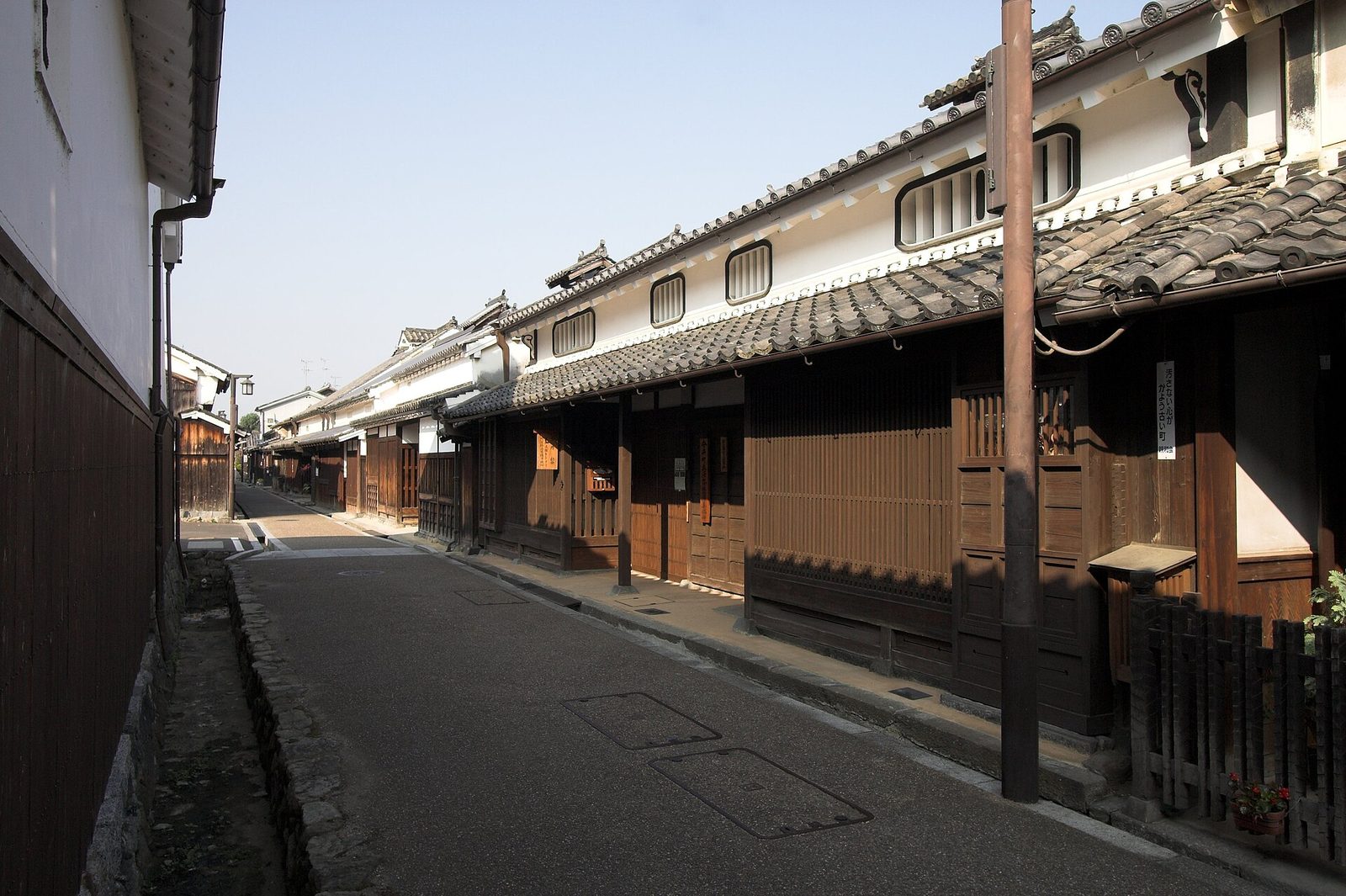
A town in the southeastern Nara Basin, set around the Three Mountains of Yamato and the site of Fujiwara-kyo, Japan's first capital. Edo-period townhouses in Imaicho, an 18th-century sake brewery, and sweets, coffee and kitchens across the old quarters, as Rin's picks.
Kashihara, on film
4 sights and 9 places, each checked open in 2026, in 36 seconds.
Found somewhere you like? The map and the list below have the address, hours and official site.
Tap for sound
What to eat in Kashihara
No photo yet
Kinako dango (roasted-soybean-flour rice dumplings)
きな粉だんご
Bite-sized rice-flour dumplings skewered on bamboo sticks, coated in house syrup and roasted soybean flour. Dangosho has made them by hand in Kashihara's Bojo area since 1878 along the old Koya-Hase highway using mortar-milled new-crop rice flour.
Eaten fresh at the shop with tea, or bought by the stick and boxed to take home.
Where to eat it
- Dangosho Honten ↓
- Dangosho YagiWebsiteMap
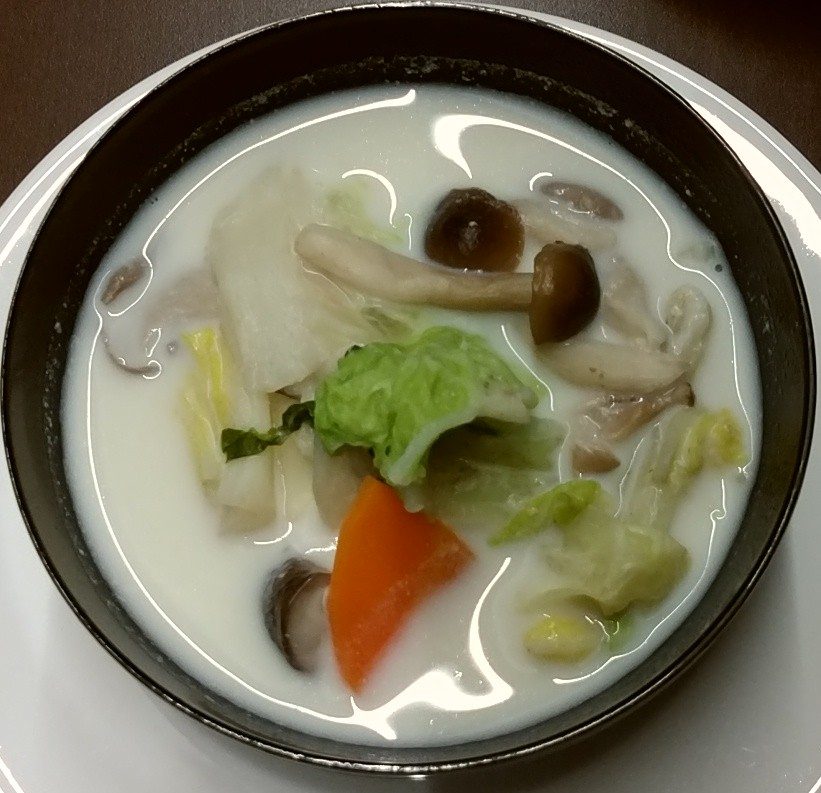
Photo: Yanagida Tetsuo / CC0 (Wikimedia Commons) Asuka-nabe (milk and chicken hot pot)
飛鳥鍋
A hot pot of chicken and seasonal vegetables simmered in dashi broth and cow's milk. It is a regional dish of the Asuka-Fujiwara area spanning Kashihara and neighboring Asuka.
Served hot in individual or shared pots in winter, or year-round by advance reservation, often with ancient-rice set meals.(Dec–Feb)
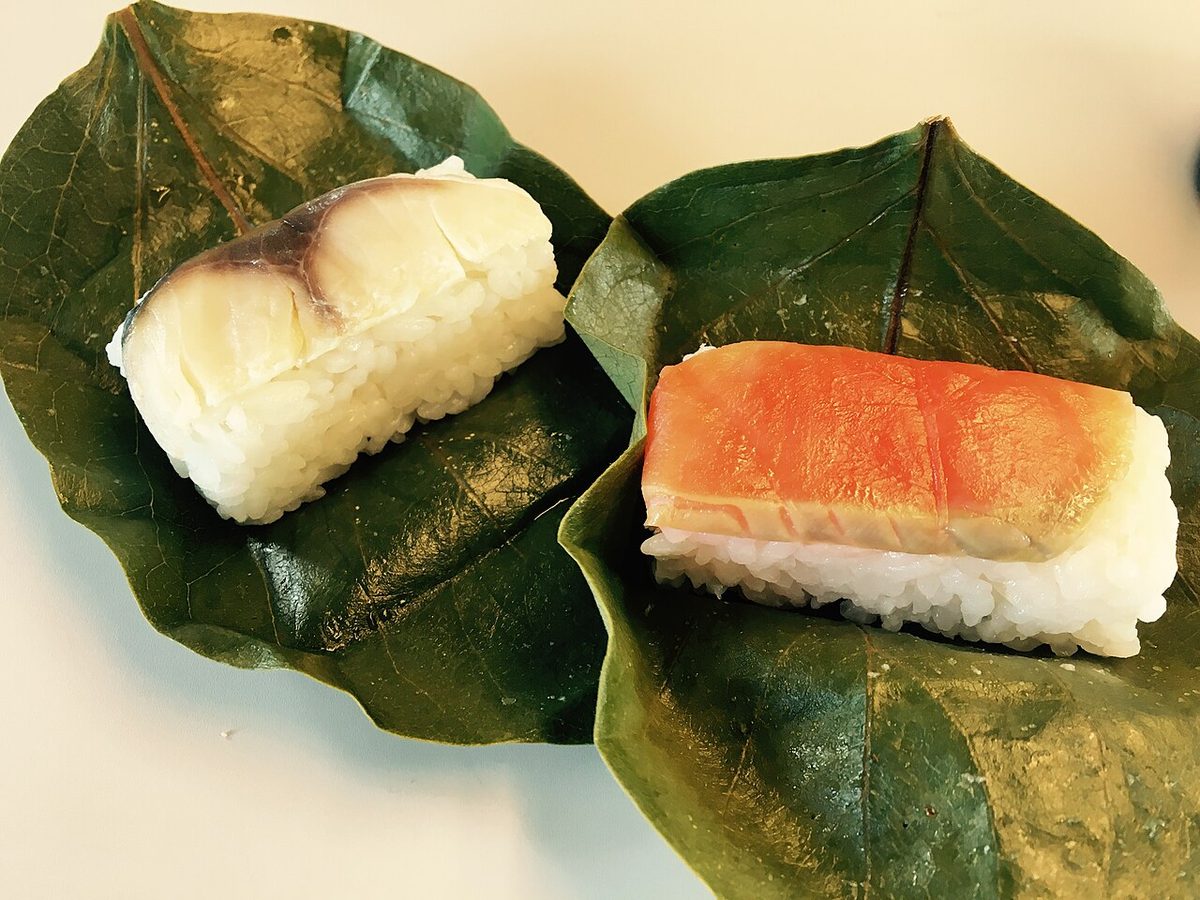
Photo: ZhengZhou / CC BY-SA 4.0 (Wikimedia Commons) Kaki-no-ha-zushi (persimmon-leaf-wrapped pressed sushi)
柿の葉寿司
Bite-sized pressed sushi topped with cured mackerel or salmon and individually wrapped in persimmon leaves. Long eaten across the Nara Basin including Kashihara, it developed as an inland preservation food using the leaves' natural antibacterial properties.
Unwrapped from the leaf and eaten at room temperature or steamed, often served alongside warm nyumen noodle soup.
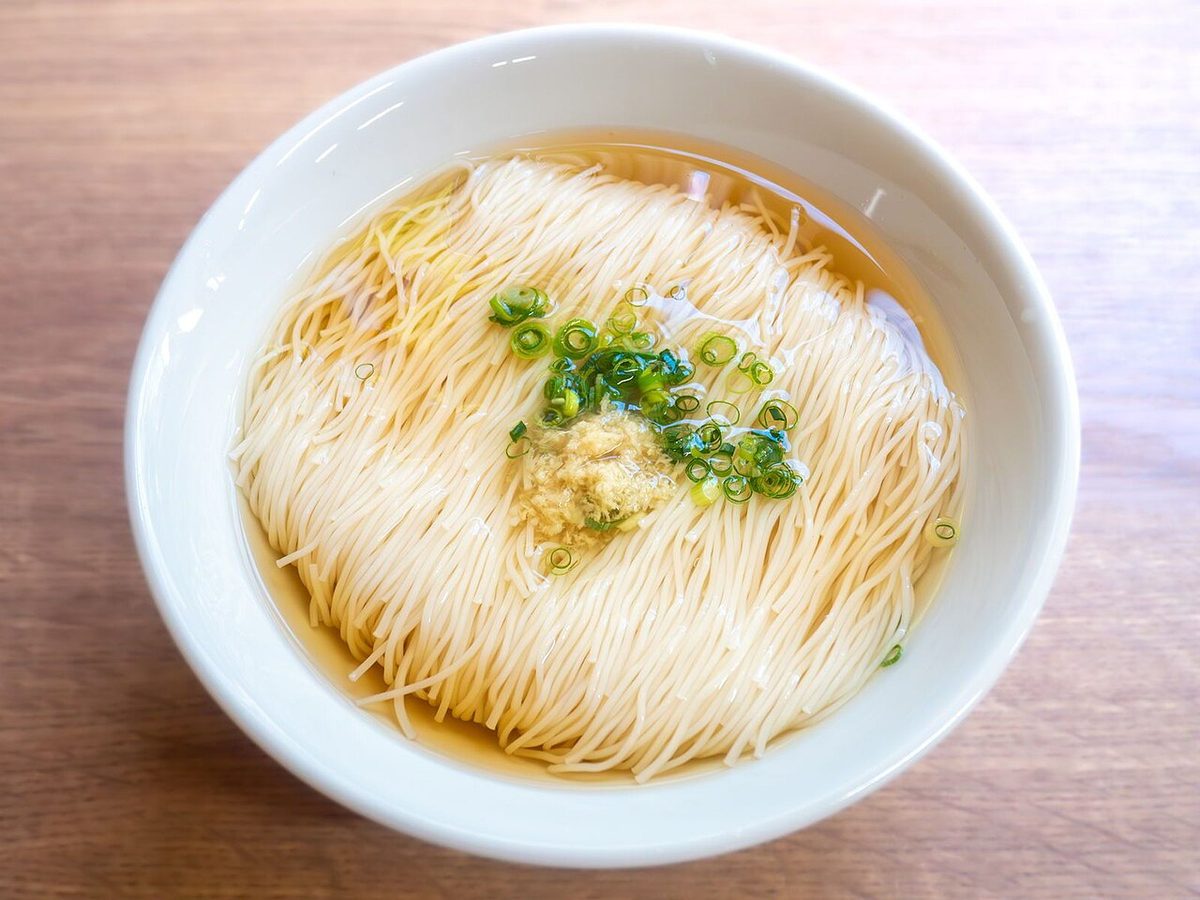
Photo: くろふね / CC BY 4.0 (Wikimedia Commons) Miwa somen & nyumen (hand-stretched wheat noodles)
三輪素麺・にゅうめん
Fine hand-stretched wheat noodles produced in the Miwa district just east of Kashihara. Served cold as somen or hot in dashi broth as nyumen, they are a staple lunch in Kashihara's Imaicho and Kashihara Jingu neighborhoods.
Eaten cold with condiments in warm months and served hot in broth as nyumen in autumn and winter, often paired with kaki-no-ha-zushi.
Where Rin would go, on the map — or build your own route
Tap a mark to see the place; squares are museums and sights (landmarks). Use “Build your own route” to make a walk of your own.
Loading the map
Map data © OpenStreetMap contributors
Where Rin would go
Made in Kashihara: Machiya Sake & Soy Sauce Brewing1
All machiya sake & soy sauce brewing →1 / 2
Made in Kashihara
In Imaicho and the old merchant quarters of Kashihara, sake and soy sauce were long brewed in timber townhouses. Kita Sake Brewery, founded in 1718, still brews its Miyokiku sake in Gobo-cho using traditional methods.
Unebi & Kashiharajingu
Kita Sake Brewery
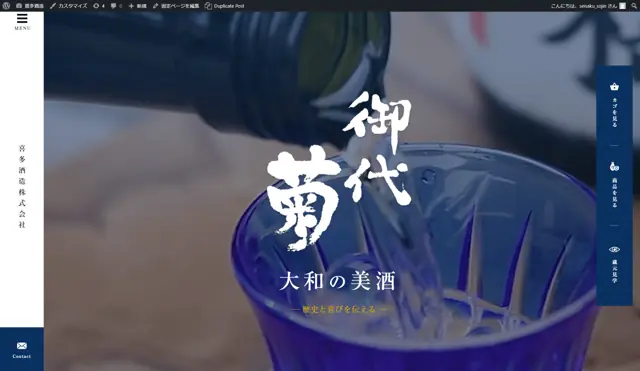
Photo: the shop’s official page 喜多酒造
A sake brewery founded in 1718. It brews its flagship Miyokiku labels and sake made with the traditional mizumoto starter. Brewery visits are by reservation.
Mon–Sat 9:00–17:00 (winter) · Closed: Sun & public holidays (Nov–Feb); Sat, Sun & public holidays (Mar–Oct)
8 Gobo-cho, Kashihara
RinI bought a bottle of mizumoto-brewed sake. It had a deep, lingering rice body.
Sweets2
All sweets →1 / 2
Bojo & Masuga
Dangosho Honten
だんご庄 本店
A dango shop founded in 1878. Handmade rice-flour dumplings coated in house syrup and roasted soybean flour, also served inside with tea. Closed Tuesdays and first and third Wednesdays; closes when sold out.
8:30–17:00 (until sold out) · Closed: Tuesdays, 1st & 3rd Wednesdays
860 Higashibojo-cho, Kashihara
RinI had the syrup-and-kinako dango with tea inside. The toasted soy aroma lingered.
Yamato-Yagi
cocoai
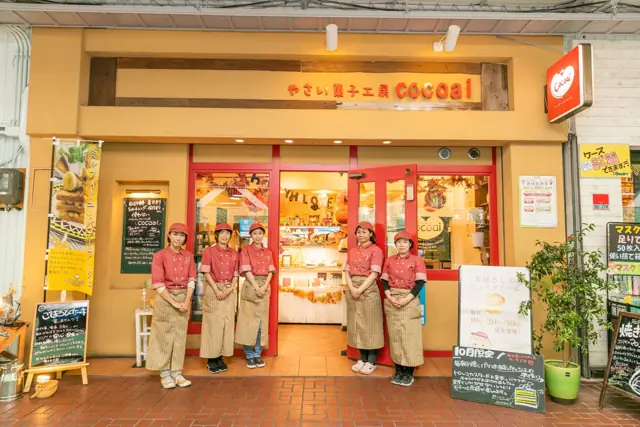
Photo: the shop’s official page やさい菓子工房 cocoai
A pastry shop in the Yamato-Yagi Station arcade. It bakes cakes and cookies with beet sugar, Nara-grown wheat and rice flour, and Yamato vegetables, without white sugar.
10:00–19:00
5-1-13 Naizen-cho, Kashihara
RinI bought baked sweets made with Yamato vegetables. The beet-sugar sweetness was mild.
Food3
All food →1 / 3
Imaicho
Auberge Komorebi
農家のオーベルジュ こもれび
A restaurant and inn in a townhouse in Imaicho. It serves vegetable lunches from Nara farms and can sell out at midday.
4-10-6 Imaicho, Kashihara
RinI ate the Nara vegetable lunch in the townhouse. Each vegetable had a clear, deep taste.
Yamato-Yagi
TRATTORIA Maezawa
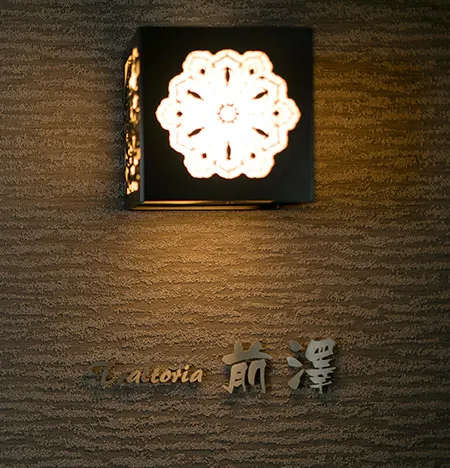
Photo: the shop’s official page TRATTORIA 前澤
An Italian restaurant on the second floor of a building in Yagi-cho. It cooks with local Asuka vegetables and Yamato beef, making handmade fresh pasta and pizza. Closed Wednesdays.
11:30–14:00, 17:00–21:00 · Closed: Wednesdayschecked Nov 2026
1-7-38 Yagi-cho, Kashihara
RinI had Asuka vegetables and handmade fresh pasta. The pasta had a lively, chewy bite.
Bojo & Masuga
tomato monkey
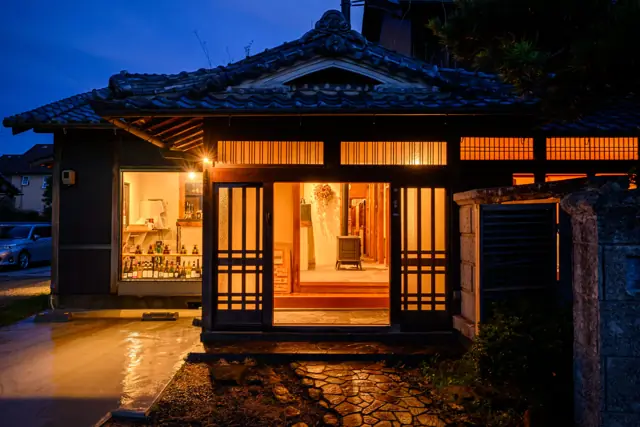
Photo: the shop’s official page A pasta-sauce workshop and kominka restaurant run by a vegetable sommelier in Kazu-cho. It sells sauces made from Nara vegetables processed on harvest day and serves a 27-item lunch plate Friday to Sunday. Closed Mondays and Tuesdays; shop sales only on Wednesdays.
Fri–Sun 11:00–16:00, Thu–Sun 18:00–23:00 (Wed retail only) · Closed: Mondays & Tuesdays (Wed retail only)
65-1 Kazu-cho, Kashihara
RinI bought a Nara vegetable pasta sauce. The bright colour through the glass looked fresh.
Cafés3
All cafés →1 / 3
Yamato-Yagi
THREE MOUNTAIN COFFEE

Photo: the shop’s official page A coffee roastery in the basement food floor of Kintetsu Department Store Kashihara, near Yamato-Yagi Station. Open 10 am to 7 pm, following department store hours.
10:00–19:00
3-65-11 Kita-Yagi-cho, Kashihara
RinI bought roasted beans in the basement shop. Their aroma came straight through the bag.
Unebi & Kashiharajingu
Gallery Cafe narairo
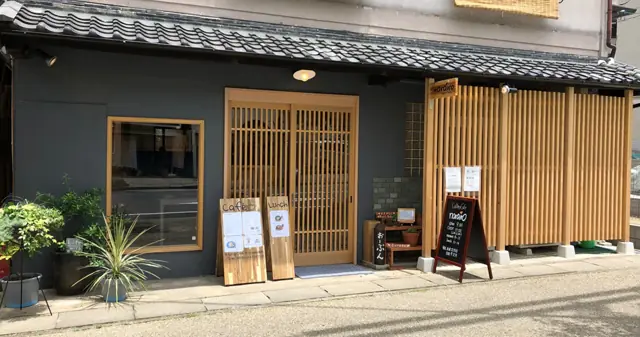
Photo: the shop’s official page ギャラリーカフェ narairo
A gallery café in a renovated Showa house over 80 years old along the approach from Kashiharajingu-mae Station. It serves Nara-roasted coffee and brûlée toast alongside exhibitions of painting and ceramics. Closed Wednesdays and Sundays.
9:00–17:00 (last order 16:00) · Closed: Wednesdays & Sundays (gallery open on Sundays during exhibitions)
889-1 Kume-cho, Kashihara
RinAfter the exhibition, I had brûlée toast. The caramelised sugar snapped crisply.
Imaicho
Coffee Enrei
自家焙煎珈琲えんれい
A house-roasted coffee shop in Imaicho. Open 9 am to 4 pm Monday to Friday, 8 am to 4 pm on weekends; closed Wednesdays.
1-4-5 Imaicho, Kashihara
RinI had a morning coffee in Imaicho. The roasted aroma woke me up nicely.
By area
Rin is a fictional traveller. Every place here was checked by the editors to exist and be open (checked 2026-11-12). Please confirm hours on the official site before you go. Paid listings are always marked. If you are the shop and would like a photo removed, write to editor@vual.jp and we will take it down at once.
To see — art and sights (landmarks)
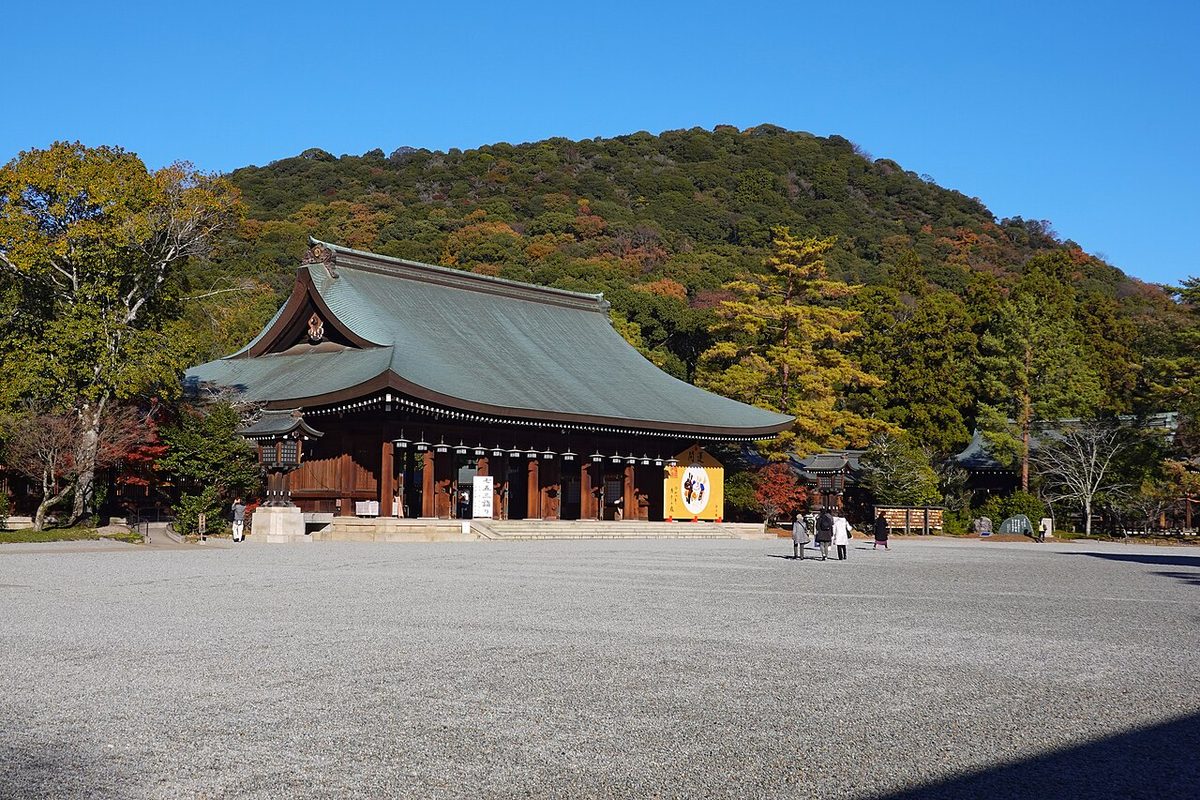
Photo: 663highland / CC BY-SA 4.0 (Wikimedia Commons) Sights · Unebi & Kashiharajingu
Kashihara Jingu
A shrine founded in 1890 at the southeastern foot of Mount Unebi, enshrining Emperor Jimmu and his empress. Plain-wood halls stand inside broad forested grounds, open daily during gate hours.
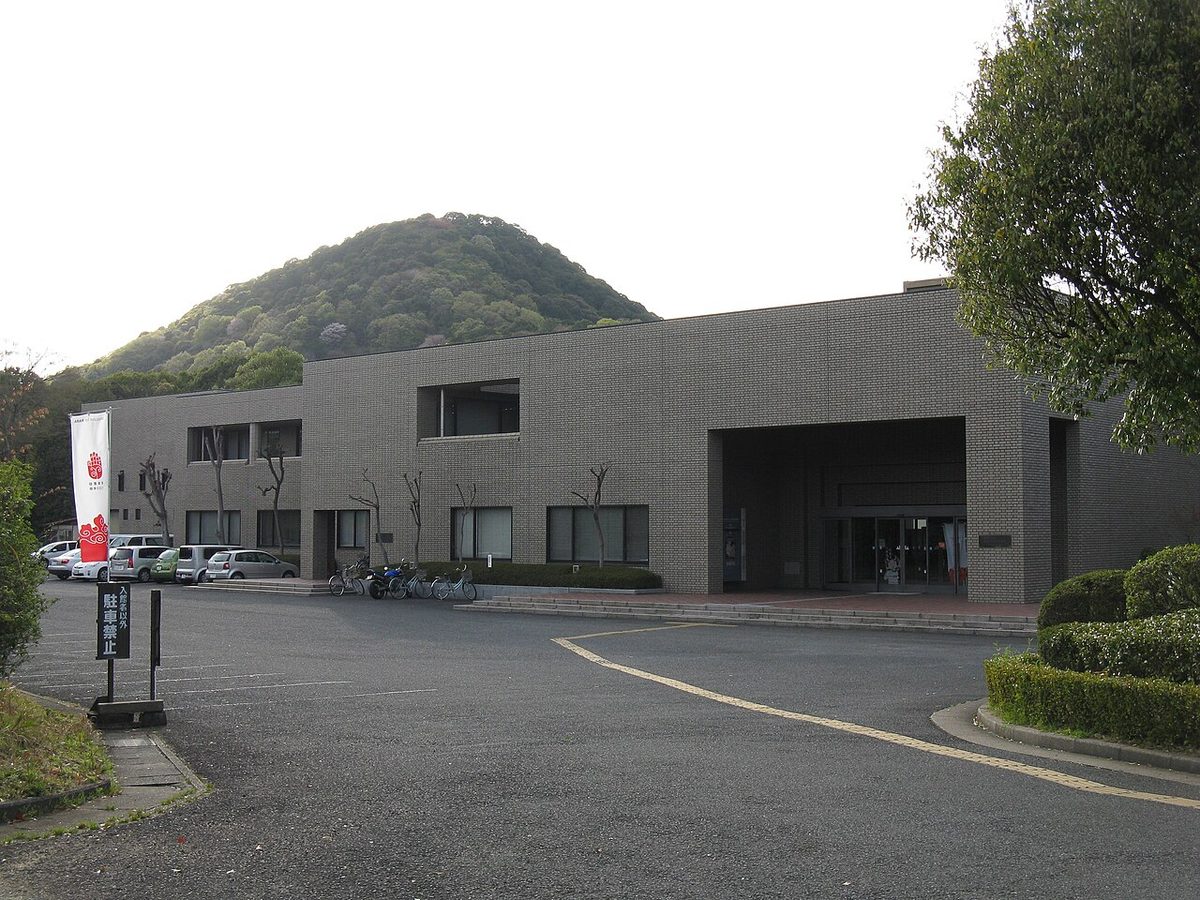
Photo: KENPEI / CC BY-SA 3.0 (Wikimedia Commons) Art · Unebi & Kashiharajingu
The Museum, Archaeological Institute of Kashihara
The prefectural archaeology museum displaying finds excavated across Nara. In autumn 2026 it holds the special exhibition on horses and horse trappings from the Fujinoki Kofun through November 29. Closed Mondays (or the following day if a holiday) and year-end.
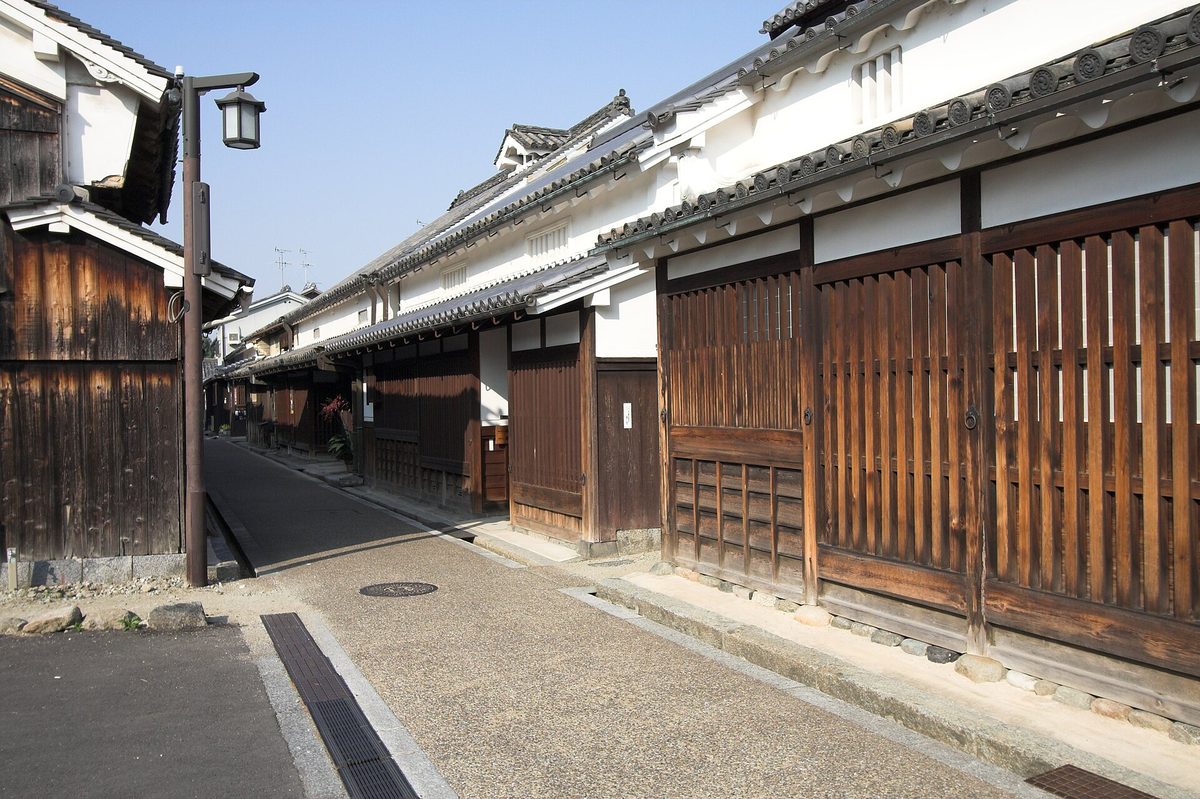
Photo: ignis / CC BY-SA 3.0 (Wikimedia Commons) Sights · Imaicho
Imaicho Preservation District
A quarter that began as a temple town around Shonen-ji and prospered in the Edo period as a merchant town. Its Edo-period townhouses survive, designated a national preservation district in 1993; the streets are open to walk.
Imaicho Townscape Exchange Center (Hanairaka) is temporarily closed; visitor information is handled at the Imaicho Townscape Information Center (3-8-8 Imaicho).
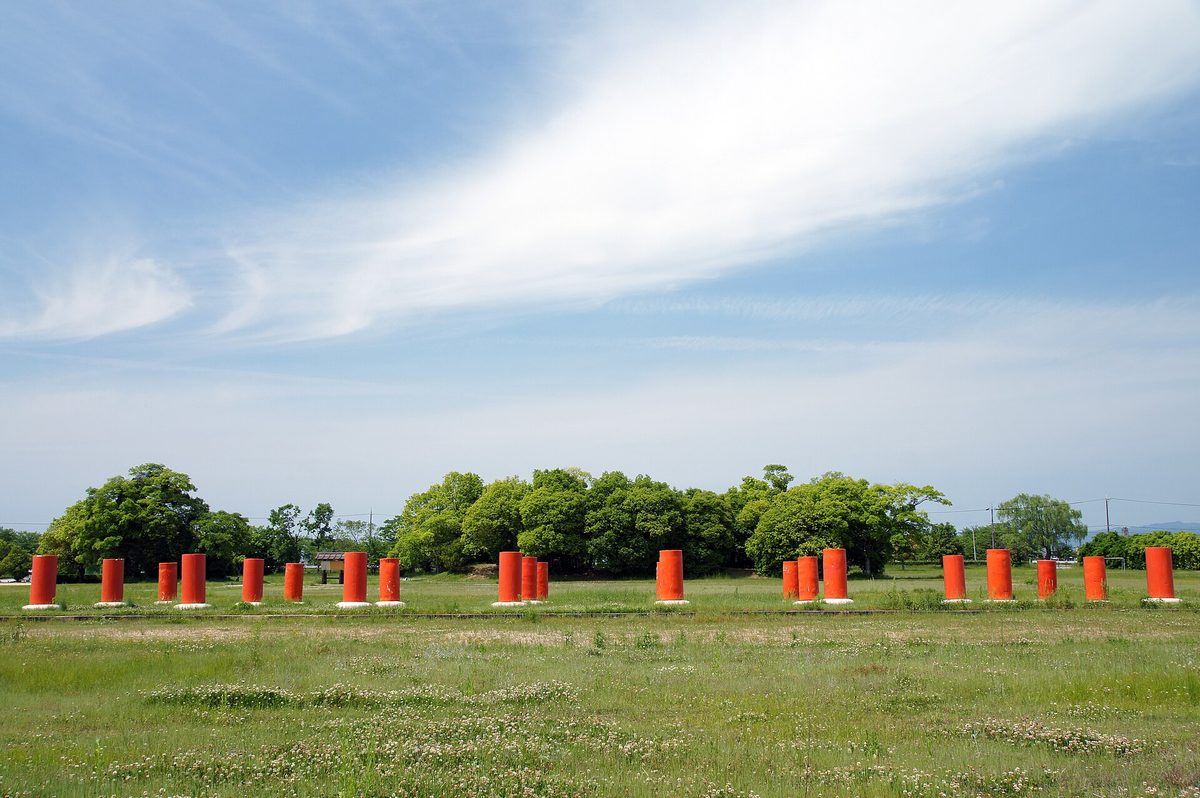
Photo: 663highland / CC BY 2.5 (Wikimedia Commons) Sights · Fujiwara Palace
Fujiwara Palace Ruins
The site of Fujiwara Palace, at the centre of Fujiwara-kyo, Japan's first planned capital, and a special national historic site. Now an open field with seasonal flowers and views of the Three Mountains of Yamato; free to walk.
These are landmarks, not Rin's picks. Each was checked to be open on its official site (checked 2026-11-12). Please confirm hours before you go.
Day trips from Kashihara
Classics
- Horyu-ji Templeabout 13 km
A temple associated with Prince Shotoku, known as having the world's oldest wooden building complex. Spring and autumn are best, especially for garden views.
- Kasuga Taishaabout 20 km
A historic shrine situated deep within Nara Park, registered as a World Heritage site. Early morning is best to avoid crowds.
- Nara Parkabout 20 km
A vast park where deer roam freely and historical temples and shrines are dotted throughout the nature. Cherry blossoms in April and autumn leaves in November are the highlights.
- Todaiji Templeabout 21 km
A representative temple of Nara, home to the Great Buddha Hall, one of the world's largest wooden buildings. Cherry blossoms in spring and autumn leaves are breathtaking; visit early morning.
- Sumiyoshi Taishaabout 30 km
It is the head shrine of approximately 2,300 Sumiyoshi shrines nationwide. Hatsumode in January is very crowded.
- Koyasanabout 37 km
A sacred site of Shingon Esoteric Buddhism founded by Kobo Daishi Kukai. Autumn leaves peak in late October to early November.
Hidden spots
- Murou Art Forestabout 23 km
An open-air hilltop art park in Uda designed by Israeli sculptor Dani Karavan, blending geometric concrete, spiral water basins, and mountain scenery. Spring (Apr–May) and autumn (Oct–Nov) offer the best weather for walking the open-air sculptures.
- Soni Highlandabout 34 km
A sweeping highland plateau at the foot of Mt. Kuroso covered in silver pampas grass that glows gold under autumn sunsets. October to late November for golden pampas grass; arrive before 15:00 on autumn weekends to avoid parking queues.
- Shoju-inabout 40 km
A quiet temple in the tea hills of Ujitawara famous for its heart-shaped inome window and 160 painted ceiling panels in the guest hall. June–September for the Wind Chime Festival and November for autumn leaves; arrive early for quiet photos of the heart window.
Distances are straight-line from the town centre. Each page has how to get there and a suggested day.