35.3° N
Kamakura
Kanagawa, Japan
A former shogunate capital boxed in by hills on three sides and facing Sagami Bay. Kamakura-bori lacquerware and Shonan shirasu, with craft shops, coffee, soba and sweets from Kita-Kamakura down through Komachi, Onari and Hase, as Rin's picks. In late autumn the temple valleys turn colour, and the sea air clears.
Kamakura, on film
6 sights and 15 places, each checked open in 2026, in 51 seconds.
Found somewhere you like? The map and the list below have the address, hours and official site.
Tap for sound
What to eat in Kamakura
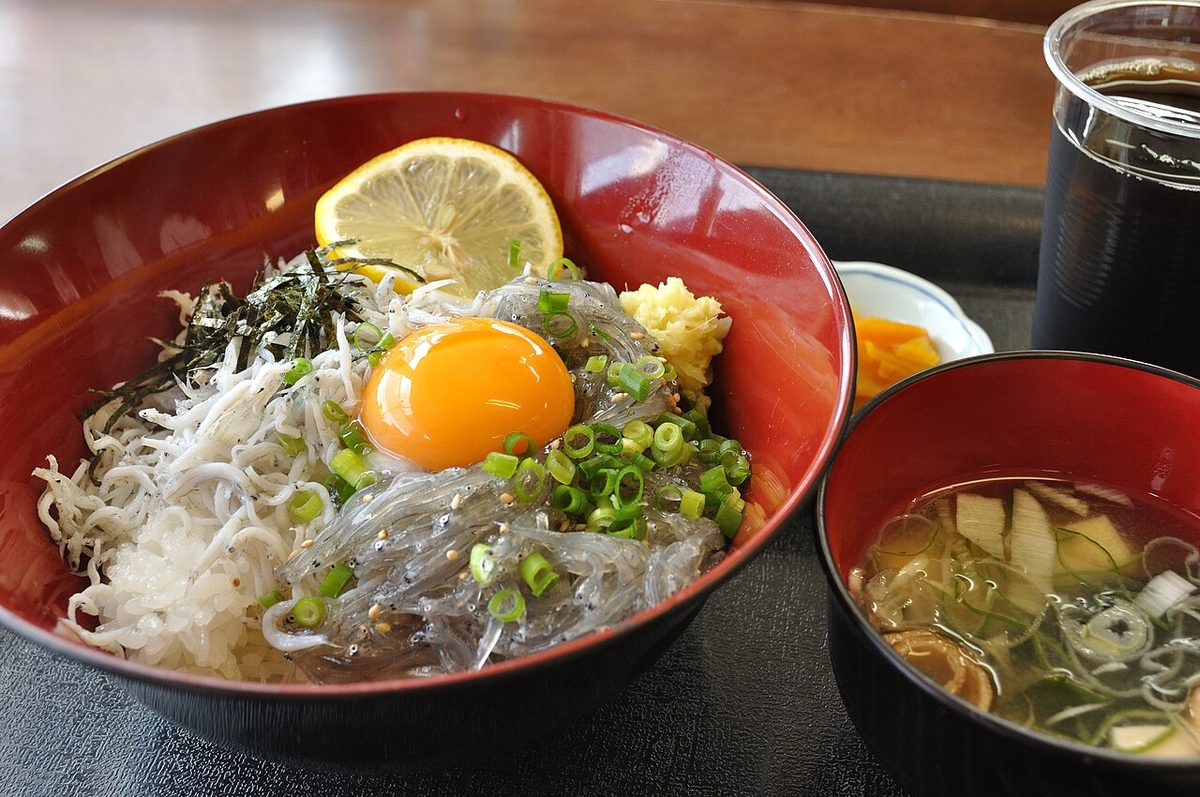
Photo: Ocdp / CC0 (Wikimedia Commons) Shirasu-don (whitebait rice bowl)
しらす丼
A rice bowl topped with tiny whitebait caught in Sagami Bay off the Shonan coast, served lightly boiled (kama-age) or raw (nama-shirasu). Because raw whitebait loses freshness within hours of landing, fishing ports like Koshigoe and diners across Kamakura are its natural home.
Eaten at lunch as a two-colour bowl (nishoku-don) of raw and boiled whitebait with grated ginger, green onions, and soy sauce.(Mar–Dec)
Where to eat it
- Kawahirako ↓
- Kamakura AkimotoWebsiteMap
- Shirasuya Koshigoe Fishing PortWebsiteMap
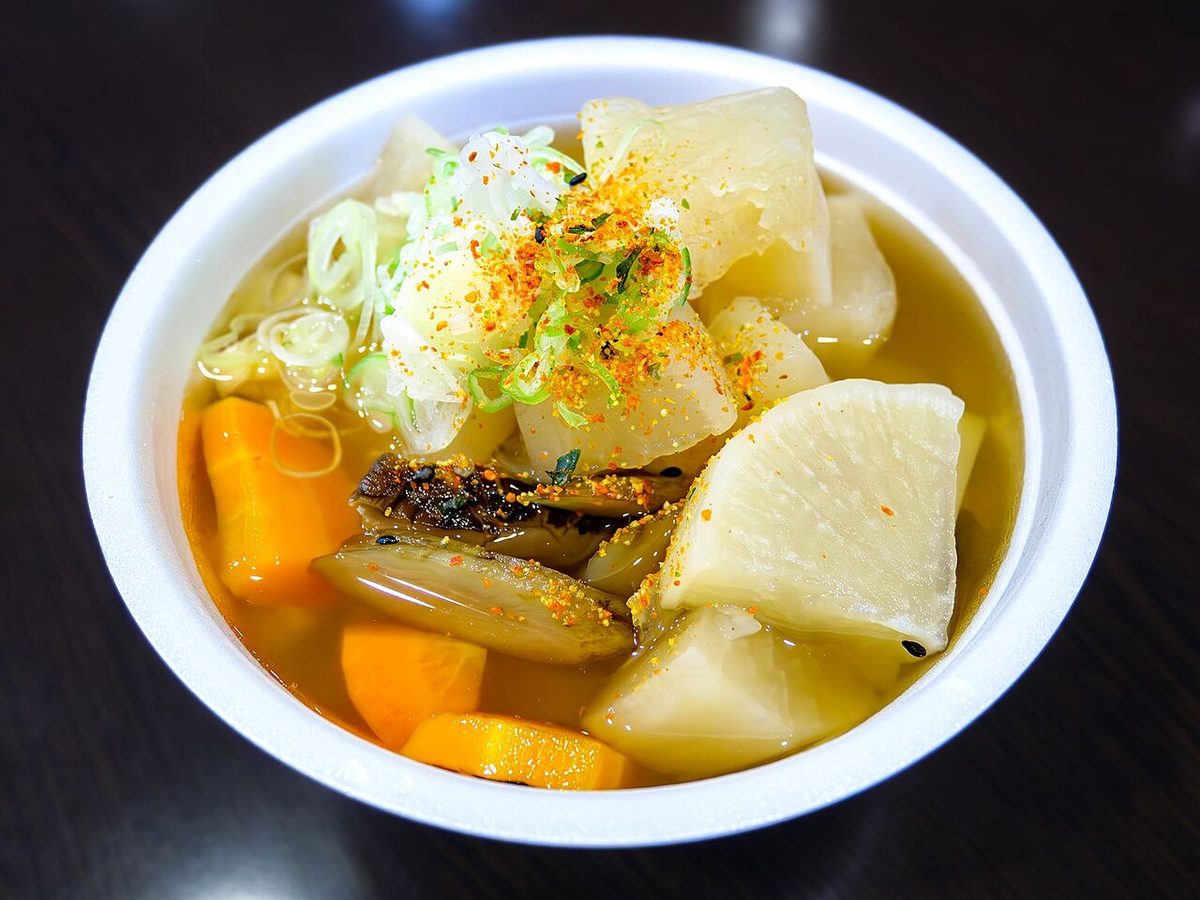
Photo: くろふね / CC BY 4.0 (Wikimedia Commons) Kenchinjiru (Kamakura Zen vegetable soup)
けんちん汁
A clear soy-seasoned soup of root vegetables, konnyaku, and hand-torn tofu stir-fried in sesame oil before simmering in kombu and shiitake broth. Said to have originated as 'Kencho-ji-jiru' at Kencho-ji Temple in Kita-Kamakura, it reflects Zen Buddhist shojin ryori cooking without meat or fish.
Eaten warm during temple walks around Kita-Kamakura with rice balls or over soba and udon noodles.
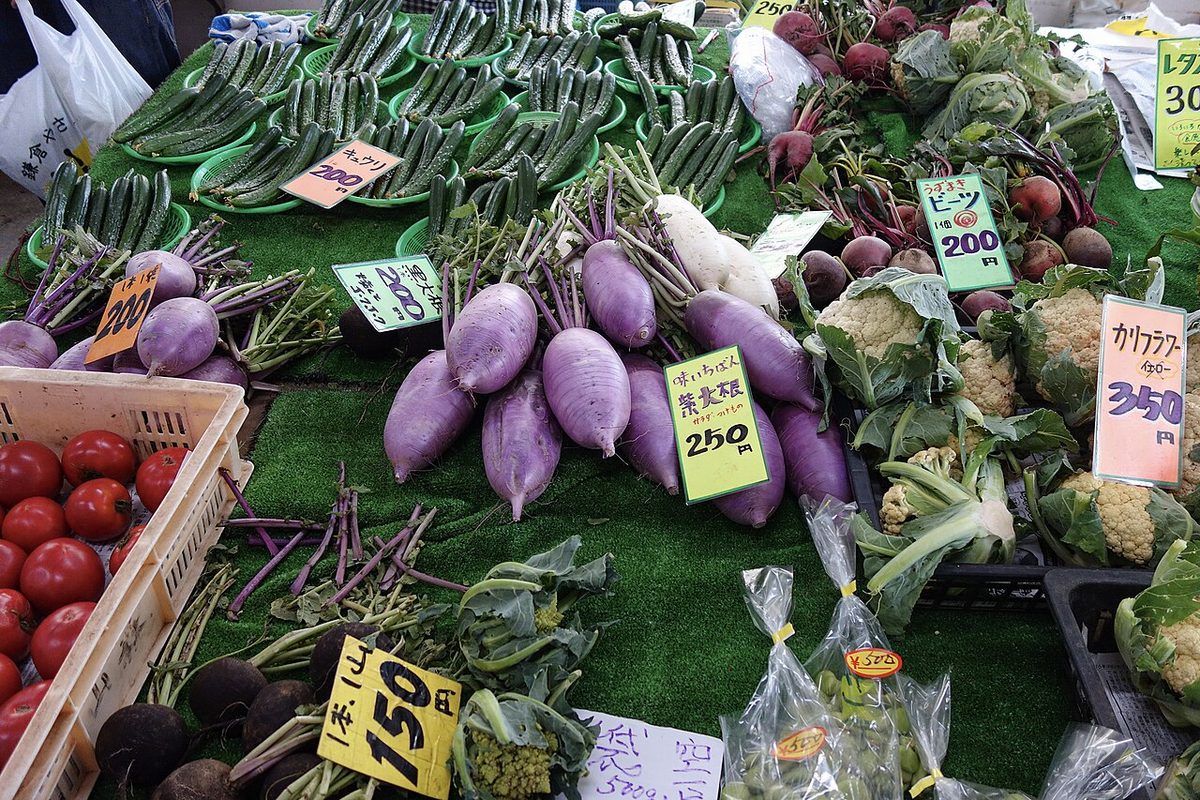
Photo: KQuhen / CC BY-SA 4.0 (Wikimedia Commons) Kamakura-yasai (Kamakura heirloom vegetables)
鎌倉野菜
Seasonal Japanese and European heirloom vegetables grown in small batches on farms around Kamakura. Sold directly by growers at the Kamakura City Farmers Market along Wakamiya Oji, they supply the city's washoku diners, tempura shops, and set-meal kitchens.
Eaten at lunch in seasonal set meals, tempura rice bowls, or lightly fried with salt.
Where to eat it
- Hachinoki Shinkan ↓
- Kamakura SunsoWebsiteMap
- Kamakura AkimotoWebsiteMap
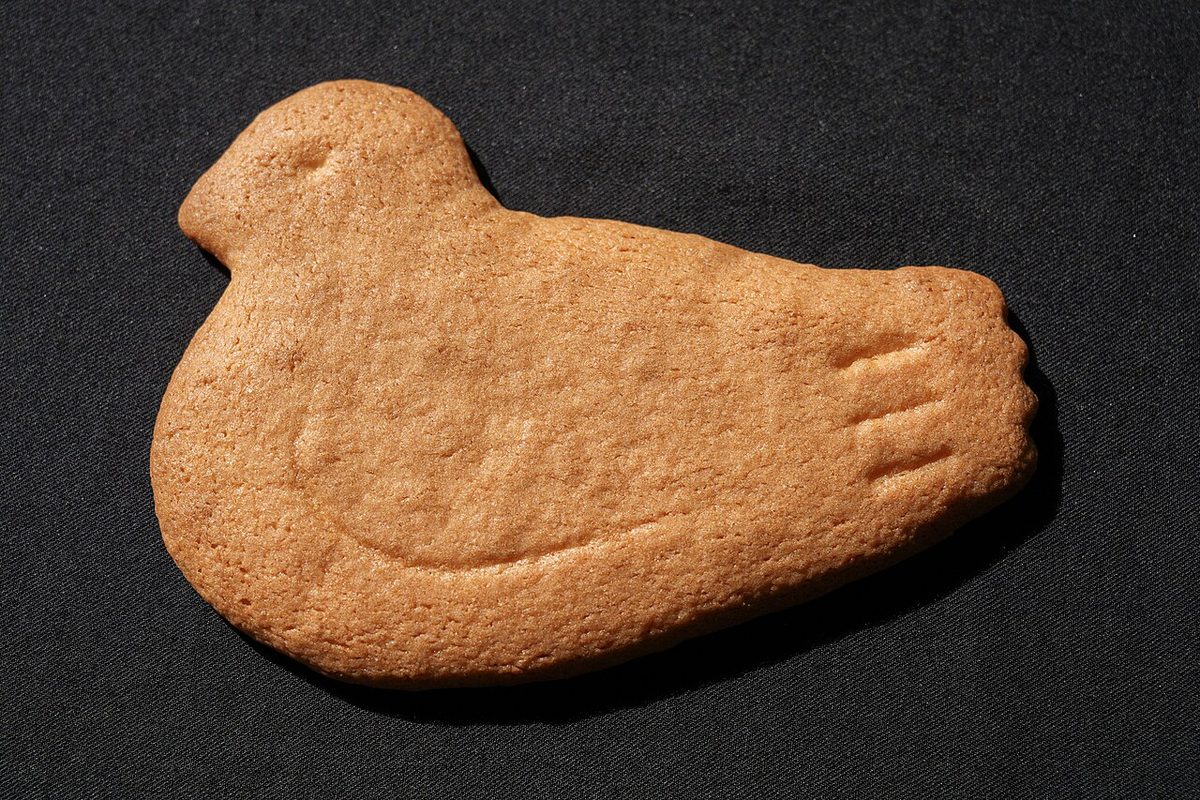
Photo: KQuhen / CC BY-SA 4.0 (Wikimedia Commons) Hato Sabure (dove-shaped butter cookie)
鳩サブレー
A crisp butter shortbread biscuit shaped like a dove. Created around 1897 by Kamakura confectioner Toshimaya, its shape draws on the doves at Tsurugaoka Hachimangu Shrine.
Bought in bags or tins at the Wakamiya Oji main store as a snack or Kamakura souvenir.
Where Rin would go, on the map — or build your own route
Tap a mark to see the place; squares are museums and sights (landmarks). Use “Build your own route” to make a walk of your own.
Loading the map
Map data © OpenStreetMap contributors
Where Rin would go
Made in Kamakura: Kamakura-bori Lacquerware2
All kamakura-bori lacquerware →1 / 3
Made in Kamakura
Kamakura-bori began in the Kamakura period when Buddhist sculptors carved patterns into wood and layered them with natural lacquer, inspired by carved lacquerware brought from Song China with Zen Buddhism. It is a nationally designated traditional craft; katsura wood is commonly used for the base, and its sheen deepens as it is used.
Komachi / Wakamiya Oji
Kamakurabori Kaikan (Shop Guri & Cafe Guri)
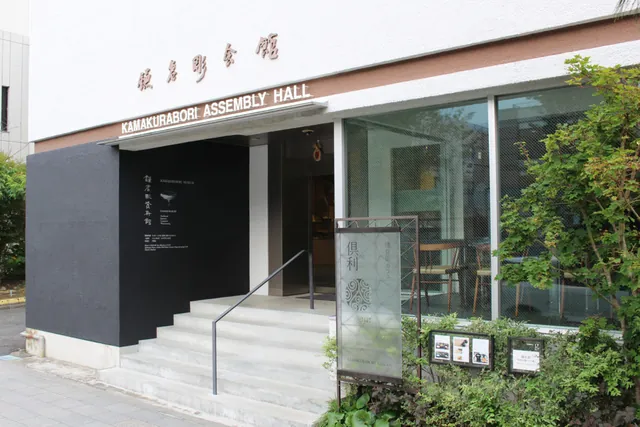
Photo: the shop’s official page 鎌倉彫会館(ショップ倶利・カフェ倶利)
The hall of the Kamakura-bori Cooperative. The ground-floor shop sells Kamakura-bori vessels and the café next door serves meals and sweets on them. Shop 9:30–17:00; café 11:00–17:00, closed Mondays (3F museum closed Mon–Tue).
Shop Guri 9:30–17:00, Cafe Guri 11:00–17:00 · Closed: Cafe Guri: Mondays (plus summer & New Year holidays); Shop Guri: summer & New Year holidays (Mondays also listed on /cafe/)
〒248-0006 神奈川県鎌倉市小町2-15-13
RinI want to see how Kamakura-bori feels in actual use on a meal tray.
Komachi / Wakamiya Oji
Kamakurabori Hakkodo
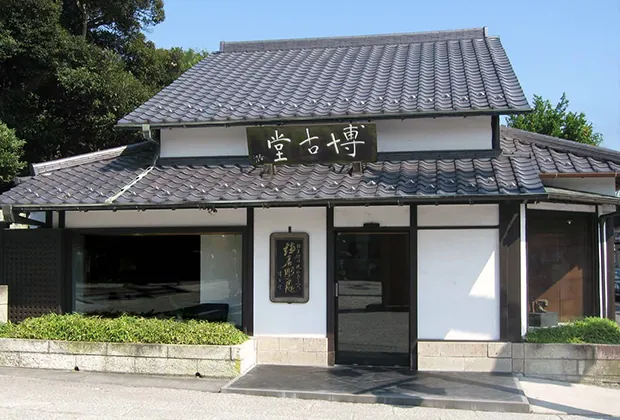
Photo: the shop’s official page 鎌倉彫 博古堂
A long-standing Kamakura-bori workshop and shop beside the third torii of Tsurugaoka Hachimangu, carried on by a family of Buddhist sculptors. They carve Hokkaido katsura wood and layer it with natural lacquer for trays, plates and small mirrors. Open 9:30–17:30 Nov–Feb (to 18:00 Mar–Oct), closed only over New Year.
Daily 9:30–17:30 (winter, Nov–Feb) · Closed: Open daily (closed New Year holidays)
〒248-0005 神奈川県鎌倉市雪ノ下2-1-28
RinI want to look closely at the shadow of the carving on a small hand mirror or saucer.
Made in Kamakura: Shonan Shirasu1
All shonan shirasu →1 / 2
Made in Kamakura
Shonan shirasu are young whitebait caught in Sagami Bay, served raw when fresh or simmered in salted water as fluffy kama-age shirasu. Fishing is closed every year from 1 January to 10 March to protect stocks, so shops serve boiled kama-age shirasu during that time.
Hase
Kawahirako
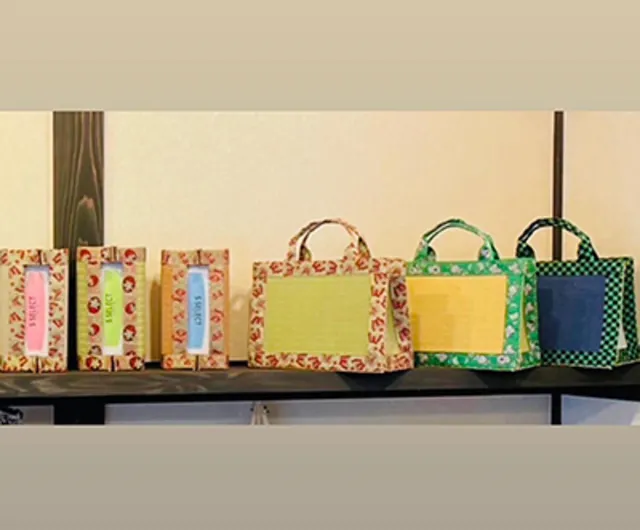
Photo: the shop’s official page かわひらこ
A shirasu-bowl diner opened in Hase in 2022, serving two-colour bowls of boiled kama-age and raw shirasu from Sagami Bay alongside marinated okizuke, akamoku seaweed and Sajima octopus.
Tue–Sun 11:00–16:00 · Closed: Mondays
〒248-0016 神奈川県鎌倉市長谷1-16-22
RinThe two-colour bowl, half boiled kama-age shirasu and half raw.
Craft3
All craft →1 / 3
Onari / Yuigahama
Natsutsubaki
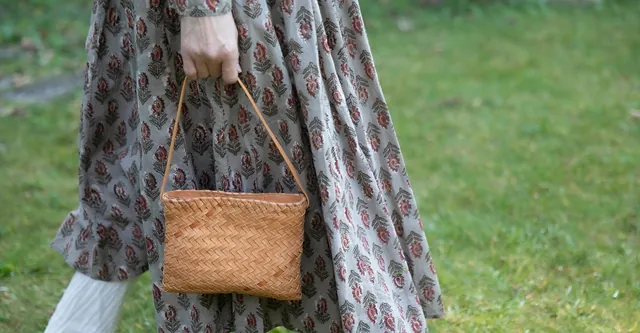
Photo: the shop’s official page 夏椿
A gallery and shop for vessels and everyday things in Sasuke, showing ceramics, woodwork, glass, cloth and bags by individual makers, with regular solo exhibitions. Open 11:00–17:00, closed Mondays and Tuesdays (open on public holidays, with substitute holidays).
Wed–Sun 11:00–17:00 · Closed: Mondays, Tuesdays (open on public holidays with substitute holiday)
〒248-0017 神奈川県鎌倉市佐助2-13-15
RinI want to pick up the makers' small bowls and plates and choose with my hands.
Hase
vuori
A shop in Hase with a café downstairs and a room upstairs for makers' vessels, glass, antiques and old books. Open 12:00–18:00 (upstairs until 17:30, no entry under age eight), irregular holidays.
1F Cafe 12:00–18:00 (L.O. 17:30), 2F Shop 12:00–17:30 · Closed: Irregular holidays
〒248-0016 神奈川県鎌倉市長谷1-15-1
RinLook at the vessels upstairs, then come down for a nel-drip coffee.
Onari / Yuigahama
Moyai Kogei
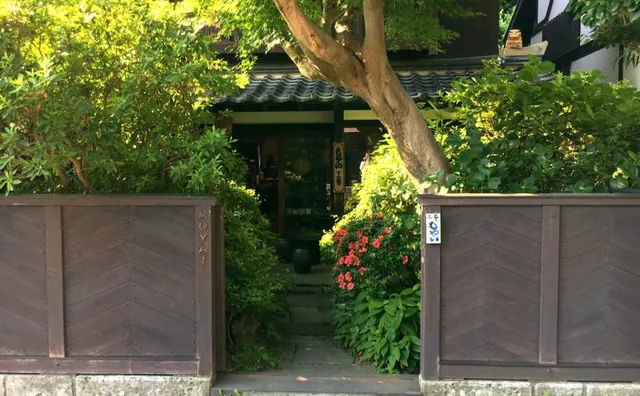
Photo: the shop’s official page もやい工藝
A mingei craft shop founded in 1972 past the tunnel in Sasuke, stocking pottery from Okinawa, Kyushu and Mashiko, blown glass, bamboo baskets and handwoven textiles. Open 10:00–17:00, closed Tuesdays (open on public holidays).
Wed–Mon 10:00–17:00 · Closed: Tuesdays (except public holidays)
〒248-0017 神奈川県鎌倉市佐助2-1-10
RinI want to pick an Onta-yaki bowl or a basket for everyday meals.
Sweets3
All sweets →1 / 3
Komachi / Wakamiya Oji
Romi-Unie Confiture
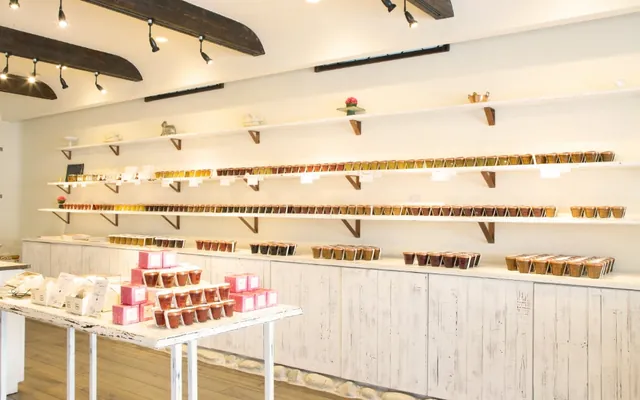
Photo: the shop’s official page A jam and pastry shop along Wakamiya Oji whose in-house atelier makes fruit confitures, butter sablés and scones daily. Open 10:00–18:00 (jar refills until 17:00), closed only over New Year.
Daily 10:00–18:00 (jam by weight until 17:00) · Closed: Open daily (except New Year holidays)
〒248-0006 神奈川県鎌倉市小町2-15-11
RinWatch the atelier through the small window and pick one jar of seasonal jam.
Onari / Yuigahama
GELATERIA SANTi
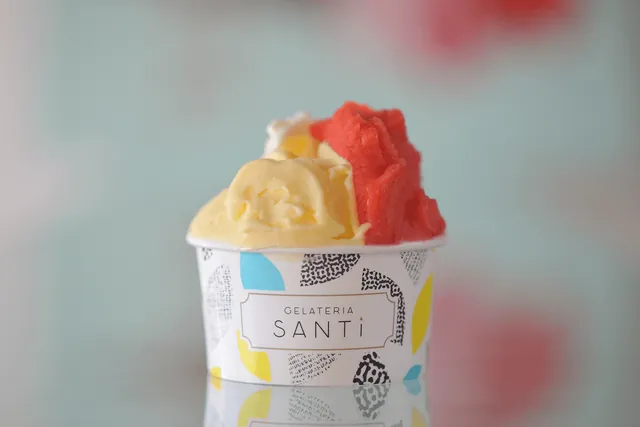
Photo: the shop’s official page A gelato shop in an alley off Onari-dori making flavours such as pistachio, rosemary honey, lemon cream and chocolate. From November to March open 12:00 to sunset, closed Mondays (Apr–Oct daily 11:00–18:00).
Tue–Sun 12:00–sunset (winter) · Closed: Mondays (winter)
〒248-0012 神奈川県鎌倉市御成町2-14
RinWinter afternoons run only until sunset; rosemary honey with pistachio.
Hase
Chikaramochiya
力餅家
A wagashi shop in Sakanoshita open for over three hundred years, selling additive-free handmade Gongoro Chikara-mochi (eaten the same day) and softer gyuhi-filled mochi. Open 9:00–18:00, closed Wednesdays and the third Tuesday.
9:00–18:00 · Closed: Wednesdays, 3rd Tuesday of the month
〒248-0016 神奈川県鎌倉市坂ノ下18-18
RinEat the same-day Gongoro Chikara-mochi near Goryo Shrine.
Food3
All food →1 / 3
Onari / Yuigahama
Kamakura Matsubara-an
鎌倉 松原庵 本店
A soba restaurant in an early-Showa wooden house in Yuigahama, serving daily hand-cut nihachi soba, local fish and vegetable dishes, and duck hotpot in winter. Open daily 11:00–21:30 (last order 20:30).
Daily 11:00–21:30 (L.O. 20:30) · Closed: Open daily
〒248-0014 神奈川県鎌倉市由比ガ浜4-10-3
RinIn the old house, small dishes first and then the hand-cut nihachi soba.
Kita-Kamakura
Hachinoki Shinkan
鉢の木 新館
A Japanese and kaiseki restaurant beside Tokei-ji and Jochi-ji in Kita-Kamakura, serving grilled-fish and seasonal set lunches with Sagami Bay seafood and Kamakura vegetables without a reservation. 11:30–13:30 LO and 17:00–20:00, closed Thursdays.
Fri–Wed 11:30–13:30 (L.O.), 17:00–20:00 (L.O. 18:00); 13:30–17:00 by enquiry · Closed: Thursdays (substitute holiday if public holiday)
〒247-0062 神奈川県鎌倉市山ノ内350
RinAfter walking the temples in Kita-Kamakura, order the grilled-fish lunch without booking.
Komachi / Wakamiya Oji
Dankazura Kosuzu
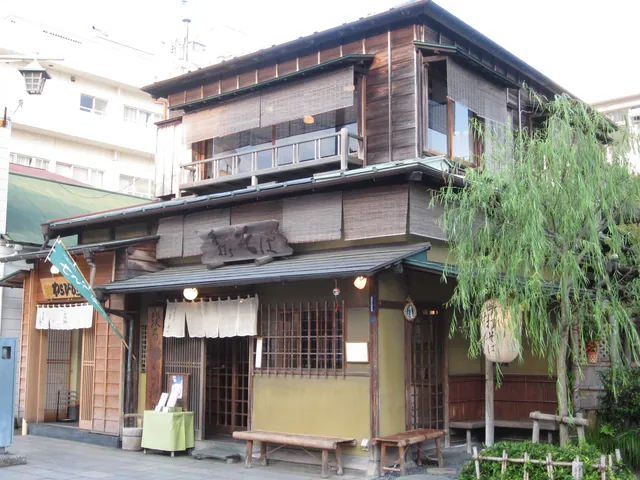
Photo: the shop’s official page 段葛 こ寿々
A hand-cut soba and warabimochi house in an early-Showa wooden townhouse facing Dankazura, cooking real bracken-starch warabimochi in copper pots with Hateruma brown-sugar syrup. Open 11:30–17:30 (LO 17:00), closed Mondays and Tuesdays.
Wed–Sun 11:30–17:30 (L.O. 17:00) · Closed: Mondays, Tuesdays (next day if public holiday)
〒248-0006 神奈川県鎌倉市小町2-13-4
RinAfter the soba, stay for the copper-pot warabimochi.
Cafés3
All cafés →1 / 3
Komachi / Wakamiya Oji
cafe vivement dimanche
カフェ・ヴィヴモン・ディモンシュ
A roaster-café off Komachi-dori serving house-roasted blends and Central American coffees alongside parfaits and light meals. Open 11:00–18:00 (last order 17:30), closed Wednesdays and Thursdays.
〒248-0006 神奈川県鎌倉市小町2-1-5 桜井ビル1F
RinDrink a cup first, and if it suits me, take a bag of their blend home.
Onari / Yuigahama
CHABAKKA TEA PARKS Kamakura
CHABAKKA TEA PARKS 鎌倉店
A single-origin Japanese tea stand in Onarimachi brewing each cup to order by hand-drip, press, or nitrogen-infused cold draft tap. Open 11:00–18:00, closed Wednesdays.
11:00–18:00
〒248-0012 神奈川県鎌倉市御成町11-10
RinEither the foamy cold-brew draft sencha or a hand-dripped green tea.
Onari / Yuigahama
THE GOOD GOODIES
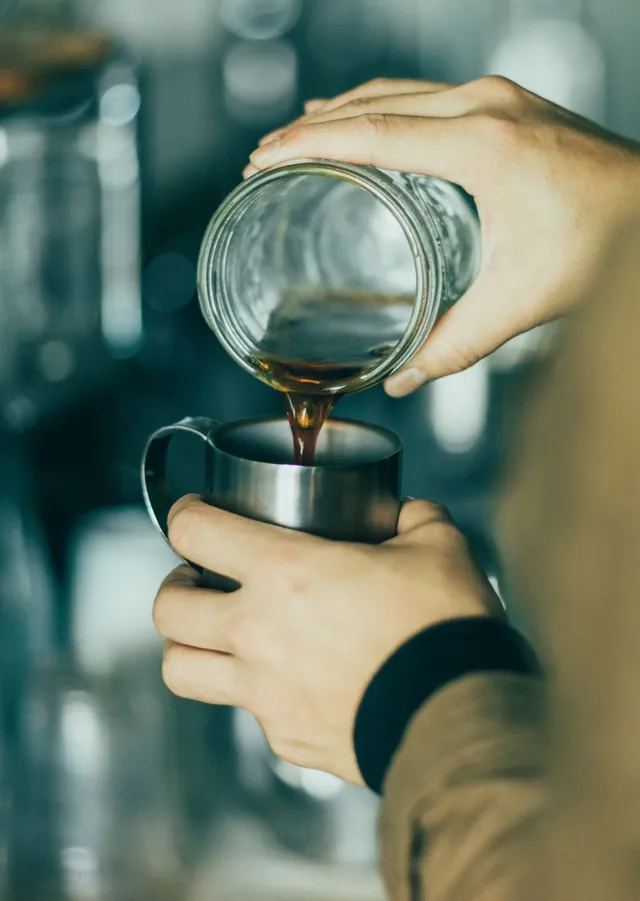
Photo: the shop’s official page A small roaster and coffee stand on Onari-dori open from 8:00, serving brewed coffee alongside house-roasted blends, single-origin beans and drip bags. Open until 18:00, closed Wednesdays.
Thu–Tue 8:00–18:00 · Closed: Wednesdays
〒248-0012 神奈川県鎌倉市御成町10-1
RinOpen from eight, so a cup before walking and a bag of beans for later.
Rin is a fictional traveller. Every place here was checked by the editors to exist and be open (checked 2026-11-16). Please confirm hours on the official site before you go. Paid listings are always marked. If you are the shop and would like a photo removed, write to editor@vual.jp and we will take it down at once.
To see — art and sights (landmarks)
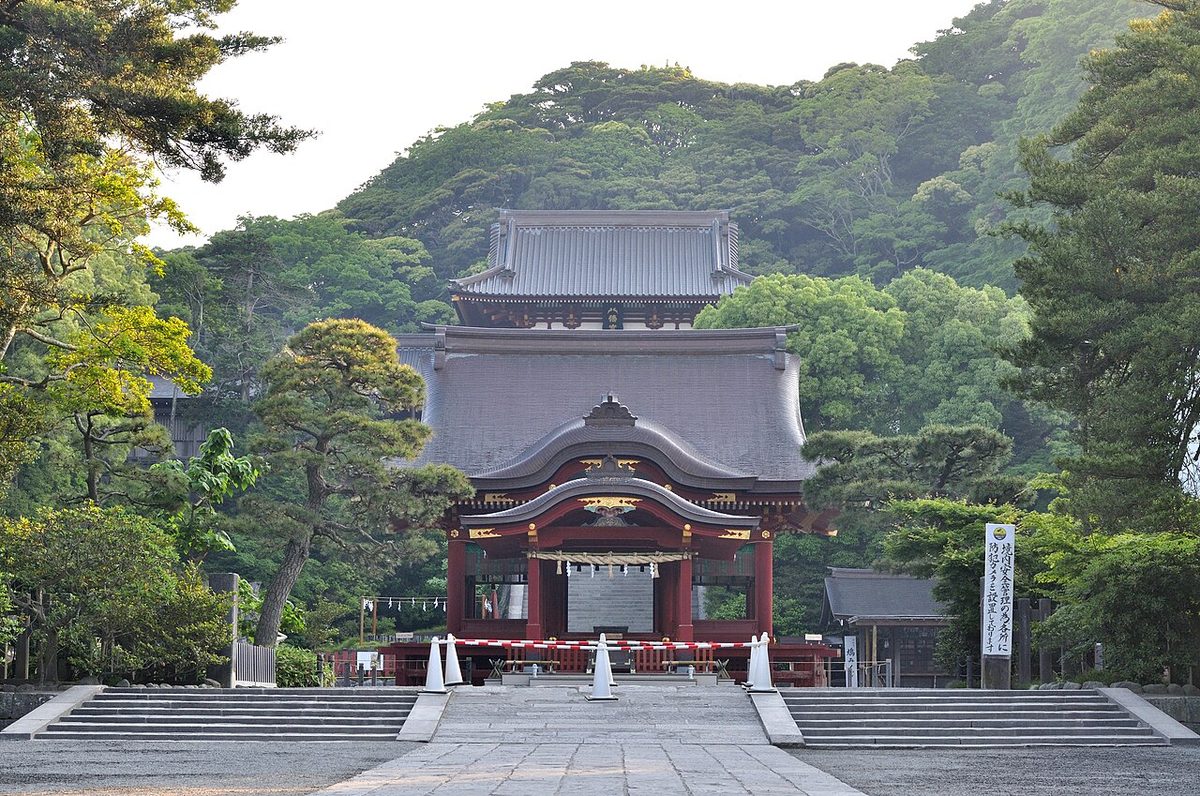
Photo: Ocdp / CC0 (Wikimedia Commons) Sights · Komachi / Wakamiya Oji
Tsurugaoka Hachimangu
Kamakura's central shrine, first enshrined near Yuigahama in 1063 and moved here by Minamoto no Yoritomo in 1180. The raised Dankazura approach along Wakamiya Oji leads to it; gates are open year-round from 6:00 to 20:00.
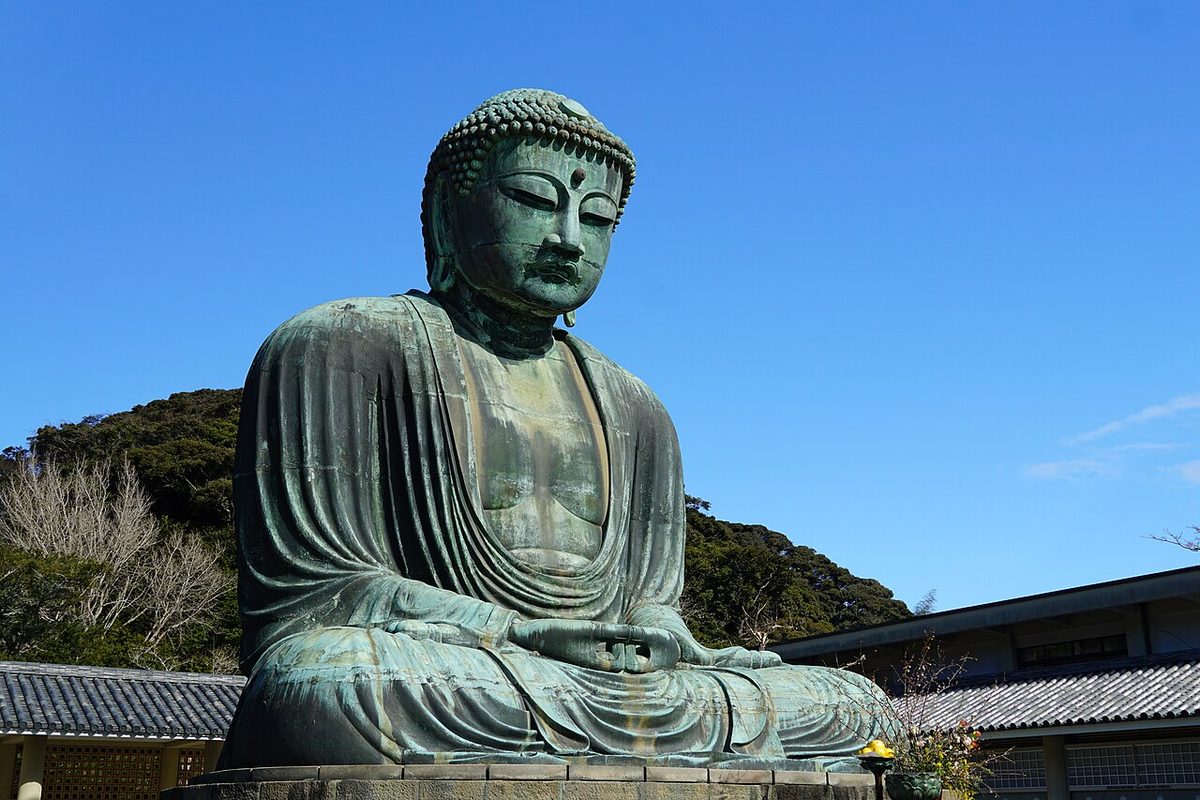
Photo: 663highland / CC BY-SA 4.0 (Wikimedia Commons) Sights · Hase
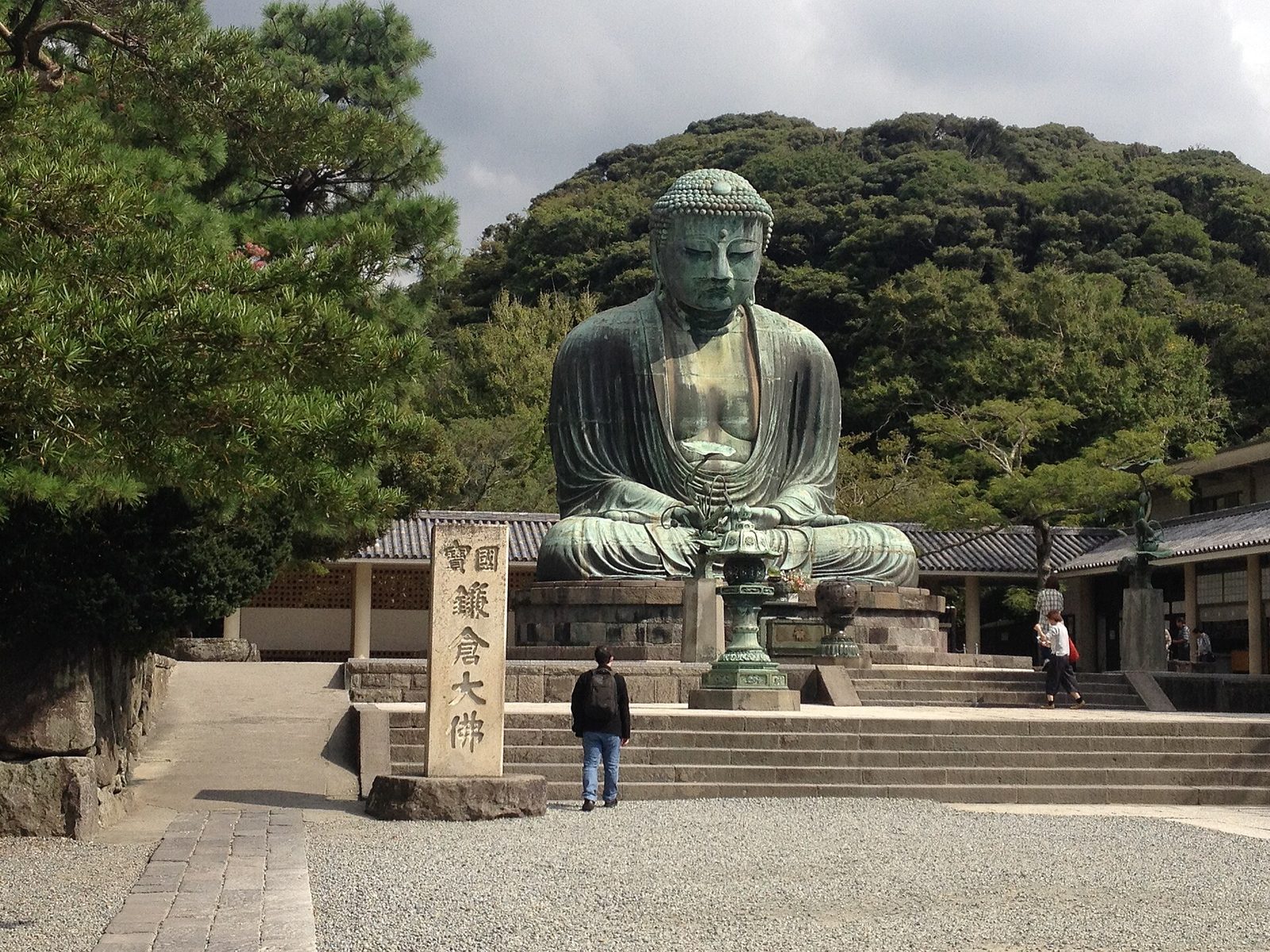
Kotoku-in (Great Buddha of Kamakura)
A temple in Hase housing the National Treasure bronze Amida Buddha cast from 1252, sitting in the open air after its wooden hall was lost to typhoons and a great earthquake. Open 8:00–17:00 Oct–Mar (to 17:30 Apr–Sep).
The Kangetsudo hall has been dismantled and transferred, and viewing of its Kannon statue is suspended until reconstruction (planned around 2027).
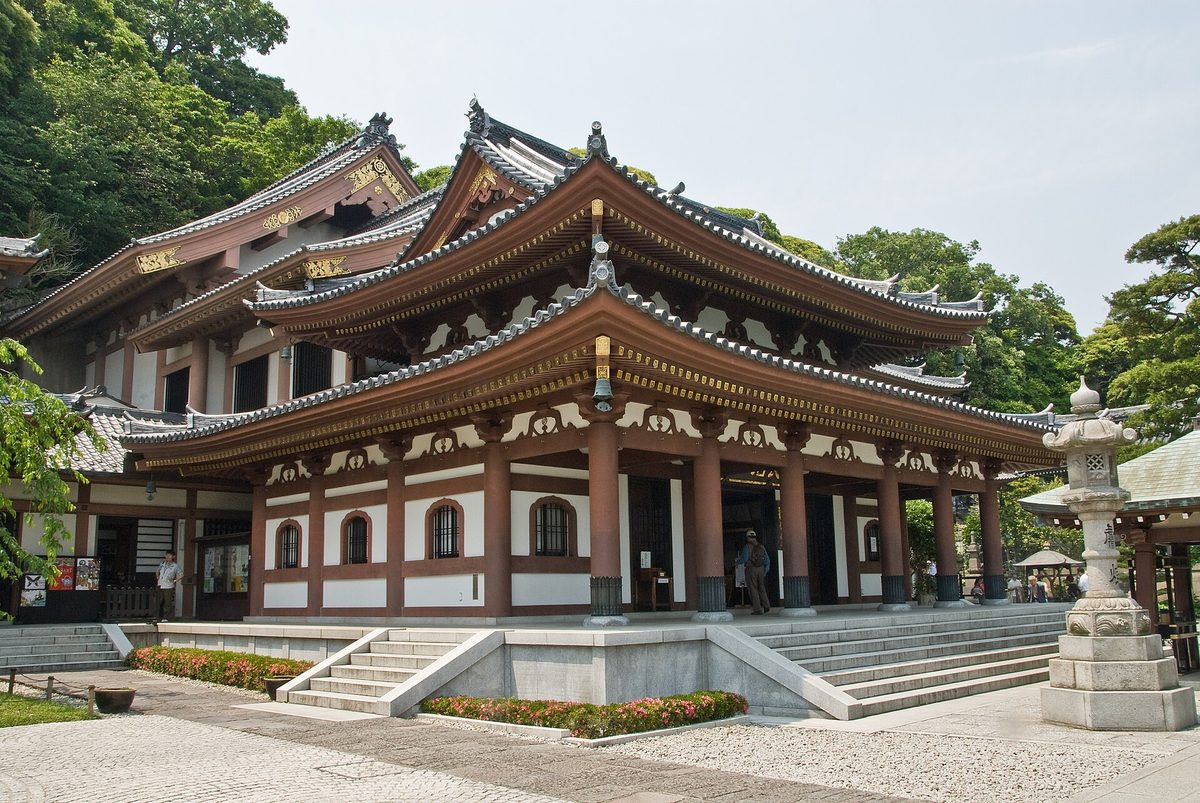
Photo: Urashimataro / Public domain (Wikimedia Commons) Sights · Hase
Hasedera Temple
A hillside temple in Hase said to date from 736, housing a 9.18-metre wooden Eleven-Headed Kannon statue and gardens looking out over Sagami Bay. Regular hours 8:00–16:30 entry (closes 17:00; 17:00/17:30 Apr–Jun).
Sights · Kita-Kamakura
Engaku-ji Temple
A head temple of the Rinzai Zen school founded in 1282 by Hojo Tokimune under the Chinese master Mugaku Sogen, its Sanmon gate, Buddha hall and abbot's quarters climbing a valley beside Kita-Kamakura Station. Open 8:30–16:00 Dec–Feb (to 16:30 Mar–Nov).
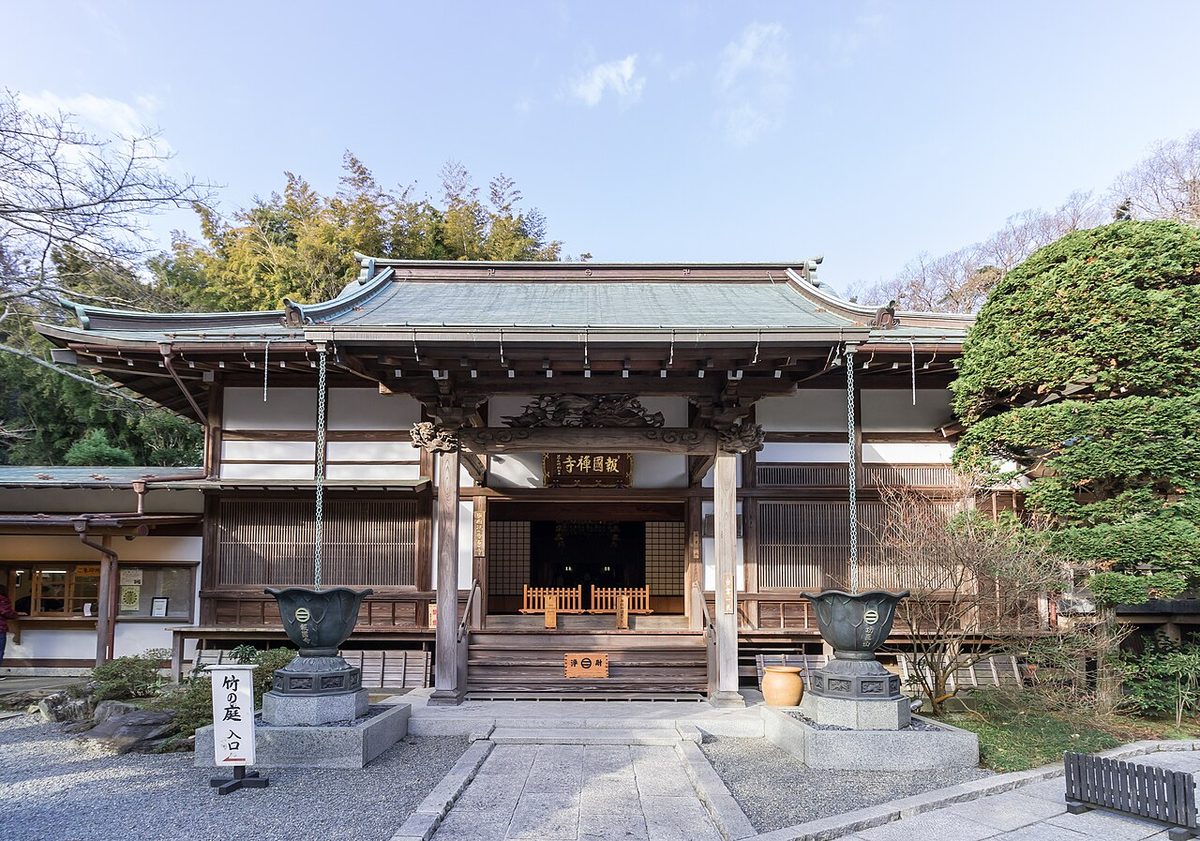
Photo: Kakidai / CC BY-SA 4.0 (Wikimedia Commons) Sights · Jomyoji
Hokoku-ji Temple
A Rinzai Zen temple in Jomyoji known for a bamboo garden of roughly two thousand stalks behind the main hall, alongside a dry-landscape garden and moss-lined paths. Open 9:00–16:00, closed Dec 29–Jan 3.
The Kyukoan matcha pavilion in the bamboo garden is scheduled to close for renovation from 18 January to mid-March 2027.
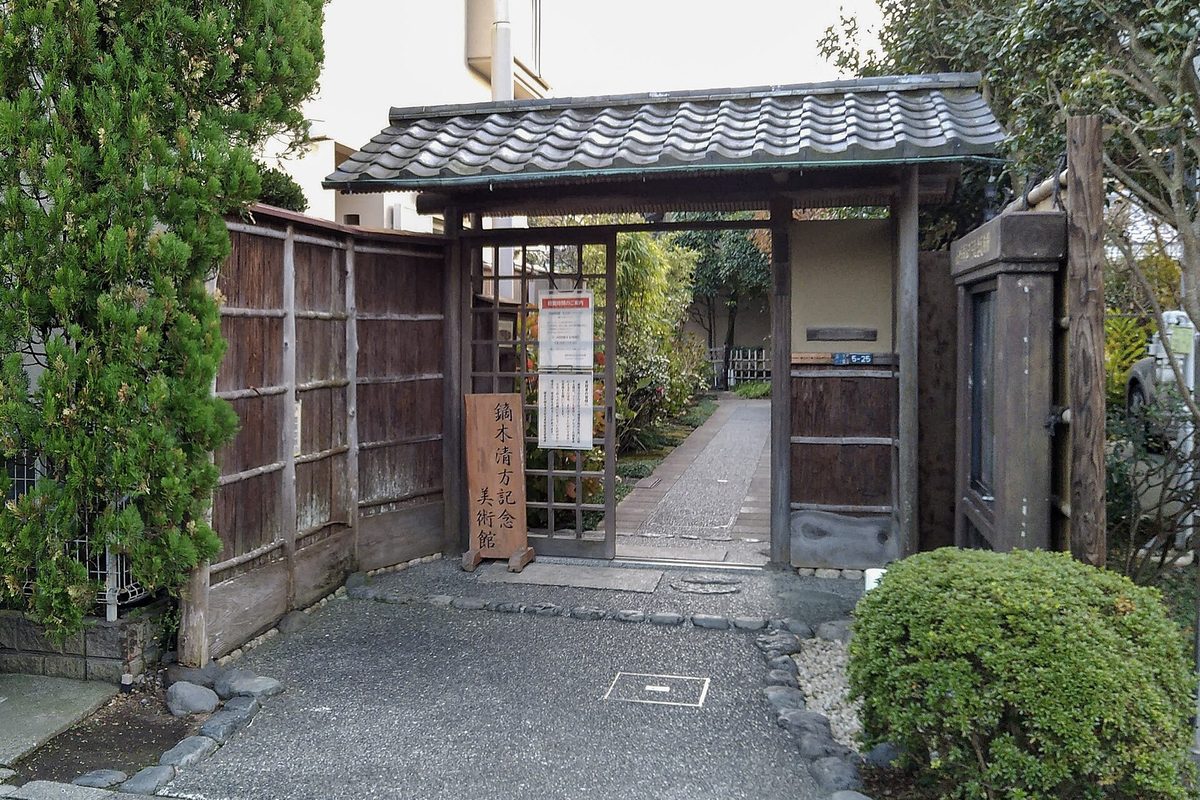
Photo: KQuhen / CC BY-SA 4.0 (Wikimedia Commons) Art · Komachi / Wakamiya Oji
Kamakura City Kaburaki Kiyokata Memorial Art Museum
A memorial museum on the Yukinoshita site where Nihonga painter Kaburaki Kiyokata lived from 1954 until his death, showing his paintings and materials in seasonal exhibitions. Open 9:00–17:00 (last entry 16:30), closed Mondays (or next weekday if a holiday), exhibition changeovers and Dec 29–Jan 3.
Closed 30 November–3 December 2026 for exhibition changeover ahead of the winter exhibition opening 4 December.
These are landmarks, not Rin's picks. Each was checked to be open on its official site (checked 2026-11-12). Please confirm hours before you go.
Day trips from Kamakura
Classics
- Tsurugaoka Hachimangu
A symbol of Kamakura that developed alongside the samurai society, its vast grounds serve as a spiritual center that reflects the history of the city. New Year's Day, cherry blossoms in April, and autumn foliage in November are particularly recommended.
- Kotoku-in (Kamakura Great Buddha)
A Jodo-shu temple known for the Great Buddha of Kamakura. Autumn and spring are very pleasant; early morning is the quietest.
- Hasedera
Famous for its flowers throughout the seasons, especially the hydrangeas during the rainy season. Early June is the best time for hydrangeas.
- Sankeien Gardenabout 15 km
A vast Japanese garden in Yokohama, featuring relocated historic buildings and offering scenic views throughout the seasons. Cherry blossoms in spring and autumn leaves in fall.
- Meiji Jinguabout 41 km
Meiji Jingu is a shrine dedicated to Emperor Meiji and Empress Shoken, and is known for attracting the largest number of New Year's shrine visitors in Japan. The best time to visit is early morning at opening for peace, or late May to mid-June to see the irises in the Inner Garden.
- Tokyo Towerabout 42 km
Built in 1958, this 333-meter iron tower is famous for its observatory, which offers panoramic views of Tokyo, and its beautiful nighttime illumination. Late afternoon for sunset; best to visit on a clear day.
- Tsukiji Outer Marketabout 43 km
Tsukiji Outer Market is a lively area where food professionals gather, known for its fresh seafood, ingredients, and souvenirs, making it a popular tourist destination. Go in the early morning for the best selection.
- Shinjuku Gyoen National Gardenabout 43 km
A vast garden built on the site of the Naito family's residence from the Edo period. Cherry blossoms in spring and autumn foliage.
Hidden spots
- Jogashima Island & Umanose Domon Sea Archabout 22 km
A coastal island at the southern tip of the Miura Peninsula featuring a natural wave-carved sea arch, two lighthouses, and dramatic sea cliffs. Clear winter mornings (Jan–Feb) offer crisp Pacific and Mt. Fuji views; wear sturdy shoes as the coastal path is rocky and walking atop the arch is prohibited.
- Soga Plum Groveabout 32 km
An agricultural orchard district in northern Odawara with around 35,000 white plum trees framing views of snow-capped Mt. Fuji. Peak bloom is mid-February to early March; morning light gives the clearest Mt. Fuji views.
Distances are straight-line from the town centre. Each page has how to get there and a suggested day.