34.5° N
Ise
Mie, Japan
A shrine town built around the Outer and Inner Shrines of Ise Jingu. Ise washi, hinoki shrine woodwork, tamari soy sauce and Futami pearls, alongside Ise udon, sweets and coffee from Geku to Naiku, Kawasaki and Futami, as Rin's picks.
Ise, on film
4 sights and 18 places, each checked open in 2026, in 38 seconds.
Found somewhere you like? The map and the list below have the address, hours and official site.
Tap for sound
What to eat in Ise
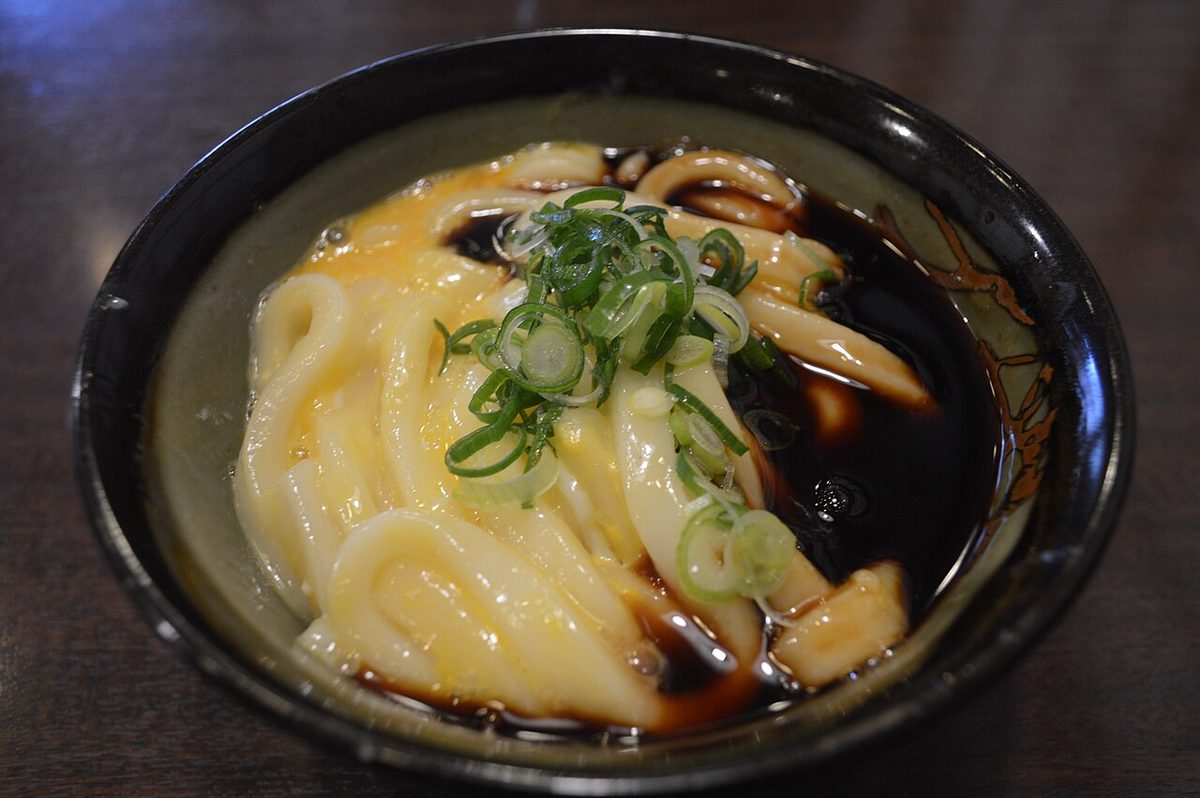
Photo: Asturio Cantabrio / CC BY-SA 4.0 (Wikimedia Commons) Ise udon (thick soft noodles in dark tamari sauce)
伊勢うどん
Ise udon pairs extra-thick, long-boiled wheat noodles with a small pour of dark, slightly sweet sauce made from tamari soy sauce and dashi instead of soup broth. It developed in Edo-period Ise to serve tired Ise Jingu pilgrims quickly with a meal gentle on the stomach, drawing on Mie wheat and local miso-byproduct tamari.
Topped simply with chopped green onions or a raw egg, and mixed thoroughly from the bottom to coat the noodles in the dark sauce.
Where to eat it
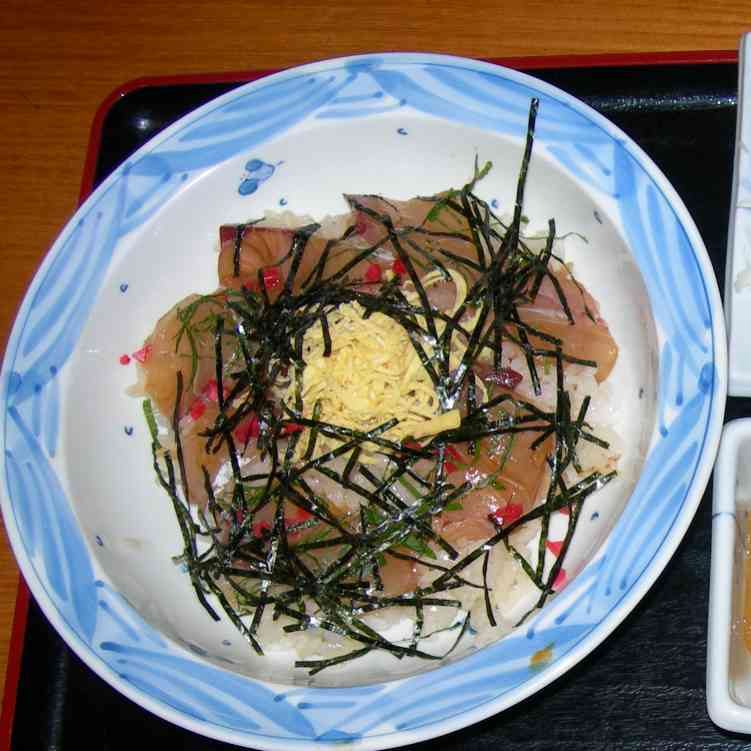
Photo: No machine-readable author provided. N yotarou assumed (base / CC BY 2.5 (Wikimedia Commons) Tekonezushi (marinated bonito over vinegared rice)
手こね寿司
Tekonezushi consists of slices of bonito or tuna marinated in a sweet-savory soy sauce mixture and laid over vinegared rice with shiso, ginger, and nori. It originated as a boat meal among Ise-Shima bonito fishermen, who sliced their fresh catch, soaked it in soy sauce, and mixed it into rice by hand.
Eaten garnished with shiso, pickled ginger, and shredded nori, often paired in a set meal with Ise udon or miso soup.
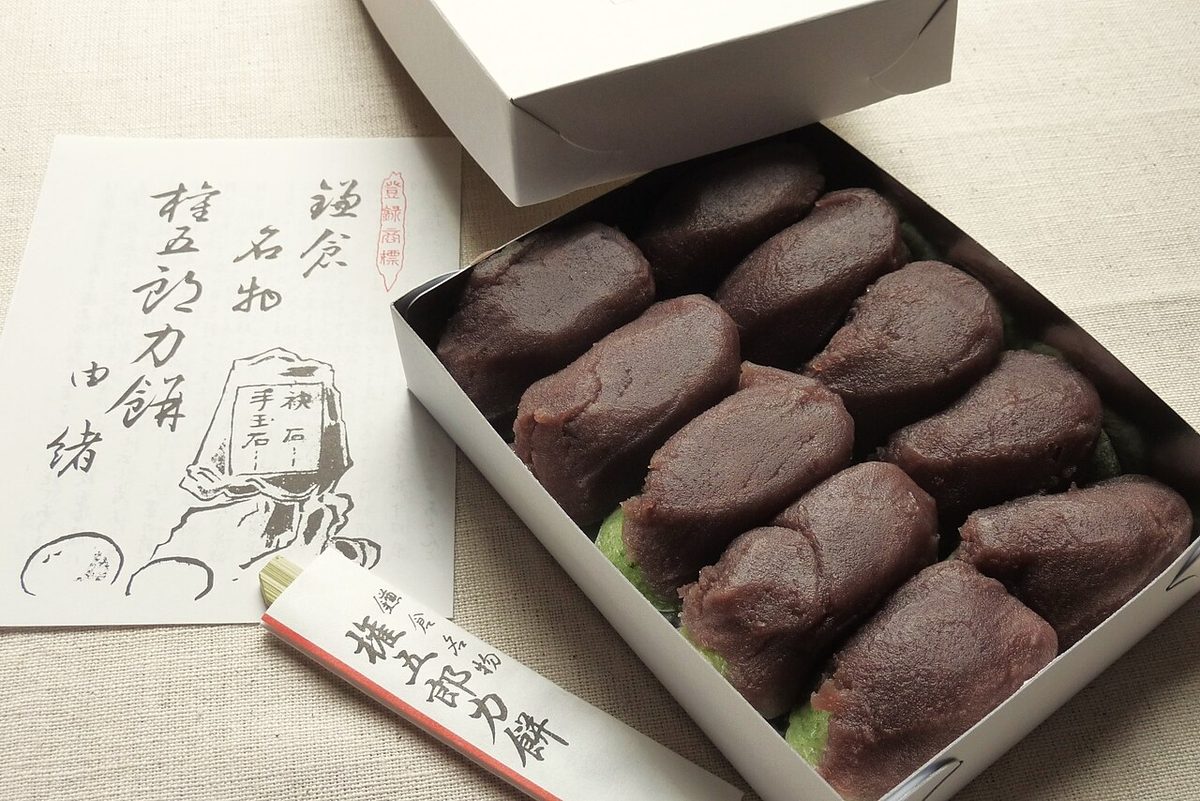
Photo: Quercus acuta / CC BY-SA 4.0 (Wikimedia Commons) Ankoromochi (red-bean-coated mochi)
あんころ餅
Ise's ankoromochi consists of soft white mochi covered by hand in smooth sweet red bean paste shaped with three wave-like ridges. Teahouses along the pilgrimage roads served it to visitors during the Edo period, a tradition continued by Akafuku (1707) near Naiku and Ofukumochi Honke (1738) in Futamiura.
Served fresh in-house with chopsticks alongside a cup of hot roasted Ise tea or matcha.
Where to eat it
- Ofukumochi Honke ↓
- Akafuku HontenWebsiteMap
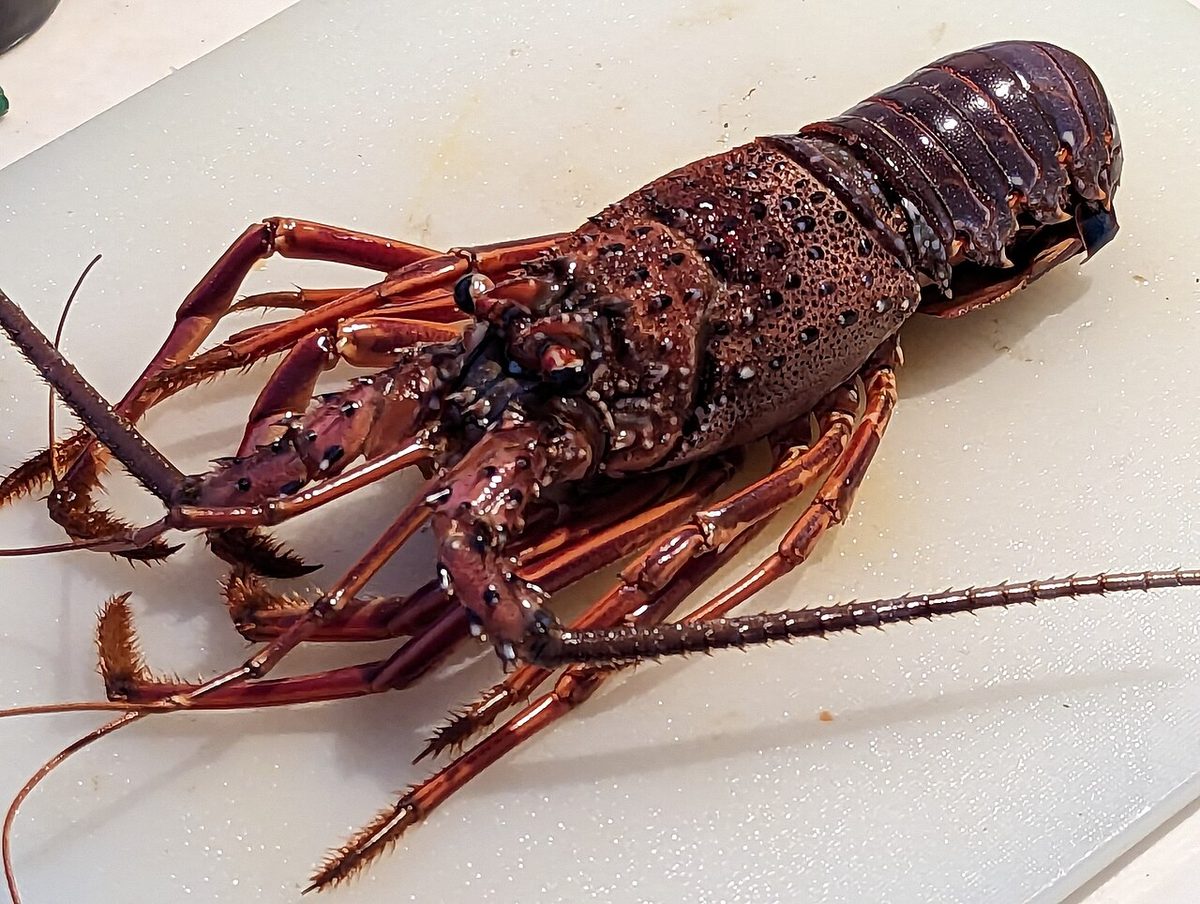
Photo: Syced / CC0 (Wikimedia Commons) Ise-ebi (Japanese spiny lobster)
伊勢海老
Ise-ebi is the Japanese spiny lobster caught along the rocky Ise-Shima coast, valued for its firm texture and sweet meat. Mie Prefecture closes the fishery from May through September for spawning and opens it in October, supplying Ise's Japanese dining rooms and French restaurants through winter.
Served as live sashimi, split and grilled in the shell, simmered in miso soup, or prepared in French courses from autumn to spring.(Oct–Apr)
Where to eat it
Where Rin would go, on the map — or build your own route
Tap a mark to see the place; squares are museums and sights (landmarks). Use “Build your own route” to make a walk of your own.
Loading the map
Map data © OpenStreetMap contributors
Where Rin would go
Made in Ise: Ise Washi Papermaking1
All ise washi papermaking →1 / 2
Made in Ise
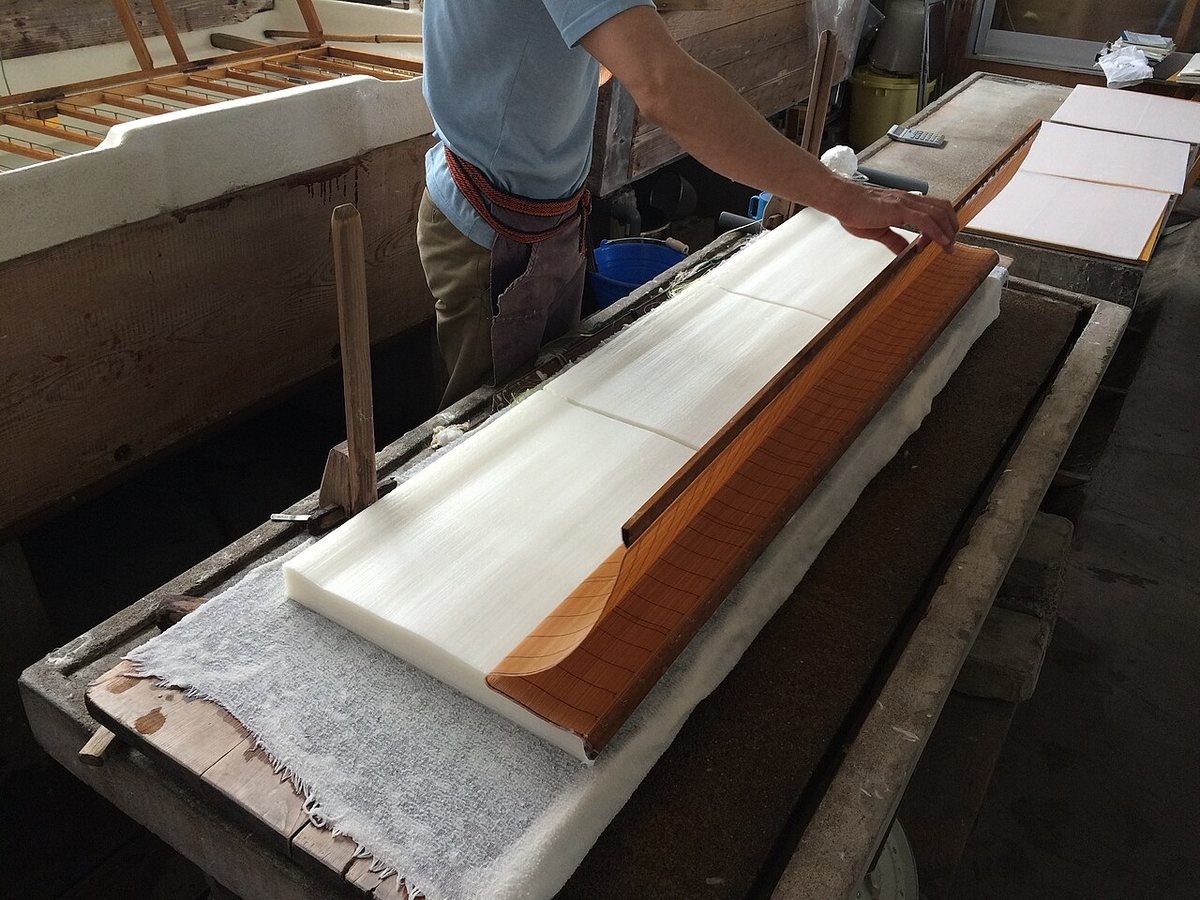
Ise washi began as ritual paper made for Ise Jingu talismans and ceremonies. Taiho Washi Kougyo, founded in 1899, still makes Jingu paper alongside handmade sheets and inkjet photo paper.
Stacking freshly made sheets of Ise washi paper on a worktable·Photo: Nakagita Yoshiaki / CC BY-SA 4.0 (Wikimedia Commons)
Geku
Ise Washikan
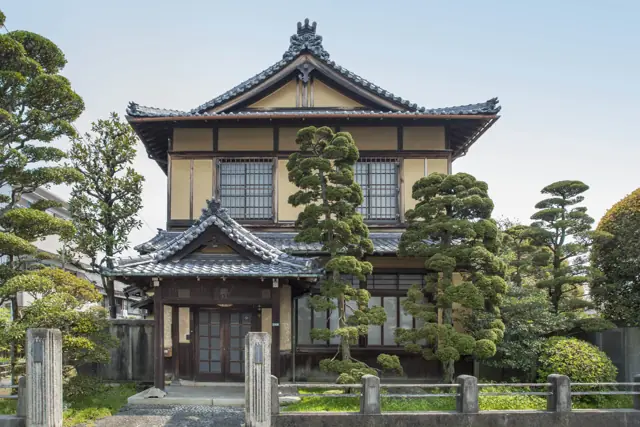
Photo: the shop’s official page 伊勢和紙館
The hall attached to Taiho Washi Kougyo, a papermaker since 1899. It sells ritual washi made for Ise Jingu alongside handmade sheets and inkjet photo paper, with a display of papermaking tools and a gallery.
7:55–16:30 · Closed: Saturdays, Sundays, some public holidays
伊勢市大世古1-10-30
RinI bought some handmade washi. The soft fibres felt good against my fingertips.
Made in Ise: Hinoki Shrine Carpentry & Woodcarving1
All hinoki shrine carpentry & woodcarving →1 / 2
Made in Ise
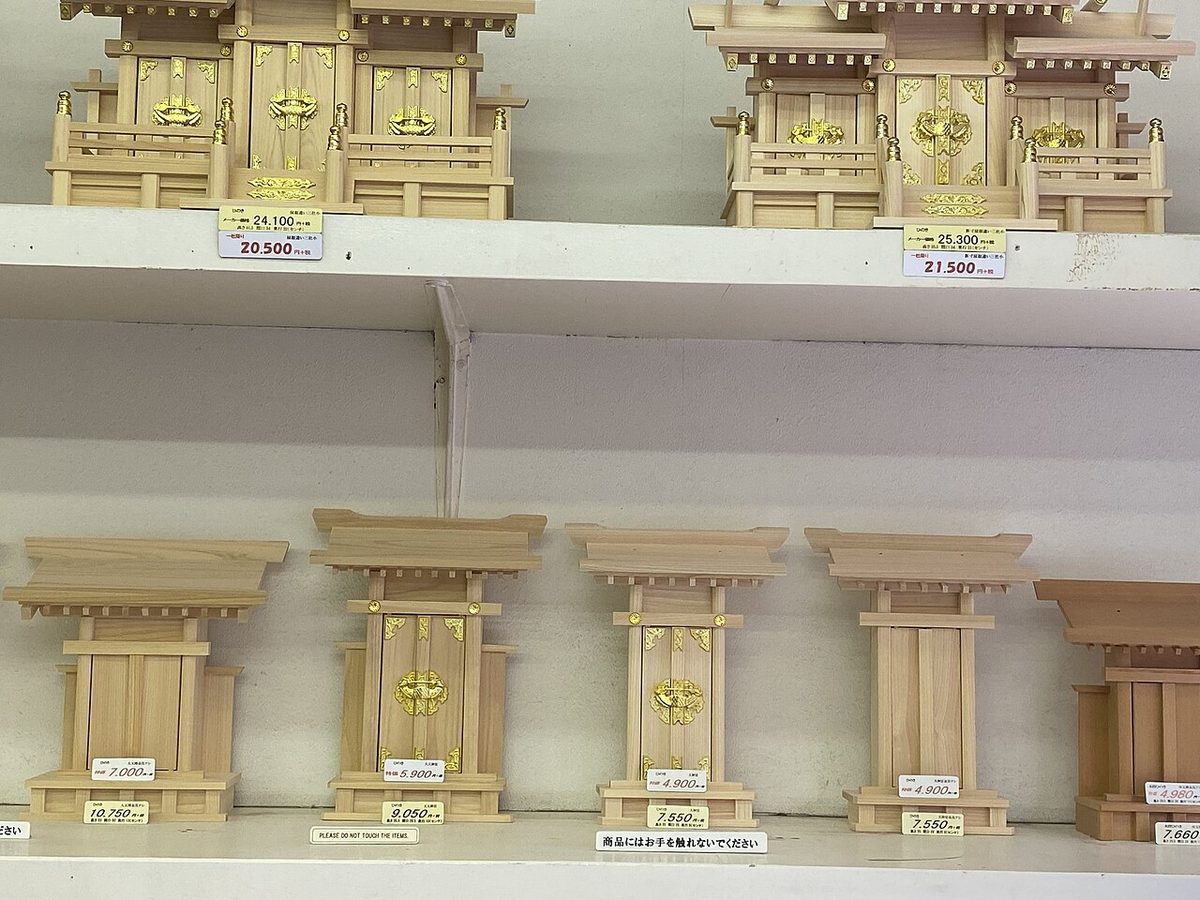
Sustained by the carpentry and timber culture around Ise Jingu, local workshops make unpainted cypress kamidana altars and ritual woodwork. Ise Miyachu, founded in 1938, builds thatched Kiso-hinoki shrines by hand.
Hinoki Shrine Carpentry & Woodcarving·Photo: Immanuelle / CC BY 4.0 (Wikimedia Commons)
Geku
Ise Miyachu
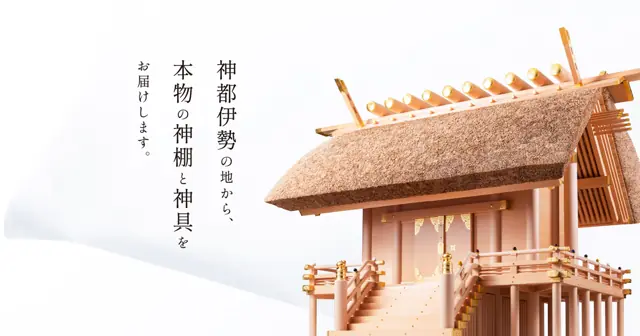
Photo: the shop’s official page 伊勢 宮忠
A maker and shop of household shrines and ritual ware founded in 1938, with its main store opposite Geku's Sengukan. Craftsmen hand-finish thatched Kiso-hinoki kamidana, unglazed earthenware and shimenawa.
Daily 9:00–17:00 · Closed: Open year-round
伊勢市岡本1-2-38
RinI looked at the Kiso hinoki shrines and earthenware. The unglazed clay was clean.
Made in Ise: Tamari Soy Sauce & Miso Brewing1
All tamari soy sauce & miso brewing →1 / 2
Made in Ise
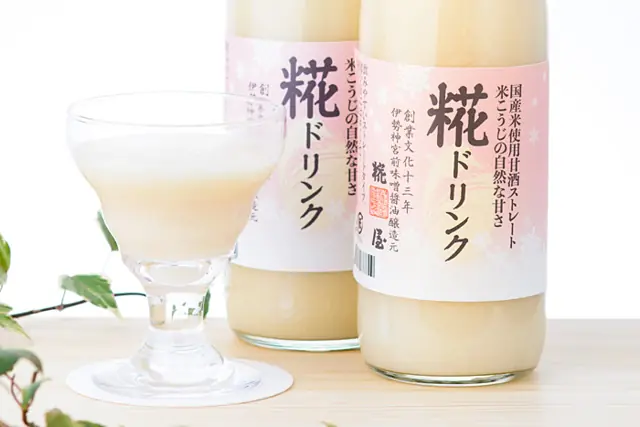
Local breweries mature dark tamari soy sauce, miso and rice koji, which also give Ise udon its thick dark sauce. Koujiya, founded in 1816 near Geku, still brews and sells tamari, miso and koji sweets.
Tamari Soy Sauce & Miso Brewing at Koujiya·Photo: Koujiya (official site)
Geku
Koujiya
Photo: the shop’s official page 糀屋
A soy sauce and miso brewery founded in 1816, with its shop in Miyajiri. Alongside tamari for Ise udon and miso, it sells rice koji and koji pudding.
9:00–17:00 · Closed: Sundays, public holidays, Year-end/New Yearchecked Nov 2026
伊勢市宮後1-10-39
RinI bought the koji pudding. Mildly sweet with a soft, creamy texture.
Made in Ise: Forged Cutlery & Artisan Guildwork1
All forged cutlery & artisan guildwork →1 / 2
Made in Ise
Forged kitchen blades and everyday tools have served cooks and shrine visitors along the Geku approach since the Meiji era. Ise Kikuichi, descended from a Meiji blade store, carries forged knives alongside local craft.
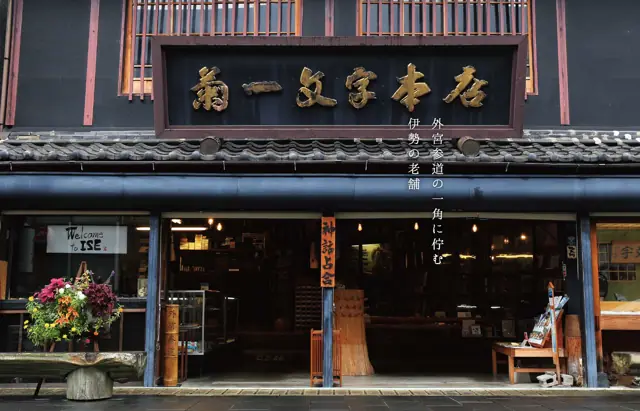
Traditional wooden shopfront of Ise Kikuichi cutlery shop·Photo: Ise Kikuichi (official site)
Geku
Ise Kikuichi
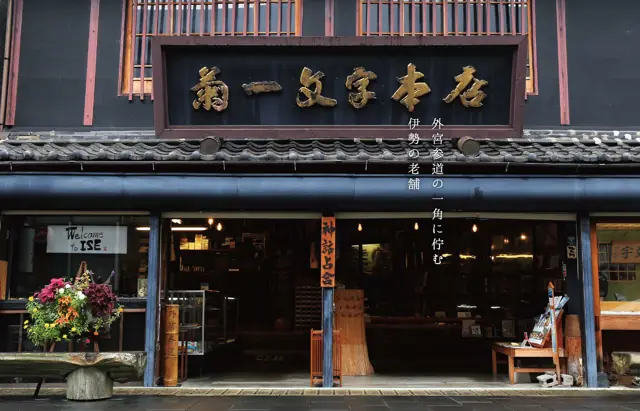
Photo: the shop’s official page 伊勢 菊一
A shop on Geku Sando descended from the Meiji-era Kikuichimonji Kanechika blade store. Alongside cutlery, it stocks work by local makers and shrine-town souvenirs. Closed Thursdays.
9:00–17:00 · Closed: Thursdayschecked Nov 2026
伊勢市本町18-18
RinI looked closely at the forged blades. The cool sheen of the steel stood out.
Craft3
All craft →1 / 3
Geku
Shirochidori
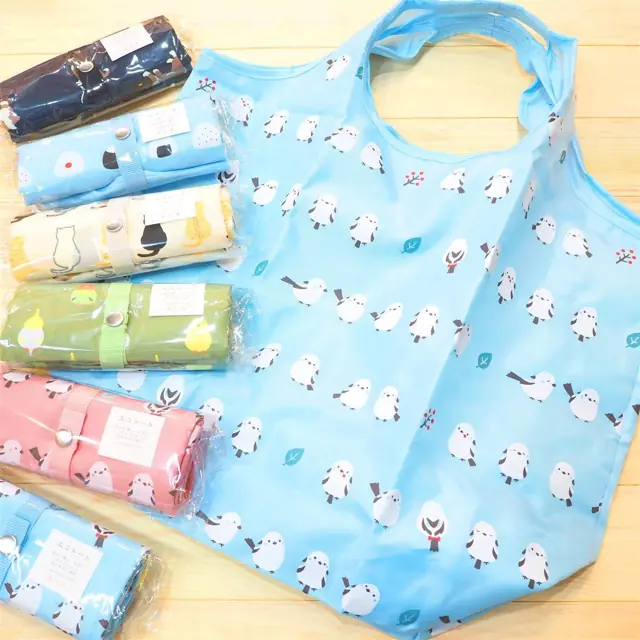
Photo: the shop’s official page しろちどり
A gallery and general goods shop opened near Geku in 2014. Alongside work by local and national makers, it carries Ise washi stationery and Ise-motif tenugui. Closed Thursdays.
10:30–17:00 (Tue & Sat until 18:00) · Closed: Thursdays
伊勢市吹上1-4-7 足立ビル1F
RinI picked out an Ise-motif tenugui and washi stationery. The patterns were crisp.
Naiku
Tanuki Danrantei
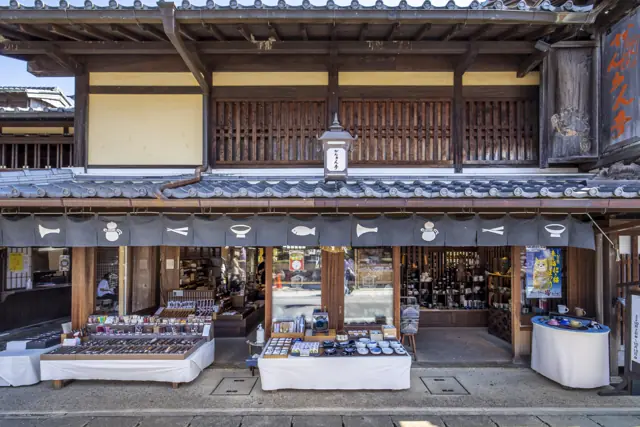
Photo: the shop’s official page 他抜きだんらん亭
A tableware shop in Okage Yokocho stocking ceramics, lacquerware and glass from Mie and kilns across Japan, with fifteen solo and themed shows a year.
9:30–17:00 (varies by season)
伊勢市宇治中之切町12
RinI compared the pottery and glass tableware, and bought a piece that fit my hand.
Geku
YAMADA

Photo: the shop’s official page A tableware and gift shop in Iwabuchi founded in 1912 as a maker and seller of Ise Shunkei lacquerware. Today it stocks Japanese and Nordic tableware alongside home goods.
10:00–19:00 · Closed: Tuesdays (except Taian lucky days)
伊勢市岩渕1-16-11
RinI compared the Japanese and Nordic tableware. Both had calm tones, and I picked one.
Sweets3
All sweets →1 / 3
Futami
Ofukumochi Honke
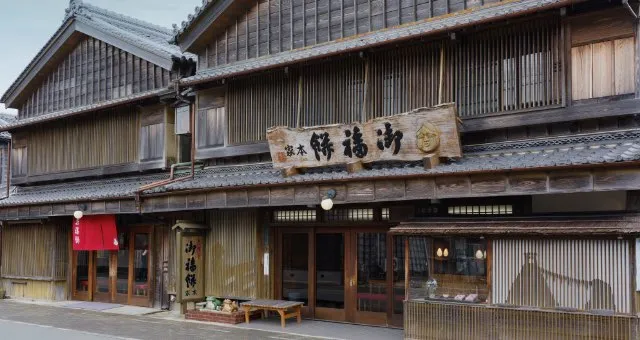
Photo: the shop’s official page 御福餅本家
An ankoromochi house in Futamiura with over 280 years of history. It shapes sweet bean paste onto mochi by hand, sells Ofuku Ice Mac bars, and has a tearoom.
Daily 9:00–17:00
伊勢市二見町茶屋197-1
RinI ate Ofukumochi in the tearoom. The bean paste was smooth and the mochi soft.
Naiku
Fujiya Sogetsudo
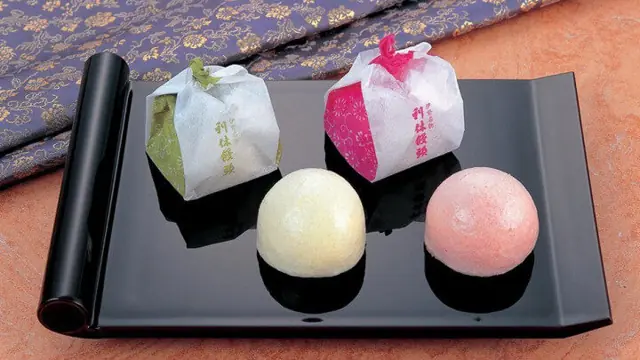
Photo: the shop’s official page 藤屋窓月堂
A wagashi house founded in 1868 with its main shop on Oharai-machi, making Tokowaka sweets, Rikyu manju and salted-bean daifuku.
Daily 8:30–17:00 · Closed: Open every day
伊勢市宇治中之切町46-1
RinI bought Rikyu manju and salted-bean daifuku. The salty beans balanced the sweet paste.
Geku
Patisserie La Riche-Terre
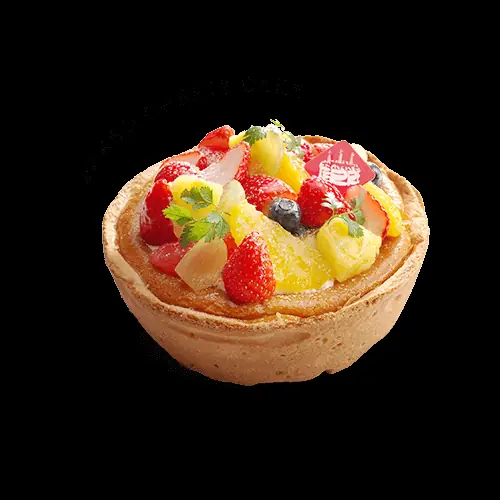
Photo: the shop’s official page パティスリー・ラ・リシュテール
A patisserie in Asahicho making cakes and baked sweets with local Ise ingredients and no unnecessary additives, including Ise rusks with Shima aosa seaweed.
10:00–19:00 · Closed: Tuesdays & twice a month (mainly Mondays)
伊勢市旭町193-1
RinI bought the aosa-seaweed Ise rusks. Crisp bite with a faint scent of the sea.
Food4
All food →1 / 4
Geku
Ise Udon Mameya
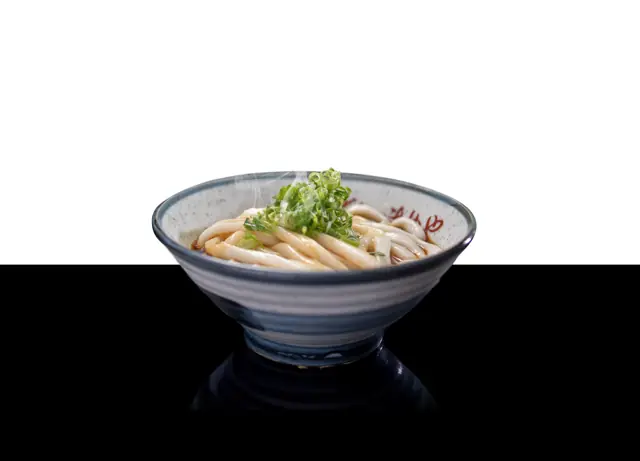
Photo: the shop’s official page 伊勢うどんのまめや
An Ise udon house since 1923. House-made noodles from Mie wheat are served with a dark sauce of bonito, mackerel scad and local tamari.
Weekdays 10:00–15:00 (last order 14:45) & 17:00–19:30 (last order 19:15), weekends & public holidays 10:00–19:30 (last order 19:15) · Closed: Tuesdays (following day if public holiday), 1 irregular Wednesday/month
伊勢市宮後2-19-11
RinI had the Ise udon. The soft house-made noodles coated in dark sauce tasted great.
Naiku
Tsukiyomi Shokudo
つきよみ食堂
A diner run by a husband and wife, known for hand-cut Ise udon and katsudon. They knead dough from 5 am and open for lunch from 11 am to 2 pm.
11:00–14:00 (last order 13:30) · Closed: Sundays, Mondays, Tuesdayschecked Nov 2026
伊勢市中村町831
RinI had the hand-cut Ise udon. The thick, chewy noodles had a great bite.
Geku
French Restaurant Bon Vivant
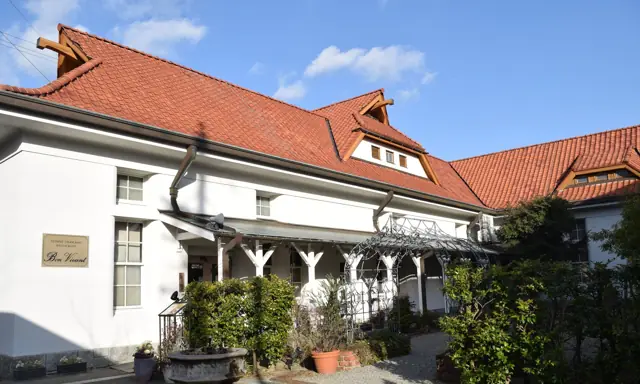
Photo: the shop’s official page フランス料理 ボンヴィヴァン
A French restaurant near Geku serving Ise-Shima seafood, Matsusaka beef and local vegetables on Iga and Banko ceramics.
12:00–15:00 (last order 13:00), 17:30–21:00 (last order 19:00) · Closed: Mondays, Tue & Sun dinner (following day if public holiday)
伊勢市本町20-24
RinI had the Ise-Shima seafood. The textures of the Iga and Banko plates stood out too.
Naiku
Campagne
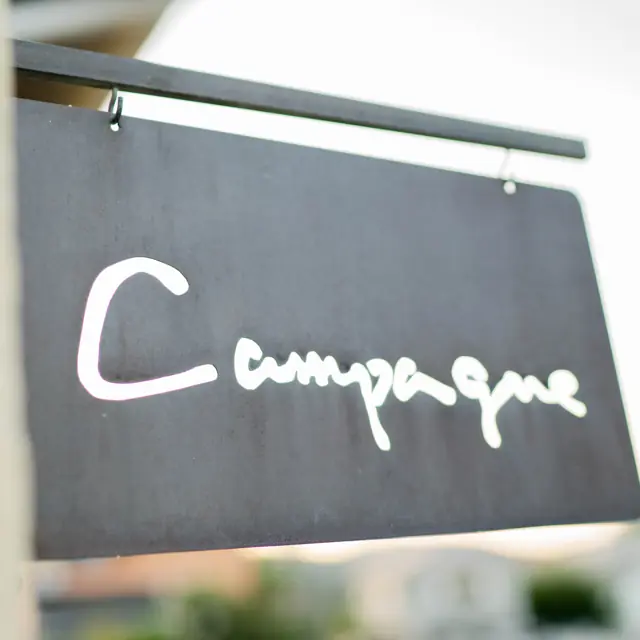
Photo: the shop’s official page カンパーニュ
A French restaurant in Setacho open for thirty years, serving reservation-only courses of Ise-Shima and Higashi-Kishu produce, plus takeaway cakes from 11 am. Closed Mondays and Tuesdays.
Wed–Sun 11:00– (takeout 11:00–, lunch 12:00–, dinner 18:00–) · Closed: Mondays, Tuesdays (generally open on public holidays)
伊勢市勢田町115-3
RinI bought takeaway cakes. They smelled richly of butter and were nicely browned.
Cafés4
All cafés →1 / 4
Kawasaki
Nakamura Coffee
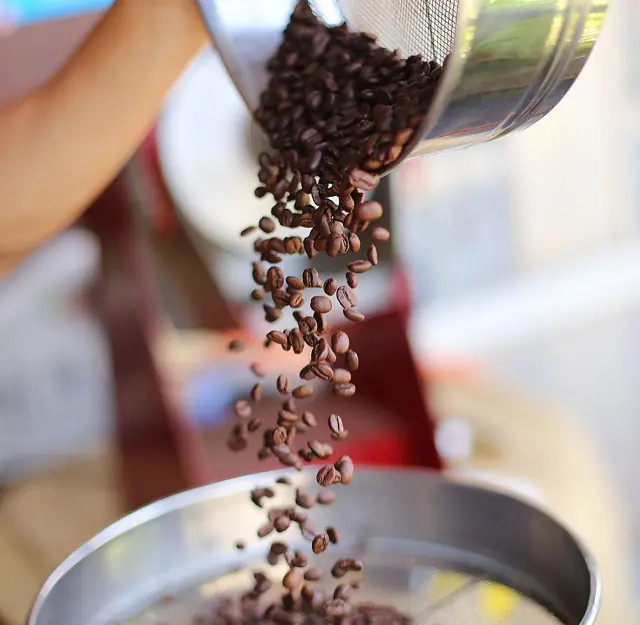
Photo: the shop’s official page なかむら珈琲
A specialty coffee roaster in Funae, next to Kawasaki. Alongside house-roasted beans, they make chocolate from only Tanzanian cacao and cane sugar.
10:00–17:00 · Closed: Sundays, Tuesdays (coffee bean sales only on Tuesdays)
伊勢市船江2-20-22
RinI bought coffee beans and chocolate. Rich cacao aroma with a clean finish.
Geku
Camino Coffee
カミノコーヒー
A home-roasting coffee shop in Fukiage 1-chome, roasting and selling seasonal beans in-house.
Fri–Wed 9:00–17:00 · Closed: Thursdays
伊勢市吹上1-4-13
RinI bought the seasonal house-roasted beans. The roasted aroma came through the bag.
Miyagawa
Matsumago Kissaten
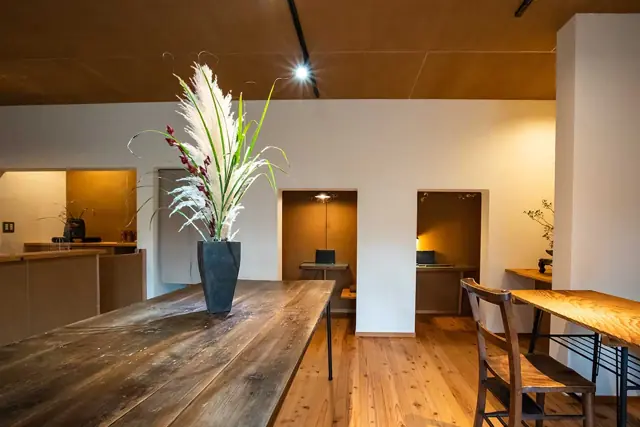
Photo: the shop’s official page 松孫喫茶店
A quiet kissaten in an old timber house in Miyagawa with seasonal ikebana, open Thursday to Saturday from 10 am to 5 pm.
Thu–Sat 10:00–17:00 (last order 16:00) · Closed: Sun–Wed
伊勢市宮川1-6-25
RinI rested in the old timber kissaten. The seasonal ikebana and quietness eased me.
Geku
Antiques & Cafe Gallery Miko-Nonno
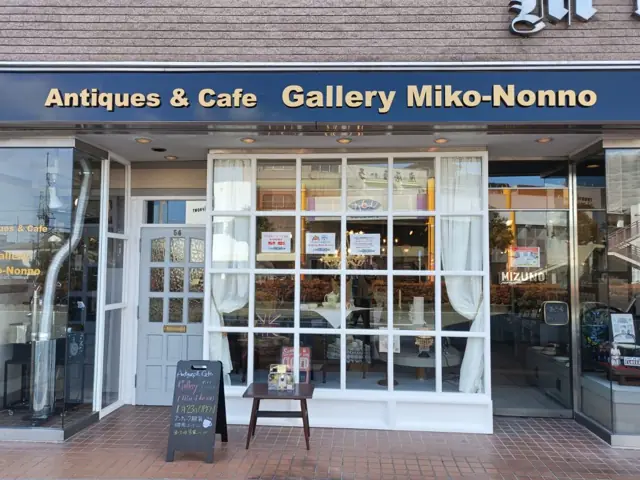
Photo: the shop’s official page An antique gallery and café in a former tailor's near Ise-shi Station, serving house-roasted coffee amid Susie Cooper and other vintage wares.
Fri–Sun & public holidays 11:00–18:00
伊勢市宮後1-2-20
RinI drank house-roasted coffee among the vintage ceramics. The soft glazes held my gaze.
Rin is a fictional traveller. Every place here was checked by the editors to exist and be open (checked 2026-11-12). Please confirm hours on the official site before you go. Paid listings are always marked. If you are the shop and would like a photo removed, write to editor@vual.jp and we will take it down at once.
To see — art and sights (landmarks)
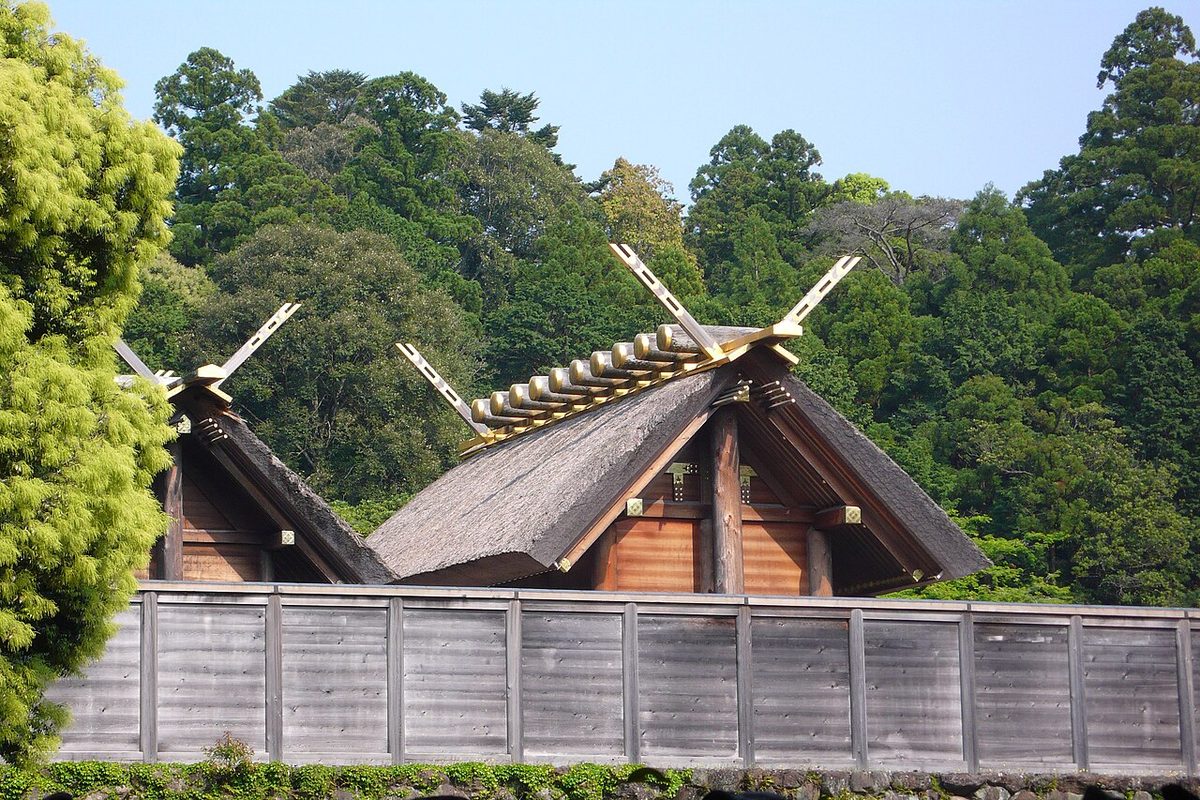
Photo: N yotarou / CC BY-SA 4.0 (Wikimedia Commons) Sights · Naiku
Ise Jingu Naiku
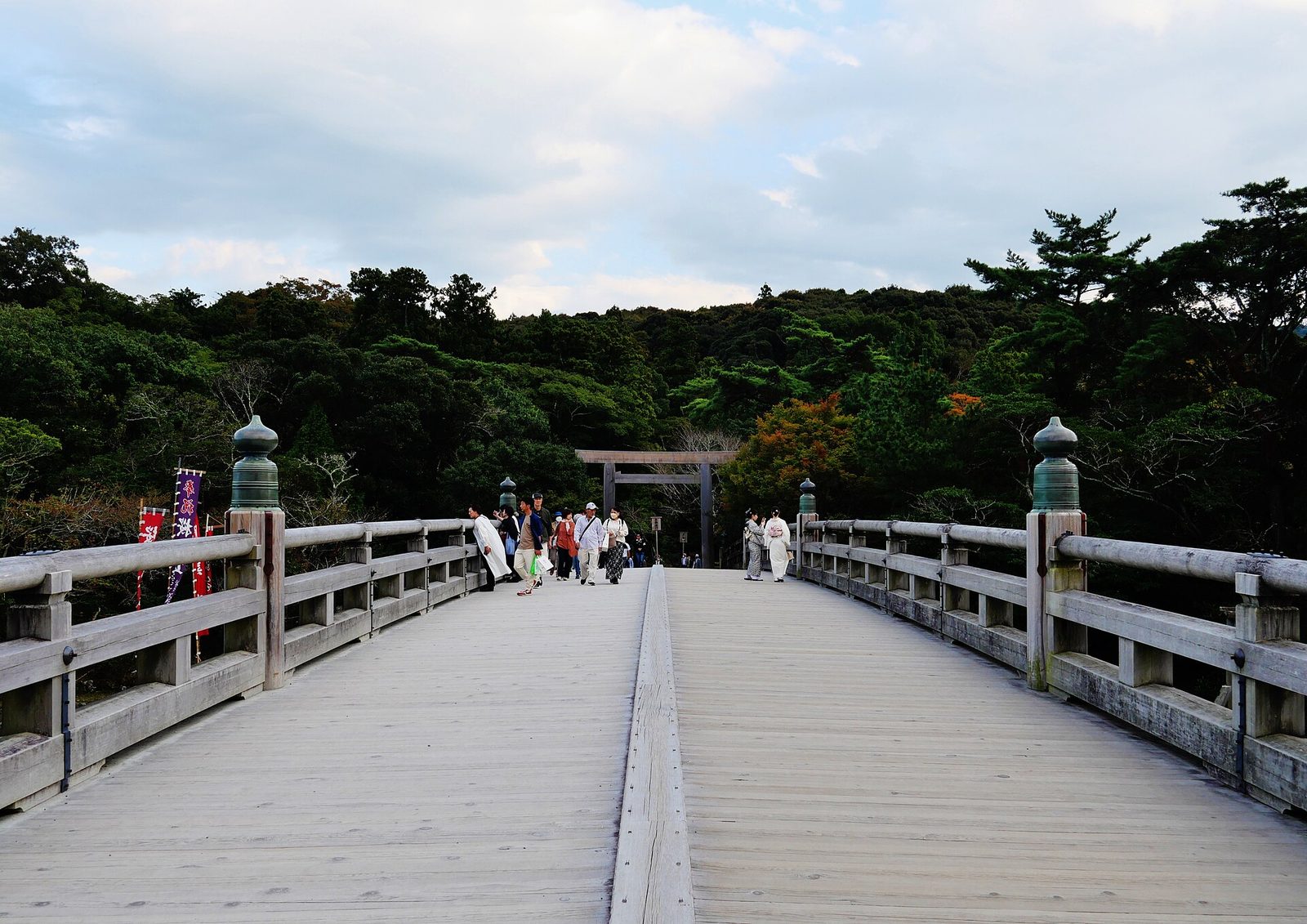
Kotai Jingu (Naiku), by the Isuzu River, entered across the Uji Bridge along gravel paths. Open 5 am to 5 pm from October to December.
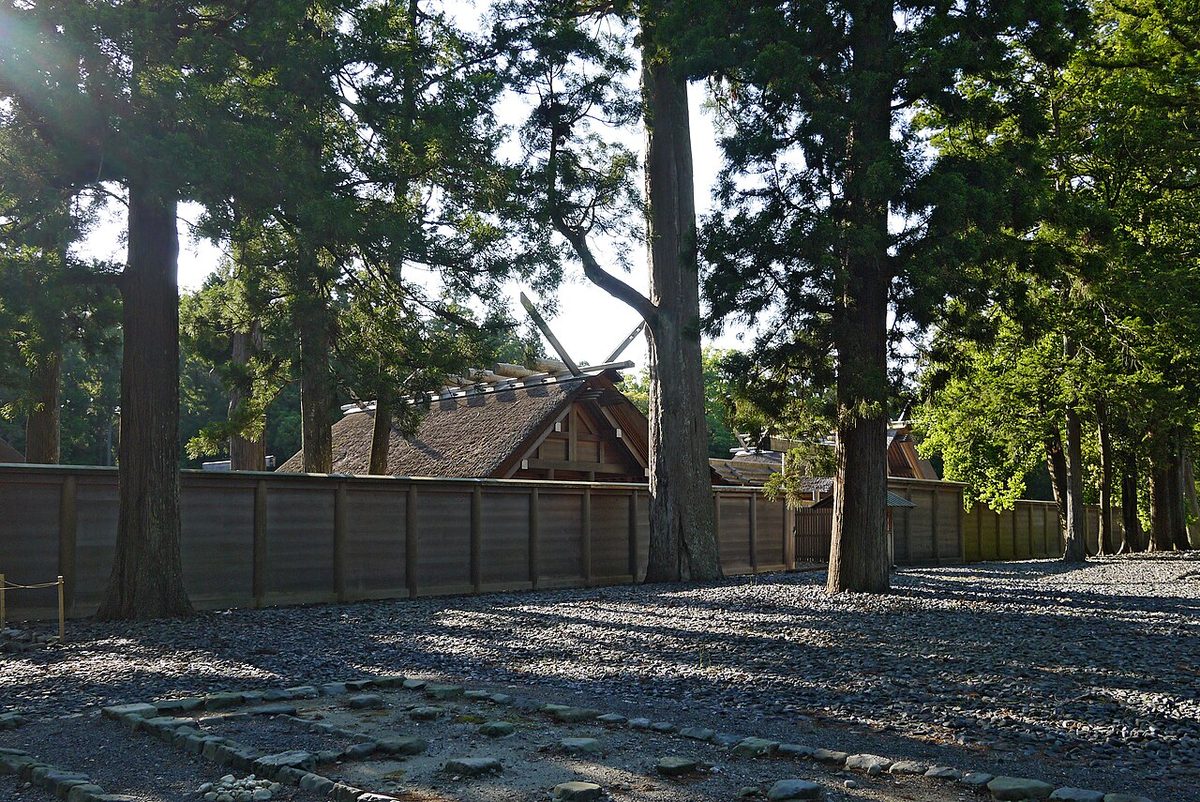
Photo: Oilstreet / CC BY 2.5 (Wikimedia Commons) Sights · Geku
Ise Jingu Geku
Toyouke Daijingu (Geku), backed by Mount Takakura in central Ise, a short walk from Ise-shi Station along Geku Sando. Open 5 am to 5 pm from October to December.
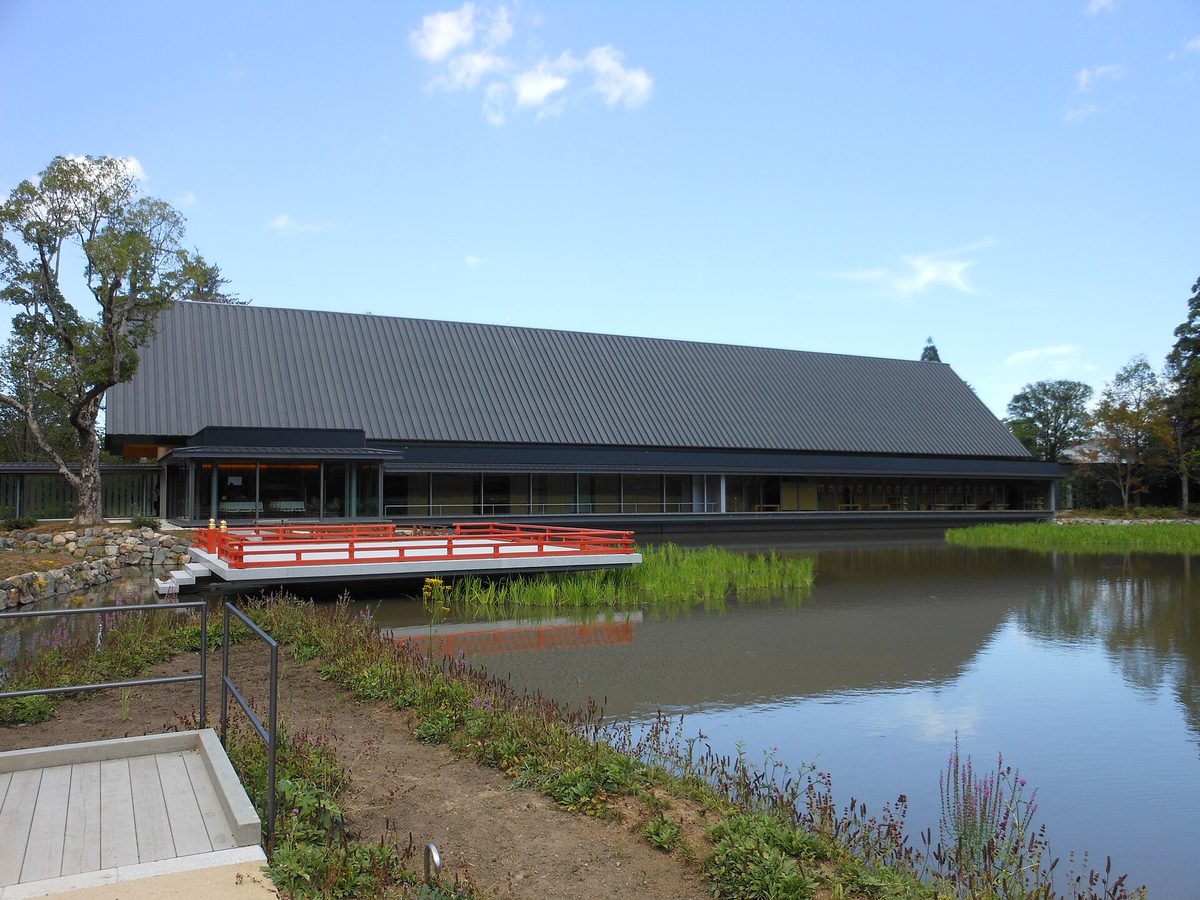
Photo: Miyuki Meinaka / CC BY-SA 3.0 (Wikimedia Commons) Art · Geku
Sengukan Museum
A museum of the Shikinen Sengu renewal by Magatama Pond at Geku, featuring a full-scale model of the Geku main sanctuary. Closed second and fourth Tuesdays.
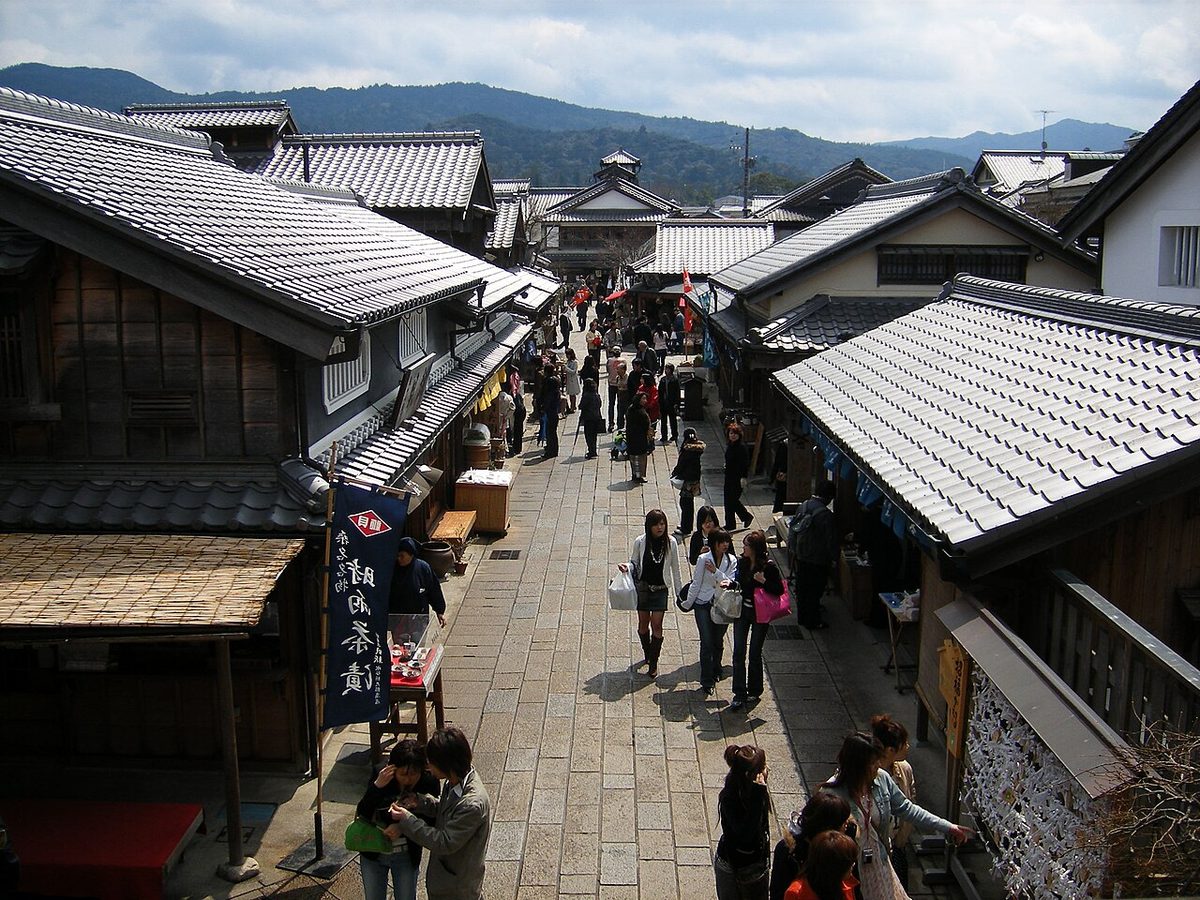
Photo: No machine-readable author provided. Marubatsu assumed (based on copyright claims). This photo was taken with Fujifilm / Public domain (Wikimedia Commons) Sights · Naiku
Okage Yokocho
A quarter of food and craft shops midway along Oharai-machi, five minutes on foot from Naiku's Uji Bridge, with seasonal events.
These are landmarks, not Rin's picks. Each was checked to be open on its official site (checked 2026-11-12). Please confirm hours before you go.
Day trips from Ise
Classics
- Ise Jingu (Ise Grand Shrine)about 4 km
The most venerable shrine in Japan, dedicated to Amaterasu Omikami, the ancestral deity of the Imperial Family. 早朝の参拝がおすすめです。
- Meoto Iwa (Wedded Rocks)about 8 km
Two rocks standing in the sea, known as a symbol of marital harmony and matchmaking. 日の出が最も美しいのは夏至の時期です。
Hidden spots
- Kazahaya no Satoabout 33 km
A welfare-integrated flower garden inside Ise Onsen Golf Club in Tsu hosting seasonal festivals for plum, wisteria, hydrangea, and cosmos. Peak blooms in Mar (plum), late Apr (wisteria), Jun (hydrangea), and Oct (cosmos); arrive at 8:00 AM.
Distances are straight-line from the town centre. Each page has how to get there and a suggested day.