33.3° N
Hita
Oita, Japan
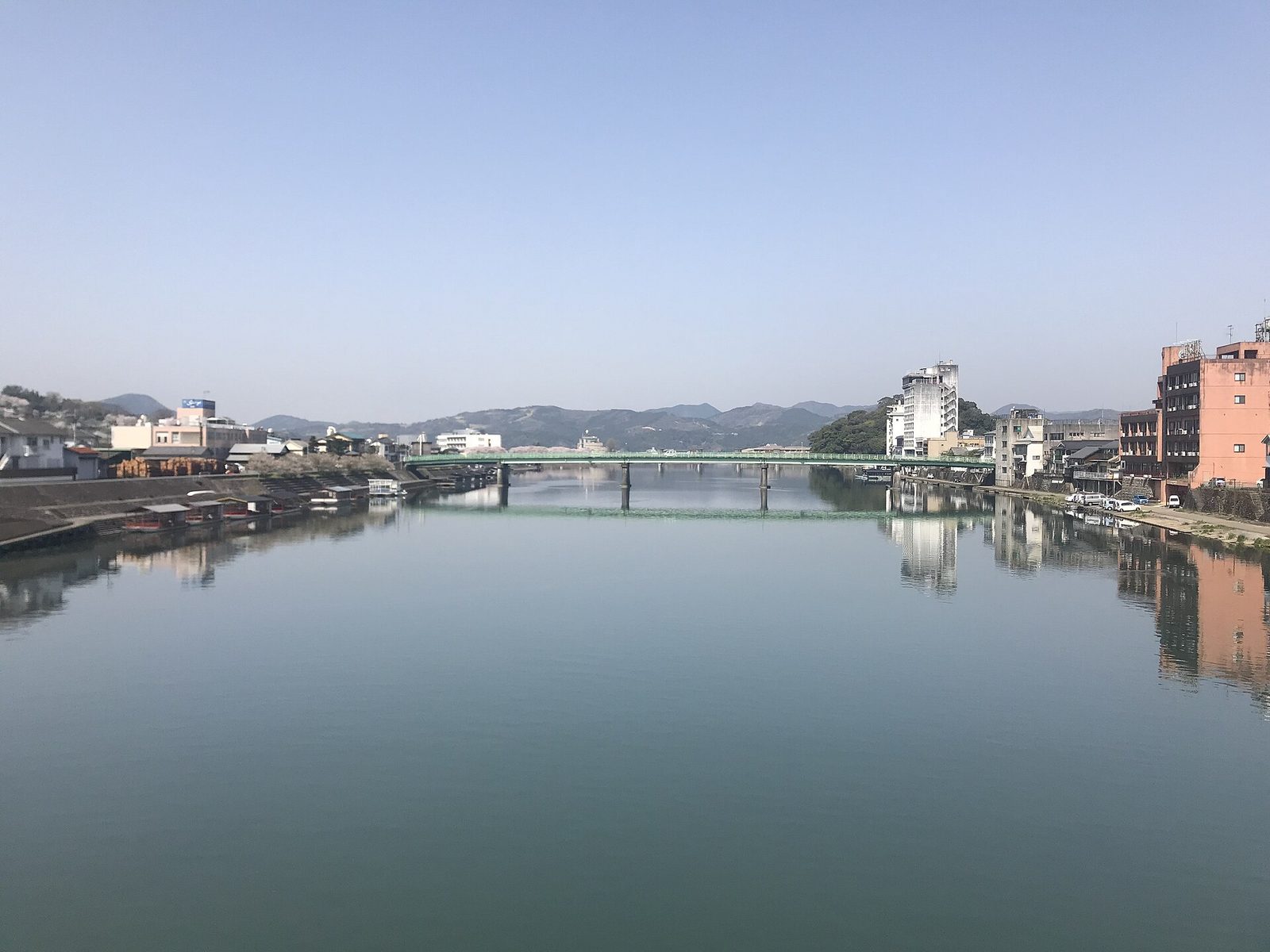
A basin town in northern Kyushu where three rivers meet, long prosperous as a shogunate territory. Onta ware kilns in the hills, cedar geta and woodenware, and eel, wagashi and coffee in Mamedamachi and Kuma: Rin's picks.
What to eat in Hita
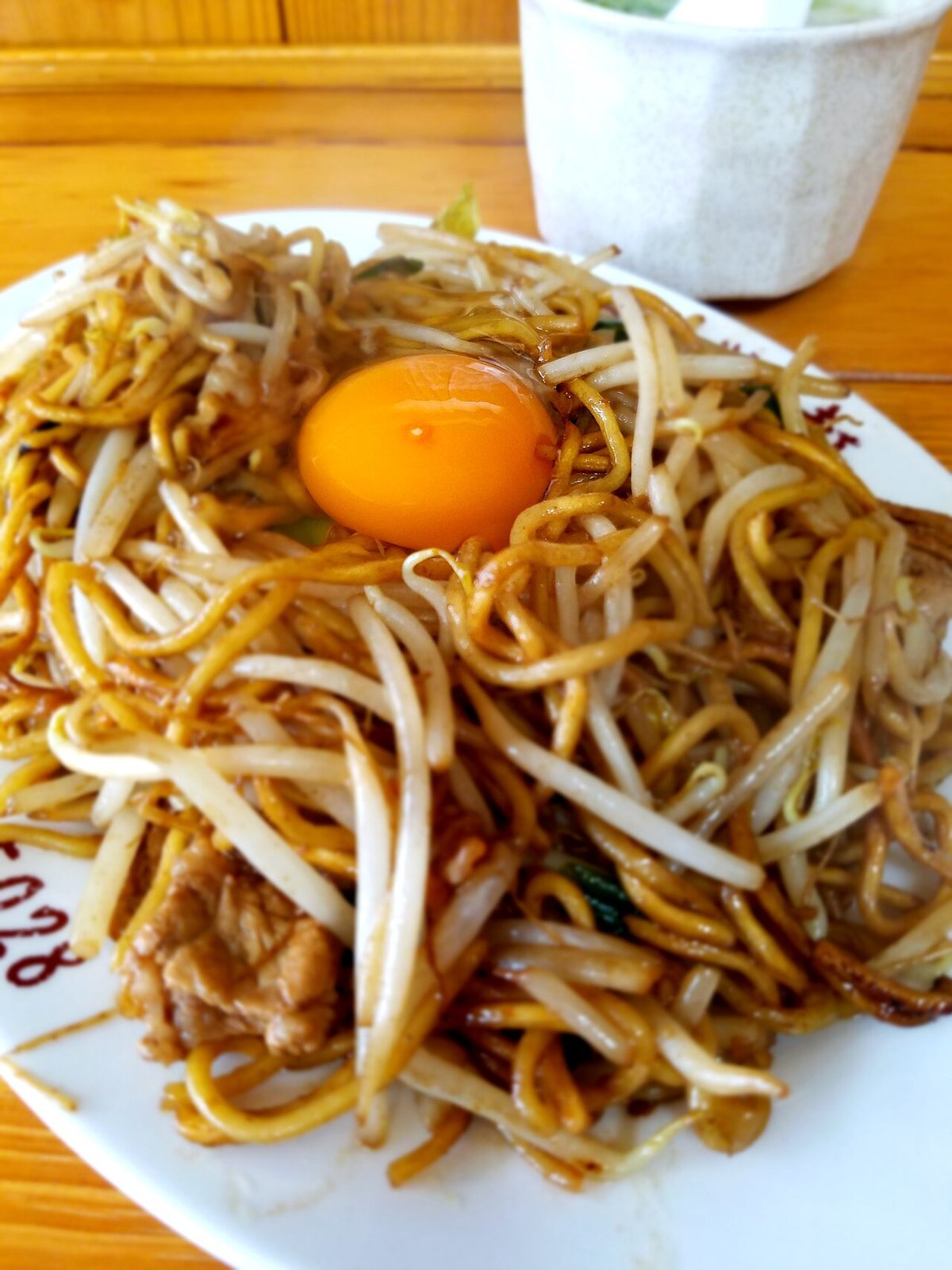
Photo: Hajime NAKANO / CC BY 2.0 (Wikimedia Commons) Hita yakisoba (griddle-crisped fried noodles)
日田やきそば
Boiled noodles are pressed onto an iron griddle until parts sear brown and crisp while the center stays chewy, then tossed with pork, green onions, and bean sprouts grown in Hita's groundwater. The style began in Hita in 1957 when Sofuren founder Yasuchika Sumi started grilling noodles rather than simply stir-frying them, and spread across local ramen and noodle shops.
Eaten year-round at noodle shops and ramen counters, often topped with pickled red ginger or raw egg and served alongside a light tonkotsu soup.
Where to eat it
- Mikuma Hanten ↓
- Sofuren SohontenWebsiteMap
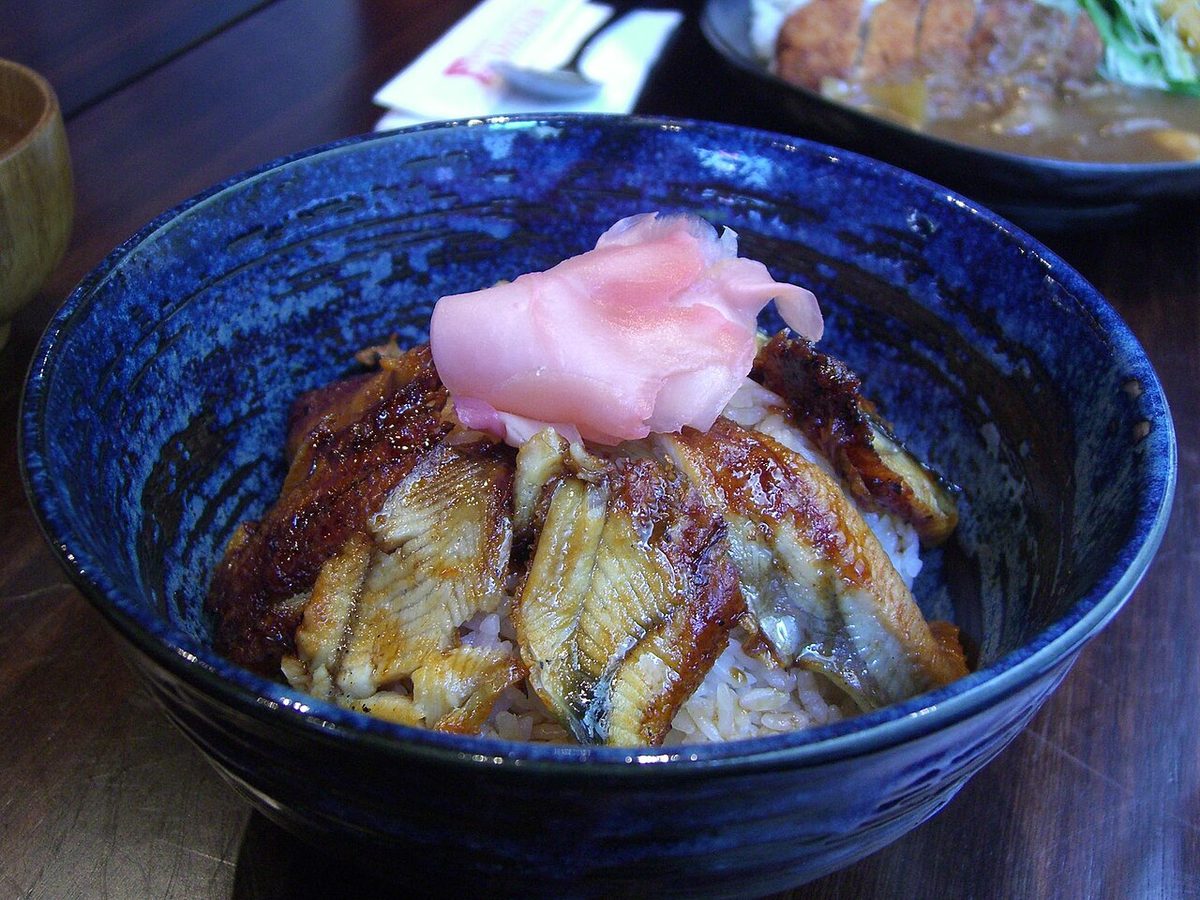
Photo: Alpha from Melbourne, Australia / CC BY-SA 2.0 (Wikimedia Commons) Hitamabushi (charcoal-grilled eel rice)
日田まぶし
Finely sliced domestic eel, grilled over high heat without steaming, is folded into Hita-grown Hinohikari rice and served in local Onta ware bowls. Created in Mamedamachi in 2001 as a local adaptation of Nagoya's hitsumabushi, it pairs river-town eel culture with Hita rice, water, and regional yuzu kosho.
Divided in the wooden tub into four portions: eaten plain, with scallions and wasabi, with yuzu kosho and grated daikon, and finally with dashi broth poured over as ochazuke.
Where to eat it
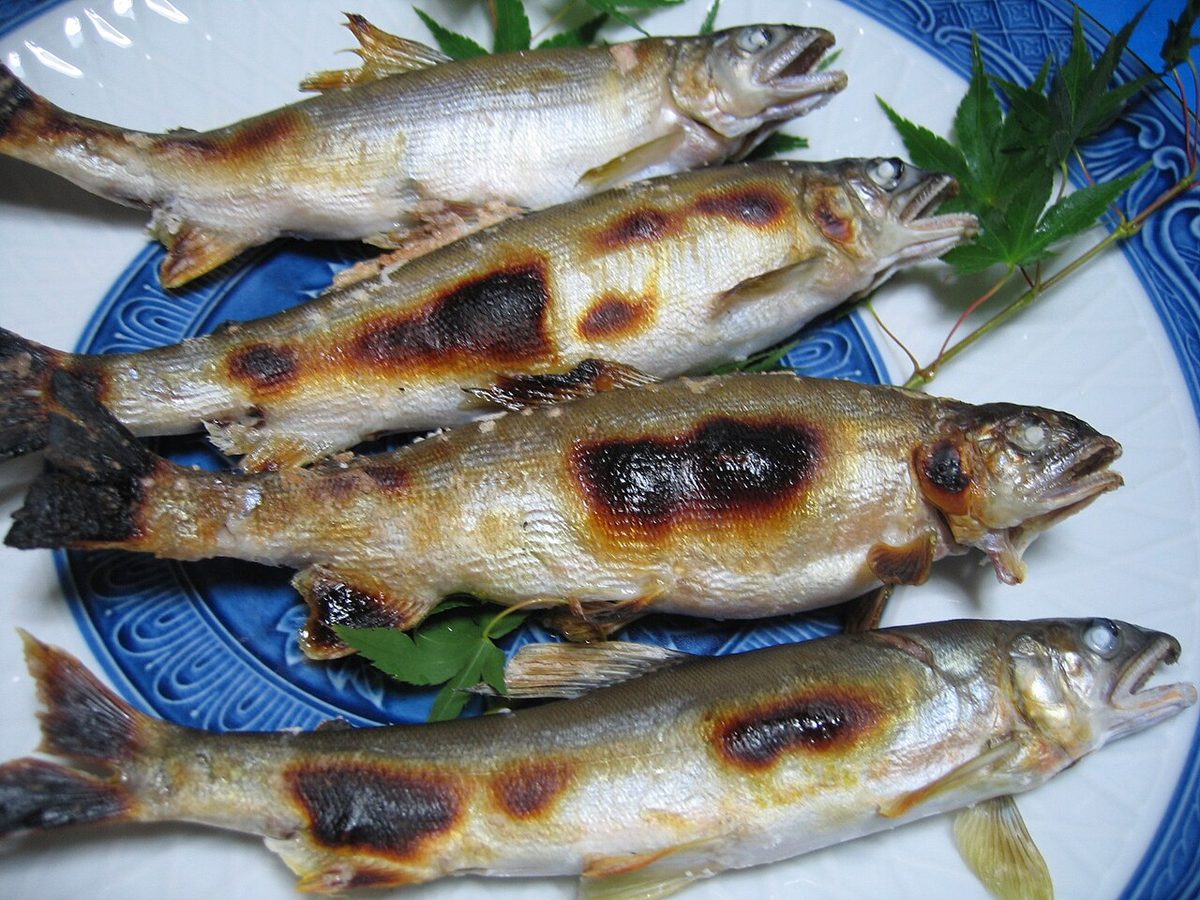
Photo: Pen-dako / CC BY-SA 3.0 (Wikimedia Commons) Ayu no shioyaki (salt-grilled river sweetfish)
鮎の塩焼き
Fresh sweetfish raised in the clear Mikuma River basin are salted and grilled whole over charcoal until the skin crisps and the flesh stays moist. Hita's river-fish culture stretches back to cormorant fishing (ukai) introduced on the Mikuma River around 1594 and traditional yana weir fishing along its banks.
Eaten whole off the bone from early summer to autumn at riverside yana restaurants, often in set meals with ayu sashimi (segoshi) and ayu rice.(Jun–Oct)
No photo yet
Hita yokan (crystallized red-bean jelly)
日田羊羹
Made from smooth azuki bean paste, sugar, agar, and Hita water, this unsealed slab yokan is wrapped in wood shavings so its surface gradually crystallizes into a crisp sugary crust over a soft interior. It was developed in Mamedamachi in 1891 by founder Mukiji Akashi when the Hita District Office asked for a confection to represent the town.
Sliced from the wood-wrapped slab to eat with green tea, either soft when fresh or a few days later after the sugar crust forms.
Where to eat it
Where Rin would go, on the map — or build your own route
Tap a mark to see the place; squares are museums and sights (landmarks). Use “Build your own route” to make a walk of your own.
Loading the map
Map data © OpenStreetMap contributors
Where Rin would go
Made in Hita: Onta ware pottery1
All onta ware pottery →1 / 2
Made in Hita
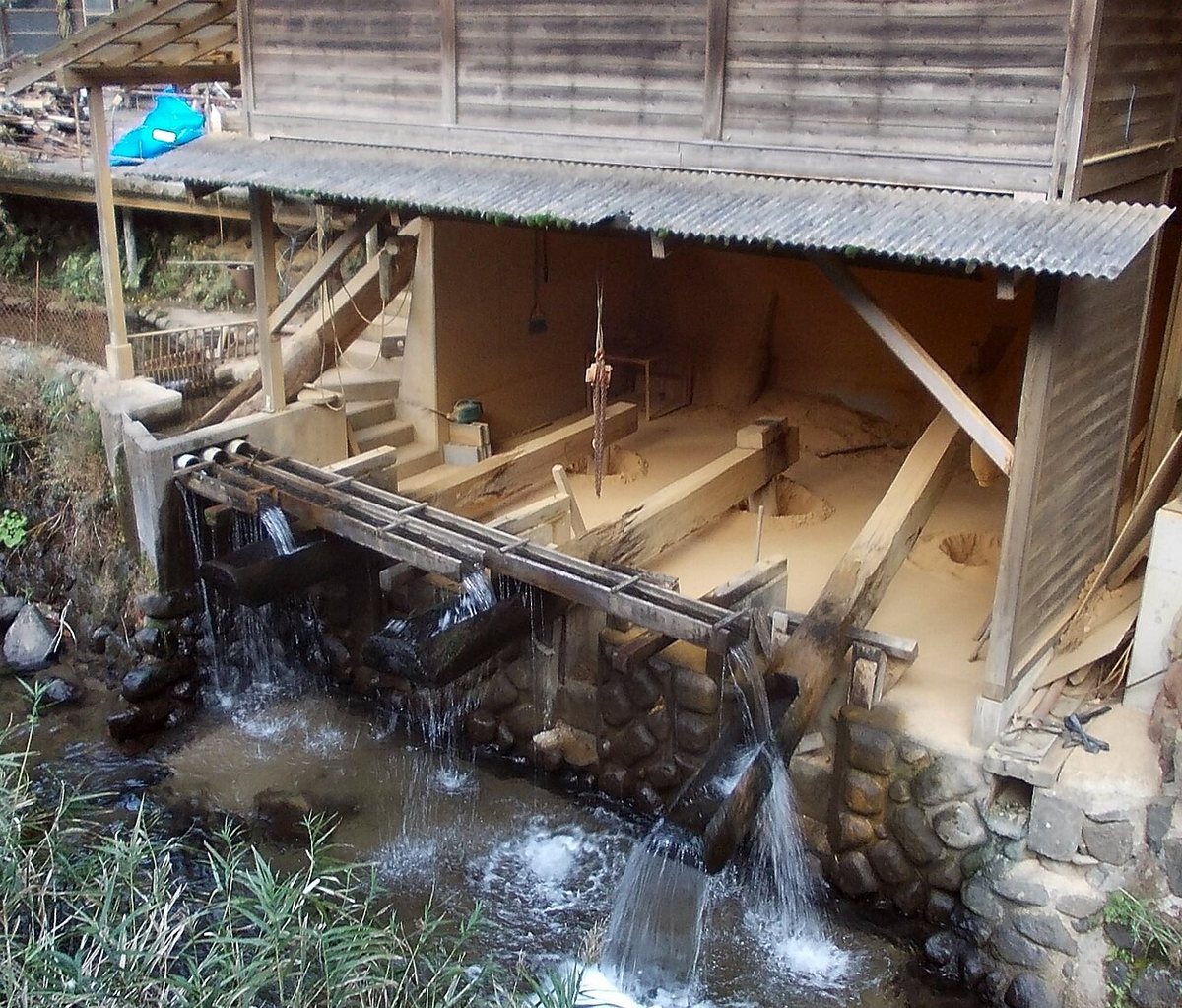
Folk stoneware made since 1705 in the mountain hamlet of Sarayama. Family kilns crush local clay with stream-driven wooden kara-usu pounders and fire their everyday vessels in communal climbing kilns.
Water-powered clay mills along the river in Onta pottery village·Photo: STA3816 / CC BY-SA 3.0 (Wikimedia Commons)
Onta (Sarayama)
Sakamoto Koji Kiln
坂本浩二窯
An Onta ware family kiln in Sarayama worked by Koji Sakamoto and his son Takuma, crushing clay with water-powered kara-usu and firing slip-decorated vessels in the climbing kiln.
日田市源栄町174
RinI held the tobikanna plates and felt their fine ridges. I bought one.
Made in Hita: Hita cedar geta and woodwork2
All hita cedar geta and woodwork →1 / 3
Made in Hita
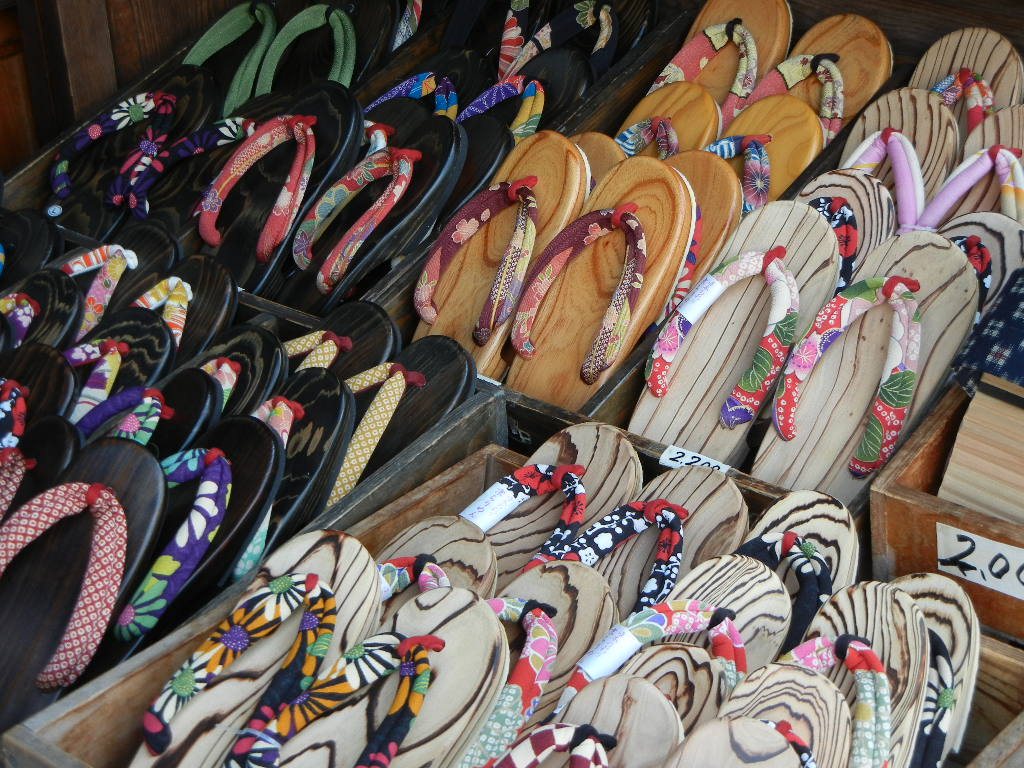
Hita is one of Japan's three major geta-making centres, known for lightweight, richly grained local cedar and cypress. Workshops here shape the timber into clogs, sandals and everyday woodenware.
Rows of traditional Hita cedar geta wooden sandals·Photo: NY066 / CC BY-SA 3.0 (Wikimedia Commons)
Central Hita
Uratsuka Kobo
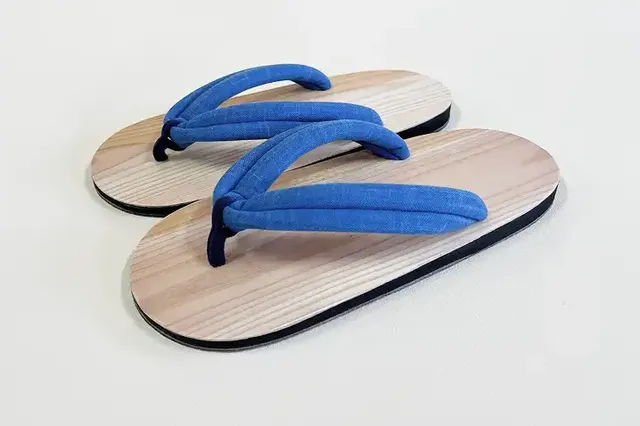
Photo: the shop’s official page うらつか工房
A family-run geta workshop in Fukiagemachi led by the second and third generations, handling every step from wood shaping to finishing, including hinoki clogs and layered Hita cedar indoor slippers.
大分県日田市吹上町3-2
RinI tried the layered Hita cedar slippers. Smooth, dry wood under the sole.
Kuma
Nitto Mokkou
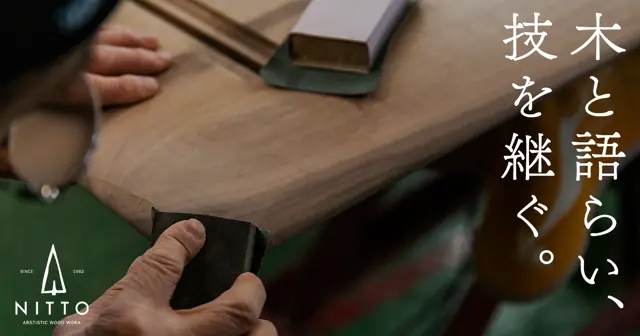
Photo: the shop’s official page 日東木工
A wooden furniture maker founded in 1962 in Tamagawa just west of Kuma, handling timber selection to finishing for custom tables, chairs and sofas.
日田市玉川3-1511-1
RinI looked at the wooden chairs and tables. The hand-finished grain was lovely to touch.
Made in Hita: Tenryo Hita spring-water brewing1
All tenryo hita spring-water brewing →1 / 2
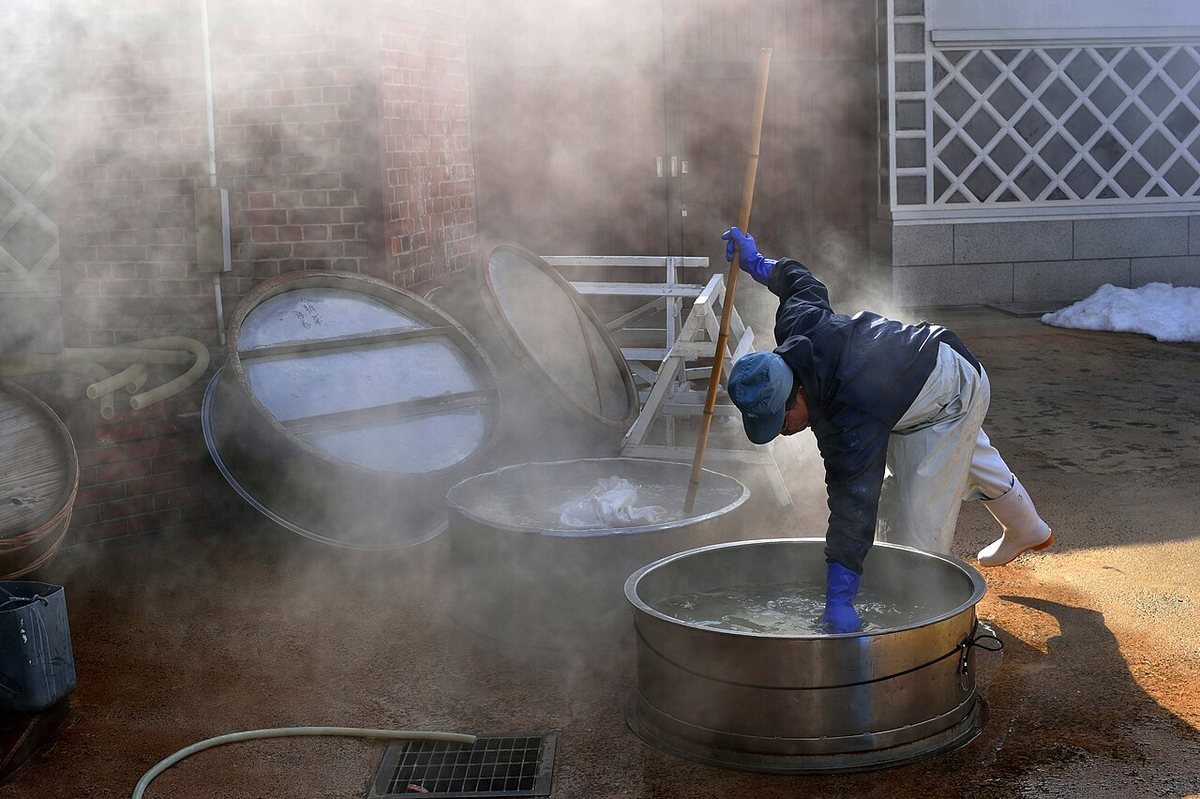
Made in Hita
Pure groundwater from the surrounding mountains has sustained miso, soy sauce, sake and shochu makers in Hita since the Edo and Meiji eras.
Brewer tending steaming vats in a sake brewery·Photo: 東広島市 / CC BY-SA 4.0 (Wikimedia Commons)
Central Hita
Hara Jirozaemon Brewery
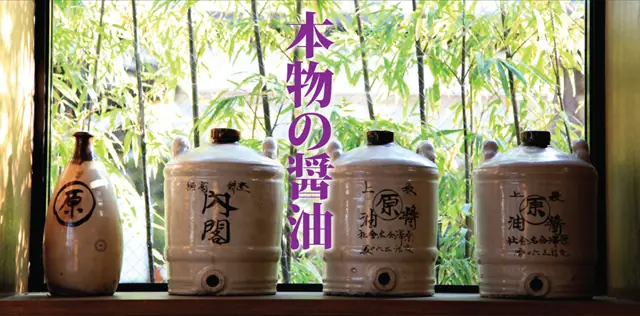
Photo: the shop’s official page 原次郎左衛門の味噌醤油蔵
A miso and soy sauce brewery in Nakahonmachi founded in 1899, brewing with Hita groundwater and also making ayu sweetfish garum and ramune.
9:00–17:00 (factory tour reception until 16:00) · Closed: Irregular Sundays (closed year-end & New Year)
日田市中本町5-4
RinI bought a bottle of ayu fish sauce. The faint scent of miso and soy inside was nice.
Craft3
All craft →1 / 3
Onta (Sarayama)
Onta-yaki Pottery Museum
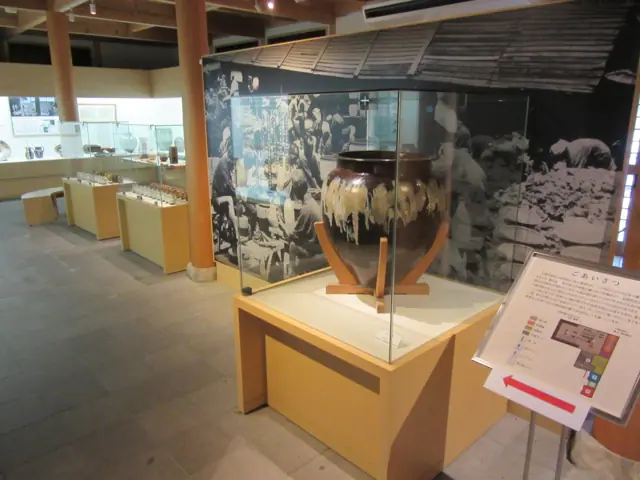
Photo: the shop’s official page 小鹿田焼陶芸館
A municipal exhibition gallery at the entrance to Sarayama, showing Onta ware from the Edo period to today. Open 9 am to 5 pm; closed Wednesdays and New Year.
9:00–17:00 · Closed: Wednesdays (following day if public holiday), year-end & New Yearchecked Nov 2026
日田市源栄町138-1
RinI saw the Edo-period Onta ware before the kilns. The shapes still carry on.
Miyoshi & Higashiarita
CREATIVE BASE FAB
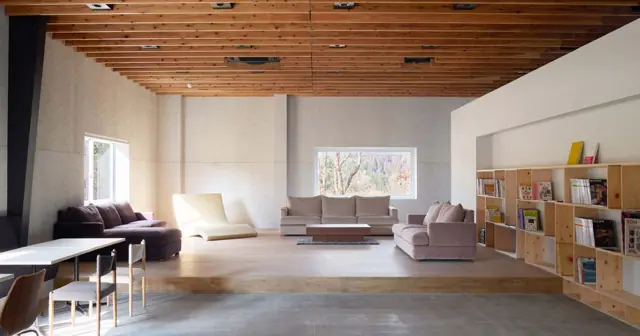
Photo: the shop’s official page A craft hub in a sofa maker's warehouse run by Best Living, with a sofa showroom, offcut shop, and select shop stocking Hita geta and Onta ware. Open 10 am to 5 pm.
10:00–17:00
日田市東有田1178-10
RinI browsed the warehouse offcut shop. Liked the wood and fabric scraps and took a few.
Okuhita
Wood Art Raku

Photo: the shop’s official page ウッドアート楽
Irregular closing days
A woodworking studio and shop in Oyama, Okuhita, shaping local timber and fine hardwoods into chopsticks, spoons, forks and wooden bowls.
9:00–17:00 · Closed: Irregularchecked Nov 2026
日田市大山町東大山474-3
RinI compared the woods and bought a pair of chopsticks. They felt just the right weight.
Sweets4
All sweets →1 / 4
Mamedamachi
Akashi Hita Yokan Honpo
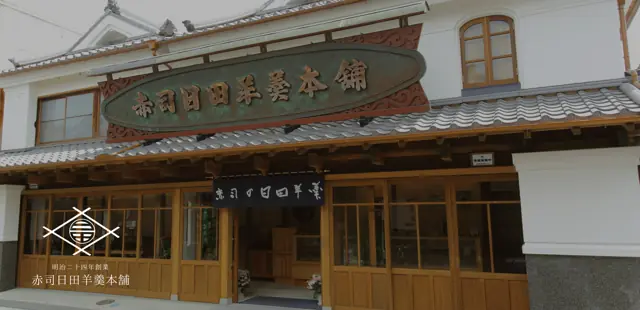
Photo: the shop’s official page 赤司日田羊羹本舗
A long-standing Hita yokan maker in Mamedamachi. Its traditional slab yokan develops a crisp sugar crust once sliced and rested, alongside seasonal coffee yokan.
9:00–16:00
日田市豆田町8-15
RinI bought a slab of Hita yokan and rested it. Crisp sugar crust when sliced.
Central Hita
Cake Shop SHO
A patisserie in Tashima near Ohara Hachimangu Shrine, selling seasonal whole cakes, cheesecakes and baked sweets.
日田市田島2-154-2
RinI took home a cheesecake and a baked sweet. Rich cheese without feeling heavy.
Central Hita
Hita Toraya
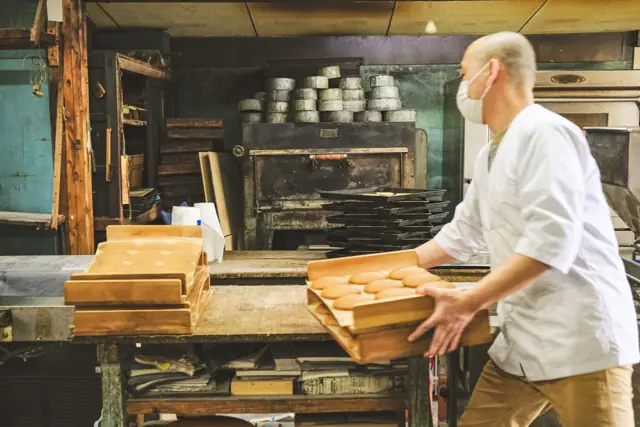
Photo: the shop’s official page 御菓子司 日田とらや
A wagashi shop in Nakahonmachi making moist honey-rich maruboro for over 60 years, alongside walnut-studded bean-paste tai monaka. Open 9 am to 6 pm; closed Sundays and Mondays.
9:00–18:00
日田市中本町5-41
RinI bought one maruboro and one tai monaka. The maruboro was moist and rich with honey.
Kuma
Matsuura Shoodo
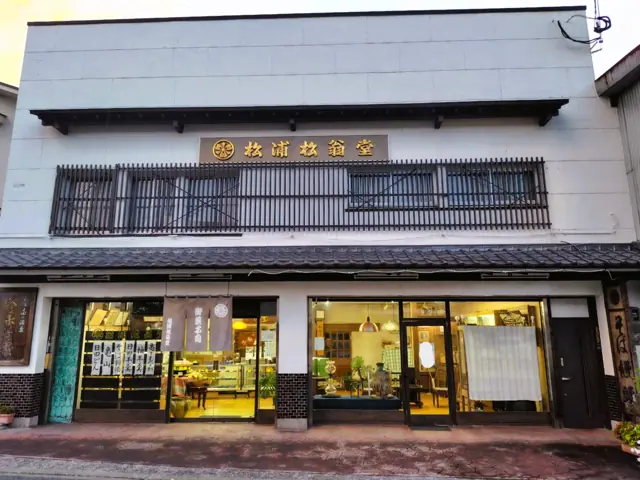
Photo: the shop’s official page 松浦松翁堂
A wagashi shop in Kuma founded in 1892, known for Kameyama, a baked sweet of dark bean paste coated with walnuts and peanuts.
日田市隈1-3-31
RinI bought Kameyama. The walnuts and peanuts were nicely toasted.
Food4
All food →1 / 4
Mamedamachi
Hitamabushi Senya
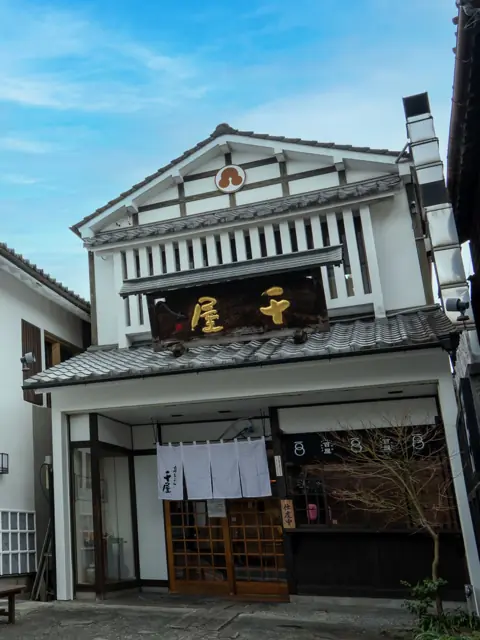
Photo: the shop’s official page 日田まぶし 千屋
Irregular closing days
A Hitamabushi house in Mamedamachi. Crisp charcoal-grilled domestic eel and Hita rice served in Onta ware, eaten four ways including with yuzu kosho and dashi broth.
10:30–16:30 (last order 15:30) · Closed: Irregularchecked Nov 2026
日田市豆田町4-14
RinI ate Hitamabushi from an Onta bowl. Yuzu kosho sharpened the charcoal-grilled eel.
Mamedamachi
Kazetone
食感農園 風と根
A lunch restaurant in a renovated traditional house in Minatomachi near Mamedamachi, serving monthly menus made with homegrown seasonal vegetables.
日田市港町2-13
RinI had the monthly lunch. The seasonal vegetables were fresh and tasted great.
Mamedamachi
BOWL
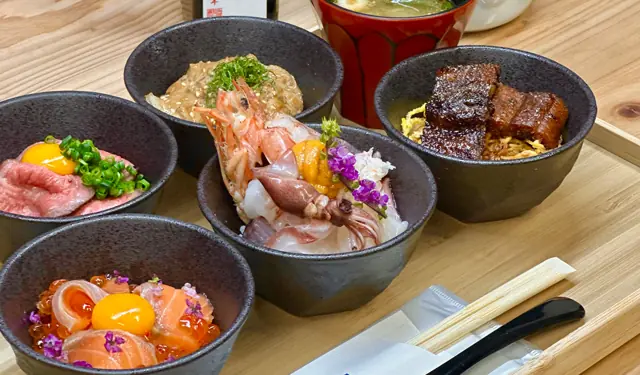
Photo: the shop’s official page A donburi restaurant in Mamedamachi opened by local washoku house Kisetsu Ryori Kamon. Built with Hita cedar interiors and tables, serving market seafood bowls and domestic wagyu beef bowls.
11:00–last order 15:30 (lunch last order 14:00) · Closed: Mondays (subject to change on public holidays), irregular
日田市豆田町12-3
RinI had the seafood bowl at a Hita cedar table. The smooth wood felt nice.
Kuma
Mikuma Hanten
みくま飯店
A Hita yakisoba shop in Kuma, serving noodles seared crisp on an iron griddle alongside a light tonkotsu soup.
日田市隈1-5-21
RinI had the yakisoba and tonkotsu soup. The seared noodles were crisp, the broth light.
Cafés3
All cafés →1 / 3
Mamedamachi
Bistro Cafe Licht
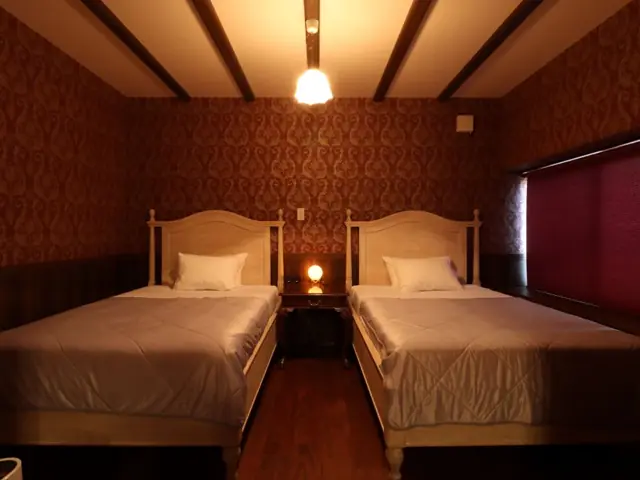
Photo: the shop’s official page The café of a small auberge in Mamedamachi, serving coffee, German organic tea, buckwheat galettes, quiche and pasta. Closed Mondays and Tuesdays.
Wed–Sun 11:00–14:00 · Closed: Tuesdays
日田市豆田町3-10
RinI had a buckwheat galette and German tea. The edges of the galette were crisp.
Kuma
ONOGORO STYLE
A café in Ishiimachi just west of Kuma, serving ingredient-conscious lunches, sweets and acai bowls. Irregular closing days are posted on Instagram.
日田市石井町1-366-4
RinI had the acai bowl. It was cold and left a clean, light aftertaste.
Okuhita
Okagesama Cafe Nicon
おかげさまcafe にこん
A café in a century-old farmhouse in Amagase, Okuhita. Sit by the irori hearth or open veranda for coffee, clay-pot zenzai and earthenware-pot curry.
日田市天瀬町桜竹862
RinI sat by the veranda and had clay-pot zenzai. The warm pot heated me right up.
By area
Rin is a fictional traveller. Every place here was checked by the editors to exist and be open (checked 2026-11-12). Please confirm hours on the official site before you go. Paid listings are always marked. If you are the shop and would like a photo removed, write to editor@vual.jp and we will take it down at once.
To see — art and sights (landmarks)
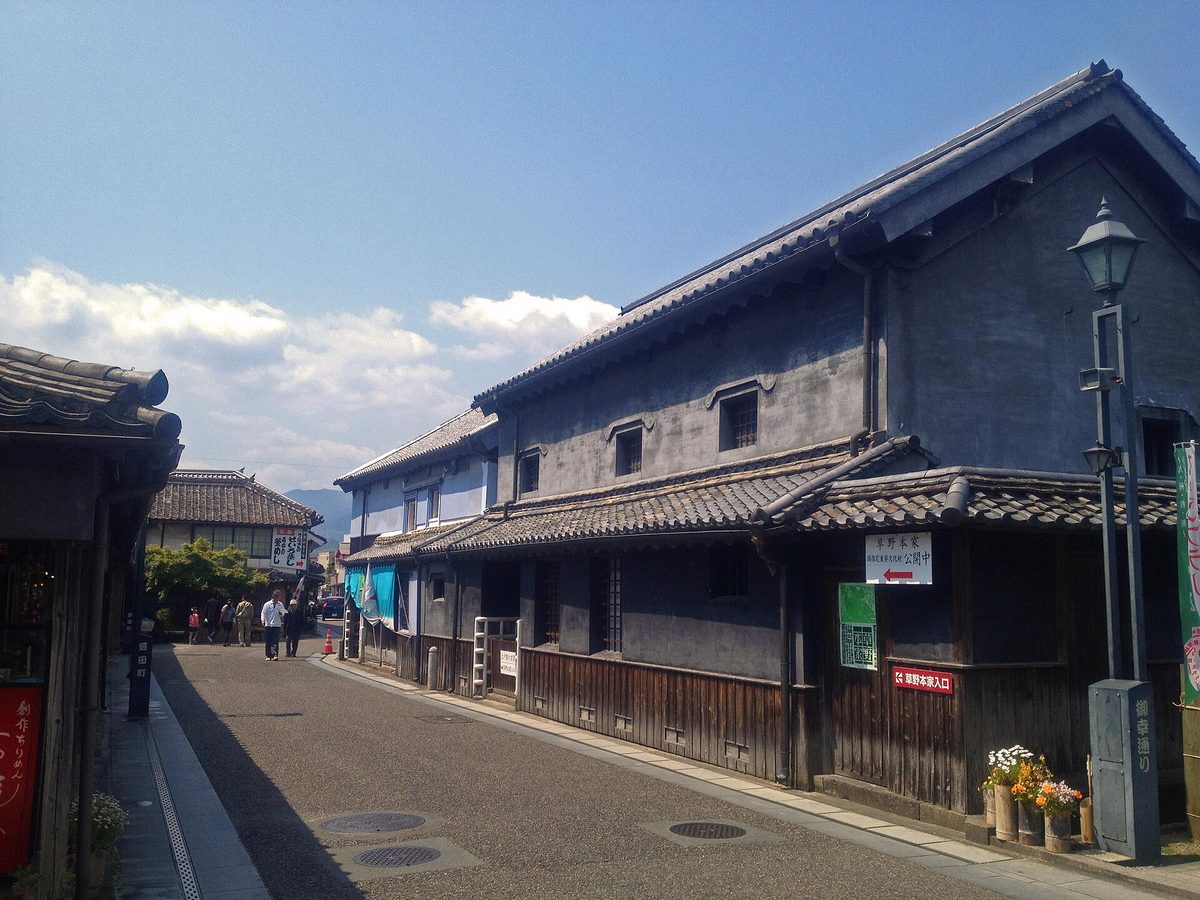
Photo: Mukai / CC BY-SA 3.0 (Wikimedia Commons) Sights · Mamedamachi
Mamedamachi Preservation District
The old merchant quarter of Mamedamachi, which prospered when Hita was shogunate territory. Its Edo-period street grid, plastered igura-zukuri townhouses and breweries are a national preservation district, open to walk freely.
Sights · Tanso
Kangien Site
The site of a private academy founded in the late Edo period by Confucian scholar Hirose Tanso, designated a national historic site. Known for admitting students regardless of rank, age or background, with an adjacent research centre exhibiting historical materials.
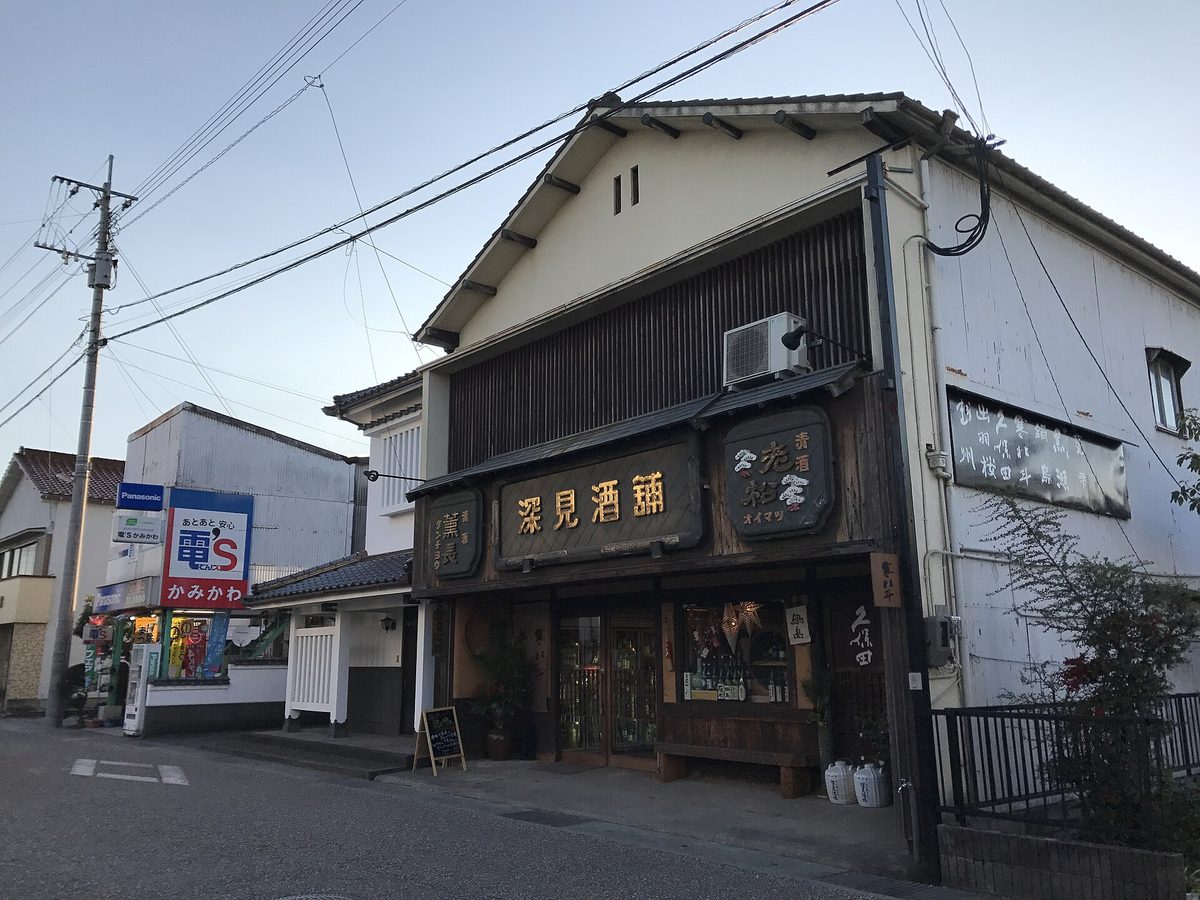
Photo: そらみみ / CC BY-SA 4.0 (Wikimedia Commons) Art · Mamedamachi
Hirose Museum
The former residence and museum of the Hirose merchant family, birthplace of scholar Hirose Tanso and financier Hirose Kyubei, showing the main house and family collection. Open 9 am to 5 pm; usually closed Mondays (open daily in Feb, Mar, Oct and Nov).
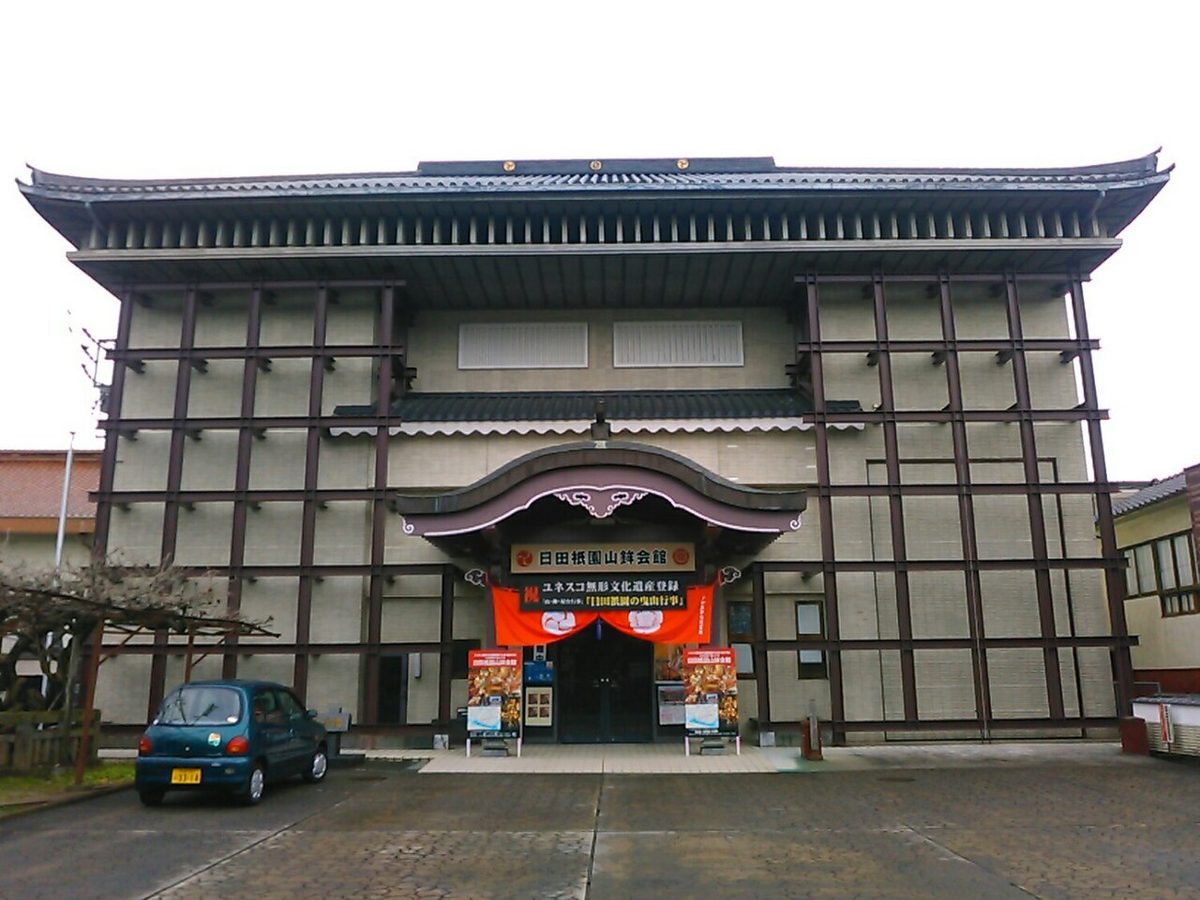
Photo: 水だらけのプール / CC0 (Wikimedia Commons) Art · Kuma
Hita Gion Yamahoko Kaikan
A museum displaying the festival floats and tapestries of the Hita Gion Yamahoko procession, a UNESCO Intangible Cultural Heritage. An atrium lets visitors view the tall floats up close.
Float displays are suspended from late June to late July for the Hita Gion festival.
These are landmarks, not Rin's picks. Each was checked to be open on its official site (checked 2026-11-12). Please confirm hours before you go.
Day trips from Hita
Classics
- Kurokawa Onsenabout 34 km
An onsen area surrounded by lush green mountains with 30 ryokans gathered together. Enjoy the hot springs in any season.
- Kinrin Lakeabout 41 km
Famous for the mystical sight of morning mist rising from the lake surface in autumn and winter, caused by hot spring water and fresh water gushing from the lake bed. Early mornings in autumn/winter for the mist.
- Kuju Flower Parkabout 42 km
A flower park located in Aso-Kuju National Park, where you can enjoy seasonal flowers. Late April to early May for tulips; October for cosmos.
- Dazaifu Tenmangu Shrineabout 43 km
A historic shrine dedicated to Sugawara no Michizane, famous as the god of learning. Late February to early March is the best time for plum blossoms; visiting early in the morning is recommended.
Hidden spots
- Ukiha Inari Shrineabout 13 km
A hillside shrine in Jogahana Park where over 90 vermilion torii gates climb roughly 300 stone steps overlooking the Chikugo Plain. Late March to early April for cherry blossoms and November for autumn leaves are best; early morning or late afternoon offers soft light over the Chikugo Plain.
- Yachiyoza Theaterabout 41 km
A 1910 wooden kabuki playhouse designated an Important Cultural Property, preserving a hand-turned revolving stage, under-stage cellar, and painted ceiling advertisements. Visit during morning or early afternoon tour hours (9:00–17:30) on non-performance days, or in February and August for Yamaga lantern events.
Distances are straight-line from the town centre. Each page has how to get there and a suggested day.