34.4° N
Hiroshima
Hiroshima, Japan
A delta city facing the Seto Inland Sea, where six branches of the Ota River flow to the bay. Iron-griddle okonomiyaki and winter oysters, the craft galleries and tea houses of the centre, and wooden scoops and momiji manju across the water on Miyajima, as Rin's picks.
Hiroshima, on film
7 sights and 15 places, each checked open in 2026, in 51 seconds.
Found somewhere you like? The map and the list below have the address, hours and official site.
Tap for sound
What to eat in Hiroshima
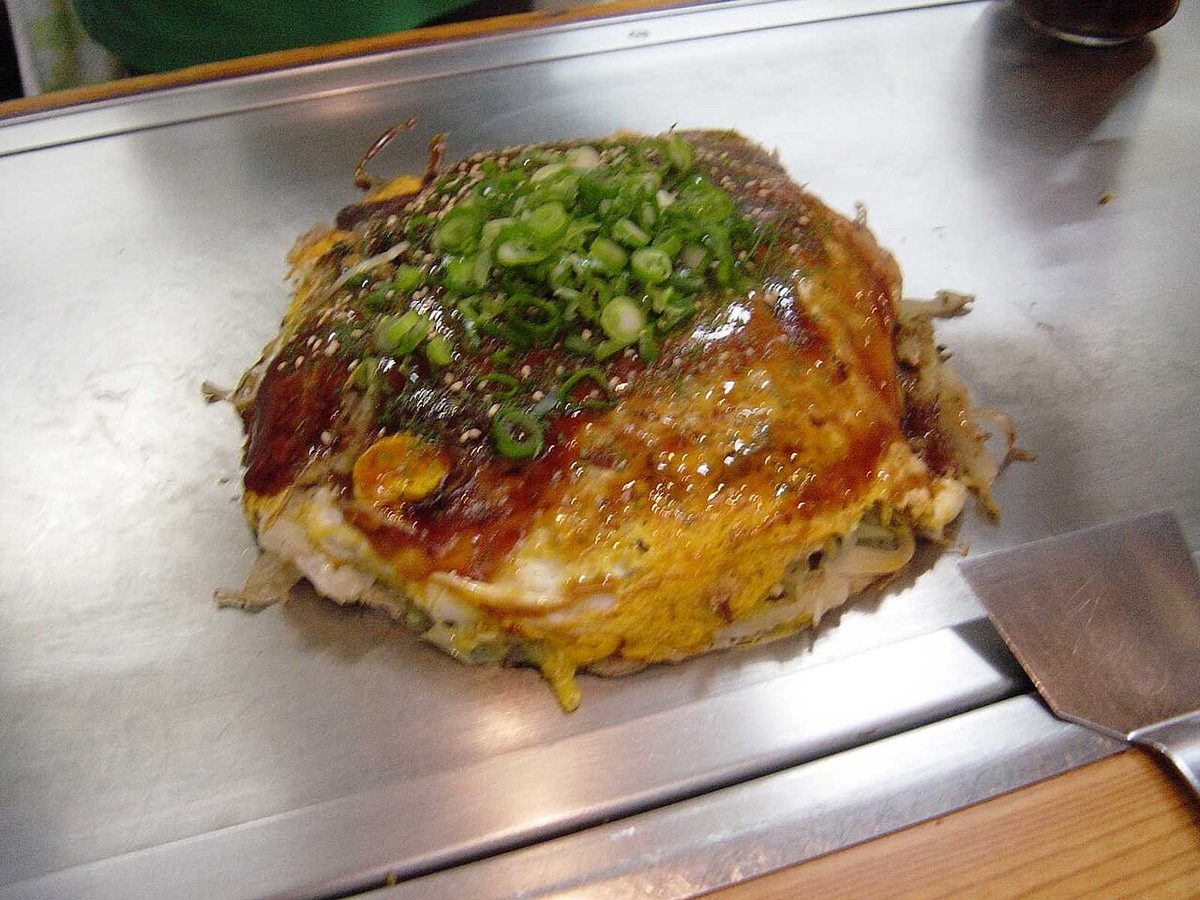
Photo: Washisama at Japanese Wikipedia / CC BY-SA 3.0 (Wikimedia Commons) Hiroshima okonomiyaki (layered savoury pancake)
広島お好み焼き
A thin wheat-flour crepe layered on an iron griddle with shredded cabbage, bean sprouts, pork belly, yakisoba or udon noodles, egg, and sweet-savory sauce. It developed in Hiroshima's post-war street stalls from aid wheat flour and inexpensive cabbage, with noodles and thick sauce added in the 1950s.
Eaten year-round straight from the counter griddle, cut into bite-sized squares with a small metal spatula (hera).
Where to eat it
- Okonomiyaki Nagataya ↓
- Okonomiyaki Reichan ↓
- Okonomiyaki Micchan Sohonten HatchoboriWebsiteMap
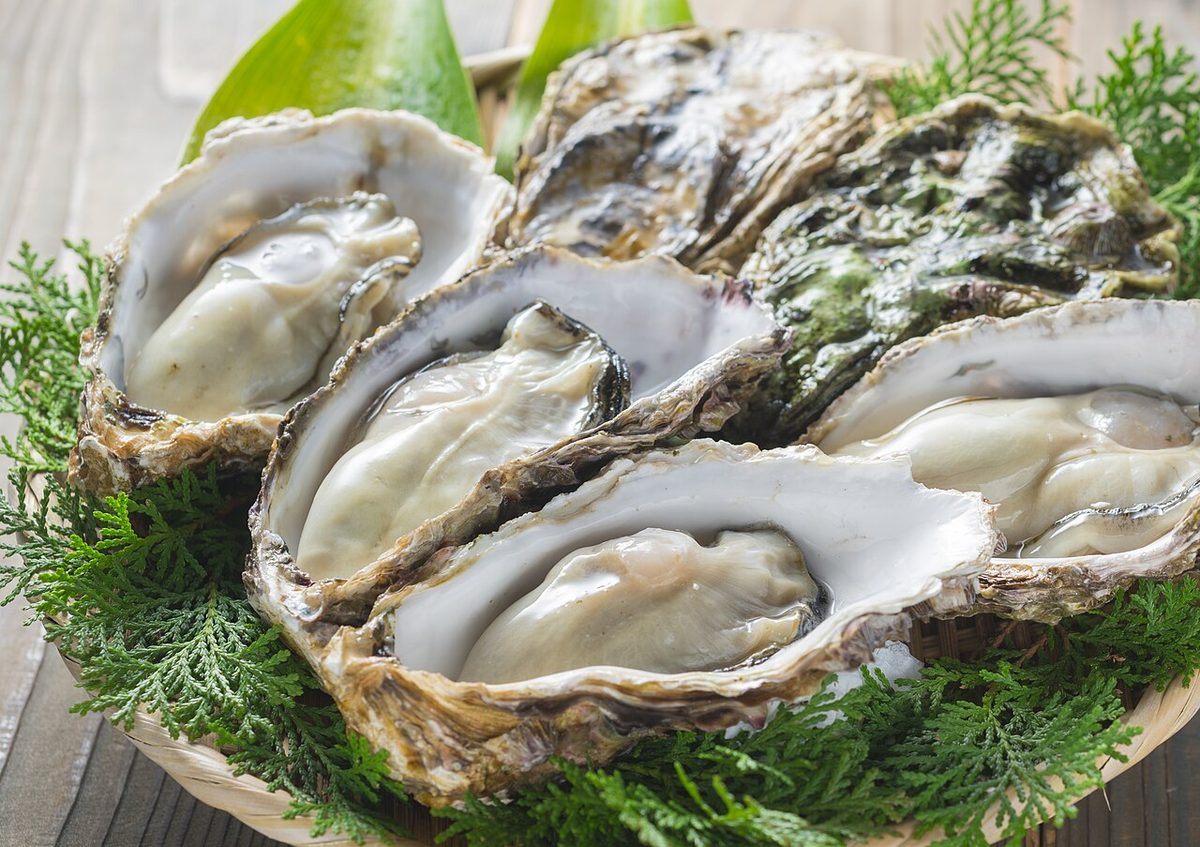
Photo: 東広島市 / CC BY-SA 4.0 (Wikimedia Commons) Hiroshima oysters
広島牡蠣
Pacific oysters farmed in the calm waters of Hiroshima Bay, where nutrient-rich river water from the Ota River meets the Seto Inland Sea. Oyster cultivation here began in the Muromachi and early Edo periods, and Hiroshima now accounts for roughly 60 percent of Japan's oyster harvest.
Plumpest from October to April, eaten grilled in the shell, raw with lemon, breaded and fried (kakifry), or simmered in miso hotpot (dotenabe).(Oct–Apr)
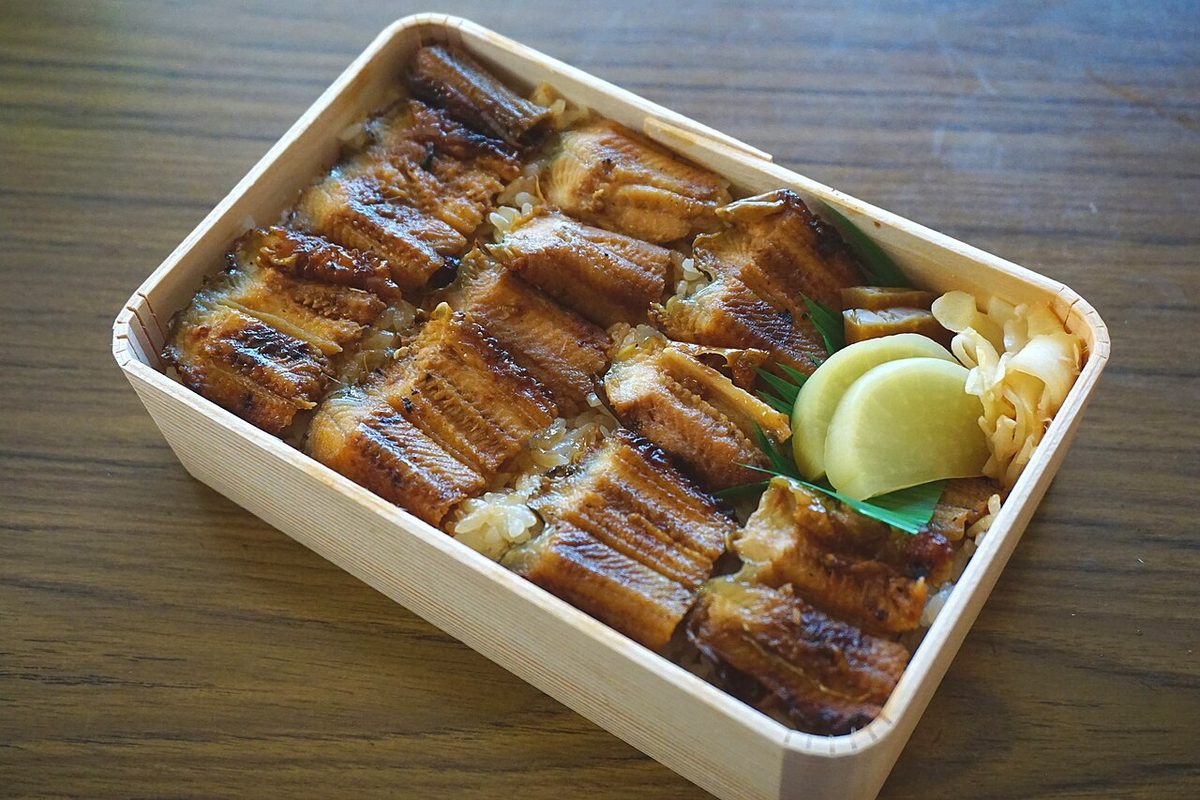
Photo: くろふね / CC BY-SA 4.0 (Wikimedia Commons) Anagomeshi (grilled conger eel over rice)
あなごめし
Saltwater conger eel grilled with a sweet-savory soy glaze and layered over rice cooked in broth made from the eel bones. Created in 1901 by Tanikichi Ueno as a boxed lunch for Miyajima Station, it developed from a local Seto Inland Sea conger-eel rice bowl into a specialty of Miyajima and Hiroshima.
Eaten year-round for lunch or early dinner as a hot bowl or steamed box with clear soup and pickles, or as a takeaway bento box.
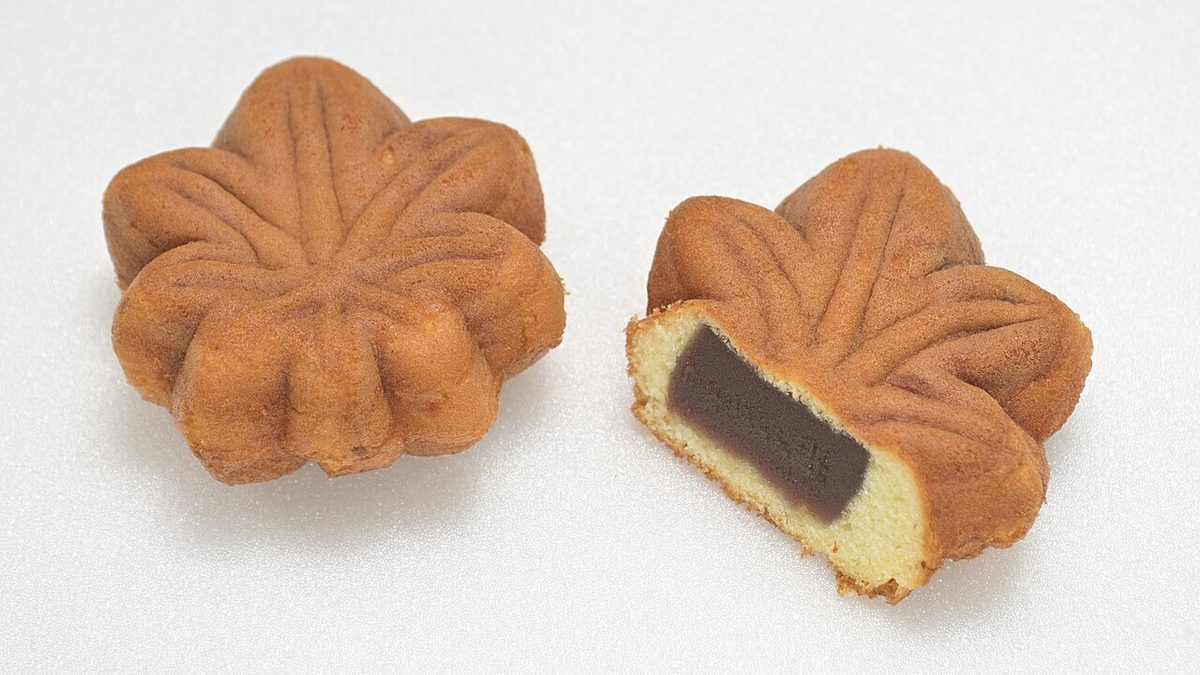
Photo: Ocdp / CC0 (Wikimedia Commons) Momiji manju (maple-leaf sponge cake)
もみじ饅頭
Small castella-like sponge cakes baked in maple-leaf molds and filled with sweet red bean paste, custard, or chocolate. Confectioner Tsunesuke Takatsu created the confection in 1906 near Miyajima's Momijidani Park, and it became the signature sweet of Miyajima and Hiroshima.
Eaten year-round as a snack or souvenir with green tea, either freshly baked, battered and deep-fried on a stick (age-momiji), or boxed to take home.
Where to eat it
- Miyajima Hakataya ↓
- Ganso Momiji Manju TakatsudoWebsiteMap
Where Rin would go, on the map — or build your own route
Tap a mark to see the place; squares are museums and sights (landmarks). Use “Build your own route” to make a walk of your own.
Loading the map
Map data © OpenStreetMap contributors
Where Rin would go
Made in Hiroshima: Hiroshima Okonomiyaki2
All hiroshima okonomiyaki →1 / 3
Made in Hiroshima
Unlike the mixed batter of Osaka, Hiroshima okonomiyaki is layered on the iron griddle: a thin crepe, piled with cabbage, bean sprouts, pork and egg, and finished with noodles and sweet-savoury sauce. It grew out of post-war food stalls and remains part of everyday neighbourhood eating.
Peace Park
Okonomiyaki Nagataya
お好み焼 長田屋
An okonomiyaki shop steps from the Atomic Bomb Dome, using fresh noodles from Isono and a house sauce made with Otafuku, with Hiroshima oysters on the menu too. 11:00–21:00 (last order 20:00); closed Tuesdays, Dec 24–25 and New Year; no reservations.
Wed–Mon 11:00–21:00 (L.O. 20:00) · Closed: Tuesdays, summer break, Dec 24–25, New Year holidays
〒730-0051 広島県広島市中区大手町1-7-19 重石ビル1F
RinWait at the griddle for the Nagataya-yaki with shrimp, squid tempura and green onion.
Hiroshima Station
Okonomiyaki Reichan
お好み焼き 麗ちゃん
An okonomiyaki house founded in 1957, now on the first floor of Hiroshima Station's ekie. Dishes come with soba or udon, including a Special with fresh squid and shrimp, and winter-only Hiroshima oysters. 11:00–22:00 (food last order 21:15); no reservations.
〒732-0822 広島県広島市南区松原町1-2 広島駅 ekie 1F
RinIn winter, pick the Hiroshima oyster one before leaving the station.
Made in Hiroshima: Hiroshima Oysters1
All hiroshima oysters →1 / 2
Made in Hiroshima
Hiroshima Prefecture is Japan's largest producer of farmed oysters, fed by mountain rivers flowing into the calm waters of Hiroshima Bay. Harvests run from autumn to spring, with the meat firmest and richest in winter from December to February.
Miyajima
Kakiya
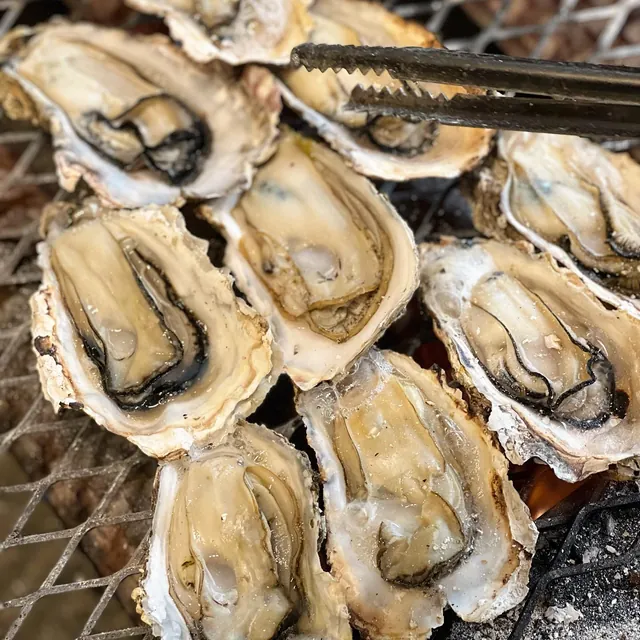
Photo: the shop’s official page 牡蠣屋
A restaurant on Miyajima's Omotesando street serving only oysters from nearby waters: fierce-heat grilled oysters, the Kakiya Set with fried oysters, oyster rice and oil-marinated oysters, and raw oysters until late March. 10:00–18:00 (closes when sold out); irregular days off.
〒739-0588 広島県廿日市市宮島町539
RinThe Kakiya Set for grilled oysters and oyster rice, plus raw oysters in winter.
Craft6
All craft →1 / 6
Hondori & Hatchobori
Gallery Ichiyo
ギャラリー一葉
A craft gallery near the Hiroshima YMCA in Hatchobori, showing everyday pottery, porcelain, glass and lacquerware, with solo and group exhibitions by contemporary makers. 11:00–18:00; closed Sundays, Mondays and holidays.
〒730-0013 広島県広島市中区八丁堀8-2
RinIn a quiet room with no music, I want to pick up everyday vessels and choose.
Honkawacho
READAN DEAT
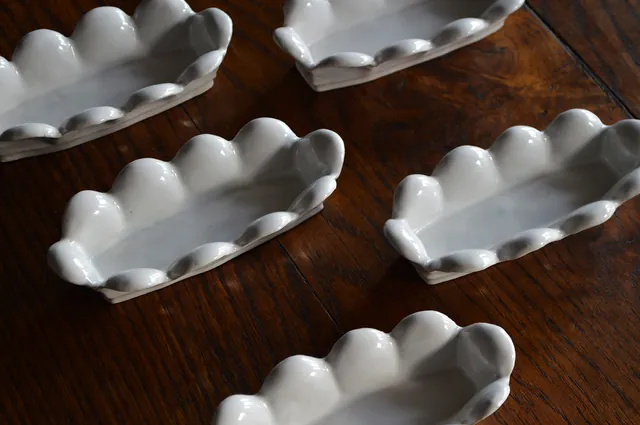
Photo: the shop’s official page An independent bookshop and gallery on the second floor of an old building in Honkawacho, a minute's walk from Honkawacho tram stop. Photography and art books alongside pottery from regional kilns and katazome dyed cloth. 11:00–18:00, closed Tuesdays.
Wed–Mon 11:00–18:00 · Closed: Tuesdays
〒730-0802 広島県広島市中区本川町2-6-10 和田ビル203
RinAfter the bookshelves, take time over the pottery and katazome cloth.
Honkawacho
PIERLOKKI
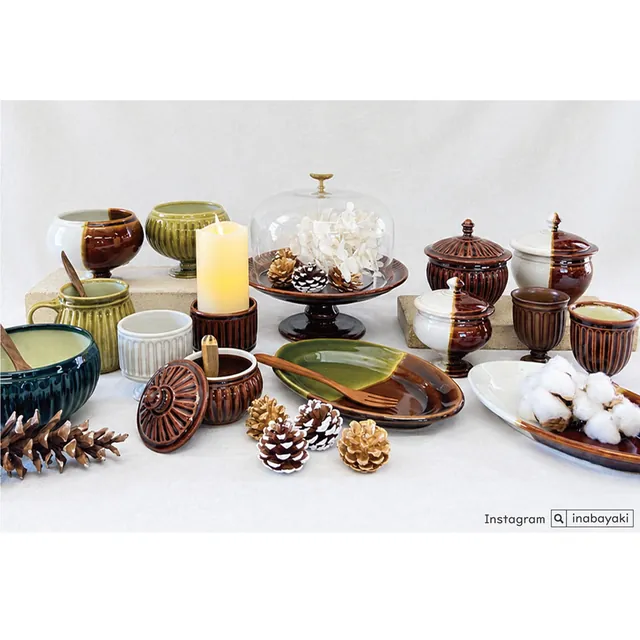
Photo: the shop’s official page 桟橋カモメ(PIERLOKKI)
A third-floor shop opposite Honkawacho tram stop pairing Japanese crafts with Nordic vintage pieces, holding regular solo shows of pottery, woodwork and glass. Closed Wednesdays; 11:00–17:00 in November 2026.
Thu–Tue 11:00–17:00 · Closed: Wednesdays
〒730-0802 広島県広島市中区本川町2-5-12 鳥越ビル3F
RinCompare the old Nordic pieces set among the Japanese vessels.
Hiroshima Station
Kumano Brush Shop
熊野筆ショップ
A Kumano brush shop on the second floor of Hiroshima Station's minamoa building. Calligraphy brushes by master artisans and handmade Kumano makeup brushes from makers such as Chikuhodo and SHAQUDA, to touch and try. 10:00–20:00.
Daily 10:00–20:00 · Closed: Irregular holidays (follows minamoa)
〒732-0822 広島県広島市南区松原町2-37 minamoa 2F北
RinBrush the bristles across the back of my hand to feel how soft they are.
Miyajima
Shakushi no Ie
杓子の家
A specialty shop for wooden Miyajima rice scoops opened in 1979 as the retail shop of wholesaler Miyachu, stocking everyday unpainted scoops and keepsakes with hand-lettered calligraphy. 10:00–16:30, closed Wednesdays.
Thu–Tue 10:00–16:30 · Closed: Wednesdays
〒739-0557 広島県廿日市市宮島町488
RinChoose an unpainted rice scoop to use in the kitchen every day, not for display.
Miyajima
Miyajima Traditional Crafts Hall
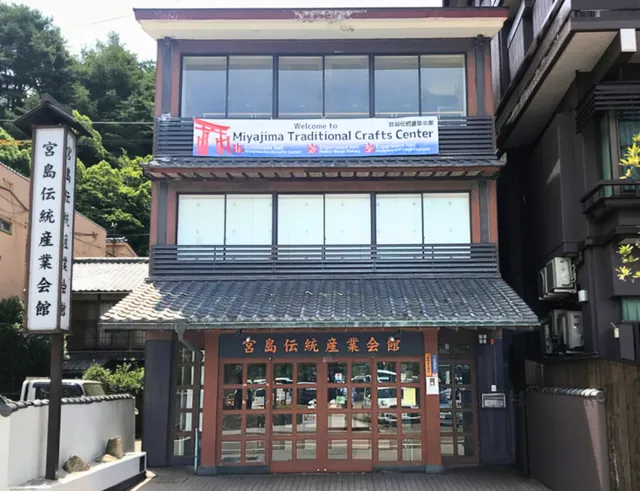
Photo: the shop’s official page 宮島伝統産業会館(みやじまん工房)
A crafts hall run by the Miyajima Woodwork Crafts Cooperative, displaying and selling Miyajima shamoji and Miyajima-bori woodcarvings, with advance-reservation workshops in scoop-making and carving. 8:30–17:00 (workshops 9:00–16:30); closed Mondays (next weekday if a holiday) and Dec 29–Jan 3.
Tue–Sun 8:30–17:00 · Closed: Mondays, Dec 29–Jan 3
〒739-0505 広島県廿日市市宮島町1165-9
RinCompare the wood grain on the Miyajima-bori carvings and scoops by master craftsmen.
Sweets2
All sweets →1 / 2
Hondori & Hatchobori
Miyoshino
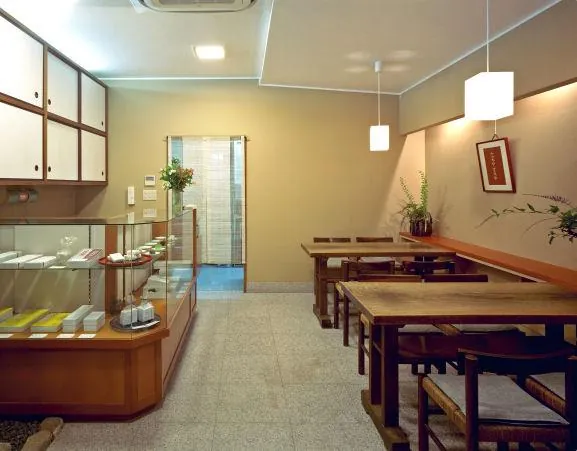
Photo: the shop’s official page 御菓子司 みよしの
A wagashi confectioner in Hatchobori founded in 1951, making seasonal fresh sweets and monaka, with an eight-seat tea corner inside. 10:00–18:00, closed Sundays; cash only.
Mon–Sat 10:00–18:00 · Closed: Sundays
〒730-0013 広島県広島市中区八丁堀8-3
RinIn autumn or winter, chestnut kinton or inoko-mochi at a seat inside.
Miyajima
Miyajima Hakataya
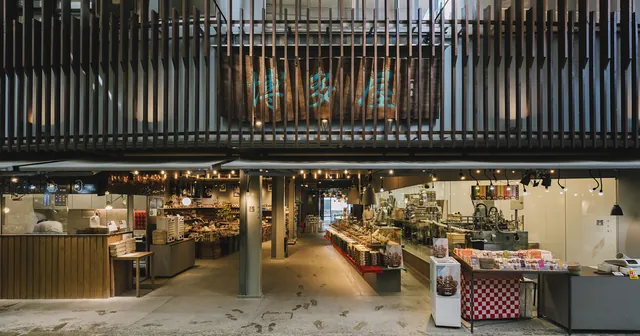
Photo: the shop’s official page 宮島 博多屋
A single-shop momiji manju maker on Omotesando street that began as a shamoji wholesaler in the early Meiji era. Castella batter and bean paste are baked in-house daily, with unwrapped hot 'Yakitate Now' cakes from about 9:30. 9:00–17:00, open every day.
Daily 9:00–17:00 · Closed: None (open all year round)
〒739-0557 広島県廿日市市宮島町459
RinEat one of the unwrapped Yakitate Now cakes straight out of the mould at the counter.
Food1
All food →Hondori & Hatchobori
Koryoriya Nagayama
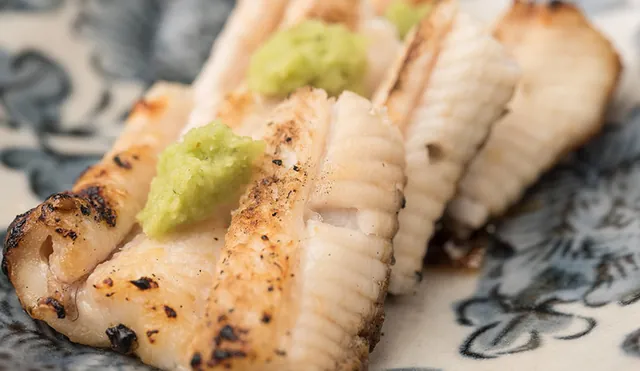
Photo: the shop’s official page 小料理屋 永山
A fifth-floor Japanese small-plates restaurant in Ebisucho serving seasonal vegetables and fresh fish such as live conger eel, with around ten sakes. Lunch Mon–Sat (10:00–14:30), breakfast on Saturdays only; closed Sundays.
Sat 7:30–10:00 (L.O. 9:30), Mon–Sat 10:00–14:30, Wed–Thu 18:00–22:00, Fri–Sat 18:00–23:00 · Closed: Sundays
〒730-0021 広島県広島市中区胡町2-24 エントリービル5F
RinStart the day quietly with Saturday's 7:30 breakfast.
Cafés3
All cafés →1 / 3
Hondori & Hatchobori
BAGTOWN COFFEE
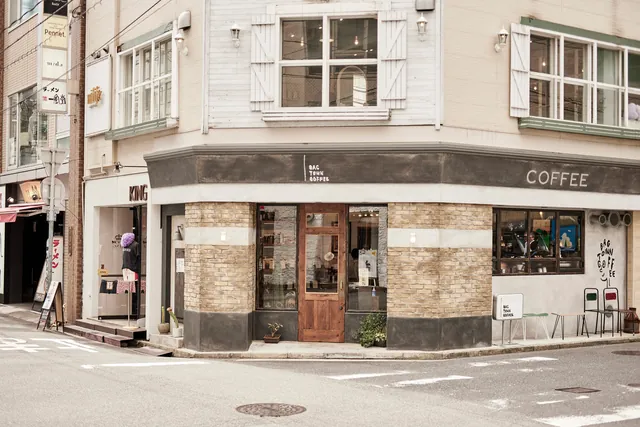
Photo: the shop’s official page A small roastery on a side street in Fukuromachi, roasting from light to dark and selling only beans and takeaway coffee (no seating). 11:00–19:00; irregular closing days.
Daily 11:00–19:00 · Closed: Irregular holidays
〒730-0036 広島県広島市中区袋町2-1
RinTake one cup of a light-roast single origin and walk along Hondori.
Motomachi
SOKO CAFÉ
A Japanese tea café in Hiroshima Castle's Sannomaru compound, the first supervised by the samurai tea school Ueda Sokoryu. Thick and thin matcha from Onomichi's Ujien and Kyoto's Ippodo, and sets where you whisk your own bowl. 10:00–18:00 (last order 17:30); closed Wednesdays except holidays.
〒730-0011 広島県広島市中区基町21-7-2 広島城三の丸
RinPick between Ujien and Ippodo matcha and whisk a bowl myself.
Hiroshima Station
TEA HOUSE KABUKIYA
TEA HOUSE KABUKIYA(傾㐂屋)
A seven-seat Japanese tea bar opened in January 2026 on the ground floor of an old wooden house ten minutes' walk from Hiroshima Station's Shinkansen exit. Sencha, Japanese black tea and hojicha from Sera, Yame and Shizuoka are served in first and second infusions. 11:00–20:00; closed Tuesdays and irregular days.
〒732-0054 広島県広島市東区若草町5-4
RinCompare the first and second steepings of the same leaf, and buy a packet for home.
By area
Rin is a fictional traveller. Every place here was checked by the editors to exist and be open (checked 2026-11-16). Please confirm hours on the official site before you go. Paid listings are always marked. If you are the shop and would like a photo removed, write to editor@vual.jp and we will take it down at once.
To see — art and sights (landmarks)
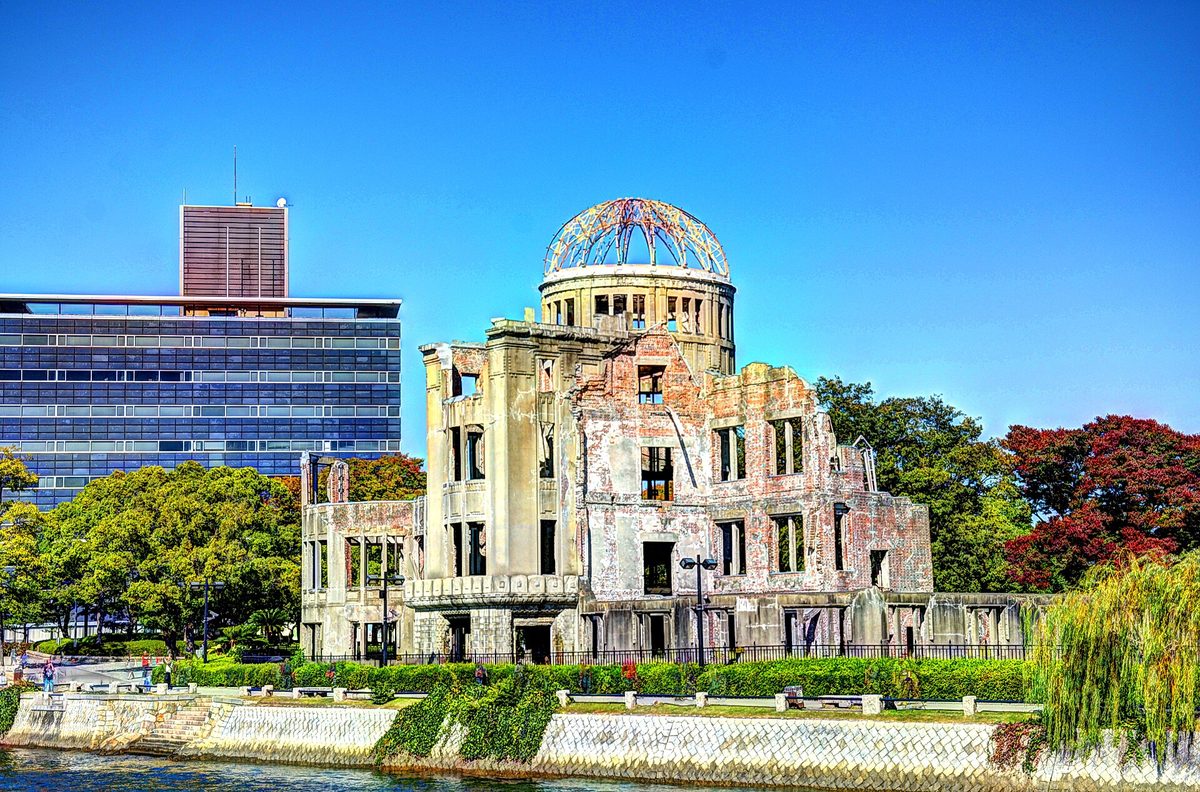
Photo: Narampanawe / CC BY-SA 4.0 (Wikimedia Commons) Sights · Peace Park
Atomic Bomb Dome
The preserved ruin of the 1915 Prefectural Products Exhibition Hall (later Industrial Promotion Hall) designed by Czech architect Jan Letzel on the Motoyasu River. Registered as a World Heritage site in 1996; viewed from the surrounding paths.
Night-time lighting and commemorative events mark 30 years as a World Heritage site from Dec 6, 2026 to Jan 31, 2027.
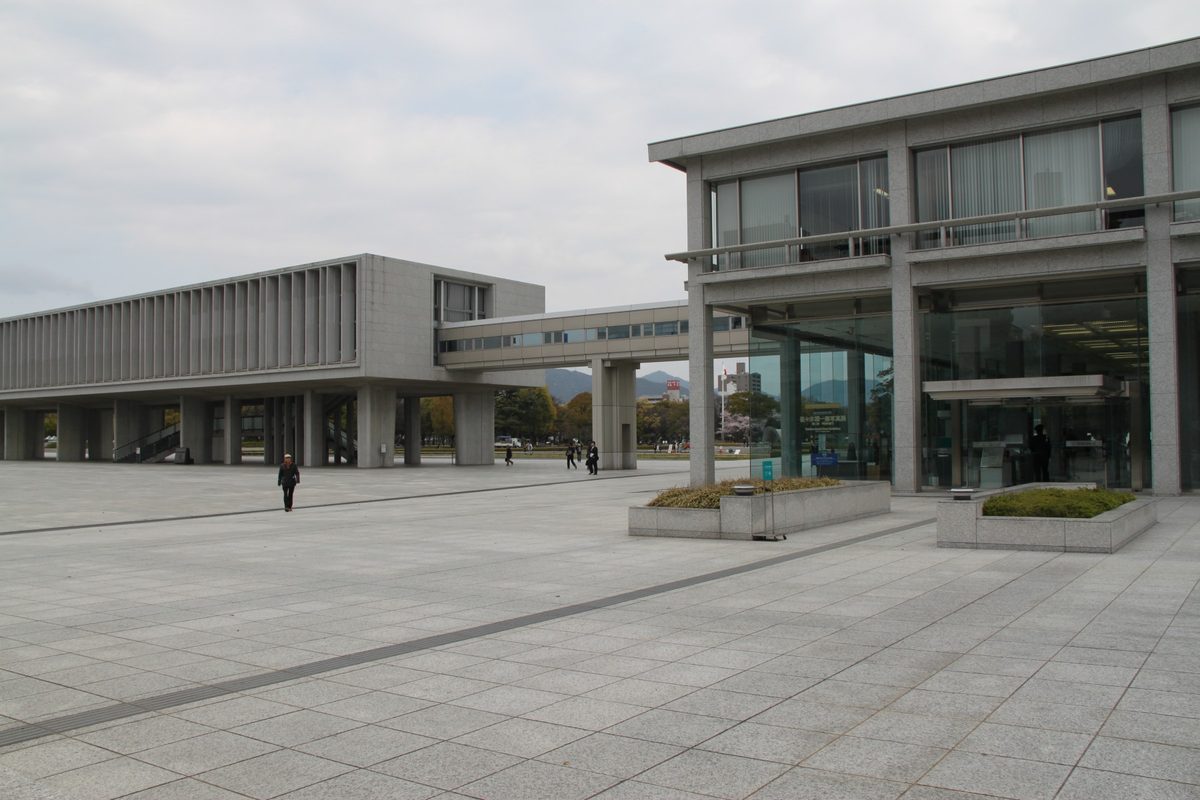
Photo: dres2222 / CC BY-SA 3.0 (Wikimedia Commons) Art · Peace Park
Hiroshima Peace Memorial Museum
Kenzo Tange's modernist museum in Peace Memorial Park, presenting artifacts, personal belongings and testimonies of the atomic bombing. Open 7:30–19:00 Sep–Nov, until 18:00 Dec–Feb (online booking required for 7:30–8:30 and the final hour).
Closed Dec 30–31, and temporarily closed Feb 15–20, 2027 for exhibition changes.
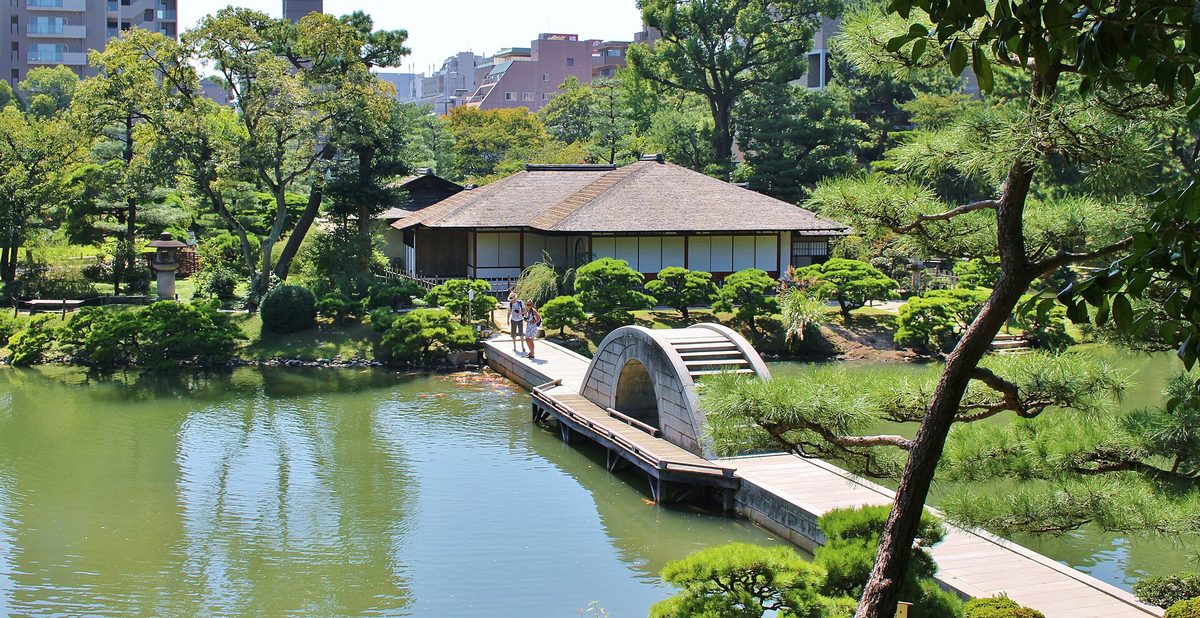
Photo: Yoshio Kohara / CC BY 3.0 (Wikimedia Commons) Sights · Kaminoboricho
Shukkeien Garden
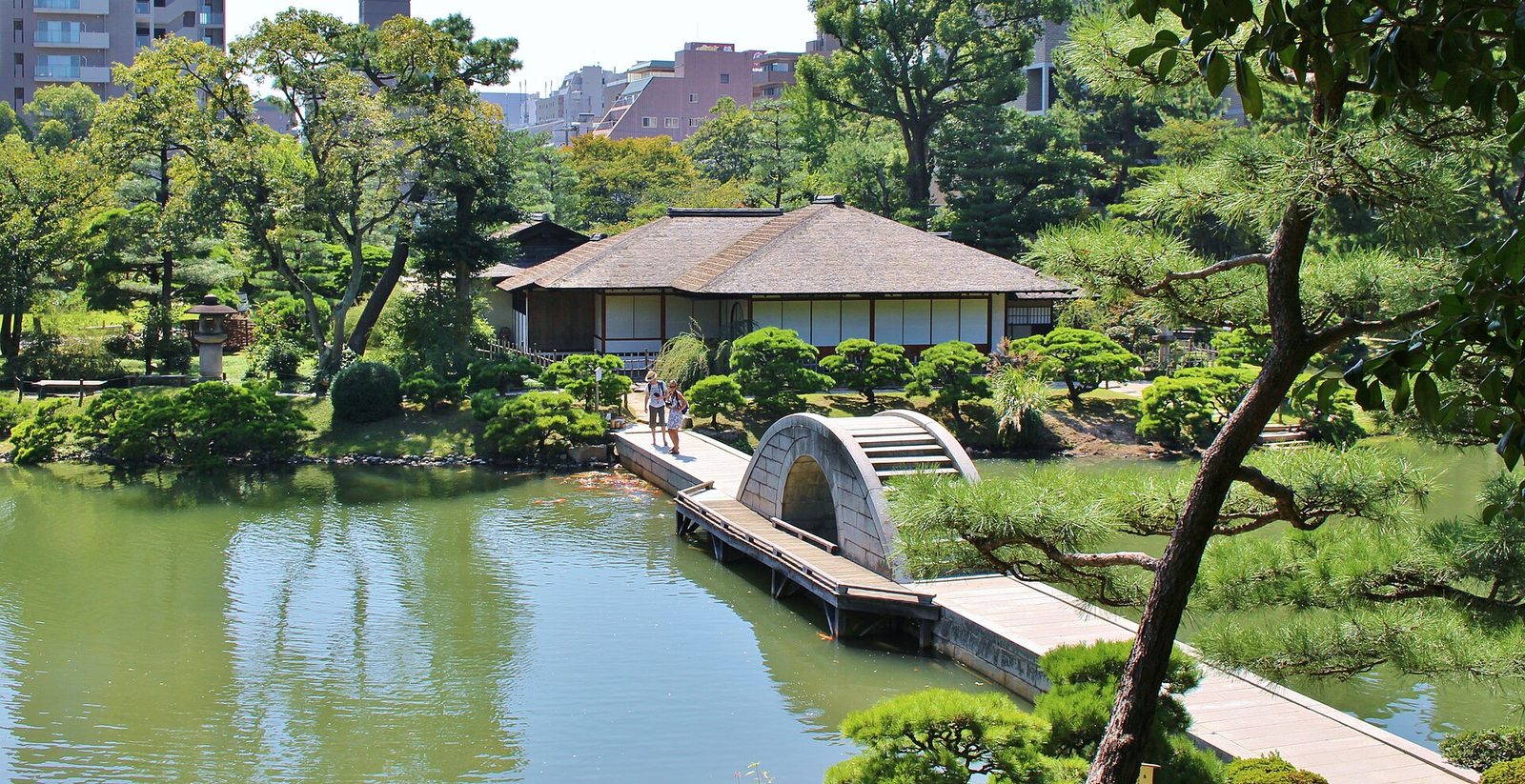
A daimyo strolling garden begun in 1620 for Hiroshima lord Asano Nagaakira and laid out by his tea-master retainer Ueda Soko. Open 9:00–17:00 from Sep 16 to Mar 15 (last entry 16:30); closed Dec 29–31.
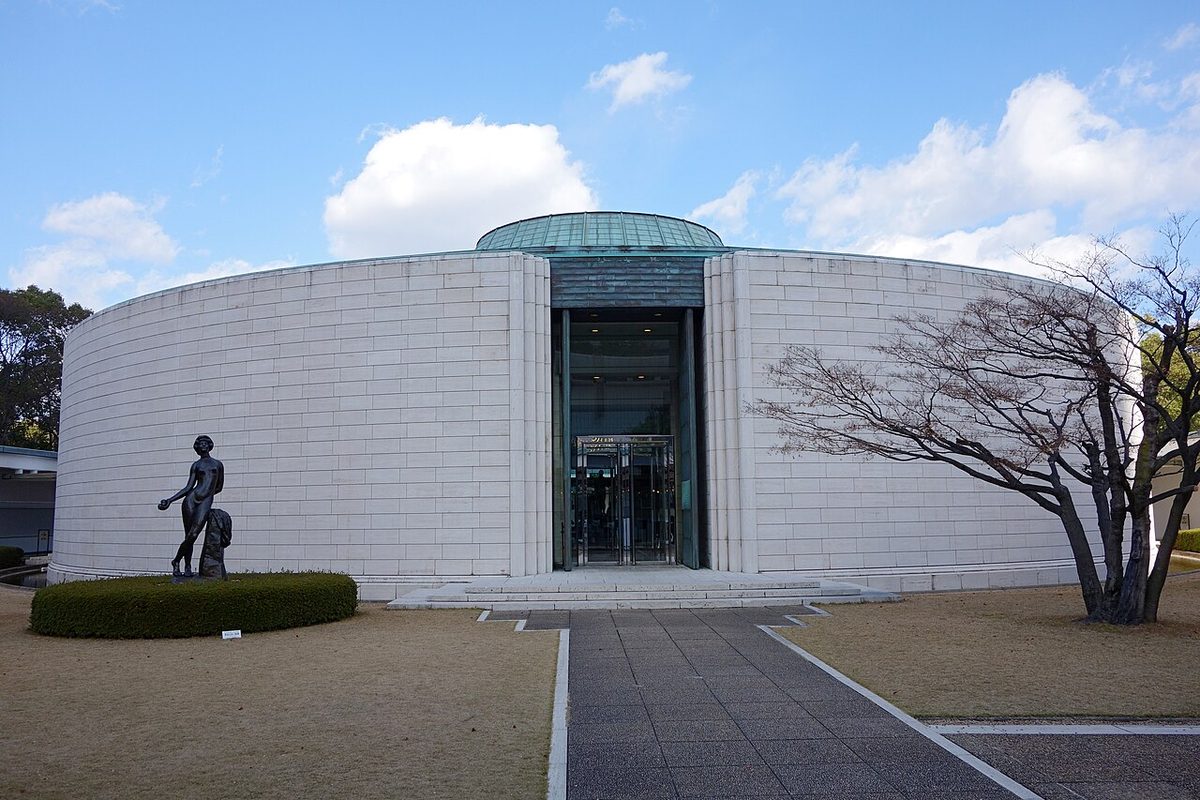
Photo: Oilstreet / CC BY 2.5 (Wikimedia Commons) Art · Motomachi
Hiroshima Museum of Art
A circular museum in Central Park holding modern French paintings led by the Impressionists alongside Japanese Western-style works and special exhibitions. 9:00–17:00 (last entry 16:30); closed Mondays (unless a holiday or during special exhibitions) and New Year.
Scheduled to close for major renovation from Aug 1, 2027 to Nov 2, 2028.
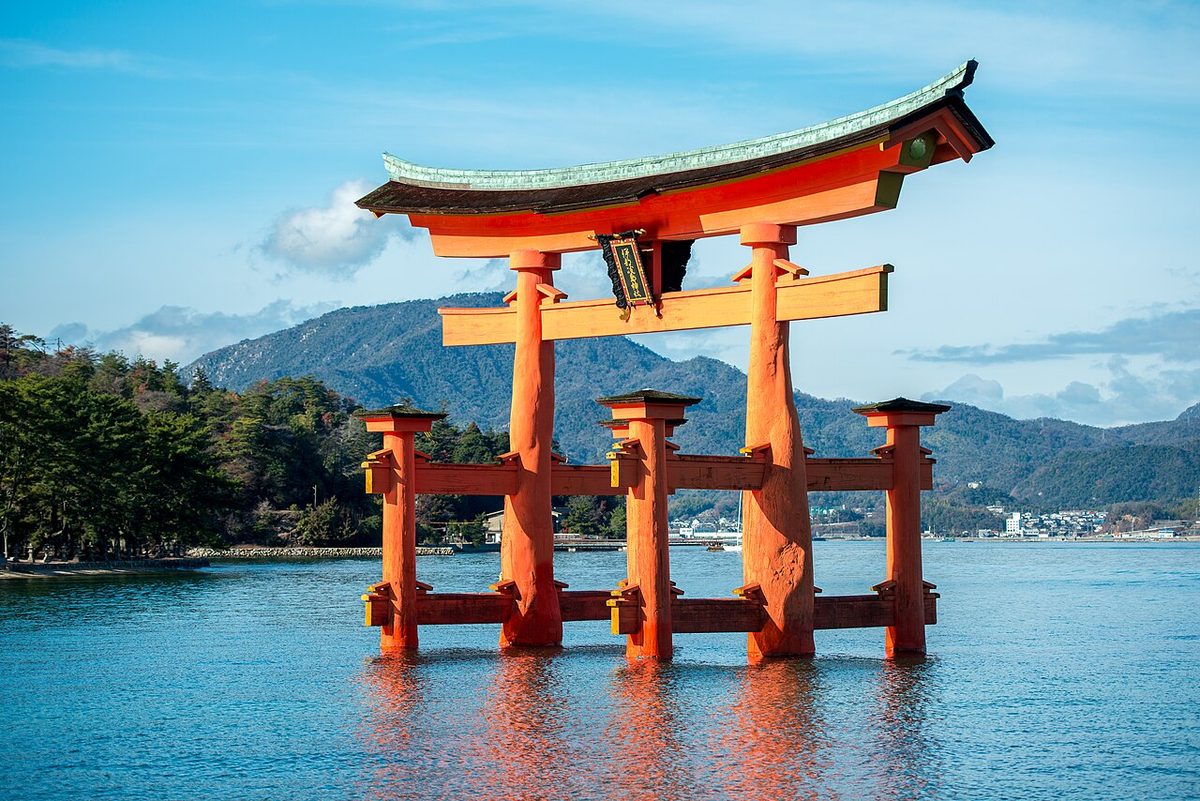
Photo: JordyMeow / CC BY-SA 3.0 (Wikimedia Commons) Sights · Miyajima
Itsukushima Shrine
A World Heritage shrine founded in 593 and given its present form by Taira no Kiyomori, known for its tidal corridors and vermilion Otorii gate. Open daily: 6:30–17:30 Oct 15–Nov 30, until 17:00 in December.
Structural reinforcement work on the East Corridor runs from January 2025 to November 2027.
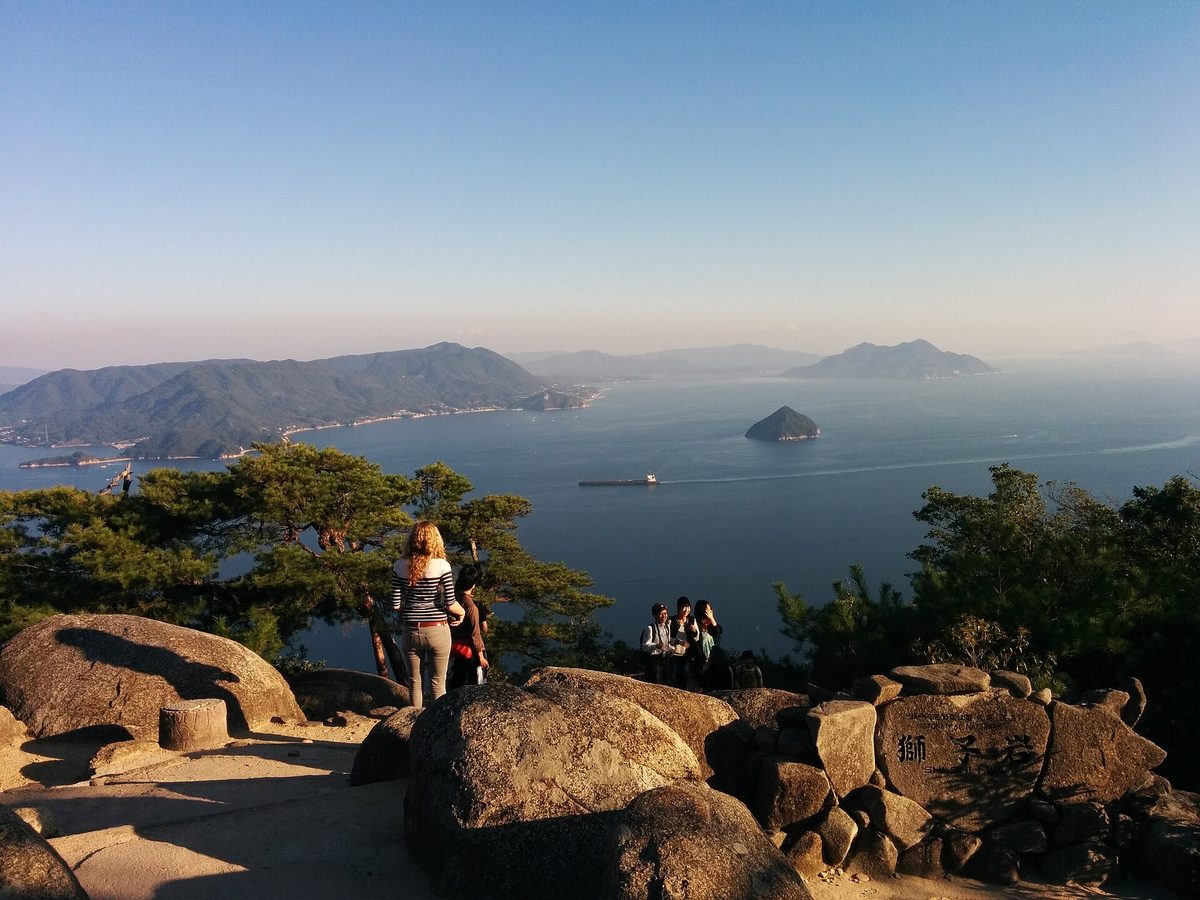
Photo: x768 / CC BY-SA 2.0 (Wikimedia Commons) Sights · Miyajima
Mount Misen (Miyajima Ropeway)
Miyajima's highest peak, reached via two aerial ropeways from Momijidani Park. Uphill 9:00–16:00, downhill 9:20–16:30; advance reservation is required on designated busy days in November.
The free shuttle bus is currently suspended. Near the summit, the Misen Reikado hall burned down in May 2026 and reconstruction is under way.
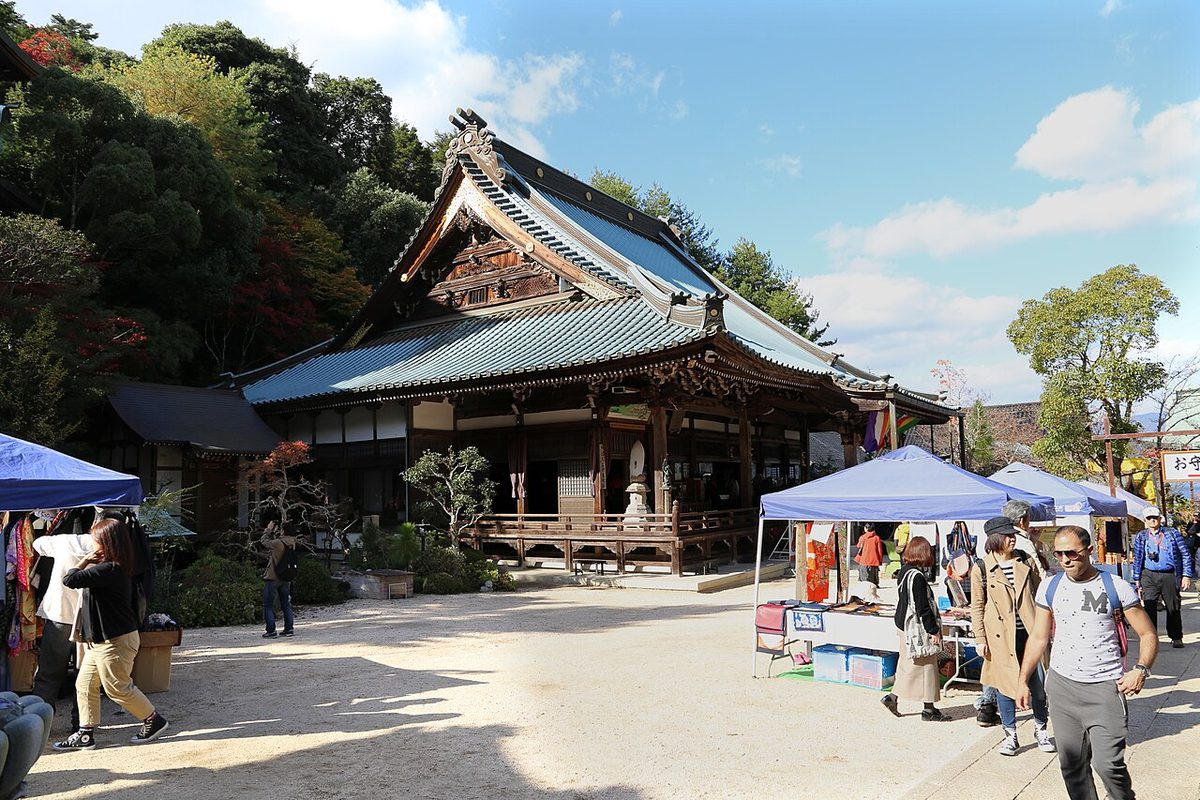
Photo: Sailko / CC BY 3.0 (Wikimedia Commons) Sights · Miyajima
Daisho-in Temple
The head temple of the Omuro Shingon sect at the foot of Mount Misen, tracing its founding to Kukai's ascetic practice on the mountain, with stone-step statues, prayer wheels and a dark underground passage. Open 8:00–17:00.
These are landmarks, not Rin's picks. Each was checked to be open on its official site (checked 2026-11-12). Please confirm hours before you go.
Day trips from Hiroshima
Classics
- Hiroshima Peace Memorial Park
A park dedicated to world peace, featuring the Atomic Bomb Victims Memorial Cenotaph and the Hiroshima Peace Memorial Museum. August 6th is the Peace Memorial Ceremony.
- Itsukushima Shrineabout 17 km
Itsukushima Shrine, registered as a World Cultural Heritage site, is characterized by its magnificent shrine buildings constructed over the sea. High tide is best; check tide charts.
- Kintaikyo Bridgeabout 37 km
Kintaikyo Bridge is a beautiful wooden arch bridge and one of Japan's three most famous bridges. Best in spring (cherry blossoms) and autumn (autumn leaves).
Hidden spots
- Sandankyo Gorgeabout 33 km
A 16-kilometer Special Place of Scenic Beauty in Hiroshima's northern mountains featuring emerald pools, cliffs, and a traditional ferry boat across Kurobuchi. May–June for fresh greenery and late Oct–mid Nov for autumn foliage; check trail closures before going.
- Mitarai Historic Port Townabout 44 km
An Edo-to-early-Showa tide-waiting port town on Osaki-Shimojima Island preserved as an Important Preservation District for Groups of Traditional Buildings. Spring and autumn offer mild Seto Inland Sea weather; arrive mid-morning when historic cafes and shops open.
Distances are straight-line from the town centre. Each page has how to get there and a suggested day.