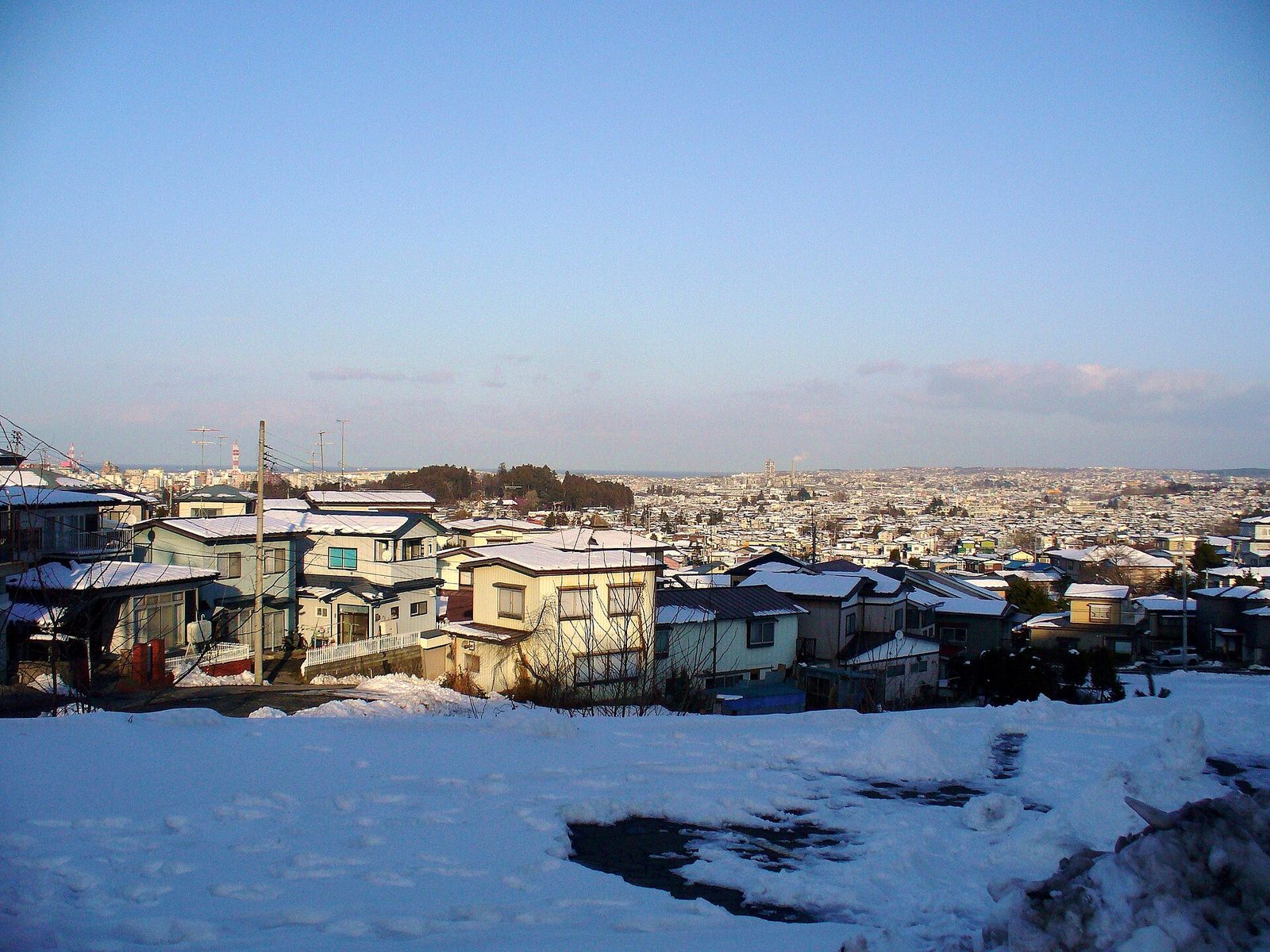
40.5° N
Hachinohe
Aomori, Japan
A Pacific port town in eastern Aomori. Sake breweries along the Niida River, Nanbu hishizashi embroidery and Nanbu senbei, plus morning wharf diners and coffee houses in Konakano and Same: Rin's picks.
Hachinohe, on film
4 sights and 14 places, each checked open in 2026, in 47 seconds.
Found somewhere you like? The map and the list below have the address, hours and official site.
Tap for sound
What to eat in Hachinohe
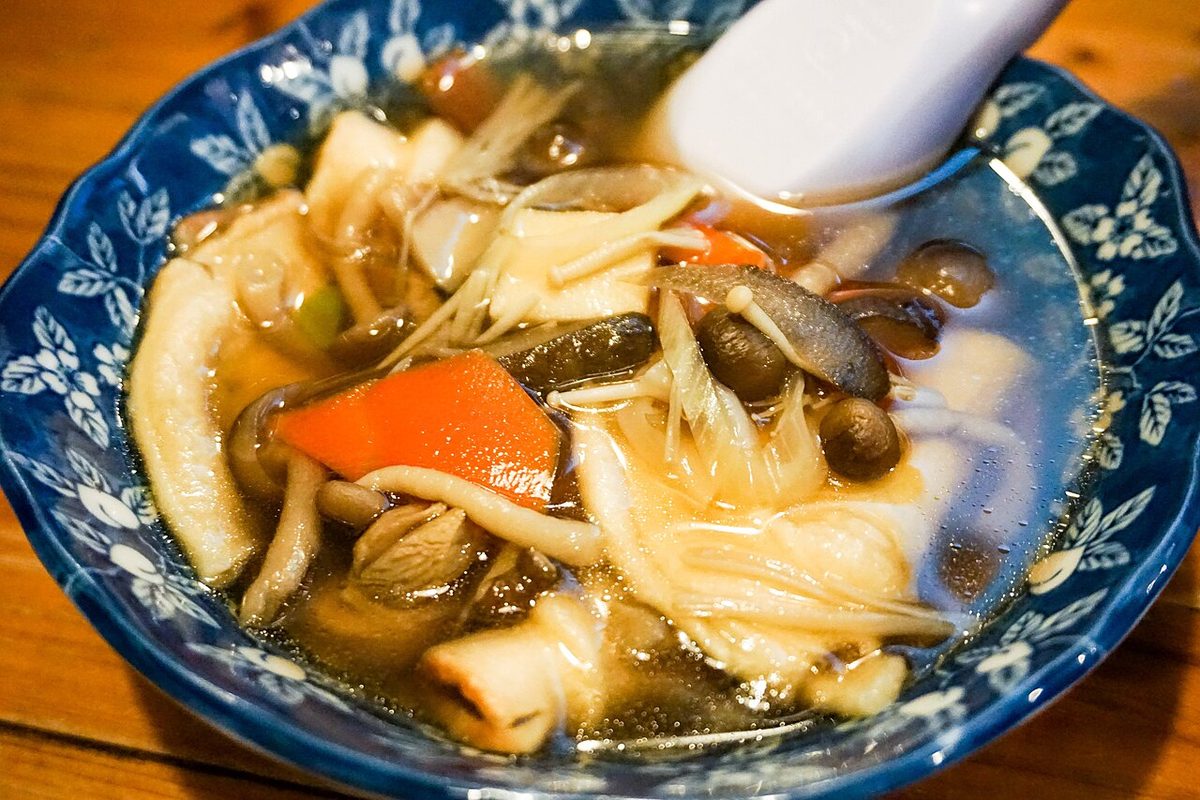
Photo: くろふね / CC BY-SA 4.0 (Wikimedia Commons) Hachinohe Senbei-jiru (wheat cracker soup)
八戸せんべい汁
A hot broth soup containing broken pieces of wheat-flour Nanbu senbei crackers simmered with chicken, mackerel, or pork along with vegetables and mushrooms. It developed in the Hachinohe area, where cool climates made rice harder to grow and wheat-based cooking was common, and was later promoted nationwide from 2003 by the Hachinohe Senbei-jiru Kenkyujo.
Eaten piping hot from autumn through winter or year-round as a set meal alongside local seafood or rice.
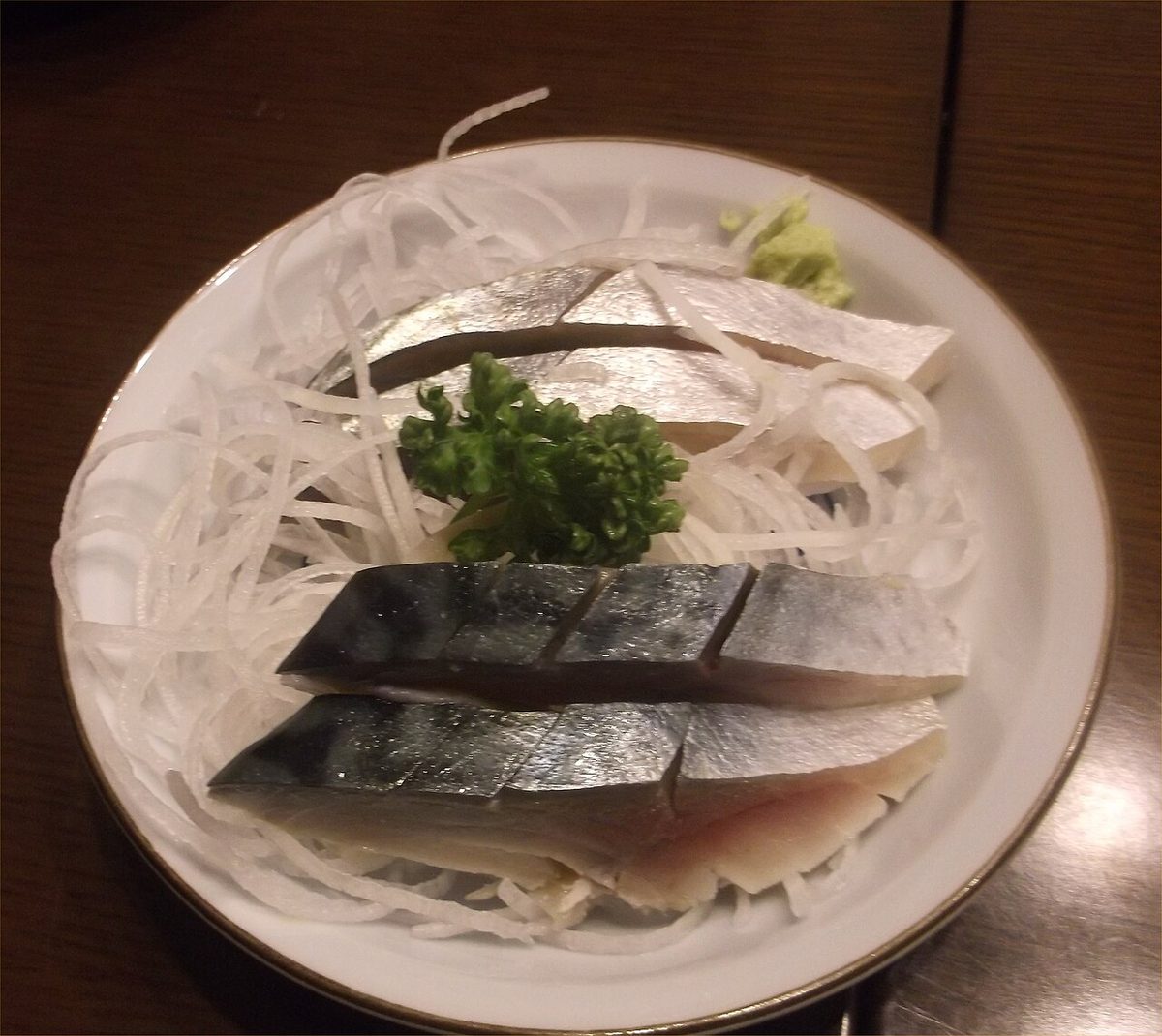
Photo: Kentin / CC BY-SA 4.0 (Wikimedia Commons) Hachinohe Maeoki Saba (autumn mackerel)
八戸前沖さば
Chub mackerel caught in the northern coastal waters and landed at Hachinohe Port during its autumn southward migration, with large fatty fish over 550 grams branded as Ginsaba. Cooling seawater around 18°C off Hachinohe from September prompts the fish to store dense fat, making mackerel a signature product of the port even though recent low catches sometimes lead shops to use Hokkaido fish.
Eaten as vinegared shimesaba, grilled fish, sashimi, or over rice bowls in port canteens and evening izakayas with local sake.(Sep–Dec)
Where to eat it
- Hama-Ichiba Minatotto ↓
- Saba no EkiWebsiteMap
- Gyoshokuya Kinki Hachinohe HontenWebsiteMap
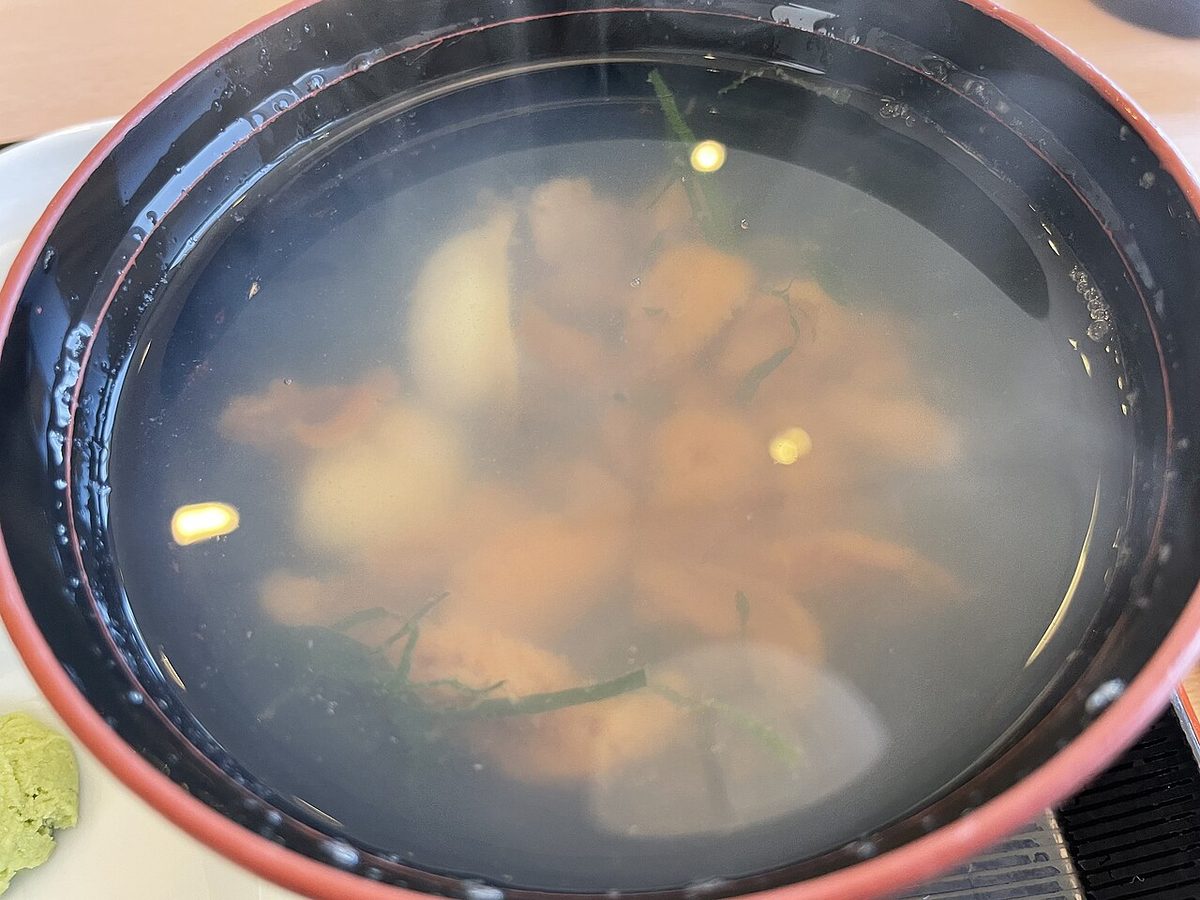
Photo: Totti / CC BY-SA 4.0 (Wikimedia Commons) Ichigo-ni (sea urchin and abalone soup)
いちご煮
A clear saltwater-style soup of sea urchin roe and sliced abalone seasoned lightly with salt and soy sauce, named because golden sea urchin in the milky broth resembles wild strawberries in morning mist. It began as a beachside fishermen's dish along the Hachinohe and southern Sanriku coast before Taisho-era ryotei restaurants refined it into a celebratory dish.
Served in a bowl topped with shredded green shiso and green onion, at its peak around July when sea urchin is in season and also eaten year-round at celebrations and restaurants.
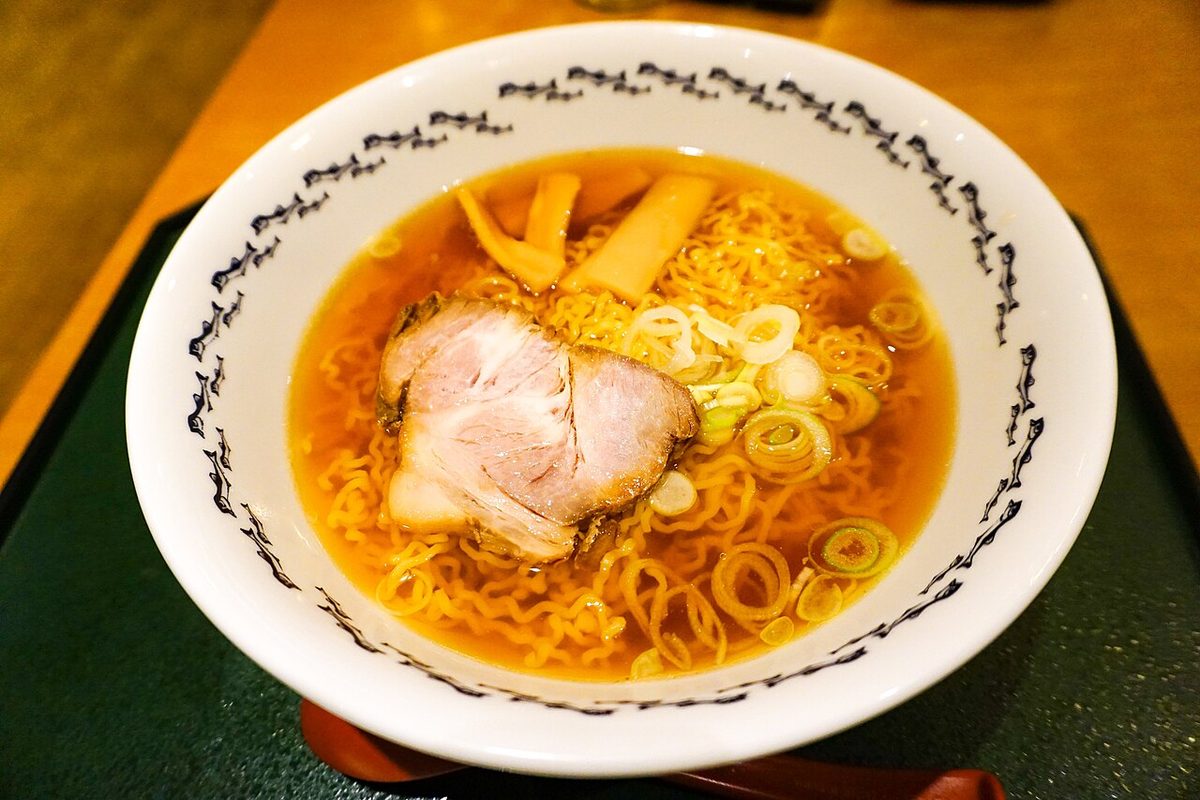
Photo: くろふね / CC BY-SA 4.0 (Wikimedia Commons) Hachinohe Ramen (niboshi soy-sauce ramen)
八戸らーめん
A light soy-sauce ramen pairing thin hand-massaged curly noodles with a clear broth made from local niboshi dried sardines, chicken bones, and pork bones, topped with chashu pork, bamboo shoots, and green onion. It traces back to Rai-raiken, opened in downtown Hachinohe around 1928 by Tei Kokusen, and was revived in 2002 to coincide with the opening of the Tohoku Shinkansen to Hachinohe Station.
Eaten for lunch or as a final bowl after drinking at downtown yatai stalls, with participating shops offering monthly specials on the 1st of each month.
Where Rin would go, on the map — or build your own route
Tap a mark to see the place; squares are museums and sights (landmarks). Use “Build your own route” to make a walk of your own.
Loading the map
Map data © OpenStreetMap contributors
Where Rin would go
Made in Hachinohe: Port-town Sake Brewing2
All port-town sake brewing →1 / 3
Made in Hachinohe
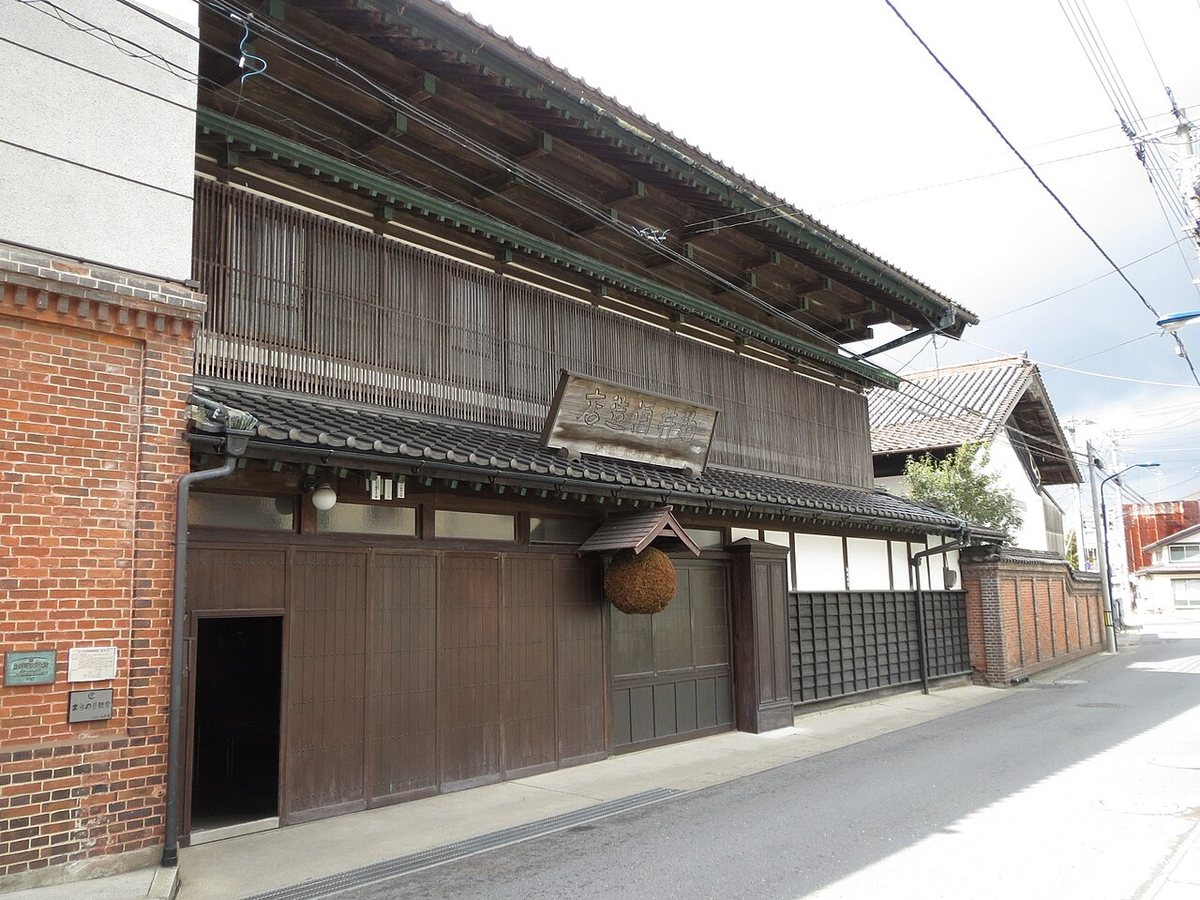
Cold Pacific winters and local spring water have sustained sake breweries near Hachinohe's port since the late 18th century. Houses such as Hachinohe Shuzo (1775) and Hachinohe Syurui (1786) still brew in historic storehouses.
Historic wooden and brick sake brewery of Hachinohe Shuzo·Photo: Ty19080914 / CC BY-SA 4.0 (Wikimedia Commons)
Mutsu-Minato
Hachinohe Shuzo
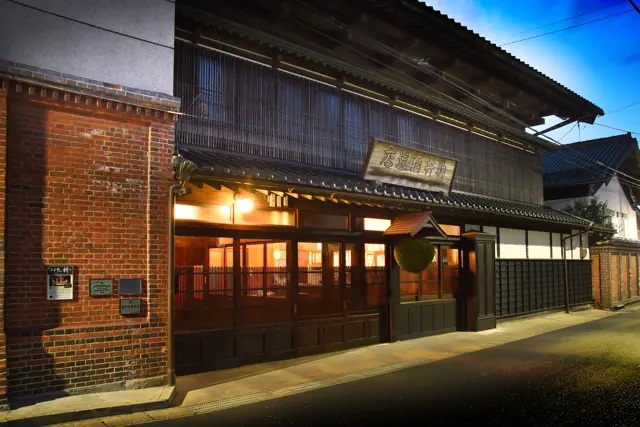
Photo: the shop’s official page 八戸酒造
A sake brewery founded in 1775 along the Niida River, with Taisho-era red-brick and earthen storehouses. It brews Mutsu Hassen and Mutsu Otokoyama; brewery tours require advance booking.
湊町字本町9
RinI saw the red-brick storehouses and bought a bottle of Mutsu Hassen. Crisp and light.
Chushingai
Hachinohe Syurui Hachitsuru Direct Shop
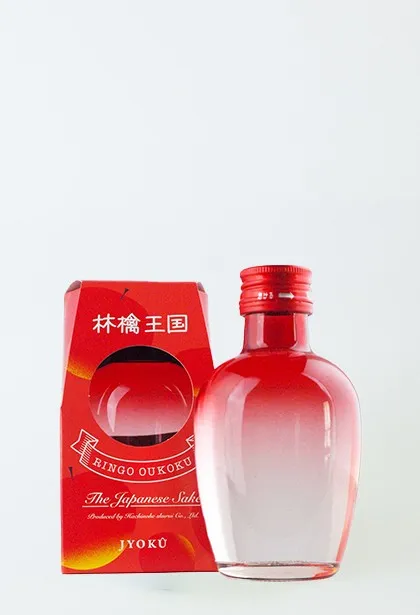
Photo: the shop’s official page 八戸酒類 八鶴蔵元直売所
The downtown Yokamachi direct shop of a brewery founded in 1786, selling Hachitsuru and Joku sakes. Brewery tours inside the kura remain suspended indefinitely following an earthquake notice in February 2026.
Mon–Sat 10:00–17:00 · Closed: Sundays, national holidays
八日町6-1
RinI compared Hachitsuru and Joku side by side and bought a bottle of each.
Made in Hachinohe: Nanbu Hishizashi Embroidery1
All nanbu hishizashi embroidery →1 / 2
Made in Hachinohe
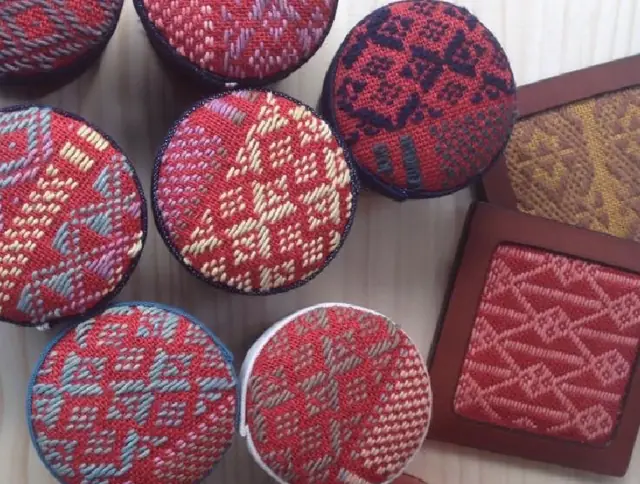
Nanbu hishizashi is a counted-thread diamond embroidery from eastern Aomori, once stitched onto hemp workwear for warmth and strength. Alongside Tsugaru koginzashi and Shonai sashiko, it is counted among Japan's three major sashiko traditions.
Nanbu hishizashi diamond-stitched accessories and coasters·Photo: Tsuzureya (official site)
Nejo
Tsuzureya
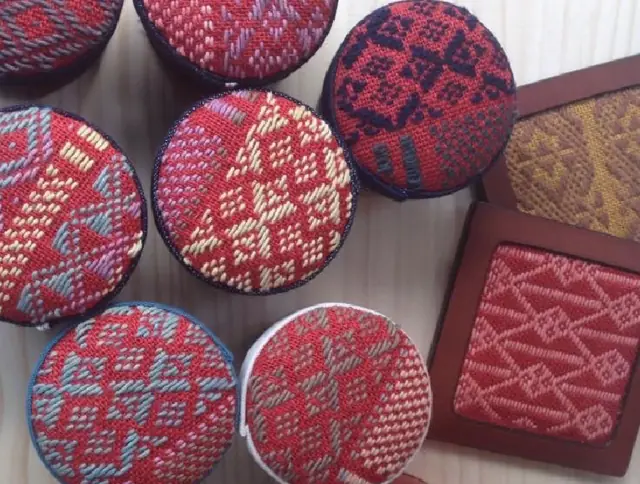
Photo: the shop’s official page つづれや
A Nanbu hishizashi embroidery studio in Hachinohe. It makes bags and small cloth goods stitched with plant-dyed threads, and also sells the dyed yarn.
田面木字上野平91-7
RinI looked at the plant-dyed hishizashi. Soft colours that sit nicely in the hand.
Made in Hachinohe: Nanbu Senbei Baking1
All nanbu senbei baking →1 / 2
Made in Hachinohe
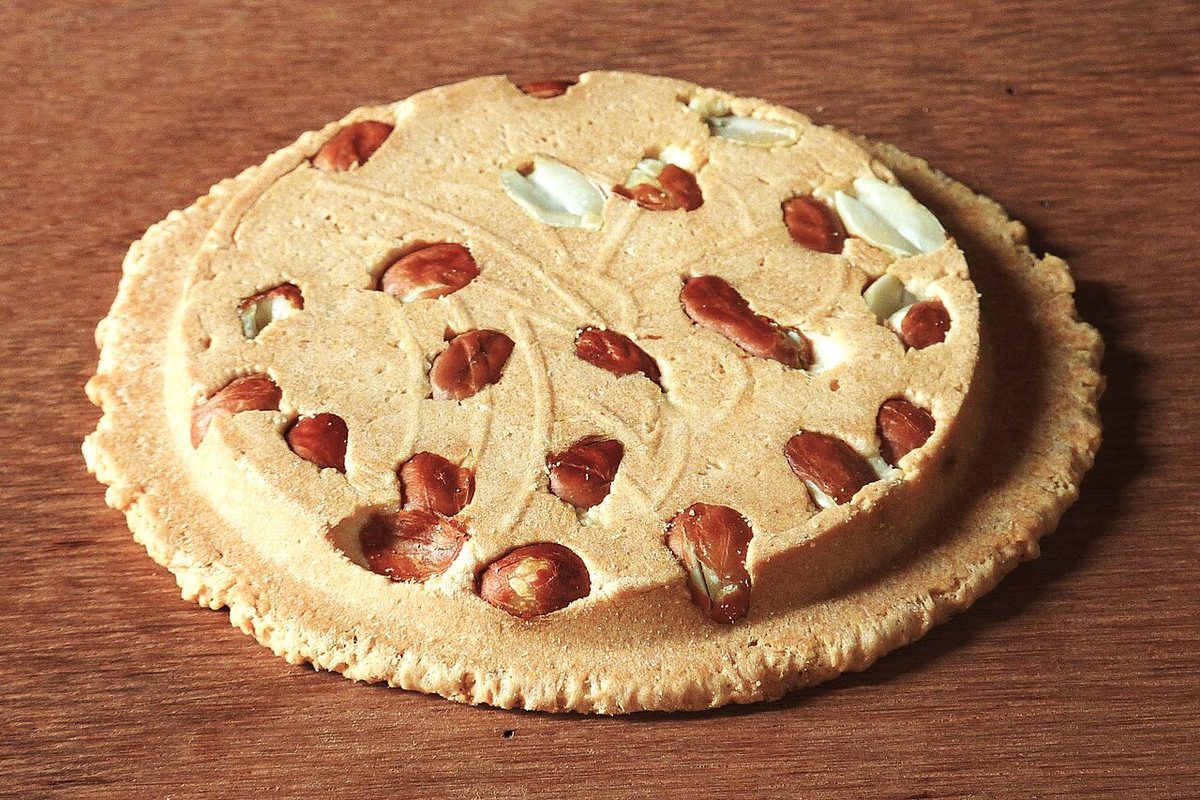
Round wheat crackers baked in cast-iron molds in the old Nanbu domain, using sesame, peanuts or plain dough. In Hachinohe they are eaten both crisp as a snack and simmered in brothy senbei-jiru.
Round peanut Nanbu senbei cracker on a wooden table·Photo: Quercus acuta / CC BY-SA 4.0 (Wikimedia Commons)
Same
Aji no Kaiodo
味の海翁堂
A food maker founded in 1970. At its adjacent Nanbu-an factory, it bakes sesame, peanut and plain Nanbu senbei as well as senbei for stewing in senbei-jiru.
Mon–Fri 08:00–17:00 · Closed: Saturdays, Sundays, national holidays
岬台4-1-1
RinI bought sesame, peanut and soup senbei. The sesame ones were crisp and rich.
Sweets3
All sweets →1 / 3
Mutsu-Minato
Minato Murafuku
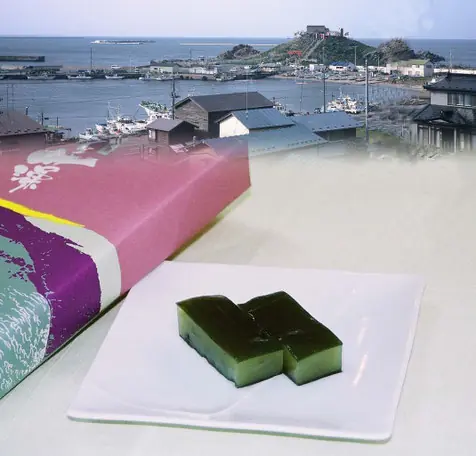
Photo: the shop’s official page 八戸菓子匠 港むら福
A wagashi shop founded in 1924, known for Yorimo—yokan sandwiched in kelp—and seasonal nerikiri sweets. Closed Tuesdays and Wednesdays; open 9 am to 6 pm.
9:00–18:00 · Closed: Tuesdays, Wednesdayschecked Nov 2026
湊町字本町34-1
RinI bought Yorimo and a seasonal sweet. The salty kelp balanced the sweet yokan.
Konakano
Le Souverain
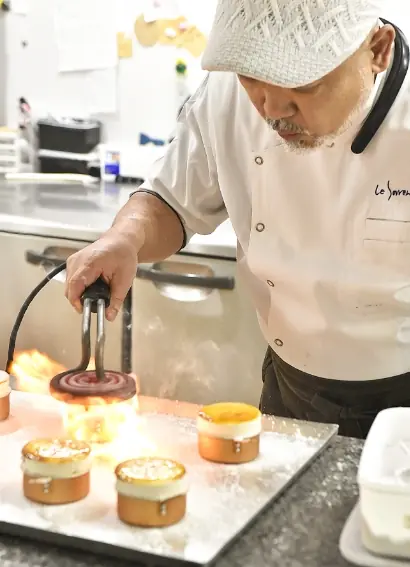
Photo: the shop’s official page ル・スゥブラン
A patisserie in Ruike offering fresh cakes and baked sweets, including whole-chestnut roll cakes in November, Jonathan apple pie and salted buttercream bouchee.
Wed–Sun 10:00–18:00, Tue 10:00–17:00
類家4-18-13
RinI chose the Jonathan apple pie. Tart, bright apple flavour.
Nejo
Patisserie Yasuhiro
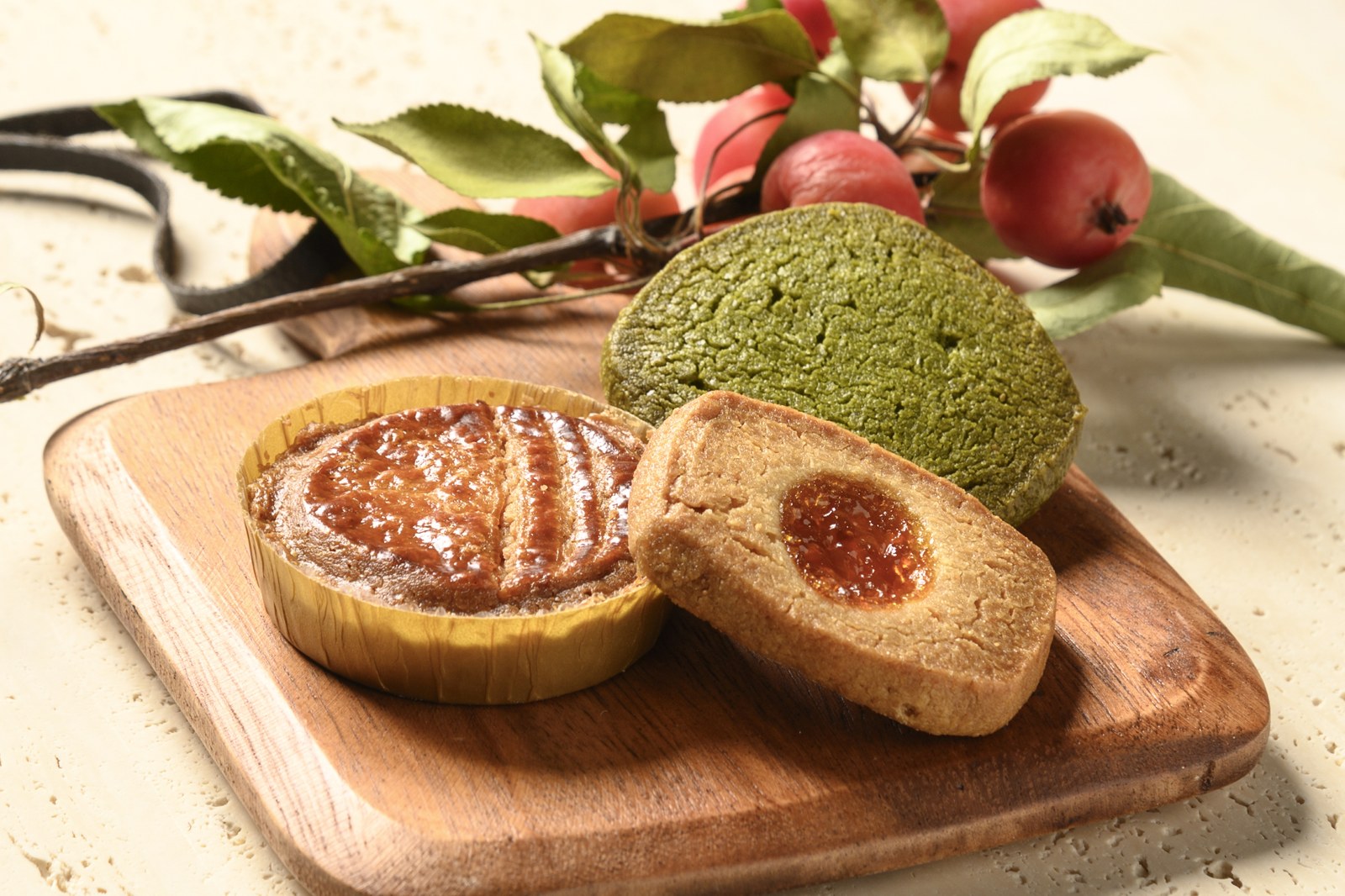
Photo: Patisserie Yasuhiro パティスリーヤスヒロ
A patisserie in Nejo built on classic French technique. Cultured-butter cookies and chocolate-chip cookies have been the staples since it opened, and the galette bretonne bakes to a crown-like golden finish. Local eggs and carefully chosen ingredients. Open from 8:30 am (fresh cakes from 10 am); closed Wednesdays.
8:30–18:00 (fresh cakes from 10:00) · Closed: Wednesdays
根城7-1-26
RinI bought a galette bretonne and some butter cookies. They crumble, and the butter comes through.
Food4
All food →1 / 4
Mutsu-Minato
Gyoko Store
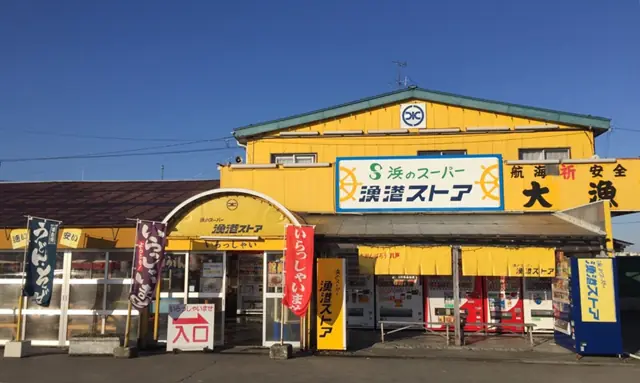
Photo: the shop’s official page 漁港ストア
A diner beside Tatehana Wharf running for about 50 years. It makes its own noodles and broth, serving soba, udon, ramen and oden simmered in soba broth.
新湊3-4-14
RinI had soba and oden simmered in soba broth. Rich, savoury broth.
Mutsu-Minato
Hama-Ichiba Minatotto
浜市場 みなとっと
A seafood market and fishermen's canteen run by the Hachinohe Minato Fisheries Cooperative near Tatehana Wharf. Choose trays of local flounder and squid to make your own Nokkerodon bowl.
湊町字大沢35-1
RinI topped a Nokkerodon bowl with flounder and squid. Sweet, fresh squid.
Mutsu-Minato
Sosaku Soba Bar Paisen
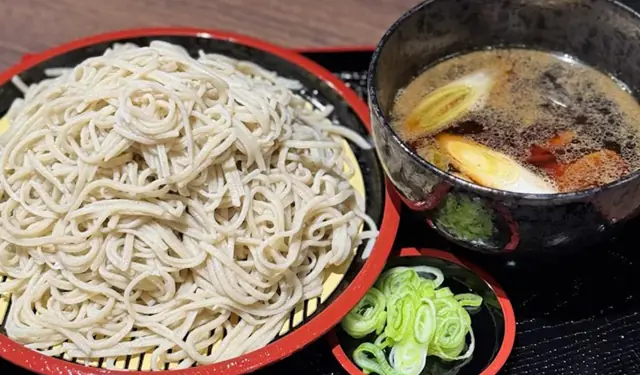
Photo: the shop’s official page 創作そばバル ぱいせん
Irregular closing days
A soba shop and bar near Mutsu-Minato Station, hand-cutting stone-milled Hashikami buckwheat. It serves duck seiro and inventive broths by day, and local sake with soba at night.
11:30–15:00, 18:00–23:00 (food last order 22:30) · Closed: Irregularchecked Nov 2026
湊町字柳町52
RinI had the stone-milled duck seiro for lunch. Fragrant, nutty buckwheat.
Chushingai
Porta Otto
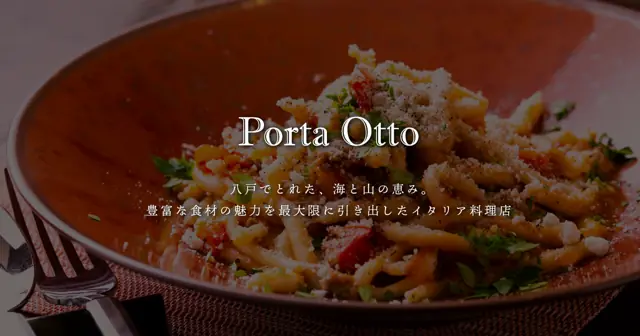
Photo: the shop’s official page An Italian restaurant in Jusannichimachi grilling Hachinohe seafood, meats and vegetables over binchotan charcoal, paired with pasta and wine. Lunch sets include an antipasti plate.
Mon–Sat 11:30–14:30 & 18:00–23:00, Sun 17:00–22:00
十三日町5
RinI ordered the charcoal-grilled seafood and antipasti. Crisp, smoky finish.
Cafés3
All cafés →1 / 3
Konakano
6kaku Coffee
6かく珈琲
A coffee house in a Meiji-era wooden building in Konakano. Organic green beans are roasted in small batches over a charcoal shichirin, served with organic baked sweets. Open Fridays to Sundays only, 12 pm to 6 pm.
Fri–Sun 12:00–18:00 · Closed: Mon–Thu
小中野8-13-2
RinI had the charcoal-roasted coffee and a baked sweet. Rounded, mellow bitterness.
Konakano
AMBER COFFEE

Photo: the shop’s official page A specialty coffee roaster and cafe in Konakano designing roasts by heat and time, serving single-origin pour-overs and seasonal desserts with local fruit.
小中野5-2-40
RinI drank a single-origin pour-over and bought a bag. Bright, clean acidity.
Konakano
Shokubutsuya ARAYA
植物屋 ARAYA
A houseplant shop and cafe in a renovated old house in Konakano. It serves hand-roasted coffee and homemade baked sweets, and also hosts plant exhibitions.
小中野4-3-55
RinI browsed the plants, then had a hand-roasted coffee. Soft, gentle bitterness.
By area
Rin is a fictional traveller. Every place here was checked by the editors to exist and be open (checked 2026-11-12). Please confirm hours on the official site before you go. Paid listings are always marked. If you are the shop and would like a photo removed, write to editor@vual.jp and we will take it down at once.
To see — art and sights (landmarks)
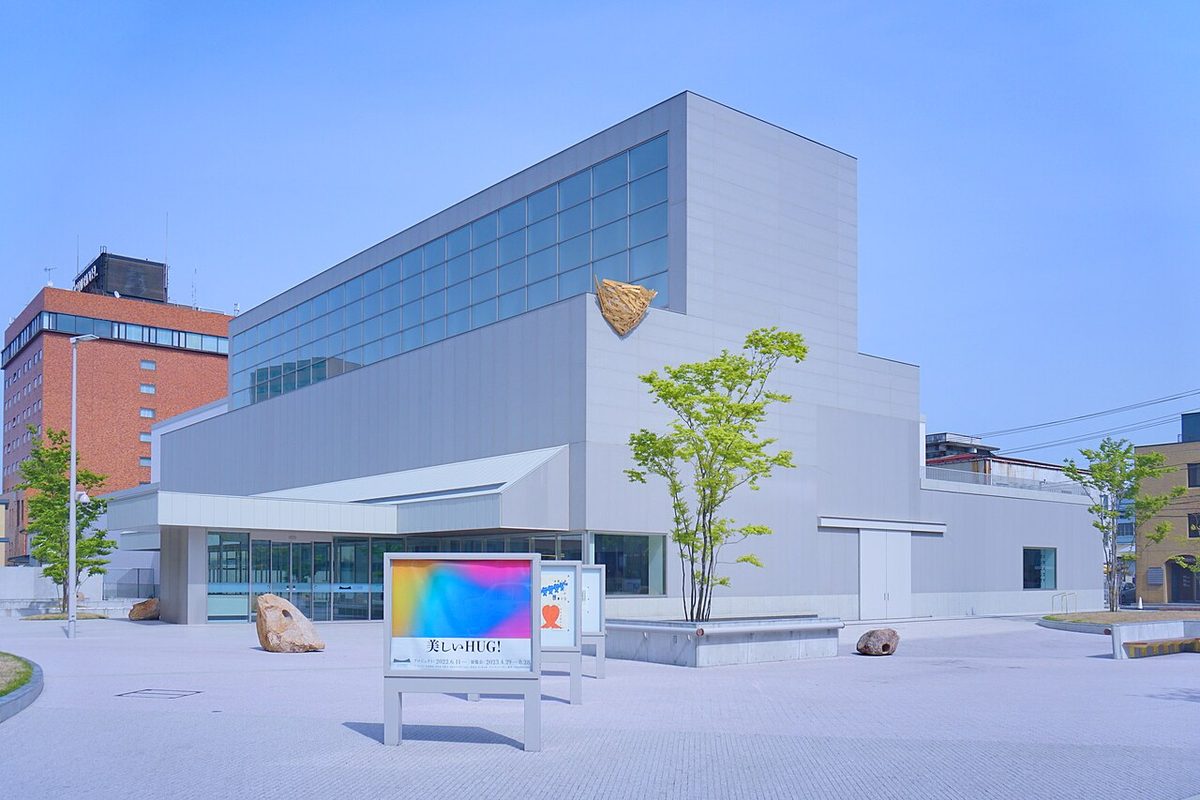
Photo: 掬茶 / CC BY-SA 4.0 (Wikimedia Commons) Art · Chushingai
Hachinohe Art Museum
The city art museum opened in 2021, hosting exhibitions and community projects with free entry to the building. Open 10 am to 7 pm; closed Tuesdays (or the following day if a holiday).
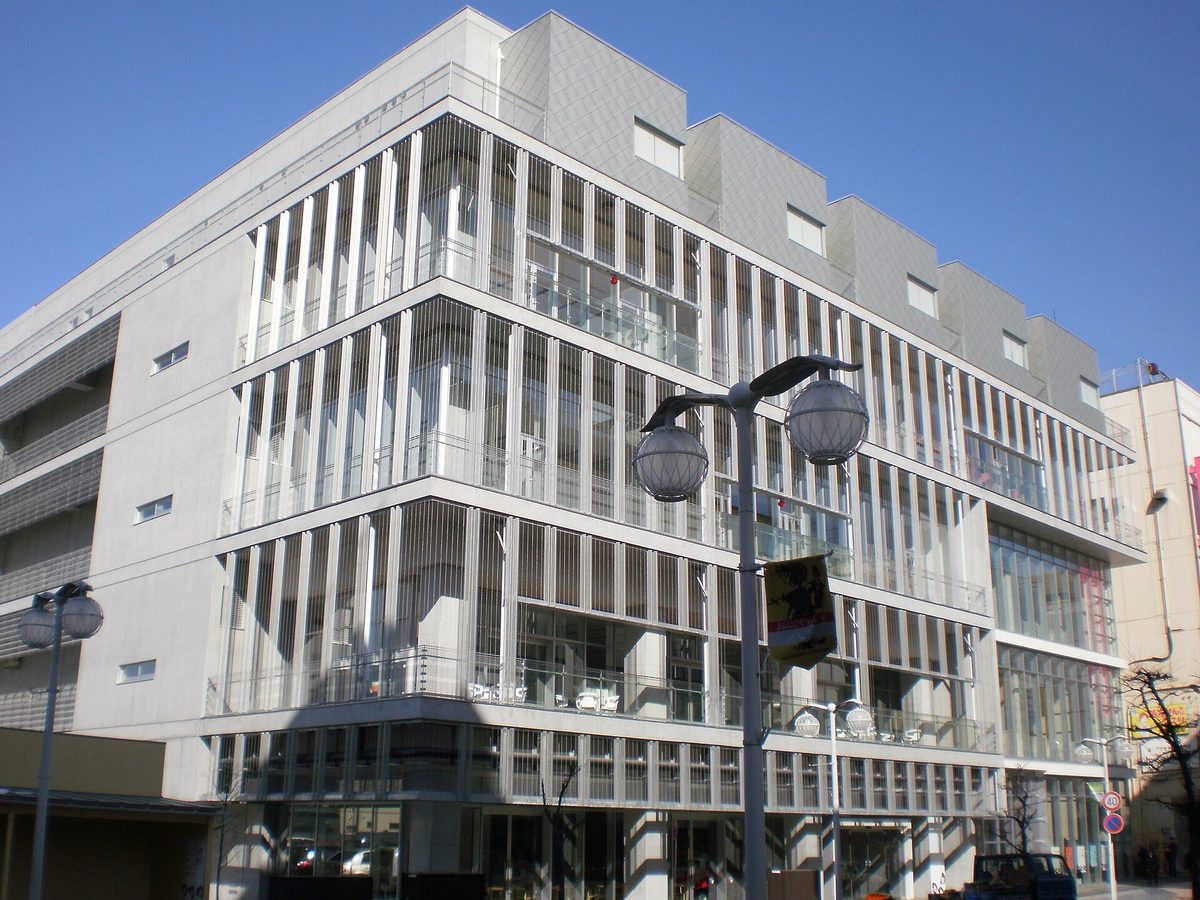
Photo: Wakkubox / CC BY-SA 3.0 (Wikimedia Commons) Sights · Chushingai
Hachinohe Portal Museum "hacchi"
A civic cultural and visitor centre in Chushingai with displays on local festivals and crafts, plus shops and a cafe. Open 9 am to 9 pm; closed Tuesdays (or the following day if a holiday).
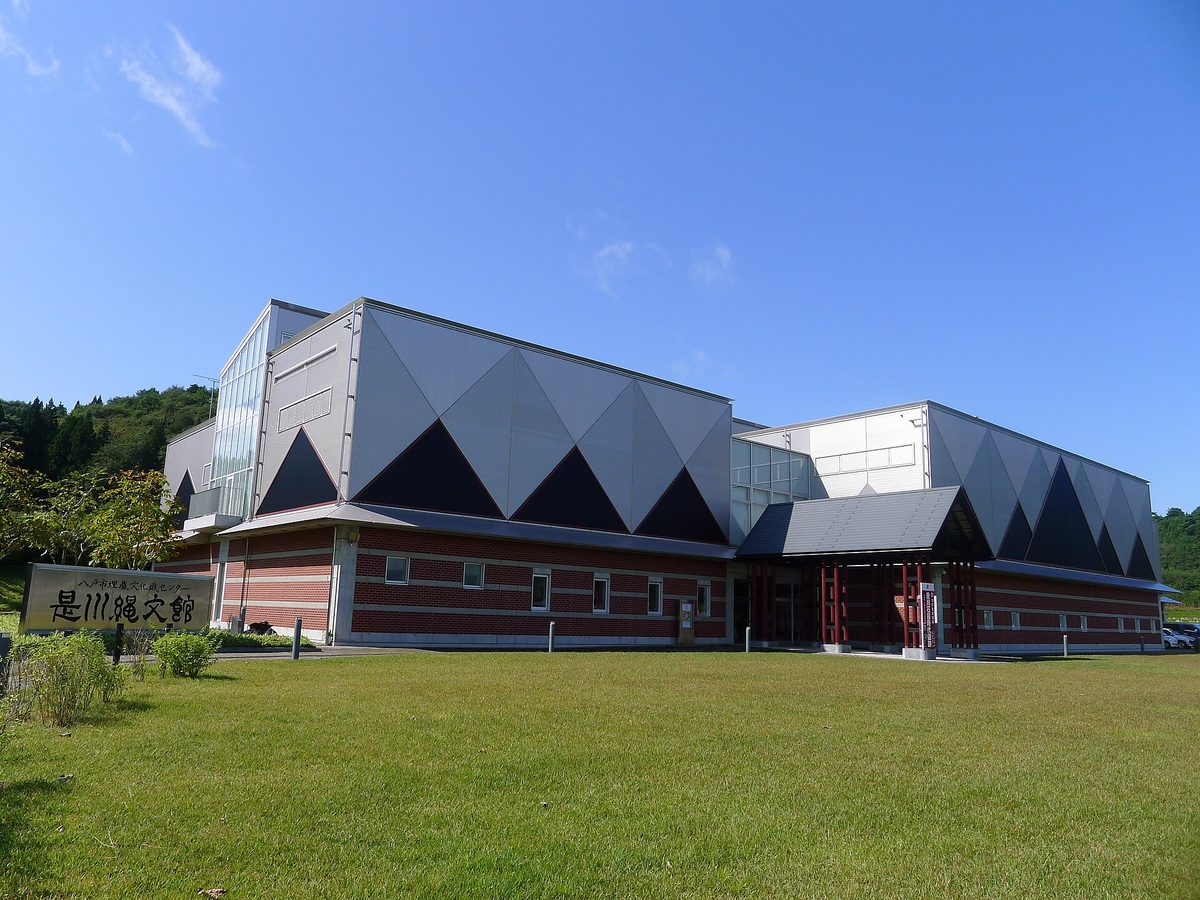
Photo: Indiana jo / CC BY-SA 4.0 (Wikimedia Commons) Art · Korekawa
Korekawa Jomon Museum
A museum exhibiting artefacts from the Korekawa and Kazahari 1 sites, home to the National Treasure Seated Clay Figurine with Hands Clasped. Open 9 am to 5 pm (last entry 4:30 pm); closed Mondays.
The adjacent Korekawa Stone Age Site (Nakai Site) is closed for maintenance works; the Jomon Learning Hall closed in July 2026.
Sights · Same
Tanesashi Coast Information Center
A visitor centre facing the Tanesashi natural lawn, introducing the Sanriku Fukko National Park and the Michinoku Coastal Trail. Open 9 am to 5 pm from April to November (until 4 pm from December to March).
These are landmarks, not Rin's picks. Each was checked to be open on its official site (checked 2026-11-12). Please confirm hours before you go.
Day trips from Hachinohe
Hidden spots
- Tatehana Wharf Morning Market
One of Japan's largest morning markets, stretching 800m with ~300 stalls along a Hachinohe fishing wharf every Sunday from sunrise to around 8:30 AM. Sundays from May to October, arriving between 5:30 and 7:00 AM before popular stalls sell out.
- Oirase Gorge Icefalls Tourabout 41 km
Frozen waterfalls and towering icicle curtains along Oirase Gorge, visited via bookable daytime nature-guide tours and mobile-lit night bus tours. January and February freeze the gorge's roadside springs and waterfalls into massive blue-white ice walls.
Distances are straight-line from the town centre. Each page has how to get there and a suggested day.