35.9° N
Echizen
Fukui, Japan
A craft town in the Takefu basin of Fukui, surrounded by mountains. Echizen washi papermaking in Gokaso, hand-forged cutlery and tansu cabinetry in Takefu, with soba, sweets and coffee in between, as Rin's picks.
Echizen, on film
4 sights and 16 places, each checked open in 2026, in 48 seconds.
Found somewhere you like? The map and the list below have the address, hours and official site.
Tap for sound
What to eat in Echizen
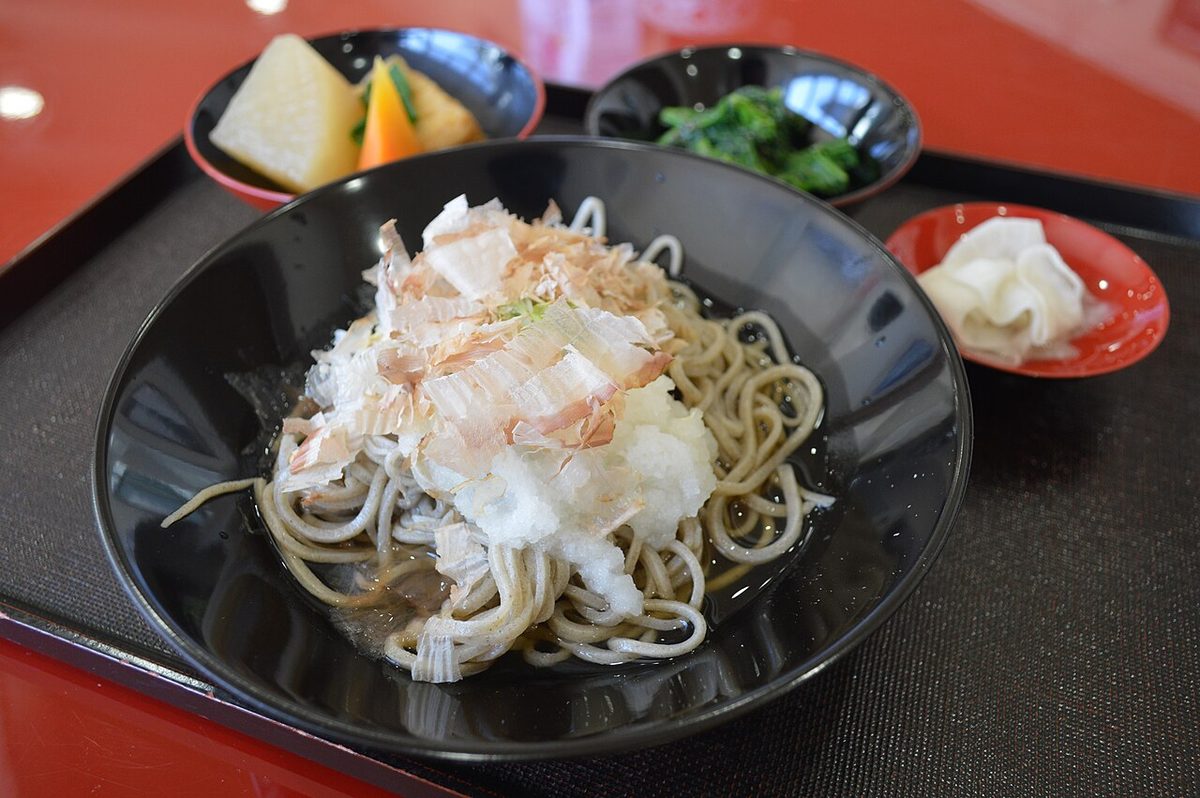
Photo: Asturio Cantabrio / CC BY-SA 4.0 (Wikimedia Commons) Echizen Oroshi Soba (cold buckwheat noodles with grated daikon)
越前おろしそば
Cold buckwheat noodles topped with grated spicy daikon radish, bonito flakes, and chopped green onions, served with dashi-soy broth. Buckwheat cultivation and grated-daikon soba took root in Takefu in 1601 under lord Honda Tomimasa, and Emperor Showa praised the local soba during a 1947 visit, spreading the name Echizen soba nationwide.
Eaten cold year-round at lunch, with dashi poured over grated daikon and often paired with a rice bowl or grilled mackerel sushi.
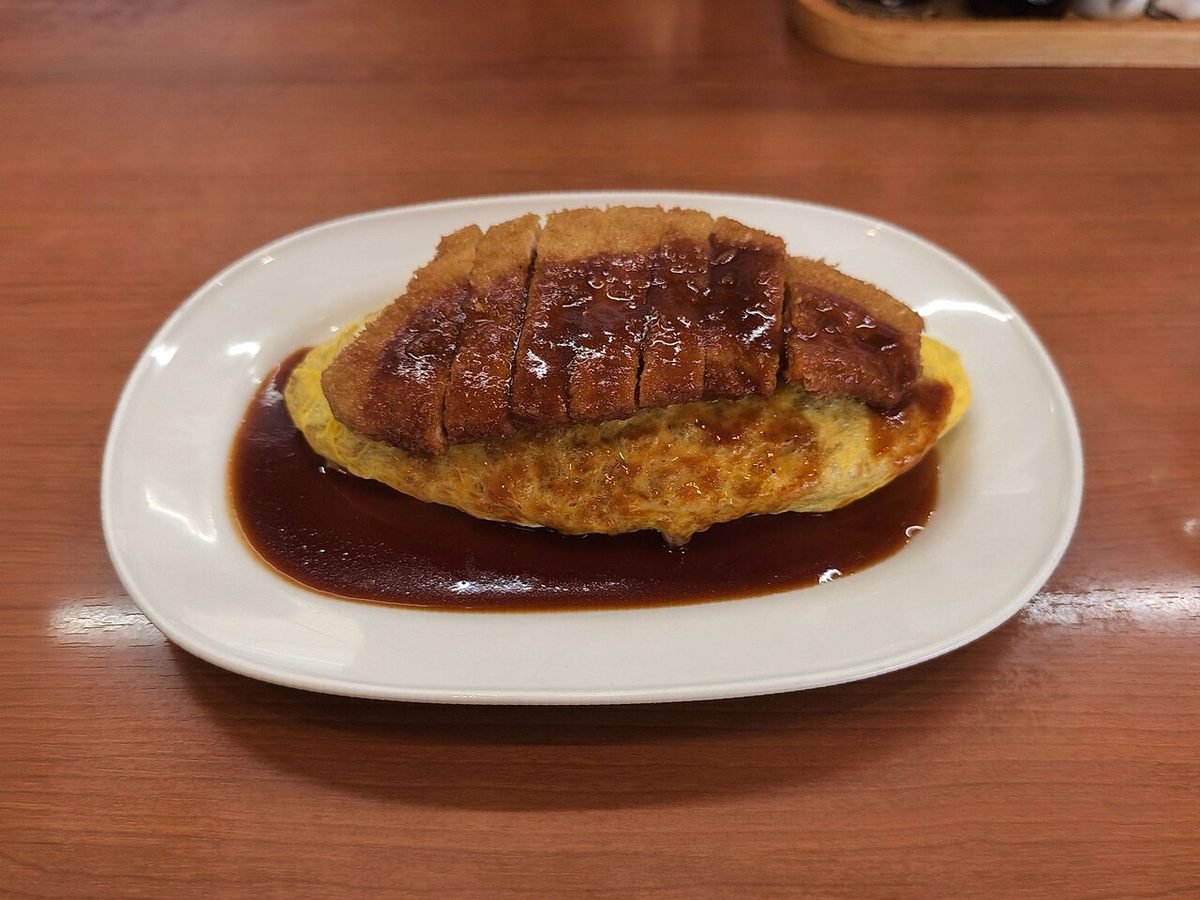
Photo: Kzaral / CC BY 2.0 (Wikimedia Commons) Volga Rice (omelet rice topped with pork cutlet)
ボルガライス
A Western-style rice dish made of an omelet over seasoned rice topped with a breaded pork cutlet and finished with demi-glace, tomato, or house sauce. It has been served at restaurants and diners in Takefu for more than thirty years, with each kitchen varying its rice, egg style, cutlet, and sauce.
Ordered at local yoshoku restaurants and diners for lunch or dinner, or as a set paired with Echizen oroshi soba.
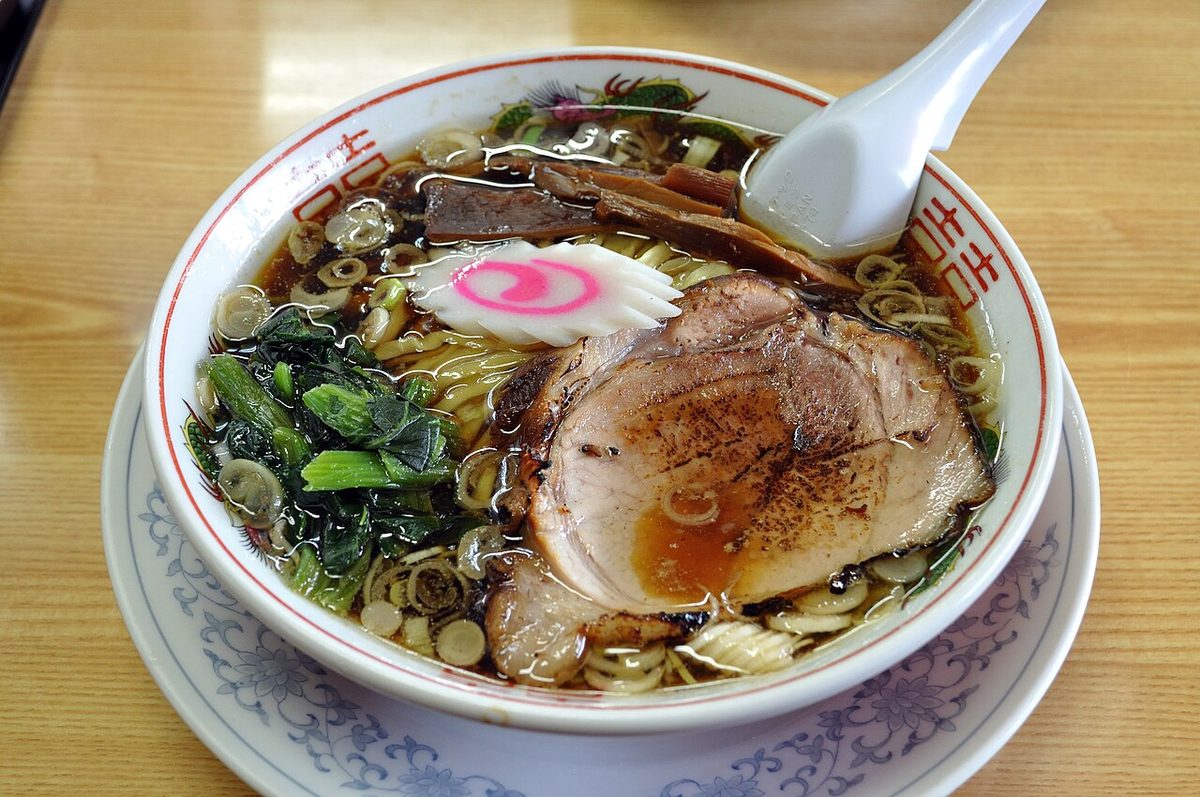
Photo: Ocdp / CC0 (Wikimedia Commons) Takefu Ekimae Chuka Soba (clear dashi-broth ramen)
たけふ駅前中華そば
A traditional soy-sauce noodle soup made with a clear golden broth of bonito, kelp, or chicken dashi and springy noodles, typically topped with green onion, kamaboko fish cake, and ham or pork. Served at long-standing diners and soba shops within an eleven-minute bicycle ride of JR Takefu Station, it grew out of the town's dashi culture and kept the pre-war name chuka soba on its menus.
Served hot at station-area diners and soba shops, often paired with a mini katsudon set at lunch or ordered after drinks.
Where Rin would go, on the map — or build your own route
Tap a mark to see the place; squares are museums and sights (landmarks). Use “Build your own route” to make a walk of your own.
Loading the map
Map data © OpenStreetMap contributors
Where Rin would go
Made in Echizen: Echizen Washi Papermaking2
All echizen washi papermaking →1 / 3
Made in Echizen
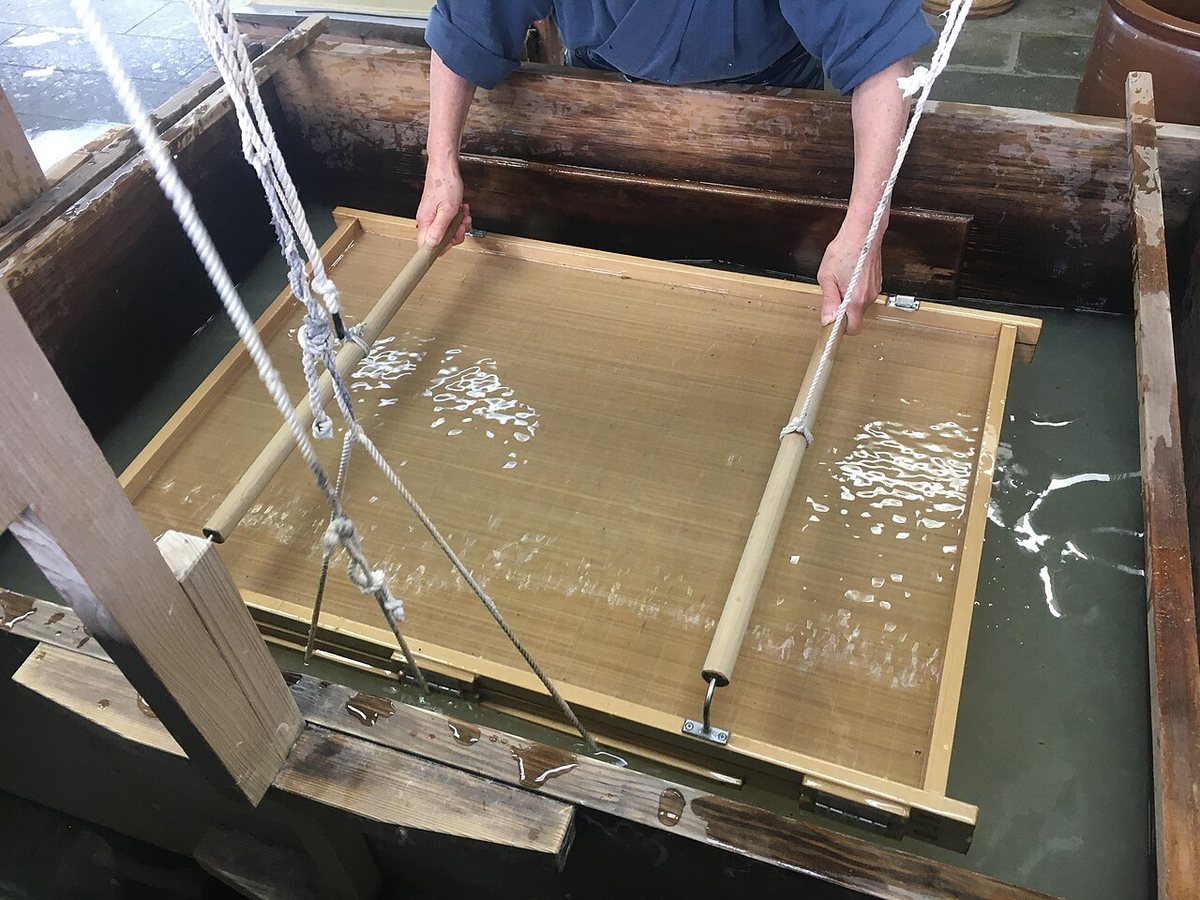
Hand-moulded from kozo, mitsumata and gampi fibers for over 1,500 years in the Gokaso valley along the Okamoto river, Echizen washi is a nationally designated traditional craft. Both thin kozo papers for sweets packaging and large art papers are still made by hand.
Hands papermaking Echizen washi with a bamboo screen in the vat·Photo: UFshio / CC BY-SA 4.0 (Wikimedia Commons)
Gokaso
Yanase Ryozo Seishisho

Photo: the shop’s official page 栁瀨良三製紙所
An Echizen washi workshop in Otaki, Gokaso, founded in 1946. They hand-mould thin kozo papers for wagashi wrapping and patterned rakusui paper, with an attached shop, RYOZO. Closed Sundays.
8:00–17:00 · Closed: Sundayschecked Nov 2026
越前市大滝町10-1
RinI held the thin kozo paper up to the light. It looked so delicate I bought a sheet.
Gokaso
Washiya Sugihara Shoten
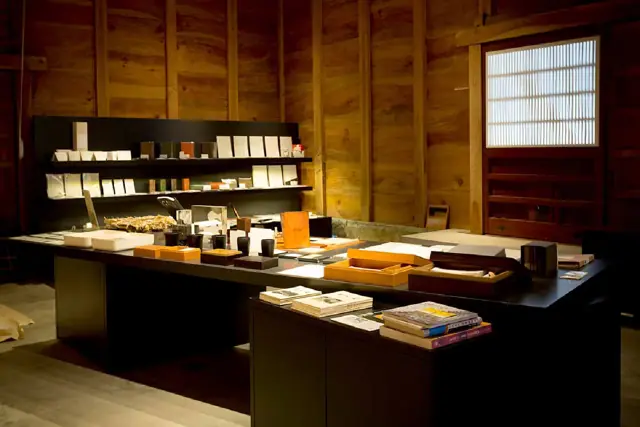
Photo: the shop’s official page 和紙屋の杉原商店
A gallery and shop in a century-old storehouse, run by an Echizen washi merchant founded in 1871. Stocks papers of varied textures, including lacquered uru-washi and embossed deko-washi. By appointment only.
Tue–Fri 9:00–13:00, 4th Sat 9:00–17:00 (by appointment only)
越前市不老町17-2
RinI felt the different washi papers and bought two sheets of embossed deko-washi.
Made in Echizen: Echizen Forged Cutlery1
All echizen forged cutlery →1 / 2
Made in Echizen
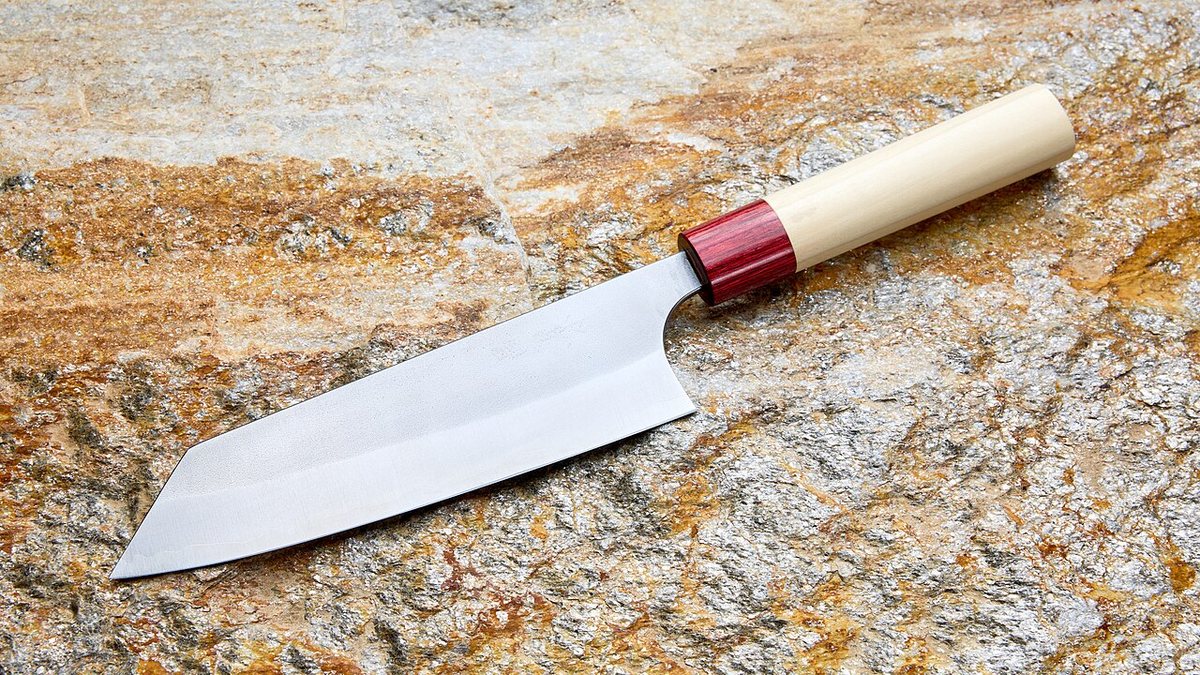
Said to have begun around 700 years ago when the Kyoto swordsmith Chiyozuru Kuniyasu came to Takefu, Echizen cutlery was the first blade craft in Japan designated a Traditional Craft. Makers still forge laminated steel by hand and sharpen kitchen knives.
Hand-forged Echizen bunka kitchen knife·Photo: Frank Schulenburg / CC BY-SA 4.0 (Wikimedia Commons)
Ajimano
Takefu Knife Village
タケフナイフビレッジ
A shared Echizen cutlery workshop in Ajimano. Visitors can watch forging and sharpening from the walkway, browse knives from member workshops in the shop, or bring blades for sharpening.
9:00–17:00
越前市余川町22-91
RinI listened to the hammering from the walkway, then browsed the gleaming blades.
Made in Echizen: Echizen Tansu Cabinetry1
All echizen tansu cabinetry →1 / 2
Made in Echizen
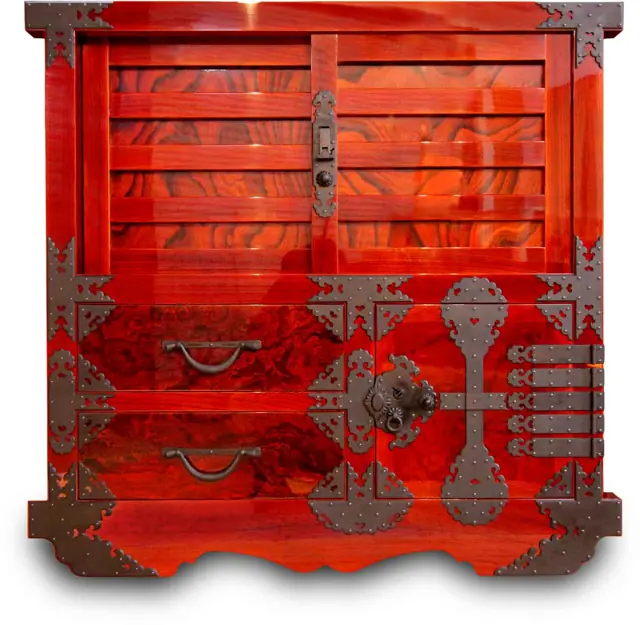
Made around Takefu since the late Edo period, Echizen tansu chests join zelkova and paulownia wood without nails, finished with urushi lacquer and hand-worked iron fittings. Workshops today also make smaller wooden pieces for everyday rooms.
Lacquered Echizen tansu chest with iron fittings·Photo: Oyanagi Tansu (official site)
Takefu
Oyanagi Tansu
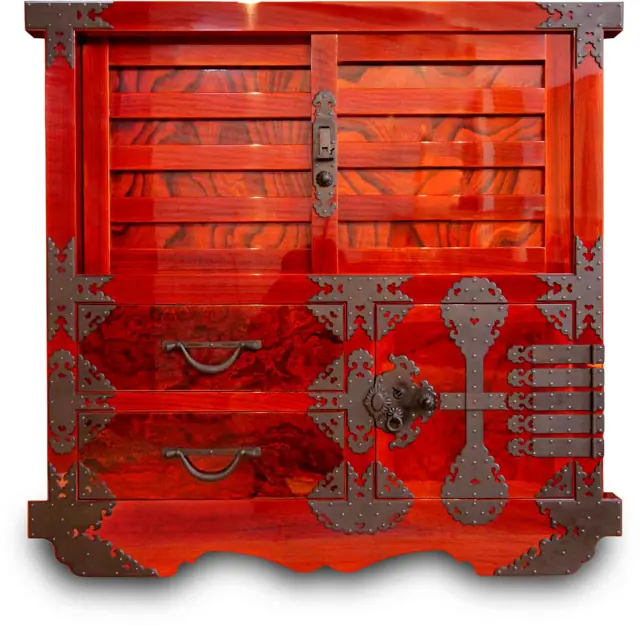
Photo: the shop’s official page 小柳タンス店
An Echizen tansu workshop founded in 1907. Uses nail-free joinery for traditional chests and custom furniture, and also makes smaller wooden gifts under its kicoru line.
越前市武生柳町10-7
RinI looked closely at the nail-free paulownia chests. The fine joinery amazed me.
Craft2
All craft →1 / 2
Takefu
Etoe
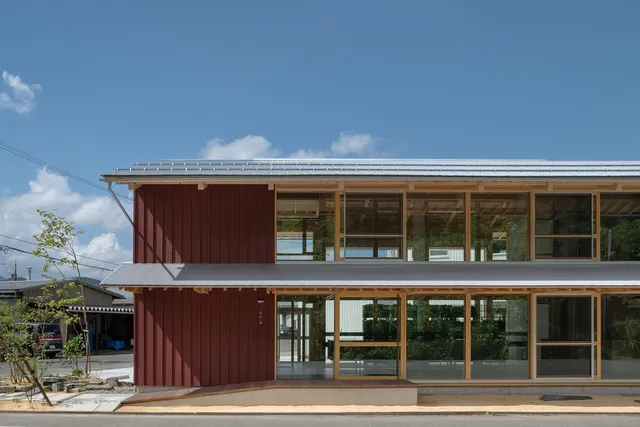
Photo: the shop’s official page 柄と繪
A gallery shop run by Yamaken Mokkosho, a knife-handle maker founded in 1912, bringing Echizen blades together with lacquer and maki-e handles. Opening days vary and are posted on Instagram.
Closed: Irregular
越前市池ノ上町46-1-10
RinI held a maki-e knife handle. The lacquer sat smoothly in my hand.
Takefu
RYUSEN FACTORY&STORE
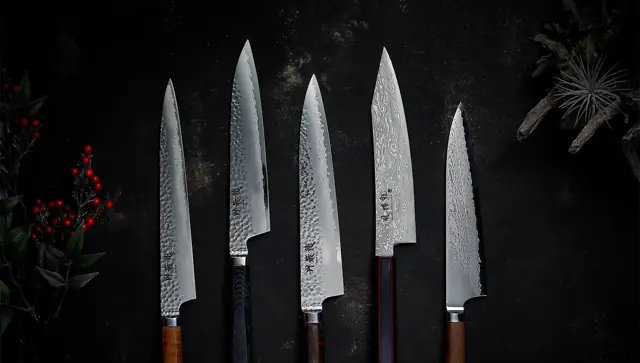
Photo: the shop’s official page The flagship store of Echizen cutlery maker Ryusen Hamono. Stocks rippled-blade kitchen knives, steak knives and cutlery with natural wood handles, and handles maintenance.
10:00–17:00
越前市池ノ上町92-5-6
RinI picked up a rippled-blade steak knife. The natural wood handle felt balanced.
Sweets3
All sweets →1 / 3
Imadate
bloom
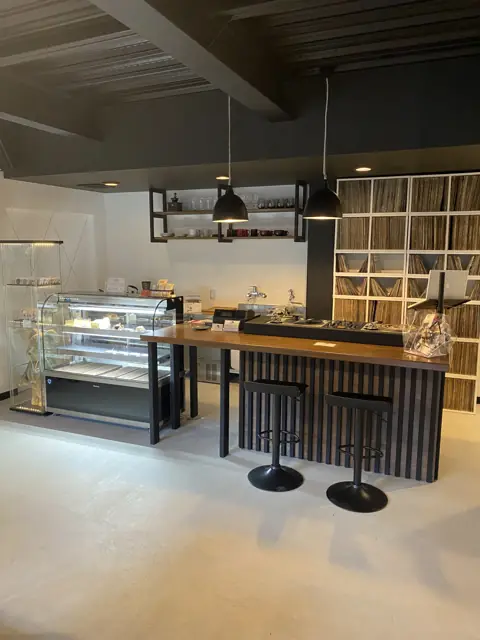
Photo: the shop’s official page 洋菓子店 bloom
A patisserie set among rice fields in Shindo, Imadate, serving seasonal fruit sweets while vinyl records play inside. Closed Sundays, Mondays and holidays; cash only.
11:00–17:00 · Closed: Sundays, Mondays, public holidayschecked Nov 2026
越前市新堂町20-7
RinI ate seasonal fruit sweets while vinyl played. They were tart, sweet, and light.
Imadate
Kuninaka no Cake-yasan
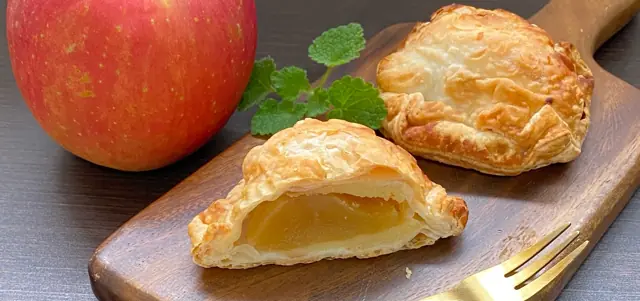
Photo: the shop’s official page くになかのケーキ屋さん
A handmade sweets shop in Kuninaka, Imadate, keeping ingredients simple with no extra additives: retro pudding, apple pie, cookies and ice-cream dacquoise sandwiches.
9:00–17:00 (Saturdays morning only) · Closed: Saturday afternoons, Sundays
越前市国中町63-13-3
RinI had the retro pudding. Its simple egg flavour tasted pleasantly nostalgic.
Kunitaka
Komepan Kazemidori
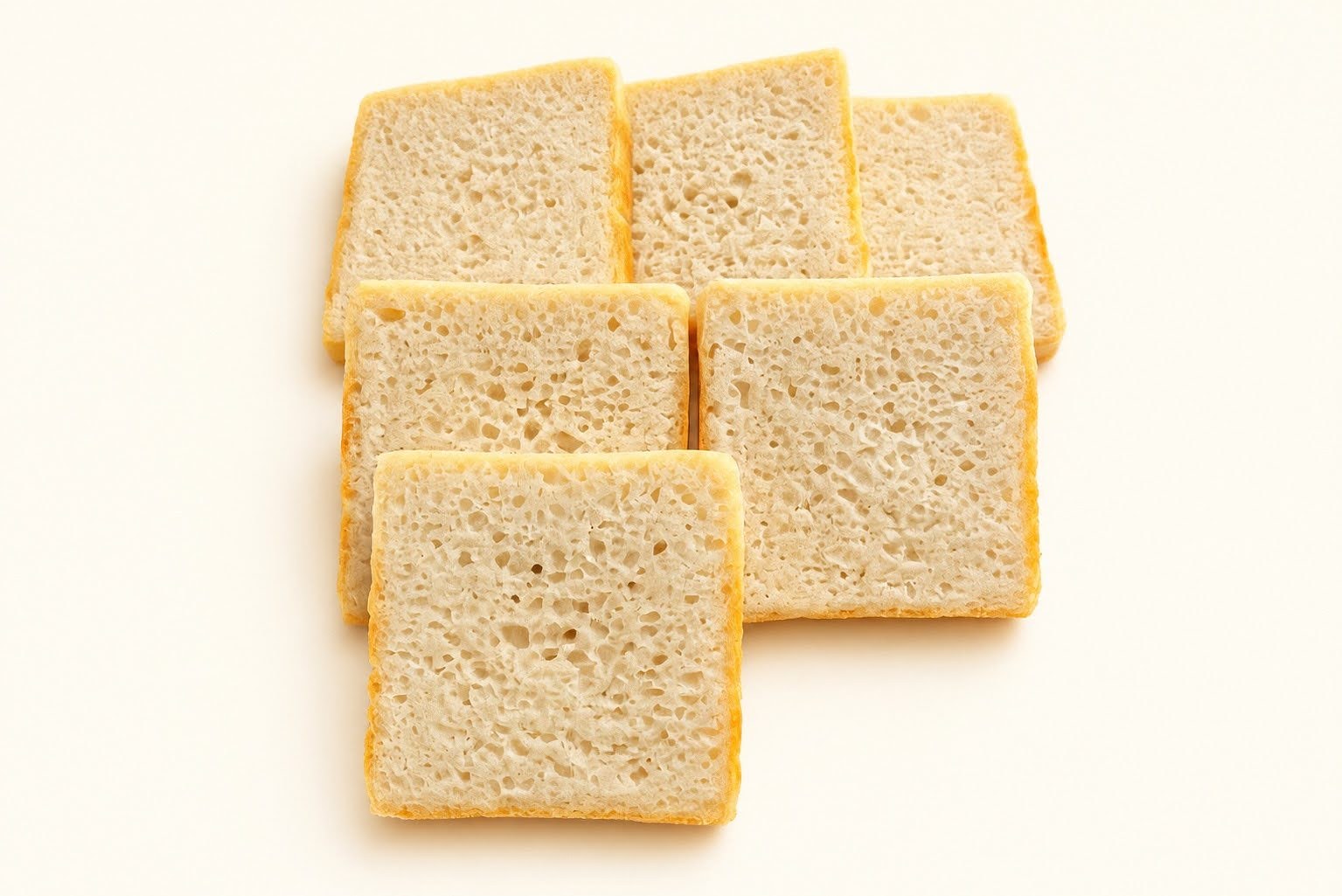
Photo: Komepan Kazemidori 米パン カゼミドリ
A gluten-free rice bread bakery in Kunitaka. Instead of rice flour, they use raw Fukui brown and white rice fermented with organic white-rice koji, with no animal products, and none of the 28 major allergens in the dough itself.
10:00–16:00 · Closed: Mondays, Wednesdays, Fridayschecked Nov 2026
越前市押田2丁目15-28
RinI ate bread baked from raw rice. I really liked its dense, chewy bite.
From the shop
We make bread that truly soothes you — bread you can eat with peace of mind.
Food3
All food →1 / 3
Ajimano
O-edo+
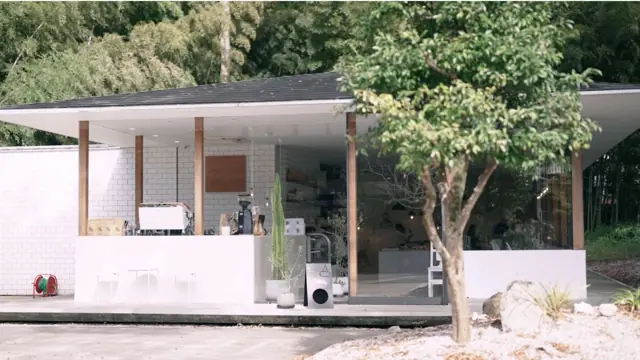
Photo: the shop’s official page Irregular closing days
A glass-walled sushi café in Ajimano run by a sushi house founded in 1953. Serves colourful WASARA sushi plates, muffins and coffee brewed with beans from % Arabica Kyoto. Closed Mondays.
Tue–Fri 11:00–17:00 (last order 16:00), weekends & holidays 11:00–18:00 (last order 17:00) · Closed: Mondays (and irregular holidays)checked Nov 2026
越前市宮谷町53-15
RinI had a muffin and coffee in the glass-walled café. The bright space felt restful.
Kunitaka
HAMA-an
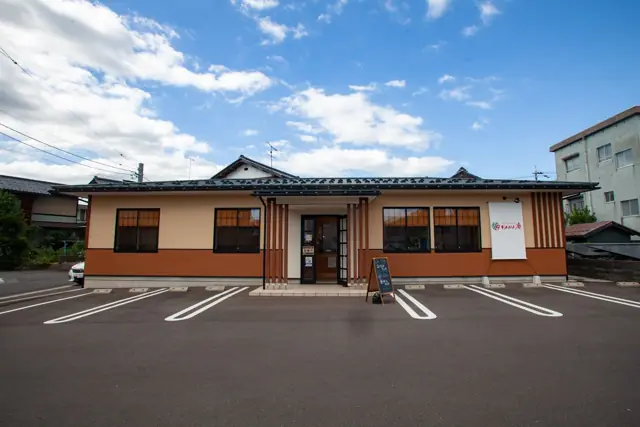
Photo: the shop’s official page 越前そばと珈琲 HAMA庵
A soba restaurant near Takefu High School in Kunitaka. Serves hand-cut 100% Fukui buckwheat soba made daily in-house, direct-fire kamameshi rice pots, and coffee and sweets afterward. Closed Tuesdays unless a holiday.
11:00–17:00 · Closed: Tuesdays (open on public holidays)checked Nov 2026
越前市村国2丁目5-52
RinI had hand-cut juwari soba and coffee afterward. Both had a clean finish.
Imadate
Kikyoan
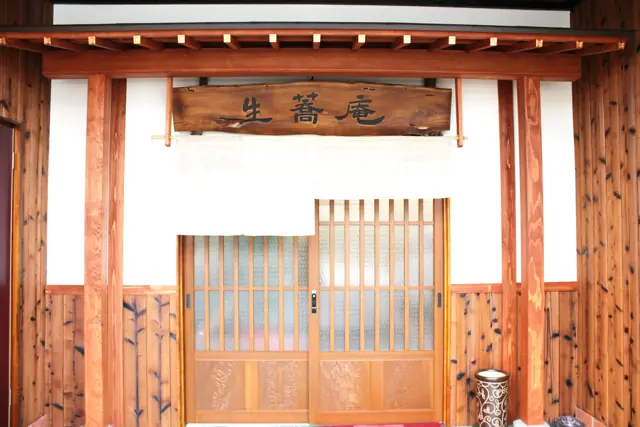
Photo: the shop’s official page 生蕎庵
A self-milled juwari soba shop in Chihara, Imadate. Buckwheat from Ono and elsewhere in Japan is stone-milled daily to match the day's temperature and grain, served with additive-free broth.
Weekdays 11:30–14:00 · Closed: Tuesdays, Wednesdays
越前市千原町7-7
RinI ate the stone-milled juwari soba with a little broth. Its sweetness stood out.
Cafés4
All cafés →1 / 4
Takefu
my name is...
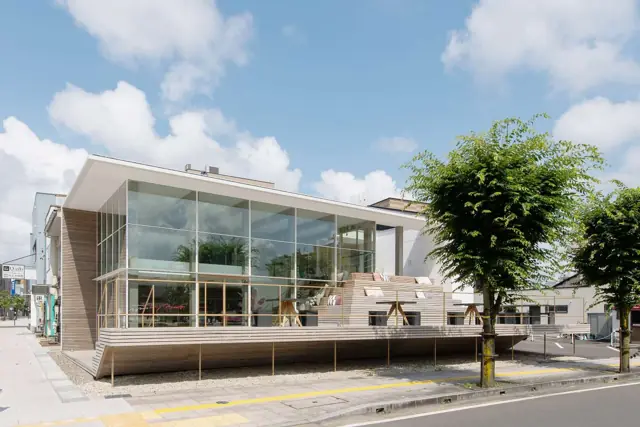
Photo: the shop’s official page Irregular closing days
A glass-fronted café and deli in front of JR Takefu Station. Serves an original coffee blend from Kyoto's 'here', house kombucha, and bento boxes made with local low-pesticide vegetables. Closed Mondays.
11:00–18:00 · Closed: Mondays (and irregular holidays)checked Nov 2026
越前市府中1丁目12-33
RinI drank the Kyoto coffee blend at the glass-fronted café. It was a calm spot.
Takefu
Coffee fam.
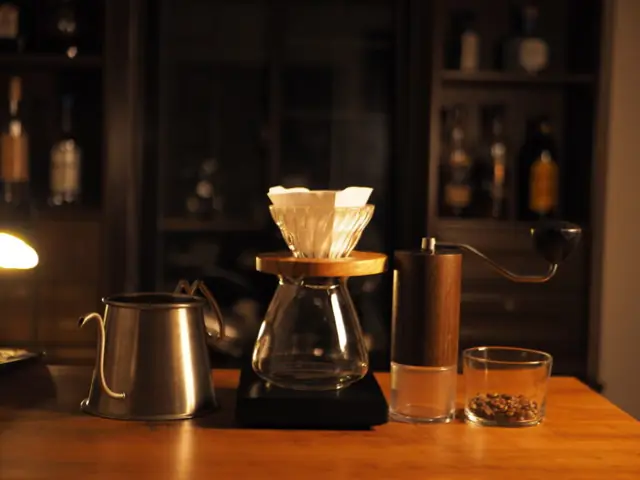
Photo: the shop’s official page A specialty coffee roaster in Hirose, Takefu. Runs as a coffee stand by day, and as a reservation-only outdoor bonfire café by night for guests 18 and over, up to two per group.
Wed–Sun 10:00–14:30 (stand), Wed–Mon 16:00–22:00 (night cafe, reservation only) · Closed: Tuesdays (daytime stand also closed Mondays)
越前市広瀬町168-8-70
RinI had house-roasted coffee at the daytime stand. It was clean and easy to drink.
Takefu
MAMI CAFE Tachibanaya
自家焙煎 MAMI CAFE たちばな屋
A coffee roastery founded in 1975. Roasts around twenty single-origin coffees and house blends over a direct flame, selling beans, brewing gear and takeaway cups.
越前市稲寄町7-22-1
RinI bought a bag of direct-flame roasted beans. Their toasty scent came right through.
Takefu
Kissa Shiratori
喫茶白鳥
A kissaten along the approach to Soja Daijingu Shrine that has stood since 1956. Kept open around ten days a month by relatives, with its Showa-era interior and jazz records intact.
越前市幸町3-4
RinI drank coffee in the Showa-era booth as jazz played. The quiet warmth felt good.
By area
Rin is a fictional traveller. Every place here was checked by the editors to exist and be open (checked 2026-11-12). Please confirm hours on the official site before you go. Paid listings are always marked. If you are the shop and would like a photo removed, write to editor@vual.jp and we will take it down at once.
To see — art and sights (landmarks)
Art · Gokaso
Echizen Washi Village
The main complex of the Echizen Washi Village in Gokaso, bringing together the Papyrus House for papermaking, the Udatsu Paper and Craft Museum in a relocated Edo-period workshop, and the Paper and Culture Museum. Closed Tuesdays.
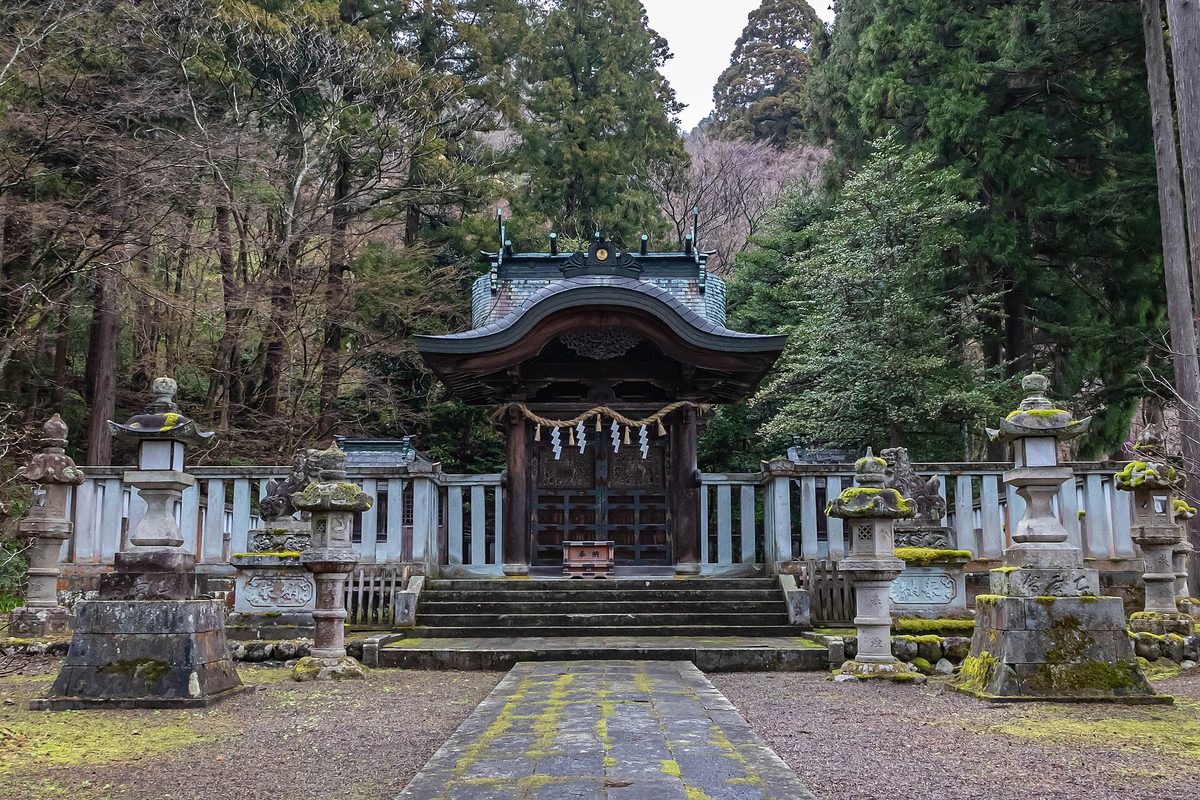
Photo: Naokijp / CC BY-SA 4.0 (Wikimedia Commons) Sights · Gokaso
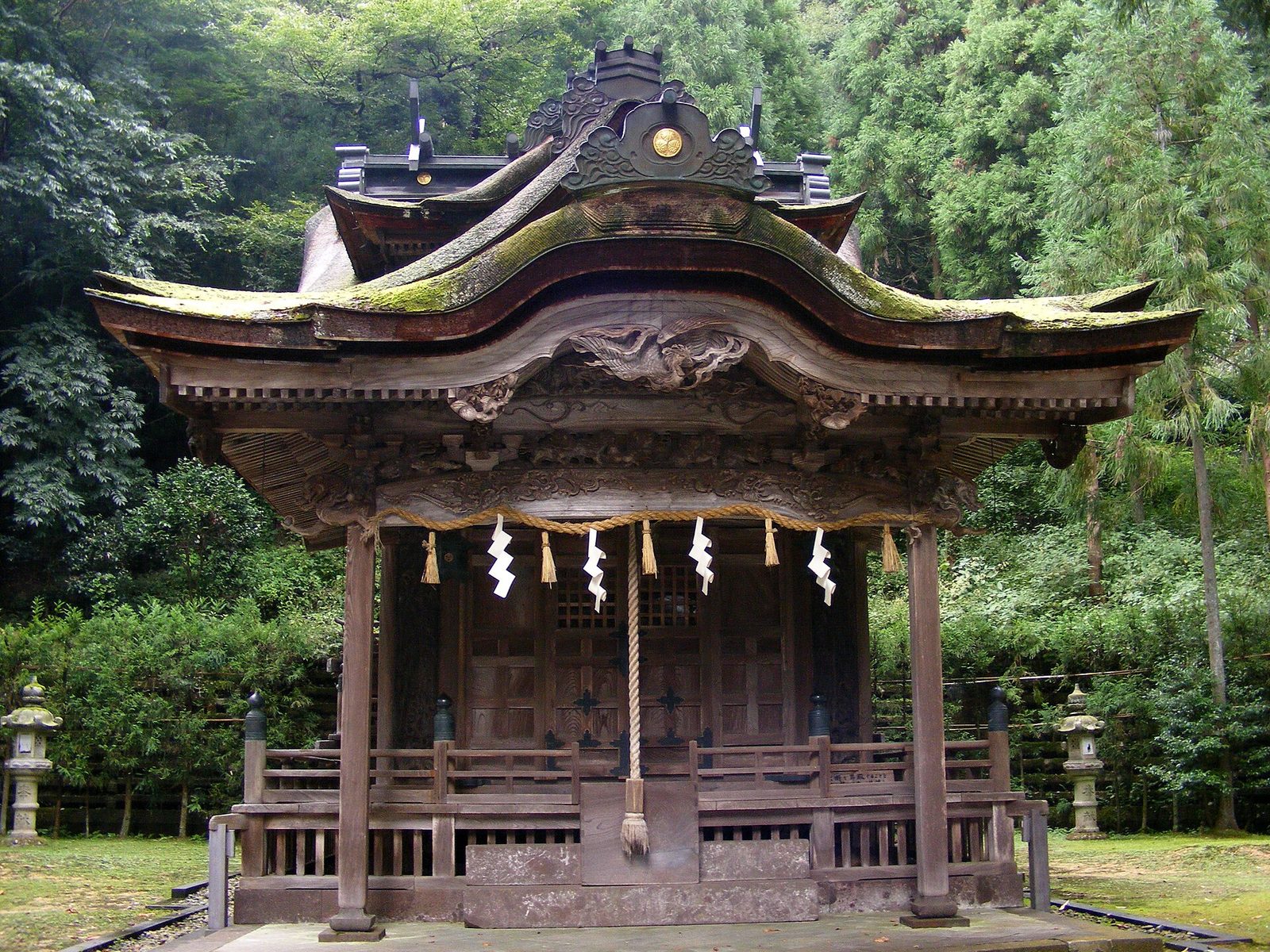
Okamoto-Otaki Shrine
The shrine dedicated to Kawakami Gozen, the goddess said to have brought papermaking to Echizen. Its late-Edo main hall and worship hall are Important Cultural Properties; a cypress-bark roof re-thatching was completed in October 2026.
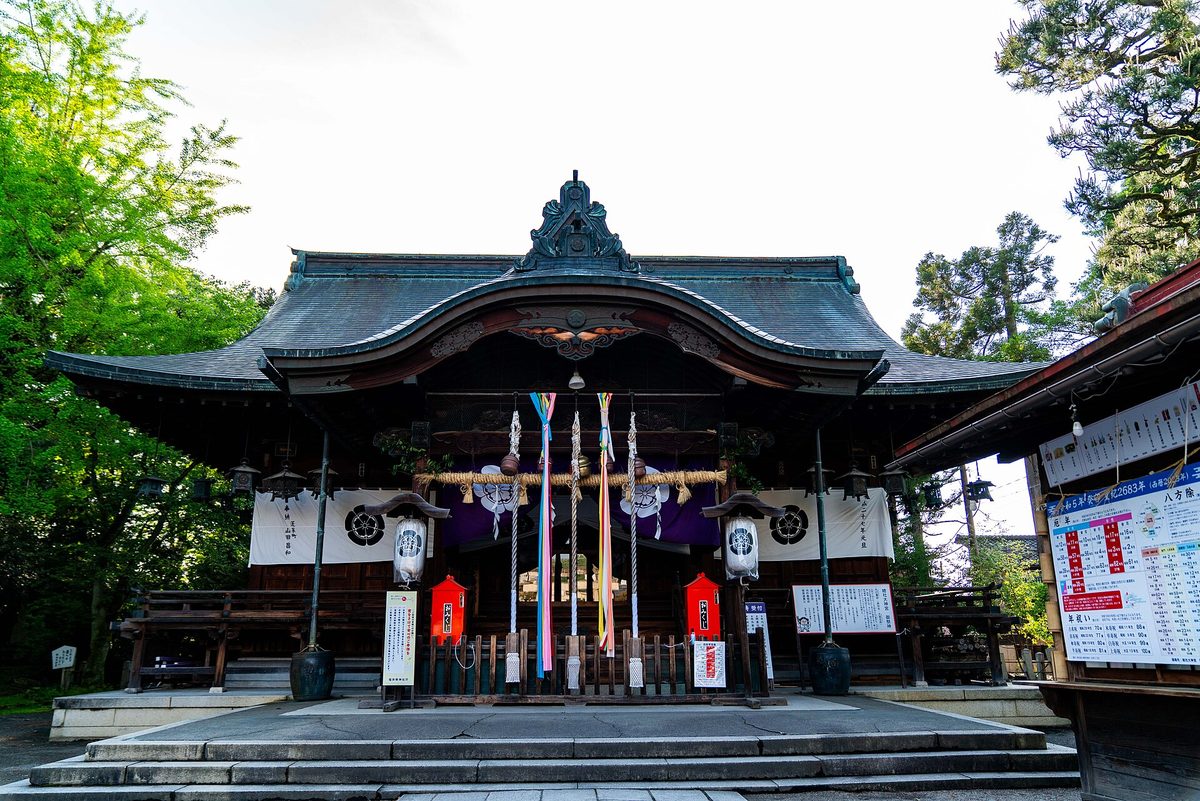
Photo: Kumatan69 / CC BY-SA 4.0 (Wikimedia Commons) Sights · Takefu
Soja Daijingu Shrine
A shrine in central Takefu founded to enshrine the deities of Echizen Province together, known locally as Osonja-san. Its main hall and worship hall date from 1926.
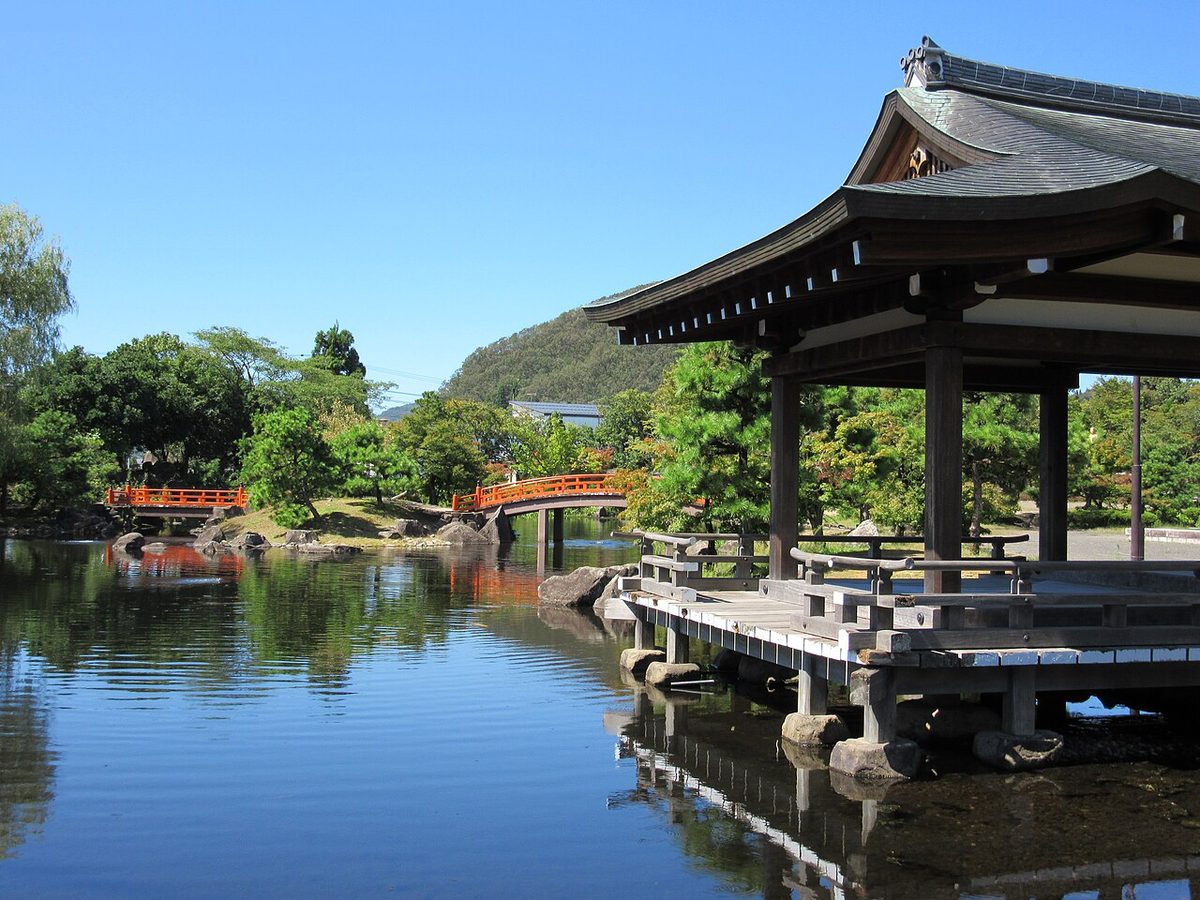
Photo: Opqr / CC BY-SA 4.0 (Wikimedia Commons) Sights · Takefu
Murasaki Shikibu Park
A park commemorating Murasaki Shikibu's year in Echizen with her father, Fujiwara no Tametoki. Set around a pond with a Heian-style fishing pavilion; free to enter.
These are landmarks, not Rin's picks. Each was checked to be open on its official site (checked 2026-11-12). Please confirm hours before you go.
Day trips from Echizen
Classics
- Eiheiji Templeabout 24 km
The head temple of the Soto sect of Zen Buddhism, it is still a training monastery where many monks practice strictly. Best in May for fresh greenery and November for autumn foliage.
- Tojinbo Cliffsabout 38 km
A scenic place with steep cliffs and globally rare columnar jointing of pyroxene andesite. Best in the evening for sunset views.
Hidden spots
- Echizen Ono Castleabout 30 km
A hilltop castle in Ono that appears to float above a sea of morning clouds from autumn to spring. Sea-of-clouds views peak from October to November around dawn to 9:00 AM; castle keep opens 9:00–16:00 (17:00 Apr–Sep).
- Heisenji Hakusan Shrineabout 37 km
A historic Hakusan shrine founded in 717 whose vast cedar-shaded grounds are carpeted end-to-end in lush green moss. Lush moss is most vivid from May to October and autumn leaves peak in November; visit early morning for quiet stone-paved paths.
Distances are straight-line from the town centre. Each page has how to get there and a suggested day.