36.0° N
Chichibu
Saitama, Japan
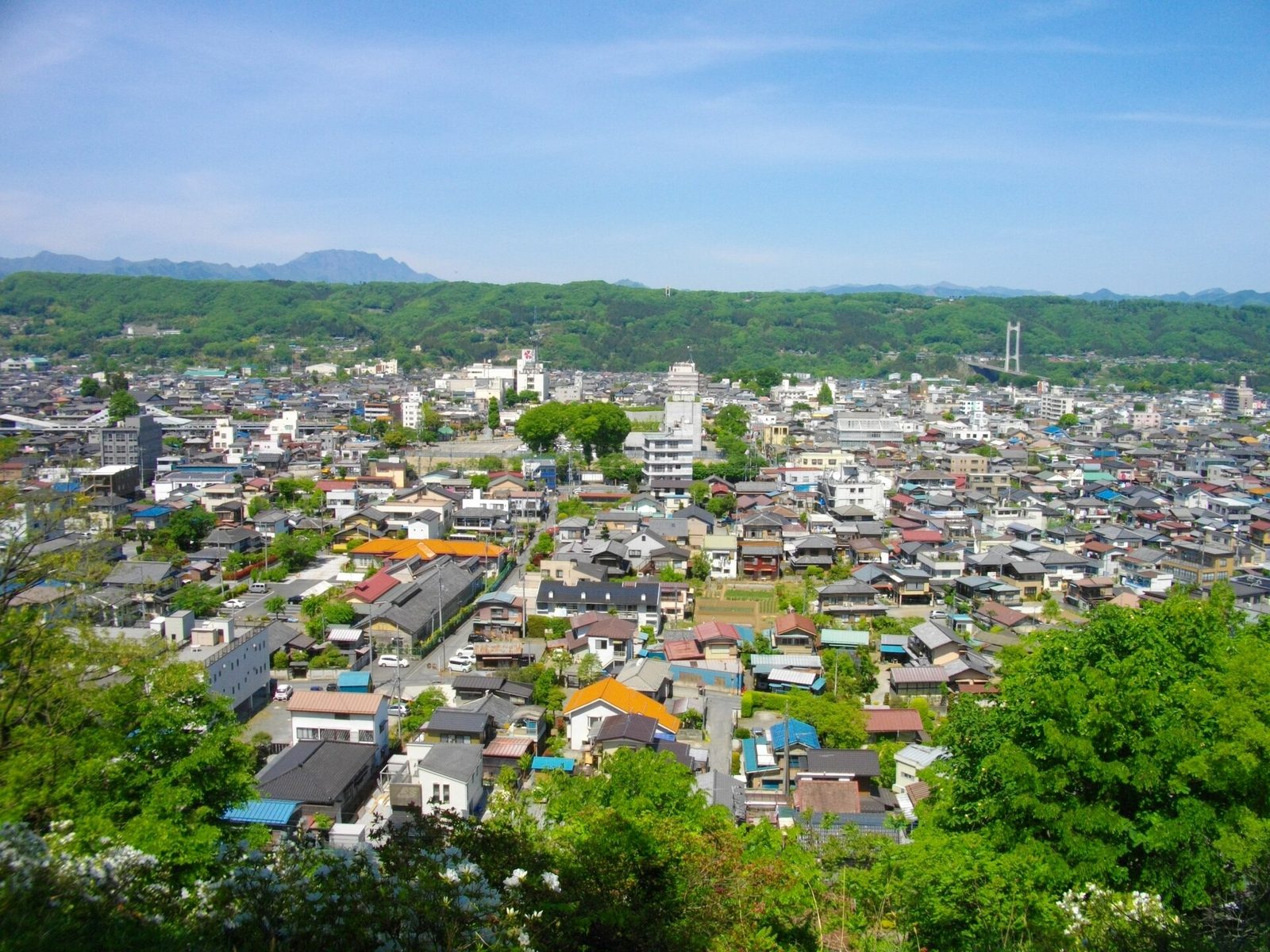
A basin town in the Okuchichibu mountains, west of the Kanto plain. Chichibu Meisen silk, indigo dyers and an Edo-period sake brewer, with bakeries, coffee and soba around Banba-dori and Ohanabatake, as Rin's picks.
Chichibu, on film
3 sights and 15 places, each checked open in 2026, in 40 seconds.
Found somewhere you like? The map and the list below have the address, hours and official site.
Tap for sound
What to eat in Chichibu
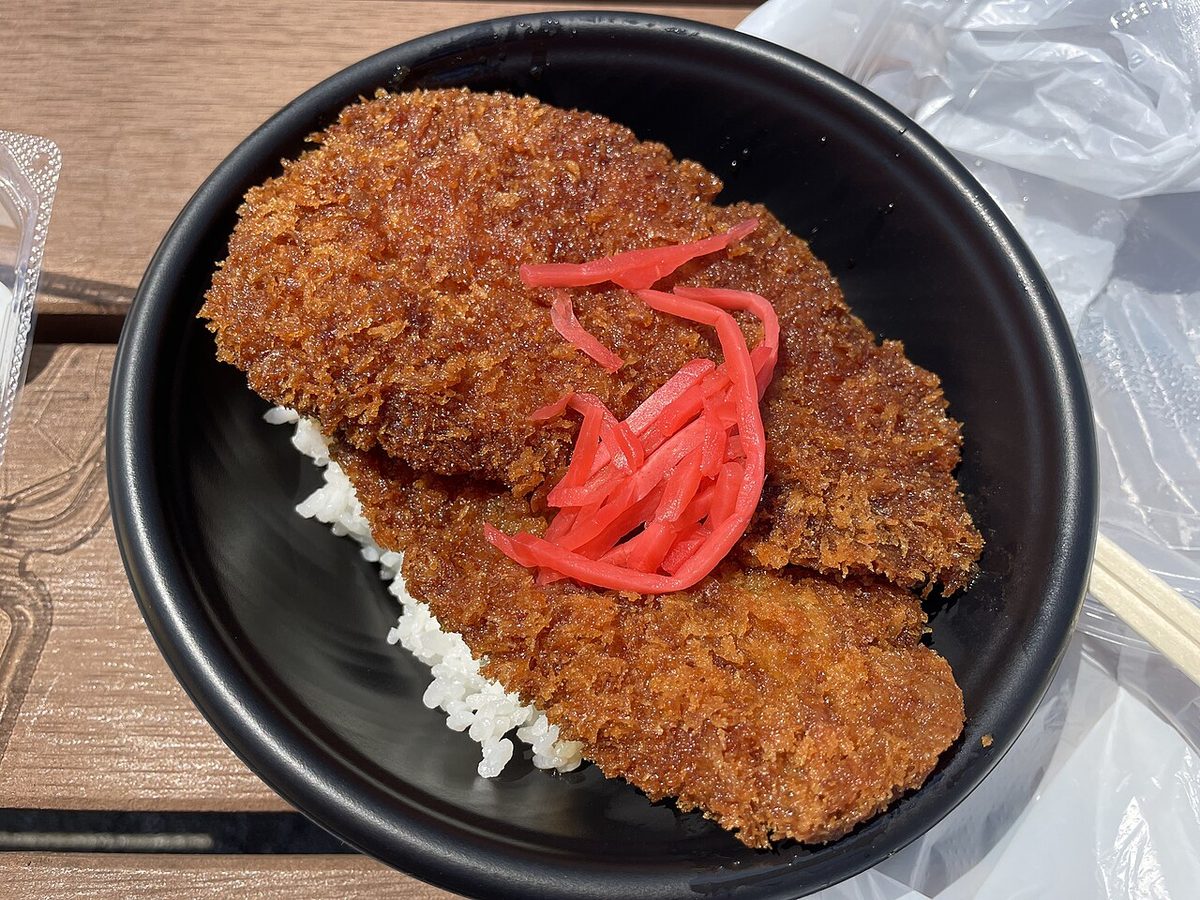
Photo: ウィ貴公子 / CC BY-SA 4.0 (Wikimedia Commons) Waraji Katsudon (soy-glazed pork cutlets on rice)
わらじカツ丼
Waraji katsudon tops a bowl of steamed rice with two large, thin, pounded pork cutlets dipped in a sweet-savory soy sauce tare instead of being simmered with egg. Named for resembling a pair of waraji straw sandals, it originated in the Chichibu region at Yasudaya in neighboring Ogano and spread across Chichibu's diners and soba shops.
Diners often set one cutlet aside on the bowl's lid to eat the rice and first cutlet underneath, served with miso soup and pickled shakushina greens.
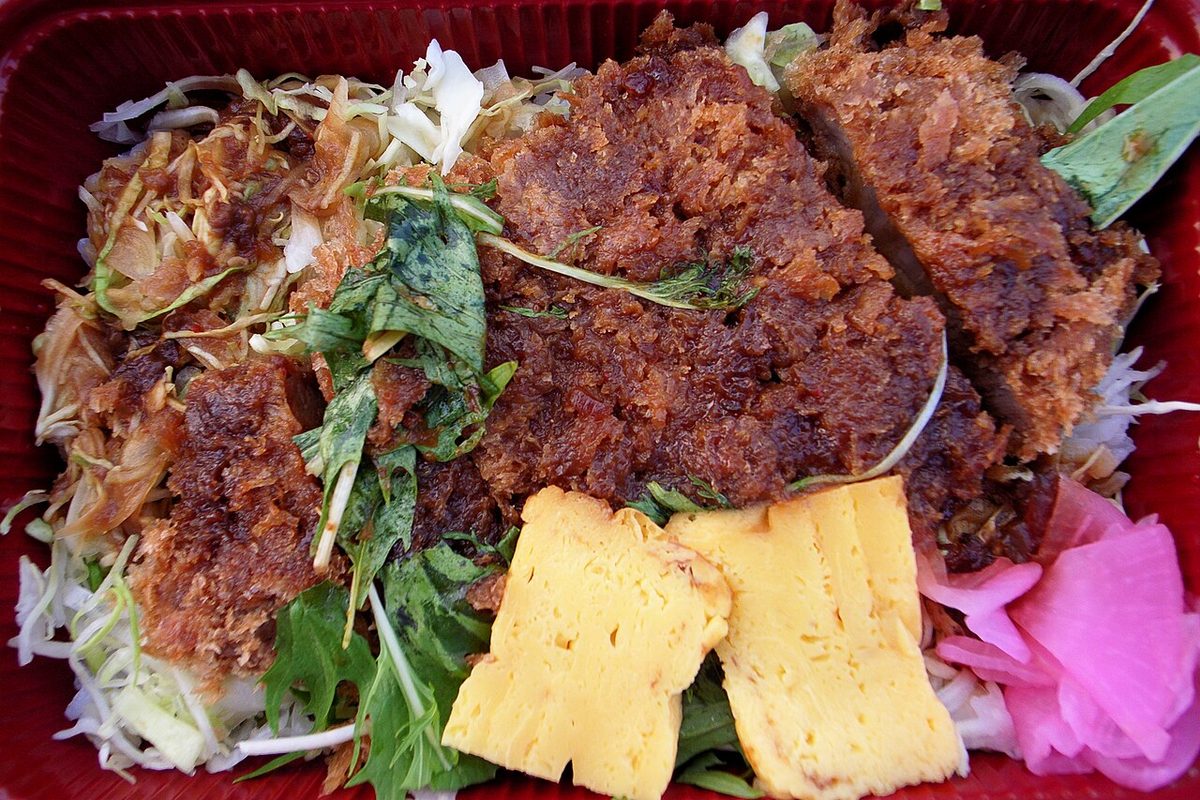
Photo: yoppy from Saitama Stadium in Midori, Saitama, Saitama / CC BY 2.0 (Wikimedia Commons) Butamiso-don (charcoal-grilled miso pork on rice)
豚みそ丼
Butamiso-don is a rice bowl topped with slices of pork loin or belly marinated in miso and grilled over charcoal. The dish adapts a traditional Chichibu method used by mountain hunters to preserve wild boar meat in miso, turning local miso-cured pork into a signature lunch bowl.
Eaten hot as a single-item bowl with miso soup and pickles or shakushina greens, often ordered for lunch before afternoon sell-out.
Where to eat it
- Pari Shokudo ↓
- Butamisodon Honpo NosakaWebsiteMap
- ChinbataWebsiteMap
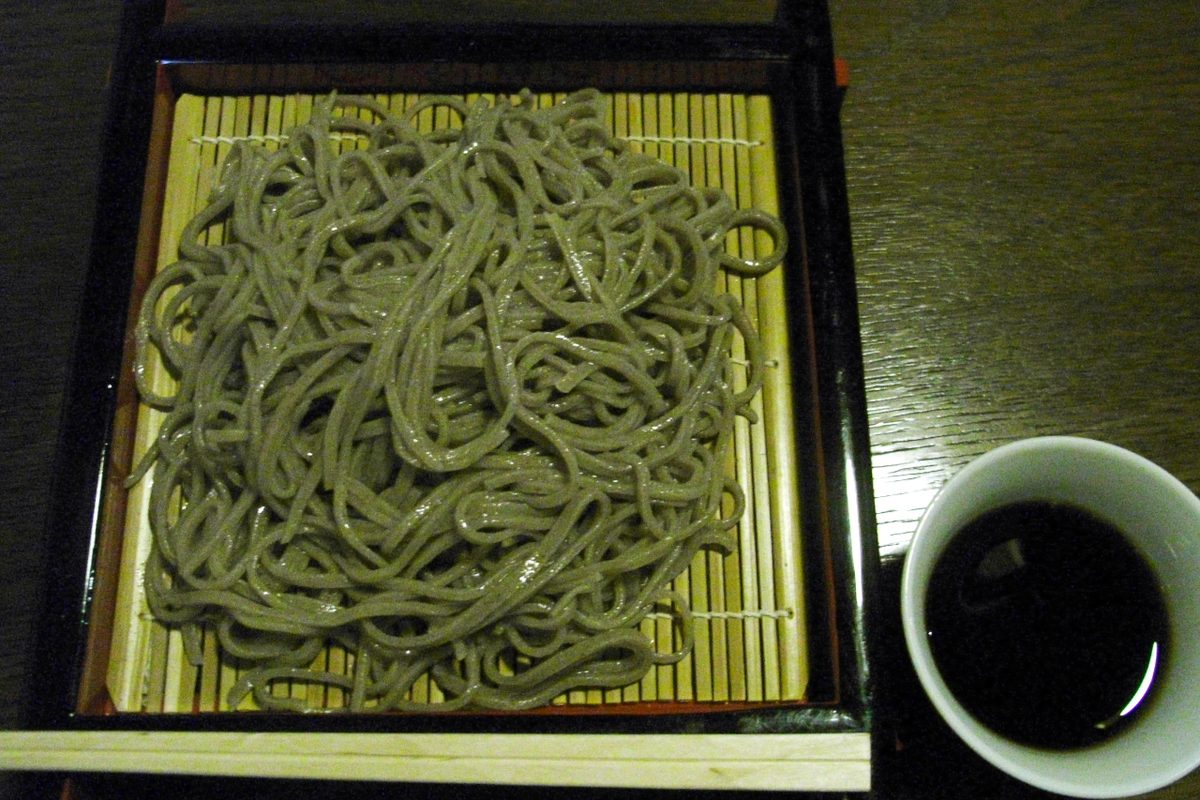
Photo: woinary from Soba restaurant Toraya in Nagatoro, Saitama / CC BY-SA 2.0 (Wikimedia Commons) Chichibu Soba (hand-cut buckwheat noodles)
秩父そば
Chichibu soba consists of freshly milled and hand-cut buckwheat noodles, frequently served cold with ground walnut (kurumi-dare) or sesame (goma-dare) dipping sauces. The Chichibu basin's sharp day-night temperature swings and clean mountain water from the Arakawa watershed made buckwheat a staple crop, supporting roughly sixty soba shops across the valley.
Eaten at lunch as cold seiro noodles paired with maitake mushroom tempura or wild vegetables, finished by pouring hot sobayu into the remaining dipping sauce.
Where to eat it
- Teuchi Soba Musashiya ↓
- Honkaku Teuchi Wahei SobaWebsiteMap
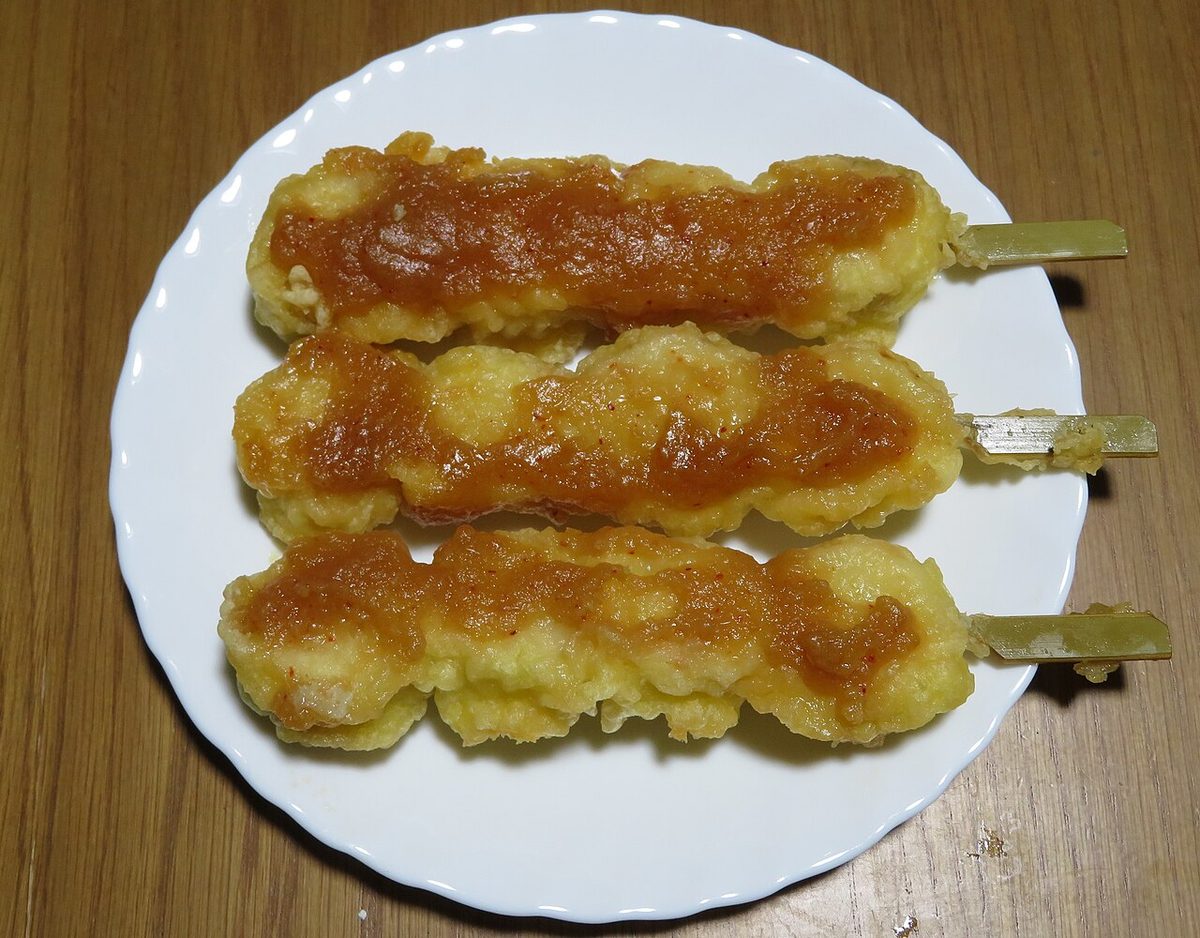
Photo: Ebiebi2 / CC BY-SA 4.0 (Wikimedia Commons) Miso Potato (fried potato with sweet miso glaze)
みそポテト
Miso potato consists of boiled potato chunks dipped in a flour batter, deep-fried until crisp, and coated in a sweet-savory miso glaze. It began in Chichibu's upland farming areas as kojuhan, a mid-work snack originally made by roasting small potatoes at the hearth with miso before becoming a standard local street food and side dish.
Served hot on skewers, in takeout cups, or on plates as a snack, side dish, or drink accompaniment.
Where to eat it
- Pari Shokudo ↓
- Teuchi Soba Musashiya ↓
- Seibu-Chichibu Ekimae Onsen Matsuri no Yu (Matsuri no Utage)WebsiteMap
Where Rin would go, on the map — or build your own route
Tap a mark to see the place; squares are museums and sights (landmarks). Use “Build your own route” to make a walk of your own.
Loading the map
Map data © OpenStreetMap contributors
Where Rin would go
Made in Chichibu: Chichibu Meisen Silk1
All chichibu meisen silk →1 / 2
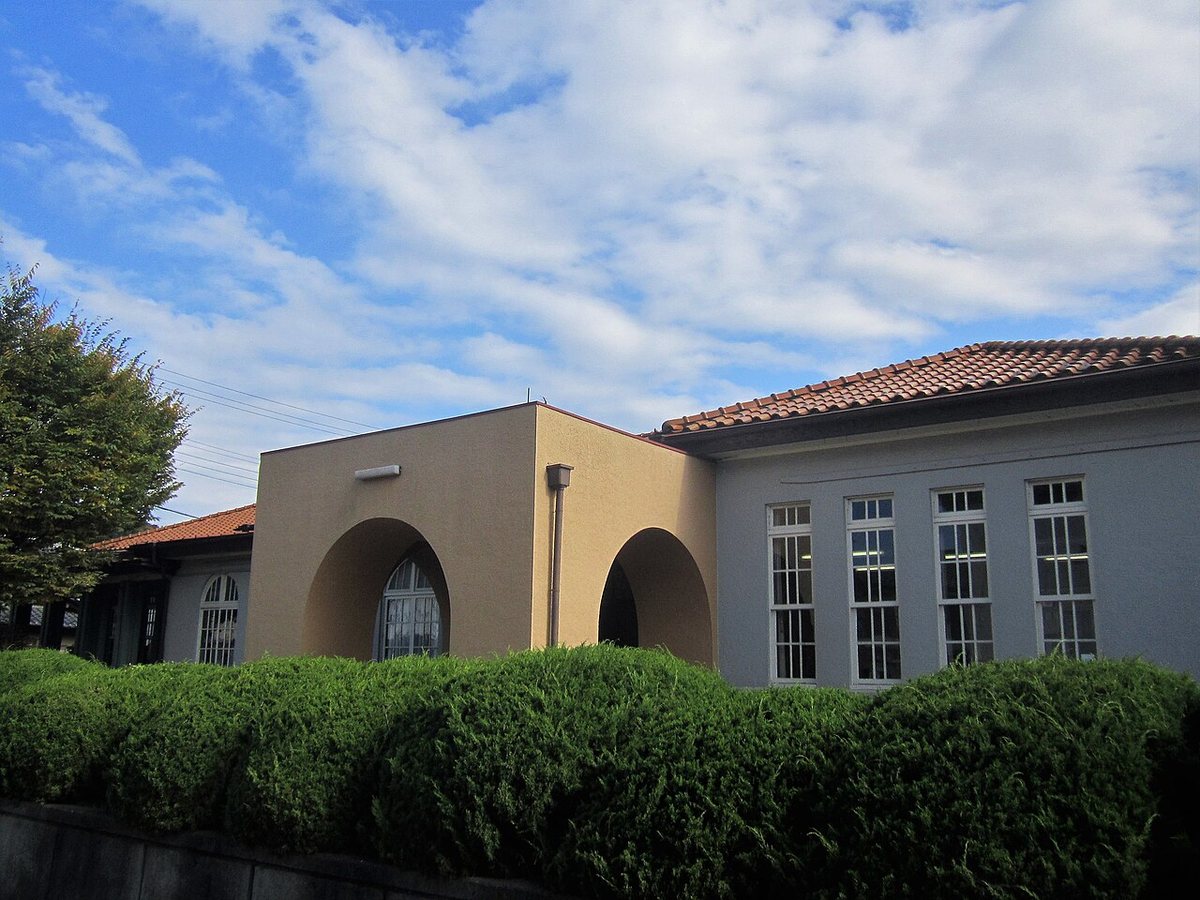
Made in Chichibu
Chichibu Meisen is a silk textile known in the Taisho and early Showa eras for its vivid hogushi-nassen warp-printed patterns, and is a nationally designated traditional craft. At Chichibu Meisenkan, housed in a 1930 former prefectural textile testing hall, tools and kimono are on display.
Chichibu Meisen Museum, the historic 1930 textile research building·Photo: Suikotei / CC BY-SA 4.0 (Wikimedia Commons)
Ohanabatake
Chichibu Meisenkan
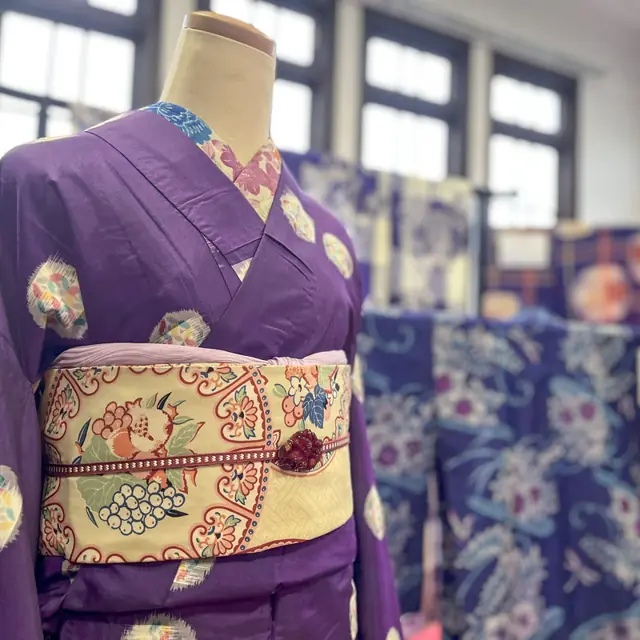
Photo: the shop’s official page ちちぶ銘仙館
A Chichibu Meisen silk museum and workshop in a 1930 former prefectural textile testing hall, a Registered Tangible Cultural Property. Displays hogushi-nassen warp-printing tools and kimono, with stencil-dyeing and weaving workshops.
9:00–16:00 · Closed: Open every day (except New Year)checked Nov 2026
秩父市熊木町28-1
RinI saw the Meisen kimono display. The blurred warp-print hues stood out.
Made in Chichibu: Chichibu Indigo & Traditional Dyeing1
All chichibu indigo & traditional dyeing →1 / 2
Made in Chichibu
Dyers in Chichibu have used underground water from Mount Buko since the Meiji era to dye cotton hanten coats, noren curtains and tenugui. Founded in 1873, Saito Somemono still dyes indigo by hand.
Ohanabatake
Saito Somemono
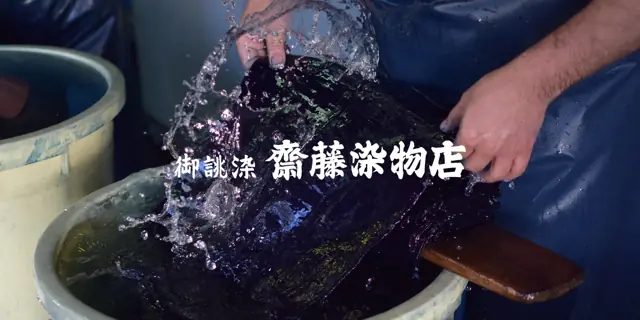
Photo: the shop’s official page 齋藤染物店
A fifth-generation indigo-dyeing workshop founded in 1873, using Mount Buko underground water to dye hanten coats, noren curtains, tenugui and small goods.
Mon–Sat 10:00–18:00 · Closed: Sundays and public holidays
秩父市熊木町44-22
RinI bought an indigo-dyed tenugui. The deep blue tone felt calm.
Made in Chichibu: Chichibu Sake & Fermentation1
All chichibu sake & fermentation →1 / 2
Made in Chichibu
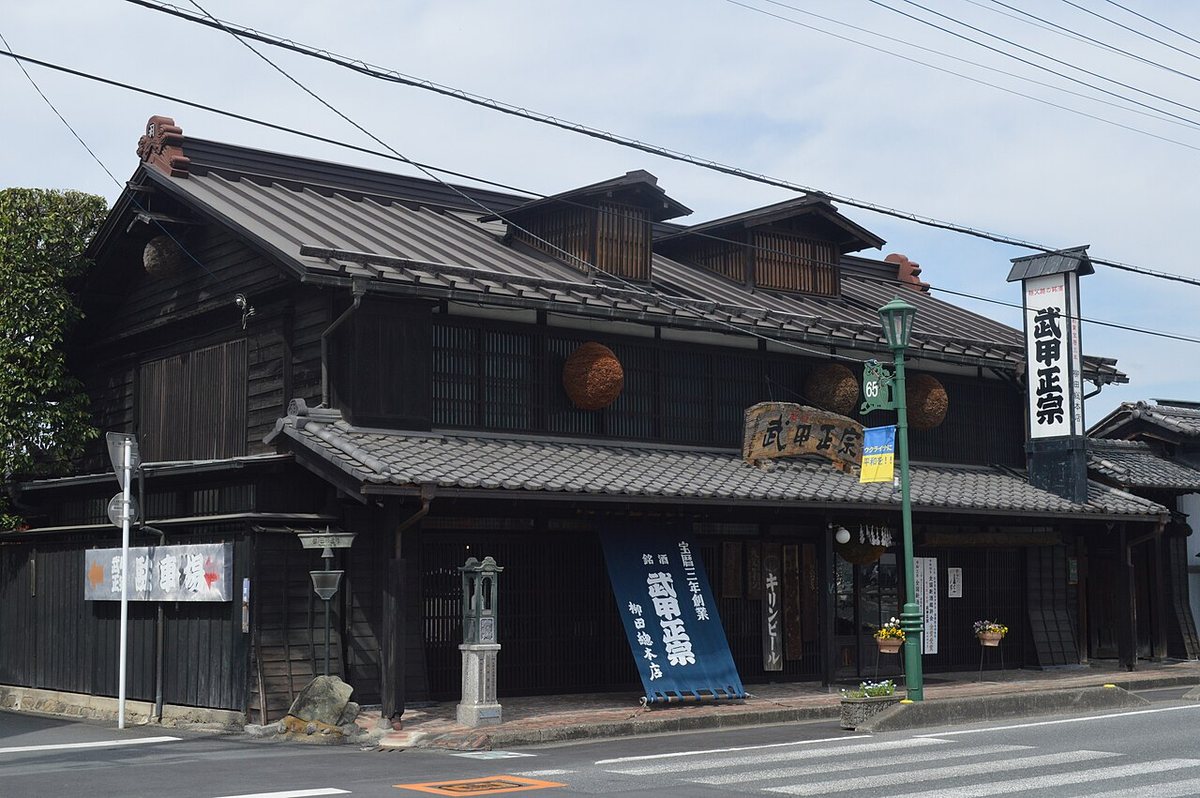
Fed by underground water from Mount Buko and the sharp temperature swings of the basin, Chichibu's breweries have made sake here since the Edo period. Buko Shuzo, founded in 1753, still brews with Mount Buko well water.
Historic wooden building of Bukou Sake Brewery in Chichibu·Photo: Asturio Cantabrio / CC BY-SA 4.0 (Wikimedia Commons)
Miyakawa-cho
Buko Shuzo
武甲酒造
A sake brewery founded in 1753, selling Buko Masamune at its Registered Tangible Cultural Property storefront. Brews with Mount Buko underground water; there is a self-serve tasting machine inside.
8:00–17:30 · Closed: Open every day (except Jan 1)checked Nov 2026
秩父市宮側町21-27
RinI tried Buko Masamune from the tasting machine. It went down clean.
Craft2
All craft →1 / 2
Ohanabatake
Cafe & Gallery Bukoan
Cafe & Gallery 武甲庵
A cafe and gallery in Kumagi-machi hosting regular painting exhibitions by local and visiting artists.
秩父市熊木町3-12
RinI viewed a local artist's painting show from the cafe. Quiet and calm.
Arakawa
Itaduraroom Gallery Shop
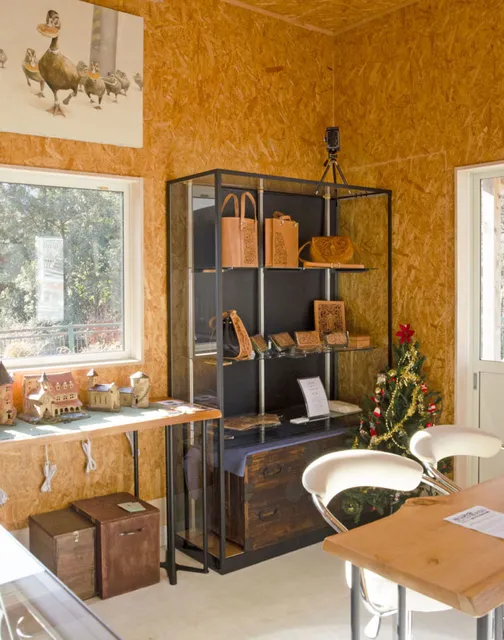
Photo: the shop’s official page いたづら工作室 GALLERY SHOP
A gallery shop in Arakawa Niekawa showing and selling blown glass, pottery, metalwork and leather goods by local makers, with a workshop behind for hands-on sessions.
10:00–17:00 · Closed: Irregular holidays
秩父市荒川贄川691-4
RinI looked at blown glass and pottery. The glass had a cool, clear tone.
Sweets2
All sweets →1 / 2
Ohanabatake
Lapin Noir Kurousagi
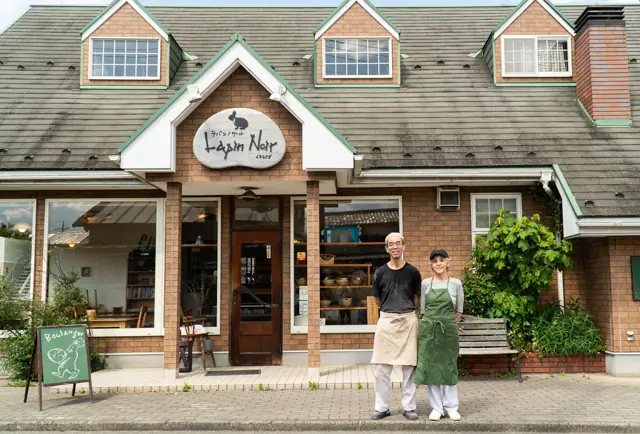
Photo: the shop’s official page ラパンノワール くろうさぎ
A bakery making around sixty kinds of bread daily with domestic wheat, house-cultured yeast and organic ingredients. A cafe inside serves organic coffee and fresh bread. Closed Tuesdays and Fridays.
10:00–17:00 · Closed: Tuesdays, Fridayschecked Nov 2026
秩父市野坂町1-18-12
RinI had fresh bread and organic coffee inside. The sweet wheat aroma was rich.
Ohanabatake
Patisserie Ishino
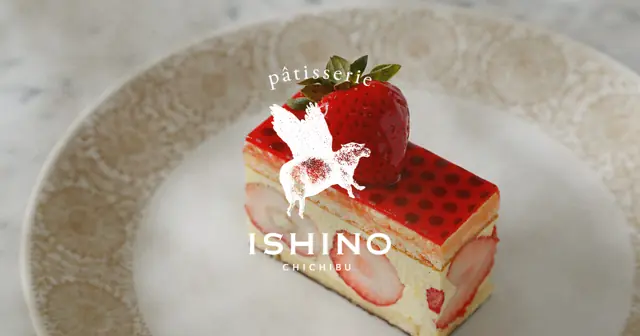
Photo: the shop’s official page パティスリーイシノ
A patisserie making French-style cakes, baked sweets, macarons and jams with seasonal fruit and local ingredients, plus takeaway coffee. Closed Mondays and Tuesdays.
10:00–17:30 · Closed: Mondays, Tuesdayschecked Nov 2026
秩父市熊木町15-2 KMGビル1F
RinI got a seasonal fruit cake and coffee. The sweetness was light and clean.
Food5
All food →1 / 5
Banba-dori
Pari Shokudo
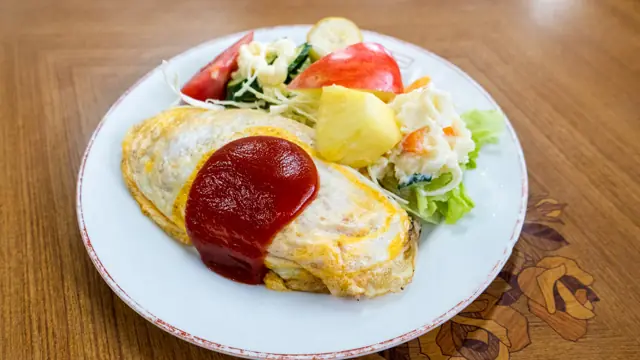
Photo: the shop’s official page パリー食堂
Irregular closing days
A neighbourhood diner open for over a century in a 1927 kanban-kenchiku building, a Registered Tangible Cultural Property. Serves omurice, katsu curry and classics. 11:30 am to 7 pm; irregular holidays.
11:30–19:00 (last order 18:30) · Closed: Irregularchecked Nov 2026
秩父市番場町19-8
RinI had the signature omurice. Its plain, classic taste felt comforting.
Banba-dori
cucina salve
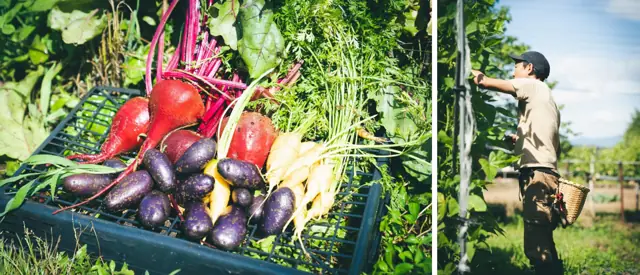
Photo: the shop’s official page クチーナ サルヴェ
An Italian restaurant on Banba-dori serving chef-selected courses with over 150 varieties of vegetables grown on its own farm. Reservations required.
Lunch (weekends & holidays only) 11:30–14:00 (last order 13:30), dinner (Fri–Tue) 17:30–22:00 (last order 21:30) · Closed: Wednesdays, Thursdays
秩父市番場町17-14
RinI had the chef's course. The farm-grown vegetables were crisp and sweet.
Banba-dori
Teuchi Soba Musashiya
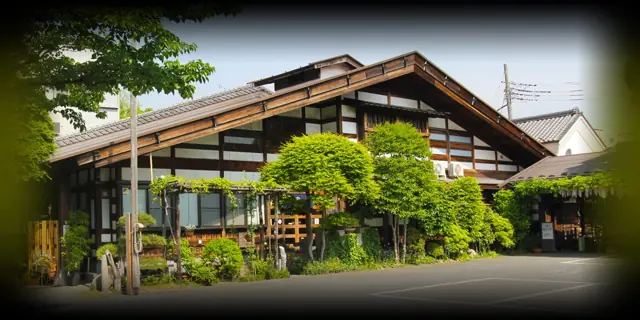
Photo: the shop’s official page 手打そば 武蔵屋
A hand-cut soba shop near Chichibu Shrine milling its own buckwheat flour, serving seiro, sesame dipping sauce and maitake tempura. Closed Tuesdays.
Weekdays 11:00–16:00, weekends & holidays 11:00–15:00 · Closed: Tuesdayschecked Nov 2026
秩父市番場町4-11
RinI had seiro soba and maitake tempura. The mushrooms were juicy inside.
Miyakawa-cho
WATAGE
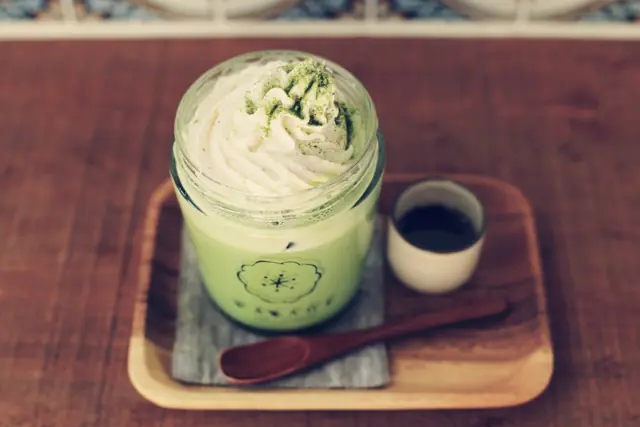
Photo: the shop’s official page A cafe and dining bar near Chichibu Station serving lunch and waffles by day, pizza and pasta at night, with a small gallery inside. Closed Tuesdays.
11:30–14:30, 17:00–around 24:00 · Closed: Tuesdays
秩父市宮側町6-4
RinI ate a waffle for lunch and saw the gallery. Freshly baked and airy.
Arakawa
Kinoko no Sato Suzukaen
きのこの里 鈴加園
A country restaurant opened in 1969 in Arakawa, known for sekki-yaki: grilling home-grown mushrooms, mountain vegetables and game on natural sandstone slabs. Closed Tuesdays and 1st/3rd Wednesdays.
Wed–Mon 10:30–17:00 · Closed: Tuesdays (following Wednesday if a public holiday), 1st & 3rd Wednesdays
秩父市荒川小野原178
RinI grilled home-grown mushrooms on sandstone. Rich flavour as I chewed.
Cafés3
All cafés →1 / 3
Banba-dori
Kissa Carnet
喫茶 カルネ
A coffee shop in Banba-machi serving aged-bean nel-drip coffee, housemade cakes and spice curry. Closed Thursdays, with occasional extra days off or shorter hours.
秩父市番場町18-7
RinI ordered the nel-drip coffee. The rounded bitterness of aged beans was good.
Ohanabatake
Chichibu Coffee
ちちぶコーヒー
A coffee stand on the ground floor of the KMG Building in Kumagi-machi, where a licensed Q Grader roasts and brews blends themed after Chichibu.
秩父市熊木町15-2 KMGビル1F
RinI had a Chichibu-themed blend. The roasted finish faded cleanly.
Ohanabatake
WAPLUS COFFEE
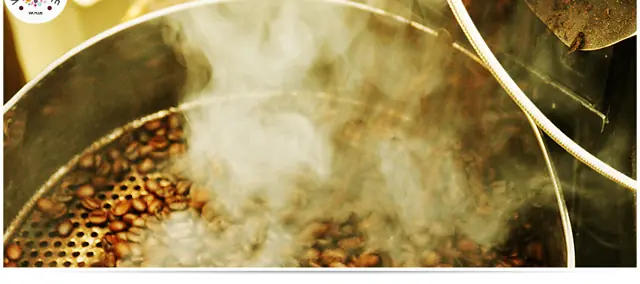
Photo: the shop’s official page A home-roasting coffee shop in Kamimachi run by an architect couple, with takeaway available. Open 11 am to 7 pm; closed Wednesdays.
11:00–19:00 · Closed: Wednesdayschecked Nov 2026
秩父市上町2-8-13
RinI took away a house-roasted coffee. The clean bitterness was refreshing.
By area
Rin is a fictional traveller. Every place here was checked by the editors to exist and be open (checked 2026-11-12). Please confirm hours on the official site before you go. Paid listings are always marked. If you are the shop and would like a photo removed, write to editor@vual.jp and we will take it down at once.
To see — art and sights (landmarks)
Sights · Banba-dori
Chichibu Shrine
An ancient shrine revered as the chief tutelary shrine of Chichibu. Its present sanctuary was donated by Tokugawa Ieyasu in 1592, and its annual December 3 festival is the Chichibu Night Festival.
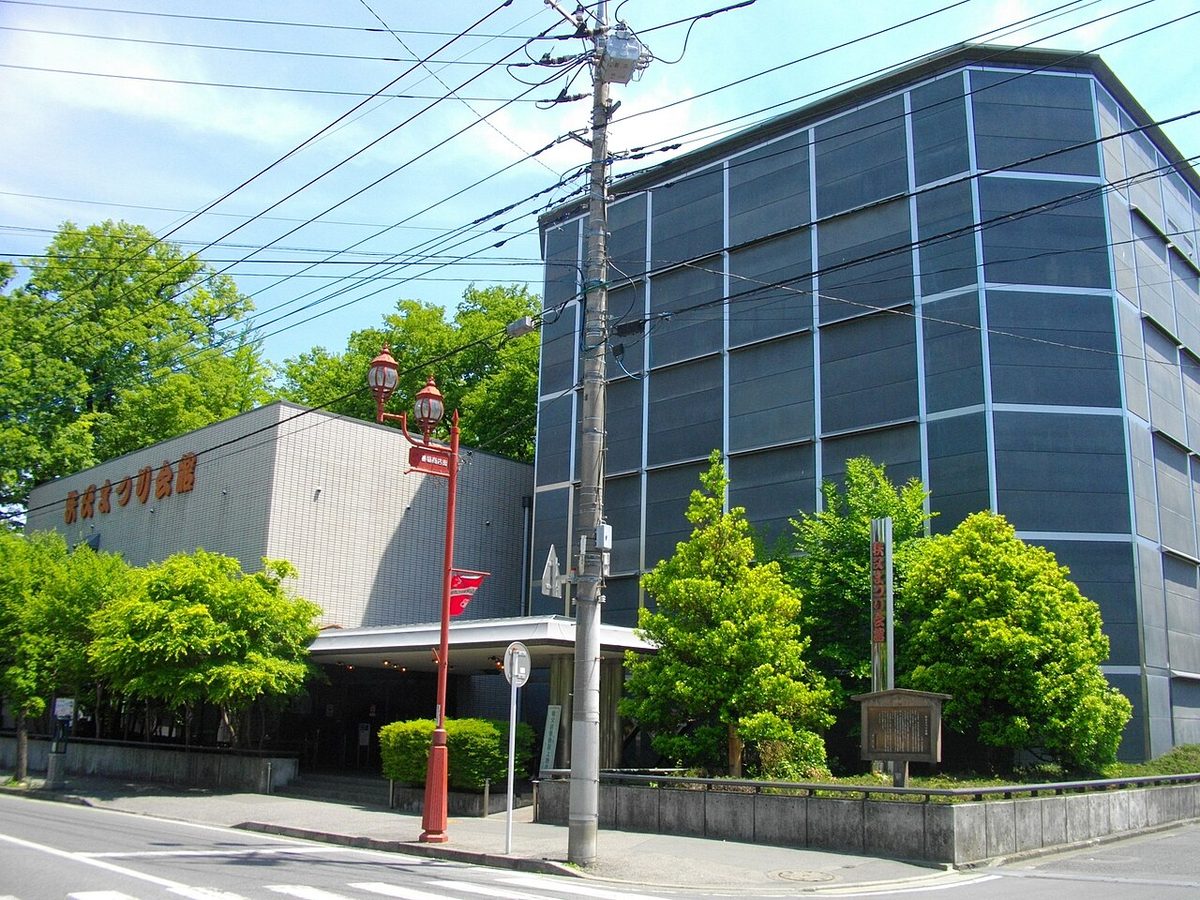
Photo: あばさー / Public domain (Wikimedia Commons) Art · Banba-dori
Chichibu Festival Museum
A museum next to Chichibu Shrine dedicated to the Chichibu Night Festival, exhibiting kasaboko and yatai floats built for display alongside sound and projection shows.
Sights · Ohanabatake
Hitsujiyama Park
A hillside park at the foot of Mount Buko. In spring, more than 400,000 shibazakura moss phlox plants of ten varieties bloom on Shibazakura Hill.
These are landmarks, not Rin's picks. Each was checked to be open on its official site (checked 2026-11-12). Please confirm hours before you go.
Day trips from Chichibu
Hidden spots
- Mitsumine Shrineabout 16 km
A mountaintop shrine at 1,100 meters in Chichibu featuring a rare triple torii gate and wolf guardian statues. Autumn foliage peaks late October to mid-November; arrive early morning to avoid mountain road and parking congestion on weekends.
- Kinchakuda Red Spider Lily Parkabout 24 km
A riverside meadow inside a bend of the Koma River where around five million red spider lilies bloom beneath trees. Late September to early October is peak red spider lily bloom; arrive before 9:00 AM to avoid crowds.
- Hossawa Fallsabout 30 km
Tokyo Prefecture's only waterfall in Japan's Top 100 Waterfalls, a 60-meter four-tier cascade in Hinohara Village that freezes in midwinter. Visit mid-morning in January–February for the frozen waterfall or mid-November for peak autumn foliage.
- Nishizawa Gorgeabout 33 km
A granite river gorge in Chichibu-Tama-Kai National Park famous for the five-tiered Nanatsugama Waterfall and emerald pools. Mid-October to early November brings peak autumn foliage; start the 4-hour one-way loop before 9:00 AM with hiking gear.
Distances are straight-line from the town centre. Each page has how to get there and a suggested day.