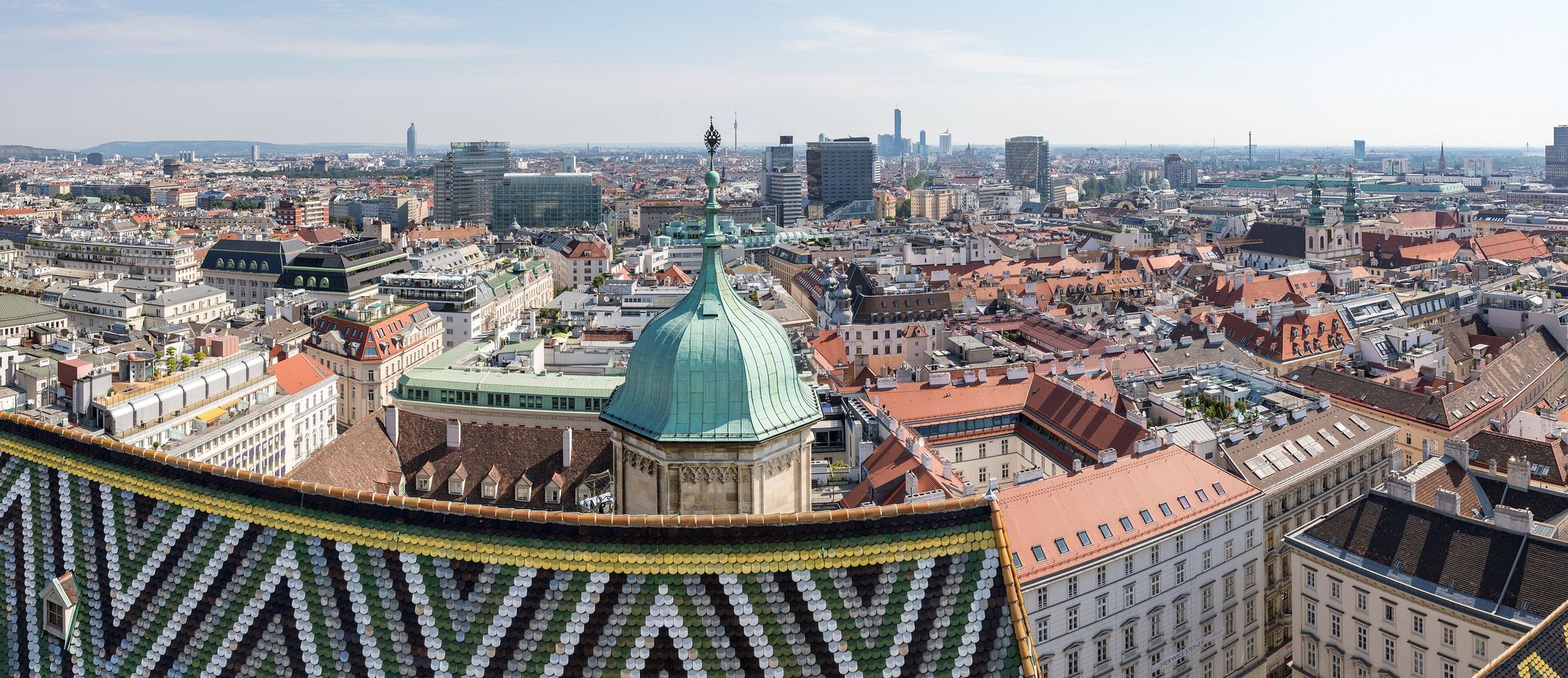
48.2° N
Vienna
Austria
Klára spent one grey November day here: off the night train at the Hauptbahnhof, Gumpendorfer Strasse in the morning, Otto Wagner's pavilions on Karlsplatz and his Postal Savings Bank, the Ringstrasse at dusk, a tram, and a small bar of onyx and mirrors off Kärntner Strasse at night.
Vienna, on film
7 sights and 26 places, each checked open in 2026, in 57 seconds.
On the left, the city guide; on the right, Klára's day here as a film. The map and the list below have the address, hours and official site of each place.
Tap for sound
What to eat in Vienna
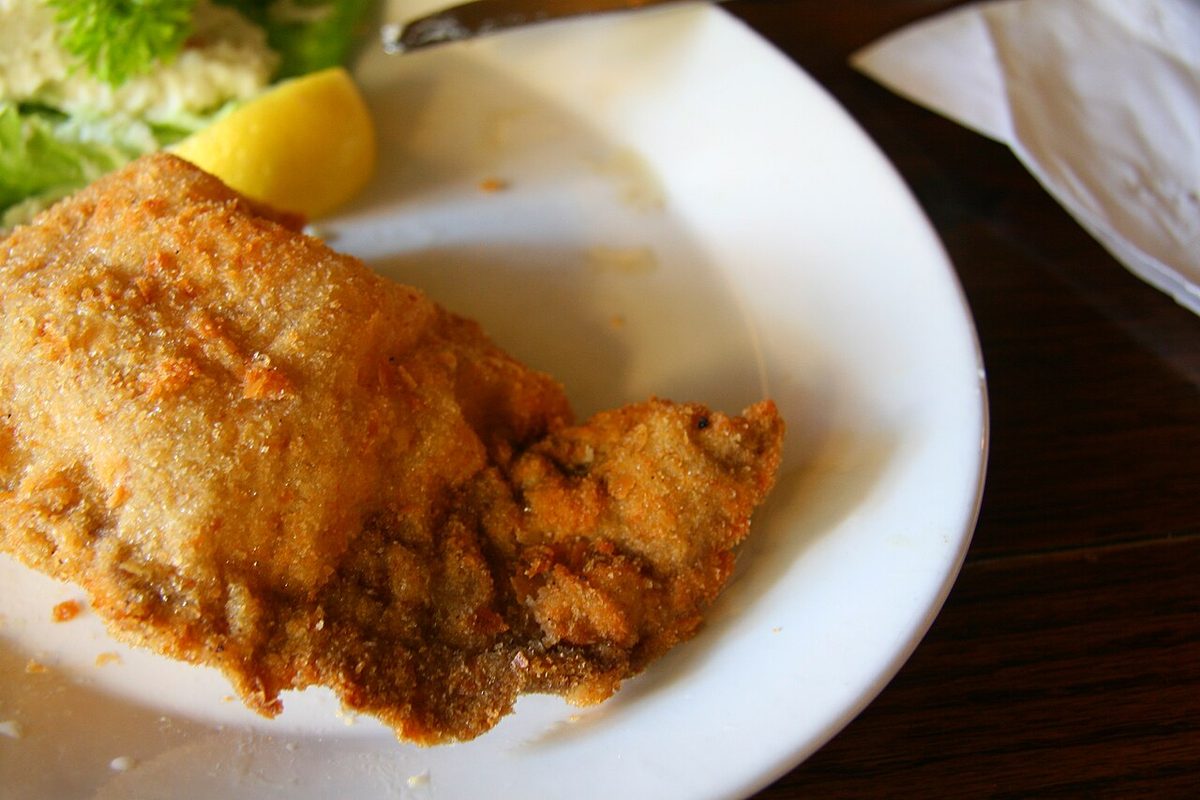
Photo: Simon Law from Montréal, QC, Canada / CC BY-SA 2.0 (Wikimedia Commons) Wiener Schnitzel (breaded veal cutlet)
Wiener Schnitzel
A thinly pounded cutlet of veal coated in flour, beaten egg, and breadcrumbs, then fried golden brown in clarified butter or lard. Named after Vienna itself, the dish was documented in Viennese cookbooks by the 19th century and remains the city's signature main course.
Ordered as a main course at a traditional Beisl or restaurant, eaten hot with a squeeze of lemon and potato salad or parsley potatoes.
Where to eat it
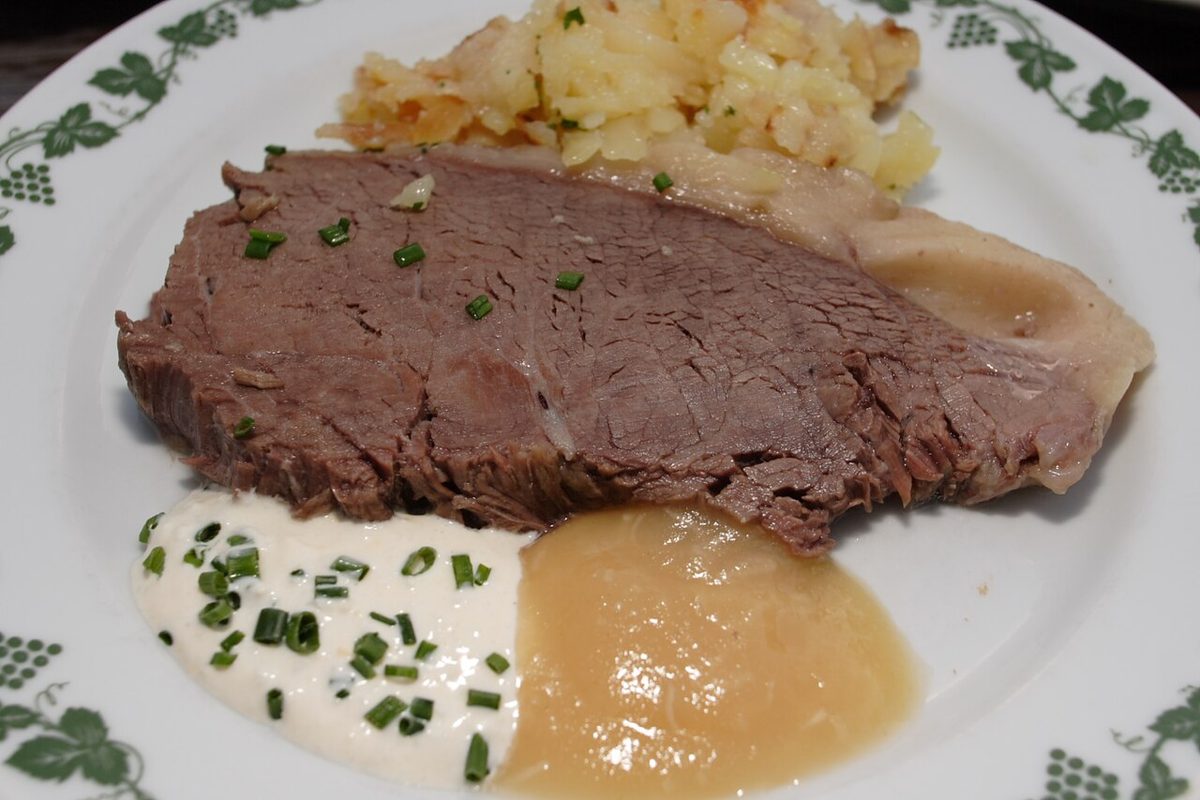
Photo: RobertK / CC BY-SA 2.5 (Wikimedia Commons) Tafelspitz (Viennese boiled beef)
Tafelspitz
Prime beef—specifically the pointed rump cap—simmered gently in broth with root vegetables and spices until tender. It became a hallmark of 19th-century Viennese imperial and bourgeois dining, famously favoured by Emperor Franz Joseph I.
Served hot in sliced portions with roasted potatoes, apple-horseradish sauce (Apfelkren), and chive sauce.
Where to eat it
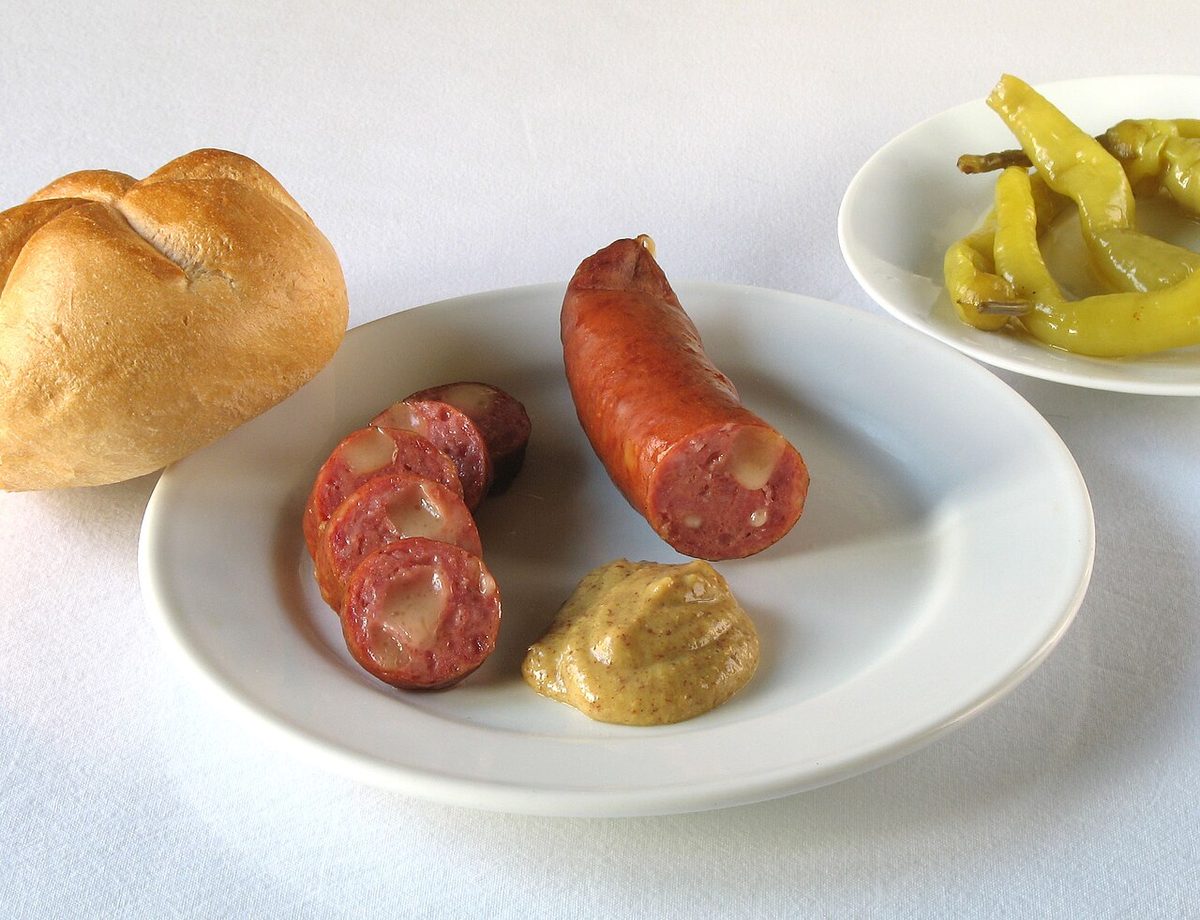
Photo: Kobako / CC BY-SA 2.5 (Wikimedia Commons) Käsekrainer (cheese-filled smoked sausage)
Käsekrainer
A coarse smoked pork sausage studded with small cubes of cheese, usually Emmental, that melt inside when grilled. Developed in the late 20th century, it is the signature order at Vienna's street-side Würstelstände, whose kiosk culture is listed as Austrian UNESCO intangible cultural heritage.
Bought standing at a street sausage kiosk day or late at night, served sliced on a plate with mustard, grated horseradish, and a bread roll, or tucked inside a hollowed roll.
Where to eat it
- Bitzinger bei der Albertina ↓
- Würstelstand zum Hohen MarktWebsiteMap
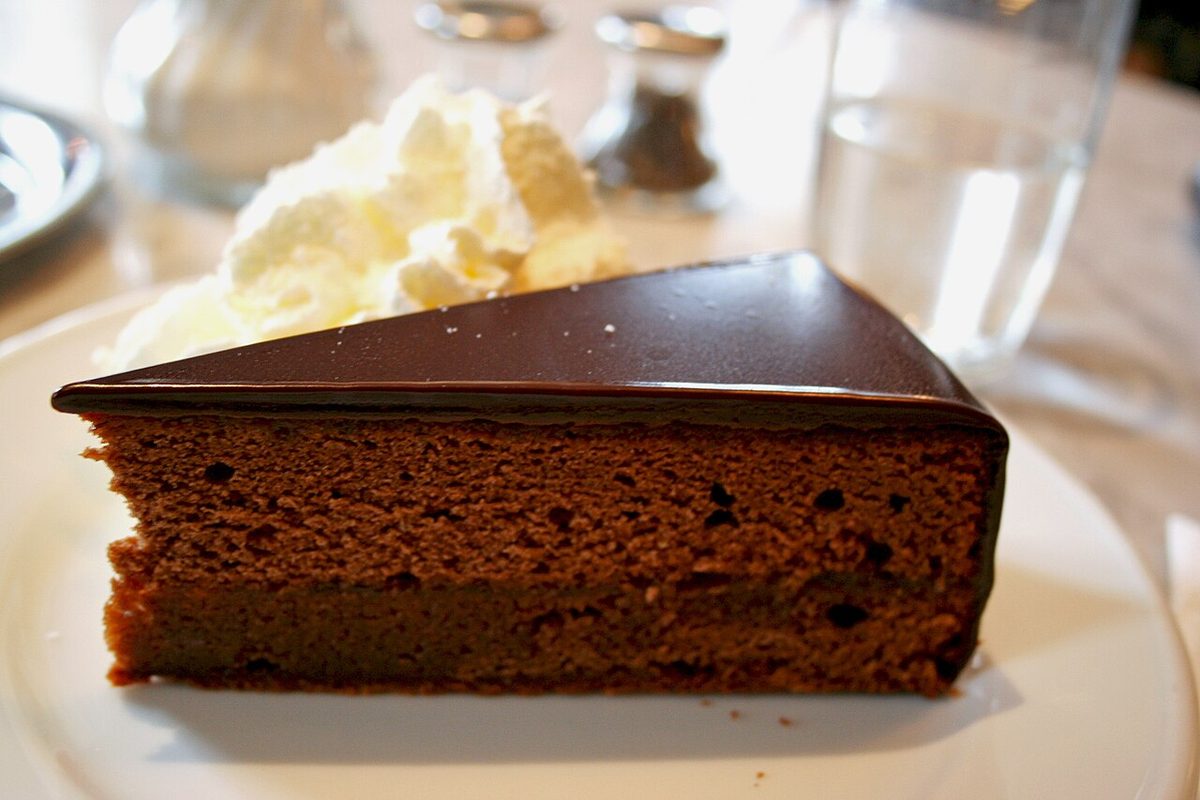
Photo: Hellokitty893112 at en.wikipedia / CC BY 2.5 (Wikimedia Commons) Sachertorte (apricot-glazed chocolate cake)
Sachertorte
A dense chocolate sponge cake layered with tart apricot jam and coated in a smooth dark chocolate glaze. Created in Vienna in 1832 by sixteen-year-old apprentice Franz Sacher for Prince Metternich's court, it became a lasting symbol of the city's cafés and imperial confectioners.
Eaten in the afternoon or evening at a Viennese coffee house alongside coffee, traditionally served with a dollop of unsweetened whipped cream.
Where to eat it
- Demel ↓
- Café Sperl ↓
- Café Sacher WienWebsiteMap
Follow Klára's route — watch the day in Vienna, then walk it
See the day first, then follow the same order on the map, and open it as walking directions in Google Maps. The film is at the top ↑
1 · The day, on the map
Loading the map
2 · Walk it
Open this walk in Google Maps ↗The dotted line shows the order, not the actual streets. Map data © OpenStreetMap contributors
Klára's day, in order
1 / 11
108:40
Hauptbahnhof
Off the night train in the morning.
Nearby, Klára would go to: Café Goldegg
209:00
I Gumpendorfer Strasse
Past the window of an old coffee house.
Nearby, Klára would go to: Café Sperl, Gastwirtschaft Steman
310:40
Karlsplatz
Past Otto Wagner's pavilion of green iron, marble and gold sunflowers.
Nearby, Klára would go to: Café Museum, Vollpension, Feinedinge
412:30
A sausage stand
Lunch standing up.
Nearby, Klára would go to: Bitzinger bei der Albertina
514:20
Postal Savings Bank
Under the glass ceiling of the banking hall.
Nearby, Klára would go to: Café Prückel
615:20
Michaelerplatz
Leaning on the railing in the square.
Nearby, Klára would go to: Demel, R. Horn's Wien, Rudolf Scheer & Söhne, Zum Schwarzen Kameel
716:00
II Ringstrasse
Along the tram lines as the lamps come on.
817:10
The tram
Hood up, by a red tram.
921:40
III Kärntner Durchgang
Down a narrow passage off Kärntner Strasse.
Nearby, Klára would go to: J. & L. Lobmeyr, Augarten Porcelain (flagship store)
1022:40
A small bar
Onyx above the door, mirrors on the walls.
1123:20
The hotel
Boots off in the room.
Where Klára would go, on the map — or build your own route
Tap a mark to see the place; squares are museums and sights (landmarks). Use “Build your own route” to make a walk of your own.
Loading the map
Map data © OpenStreetMap contributors
Where Klára would go
Made in Vienna: Glass, porcelain and silver3
All glass, porcelain and silver →1 / 4
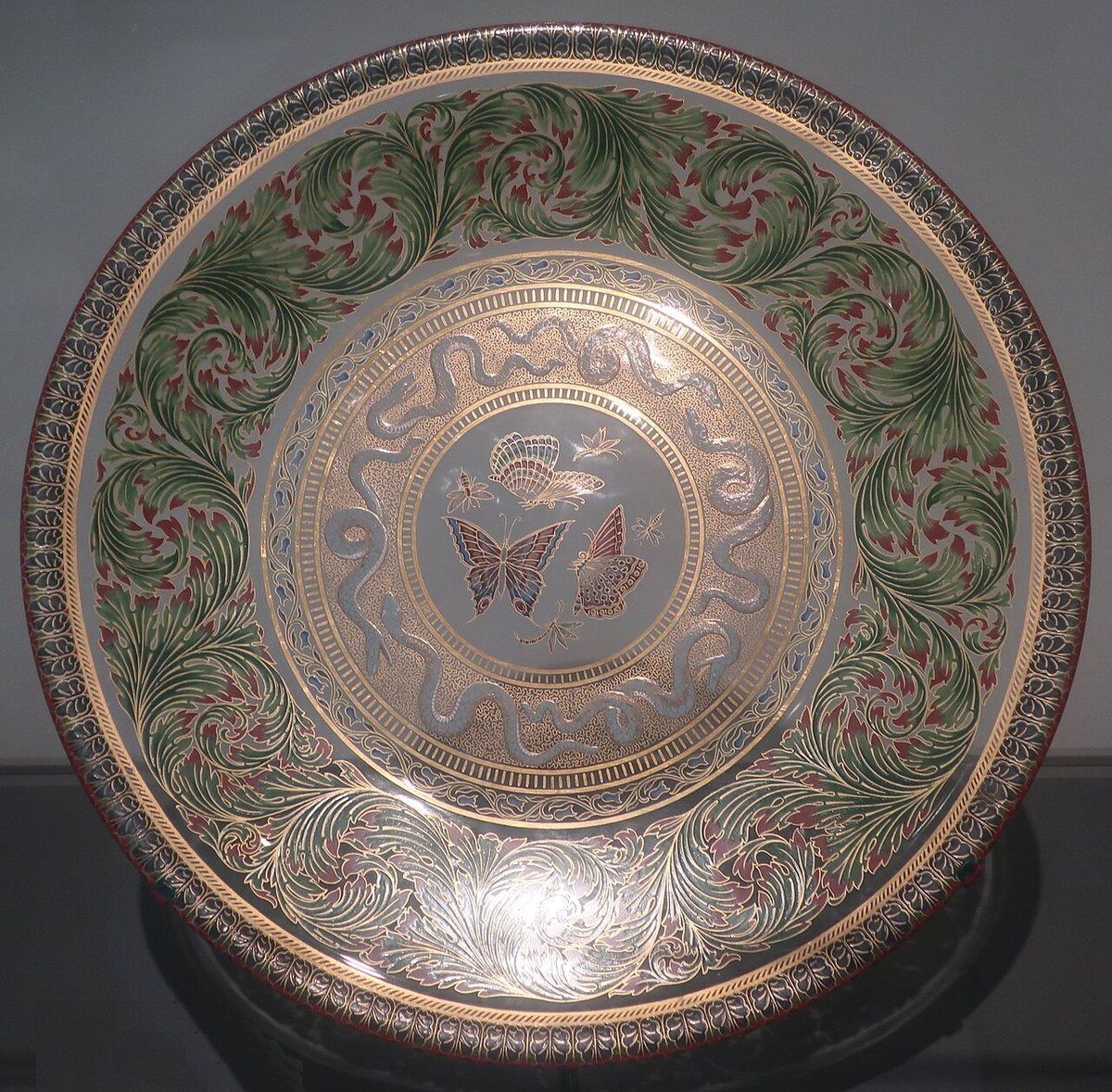
Made in Vienna
Vienna's old court suppliers still make glass, porcelain and silver by hand in the city. Designers of the Wiener Werkstätte era such as Josef Hoffmann and Adolf Loos designed pieces for these workshops.
An enameled glass presentation plate by J. & L. Lobmeyr, Vienna·Photo: Hiart / CC0 (Wikimedia Commons)
Innere Stadt
J. & L. Lobmeyr
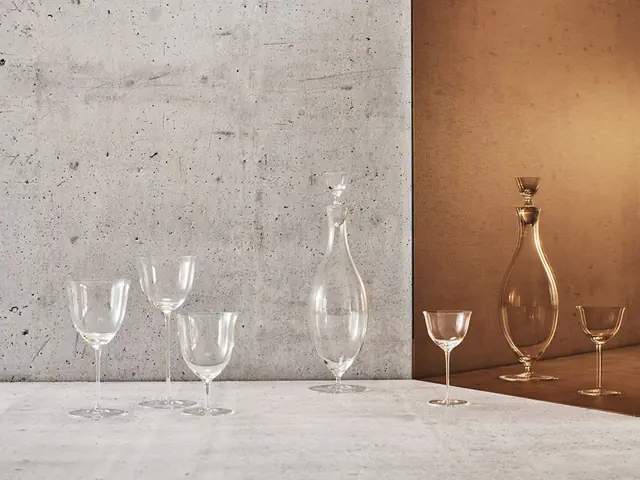
Photo: official site Glass and lighting maker founded in Vienna in 1823. Its mouth-blown crystal is cut, engraved and polished by hand; it still makes glasses designed with Josef Hoffmann and Adolf Loos, and builds its chandeliers in central Vienna.
Mon–Sat 10:00–18:00 · Closed: Sundays and public holidayschecked Nov 2026
Kärntner Straße 26, 1010 Wien
KláraI picked up a Loos glass. The mouth-blown rim was thin and clean.
Innere Stadt
Augarten Porcelain (flagship store)
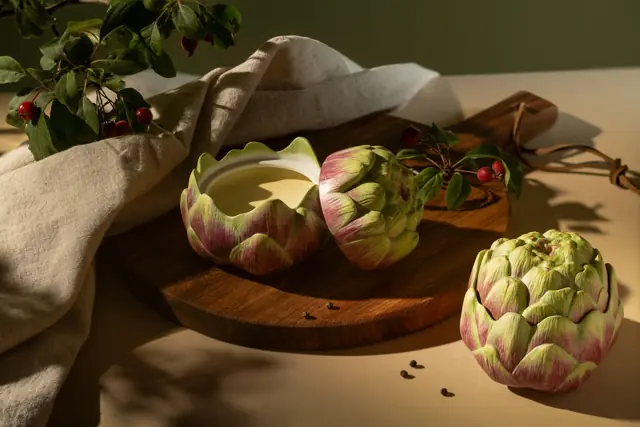
Photo: official site Wiener Porzellanmanufaktur Augarten
City-centre flagship of Augarten, the porcelain manufactory re-founded in 1923 in the Augarten palace to continue Vienna's porcelain works begun in 1718 (closed 1864). The porcelain is still made by hand in the palace workshop.
Spiegelgasse 3, 1010 Wien
KláraI compared the handmade porcelain. The white was crisp, so I chose a plate.
Neubau
Jarosinski & Vaugoin
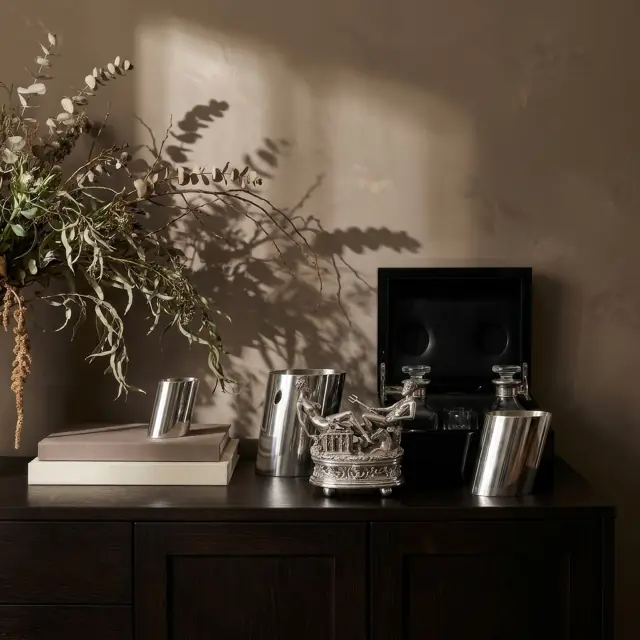
Photo: official site Silversmith working in the same Zieglergasse workshop since 1847, still hand-forging cutlery and table silver; run by Jean-Paul Vaugoin, the sixth generation.
Zieglergasse 24, 1070 Wien
KláraI held the hand-forged cutlery. The silver had a solid weight in my hand.
Made in Vienna: Leather goods, hats and shoes3
All leather goods, hats and shoes →1 / 4
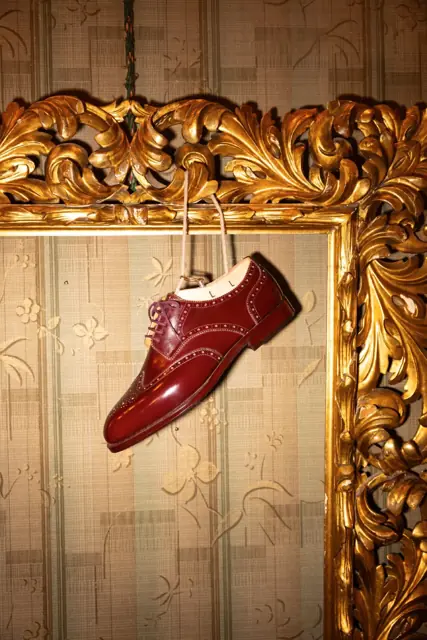
Made in Vienna
Small family workshops in Vienna have made shoes, hats and leather goods by hand for generations, some since the time they supplied the imperial court.
Handcrafted leather brogue shoe at Rudolf Scheer & Söhne·Photo: Rudolf Scheer & Söhne (official site)
Neubau
Mühlbauer Hutmacher
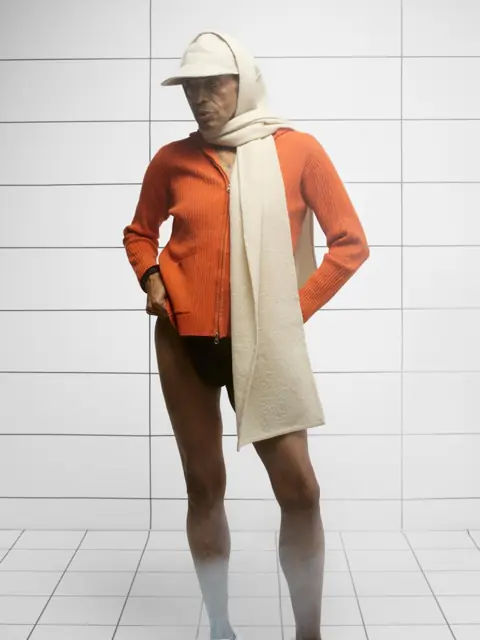
Photo: official site Mühlbauer
Hatmaker founded in 1903. Felt and straw hats are still shaped by hand on wooden blocks. Two shops: Neubaugasse and Seilergasse.
Neubaugasse 34, 1070 Wien
KláraI tried on a felt hat. The blocked shape sat well and felt light.
Innere Stadt
R. Horn's Wien
Viennese maker of handmade leather bags and small leather goods: handbags, travel bags, document cases. Three shops in the old town.
Herrengasse 6-8, 1010 Wien
KláraI picked up a handmade leather piece. The leather was soft to the touch.
Innere Stadt
Rudolf Scheer & Söhne
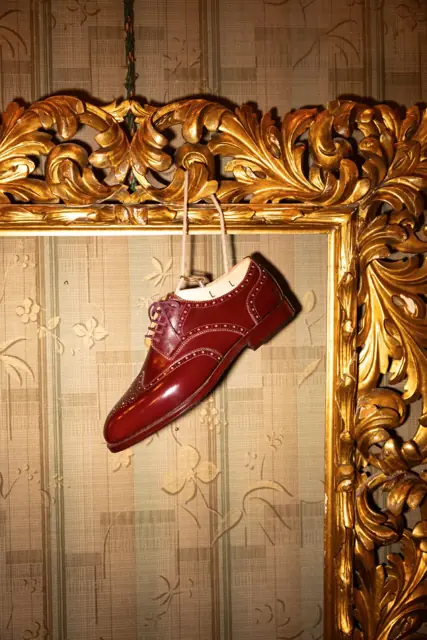
Photo: official site Scheer
Bespoke shoemaker founded in 1816, a former imperial court supplier, now run by the seventh generation, Markus Scheer. It makes around 300 pairs a year, plus leather bags.
Mon–Fri 10:00–17:00
Bräunerstraße 4, 1010 Wien
KláraI looked at the bespoke shoes and leather bags. The fine stitching was neat.
Craft1
All craft →Wieden
Feinedinge
Feinedinge*
Porcelain workshop and shop led by Sandra Haischberger, making tableware, vases and carafes by hand in its own Vienna studio.
Margaretenstraße 35, 1040 Wien
KláraI held a handmade porcelain carafe. The thin, smooth clay made me buy one.
Wear & cloth5
All wear & cloth →1 / 5
Innere Stadt
Tostmann Trachten
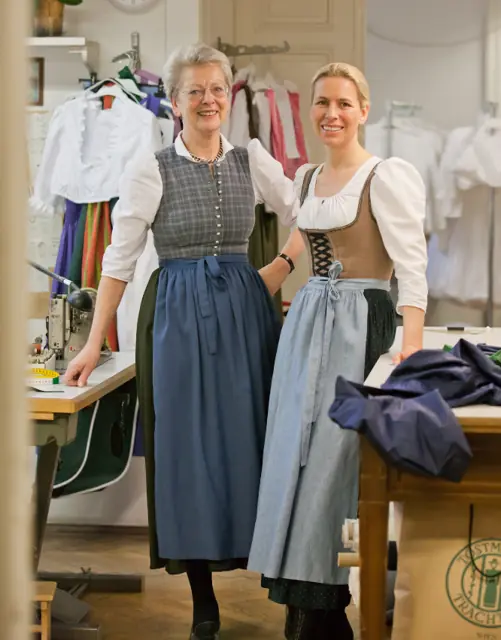
Photo: official site A long-running shop for Austrian dirndl and traditional dress, sewn in its own workshops, with natural-fibre cloth.
Schottengasse 3a, 1010 Wien
KláraI browsed the natural-fibre cloth. The weave was sturdy and the colours clean.
Neubau
M. Maurer
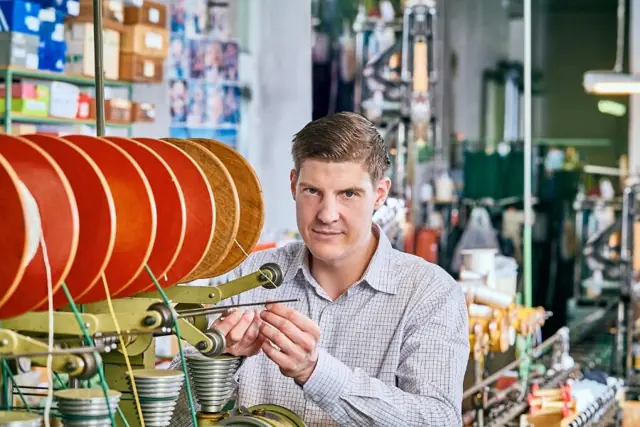
Photo: official site A Viennese passementerie workshop that weaves braids, ribbons and tassels for traditional dress and couture, and sells them at the factory shop.
Kandlgasse 20, 1070 Wien
KláraI looked at the woven braids and tassels. The fine colour pairings drew me in.
Neubau
rosa mosa
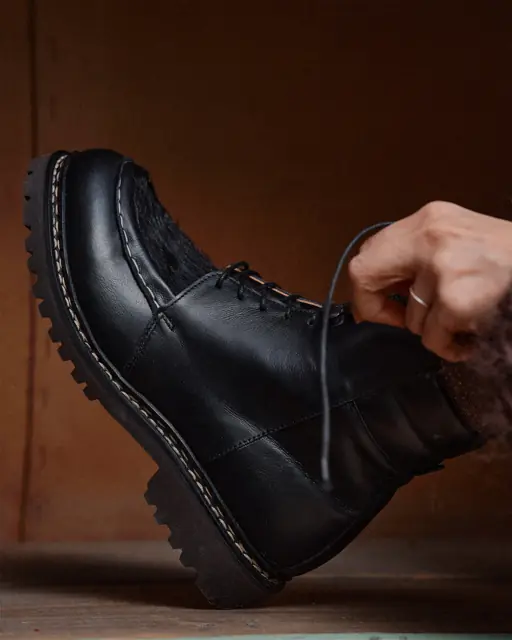
Photo: official site A shop and studio in Neubau for leather shoes, clogs and hand-knits made in small runs by craftspeople in Austria and nearby.
Richtergasse 1, 1070 Wien
KláraI tried on a pair of their leather shoes. Thick leather and a solid fit.
Neubau
lila
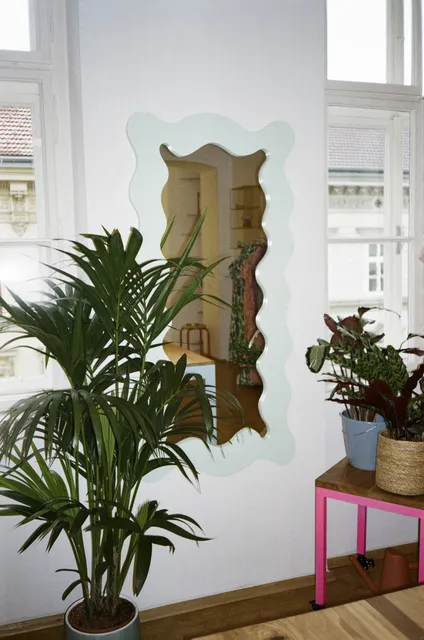
Photo: official site A Viennese designer's shop and studio for women's clothes in Austrian and German natural fibres, sewn in Vienna and Slovakia.
Westbahnstraße 3, 1070 Wien
KláraI tried on one of the natural-fibre pieces. Light and soft on the skin.
Wieden
Marcy-Vintage
A vintage and consignment shop near Karlsplatz, with 1950s to 1990s clothes and accessories gathered from people in the city.
Gußhausstraße 23, 1040 Wien
KláraI flipped through the vintage racks. Everything was well kept and fun to pick.
Jewellery4
All jewellery →1 / 4
Innere Stadt
A. E. Köchert
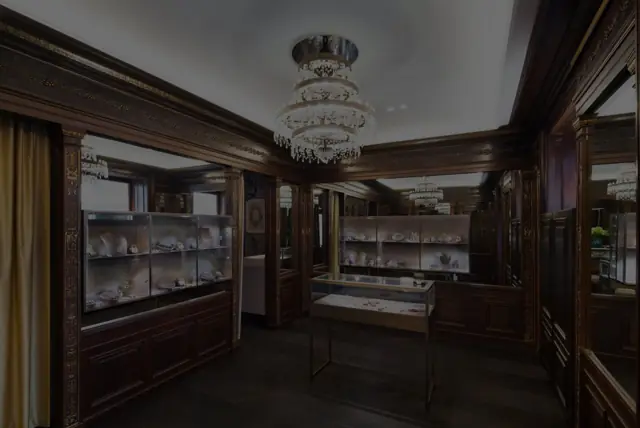
Photo: official site Jewellers since 1814 and once purveyors to the Austrian court, still making one-off pieces by hand in the workshop above the shop.
Neuer Markt 15, 1010 Wien
KláraI looked at the one-off jewellery. The fine metalwork held my attention.
Innere Stadt
Atelier Stoss im Himmel
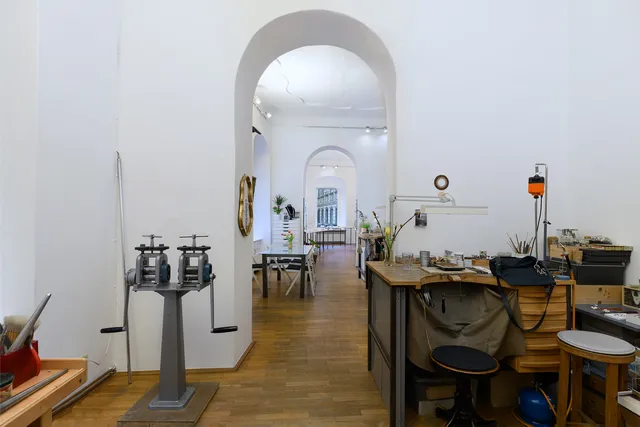
Photo: official site A shared studio and showroom of women jewellers in an Old Town lane, selling one-off pieces made in the workshop.
Stoß im Himmel 3, 1010 Wien
KláraI browsed the one-off pieces made in the studio. Small, quiet shapes I liked.
Innere Stadt
SKREIN*
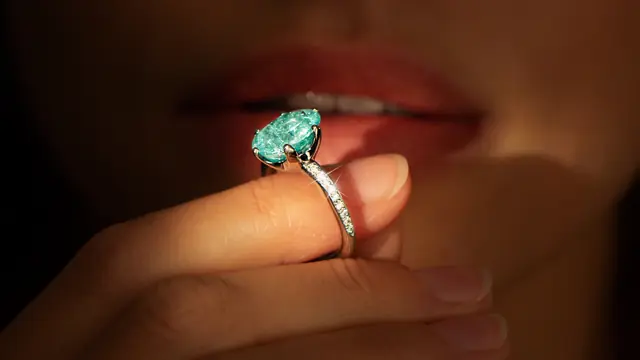
Photo: official site A family jewellery workshop and shop making everything by hand in its own workshop, with fair-trade or recycled gold and conflict-free stones.
Spiegelgasse 5, 1010 Wien
KláraI looked at the handmade gold pieces. The metal had a warm, quiet glow.
Neubau
Bags With Legs
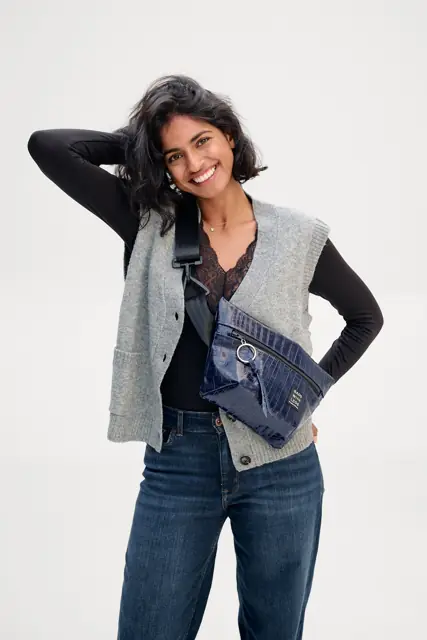
Photo: official site A bag shop in Neubau whose workshop at the back sews small runs of bags from European deadstock leather.
Hermanngasse 19, 1070 Wien
KláraI tried a bag sewn from leftover leather. Light and easy on the shoulder.
Sweets2
All sweets →1 / 2
Innere Stadt
Demel
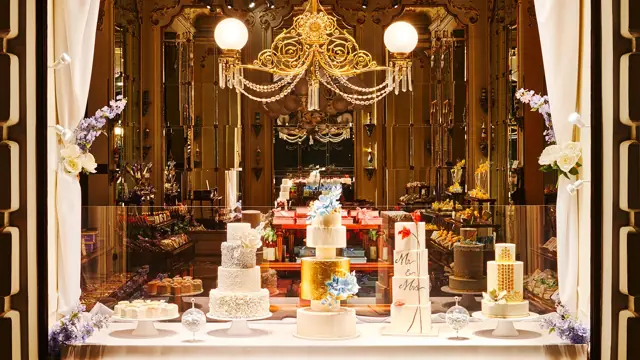
Photo: official site Confectioner dating from 1786 and former imperial court confectioner, still using the k.u.k. Hofzuckerbäcker title. Cakes and chocolates, with a café at the back; no reservations.
Kohlmarkt 14, 1010 Wien
KláraI ordered cake in the back café. The chocolate was rich and good.
Wieden
Vollpension
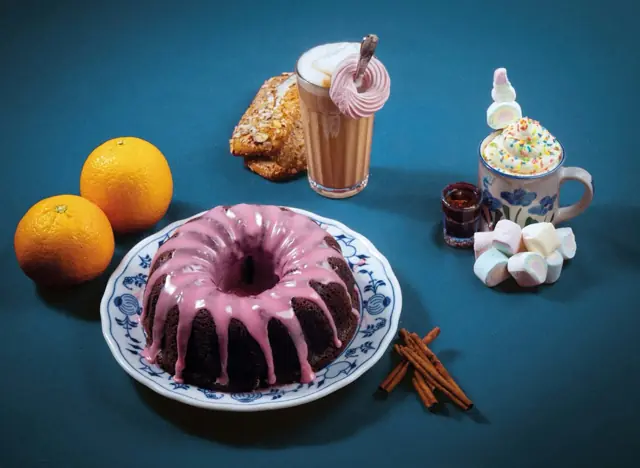
Photo: official site Café where older Viennese bake cakes from their family recipes. Two locations: Schleifmühlgasse and Johannesgasse.
Schleifmühlgasse 16, 1040 Wien
KláraI ordered a cake here. It wasn't too sweet and had a comforting taste.
Food3
All food →1 / 3
Innere Stadt
Zum Schwarzen Kameel
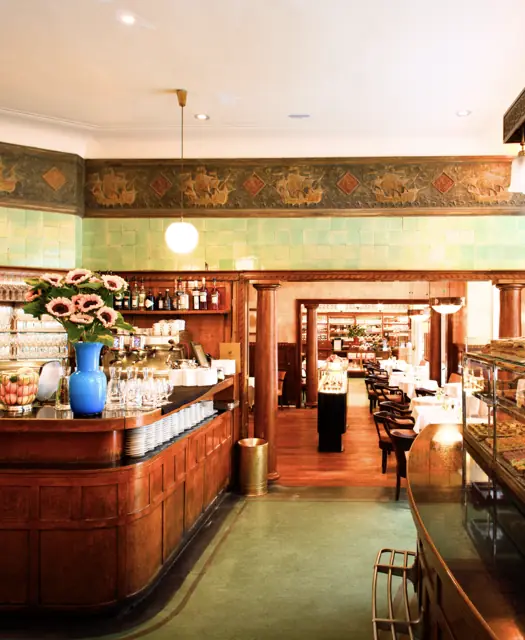
Photo: official site Delicatessen and restaurant on the same Bognergasse site since 1618: a bar and deli counter downstairs, and an upstairs dining room with its Jugendstil interior.
Bognergasse 5, 1010 Wien
KláraI ate a little deli food at the downstairs bar. Well seasoned and light.
Mariahilf
Gastwirtschaft Steman
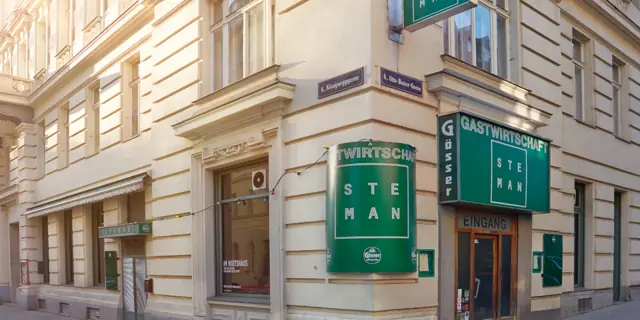
Photo: official site Viennese Beisl in business for more than 100 years, with a daily lunch menu on weekdays.
Otto-Bauer-Gasse 7, 1060 Wien
KláraI had the weekday daily lunch. Plain, honest food and plenty of it.
Innere Stadt
Bitzinger bei der Albertina
Bitzinger Würstelstand Albertina
Sausage stand between the Albertina and the State Opera, open from morning until late at night; known for its Käsekrainer.
Augustinerstraße 1 (Albertinaplatz), 1010 Wien
KláraI ate the Käsekrainer at the stand. Hot off the grill and savoury.
Cafés5
All cafés →1 / 5
Mariahilf
Café Sperl
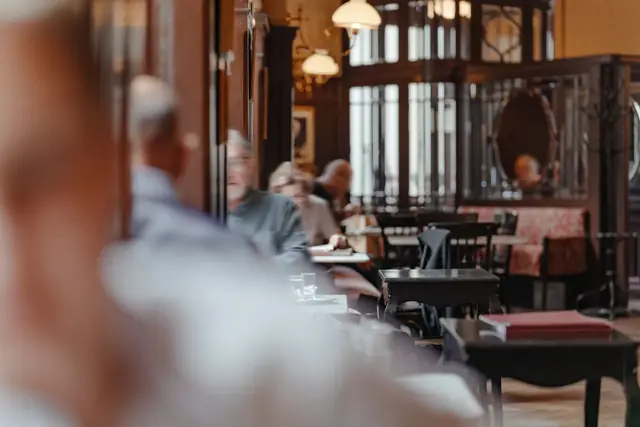
Photo: official site Coffee house built in 1880 to plans by the Ringstrasse architects Gross and Jelinek, with its marble tables, Thonet chairs and billiard tables still in place.
Gumpendorfer Straße 11, 1060 Wien
KláraI had coffee at a marble table. The cool stone felt pleasant under my hands.
Innere Stadt
Café Museum
Coffee house opened in 1899; its original interior was Adolf Loos's first major commission (the present interior dates from a 2003 remodel). It runs regular readings.
Operngasse 7, 1010 Wien
KláraI stopped for coffee here. The old coffee house had a calm, settled feel.
Innere Stadt
Café Prückel
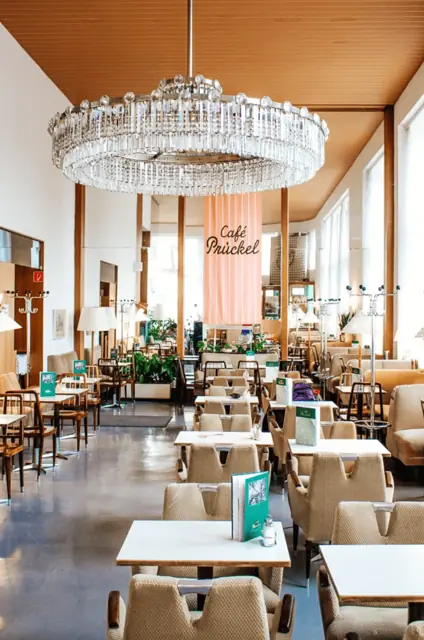
Photo: official site Ringstrasse coffee house since 1903, opposite the MAK. The front rooms keep Oswald Haerdtl's 1950s redesign.
Stubenring 24, 1010 Wien
KláraI had coffee in the front room. I liked the bright 1950s interior.
Wieden
Café Goldegg
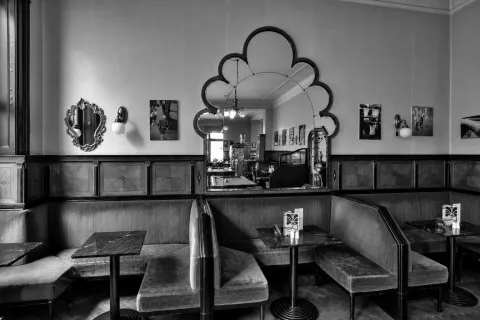
Photo: official site A coffee house opened in 1910, with its Jugendstil interior, green velvet banquettes and a billiard table.
Argentinierstraße 49, 1040 Wien
KláraI sat on a green velvet banquette. It was so plush I stayed a while.
Neubau
Jonas Reindl Coffee Roasters
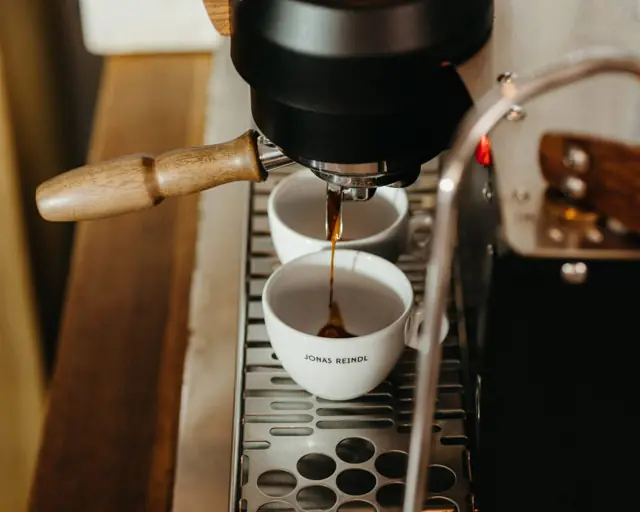
Photo: official site Specialty coffee roaster; this branch has its roaster on site, in view of the room, and sells beans.
Westbahnstraße 13, 1070 Wien
KláraI drank coffee watching the roaster inside, then took home a bag of beans.
By area
Klára is a fictional traveller. Every place here was checked by the editors to exist and be open (checked 2026-11-13). Please confirm hours on the official site before you go. Paid listings are always marked. If you are the shop and would like a photo removed, write to editor@vual.jp and we will take it down at once.
To see — art and sights (landmarks)
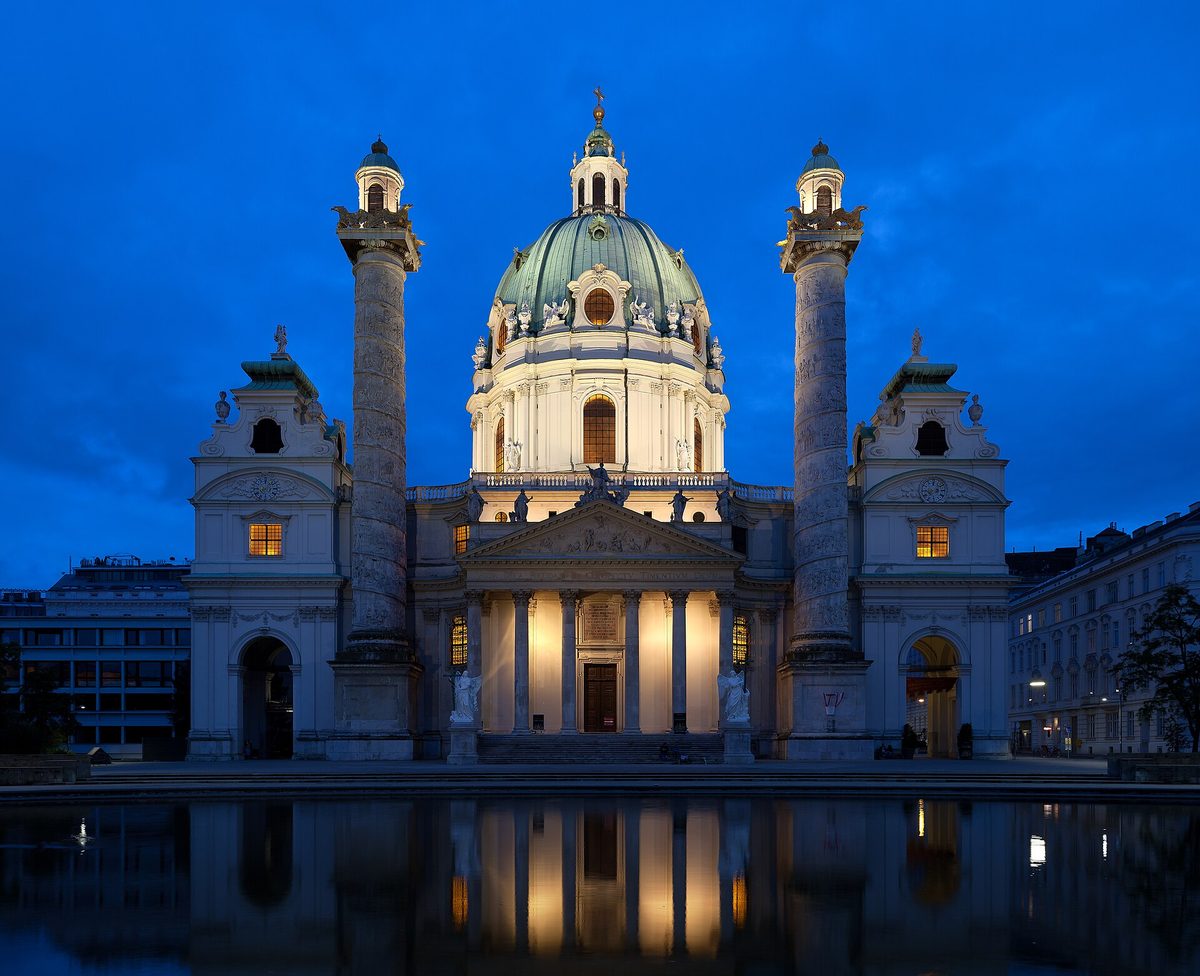
Photo: Thomas Wolf, www.foto-tw.de / CC BY-SA 3.0 de (Wikimedia Commons) Sights · Karlsplatz
Karlsplatz and Karlskirche
Johann Bernhard Fischer von Erlach's 1739 Baroque St. Charles' Church anchors Karlsplatz with its green copper dome, twin triumphal columns, and reflecting basin.
Open year-round for sightseeing Mon–Sat 09:00–18:00 and Sun/holidays 11:30–19:00 (€9.50 adult ticket includes the organ loft and portico panoramic terrace; the former interior dome lift was removed in 2022).
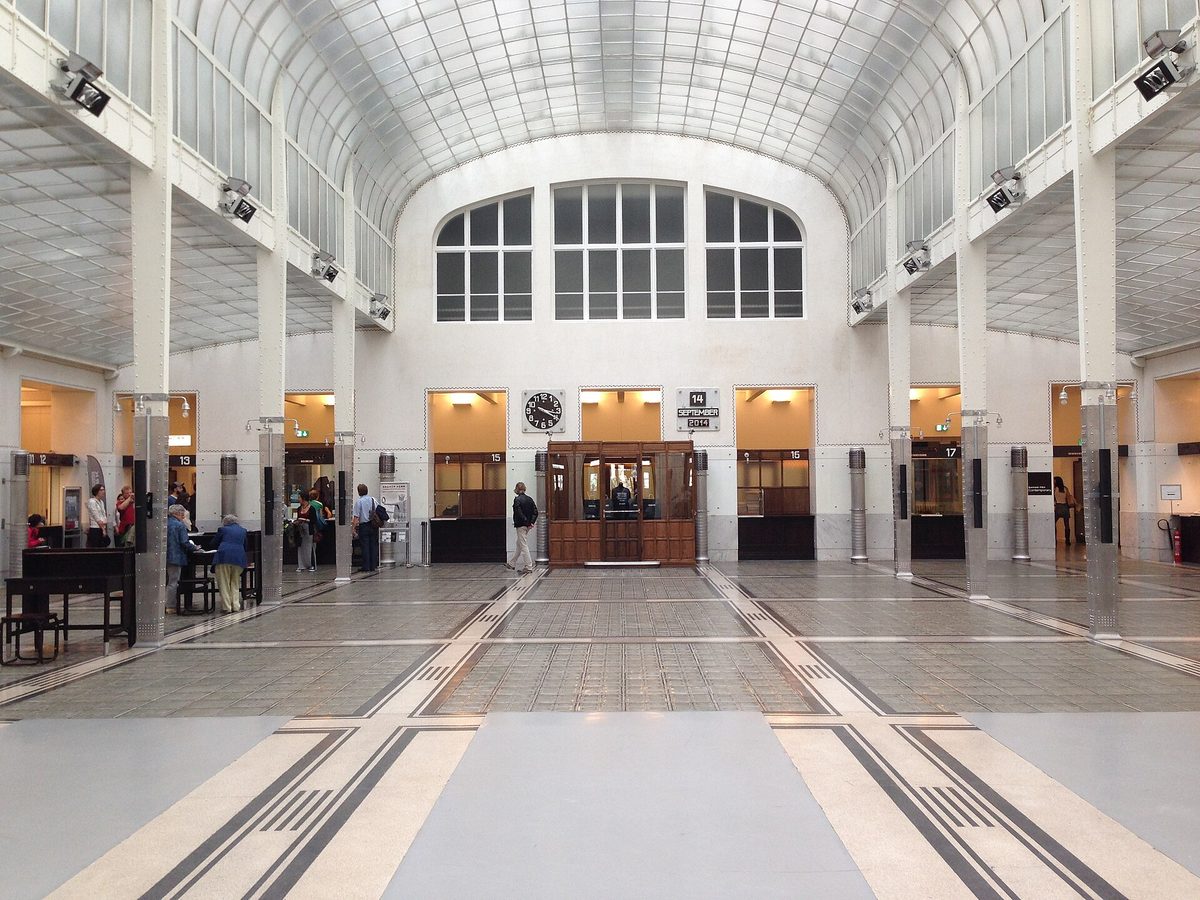
Photo: Andrew Nash from Vienna, Austria / CC BY-SA 2.0 (Wikimedia Commons) Art · Innere Stadt
Austrian Postal Savings Bank
Otto Wagner's 1904–1912 modernist banking landmark, famed for its aluminum-bolted stone facade and glass-roofed Great Banking Hall, now houses the Angewandte Interdisciplinary Lab and Café Exchange.
Free entry to the historic banking hall via Café Exchange (Mon–Fri 09:00–17:30, Sat 10:30–17:00, closed Sun) and AIL exhibitions (Mon–Fri 11:00–18:00 during runs; closed weekends and public holidays).
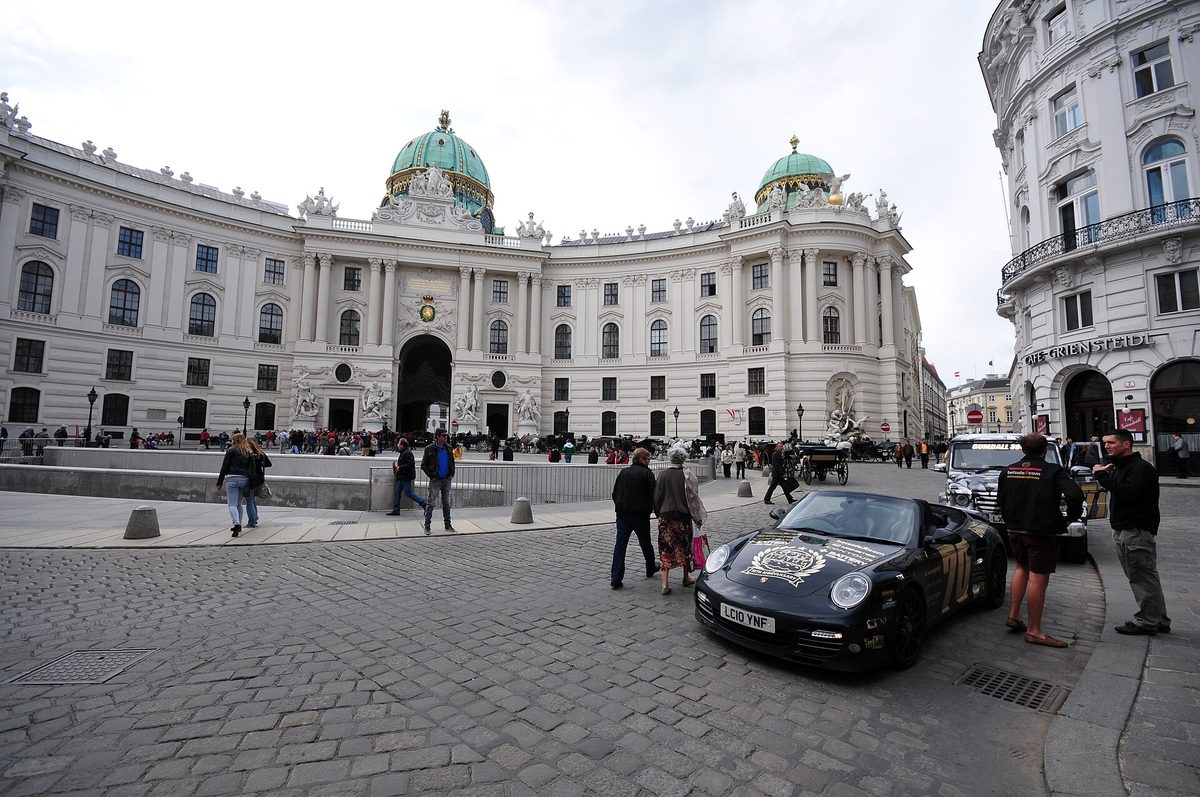
Photo: Ralf Roletschek / CC BY 3.0 (Wikimedia Commons) Sights · Innere Stadt
Michaelerplatz and Looshaus
The historic square facing the Hofburg frames sunken Roman ruins, St. Michael's Church, and Adolf Loos's 1911 Looshaus, whose unadorned upper facade broke radically with imperial historicism.
The square is open year-round following its November 2024 pedestrian and barrier-free redesign; the Looshaus houses bank offices and retail rather than a public museum, so visits are mainly exterior.
Sights · Innere Stadt
The Ringstrasse and Its Trams
Vienna's 5.3-kilometer grand 19th-century boulevard encircles the historic core past the State Opera, Parliament, City Hall, and Imperial Museums along a streetcar corridor.
The dedicated yellow Vienna Ring Tram has been discontinued; ride regular Wiener Linien tram lines 1 and 2 (transferring to cover the full loop) with standard tickets (€3.00 digital, €3.20 paper).
Art · Innere Stadt
Kärntner Bar (American Bar)
Designed by Adolf Loos in 1908, this heritage-listed 27-square-meter cocktail bar pairs mahogany, brass, backlit onyx, and mirrored walls to create an illusion of infinite space.
Open daily 12:00–04:00 with a €50 per person indoor minimum spend and smart-casual dress code (no flip-flops, backpacks, or shorts indoors); no reservation needed for up to 2 guests.
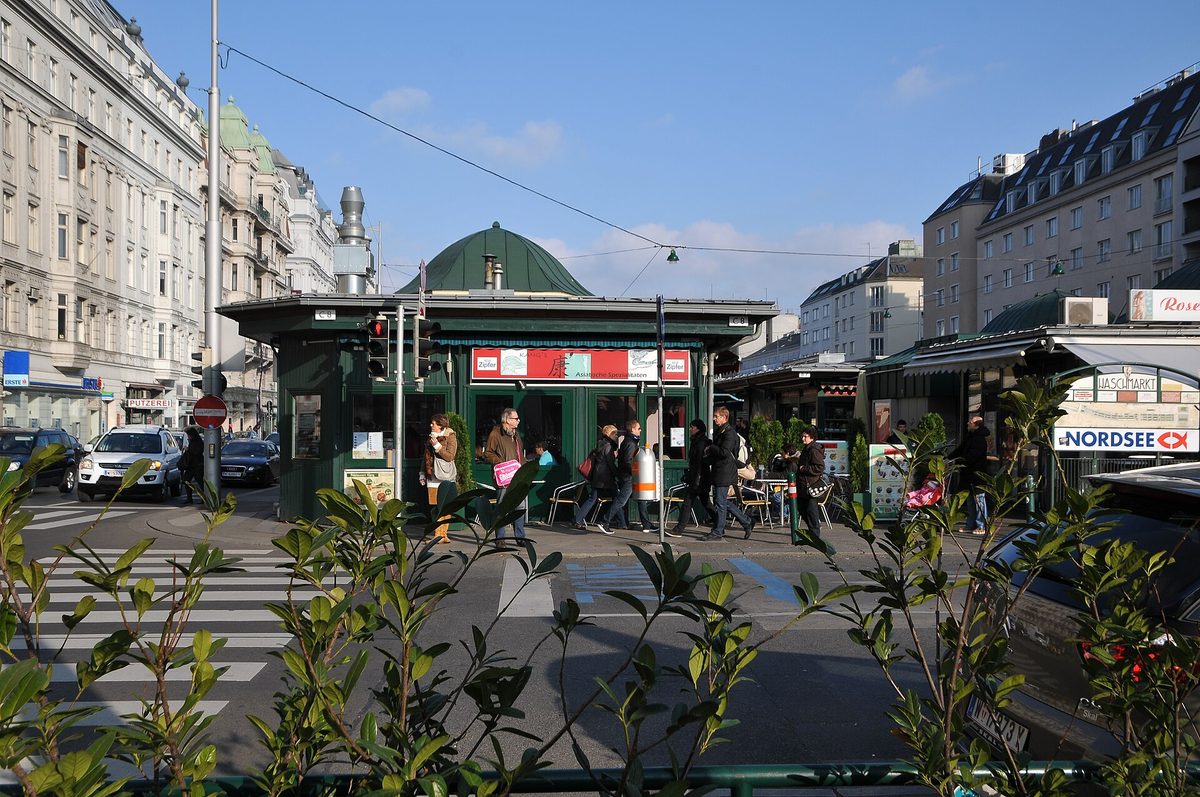
Photo: böhringer friedrich / CC BY-SA 3.0 at (Wikimedia Commons) Sights · Mariahilf
Naschmarkt
Vienna's largest inner-city open-air food market lines Wienzeile with roughly 130 produce stalls and eateries, now joined by the new Marktraum hall with a public green roof and the adjacent Naschpark.
Market stalls run Mon–Fri 06:00–21:00 (most close 18:00–19:00) and Sat 06:00–18:00, closed Sun (restaurants open Sun 09:00–21:00); the Saturday flea market runs 06:30–14:00 near Kettenbrückengasse.
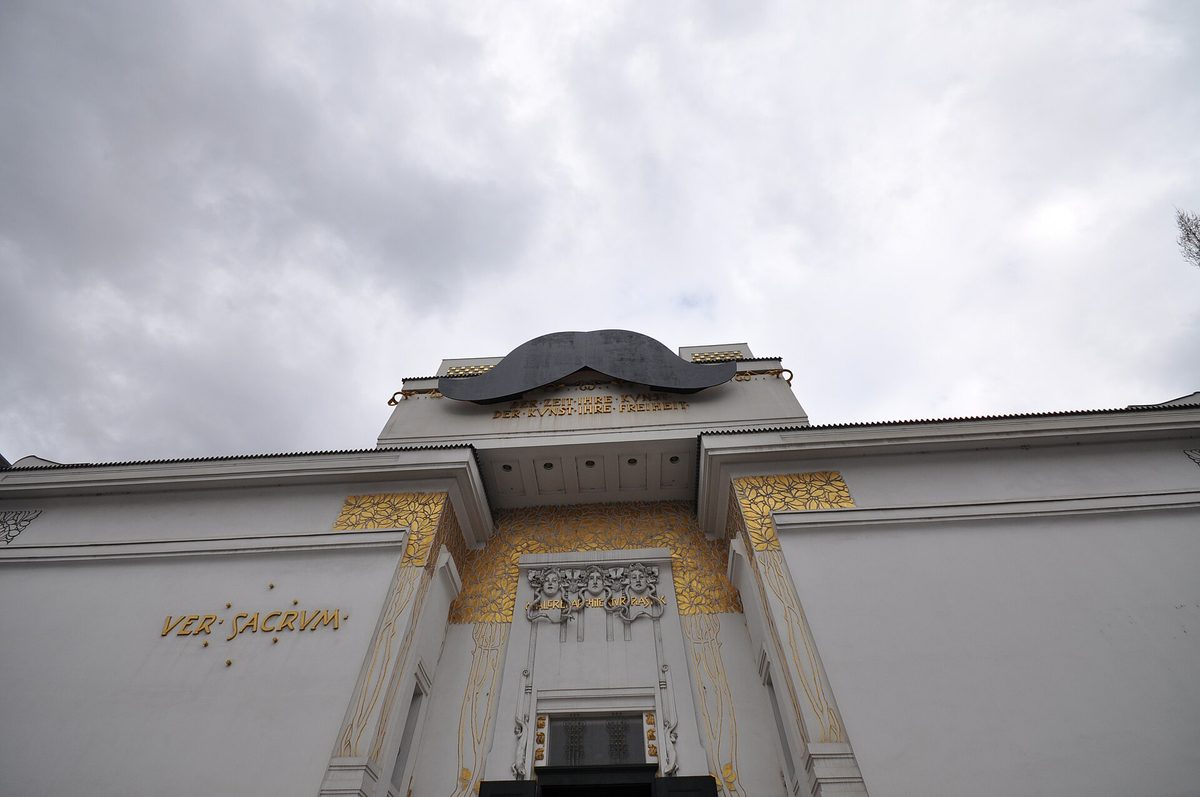
Photo: Jorge Láscar from Australia / CC BY 2.0 (Wikimedia Commons) Art · Innere Stadt
Secession
Built in 1898 by Joseph Maria Olbrich under a gilded laurel-leaf dome, this artist-run Secession exhibition hall permanently houses Gustav Klimt's monumental Beethoven Frieze.
Open Tue–Sun 10:00–18:00 (closed Mon; 24 Dec 10:00–14:00, 25 Dec closed). Admission €13 (free on the first Wednesday of each month); only the Beethoven Frieze is viewable during exhibition changeovers.
These are landmarks, not Klára's picks. Each was checked to be open on its official site (checked 2026-11-15). Please confirm hours before you go.
What to wear in Vienna, november
- Around 9.5°C by day and 5°C at night, with about 40 mm of rain (Innere Stadt, 1991–2020 averages).
- Skies are often grey, and the sun sets soon after four.
- In October a knit and a light coat are enough; it is about 15°C by day. In December it drops to about 5°C by day; add gloves and a hat.
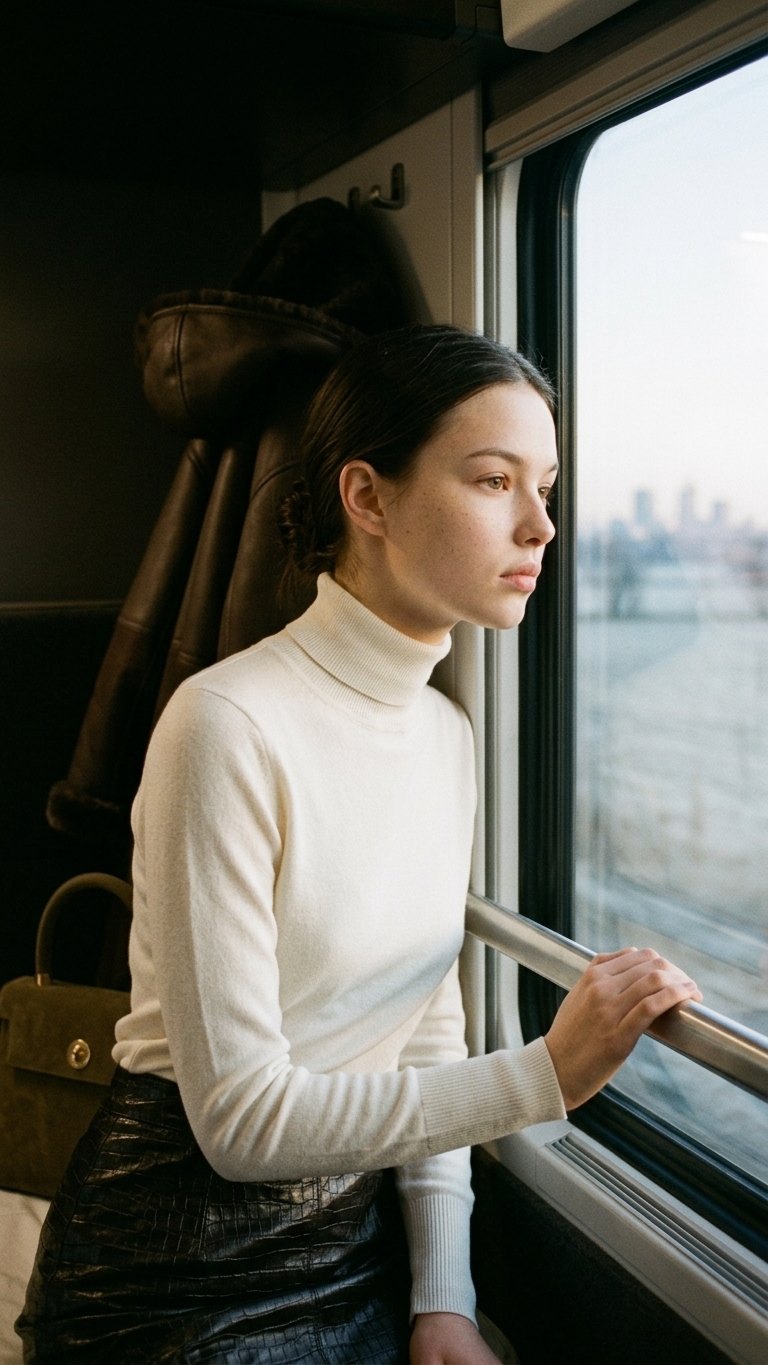
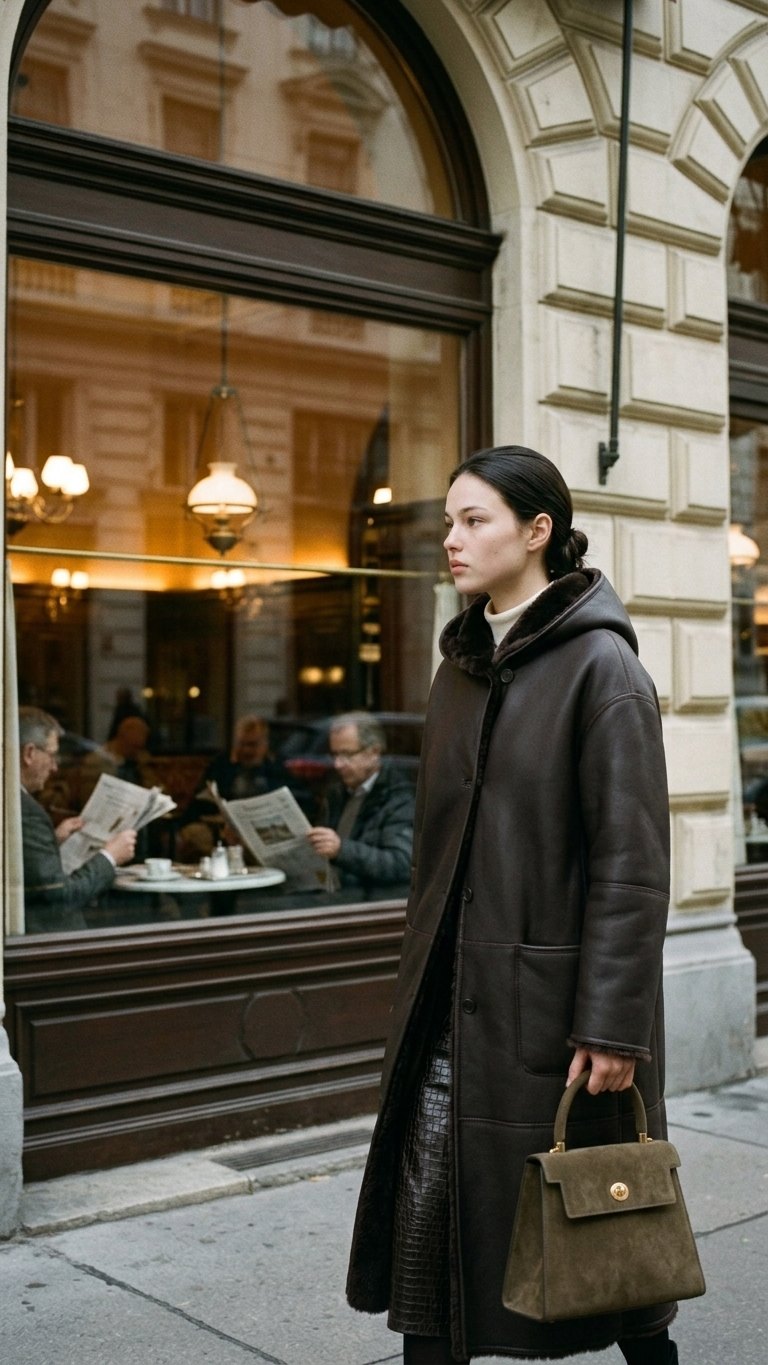
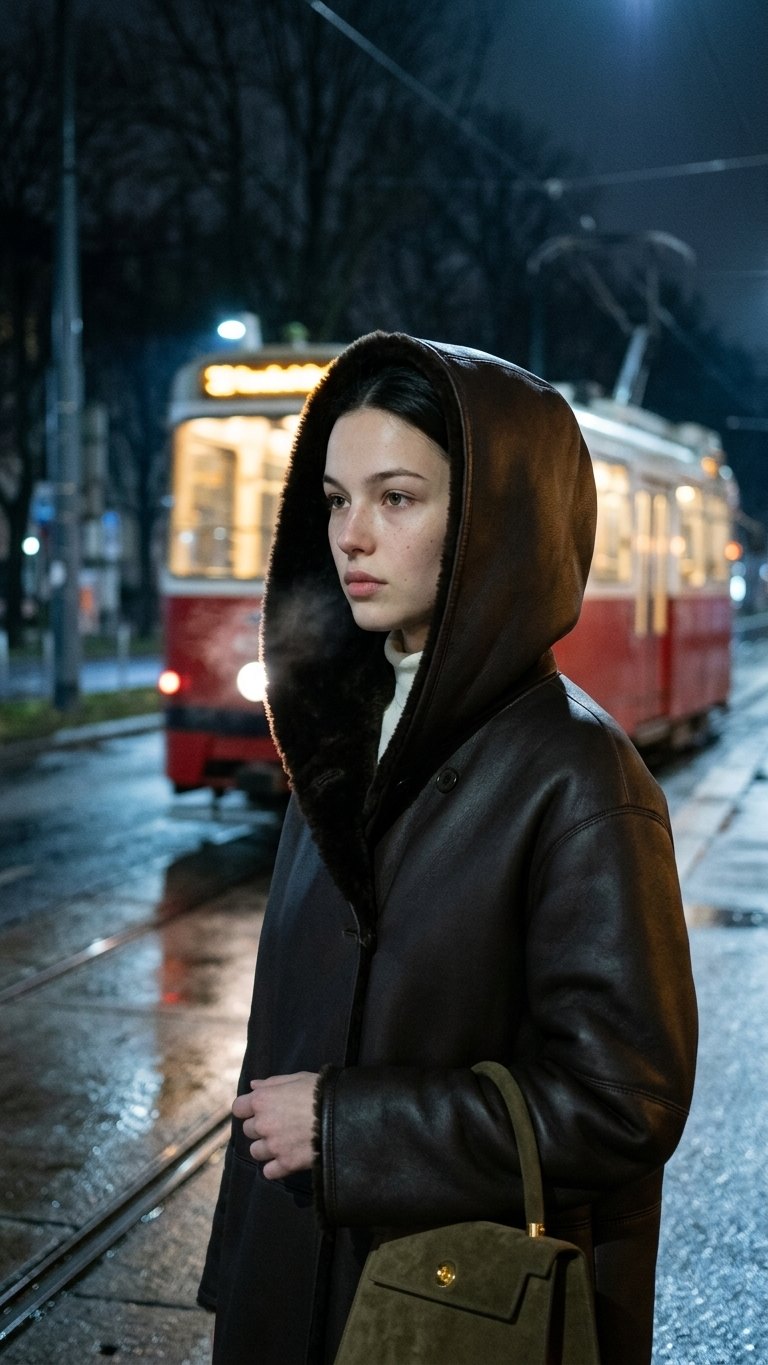
All clothes are VUAL originals.