Fukuoka · from Kitakyushu
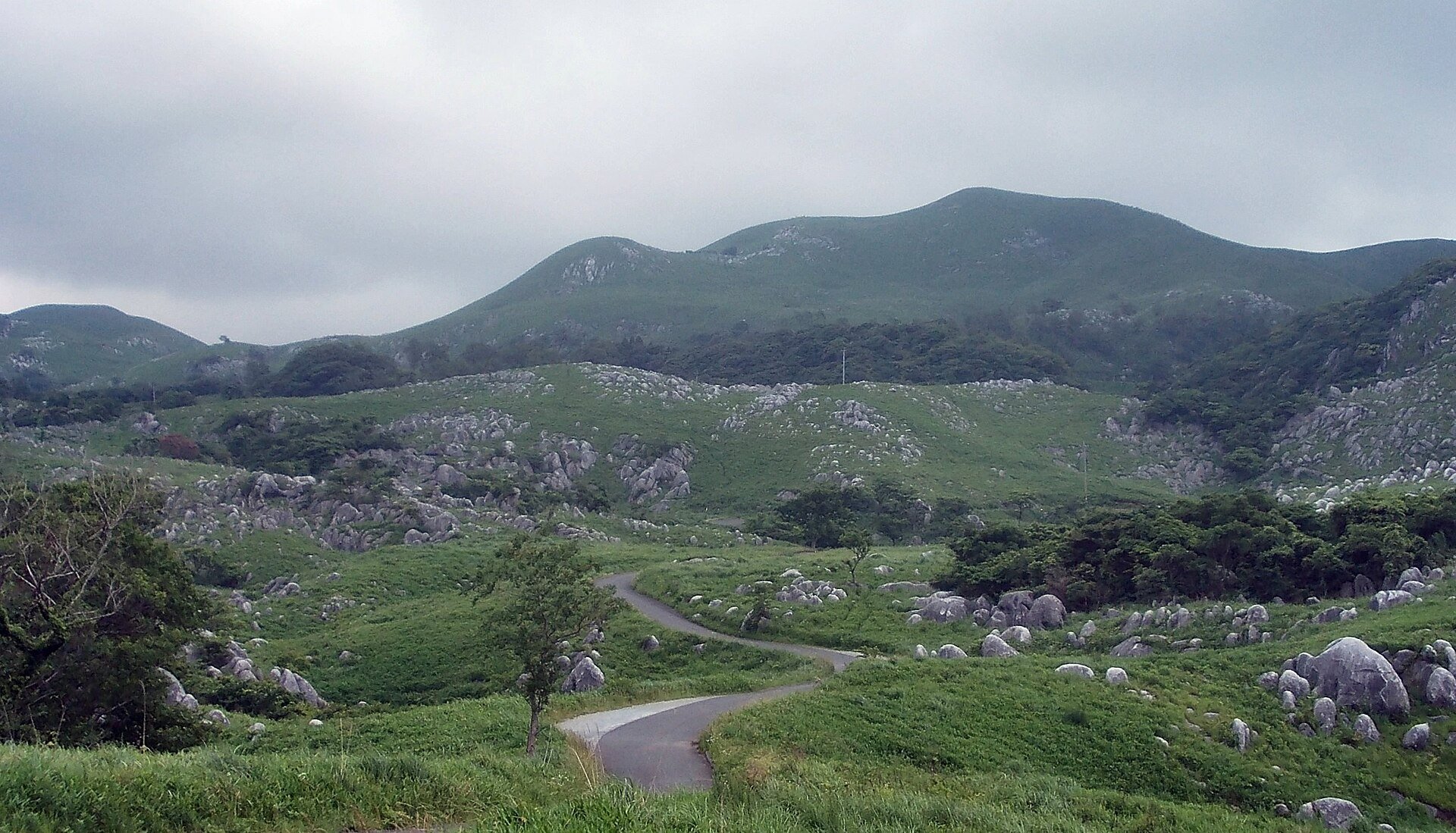
Hiraodai Karst Plateau
平尾台
One of Japan's three major karst plateaus, featuring rolling grasslands dotted with white limestone pillars and centered on the Solaland Hiraodai park. Best in February, April–May, October in a usual year.
When to go
Late February brings the dramatic Noyaki grassland burn, while April–May and October offer the clearest green and pampas-grass karst vistas.
Bar height is how much we recommend each month (0–5), for a usual year; seasons can shift by a week or two. The dark bar is this month.
- JanuaryCrisp winter air and occasional frost or light snow over the limestone sheep rocks
- FebruaryAnnual Noyaki controlled burn (held Feb 22, 2026) turning the plateau dramatic black
- MarchCharred plateau begins sprouting fresh green shoots under early spring sun
- AprilBright green karst meadows and trail running season
- MayLush greenery and wildflowers across the rolling hills
- JuneMisty rainy-season karst views; trails can be muddy
- JulyDeep summer green and plateau breezes
- AugustStargazing and meteor shower viewing events on clear nights
- SeptemberEarly autumn coolness and moon-viewing evenings
- OctoberSilver susuki pampas grass swaying across the plateau
- NovemberGolden late-autumn grass and clear views toward the Seto Inland Sea
- DecemberQuiet winter plateau with sharp afternoon light on white limestone
TicketsSolaland Hiraodai park admission free; standard car parking 300 yen. On Noyaki burn day (Feb), Route 28 has traffic closures and viewing is restricted to designated safe areas.
A day there — Winter Karst Walk Across Hiraodai Plateau
Cafe Mukunoki opens only Friday to Sunday, 11:30–15:00, so go on one of those days. Taxi from JR Ishiharamachi (about 15 minutes) up to the plateau. Solaland Hiraodai is closed on Tuesdays (the next weekday after a public holiday). At about 400 m it gets cold, so come down early for lunch. You can do it without a car.
Loading the map
- 10:30Arrive
1JR Ishiharamachi Station
Arrive at the gateway station for Hiraodai, ~30 min from JR Kokura Station on the JR Hita-Hikosan Line.
↓ taxi, about 15 min · Taxi, about 15 minutes
- 10:45On the way
2Hiraodai Nature Observation Center
Check karst geology exhibits and winter trail conditions before walking the plateau (closed Mondays).
↓ walk, about 15 min · Walk ~15 min along the karst plateau path
- 11:15The spot
3Hiraodai Karst Plateau (Solaland Hiraodai)
Walk the limestone-studded winter grassland and viewpoints around midday when skies are clearest and warmest.
↓ taxi, about 25 min · Taxi down to Tokuyoshi in Kokura-Minami, about 25 minutes
- 13:00Eat
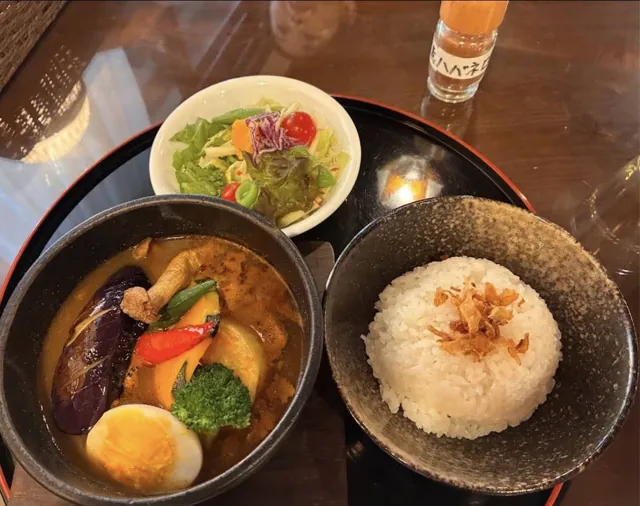 Photo: the shop
4Cafe MukunokiRun by the editor's family
A soup-curry café cooking with vegetables from the family garden. Lunch is the seasonal vegetable soup curry, served piping hot in an iron pot. Parking for 4 cars. Open Fri–Sun, 11:30–15:00.
↓ taxi, about 20 min · Taxi to JR Kokura Station, about 20 minutes
- 14:40Leave
5JR Kokura Station
Reach JR Kokura Station for Shinkansen or JR Kagoshima Line departures.
Times are a guide. Check bus and train times and closing days on the official sites before you go. Map data © OpenStreetMap contributors (routes: FOSSGIS OSRM)
Nearby
Sight
Hananooka Park (Kitakyushu General Agricultural Center)Stroll seasonal flower beds, the petting zoo, and the local farm produce market.
Sweets
SWEETS SHOP FAVORI PLUSEnjoy freshly baked baumkuchen, seasonal cakes, and buckwheat galettes.
Official: cocokite-yokatta.jp · The editors checked on the official page that it is open in 2026 (2026-11-14).